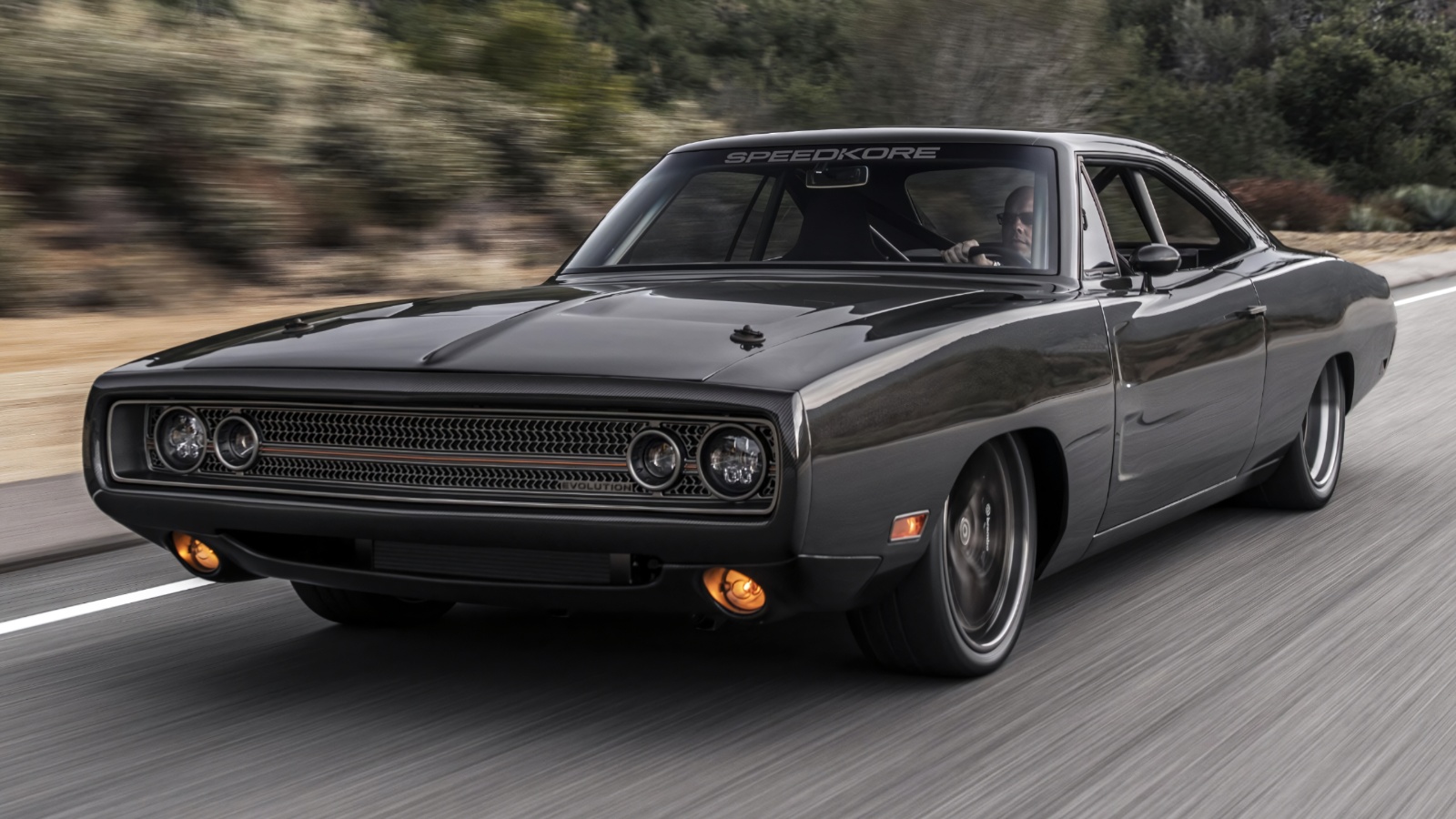
The golden age of American muscle cars produced some of the most unforgettable performance machines in automotive history. During the late 1960s and early 1970s, manufacturers competed fiercely to build faster, more aggressive cars that combined powerful engines, bold styling, and street performance. However, not every muscle car became a long-running nameplate with multiple generations. Some appeared briefly, made a powerful impression, and disappeared before receiving a true successor.
These one-and-done performance models often became legendary precisely because they were limited in time and production. Rising insurance costs, stricter emissions regulations, changing consumer tastes, and shifting corporate strategies forced many manufacturers to end ambitious projects earlier than expected. Today, these rare muscle cars represent a unique era when horsepower was the primary measure of performance, and automakers were willing to take risks to attract enthusiasts.
The following ten muscle cars never received a direct second generation as originally designed, but each left behind a lasting legacy among collectors and performance fans.
1. Pontiac GTO Judge
The Pontiac GTO Judge was created during the peak of the muscle car wars as Pontiac’s answer to the growing demand for affordable high-performance machines. Introduced in 1969, the Judge was designed as a more aggressive and youthful version of the already famous GTO.
Pontiac equipped it with bold graphics, a rear spoiler, distinctive badging, and performance-focused options that separated it from ordinary GTO models. The standard engine was the Ram Air III 400 cubic-inch V8 producing 366 horsepower, while buyers could upgrade to the more powerful Ram Air IV.
The Judge quickly became one of Pontiac’s most recognizable performance models, but its success was short-lived. Sales declined as the muscle car market weakened due to rising insurance rates and changing regulations. By 1971, Pontiac discontinued the Judge name, and no direct second-generation version was created.
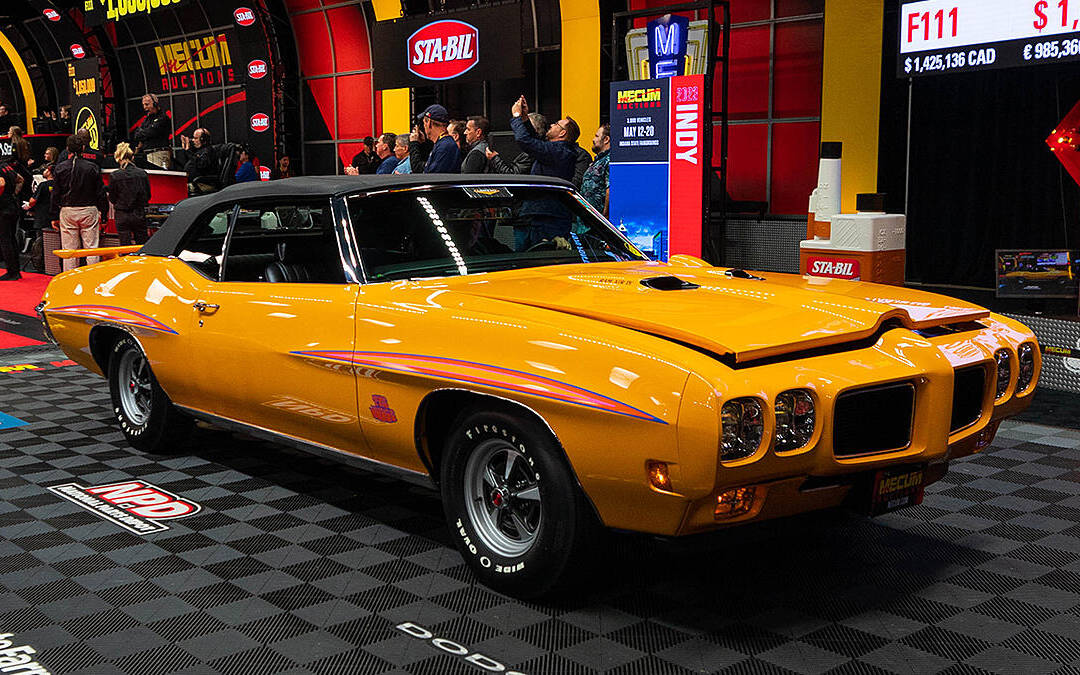
Although later GTO models continued, they did not carry the same rebellious personality and factory-backed attitude that made the Judge special. Today, surviving examples are highly valued because they represent Pontiac’s attempt to capture the peak of the classic muscle car era before the industry moved toward lower-performance vehicles.
Specifications
- Engine: 400 cu in (6.6-liter) Pontiac V8 (Ram Air III / Ram Air IV options)
- Torque: 445 lb-ft
- Horsepower: 366 hp (Ram Air III) / 370 hp (Ram Air IV)
- Length/Width: 201.2 inches / 75.6 inches
2. Chevrolet Chevelle SS 454
The Chevrolet Chevelle SS 454 remains one of the most respected big-block muscle cars ever produced. Introduced for the 1970 model year, the SS 454 represented Chevrolet’s effort to compete directly with the most powerful intermediate muscle cars from Ford, Dodge, and Plymouth.
At its heart was the legendary 454 cubic-inch V8, available in two versions: the LS5 producing around 360 horsepower and the LS6 producing a factory-rated 450 horsepower. The LS6 variant became famous as one of the most powerful production engines of the era.
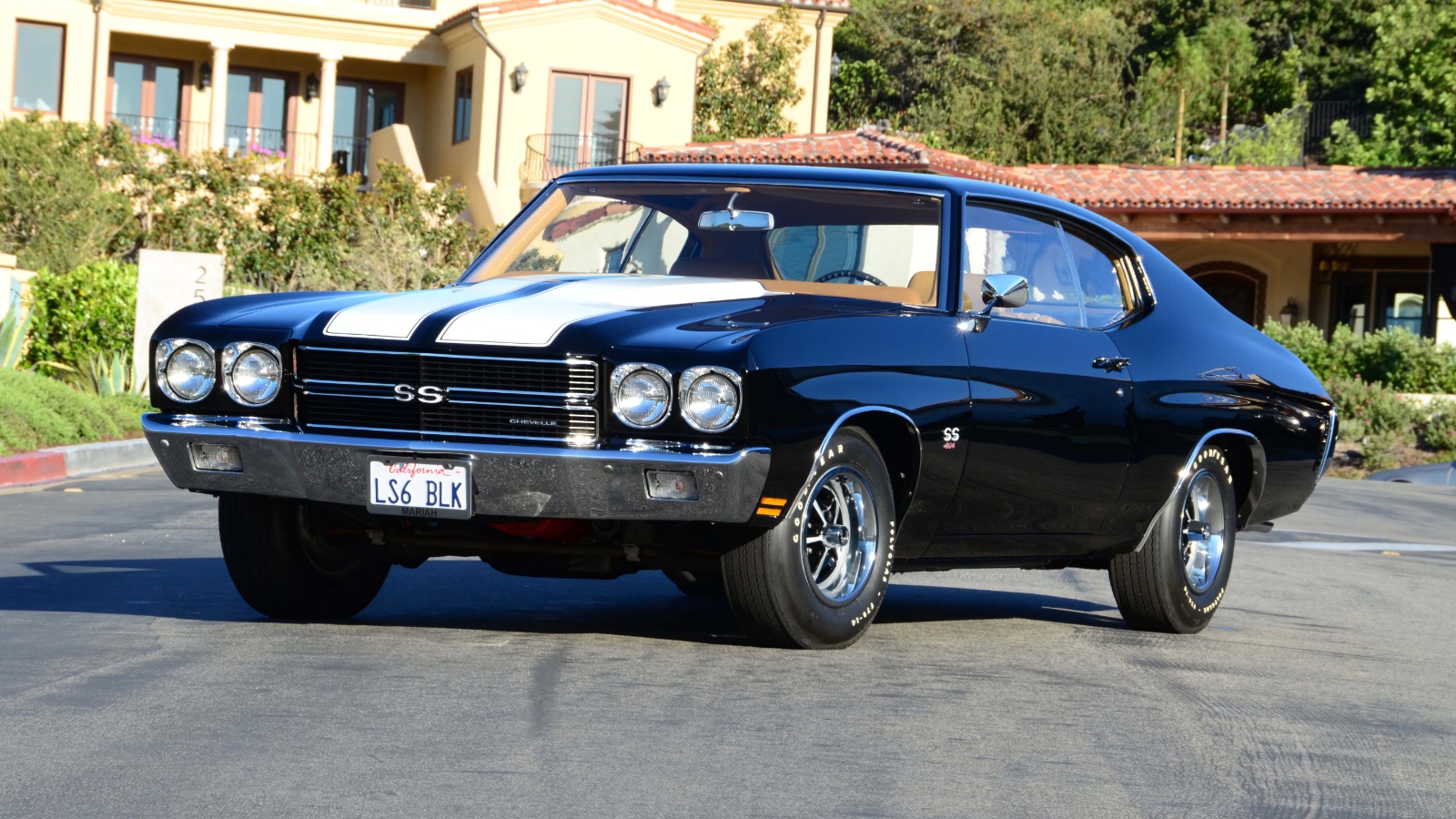
Despite its incredible performance, the Chevelle SS 454 existed during a difficult transition period for American performance cars. Insurance companies increased premiums on high-horsepower vehicles, government emissions standards became stricter, and consumer interest began shifting away from large V8-powered cars.
Chevrolet continued producing Chevelle models after 1970, but the original high-performance SS 454 formula never received a true second-generation continuation. The combination of massive torque, aggressive styling, and limited availability made it an icon.
Modern collectors consider the LS6 Chevelle SS 454 one of the ultimate examples of traditional muscle car engineering because it arrived at the exact moment when the classic horsepower era was coming to an end.
Specifications
- Engine: 454 cu in (7.4-liter) Chevrolet Big-Block V8 (LS5 / LS6 options)
- Torque: 500 lb-ft
- Horsepower: 360 hp (LS5) / 450 hp (LS6)
- Length/Width: 197 inches / 75.4 inches
3. Dodge Challenger T/A
The Dodge Challenger T/A was one of the most unusual performance cars created during the muscle car era. Built for the 1970 model year, the Challenger T/A was developed to help Dodge compete in the Sports Car Club of America’s Trans Am racing series. To qualify for competition, manufacturers needed to produce street versions of their race cars, resulting in a limited-production performance machine with unique features.
The Challenger T/A came equipped with a 340 cubic-inch V8 featuring special modifications, including three two-barrel carburetors, producing impressive performance for its size.
It also featured a functional hood scoop, side exhaust outlets, heavy-duty suspension components, and aggressive styling graphics. However, the Trans Am racing effort was short-lived, and Dodge ended production after only one model year. There was no direct second-generation Challenger T/A during the classic muscle era.
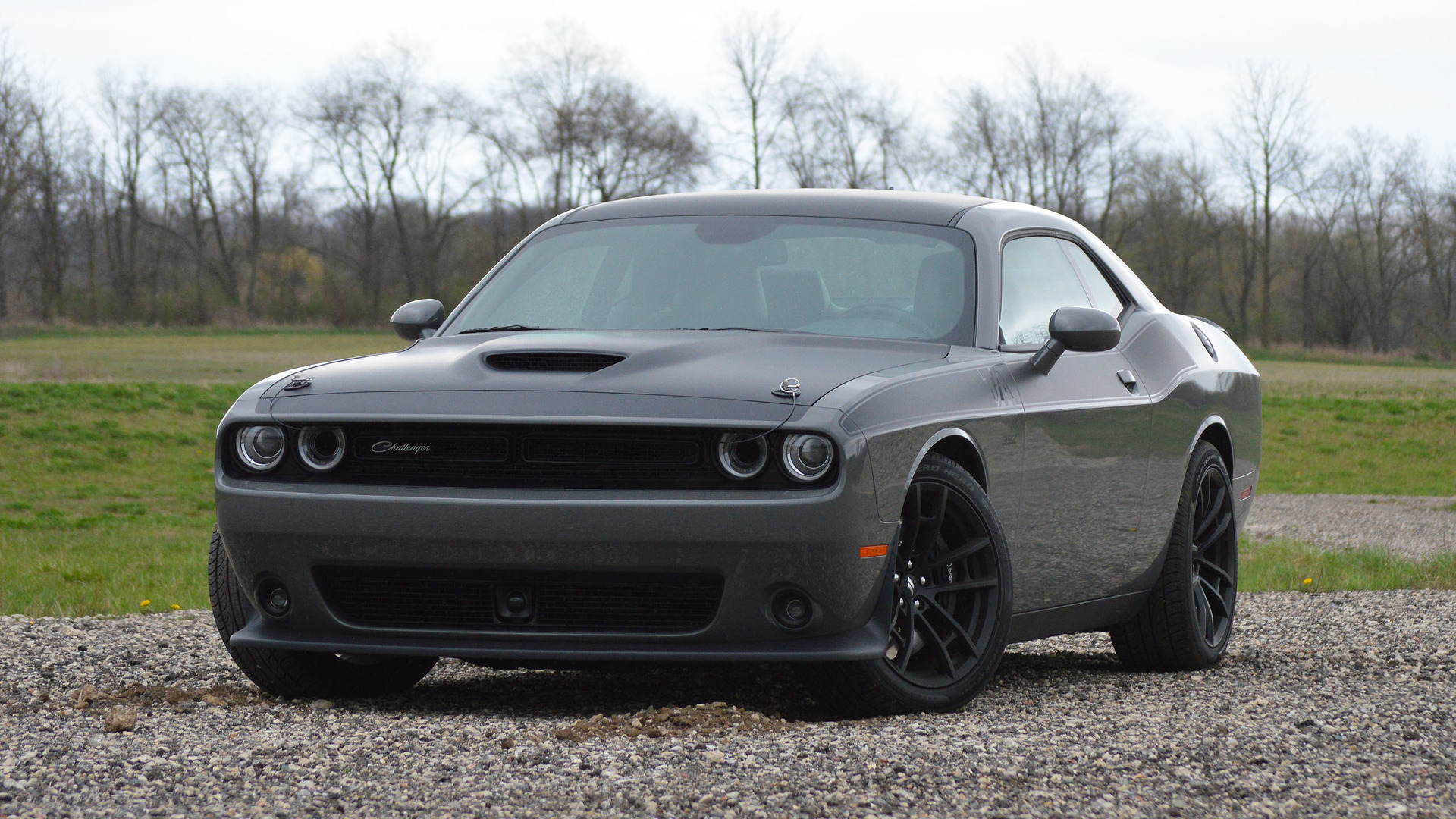
Although modern Dodge revived the T/A name decades later, the original 1970 model remains a unique piece of muscle car history. Its combination of racing influence, distinctive appearance, and limited production has made it highly desirable among collectors.
The Challenger T/A represents a moment when manufacturers built street cars directly connected to racing programs, creating machines that were as exciting visually as they were mechanically.
Specifications
- Engine: 340 cu in (5.6-liter) Chrysler LA-series V8 with Six-Pack carburetion
- Torque: 345 lb-ft
- Horsepower: 290 hp
- Length/Width: 191.3 inches / 76.1 inches
4. Plymouth Superbird
The Plymouth Superbird was one of the most extreme muscle cars ever created. Built for the 1970 model year, the Superbird was developed primarily as a NASCAR homologation vehicle designed to improve Plymouth’s competitiveness on high-speed tracks. Its most recognizable features were the enormous rear wing, aerodynamic nose cone, and unique body modifications that separated it from every other production car on American roads.
Underneath its dramatic appearance, the Superbird offered serious performance. Buyers could choose powerful engines including the 440 Super Commando and the legendary 426 Hemi V8.
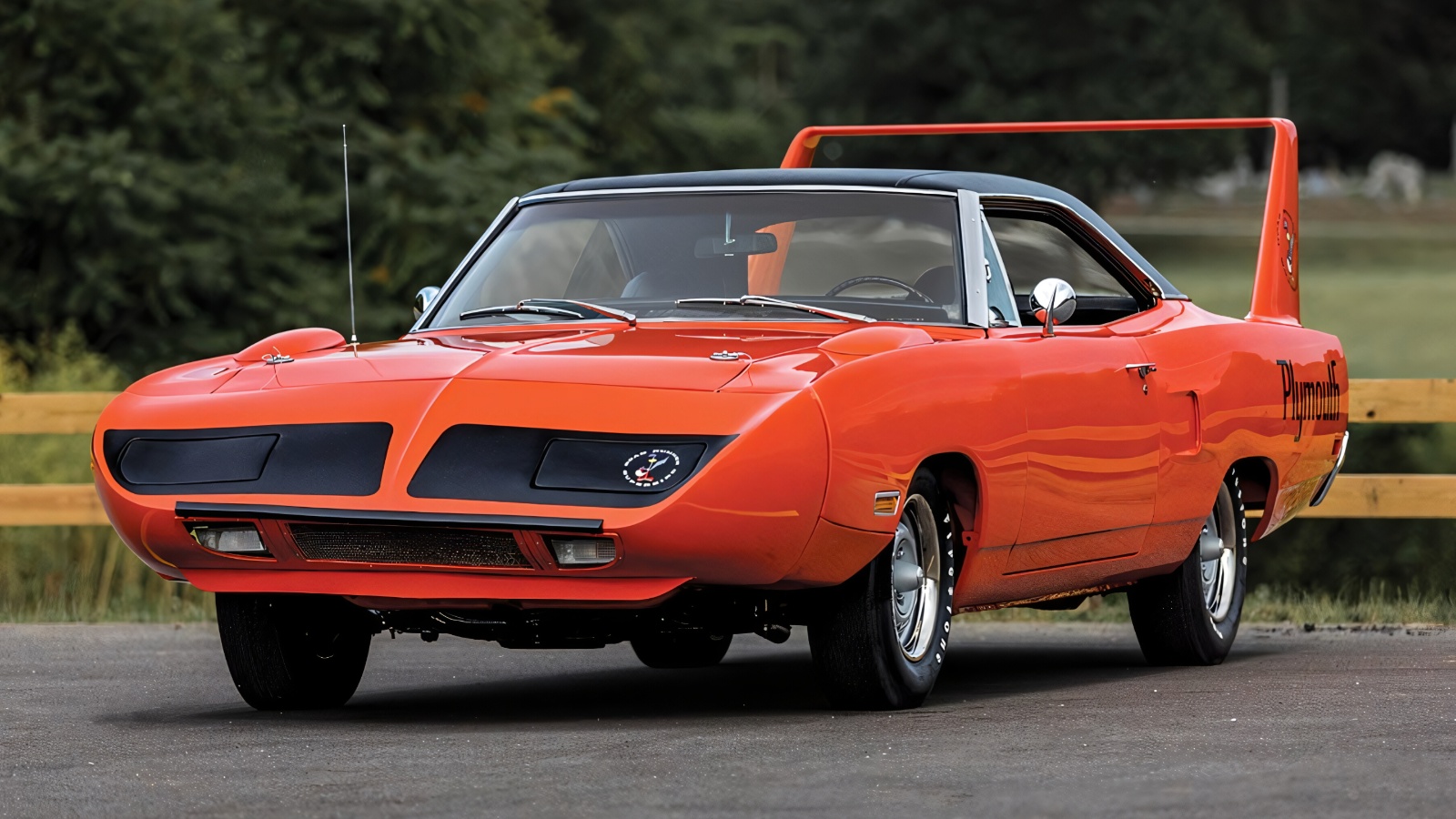
The aerodynamic design helped NASCAR versions achieve incredible speeds, while the street version gave enthusiasts access to a machine unlike anything else available at the time. However, public reaction was mixed, and many buyers considered the styling too extreme.
Because NASCAR rules changed and the demand for such specialized vehicles disappeared, Plymouth produced the Superbird for only one year. It never received a second generation or direct successor. Today, it is considered one of the most collectible muscle cars ever built. Its rarity, racing heritage, and unforgettable appearance transformed it from an unusual experiment into one of the defining symbols of the classic muscle car era.
- Engine: 440 cu in (7.2-liter) Six Barrel V8 or 426 cu in (7.0-liter) Hemi V8
- Torque: 490 lb-ft
- Horsepower: 390 hp (440 Six Barrel) / 425 hp (426 Hemi)
- Length/Width: 221.7 inches / 76.4 inches
5. Ford Torino Cobra
The Ford Torino Cobra was Ford’s answer to the growing popularity of high-performance intermediate muscle cars during the late 1960s. Introduced as part of the Torino lineup, the Cobra was positioned as a serious street machine designed to compete against rivals such as the Chevrolet Chevelle SS, Dodge Charger R/T, and Plymouth Road Runner.
Available beginning in 1969, the Torino Cobra featured aggressive styling, a performance suspension, and powerful V8 engines that gave it legitimate muscle car credentials.
The most impressive engine option was the 429 cubic-inch Cobra Jet V8, which delivered massive torque and made the Torino Cobra a formidable performer at the drag strip. Buyers could also choose the 428 Cobra Jet in earlier configurations, depending on availability. The car’s functional hood scoop, competition-inspired appearance, and available four-speed manual transmission reinforced its performance image.
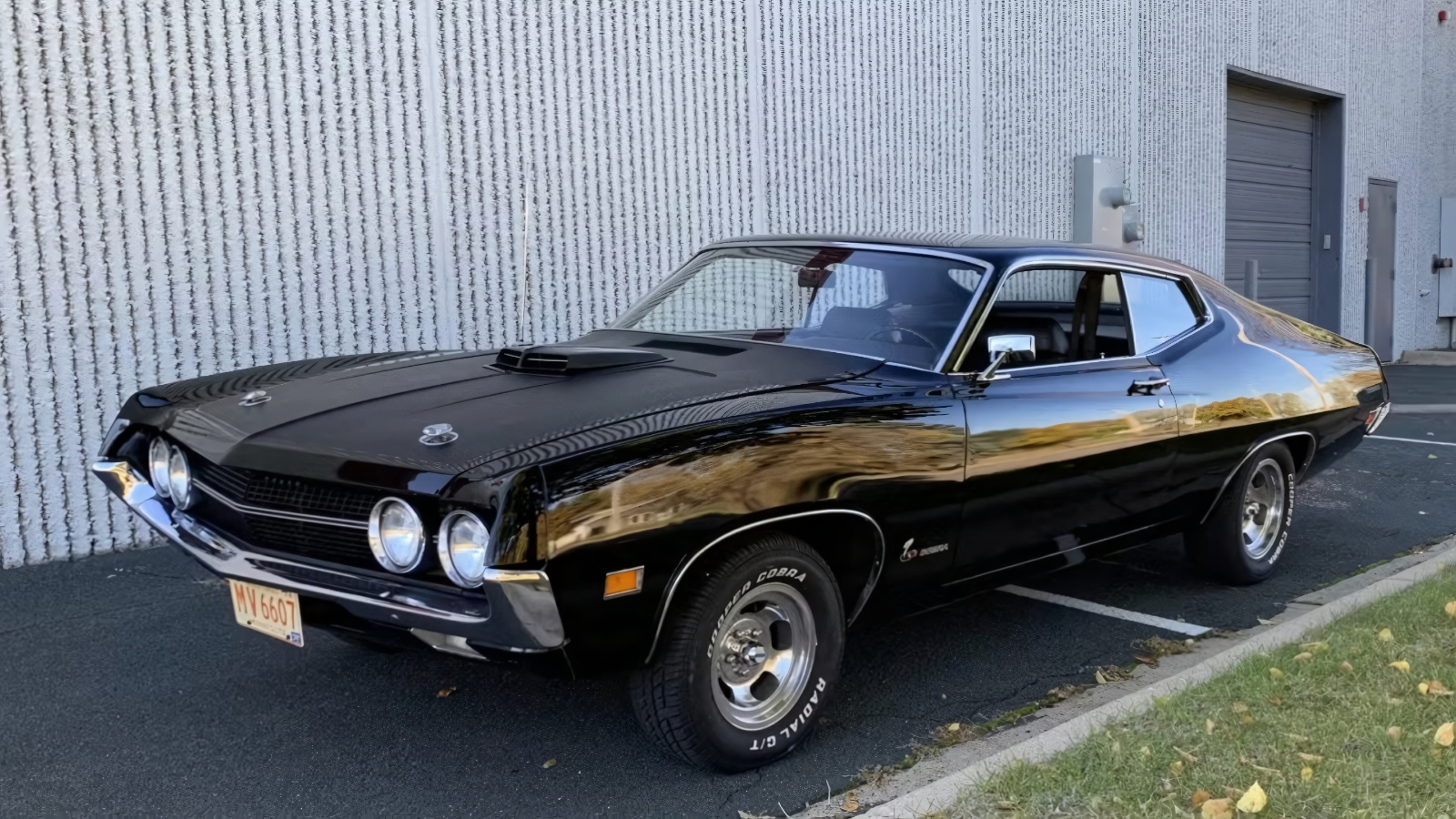
The Torino Cobra’s legacy was shaped by the rapidly changing automotive landscape of the early 1970s. As stricter emissions standards, rising insurance premiums, and declining interest in large performance cars began affecting the market, high-powered muscle cars became increasingly difficult to sustain.
Ford ended Cobra production after the 1970 model year, and while the Torino name continued, the iconic performance package was never brought back as a direct successor.
Despite its short production run, the Torino Cobra has earned lasting recognition among Ford enthusiasts. As one of the final examples of Ford’s big-block muscle car era, it showcased a combination of bold styling, impressive power, and aggressive performance.
Its limited availability and important place in Ford’s racing and performance heritage have made it a highly respected collector car and a symbol of the company’s commitment to the muscle car movement.
Specifications
- Engine: 428 Cobra Jet or 429 Cobra Jet V8
- Torque: 440 lb-ft (428 CJ) / 450 lb-ft (429 CJ)
- Horsepower: 335 hp (428 CJ) / 370 hp (429 CJ)
- Length/Width: 203 inches / 79.6 inches
Also read: 10 Cars With Cabin Cameras Owners Cannot Cover
6. AMC Rebel Machine
The AMC Rebel Machine was one of the boldest attempts by American Motors Corporation to enter the muscle car competition dominated by the Detroit giants. Introduced in 1970, the Rebel Machine was designed to attract younger buyers who wanted a powerful and distinctive performance car.
AMC transformed the ordinary Rebel into a high-performance machine by adding a 390 cubic-inch V8 engine, heavy-duty suspension, upgraded brakes, and aggressive visual styling.
Producing approximately 340 horsepower and 430 lb-ft of torque, the Rebel Machine offered serious straight-line performance. Its unique appearance, especially the red, white, and blue graphics package inspired by AMC’s racing image, made it instantly recognizable. Unlike many competitors that relied mainly on engine size, AMC attempted to create a complete performance package with handling improvements and street usability.
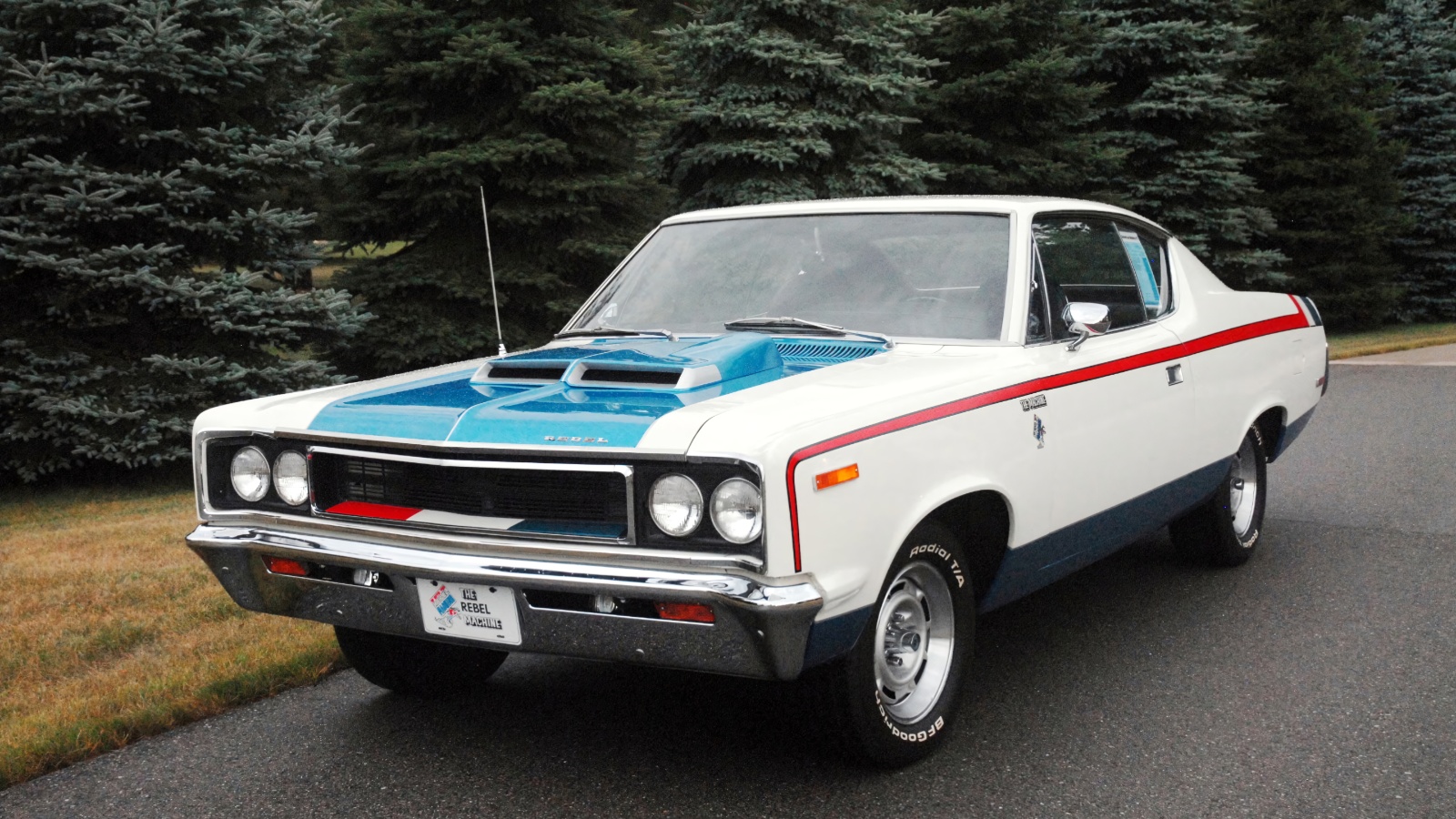
The Rebel Machine arrived at a difficult moment for high-performance cars. As the muscle car era began to fade, rising costs, changing consumer interests, and a shift toward more practical vehicles affected demand for models like AMC’s performance coupe. With limited sales, AMC moved away from the Rebel nameplate, and the Machine package was discontinued after its single production year.
No second generation of the Rebel Machine was ever produced, making it one of the rarest factory muscle cars of the era. Today, enthusiasts appreciate it as an example of AMC’s willingness to challenge larger manufacturers despite having fewer resources. The Rebel Machine represents a unique chapter in American performance history because it proved that smaller automakers could create exciting and competitive muscle cars.
Specifications
- Engine: 390 cu in (6.4-liter) AMC V8
- Torque: 430 lb-ft
- Horsepower: 340 hp
- Length/Width: 202.2 inches / 78.1 inches
7. Oldsmobile 442 W-30
The Oldsmobile 442 W-30 was one of General Motors’ most respected muscle cars, combining luxury with serious performance. The 442 name originally represented a combination of four-barrel carburetion, four-speed manual transmission, and dual exhaust, although the meaning evolved as the model developed.
By 1970, Oldsmobile had transformed the 442 into a powerful competitor with the introduction of the legendary W-30 performance package.
The W-30 package upgraded the 442 with a 455 cubic-inch Rocket V8, special cylinder heads, a performance camshaft, a unique air induction system, and improved suspension components. Official horsepower ratings were conservative, but the engine produced enormous torque, allowing the car to deliver impressive acceleration. Its balance of comfort, styling, and performance made it different from more basic muscle cars.
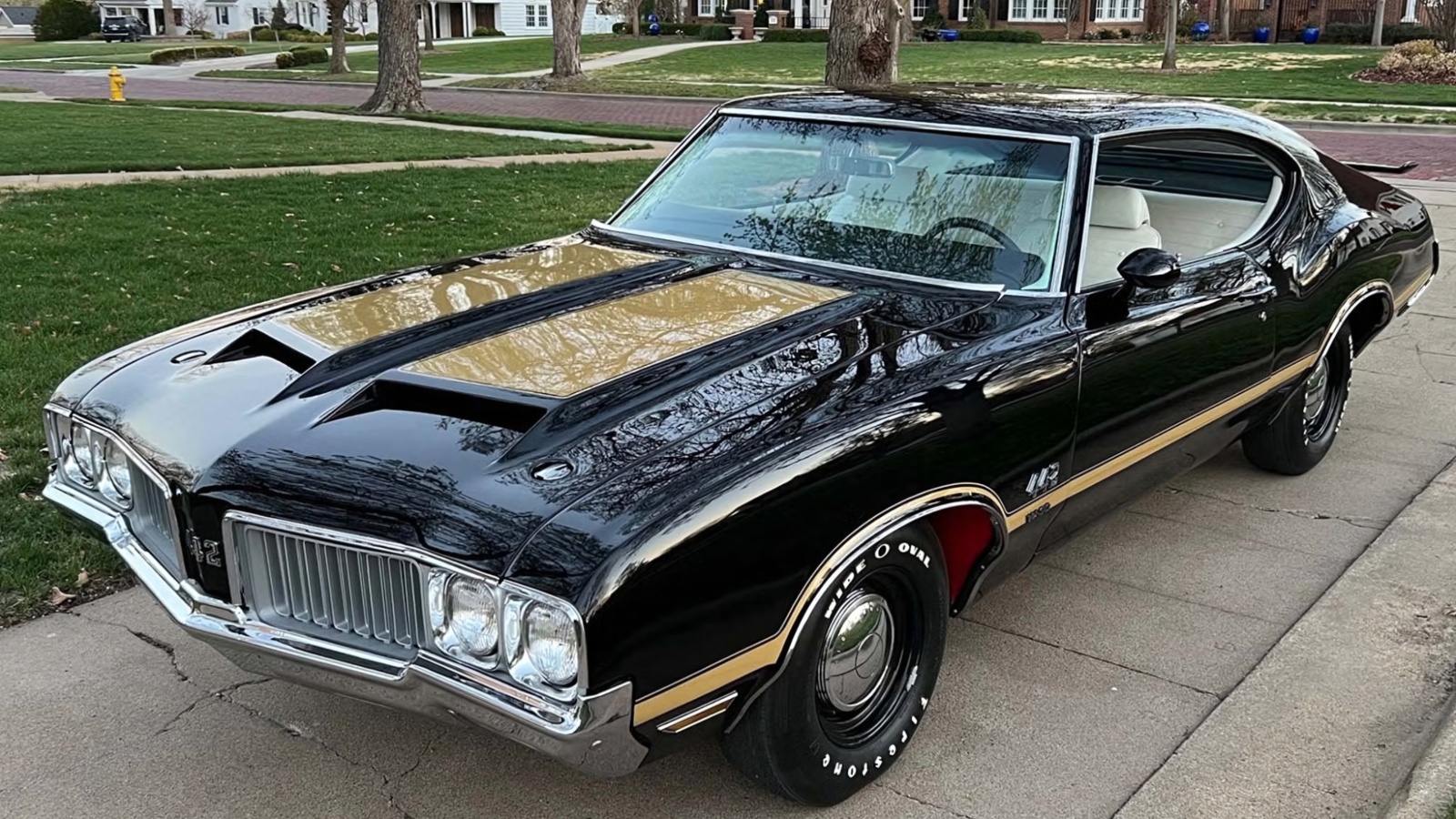
Despite its reputation, the high-performance 442 W-30 existed during the beginning of the muscle car decline. Insurance increases and government regulations reduced demand for large-displacement performance vehicles. Oldsmobile continued using the 442 name in later years, but the original high-output W-30 formula never received a true second-generation continuation.
The 1970 442 W-30 is now considered one of the greatest Oldsmobile performance cars ever built. Collectors value it because it represents the final peak of Oldsmobile’s traditional muscle car engineering. It combined refined styling with brutal performance, proving that luxury-oriented brands could also produce some of the most exciting machines of the era.
Specifications
- Engine: 455 cu in (7.5-liter) Rocket V8 W-30
- Torque: 500 lb-ft
- Horsepower: 370 hp
- Length/Width: 202 inches / 76 inches
8. Buick GSX
The Buick GSX was Buick’s attempt to challenge the assumption that muscle cars had to come from Chevrolet, Ford, or Chrysler. Based on the Buick GS 455, the GSX package was introduced for the 1970 model year and transformed the relatively understated Buick into an aggressive performance machine. It featured bold stripes, a rear spoiler, hood scoops, upgraded suspension, and distinctive styling that separated it from standard Buick models.
The heart of the GSX was the 455 cubic-inch V8, one of the largest engines available during the muscle car era. The Stage 1 version was especially impressive, producing massive torque and delivering exceptional acceleration. Buick’s engineering focus was not only horsepower but also usable street performance, making the GSX a powerful yet refined alternative to more common muscle cars.
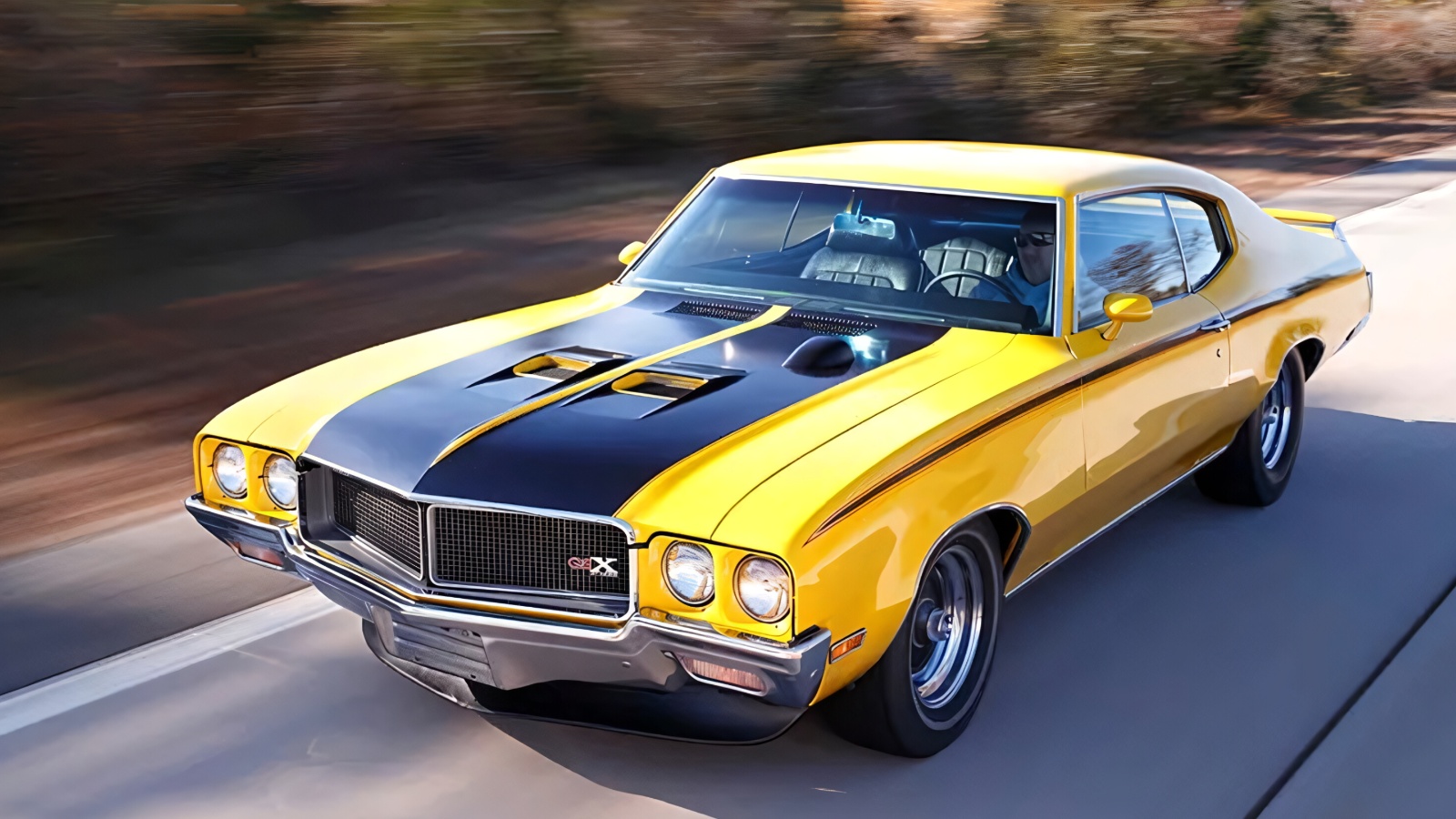
Market forces soon brought the GSX era to an end. Escalating insurance costs, increasingly strict emissions laws, and evolving consumer demands made powerful muscle cars more difficult to sell. Buick continued producing GS models, but the iconic GSX package was retired and never returned in a direct successor.
Because production numbers were limited, the GSX became one of the most desirable Buick muscle cars among collectors. Its rarity and performance capability helped change the perception of Buick as only a luxury brand. The GSX remains proof that during the golden era, nearly every American manufacturer attempted to create a legendary performance machine.
Specifications
- Engine: 455 cu in (7.5-liter) Buick V8 (Stage 1 option available)
- Torque: 510 lb-ft
- Horsepower: 350 hp (GSX) / 360 hp (Stage 1)
- Length/Width: 202 inches / 75.6 inches
9. Pontiac Firebird Trans Am SD-455
The Pontiac Firebird Trans Am SD-455 was one of the final great muscle cars produced before stricter regulations permanently changed American performance vehicles. Introduced during the early 1970s, the Super Duty 455 represented Pontiac’s determination to continue building powerful cars despite increasing government restrictions and declining demand for large engines.
The SD-455 engine featured strengthened internal components, special cylinder heads, improved airflow, and performance-focused engineering. Although official horsepower ratings were lower than earlier muscle cars due to changing measurement standards, the engine delivered exceptional real-world performance.
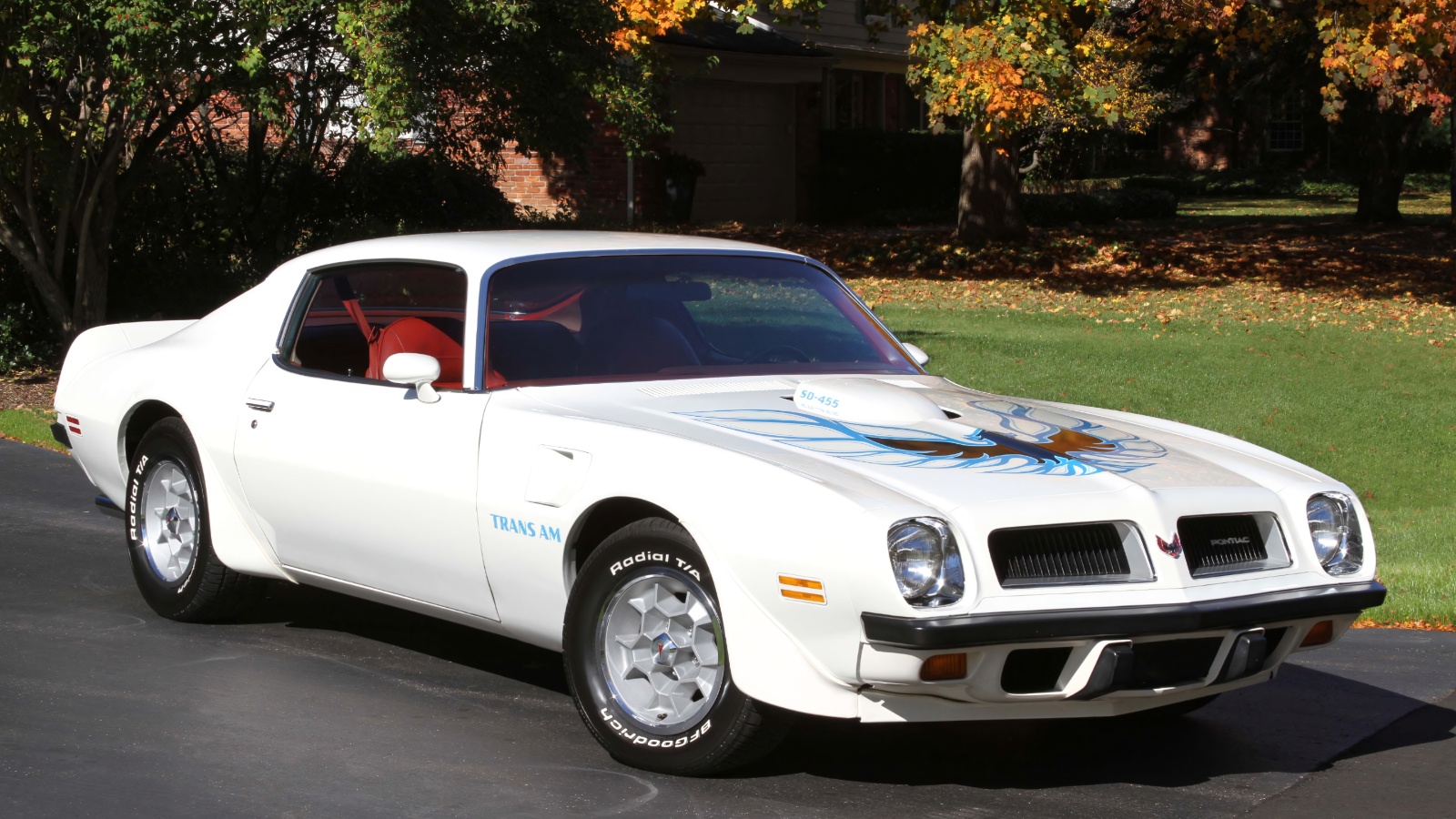
The Trans Am’s aggressive styling, shaker hood scoop, and handling improvements made it one of the most desirable performance cars of its time.
The changing automotive landscape of the 1970s marked the end of the SD-455. Growing pressure from federal emissions standards, along with higher production costs, made it increasingly difficult for Pontiac to continue offering such a high-performance engine. Consequently, the Super Duty package was retired after the 1974 model year, and while the Firebird Trans Am continued for years afterward, it never again featured a direct equivalent to the SD-455.
The SD-455 Trans Am left a lasting legacy. It is often regarded as the pinnacle of Pontiac’s muscle car engineering and one of the final examples of uncompromised factory performance from the original muscle car era. Its limited production, remarkable capabilities, and historical significance have established it as a highly prized collector car and a standout icon of American automotive history.
Specifications
- Engine: 455 cu in (7.5-liter) Pontiac Super Duty V8
- Torque: 395 lb-ft
- Horsepower: 290 hp (net rating)
- Length/Width: 193.2 inches / 73.4 inches
10. Chevrolet Nova SS 396
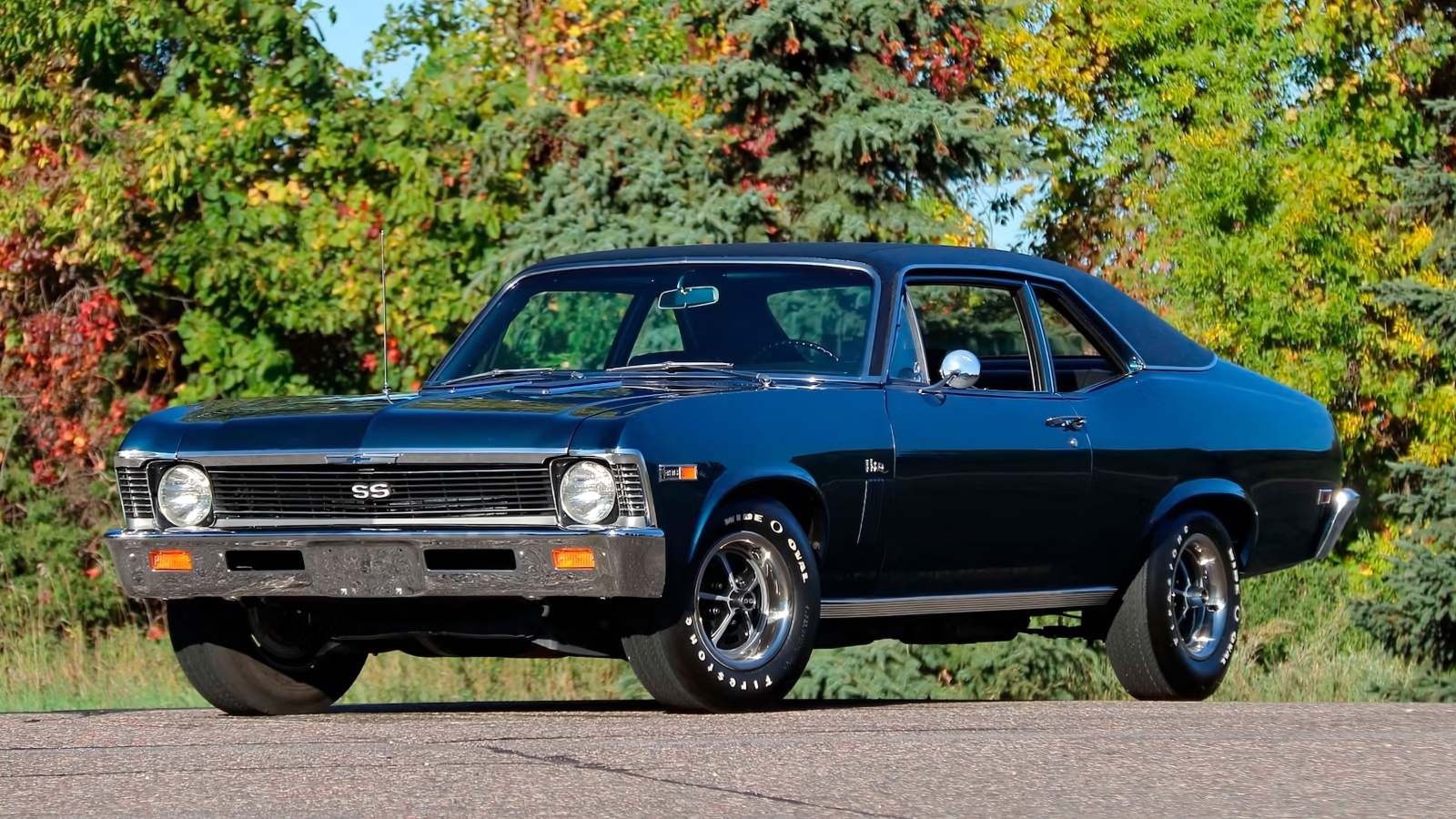
The Chevrolet Nova SS 396 proved that a muscle car did not need a large body to deliver impressive performance. While many enthusiasts associate Chevrolet’s muscle car identity with the Camaro and Chevelle, the Nova SS offered a smaller and lighter platform that could handle powerful engines. The introduction of the SS 396 package transformed the compact Nova into a serious performance contender.
The Nova SS 396 was available with Chevrolet’s famous big-block engines, including versions of the 396 cubic-inch V8. Because of its lighter body compared with larger muscle cars, the Nova could deliver excellent acceleration and became popular among drag racers. Its understated appearance also made it appealing to buyers who wanted performance without the attention of more aggressive-looking cars.
Before long, shifting market conditions began to reshape the future of the Nova. As the early 1970s arrived, stricter emissions regulations and rising insurance costs reduced consumer demand for high-performance compact cars.
Chevrolet responded by moving away from its performance-focused strategy, and although the Nova name remained in production, the powerful SS 396 configuration was discontinued without a true second-generation successor.
Despite its brief lifespan, the Nova SS 396 has earned a lasting reputation among muscle car enthusiasts. Its combination of straightforward design, impressive performance, and relatively affordable pricing made it especially appealing to drivers who prioritized speed and driving experience over flashy styling.
Because of its limited production and distinctive role in Chevrolet’s muscle car legacy, it is now regarded as one of the brand’s most underrated and sought-after collector vehicles.
Specifications
- Engine: 396 cu in (6.5-liter) Chevrolet Big-Block V8
- Torque: 415 lb-ft
- Horsepower: 350 hp (L34) / 375 hp (L78)
- Length/Width: 183 inches / 70.4 inches
Also read: 5 Cars With the Highest Theft Rates in Missouri, 5 With the Lowest