
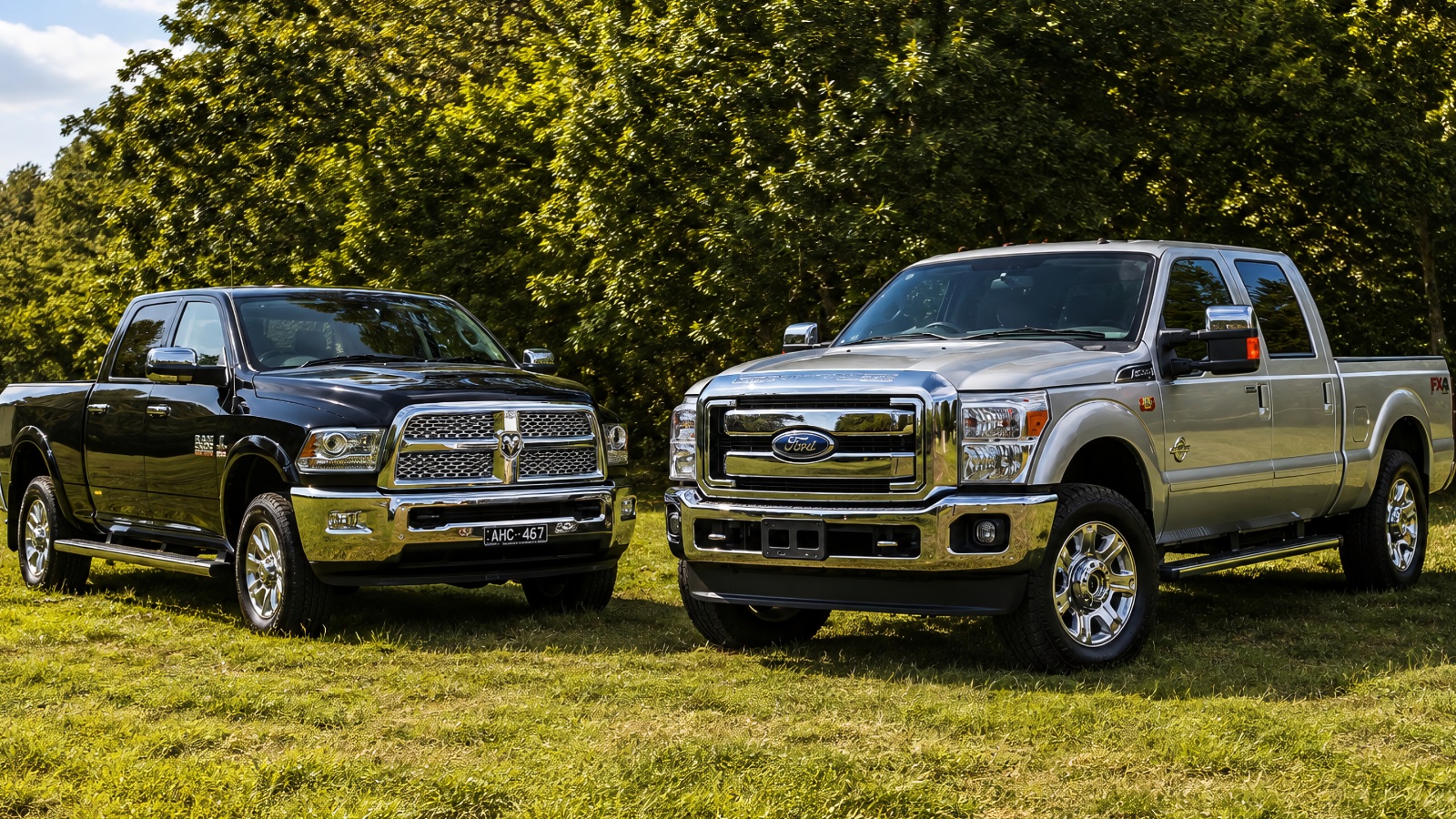
Buying a used heavy-duty diesel truck involves more than comparing towing figures or asking prices. A careful inspection of the engine, emissions system, maintenance history, and chassis condition is essential for identifying a dependable truck. While some diesel powertrains have earned reputations for exceptional durability and long service life, others are known for costly mechanical and emissions-related problems.
Buyers should focus on proven engineering, structural integrity, and documented maintenance rather than appearance or aftermarket upgrades. Reliable diesel engines typically feature durable internal components, effective cooling systems, and robust fuel delivery designs that can withstand years of demanding work. Choosing the right truck can provide dependable performance while helping owners avoid expensive repairs and unexpected downtime.
5 Used Diesel Trucks Worth Buying
1. 2006-2007 Chevrolet Silverado / GMC Sierra 2500HD (LBZ Duramax)
The 2006 and 2007 “Classic” body style General Motors heavy-duty trucks equipped with the LBZ Duramax engine occupy legendary status in the diesel community.
This specific era represents the absolute pinnacle of uncompromised mechanical reliability before complex federal emissions mandates choked subsequent diesel platform designs.
The exterior body style blends muscular wheel arches with a clean, functional front clip that maximizes engine bay airflow and cooling efficiency.
Inside the cabin, utilitarian ergonomics prioritize hard-wearing materials, straightforward analog gauges, and intuitive switchgear designed to withstand relentless daily work site abuse.
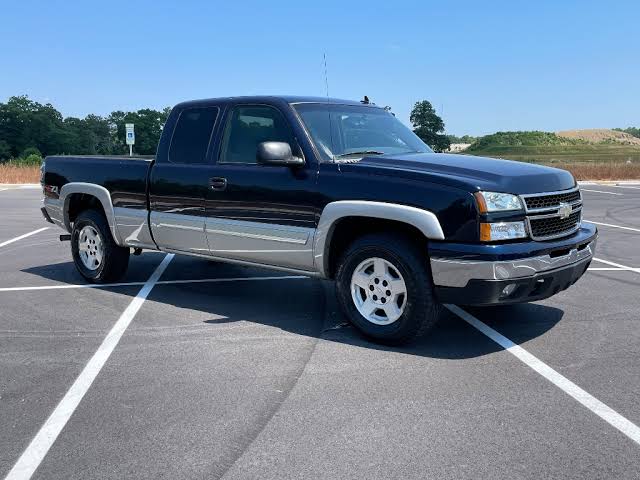
The robust chassis architecture features a fully boxed front frame section that resists twisting under maximum tongue weight and severe off-road articulating conditions.
Specifications:
- Engine: 6.6L V8 Turbo Diesel (LBZ)
- Horsepower: 360 hp @ 3,200 rpm
- Torque: 650 lb-ft @ 1,600 rpm
- Length: 248.8 inches
- Width: 79.8 inches
- Transmission: Allison 1000 6-Speed Automatic
- Drivetrain: Rear-wheel drive / Four-wheel drive
The LBZ engine achieved perfection by utilizing stronger block casting ribs, updated fuel injectors, and a powerful Bosch common-rail injection system.
Crucially, this model year range came completely free of a Diesel Particulate Filter or Diesel Exhaust Fluid system, eliminating major failure points. Backing the engine is the legendary Allison 1000 six-speed automatic transmission, which features precise gear spacing for heavy hauling.
Steering feedback is direct and confidence-inspiring, allowing drivers to place the heavy front end accurately even on narrow rural two-lane roads.
Maintenance access is remarkably straightforward compared to modern tightly packed engine bays, making DIY fluid changes and filter swaps simple.
Resale values for clean LBZ trucks remain exceptionally resilient, as savvy contractors and enthusiasts actively hunt down these rust-free examples.
Purchasing an LBZ Duramax guarantees an unshakeable work companion that maintains its equity while delivering immense pulling power on demand.
It stands as an undisputed financial and mechanical victory for anyone requiring old-school dependability paired with modern automatic transmission refinement.
2. 1994-1998 Dodge Ram 2500/3500 (5.9L 12-Valve Cummins)
The second-generation Dodge Ram powered by the iconic 5.9-liter 12-valve Cummins inline-six diesel engine is widely considered indestructible. Its aggressive big-rig styling cues and muscular front fenders established a commanding road presence that still turns heads among truck enthusiasts today.
The mechanical P7100 inline fuel injection pump bolted to the side of the engine block is legendary for its bulletproof reliability and longevity. Inside, the interior is decidedly sparse, utilizing basic plastics and functional vinyl or cloth seats that reflect its pure blue-collar working heritage.
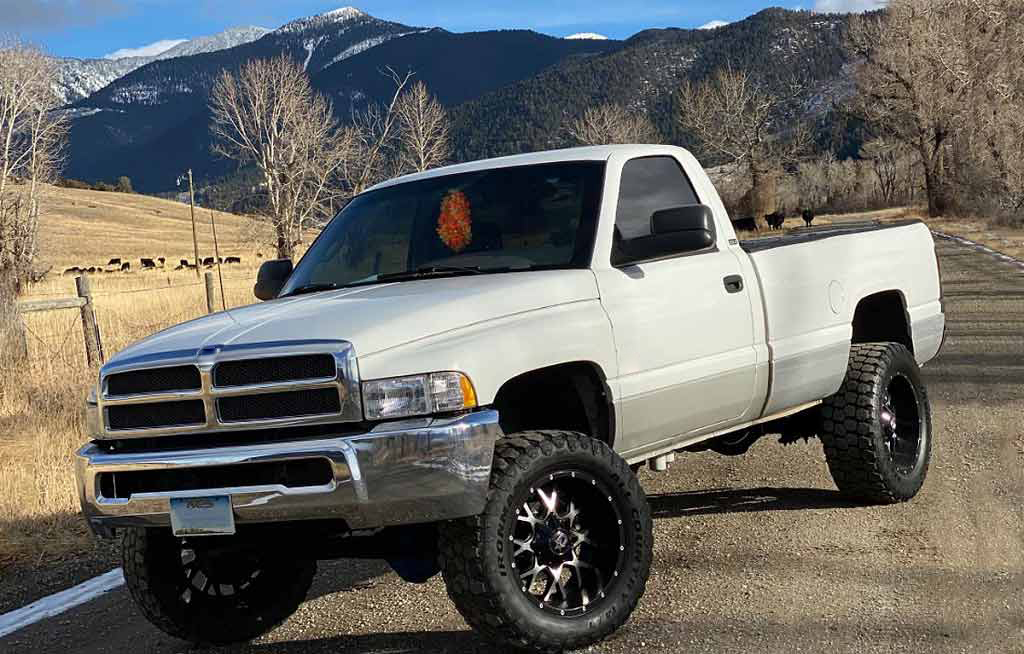
The massive engine bay leaves ample room around the inline-six configuration, making roadside repairs and belt replacements exceptionally easy tasks.
Specifications:
- Engine: 5.9L Inline-6 12-Valve Turbo Diesel
- Horsepower: 215 hp @ 2,500 rpm (Manual)
- Torque: 440 lb-ft @ 1,600 rpm (Manual)
- Length: 224.3 inches
- Width: 79.3 inches
- Transmission: NV4500 5-Speed Manual / 47RH Automatic
- Drivetrain: Rear-wheel drive / Four-wheel drive
The 12-valve Cummins features a massive cast-iron block and cylinder head with zero computer modules controlling vital fuel delivery functions. This pure mechanical operation means the truck can literally run with zero battery voltage once fired up, provided fuel is supplied.
Towing heavy loads across high-altitude passes results in zero electronic de-rating, maintaining steady boost pressures and exhaust temperatures effortlessly.
However, prospective buyers must inspect the Killer Dowel Pin issue inside the front gear housing and ensure a retention tab has been installed. The manual transmission variant handles high torque loads brilliantly, though automatic versions from this era often require aftermarket rebuilding.
Suspension components are rugged, utilizing solid front axles with coil springs that absorb heavy construction site impacts with supreme confidence.
Finding a clean, unmolested 12-valve Cummins is getting harder, but the immense lifespan makes the search entirely worthwhile for serious haulers. It represents the ultimate analog mechanical survival tool for truck owners seeking zero electronic interference and ultimate engine longevity.
3. 2017-2019 Ford F-250/350 Super Duty (6.7L Power Stroke – 2nd Gen)
Ford perfected its modern heavy-duty formula with the second-generation 6.7-liter Power Stroke V8 engine integrated into the high-strength aluminum body.
The military-grade aluminum alloy body style significantly reduced curb weight, shifting payload capacity directly into the truck’s bed rating. Exterior styling projects a massive, confident stance with a striking chrome grille and brilliant quad-beam LED lighting assemblies for night work.
Inside, the cabin is an oasis of luxury and technological integration, featuring plush leather seating, massive storage consoles, and advanced towing cameras.
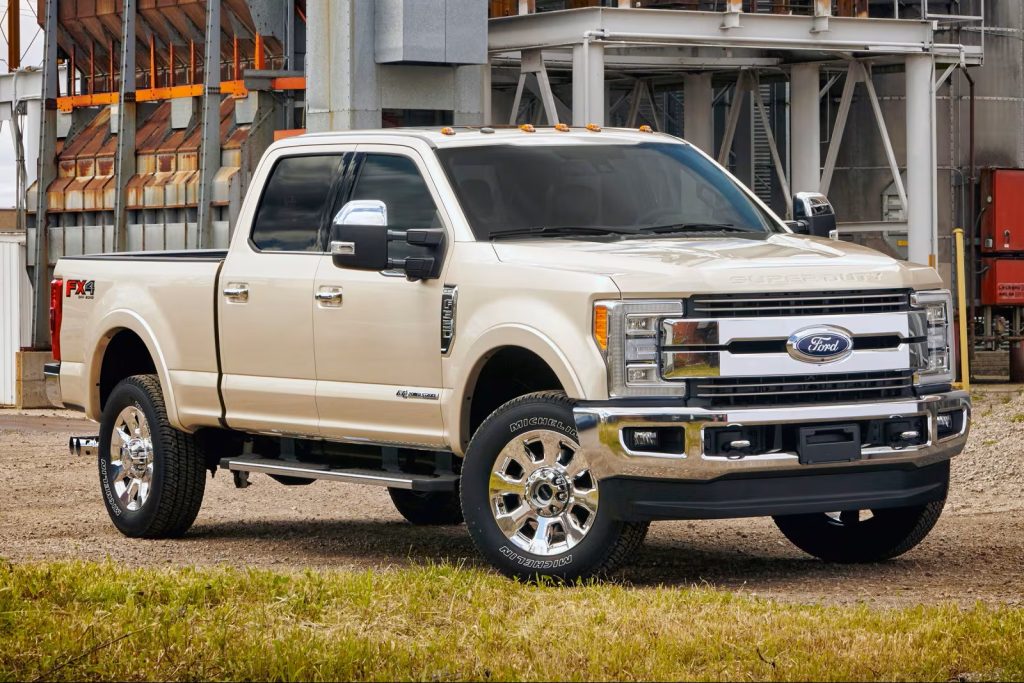
Ergonomics are meticulously crafted, putting trailer brake controllers, exhaust braking switches, and four-wheel-drive selectors within effortless fingertip reach.
Specifications:
- Engine: 6.7L V8 Turbo Diesel Power Stroke
- Horsepower: 440 hp @ 2,800 rpm
- Torque: 925 lb-ft @ 1,800 rpm
- Length: 246.1 inches
- Width: 79.9 inches
- Transmission: TorqShift 6-Speed SelectShift Automatic
- Drivetrain: Rear-wheel drive / Four-wheel drive
This specific generation solved the catastrophic fuel system vulnerabilities of early 6.7L models by upgrading internal pump and turbocharger components.
The turbocharger features a unique compacted graphite iron block and reverse-flow layout that optimizes exhaust gas routing and thermal dynamics.
Towing performance is staggering, putting nearly one thousand pound-feet of torque down instantly at low RPMs for effortless heavy trailer acceleration.
The TorqShift automatic transmission manages heat buildup brilliantly, utilizing heavy-duty oil coolers designed to withstand continuous maximum weight towing.
Emissions systems on these model years are significantly more mature, reducing frequent regen cycle headaches common on earlier diesel trucks.
Ride quality on the highway is surprisingly composed for a heavy-duty platform, thanks to progressive-rate rear leaf springs and well-tuned cabin dampening.
Maintenance records remain vital, but well-cared-for examples routinely surpass hundreds of thousands of miles of intense commercial service. It stands out as a supreme modern towing machine, blending high-tech cabin luxury with immense, brute-force diesel engineering capability.
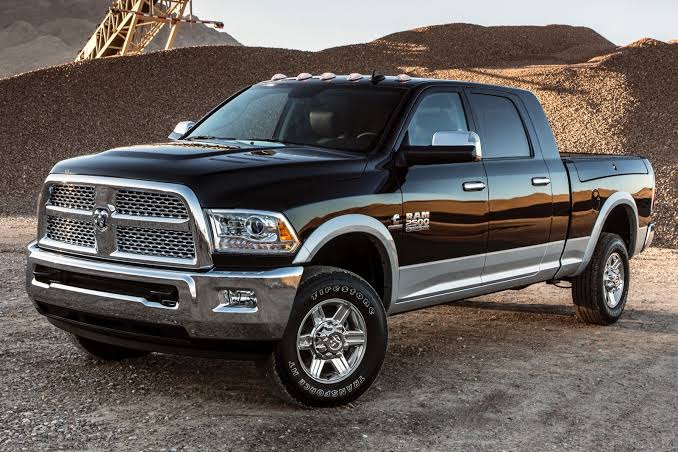
4. 2013-2018 Ram 2500/3500 (6.7L Cummins – Aisin/68RFE)
Ram modernized its heavy-duty lineup during this era by pairing the legendary inline-six Cummins engine with heavily reinforced chassis and suspension layouts.
Its bold, semi-truck-inspired exterior body style projects immense capability, featuring a prominent crosshair or R-A-M grille design. Underneath, the multi-link rear coil suspension on 2500 models provides an exceptionally smooth unladen ride compared to stiff leaf-spring competitors.
The interior design offers top-tier comfort, highlighted by the massive 8.4-inch Uconnect touchscreen interface that remains a benchmark for software layout.
Cabin storage solutions are deeply practical, including ingenious in-floor storage bins and a cavernous center console designed for professional gear.
Specifications:
- Engine: 6.7L High Output Turbo Diesel Cummins I6
- Horsepower: 385 hp @ 2,800 rpm
- Torque: 900 lb-ft @ 1,700 rpm
- Length: 237.4 inches
- Width: 79.1 inches
- Transmission: Aisin AS69RC 6-Speed Automatic / 68RFE
- Drivetrain: Rear-wheel drive / Four-wheel drive
The 6.7-liter Cummins inline-six engine features a deep-skirt iron block designed to handle immense cylinder pressures without head gasket failure.
Opting for models equipped with the heavy-duty Aisin transmission ensures the drivetrain can handle commercial-grade towing payloads day in and day out.
The standard exhaust brake functions exceptionally well, using variable turbo geometry to slow heavy loads down mountain grades without cooking the brakes.
Steering feel is solid, though front-end track bar wear should be checked during pre-purchase inspections on higher-mileage examples. Emissions equipment during this window is relatively stable, provided the truck is regularly driven on long highway stretches to complete regeneration cycles.
Cabin insulation keeps engine clatter remarkably faint, allowing for normal conversation volumes even during hard acceleration runs. Resale stability is impressive, driven by loyal truck owners who swear by the longevity of the inline-six engine architecture. This truck delivers an ideal blend of classic inline-six durability, modern interior comfort, and serious commercial-grade pulling muscle.
Also Read: 8 Car Engines With Oil Passages That Clog by 150,000 Miles
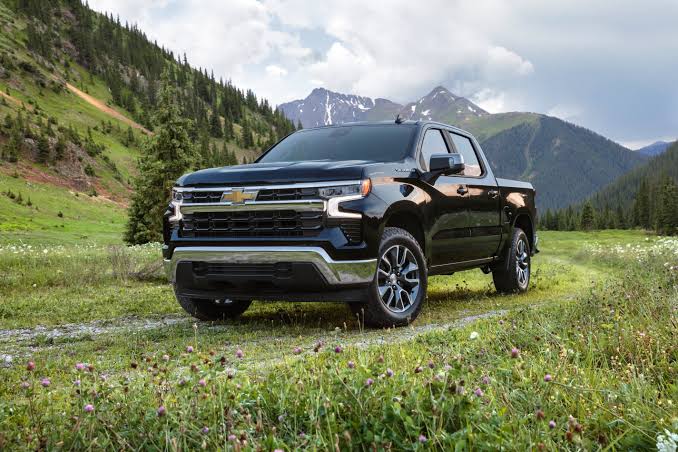
5. 2020-2022 Chevrolet Silverado / GMC Sierra 3500HD (L5P Duramax)
The modern L5P Duramax powertrain integrated into the redesigned heavy-duty General Motors platform represents the pinnacle of contemporary diesel engineering.
Its polarizing, massive exterior body style features a towering chrome front fascia designed to force maximum volume air into the cooling stacks. Inside, the wide-body cabin provides extraordinary shoulder and legroom, ensuring long-distance driving comfort for all adult passengers.
Advanced trailering technology packages include transparent trailer camera views that digitally stitch surrounding angles to eliminate blind spots completely.
The chassis utilizes high-strength steel frame rails designed to handle massive fifth-wheel and gooseneck hitch ratings with absolute structural composure.
Specifications:
- Engine: 6.6L V8 Turbo Diesel (L5P)
- Horsepower: 445 hp @ 2,800 rpm
- Torque: 910 lb-ft @ 1,600 rpm
- Length: 266.0 inches
- Width: 81.8 inches
- Transmission: Allison 10-Speed Automatic
- Drivetrain: Rear-wheel drive / Four-wheel drive
The L5P engine features robust forged steel pistons, a strong block design, and an electronically controlled variable-geometry turbocharger. Pairing this massive power output with the Allison 10-speed automatic transmission ensures the engine always operates in its optimal power band.
Gear steps are exceptionally close, keeping engine RPM drop minimal during heavy acceleration and minimizing shift shock under load. Emissions systems utilize advanced thermal management, significantly reducing passive regeneration interruptions during short city driving trips.
Braking performance is confidence-inspiring, utilizing massive disc brakes and intelligent exhaust braking algorithms to manage heavy payloads safely.
Routine maintenance reminders and oil-life monitoring systems integrated into the digital dash simplify fleet management and private ownership alike.
Finding a clean used L5P model secures a technologically advanced, incredibly powerful work tool with modern safety architecture. It delivers uncompromised reliability, effortless towing capacity, and luxurious cabin refinement for the most demanding diesel truck operators.
5 Used Diesel Trucks to Avoid
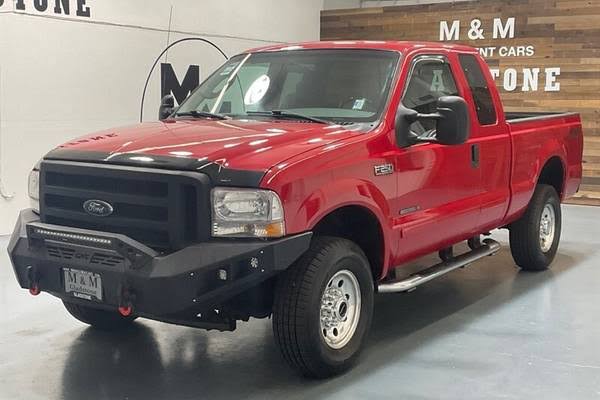
1. 2003-2004 Ford F-250/350 Super Duty (6.0L Power Stroke – Early Era)
The early production years of the 6.0-liter Power Stroke engine have earned a terrifying reputation as one of the worst automotive investments ever made.
Its muscular exterior body style looks rugged and capable, hiding a web of catastrophic thermal and electronic vulnerabilities under the hood. Head gasket failure is practically guaranteed on stock trucks due to inadequate factory head bolt clamping pressure and insufficient fastener count.
Inside, the cabin offers comfortable seating, but owners frequently find themselves staring at dashboard warning lights rather than enjoying the drive. Cooling system failures regularly lead to ruptured oil coolers, which cross-contaminate coolant and engine oil into an expensive, sludgy mess.
Specifications:
- Engine: 6.0L V8 Turbo Diesel Power Stroke
- Horsepower: 325 hp @ 3,300 rpm
- Torque: 560 lb-ft @ 2,000 rpm
- Length: 245.8 inches
- Width: 79.9 inches
- Transmission: TorqShift 5-Speed Automatic
- Drivetrain: Rear-wheel drive / Four-wheel drive
The engine relies on a variable-geometry turbocharger that frequently sticks due to soot accumulation, causing dangerous overboost conditions.
Fuel injection control modules fail unpredictably, leaving drivers stranded on highways without warning or engine restart capability.
Fixing these inherent design flaws requires spending thousands of dollars on aftermarket “bulletproofing” kits, including ARP head studs and EGR coolers.
Even after investing heavily in repairs, resale values remain depressed due to the toxic market reputation attached to the 6.0L name. Insurance and maintenance costs escalate rapidly, as mechanics charge high labor rates to tear down the tightly packed engine bay.
Purchasing one of these trucks creates an endless money pit that drains bank accounts faster than it burns diesel fuel. Prudent buyers should avoid early 6.0L Power Stroke trucks entirely, regardless of how cheap the upfront purchase price appears.
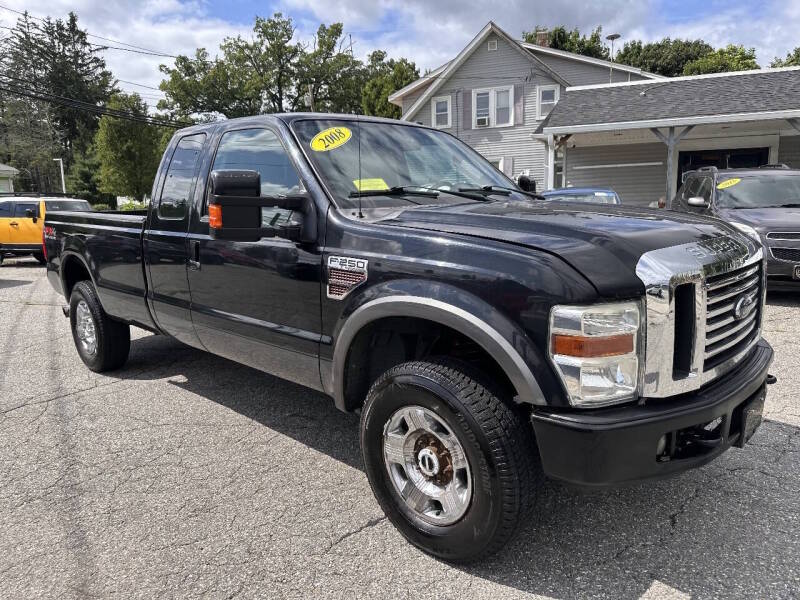
2. 2008-2010 Ford F-250/350 Super Duty (6.4L Power Stroke)
The 6.4-liter Power Stroke V8 engine replaced the troubled 6.0L, but unfortunately introduced an entirely new tier of catastrophic mechanical failures.
Its aggressive, bulky body style matches the heavy-duty demands of construction fleets, but the powertrain underneath is a ticking financial time bomb.
Compound turbochargers produce massive horsepower, but the high thermal stress frequently causes piston cracking and severe cylinder wall scoring.
Emissions equipment from this transitional era relies on aggressive fuel injection post-cycling to clean the DPF, which dilutes engine oil. Oil dilution raises crankcase fluid levels, washing away vital bearing lubrication and causing complete catastrophic engine self-destruction.
Specifications:
- Engine: 6.4L Twin-Turbo V8 Power Stroke
- Horsepower: 350 hp @ 3,000 rpm
- Torque: 650 lb-ft @ 2,000 rpm
- Length: 246.0 inches
- Width: 79.9 inches
- Transmission: TorqShift 5-Speed Automatic
- Drivetrain: Rear-wheel drive / Four-wheel drive
Radiator leaks are a common occurrence, and if coolant levels drop unnoticed, the secondary cooling system fries the EGR coolers instantly. Removing the cab from the chassis is often required to perform major engine repairs, pushing labor bills to astronomical heights.
Fuel system high-pressure pumps are notoriously delicate, sending metal shards through the entire fuel rail when failure strikes. Fuel economy is notoriously abysmal, making daily commuting an expensive exercise even before factoring in frequent repair visits.
Resale values on unmodified 6.4L trucks are exceptionally low because knowledgeable enthusiasts know to steer clear of the platform. Investing in a 6.4L Power Stroke guarantees an exhausting relationship with local repair shops and depleted personal savings accounts. Buyers must walk away from these trucks, as saving money on the initial purchase price results in ruinous long-term repair costs.
3. 2011-2012 Ford F-250/350 Super Duty (6.7L Power Stroke – Gen 1)
While later iterations of the 6.7L Power Stroke achieved greatness, the inaugural 2011 and 2012 model years suffer from a fatal design flaw.
Its aluminum-intensive front clip and heavy steel frame create a robust body style, but the foundational fuel pump assembly is severely compromised.
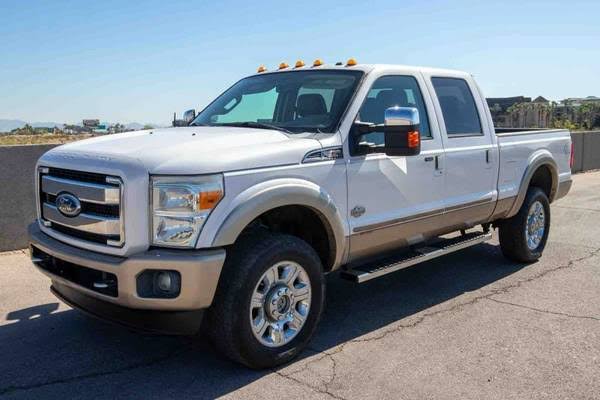
The Bosch CP4 high-pressure fuel pump utilized during these early years was engineered for European diesel fuel lubricity standards.
American ultra-low sulfur diesel lacks sufficient lubricity, causing the CP4 pump to disintegrate internally and shred metal debris through the system. This catastrophic failure requires replacing every single fuel injector, lines, rails, and the tank, costing upwards of ten thousand dollars.
Specifications:
- Engine: 6.7L V8 Turbo Diesel Power Stroke (Gen 1)
- Horsepower: 400 hp @ 2,800 rpm
- Torque: 800 lb-ft @ 1,600 rpm
- Length: 246.1 inches
- Width: 79.9 inches
- Transmission: TorqShift 6-Speed Automatic
- Drivetrain: Rear-wheel drive / Four-wheel drive
Turbocharger failures on early 2011 models featuring ceramic bearing components frequently left drivers stranded with catastrophic wheel breakage.
Emissions system sensors and DEF heaters during this initial rollout phase trigger constant dashboard limp-mode events and frustration. While the engine block and cylinder heads are fundamentally strong, the fuel system vulnerability makes un-upgraded trucks a massive gamble.
Finding a used model that has already received a CP4 disaster prevention bypass kit is essential if considering this era. Without verified fuel system modifications, buyers inherit a ticking financial trap that can instantly wipe out vehicle equity.
It is far wiser to save slightly longer and purchase a 2017 or newer model where these foundational factory defects were permanently resolved. Avoiding early first-generation 6.7L models protects your bank account from sudden, devastating high-pressure fuel pump catastrophes.
4. 2007.5-2009 Chevrolet Silverado / GMC Sierra 2500HD (LMM Duramax – Early DPF Era)
The introduction of the LMM Duramax engine marked General Motors’ entry into the complex world of strict federal diesel emissions regulations.
Its rugged body style matches later classic models, but the integration of early Diesel Particulate Filter technology created major operational hurdles.
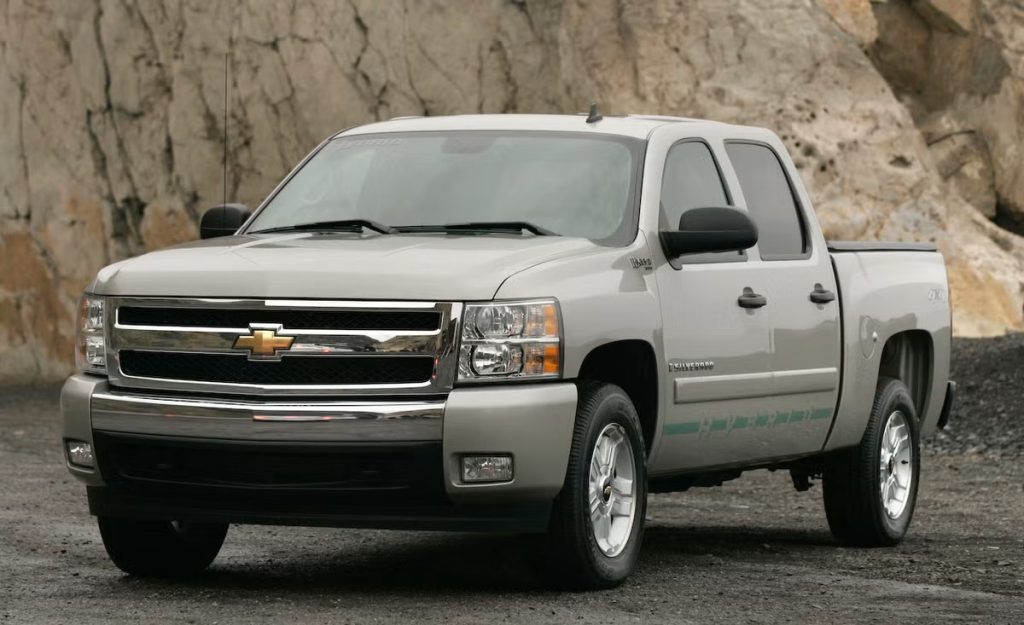
Early DPF regeneration cycles frequently injected raw diesel fuel directly into the cylinders to raise exhaust temperatures, causing oil dilution. Routine short-trip driving prevents regeneration completion, clogging the filter and throwing the truck into permanent reduced-power limp mode. Head gaskets on early LMM trucks also proved less resilient than the preceding LBZ generation under heavy continuous towing strains.
Specifications:
- Engine: 6.6L V8 Turbo Diesel (LMM)
- Horsepower: 365 hp @ 3,200 rpm
- Torque: 660 lb-ft @ 1,600 rpm
- Length: 248.8 inches
- Width: 79.8 inches
- Transmission: Allison 1000 6-Speed Automatic
- Drivetrain: Rear-wheel drive / Four-wheel drive
The complex network of exhaust temperature sensors and pressure differentials fails routinely, triggering persistent check-engine warnings. Fuel economy suffered a noticeable drop compared to the non-DPF LBZ predecessors due to restrictive exhaust backpressure design.
Front suspension components, including idler arms and pitman arms, wear out rapidly under heavy front axle plow or towing loads. While the Allison transmission remains robust, the engine controls fight a constant battle with clumsy early emissions software tuning.
Resale values lag behind both the older LBZ and the much improved post-2015 LML Duramax generational iterations. Purchasing an early DPF-era General Motors truck invites endless sensor troubleshooting and exhaust system maintenance frustrations. Buyers should skip this transitional era entirely to avoid the headache of early-generation emissions compliance technology.
5. 2014-2016 Ram 1500 EcoDiesel (3.0L V6)
The half-ton Ram 1500 EcoDiesel aimed to bridge the gap between heavy-duty towing capability and light-duty fuel economy, but execution proved disastrous.
Its sleek aerodynamic body style and plush coil-spring rear suspension deliver a smooth ride, but the Italian-built VM Motori engine is chronically fragile.
Main bearing failure plagues these engines, frequently leading to catastrophic crankshaft seizure without any prior warning signs. Emissions EGR coolers crack under thermal stress, leaking coolant into the intake manifold and causing severe engine hydrolock.
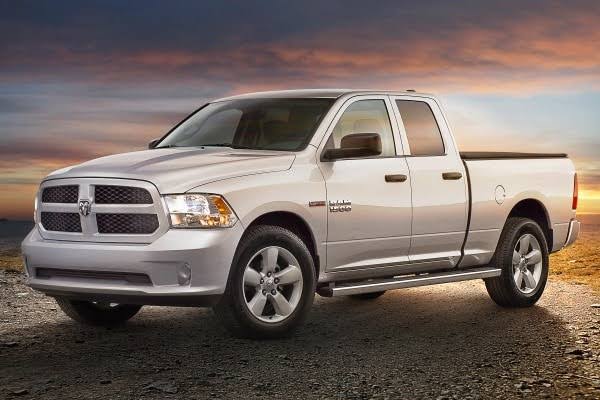
The complex emissions computer software causes frequent, unpredictable limp-mode activations that strand families on busy interstate highways.
Specifications:
- Engine: 3.0L V6 EcoDiesel Turbo
- Horsepower: 240 hp @ 3,600 rpm
- Torque: 420 lb-ft @ 2,000 rpm
- Length: 229.0 inches
- Width: 79.4 inches
- Transmission: ZF 8HP70 8-Speed Automatic
- Drivetrain: Rear-wheel drive / Four-wheel drive
Finding a used EcoDiesel with an original factory engine that has crossed 150,000 miles without a major teardown is exceptionally rare. Replacement engine costs often exceed the total market resale value of the entire truck, making major repairs financially unviable.
While fuel economy ratings on the window sticker looked attractive, ongoing repair costs quickly wipe out any savings at the pump. Class-action lawsuits and extensive manufacturer recalls highlight the persistent design defects baked into this specific powertrain architecture.
Even though the ZF 8-speed automatic transmission is world-class, it cannot save a vehicle hindered by an unreliable power plant. Prudent shoppers looking for a light-duty diesel must avoid these early EcoDiesel models to prevent financial ruin. Investing in a proven gasoline V8 or waiting for later-generation revisions is vastly safer than gambling on a first-generation EcoDiesel.
Also Read: 8 Car Engines With Oil Passages That Clog by 150,000 Miles
