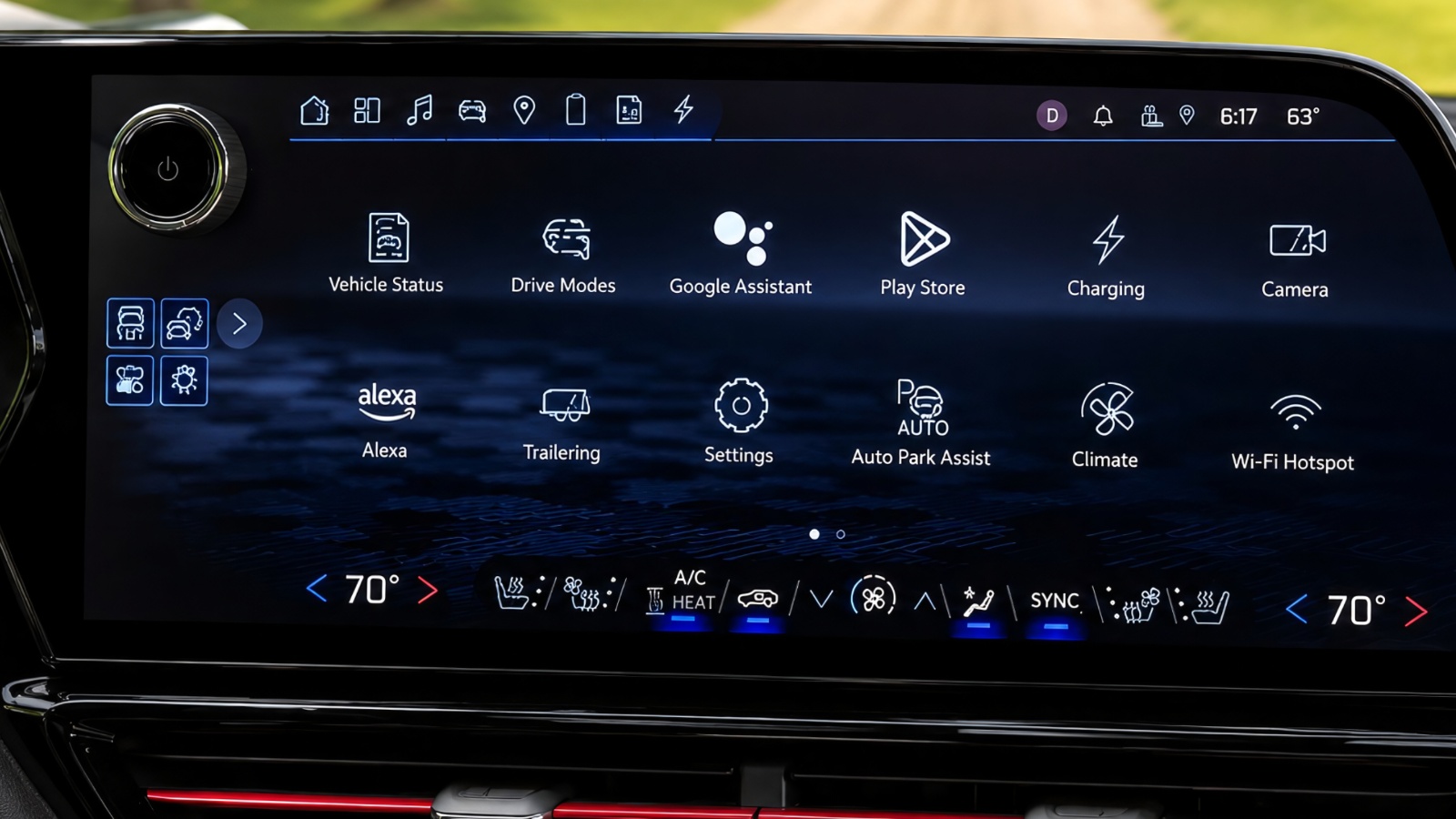
Buying a used car can be a practical way to own a reliable vehicle without paying the cost of a brand-new model. However, buyers need to check more than the engine, mileage, and exterior condition before completing a purchase.
Modern vehicles often include connected features, digital accounts, financing links, and ownership profiles that may remain attached to the previous owner. If these connections are not removed, the new owner may face privacy concerns, limited access, or unexpected complications.
Understanding the warning signs of a vehicle still connected to another account helps buyers protect their investment and enjoy a smoother ownership experience.
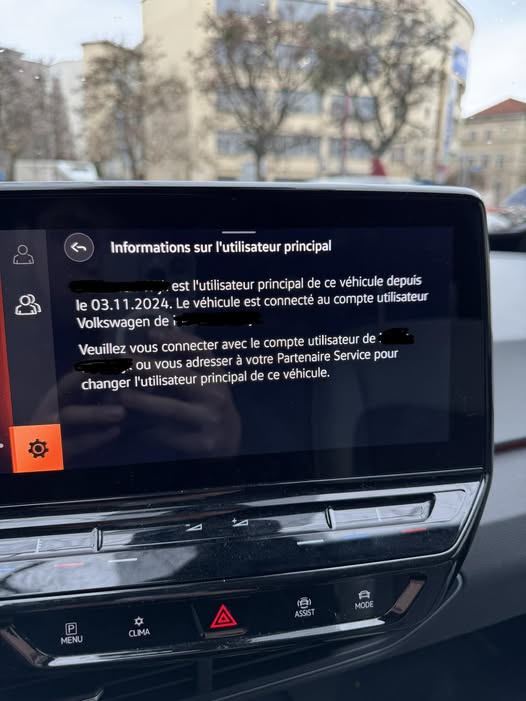
1. The Previous Owner’s Profile Appears on the Infotainment System
Modern cars often include touchscreen systems that allow drivers to save personal settings, navigation details, phone contacts, entertainment preferences, and user profiles.
When purchasing a used vehicle, the infotainment system should normally be reset before the handover. If the previous owner’s name, email address, profile picture, saved locations, or personal preferences appear on the screen, it may indicate that the vehicle is still connected to their account.
A connected profile can create several problems for the new owner. The previous driver may still have access to certain features through a mobile application or online account.
Some vehicles allow remote commands such as checking fuel levels, locating the vehicle, locking doors, or starting the engine from a distance. Leaving an old account active can prevent the buyer from having full control over these functions.
The presence of saved phone contacts is another warning sign. Many drivers connect their smartphones through Bluetooth or integrated systems such as Apple CarPlay and Android Auto.
While phone pairing alone is usually easy to remove, a complete user profile may require a factory reset or removal through the manufacturer’s online platform. A vehicle that still displays personal information should be treated carefully until the connection is removed.
Buyers should inspect every section of the vehicle’s digital system before finalizing a purchase. Check the settings menu, user accounts, navigation history, connected devices, and application access.
A simple factory reset may solve the issue, but some vehicles require the previous owner to remove the car from their account first. Without this step, certain features may remain unavailable to the new owner.
A clean digital handover is just as important as receiving physical keys. Cars are becoming more connected each year, and ownership now includes managing digital access.
If the seller refuses or struggles to remove their account, it could suggest that the vehicle was not properly transferred from the previous owner. A responsible seller should cooperate with account removal and allow the buyer to set up their own profile.
2. The Manufacturer’s Mobile App Still Shows the Vehicle
Many modern vehicles connect with official smartphone applications that provide remote features and vehicle information.
These apps may allow users to view maintenance records, locate the car, schedule service appointments, control climate settings, lock or unlock doors, and receive alerts. If a used vehicle is still visible inside the previous owner’s app, the transfer process may not have been completed.
A common sign of an active connection is when the seller can still access the car through their phone. They may receive notifications about the vehicle, view its location, or manage certain functions.
This situation creates a privacy concern because the previous owner could potentially monitor the vehicle after it has changed hands. A proper ownership transfer should remove the old account completely.
Some manufacturers require the previous owner to delete the vehicle from their personal account before a new account can be created. This process protects both parties by confirming that the previous user no longer has control. Buyers should ask the seller to complete this step before payment or immediately after the sale agreement is signed.
If the seller says they cannot remove the vehicle, the buyer should contact the manufacturer or an authorized dealership. They may need documents proving ownership, such as registration papers, identification, and purchase records.
The process varies between manufacturers, but official support teams can usually guide owners through account transfer procedures.
A vehicle’s connected services are now part of its ownership experience. Ignoring account access issues can lead to frustrating situations later, especially when trying to activate features that are included with the car.
Buyers should confirm that the previous account has been removed and that they can successfully register the vehicle under their own details.
3. The Car Rejects Your Attempt to Create a New User Account
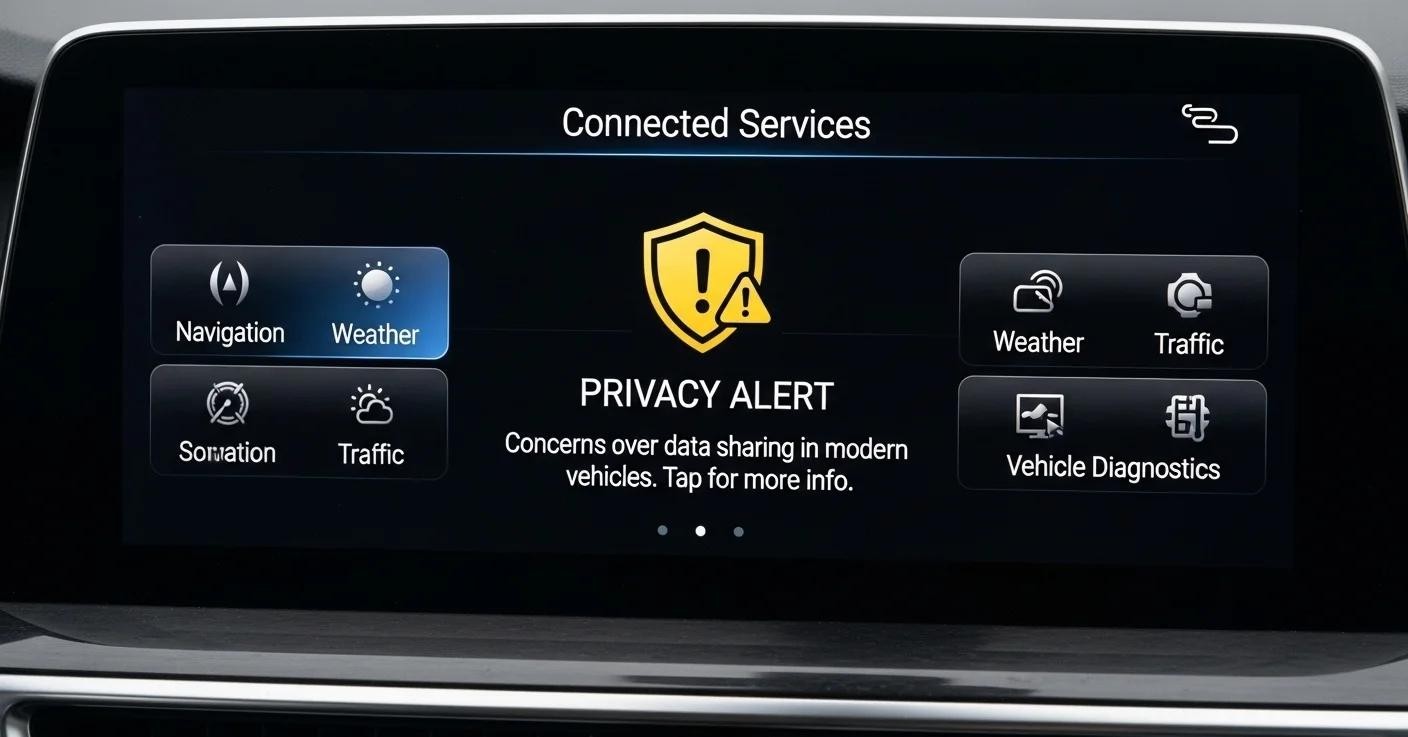
A used vehicle that refuses to accept a new user account may still be connected to a previous owner’s profile. Many newer cars include security systems that prevent multiple owners from controlling the same vehicle without proper authorization. When the old account remains active, the system may block new registration attempts.
This issue often appears during the setup process after purchasing the vehicle. The buyer may enter their information, but the system may display messages saying the vehicle is already registered, linked to another user, or requires owner verification. Such alerts indicate that the previous ownership information has not been fully removed.
The problem is more common with vehicles that have advanced connectivity features. Luxury cars, electric vehicles, and newer models often rely heavily on cloud-based accounts.
These accounts manage everything from charging information to remote controls. A simple factory reset inside the vehicle may not be enough because the connection exists through external servers.
Buyers should not assume that technical difficulties mean the vehicle has a serious mechanical problem. Account-related issues are usually separate from engine, transmission, or safety concerns.
However, they still need attention because digital ownership is becoming an important part of vehicle use. A car that cannot be properly registered under the new owner’s account may lose access to important services.
Before completing a purchase, test the account setup process if possible. Ask the seller to remove their profile and allow you to create your own account. Completing this step early can prevent delays and confirm that the vehicle has been properly transferred.
4. Remote Features Are Still Controlled by Someone Else
Remote vehicle features have changed how owners interact with their cars. Through smartphone applications, some vehicles allow users to perform actions without being physically near the vehicle.
These functions can include starting the engine, adjusting temperature settings, checking vehicle status, and receiving security notifications. If these features are still controlled by someone else, the vehicle may not be fully disconnected.
A buyer may notice unusual activity, such as settings changing unexpectedly or notifications appearing that they did not create. While technical errors can happen, repeated issues may indicate that another person still has access.
The previous owner may have forgotten to remove the vehicle from their account or may still have active permissions.
Remote access is especially important from a privacy and security perspective. A vehicle is a personal space, and unauthorized access to location information or controls can create serious concerns. Buyers should ensure that every digital connection is transferred before using the vehicle regularly.
Removing remote access usually requires more than deleting a phone connection. Bluetooth devices can be removed from the dashboard, but manufacturer accounts often need to be changed through official channels.
The seller should complete their part of the process, while the buyer should verify that their own account works correctly.
A careful ownership transfer protects both the buyer and seller. The previous owner avoids responsibility for a vehicle they no longer own, while the new owner gains complete control. Taking time to check remote features is a simple step that can prevent future problems.
5. The Vehicle’s Financing or Subscription Account Is Still Active
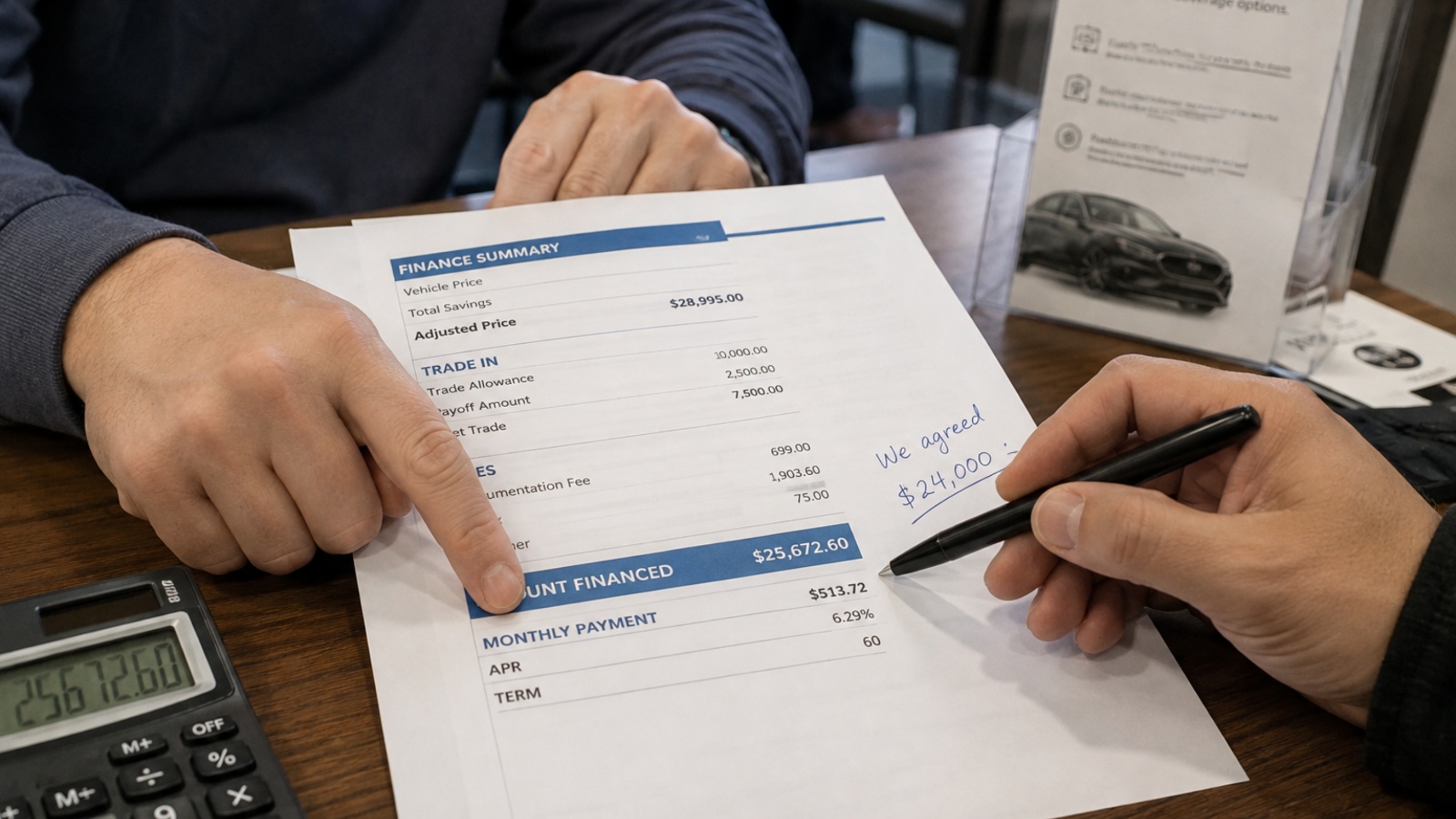
A used car can remain connected to another account if the previous owner’s financing agreement, subscription service, or digital package has not been properly closed. Many modern vehicles include paid services linked to a specific owner account.
These may include connected navigation, premium entertainment features, remote controls, roadside assistance plans, or charging services for electric vehicles. When these services are still attached to someone else, the new owner may face restrictions.
Financing-related connections are especially important because they can affect legal ownership. A vehicle that still has an active loan or lease agreement may not have been fully transferred to the seller.
Before buying any used car, buyers should confirm that the vehicle has no outstanding financial obligations. A seller who has not completed their payment responsibilities may not have the authority to transfer complete ownership.
Subscription services create a different type of issue. Some features may continue working temporarily because the previous owner’s account remains active.
For example, a buyer may enjoy access to navigation updates or remote services for a short period before the subscription expires. Once the account is canceled, these features may stop working unless the new owner creates a separate account.
Checking account status should be part of the purchase inspection process. Buyers should ask whether the vehicle has connected services, active subscriptions, or financing arrangements.
A trustworthy seller should provide clear information and help remove old accounts. If the seller avoids questions about account status, it may be a warning sign that the transfer process has not been handled correctly.
Dealerships and manufacturers can often help confirm whether a vehicle is ready for a new account. They may check ownership records, assist with removing old profiles, and explain which services can be transferred.
Taking these steps before completing the purchase can save time and prevent unexpected costs after ownership changes.
A vehicle is more than a physical machine with an engine and wheels. Digital services, financial agreements, and online accounts are now connected to ownership. Buyers who check these details carefully can avoid situations where they technically own the car but cannot fully control its features.
6. Saved Personal Information Remains Inside the Vehicle
Personal information stored inside a used car is a clear sign that the previous owner did not complete a proper reset. Vehicles can store a surprising amount of private data, including phone contacts, call history, text message records, addresses, navigation destinations, garage locations, and entertainment accounts. Finding this information means the vehicle still contains traces of the previous user.
Navigation history is particularly important because many drivers save frequently visited places. These locations may include homes, workplaces, family addresses, or other private destinations.
A responsible seller should remove this information before handing over the vehicle. Leaving these details behind creates unnecessary privacy risks for both parties.
Bluetooth connections are another common source of stored data. Many vehicles remember multiple phones even after they are disconnected. While this may seem harmless, stored device names and contact information can reveal personal details. Buyers should review the connected devices menu and remove anything that does not belong to them.
Entertainment systems may also contain account information. Streaming applications, music services, and online platforms can remain signed in if the previous owner did not perform a factory reset.
A buyer should never continue using another person’s accounts because they may contain private information or payment details.
The solution is usually simple: perform a complete system reset before setting up personal accounts. However, buyers should make sure the reset removes all stored information rather than only changing basic settings. Some vehicles have separate menus for user profiles, navigation data, connected devices, and applications.
Checking for personal data is an important part of buying a used vehicle. Many buyers focus on mechanical inspections and paperwork but overlook digital privacy. As cars become more advanced, clearing personal information is becoming just as important as checking tire condition or engine performance.
7. The Previous Owner Still Receives Vehicle Notifications
Vehicle notifications provide valuable information about maintenance, security, and performance. However, if alerts are still being sent to the previous owner, it means the old account may still be connected. These notifications can include service reminders, low fuel warnings, battery alerts, security warnings, and location updates.
A buyer may discover this problem when the seller mentions receiving messages after the sale. In some cases, the previous owner may contact the buyer because they received a notification from the vehicle. This situation usually means the account transfer was incomplete and requires immediate attention.
Notification access can create confusion as well as privacy concerns. The previous owner may receive details about the vehicle’s activity even though they no longer possess it. At the same time, the new owner may miss important alerts because they are being directed to the wrong account.
Modern connected vehicles often use email addresses, phone numbers, and manufacturer accounts to deliver notifications. Changing these details requires updating the ownership information through the vehicle system or official customer support channels. Simply changing the driver profile inside the car may not be enough.
Buyers should test notification settings after purchasing a used vehicle. Create a new account, confirm contact details, and check whether alerts arrive correctly. This small step helps verify that the previous owner has been removed from the communication system.
Transferring notifications properly ensures that all important vehicle updates reach the new owner while removing the previous owner from future communications. Taking care of this step after the sale clarifies ownership responsibilities and creates a smoother ownership experience.
8. The Vehicle History Shows Multiple Unresolved Ownership Connections
A vehicle history report can reveal important information about previous ownership, but digital ownership records may require additional checks. A car that has changed hands several times may have accounts, profiles, or services connected to earlier owners. If these connections are not removed properly, the current buyer may inherit unnecessary complications.
Multiple previous owners are not automatically a problem. Many used vehicles have had several owners and continue to operate perfectly. The concern arises when ownership transfers were incomplete or when digital systems were ignored during previous sales. Older vehicles with newer technology may still contain forgotten account links from years earlier.
Dealership records, service history, and manufacturer support can help identify unresolved ownership issues. If a vehicle was previously registered under several users, confirming that all old connections have been removed becomes even more important. A proper transfer should leave only the current owner with access.
Some buyers discover account problems after purchasing the vehicle because they assume physical ownership automatically removes digital ownership. In reality, connected services often operate separately from registration documents. A person can legally own a car while an old online account remains active until the transfer process is completed.
Before buying a used vehicle, ask questions about previous account removal. Find out whether the seller has completed a factory reset, removed the vehicle from their manufacturer account, and disconnected mobile applications. These steps show that the seller understands modern vehicle ownership responsibilities.
A careful buyer should treat digital checks as part of the standard inspection process. Just as you examine brakes, tires, and service records, you should also examine account connections. A vehicle with clean digital ownership records provides greater confidence and fewer problems after purchase.
Also read: 7 Cars Where the Cheapest Trim Costs the Least to Own Over Five Years