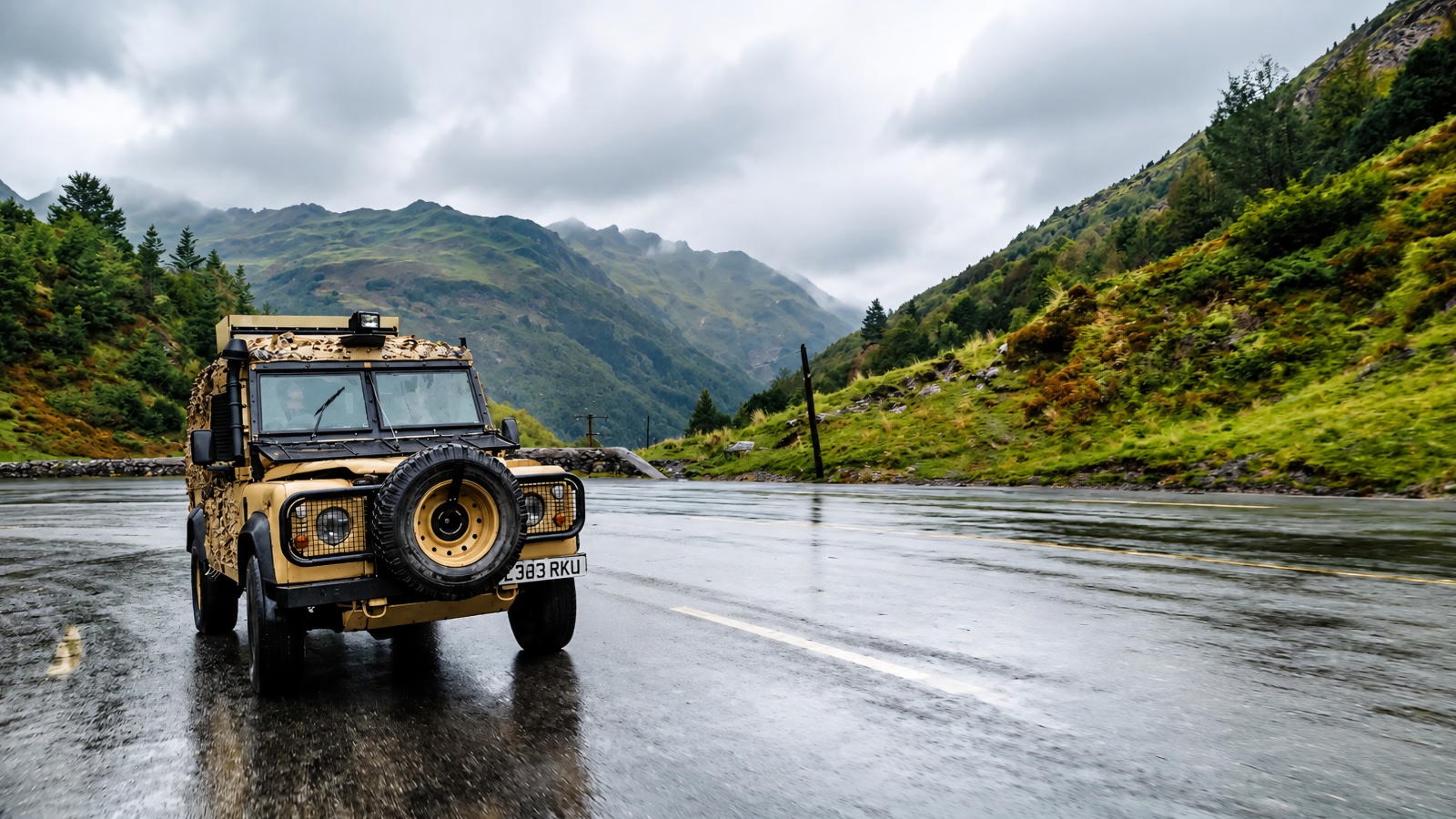
Many of the world’s most famous trucks and SUVs were not originally designed for weekend adventures, luxury, or daily commuting. Their roots were built around survival, reliability, and battlefield performance. Military organizations needed vehicles that could carry equipment, cross difficult terrain, and continue operating in extreme conditions. These demands created some of the toughest platforms ever developed.
After proving themselves in military service, several of these machines found new life in civilian markets. Automakers adapted their rugged designs for farmers, explorers, workers, and everyday drivers. From the legendary Dodge Power Wagon that evolved from World War II equipment carriers to the Humvee lineage that created the Hummer H1, these vehicles changed how people viewed four-wheel-drive trucks.
Their military beginnings gave them something ordinary pickups could not match: a reputation built on real-world durability. Here are eight trucks that transformed from battlefield tools into automotive legends.
1. Dodge Power Wagon
Before modern off-road trucks became popular, the Dodge Power Wagon introduced Americans to the idea that a pickup truck could be both a work machine and an unstoppable off-road vehicle.
Its origins can be traced directly to Dodge’s military WC-series trucks built during World War II. These vehicles served alongside Allied forces, carrying troops, ammunition, supplies, and equipment across some of the toughest environments of the war.
After the war ended, Dodge recognized that farmers, utility companies, and rural workers needed the same kind of rugged transportation. In 1946, the company introduced the civilian Power Wagon, adapting military technology into a practical pickup truck. It retained features that made the military version successful, including four-wheel drive, a strong chassis, high ground clearance, and a durable suspension system.
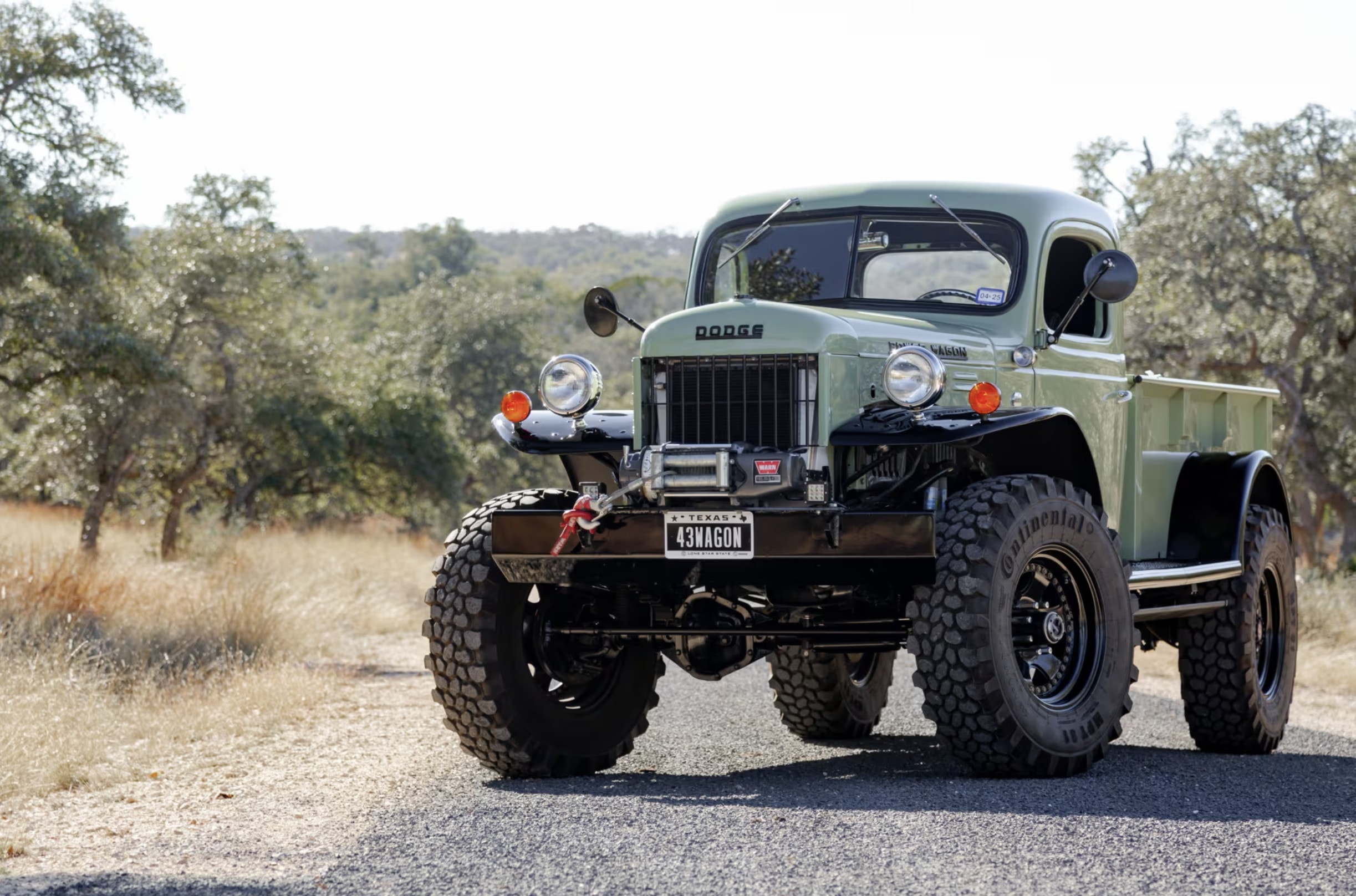
Unlike many civilian trucks of the era that were mainly designed for paved roads, the Power Wagon was engineered to operate where roads did not exist. It became especially popular among farmers, construction workers, forestry companies, and government agencies that needed dependable transportation in remote areas.
- Engine: 230-cubic-inch (3.8-liter) Chrysler flathead inline-6
- Torque: Approximately 186 lb-ft
- Horsepower: Around 94 hp
- Length/Width: Approximately 198 inches long / 79 inches wide
The Power Wagon’s influence continues today. Modern off-road pickups such as the Ram 2500 Power Wagon carry the same philosophy: military-inspired capability combined with civilian comfort. Its legacy helped establish the foundation for the modern heavy-duty 4×4 truck.
The Power Wagon was more than a military truck converted for civilian use. It represented one of the earliest examples of a purpose-built battlefield vehicle successfully transitioning into everyday life. Its strength, four-wheel-drive system, and unmatched capability showed that military-grade toughness could serve a wider audience beyond the armed forces.
2. Chevrolet K5 Blazer
The Chevrolet K5 Blazer was not a direct military vehicle like the Humvee or Dodge Power Wagon, but its development was heavily influenced by the rugged utility vehicles created for military applications. Introduced in 1969, the K5 Blazer was Chevrolet’s answer to growing demand for compact four-wheel-drive vehicles capable of handling both work duties and recreational adventures.
During this period, vehicles such as military Jeeps and utility trucks demonstrated that customers wanted smaller, more versatile off-road machines. Chevrolet used those lessons to create a vehicle based on its existing pickup platform, combining truck durability with a shorter wheelbase and removable roof.
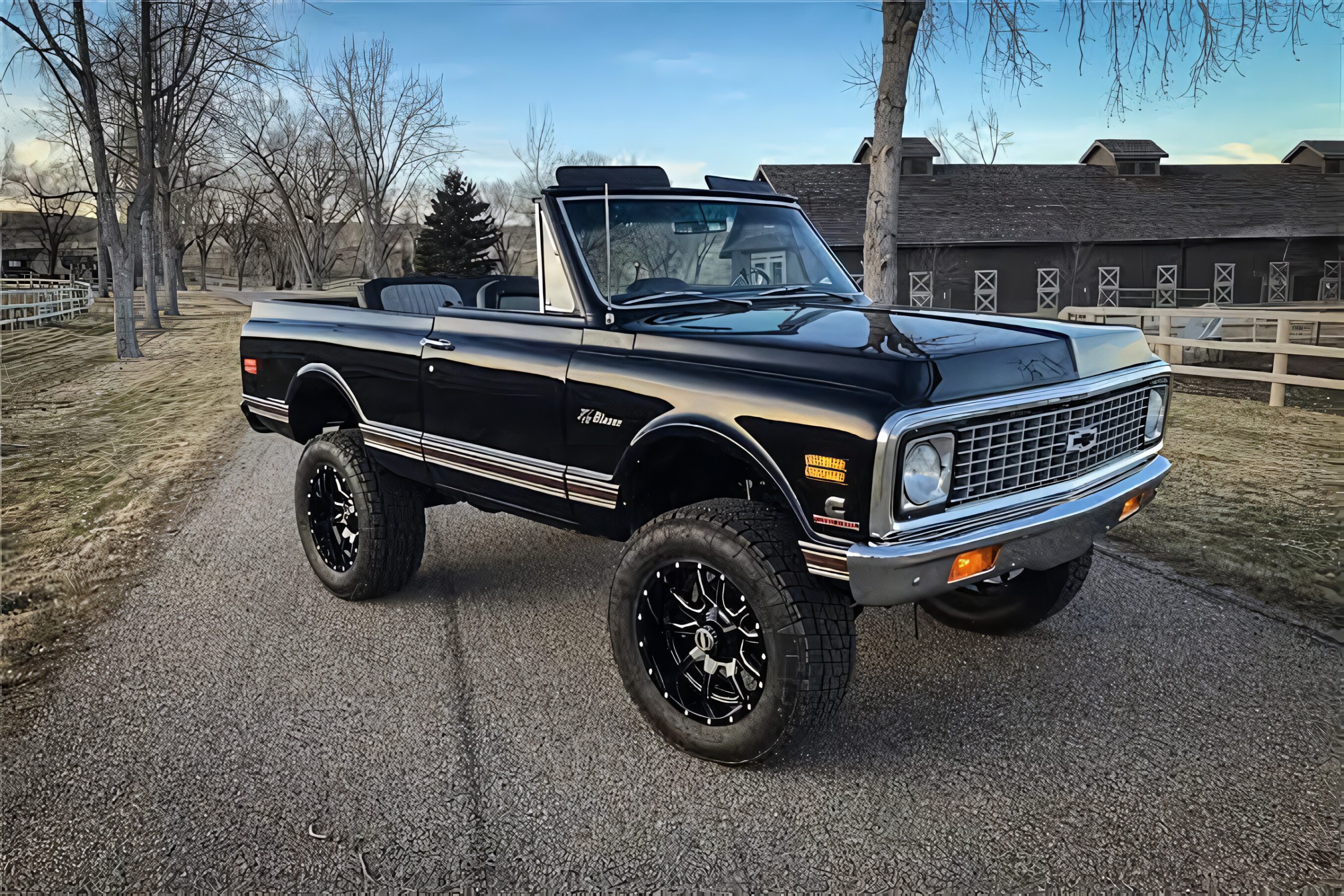
Built on the Chevrolet C/K pickup architecture, the K5 Blazer featured a body-on-frame design, available four-wheel drive, and strong truck components. It quickly became popular among outdoorsmen, ranchers, and drivers who wanted a vehicle capable of handling mud, snow, trails, and highways.
The first-generation Blazer shared engineering principles with military-style vehicles: simplicity, durability, and adaptability. Its rugged construction allowed it to compete against other off-road machines while offering more comfort than traditional utility vehicles.
- Engine: 5.7-liter Chevrolet small-block V8 (available option)
- Torque: Approximately 300 lb-ft
- Horsepower: Around 255 hp (varied by year and configuration)
- Length/Width: Approximately 177 inches long / 79 inches wide
The K5 Blazer became one of the vehicles that helped create the modern SUV market. It demonstrated that a truck-based four-wheel-drive vehicle could serve multiple purposes: hauling equipment during the week and taking families on adventures during weekends.
Its influence can still be seen in modern SUVs and adventure trucks. Vehicles like the Chevrolet Tahoe and modern off-road SUVs continue the formula that the K5 Blazer helped popularize: combining pickup-truck toughness with passenger-car comfort.
Although the K5 Blazer was never designed as a frontline military vehicle, it carried the same principles found in military machines, including strength, adaptability, and the ability to handle demanding environments. Its success came from bringing that rugged capability into a vehicle that everyday drivers could enjoy.
3. AM General Hummer H1
Few vehicles represent the connection between military and civilian worlds better than the Hummer H1. Its story began with the development of the High Mobility Multipurpose Wheeled Vehicle (HMMWV), better known as the Humvee. Designed by AM General for the United States military in the 1980s, the Humvee replaced older military utility vehicles by offering improved mobility, durability, and versatility.
The Humvee became famous during the Gulf War, where its ability to cross deserts, carry troops, and survive harsh battlefield conditions made it a symbol of modern military transportation. Unlike traditional military Jeeps, the Humvee was wider, stronger, and designed around a low center of gravity, independent suspension, and advanced four-wheel-drive capability.
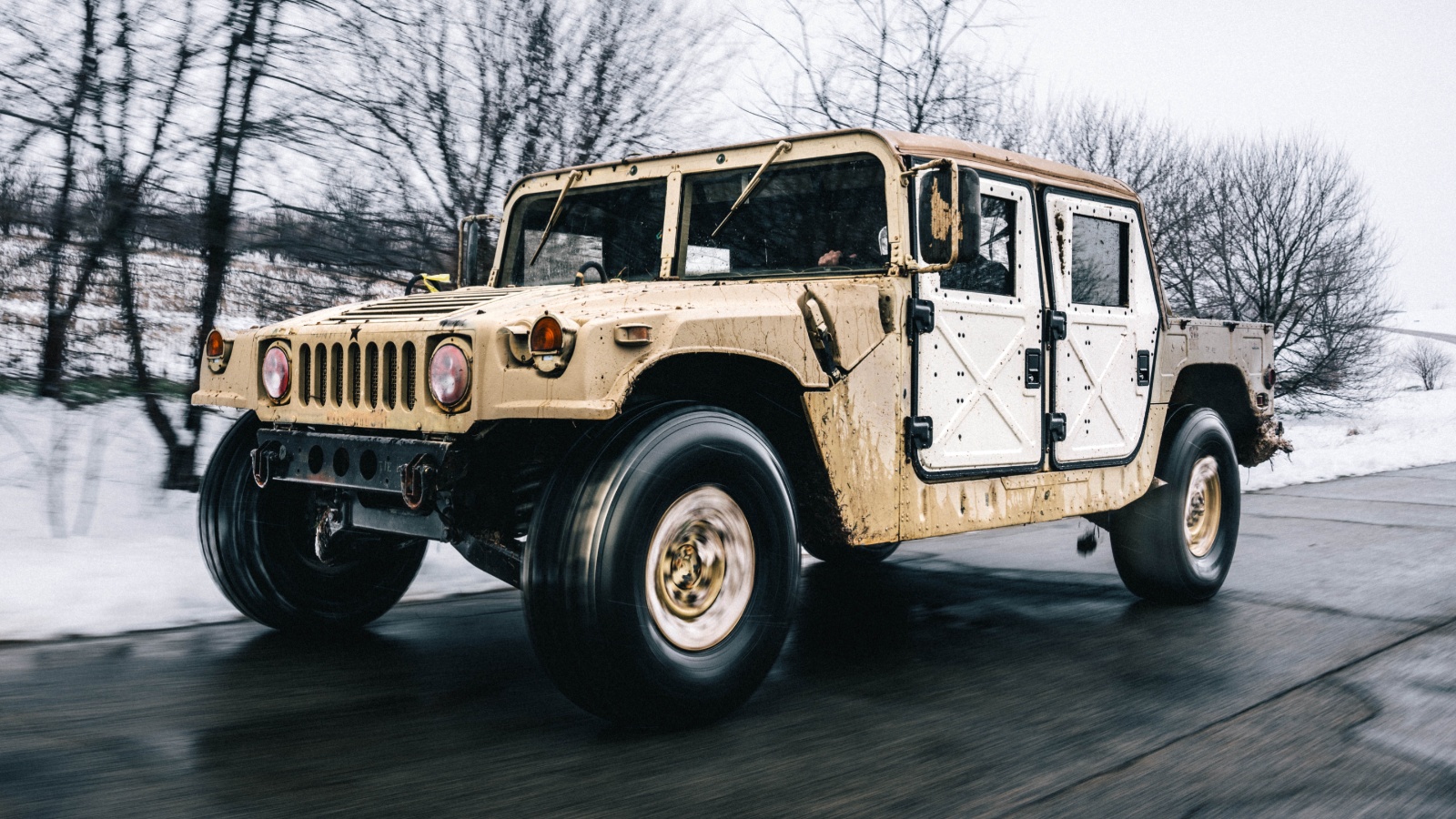
After seeing the vehicle’s performance during the Gulf War, public interest grew. Actor and entrepreneur Arnold Schwarzenegger famously pushed for a civilian version, leading AM General to produce the Hummer H1 in 1992.
The civilian H1 kept much of the military vehicle’s extreme engineering. It featured portal gear hubs, a wide stance for stability, high ground clearance, and a drivetrain designed for difficult terrain rather than fuel economy or urban convenience.
- Engine: 6.5-liter turbo-diesel V8
- Torque: Approximately 430 lb-ft
- Horsepower: Around 190 hp
- Length/Width: Approximately 184 inches long / 86.5 inches wide
The Hummer H1 was never a practical everyday truck for most drivers. Its massive width, limited interior space, and high operating costs made it challenging to own. However, it became an automotive symbol of extreme capability and military-inspired engineering.
The H1 also created the foundation for the later Hummer brand, influencing the development of civilian-focused models such as the H2 and H3. Decades later, the Hummer name returned under GMC with the electric GMC Hummer EV, showing how a military-derived vehicle could evolve into a modern performance machine.
The Hummer H1 remains one of the clearest examples of a battlefield vehicle becoming a cultural icon.
4. Jeep Gladiator and Jeep Pickup Lineage
The history of Jeep trucks is deeply connected to military transportation. The original Jeep was created during World War II as a lightweight reconnaissance and utility vehicle for Allied forces. Built by companies including Willys-Overland Motors and Ford, the military Jeep became one of the most recognizable vehicles of the war.
After the conflict ended, Jeep adapted its military engineering into civilian models. The company recognized that farmers, workers, and outdoor enthusiasts needed compact vehicles with strong off-road ability. This led to a variety of Jeep-based pickups, including the Forward Control models and later the Gladiator pickup introduced in 1962.
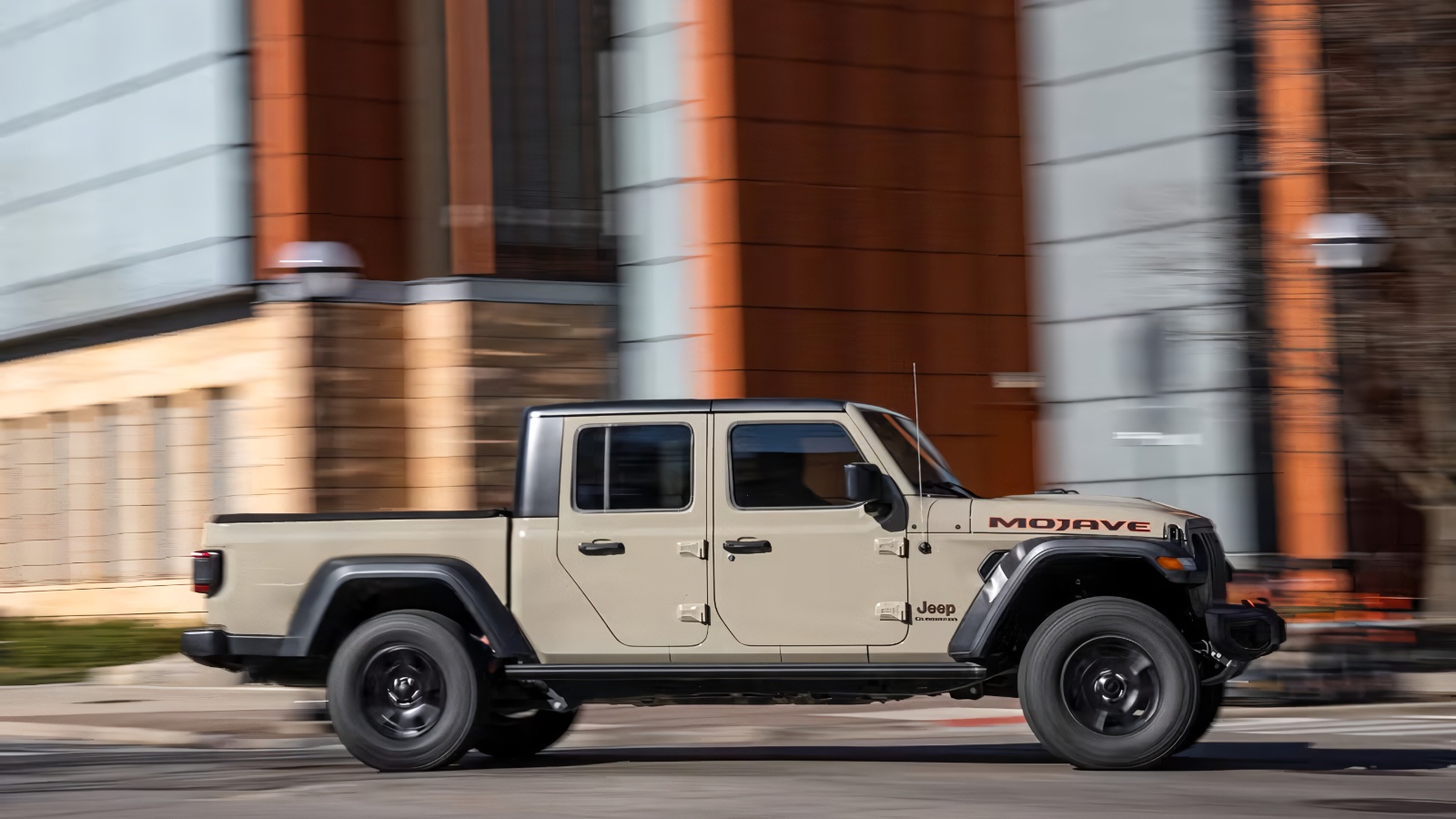
The Gladiator was built on the Jeep Wagoneer platform and combined truck capability with Jeep’s legendary four-wheel-drive system. It was used by businesses, government agencies, and individuals who needed a dependable work vehicle capable of reaching remote locations.
Decades later, Jeep revived the Gladiator name in 2019, creating a modern midsize pickup based on the Wrangler platform. While it is not a direct military vehicle, it carries the same philosophy developed from Jeep’s wartime origins: compact size, excellent off-road capability, and durability in extreme conditions.
- Engine: 3.6-liter Pentastar V6
- Torque: 260 lb-ft
- Horsepower: 285 hp
- Length/Width: Approximately 218 inches long / 74 inches wide
The modern Gladiator continues the military-inspired Jeep tradition by offering removable doors, removable roof panels, solid axles, and advanced four-wheel-drive systems. These features reflect the same priorities that shaped the original military Jeep: simplicity, flexibility, and the ability to travel beyond normal roads.
The Jeep truck lineage demonstrates how military engineering concepts can survive for generations. What started as a battlefield necessity became a symbol of freedom, exploration, and adventure for civilian drivers around the world.
Also read: 5 Cars With the Highest Theft Rates in Missouri, 5 With the Lowest
5. Land Rover Series III / Defender Pickup
The Land Rover’s origins began shortly after World War II when engineers at Land Rover developed a rugged utility vehicle inspired by the military Jeep. The first Land Rover debuted in 1948, designed to support farming, industry, and transportation in areas where roads were limited.
Although created as a civilian vehicle, the Land Rover quickly became popular among military organizations because of its simplicity, reliability, and exceptional off-road performance. Various military versions were produced, including pickup configurations used for troop transport, communications, and equipment hauling.
The Series vehicles, particularly the Series III, became known worldwide for their ability to operate in deserts, jungles, mountains, and remote regions. Their lightweight aluminum bodies resisted corrosion, while their four-wheel-drive systems allowed them to handle challenging terrain.
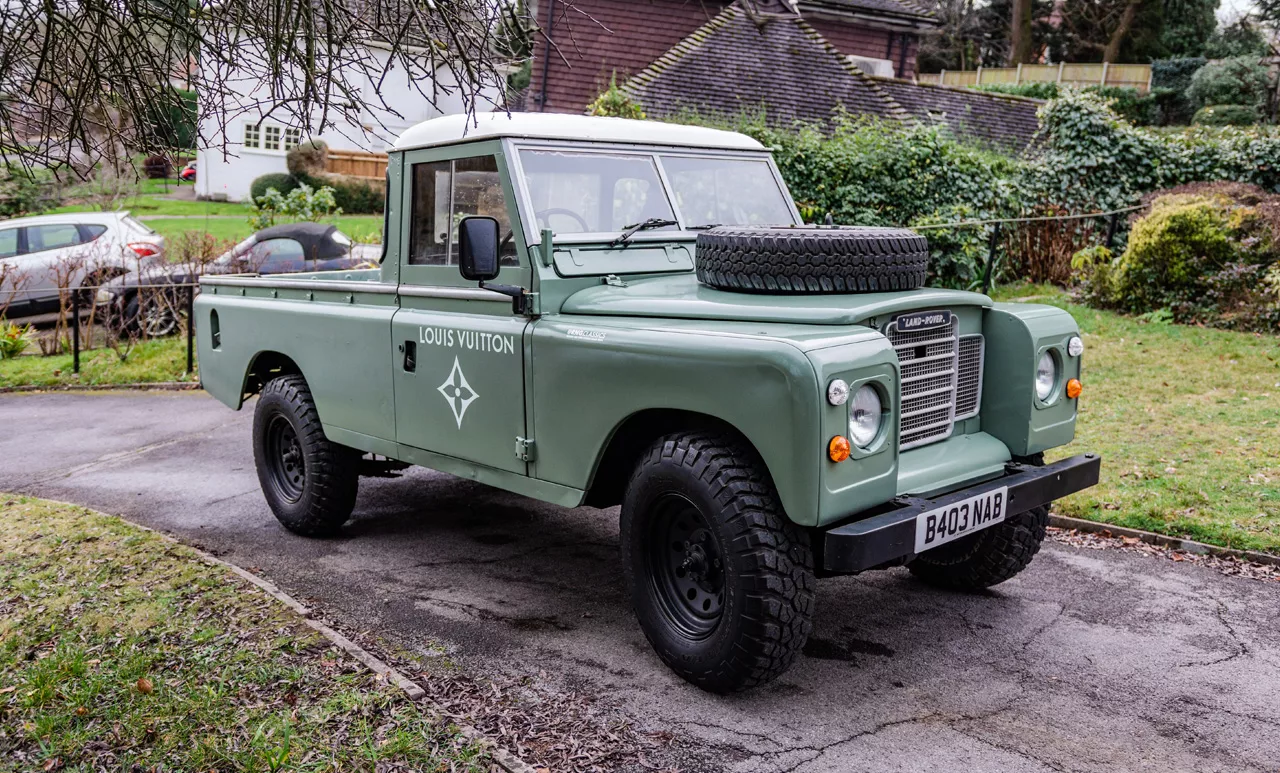
The later Defender continued this tradition, serving military forces, emergency organizations, and exploration teams across the globe. Many versions were equipped with canvas tops, heavy-duty suspension, and specialized equipment for military operations.
- Engine: 2.5-liter turbo-diesel inline-4 (varied by market)
- Torque: Approximately 195 lb-ft
- Horsepower: Around 111 hp
- Length/Width: Approximately 181 inches long / 70 inches wide
The Defender’s success came from durability rather than speed or luxury. It was designed to be repaired easily in remote locations and continue working under extreme conditions.
Military service helped establish the Land Rover reputation worldwide. From United Nations operations to rural communities, these trucks became symbols of reliability.
Today, the Defender name has evolved into a more modern luxury-oriented SUV lineup, but the original military-inspired philosophy remains part of its identity. The Defender pickup represents one of the strongest examples of a vehicle designed around utility becoming a global automotive legend.
6. Toyota Land Cruiser 70 Series Pickup
The Toyota Land Cruiser 70 Series is one of the longest-running examples of a vehicle built around military-style durability. Introduced in 1984 as the successor to the legendary 40 Series Land Cruiser, the 70 Series was designed with a simple goal: create a vehicle that could survive the harshest environments on Earth.
Although the Land Cruiser began as a civilian vehicle, its rugged design quickly attracted attention from governments, military organizations, and humanitarian groups. Many armed forces around the world adopted Land Cruiser variants because of their reliability, mechanical simplicity, and ability to operate in extreme conditions.
The pickup versions of the 70 Series became especially popular for military and utility applications. Their strong ladder-frame chassis, solid axles, and heavy-duty suspension allowed them to carry equipment, transport personnel, and handle difficult terrain. In remote regions where repair facilities were limited, the Land Cruiser earned a reputation for continuing to operate even under severe conditions.
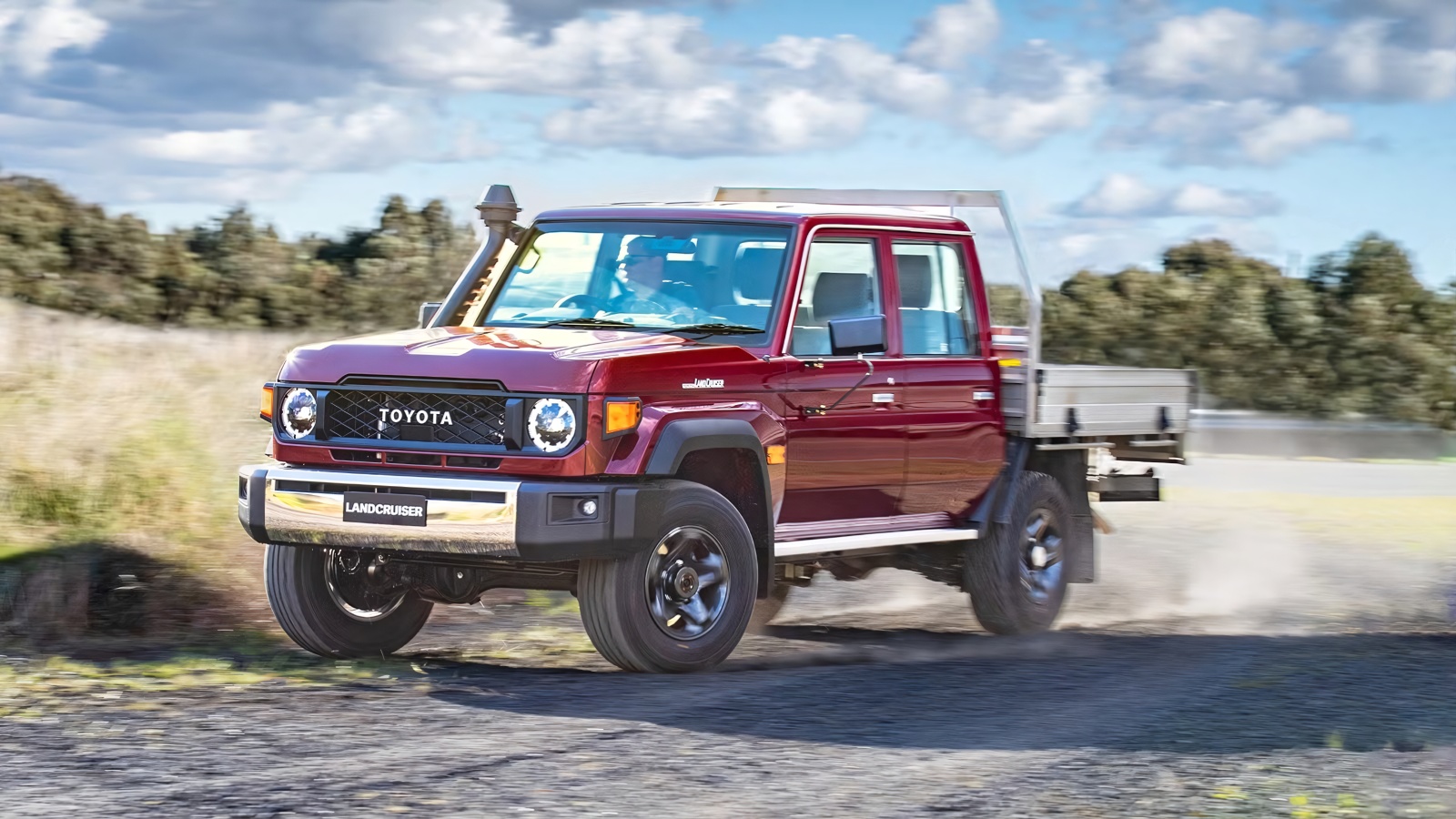
Unlike some military vehicles designed specifically for combat, the Land Cruiser focused on practicality. Its strength came from proven engineering rather than complicated technology. Many military and government users preferred its diesel engines because they offered strong low-speed torque, durability, and easier maintenance.
- Engine: 4.5-liter turbo-diesel V8 (1VD-FTV, later models)
- Torque: 317 lb-ft
- Horsepower: 202 hp
- Length/Width: Approximately 205 inches long / 70 inches wide
The Land Cruiser 70 Series has been used by military forces, police organizations, mining companies, and expedition teams across Africa, Australia, the Middle East, and other remote regions.
Its reputation for reliability has made it a favorite among organizations that prioritize function over luxury. Even decades after its introduction, the 70 Series remains in production in several markets, proving that its military-inspired design philosophy continues to meet modern demands.
The Land Cruiser 70 Series pickup represents a different kind of toughness. Instead of being famous for battlefield appearances, it became legendary because it could survive the same conditions faced by military vehicles every day.
7. Mercedes-Benz G-Class Wolf
The Mercedes-Benz G-Class, originally known as the Geländewagen (“cross-country vehicle”), began life as a military project. Developed in cooperation between Mercedes-Benz and Austrian manufacturer Steyr-Daimler-Puch, the G-Class was created during the 1970s to provide armed forces with a highly capable off-road vehicle.
The military version, commonly known as the Wolf, was designed for NATO-related applications and various military organizations around the world. It featured a simple, durable body, strong four-wheel-drive system, and construction capable of handling extreme environments.
Unlike many civilian SUVs that focused on comfort, the original G-Class prioritized reliability and battlefield usefulness. Military versions were often equipped with canvas tops, basic interiors, and specialized equipment mounts. They were used for troop transportation, reconnaissance, command duties, and logistical support.
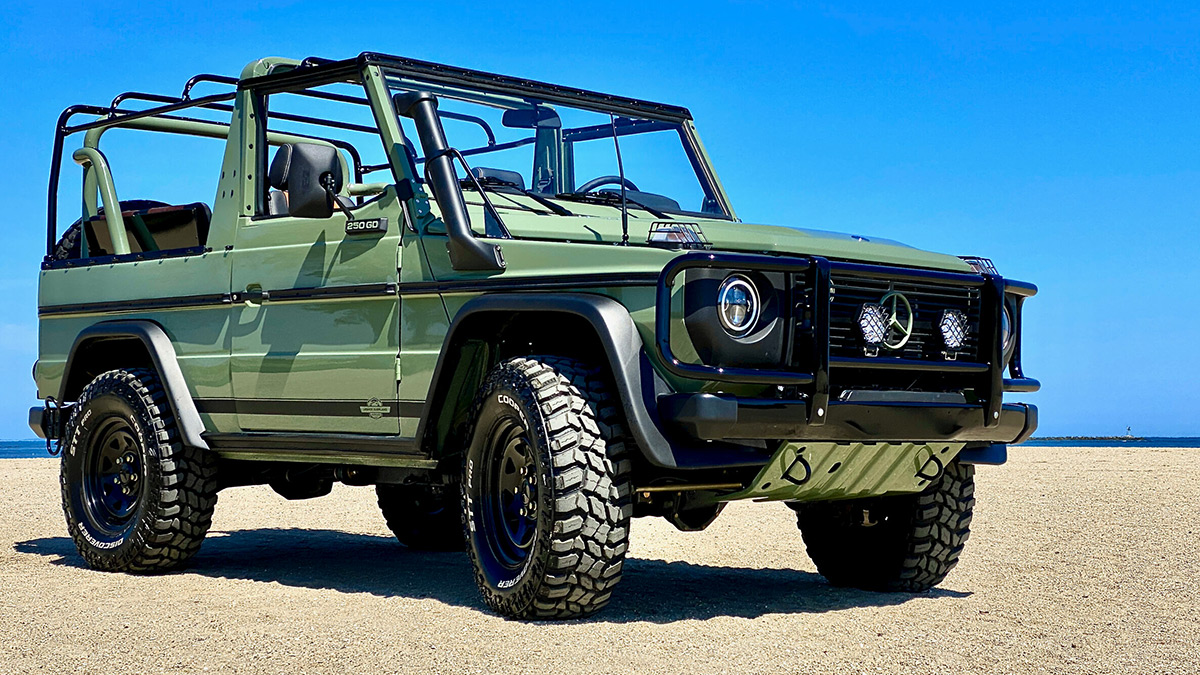
The G-Class eventually entered civilian markets, but its military DNA remained obvious. The boxy shape, ladder-frame chassis, locking differentials, and rugged suspension design continued throughout its generations.
- Engine: 2.5-liter diesel inline-5 (varied by military version)
- Torque: Approximately 184 lb-ft
- Horsepower: Around 84 hp
- Length/Width: Approximately 176 inches long / 70 inches wide
Over time, the G-Class transformed from a military workhorse into a luxury performance vehicle. Modern versions became associated with premium interiors and high-performance AMG models, but the basic architecture still reflects its original purpose.
The G-Class is unique because it successfully maintained its military identity while becoming a symbol of luxury. Few vehicles have managed to bridge those two worlds so successfully.
The Wolf version remains an important part of the G-Class story because it demonstrates how military engineering can create a platform strong enough to survive decades of civilian evolution.
8. Ford M151
Before today’s advanced tactical trucks existed, lightweight military utility vehicles played a major role in transportation. One important example was the Ford-designed M151 MUTT (Military Utility Tactical Truck), introduced in the early 1960s as the successor to the World War II Jeep and Korean War-era military vehicles.
The M151 was developed to provide armed forces with a more modern, compact, and capable utility vehicle. It served extensively with the United States military and allied forces, performing roles such as reconnaissance, communications support, cargo transport, and personnel movement.
Although the M151 itself was not sold widely as a civilian pickup, its influence helped shape later military and civilian vehicle development. Its lightweight construction, independent suspension, and versatile design represented a transition toward more advanced tactical vehicles.
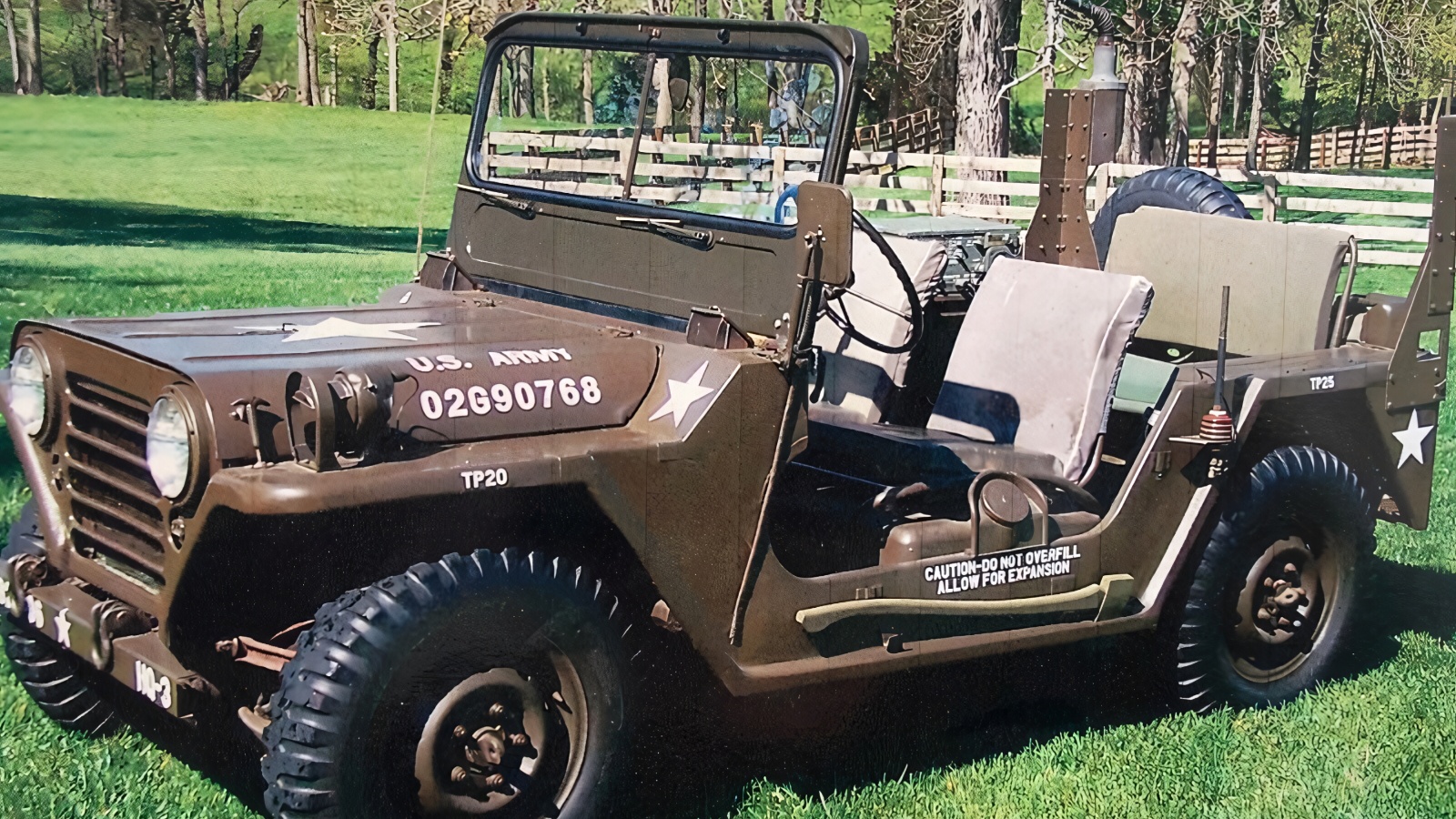
The lessons learned from vehicles like the M151 contributed to the development of newer military platforms, including the Humvee. Many modern tactical trucks continue to follow the same principles: mobility, durability, adaptability, and easy maintenance.
- Engine: 2.3-liter gasoline inline-4
- Torque: Approximately 134 lb-ft
- Horsepower: Around 71 hp
- Length/Width: Approximately 133 inches long / 63 inches wide
The M151 demonstrated that military vehicles did not need to be large to be effective. Its compact dimensions allowed it to navigate narrow trails and difficult terrain while carrying personnel and equipment.
Although it never became a civilian icon like the Power Wagon or Hummer H1, the M151 played a major role in the evolution of military transportation. Its engineering concepts influenced future generations of tactical vehicles and helped define what modern off-road utility vehicles could become.