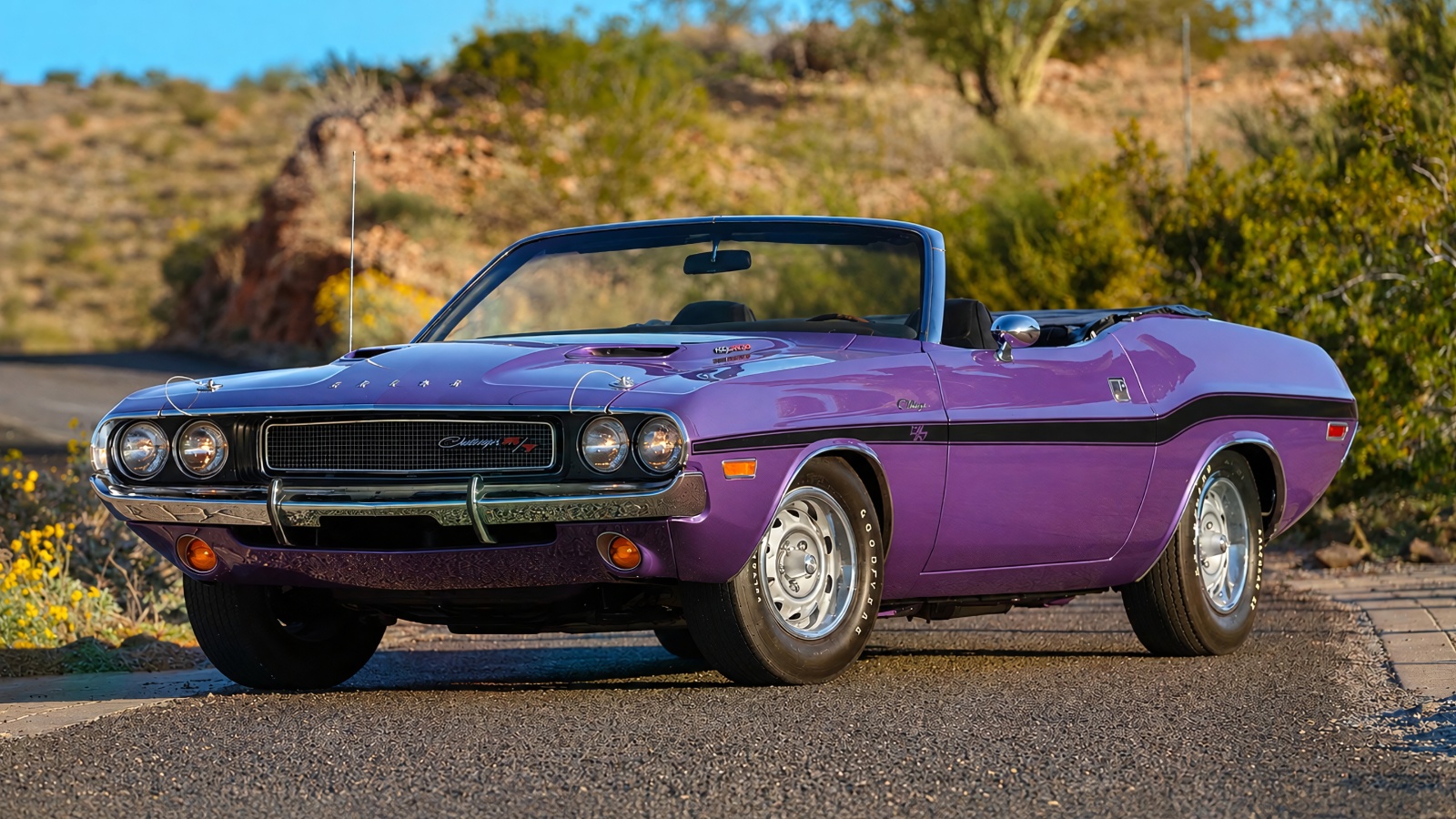
Dodge muscle cars from the late 1960s and early 1970s have become some of the most valuable collector vehicles in automotive history. Known for powerful V8 engines, aggressive designs, and racing-inspired performance, models like the Charger, Challenger, Coronet, and Daytona have gained significant investment value.
Rare examples with factory HEMI engines, original components, matching numbers, and documented histories command exceptional prices at major auctions. The 1969 Dodge Charger Daytona HEMI four-speed holds the record as the most valuable Dodge ever publicly sold, reaching $3.36 million in 2024. As original examples become increasingly scarce, collectors continue driving demand for these legendary Mopar performance cars.
1. 1969 Dodge Charger Daytona HEMI Four-Speed
No Dodge has generated more excitement in the collector market than the 1969 Charger Daytona HEMI. Created to satisfy NASCAR homologation rules, the Daytona featured an unmistakable aerodynamic nose cone and towering rear wing that dramatically reduced drag at high speeds. The design proved so effective that the Daytona became the first NASCAR stock car to officially exceed 200 mph, forever securing its place in motorsports history.
The record-setting example sold by Mecum in 2024 was particularly desirable because it was one of the best-documented HEMI four-speed Daytonas in existence. Finished in F8 Green and retaining its matching-numbers drivetrain, the car underwent a concours-quality restoration using numerous original New Old Stock (NOS) components. After fierce bidding, the final sale reached $3,360,000, making it the most expensive Dodge ever sold at public auction.
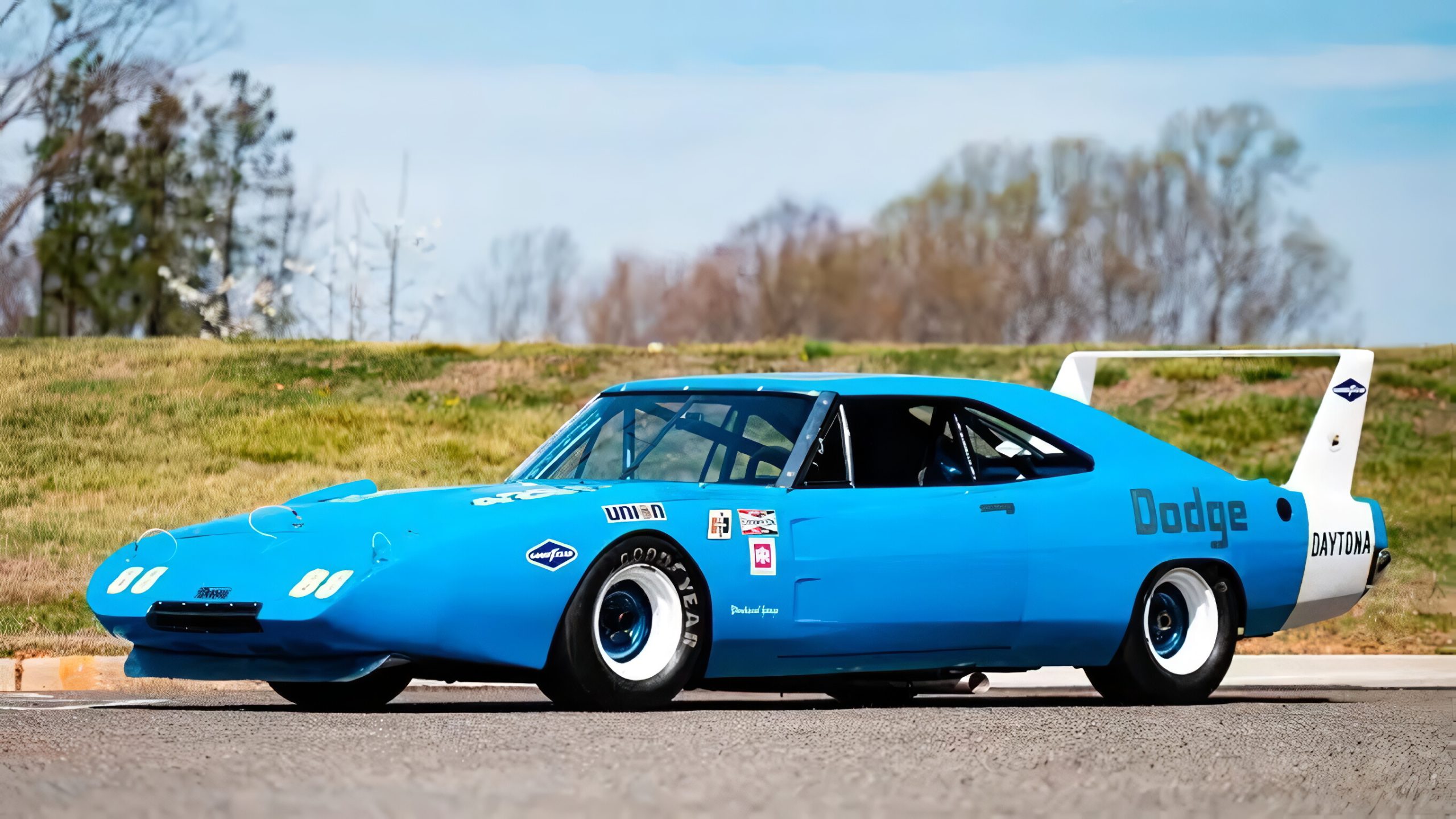
Performance was extraordinary for its era. The legendary 426 Street HEMI delivered 425 horsepower and 490 lb-ft of torque, though enthusiasts widely believed the factory understated its actual output. Combined with a heavy-duty four-speed manual transmission and Dana 60 rear axle, the Daytona could dominate both drag strips and superspeedways.
Collectors prize the HEMI Daytona because it combines three attributes that rarely exist together: extreme rarity, groundbreaking racing history, and unmistakable styling. Even standard 440-powered Daytonas command enormous values today, but genuine HEMI-equipped examples occupy an entirely different tier. With so few surviving in original specification, many experts believe these winged warriors will remain among the most valuable American muscle cars for decades to come.
- Highest Auction Price: $3.36 million
- Auction House: Mecum Monterey (2024)
- Engine Type: 426 cubic-inch (7.0-liter) Street HEMI OHV V8
- Horsepower: 425 hp
- Torque: 490 lb-ft
- Length: 220.0 inches
- Width: 76.5 inches
- Production: Approximately 70 HEMI-powered Daytona models
2. 1970 Dodge Challenger R/T HEMI Convertible
The 1970 Dodge Challenger R/T HEMI Convertible represents one of the rarest production Mopars ever offered to the public. Dodge introduced the Challenger as its answer to the Ford Mustang and Chevrolet Camaro, but buyers seeking maximum performance could order the fearsome 426 Street HEMI. Very few did, especially when combined with the expensive convertible body style, resulting in just 12 factory-built HEMI R/T convertibles.
This incredible rarity explains why collectors eagerly pursue surviving examples whenever they appear at auction. One documented car sold for approximately $1.43 million at Mecum Phoenix, illustrating the extraordinary demand for authentic HEMI convertibles.
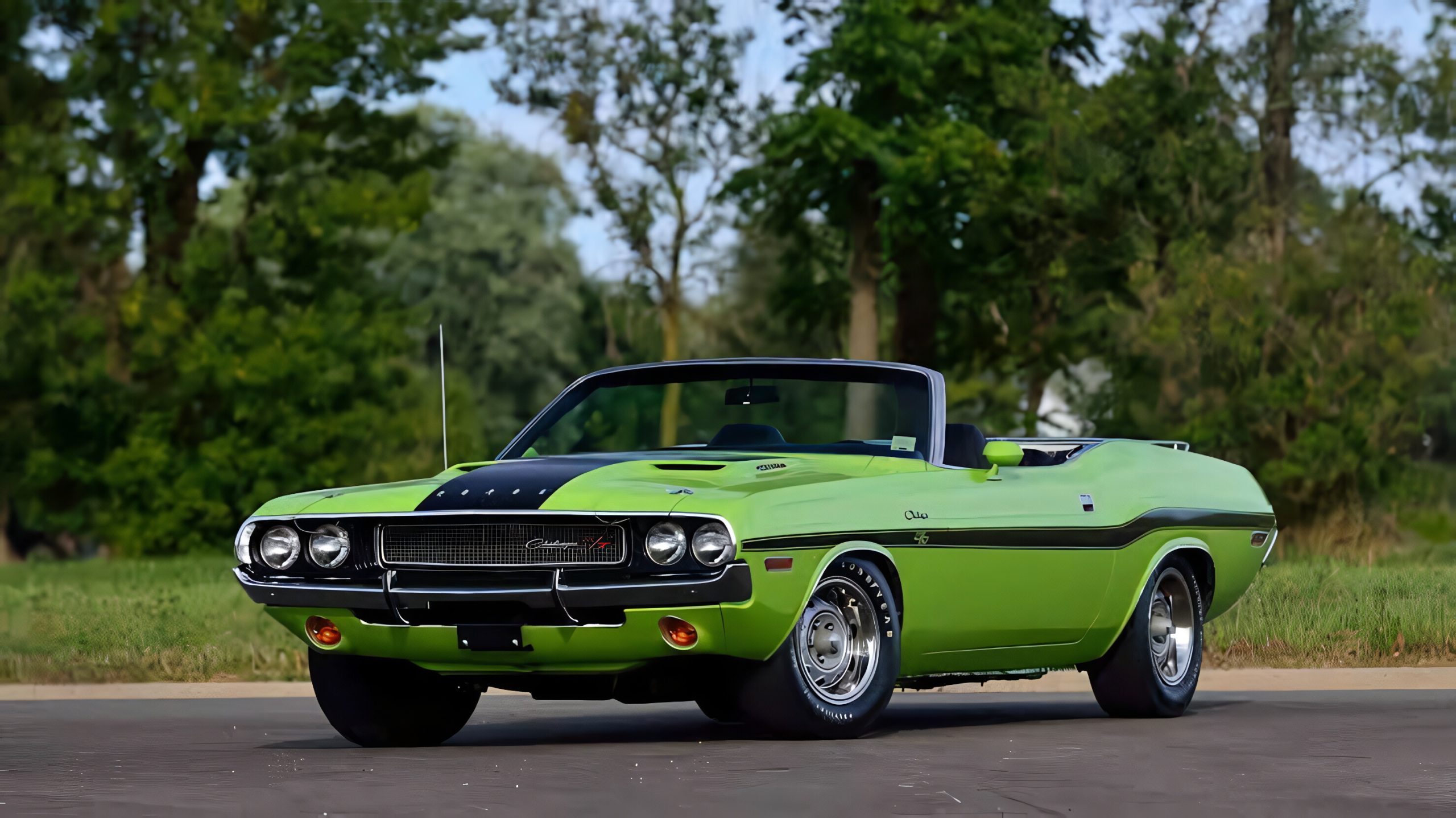
Under the hood sat Chrysler’s legendary 426 HEMI, producing an officially rated 425 horsepower and 490 lb-ft of torque. Massive hemispherical combustion chambers, oversized valves, forged internals, and dual Carter four-barrel carburetors gave the engine exceptional breathing capability and made it one of the most respected V8s ever built. Performance was breathtaking by 1970 standards, with quarter-mile times easily dipping into the low 13-second range on factory tires.
Beyond its drivetrain, the Challenger’s long hood, short rear deck, and aggressive “Coke bottle” styling have aged remarkably well. Many collectors consider it one of the most attractive American muscle cars ever produced. Original examples with matching-numbers engines, factory documentation, and correct restorations consistently attract the highest bids.
Because production numbers were so limited, values have remained exceptionally strong even during fluctuations in the collector-car market. Authentic HEMI convertibles are widely regarded as cornerstone pieces for serious Mopar collections.
- Highest Auction Price: Approximately $1.43 million
- Auction House: Mecum Phoenix
- Engine Type: 426 cubic-inch (7.0-liter) Street HEMI V8
- Horsepower: 425 hp
- Torque: 490 lb-ft
- Length: 191.3 inches
- Width: 76.1 inches
- Production: Only 12 HEMI R/T Convertibles built
3. 1969 Dodge Coronet R/T HEMI Convertible
While the Charger often steals the spotlight, the 1969 Dodge Coronet R/T HEMI Convertible remains one of the rarest and most valuable Dodge muscle cars ever produced. Built during the peak of the muscle car era, the Coronet R/T offered buyers the option of Chrysler’s legendary 426 HEMI engine in a stylish intermediate-sized platform. Choosing both the HEMI engine and convertible body style created one of the most exclusive combinations available from Dodge.
Like other HEMI-powered Mopars, the Coronet’s 426 cubic-inch V8 officially produced 425 horsepower and 490 lb-ft of torque. The engine featured forged pistons, a forged crankshaft, cross-bolted main caps, and dual four-barrel carburetors, making it both durable and exceptionally powerful.
These engineering features allowed the Coronet to compete successfully against rivals from Chevrolet, Ford, and Pontiac during the height of Detroit’s horsepower wars.
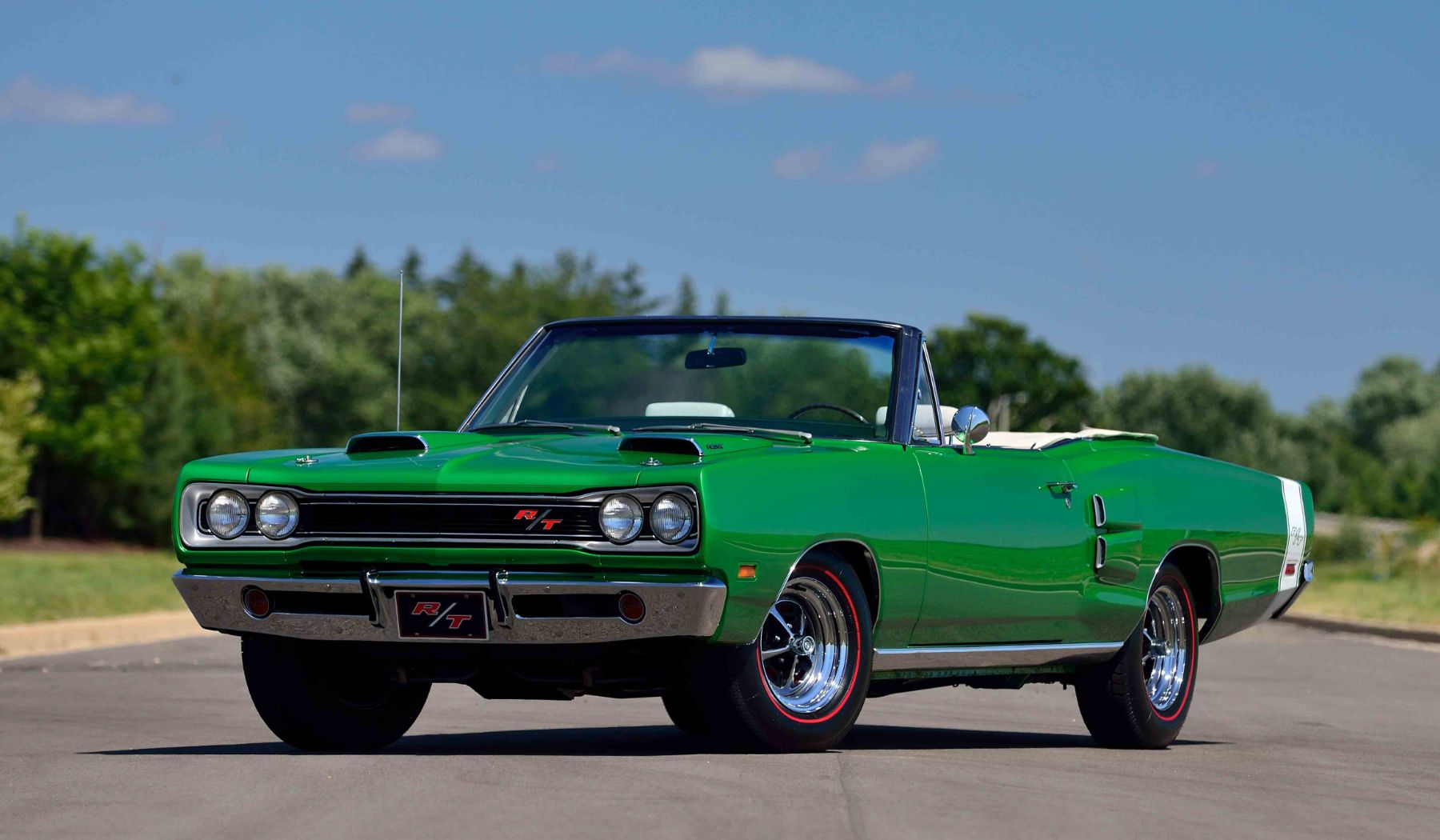
Today, surviving Coronet HEMI Convertibles are exceptionally scarce. Collectors value matching-numbers drivetrains, factory broadcast sheets, original fender tags, and documented ownership history. Because so few examples become available for public sale, auction prices can vary considerably depending on originality, restoration quality, and provenance. Well-documented cars frequently approach or exceed the million-dollar mark.
Although less famous than the Charger Daytona, the Coronet R/T HEMI Convertible offers many of the same characteristics collectors seek: extraordinary rarity, legendary HEMI performance, and unmistakable late-1960s Mopar styling. As surviving examples become increasingly difficult to acquire, many experts expect these cars to remain among the most desirable Dodge collectibles in the world.
- Estimated Auction Value: $900,000–$1.2 million
- Engine Type: 426 cubic-inch (7.0-liter) Street HEMI V8
- Horsepower: 425 hp
- Torque: 490 lb-ft
- Length: 208.0 inches
- Width: 77.0 inches
- Production: Extremely limited HEMI Convertible production
4. 1969 Dodge Charger 500 HEMI
Before the Daytona arrived, Dodge introduced the 1969 Charger 500 as an aerodynamic improvement over the standard Charger. NASCAR teams had discovered that the recessed rear window and wide grille of the regular Charger created significant aerodynamic drag at superspeedway speeds.
Engineers responded by fitting the Charger 500 with a flush-mounted rear window and redesigned front grille, creating a cleaner airflow profile that served as the foundation for the later Daytona program.
Although most Charger 500s were equipped with the 440 Magnum V8, a very small number received the coveted 426 Street HEMI. These HEMI-equipped cars have become some of the rarest Chargers ever built, with production estimated at roughly 67 units. Their combination of NASCAR heritage and legendary HEMI performance has made them highly desirable among serious collectors.
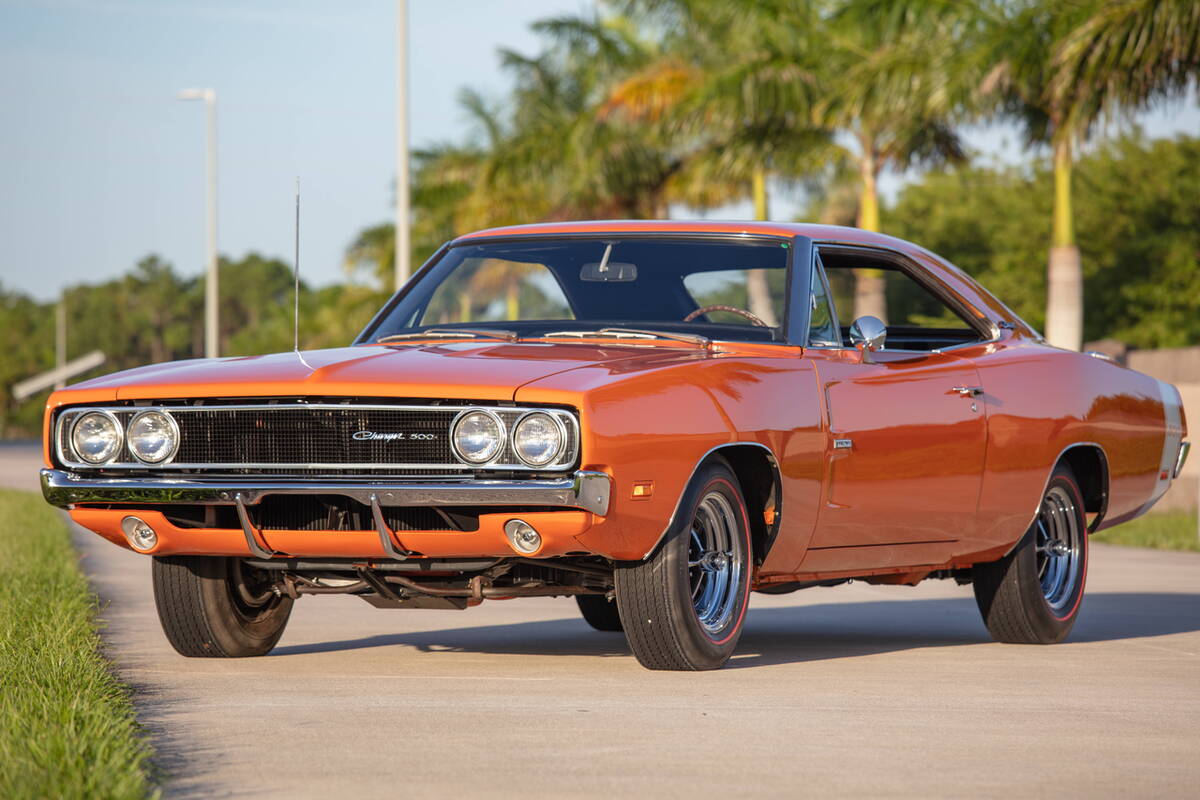
Like every street HEMI of the era, the Charger 500 delivered 425 horsepower and 490 lb-ft of torque through either a heavy-duty four-speed manual transmission or the rugged TorqueFlite automatic. The car’s clean styling, hidden headlights, and muscular proportions remain iconic more than five decades after production ended.
Because genuine HEMI Charger 500s rarely appear at auction, values continue climbing as collectors compete for the limited number of surviving examples. Cars retaining their original engine, transmission, factory documentation, and correct body panels routinely sell for several hundred thousand dollars, with the finest restorations approaching the million-dollar range.
For many Mopar enthusiasts, the Charger 500 represents the perfect bridge between the classic Charger R/T and the legendary winged Daytona.
-
- Top Auction Values: Frequently $500,000–$900,000+
- Engine Type: 426 cubic-inch (7.0-liter) Street HEMI V8
- Horsepower: 425 hp
- Torque: 490 lb-ft
- Length: 208.0 inches
- Width: 76.6 inches
- Production: Approximately 67 HEMI Charger 500s
5. 1971 Dodge Charger R/T HEMI
The 1971 Dodge Charger R/T HEMI represents the final chapter of Chrysler’s legendary Street HEMI era. By 1971, insurance premiums for high-performance cars had skyrocketed, emissions regulations were tightening, and buyers were moving away from large-displacement muscle cars. As a result, very few customers ordered the expensive 426 HEMI option, making surviving examples among the rarest Chargers ever produced.
The redesigned 1971 Charger introduced dramatic “fuselage” styling with a split grille, sculpted body lines, and a more aggressive appearance than its predecessors. While the new design divided enthusiasts initially, it has become increasingly appreciated among collectors because of its unique styling and extremely limited HEMI production numbers.
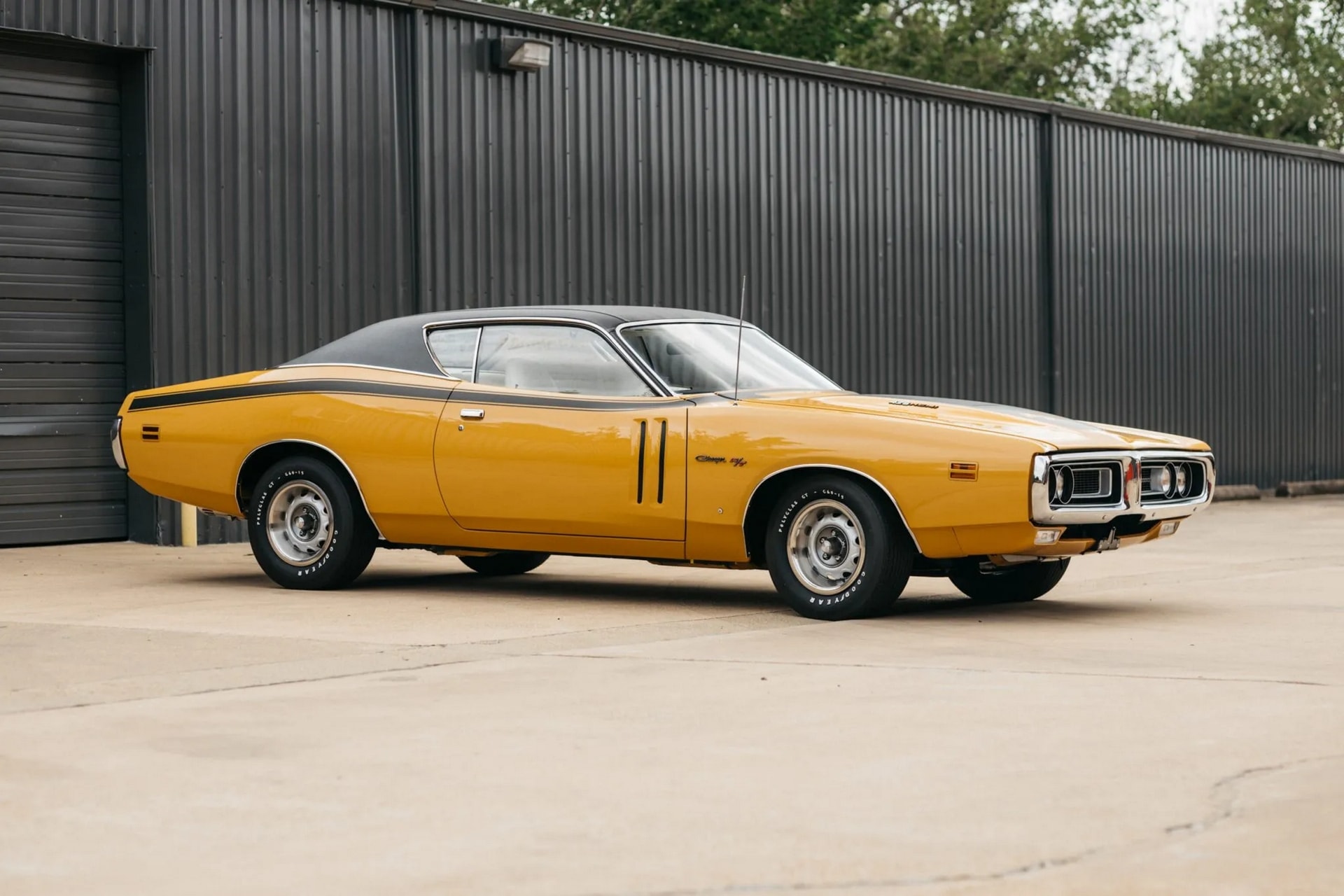
Power came from Chrysler’s legendary 426 Street HEMI V8, officially rated at 425 horsepower and 490 lb-ft of torque. Like earlier HEMI engines, it featured hemispherical combustion chambers, forged internal components, and dual Carter four-barrel carburetors.
Although factory ratings remained unchanged, many enthusiasts believe real-world output exceeded 500 horsepower. Buyers could pair the engine with either a four-speed manual transmission or Chrysler’s rugged TorqueFlite automatic.
Today’s collectors highly value documented HEMI Charger R/Ts with matching-numbers drivetrains, original broadcast sheets, fender tags, and factory-installed options.
Restored examples frequently sell for well over half a million dollars, while exceptionally rare combinations featuring desirable colors, four-speed transmissions, and extensive documentation can approach the million-dollar mark. Because so few authentic examples remain, many experts expect values to continue rising as demand for final-year HEMI muscle cars grows.
-
-
- Top Auction Value: Approximately $550,000–$900,000
- Engine Type: 426 cubic-inch (7.0-liter) Street HEMI OHV V8
- Horsepower: 425 hp
- Torque: 490 lb-ft
- Length: 209.0 inches
- Width: 77.0 inches
- Production: Approximately 63 HEMI Charger R/Ts built
-
Also read: 10 Cars Holding Location History No Owner Can Erase
6. 1970 Dodge Challenger T/A
The 1970 Challenger T/A earned its place among collectible Mopar classics because of its motorsport pedigree rather than the massive HEMI engines found in many high-value Dodge models. Built to satisfy homologation requirements for the Sports Car Club of America (SCCA) Trans-Am championship, the Challenger T/A was created specifically for road racing.
It went head-to-head with iconic competitors including the Ford Mustang Boss 302, Chevrolet Camaro Z/28, and Plymouth AAR ‘Cuda, cementing its reputation as one of Dodge’s most distinctive performance cars.
Although powered by a relatively small 340 Six-Pack V8, the Challenger T/A was engineered for handling rather than straight-line acceleration. The engine featured three two-barrel carburetors, high-flow cylinder heads, performance camshaft tuning, and side-exit exhausts, producing an officially underrated 290 horsepower and 345 lb-ft of torque. Independent testing during the era suggested actual output was substantially higher than advertised.
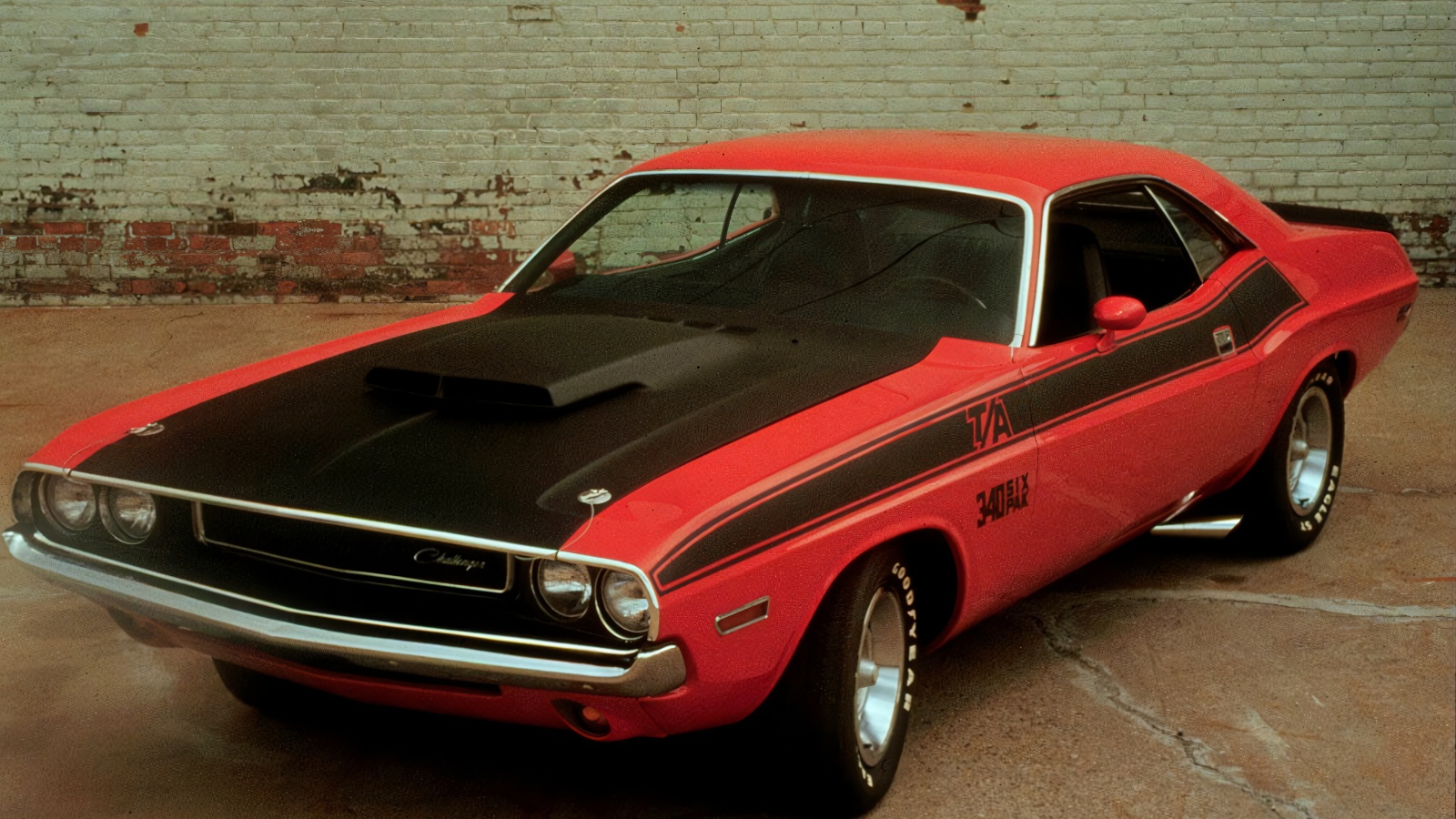
Beyond the engine, the T/A received numerous upgrades that distinguished it from ordinary Challengers. These included heavy-duty suspension, quick-ratio steering, front disc brakes, a fiberglass hood with a functional scoop, distinctive side stripes, a rear spoiler, staggered tire sizes, and unique exhaust outlets positioned ahead of the rear wheels.
These features gave the Challenger T/A one of the most recognizable appearances in Dodge’s muscle car history.
Collectors particularly seek low-mileage examples with rare factory colors such as Panther Pink, Plum Crazy, Sublime, and Top Banana. Original cars retaining matching-numbers engines, original paint documentation, and factory options often sell for several hundred thousand dollars.
Although it lacks the mythical HEMI engine, the Challenger T/A remains one of the most historically significant Dodges because of its direct connection to professional road racing.
-
-
- Top Auction Value: Approximately $250,000–$450,000
- Engine Type: 340 cubic-inch (5.6-liter) Six-Pack V8
- Horsepower: 290 hp (factory rating)
- Torque: 345 lb-ft
- Length: 191.3 inches
- Width: 76.1 inches
- Production: 2,399 units
-
7. 1968 Dodge Charger R/T HEMI
The 1968 Dodge Charger R/T HEMI is widely considered one of the most influential muscle cars ever built. Introducing the second-generation Charger design, the 1968 model featured the sleek “Coke bottle” profile, hidden headlights, recessed rear window, and muscular proportions that would later make the Charger a Hollywood icon. Its appearance in films such as Bullitt and later television series further cemented its place in automotive history.
Buyers seeking maximum performance could order Chrysler’s legendary 426 Street HEMI, transforming the already impressive Charger R/T into one of the fastest production cars available. Officially rated at 425 horsepower and 490 lb-ft of torque, the HEMI provided breathtaking acceleration and a thunderous exhaust note that became synonymous with the golden age of American muscle.
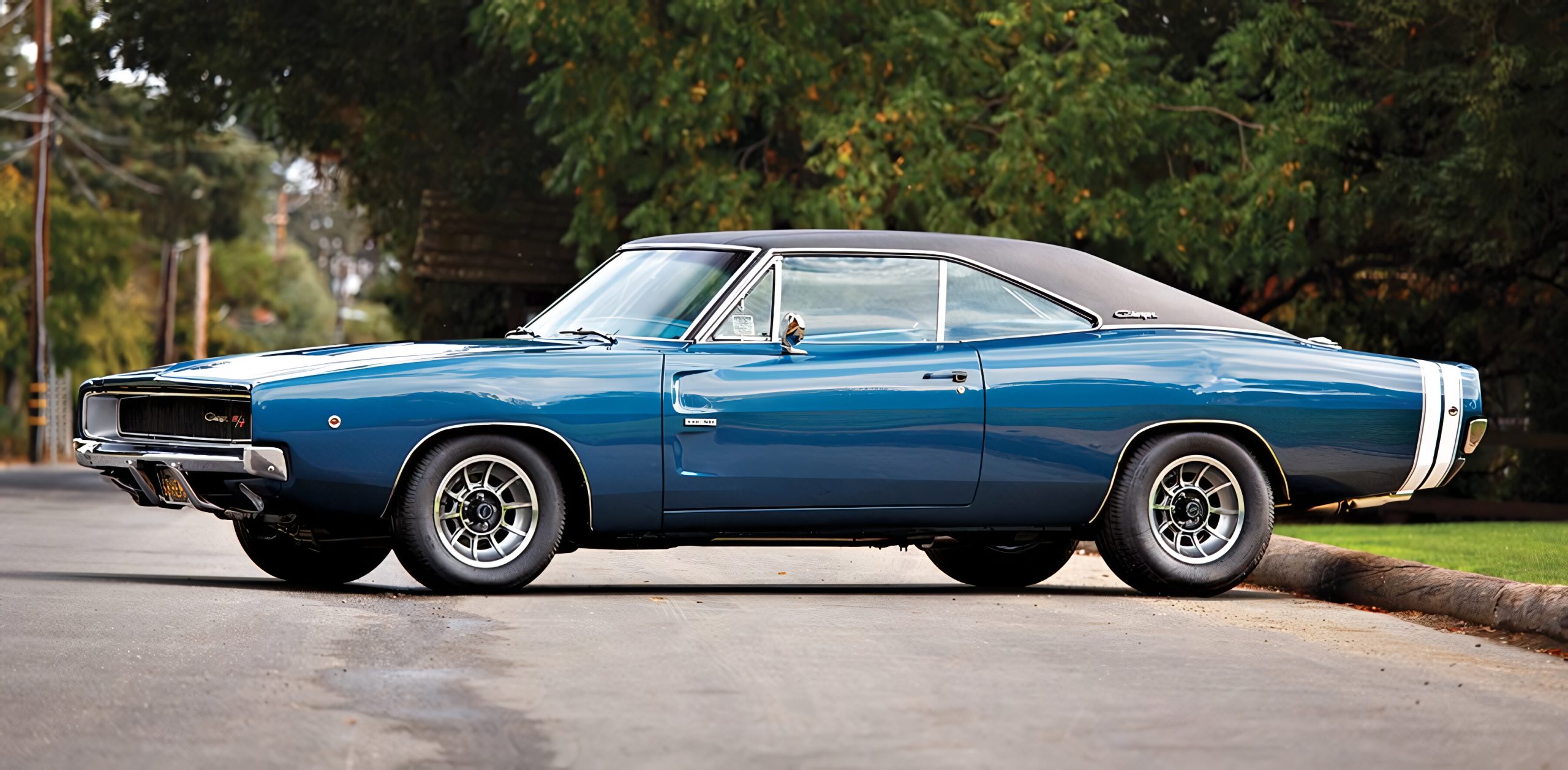
Production remained relatively limited because the HEMI option significantly increased the vehicle’s purchase price. As a result, authentic matching-numbers HEMI Charger R/Ts have become highly desirable collector vehicles.
Restored examples featuring factory documentation, original drivetrains, desirable paint colors, and four-speed manual transmissions regularly command prices approaching or exceeding half a million dollars at major auctions.
The 1968 Charger also laid the foundation for future aerodynamic developments that eventually produced the Charger 500 and Charger Daytona. For many collectors, it represents the perfect balance between timeless styling and legendary HEMI performance.
While later Daytonas may achieve higher auction prices, the 1968 Charger R/T HEMI remains one of the most recognizable and sought-after Dodges ever built, ensuring continued demand among serious Mopar enthusiasts.
-
-
- Top Auction Value: Approximately $350,000–$700,000
- Engine Type: 426 cubic-inch (7.0-liter) Street HEMI OHV V8
- Horsepower: 425 hp
- Torque: 490 lb-ft
- Length: 208.0 inches
- Width: 76.6 inches
- Production: Approximately 475 HEMI Charger R/Ts
-
8. 1971 Dodge Super Bee HEMI
The 1971 Dodge Super Bee HEMI represents one of the rarest factory muscle cars Dodge ever produced. By the early 1970s, tightening emissions regulations, rising insurance costs, and changing consumer preferences had dramatically reduced demand for high-performance V8-powered cars. The result was extremely low production numbers, particularly for vehicles equipped with the legendary 426 Street HEMI engine.
Dodge gave the 1971 Super Bee a new identity by transitioning it from the Coronet platform to the Charger platform. The change brought a more aggressive design language, featuring a unique split grille, sculpted power-bulge hood, and flowing bodywork that separated it from previous Super Bee models while reinforcing its performance-focused character.
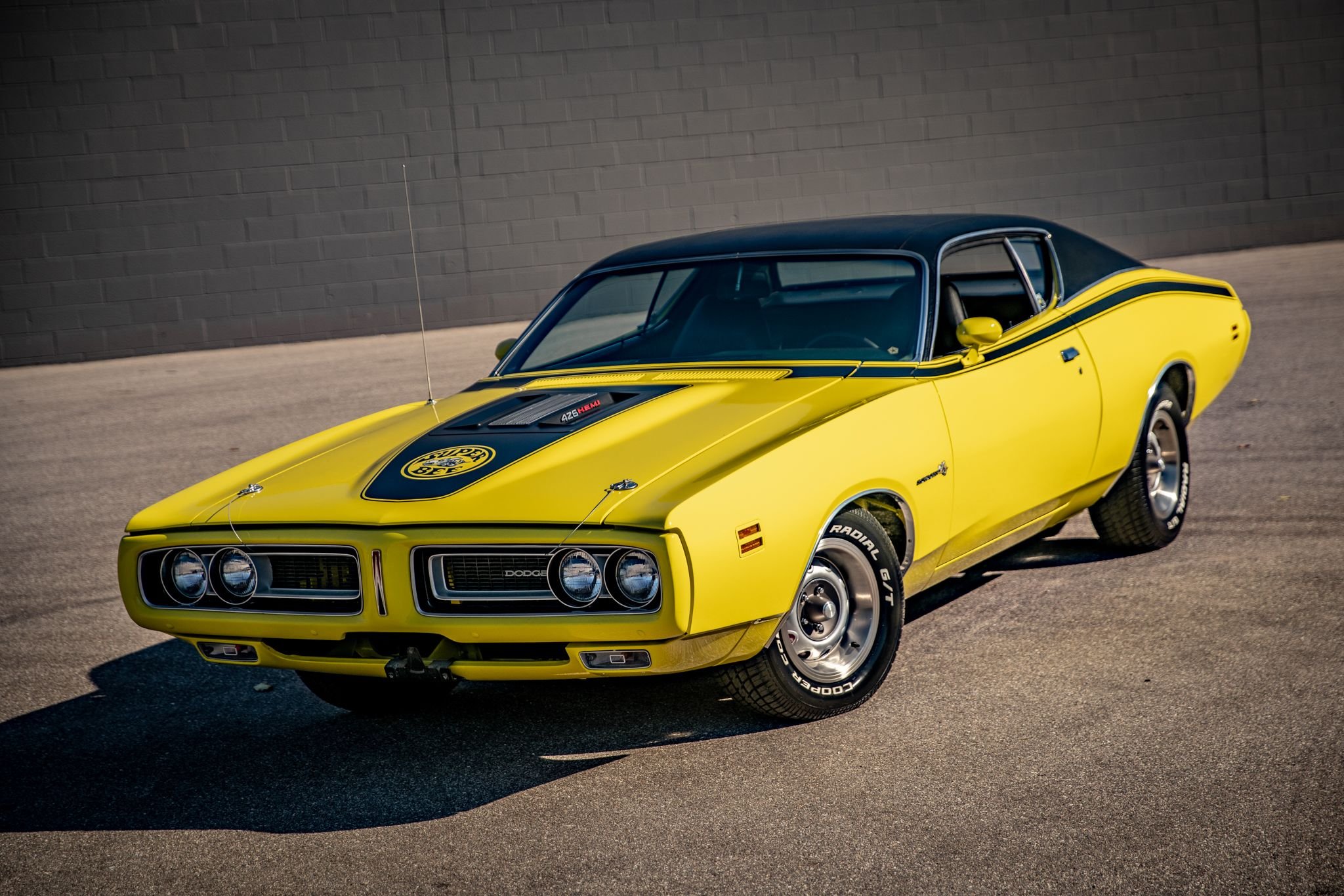
Buyers willing to pay for the expensive HEMI option received one of the most powerful production engines of the muscle car era. Officially rated at 425 horsepower and 490 lb-ft of torque, the engine was famous for its forged internals, dual four-barrel carburetors, and incredible durability under hard acceleration.
Collectors aggressively pursue surviving HEMI Super Bees because of their exceptionally low production totals. Cars retaining their original engines, transmissions, factory broadcast sheets, and fender tags consistently command the strongest prices at auction. Original paint colors such as Plum Crazy, Top Banana, and Curious Yellow can further increase desirability.
Although less famous than the Charger Daytona or Challenger HEMI Convertible, the 1971 Super Bee occupies an important place in Mopar history as one of the final factory HEMI muscle cars. With only a handful of authentic examples changing hands each decade, many experts consider it one of the best long-term investments in the collector-car market.
-
-
- Top Auction Value: Approximately $400,000–$750,000
- Engine Type: 426 cubic-inch (7.0-liter) Street HEMI OHV V8
- Horsepower: 425 hp
- Torque: 490 lb-ft
- Length: 203.8 inches
- Width: 77.0 inches
- Production: Approximately 22 HEMI-equipped Super Bees
-
9. 1992 Dodge Viper RT/10 Pre-Production Prototype
While most of the world’s most valuable Dodges come from the muscle car era, the 1992 Dodge Viper RT/10 pre-production prototype proves that modern performance cars can also achieve remarkable collector status.
Developed during Chrysler’s ambitious performance revival, the Viper was intentionally designed as a raw, uncompromising sports car inspired by the Shelby Cobra. Early prototypes played a crucial role in testing and development before full-scale production began.
The Viper’s massive 8.0-liter V10, developed with engineering assistance from Lamborghini (then owned by Chrysler), produced 400 horsepower and 465 lb-ft of torque. Power was sent exclusively to the rear wheels through a six-speed manual transmission, delivering thrilling acceleration without electronic driving aids.
Early Vipers lacked traction control, stability control, anti-lock brakes, exterior door handles, and even fixed roof panels, making them among the purest driver’s cars of the modern era.
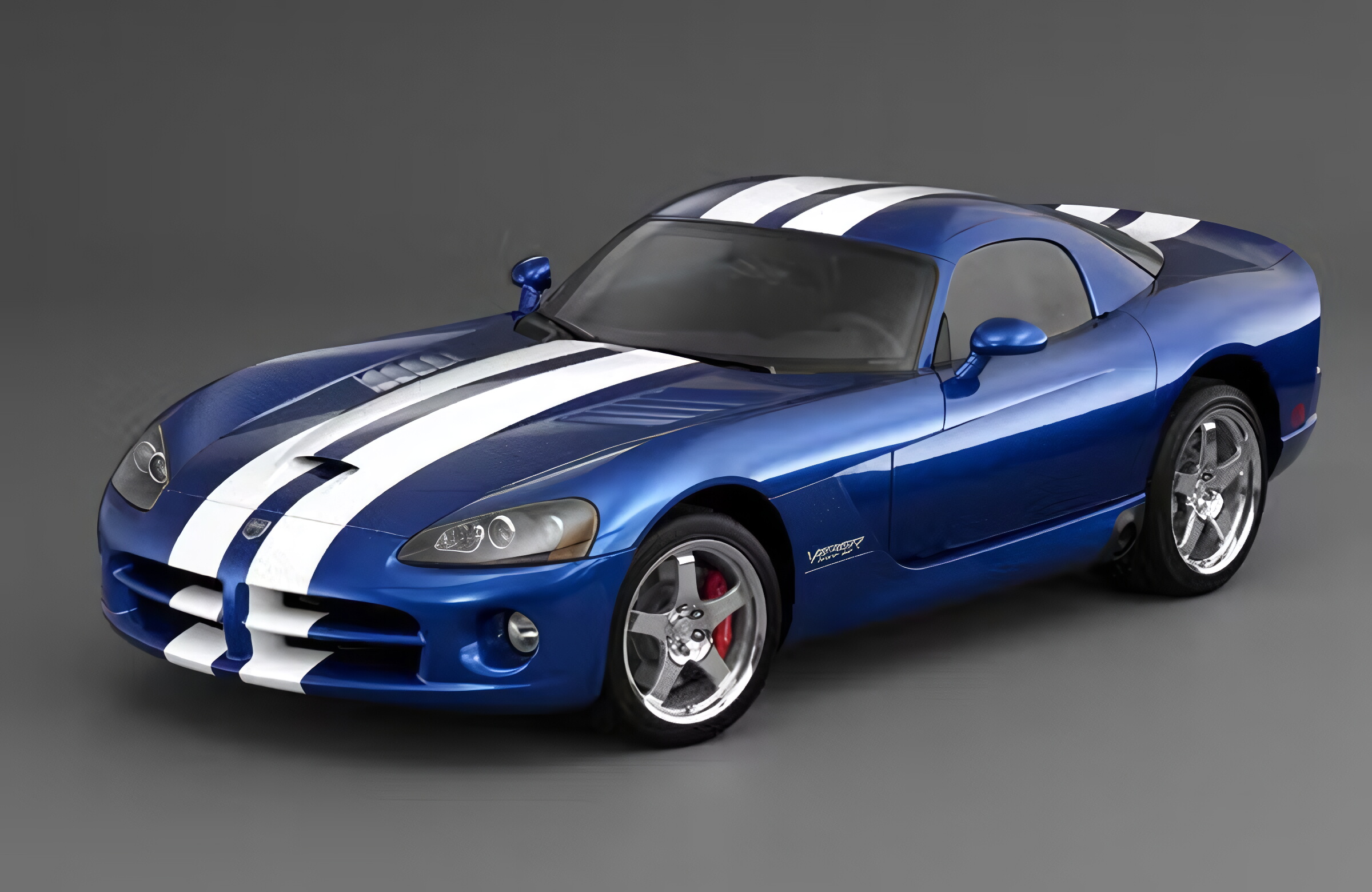
Prototype vehicles possess special significance because they represent milestones in automotive development. Some were used for engineering validation, while others appeared at press events, auto shows, or promotional campaigns. Their unique histories often distinguish them from standard production models, making them especially attractive to collectors seeking one-of-a-kind automobiles.
Auction prices vary depending on documentation and historical significance, but well-documented prototype Vipers have sold for substantially more than ordinary production examples. As first-generation Vipers become increasingly recognized as modern classics, historically important prototypes are expected to remain highly desirable among serious collectors.
-
-
- Top Auction Value: Approximately $450,000–$700,000
- Engine Type: 8.0-liter Naturally Aspirated OHV V10
- Horsepower: 400 hp
- Torque: 465 lb-ft
- Length: 175.0 inches
- Width: 75.7 inches
- Production: Pre-production prototype (one of very few)
-
10. 2017 Dodge Viper ACR Extreme / GTC Final Edition
The final-generation Dodge Viper ACR Extreme and limited-production GTC Final Edition represent the end of one of America’s most celebrated supercars. When Dodge announced that Viper production would end after the 2017 model year, collectors immediately recognized that the last examples would become highly desirable.
Limited production, exceptional performance, and the end of an iconic nameplate combined to drive values upward almost immediately after production ceased.
The heart of every final-generation Viper is its enormous 8.4-liter naturally aspirated V10, producing 645 horsepower and 600 lb-ft of torque. Unlike many modern supercars that rely on turbocharging or hybrid assistance, the Viper delivered its performance through sheer displacement and immediate throttle response. Every example featured a six-speed manual transmission, reinforcing the car’s reputation as a machine built for driving enthusiasts.
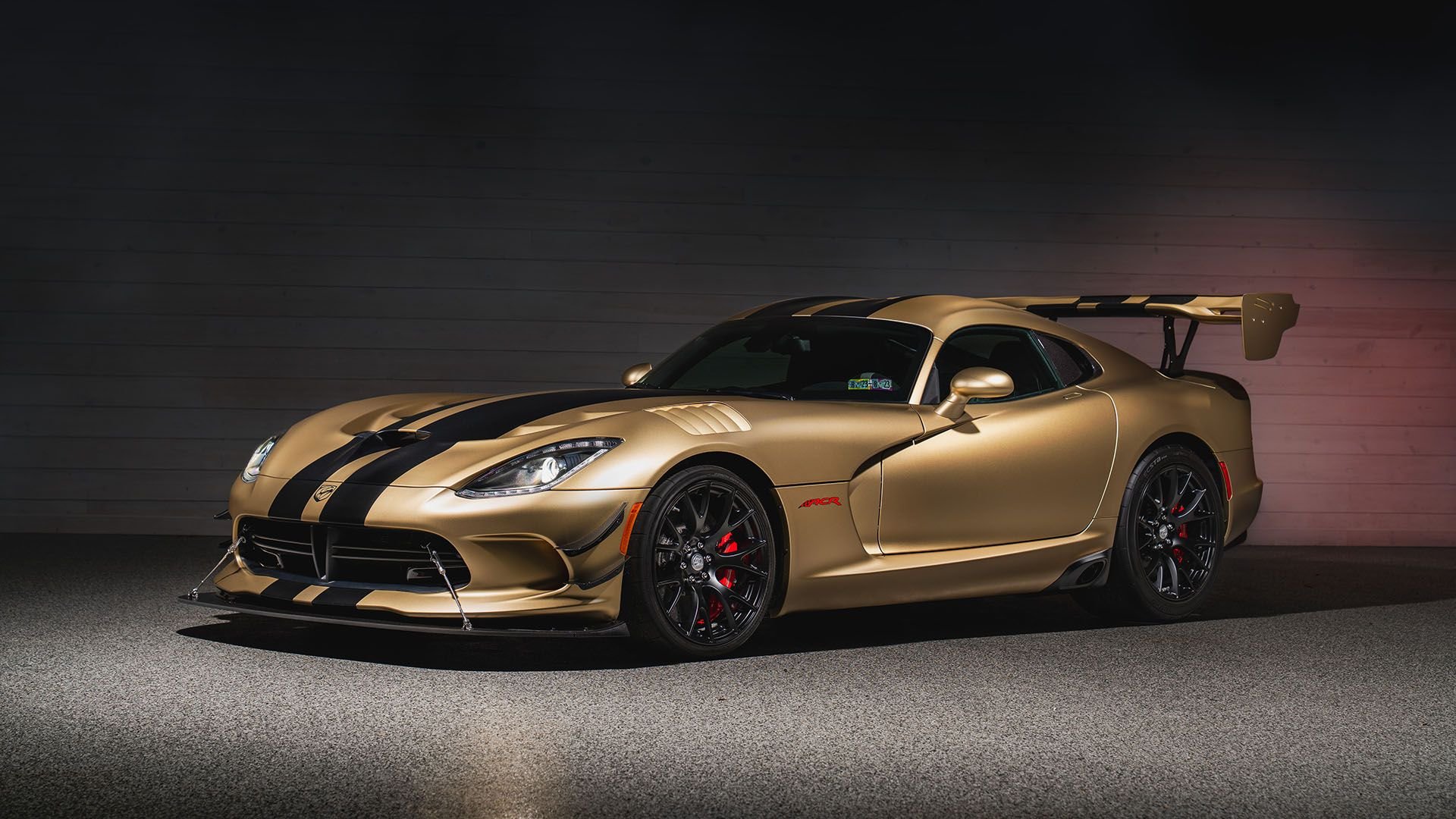
The ACR Extreme variant elevated performance with a massive adjustable rear wing, front splitter, dive planes, carbon-fiber aerodynamic components, track-focused suspension, and race-inspired tires. During its production run, the Viper ACR established multiple lap records at race circuits across North America, outperforming many exotic cars costing significantly more.
Collectors value Final Edition and low-mileage ACR models because they represent the last chapter of Dodge’s V10-powered supercar. Unique paint schemes, serialized plaques, factory documentation, and limited production numbers further increase desirability.
While many examples originally sold for well under $150,000, exceptional cars have since achieved auction prices approaching or exceeding half a million dollars, highlighting their growing importance in the collector market.
-
-
- Top Auction Value: Approximately $450,000–$650,000
- Engine Type: 8.4-liter Naturally Aspirated OHV V10
- Horsepower: 645 hp
- Torque: 600 lb-ft
- Length: 176.7 inches
- Width: 76.4 inches
-
Also read: 10 Muscle Cars That Never Got a Second Generation