
Free service offers often appear attractive because they promise savings, convenience, and professional support without an upfront payment. Car dealers, manufacturers, and service providers frequently use these promotions to build customer loyalty and encourage repeat visits.
However, some free offers may include conditions that affect where customers receive repairs, maintenance, or replacement parts. Consumer protection laws limit unfair practices, including situations where a company requires customers to purchase specific products or services to receive warranty coverage or benefits.
Understanding these rules helps buyers recognize their rights, avoid unnecessary costs, and make informed decisions before accepting promotional service agreements.
Understanding Free Service Offers and Dealer Requirements
Free service promotions are common in the automotive industry. Dealers may advertise complimentary maintenance packages, free inspections, roadside assistance, software updates, or discounted repair programs to attract customers. These offers can provide genuine value, but consumers should always read the terms carefully before agreeing to any conditions attached to them.
A free service offer does not automatically mean a customer becomes permanently tied to a particular dealer. In many cases, businesses provide complimentary services as part of a marketing strategy rather than as a legal requirement. However, the details of the agreement determine whether the customer has obligations after accepting the offer.
Some dealers may attempt to create a relationship where customers continue using their facilities for future repairs. This can happen through loyalty programs, membership plans, service reminders, or bundled maintenance agreements.
While encouraging repeat business is generally allowed, forcing customers to buy additional services or products as a condition of receiving a benefit may raise legal concerns.
Consumers should distinguish between a voluntary discount program and a restrictive agreement. A dealer can offer free maintenance for a limited period, but the company must clearly explain any conditions. Hidden restrictions or unclear terms may create disputes between customers and businesses.
The key issue is whether the free offer is genuinely free or whether it requires customers to purchase something else. Consumer protection regulations exist to prevent businesses from using attractive offers to create unfair purchasing obligations. Knowing these rules allows customers to evaluate promotions with greater confidence.
Ten Types of Free Dealer Service Offers That May Create Restrictions
1. Free Maintenance Packages
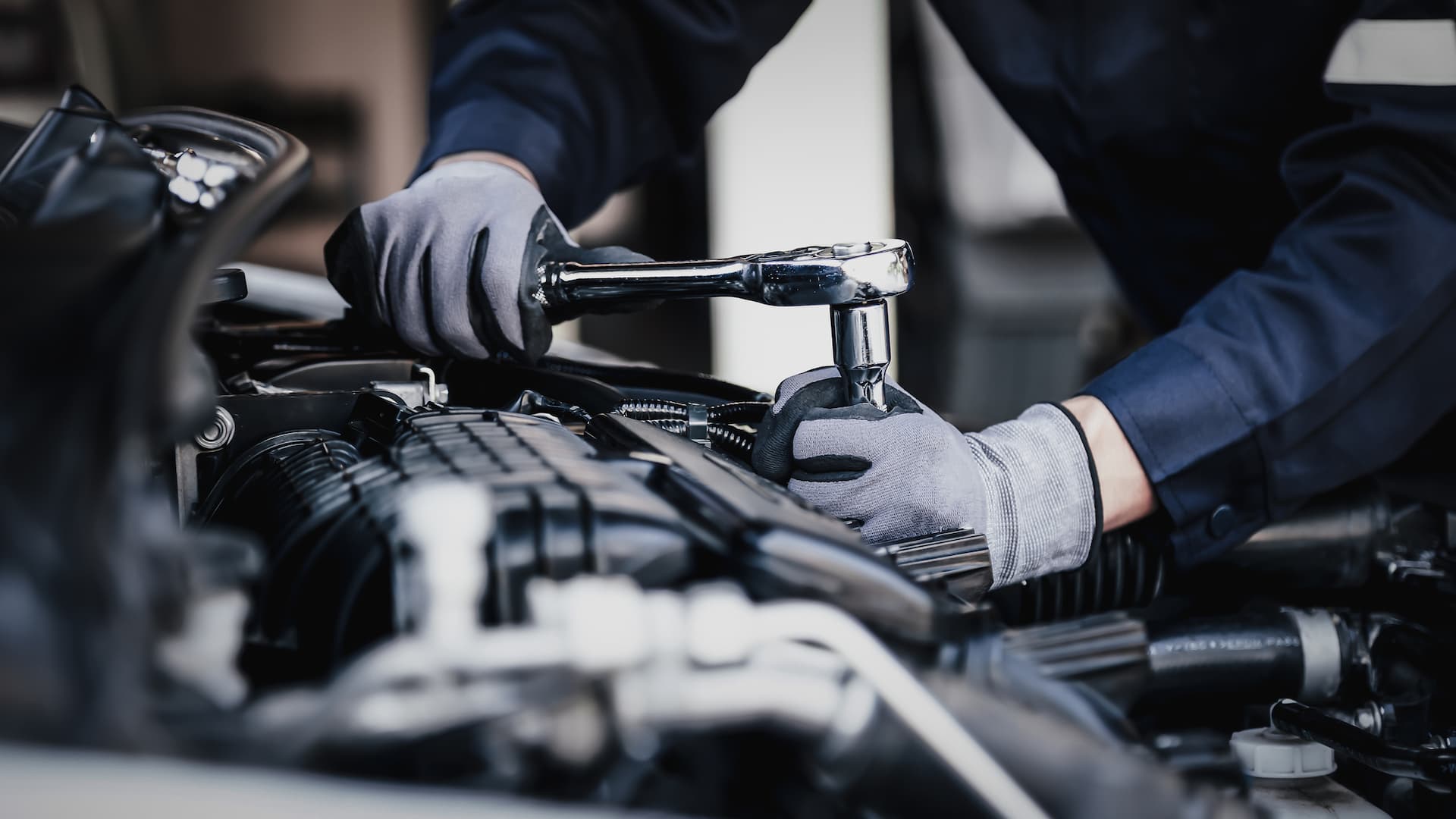
Free maintenance packages are among the most common dealer promotions. They may include oil changes, inspections, tire rotations, fluid checks, or scheduled service visits. These programs are often offered with new vehicle purchases as an incentive for buyers.
A maintenance package can be beneficial because routine services help keep vehicles operating properly. Customers may appreciate having predictable service costs during the covered period. However, problems can arise when dealers suggest that customers must continue using their facility for all future repairs.
A free maintenance program may have specific terms explaining which services are included and where they can be performed. Customers should review these details before assuming they are required to return exclusively to the dealer.
If a customer chooses another repair provider for services outside the free package, that decision generally should not automatically cancel legal warranty rights. Proper maintenance records and receipts can help demonstrate that the vehicle received appropriate care.
The value of a free maintenance offer depends on its actual terms. Customers should calculate whether the included services provide meaningful savings and understand any restrictions before accepting the promotion.
2. Free Vehicle Inspections
Free inspections are frequently used by dealers to attract customers into service departments. A dealership may offer complimentary safety checks, seasonal inspections, or diagnostic reviews as a way to introduce customers to its technicians.
These inspections can help identify potential vehicle problems early. A professional evaluation may reveal worn parts, maintenance needs, or safety concerns that require attention.
However, customers should understand that a free inspection does not mean they are required to approve recommended repairs. A dealer may identify issues, but the customer usually has the right to decide where and when repairs are completed.
Some inspection promotions may include recommendations for additional paid services. Consumers should separate the free service from optional repairs and avoid feeling pressured into unnecessary purchases.
A clear understanding of the offer allows customers to benefit from free inspections without accidentally agreeing to unwanted services or restrictions.

3. Free Roadside Assistance Programs
Roadside assistance is another popular free offer included with vehicle purchases or dealer promotions. These programs may provide towing, emergency fuel delivery, battery assistance, or lockout support.
Such benefits can provide convenience and security for drivers. However, customers should review the coverage period, eligibility requirements, and service limitations.
Some roadside assistance programs may encourage customers to contact dealer-approved providers. This does not always mean customers are legally required to use those providers for all vehicle-related needs.
The important distinction is between using a service included in a promotional agreement and being forced into unrelated purchases. A free towing benefit should not become a reason for denying unrelated warranty rights.
Customers should keep copies of roadside assistance terms and understand exactly what the program covers before relying on it during emergencies.
4. Free Software Updates and Vehicle Technology Services
Modern vehicles rely heavily on software systems that control entertainment features, safety technology, navigation tools, and performance settings. Dealers may provide free software updates as part of ownership benefits.
These updates often require specialized equipment and manufacturer systems. As a result, customers may choose to visit authorized dealers for this specific service.
However, a free software update does not necessarily mean the customer must purchase all future maintenance or repairs from the same dealer. The terms of the offer determine the actual obligation.
Consumers should ask questions if a dealer connects a free technology service with unrelated purchases. Clear communication can prevent misunderstandings.
Understanding the difference between a specialized service requirement and an unlawful tie-in condition helps vehicle owners protect their choices.
5. Free Parts Replacement Offers
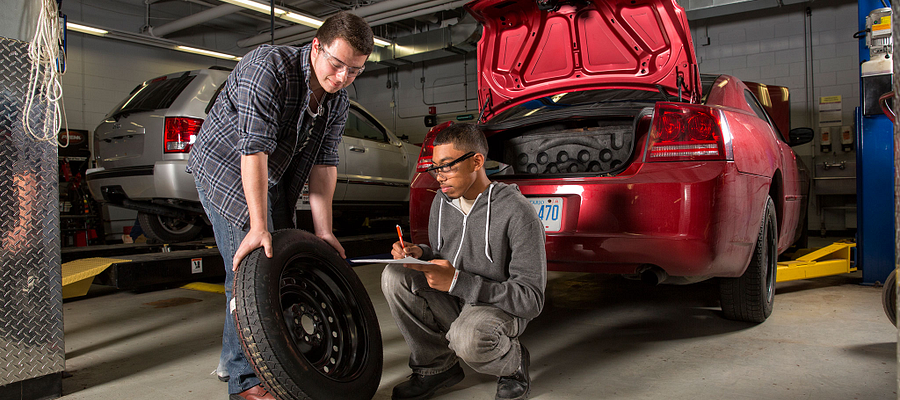
Free parts replacement promotions can appear highly valuable because vehicle components can be expensive. Dealers may advertise complimentary batteries, filters, brake inspections, windshield repairs, or other replacement services as part of a customer incentive program.
These offers often come with specific eligibility requirements. For example, the free replacement may only apply during a certain ownership period, within a mileage limit, or for a particular type of vehicle.
Customers should review the written terms to understand exactly what is included.
A dealer may provide a free replacement part as a promotional benefit, but that does not always mean the customer must purchase every other part or service from that dealer. The free item and unrelated maintenance decisions are usually separate matters.
Problems may occur when a business suggests that accepting a free part means agreeing to exclusive future service. Customers should ask whether such conditions are written into the agreement and whether they are legally enforceable.
Keeping service records, invoices, and copies of promotional terms can help consumers prove that they followed proper maintenance practices while maintaining their freedom to choose repair providers.
6. Free Tire Service Programs
Tire-related promotions are commonly used to attract customers because tires represent a significant vehicle expense. Dealers may offer free tire rotations, inspections, repairs, or limited replacement programs.
Regular tire maintenance improves safety and can extend tire life. A complimentary tire service can be useful for drivers who want professional checks without additional costs.
However, customers should understand the difference between receiving free tire-related benefits and being required to buy specific tire brands or services. A promotion should clearly explain whether additional purchases are necessary.
A dealer cannot generally use a free tire inspection as a reason to force customers into unrelated repairs or purchases. Consumers have the right to make their own decisions regarding vehicle maintenance.
Before accepting a tire promotion, customers should check expiration dates, coverage limits, exclusions, and any conditions connected to the offer.
7. Free Diagnostic Services
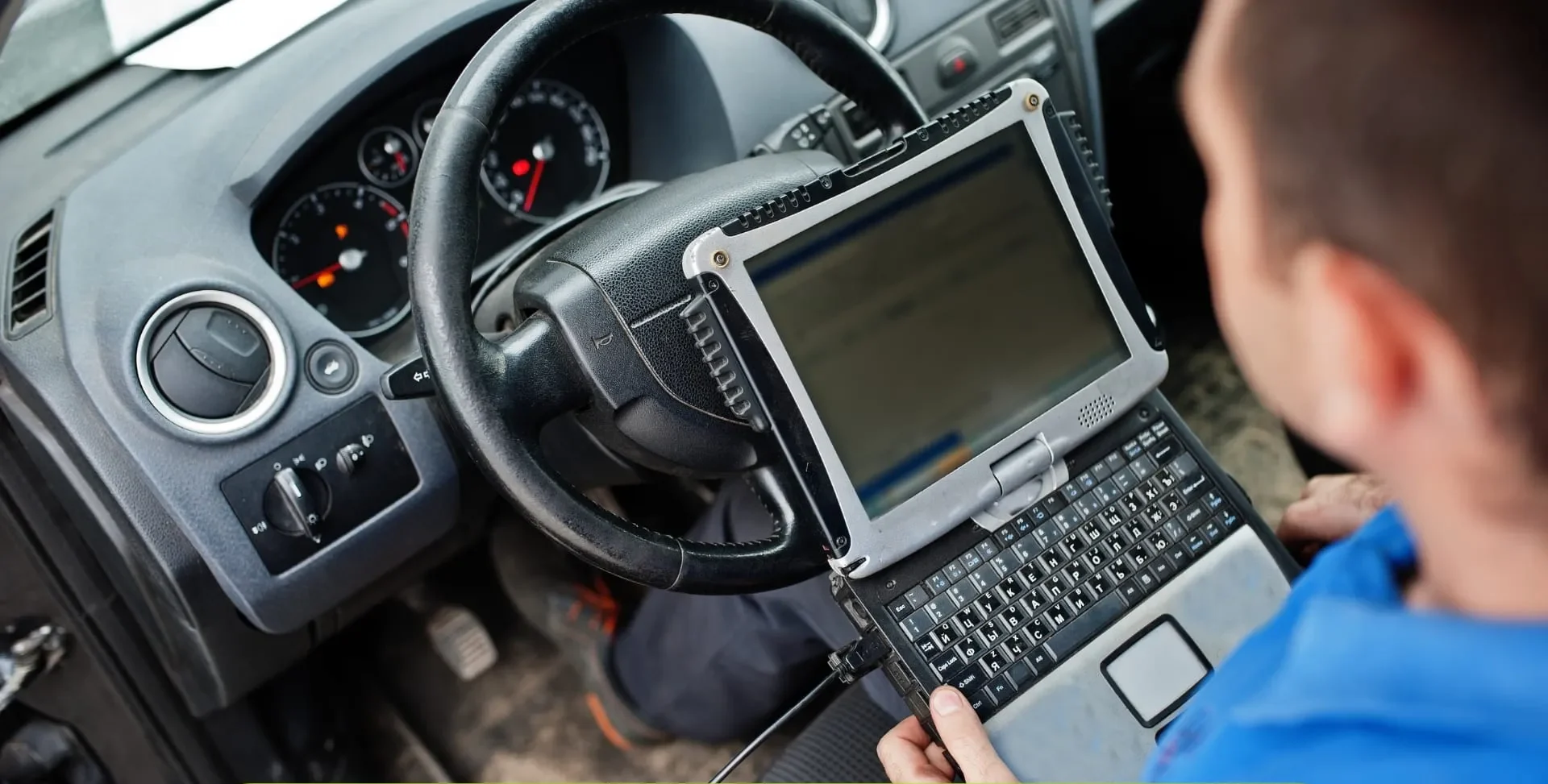
Diagnostic services are another common dealer promotion. Modern vehicles contain complex electronic systems, and identifying problems often requires specialized tools.
A free diagnostic check can help customers understand potential vehicle issues before approving repairs. It provides information that may help them compare repair options.
However, a diagnostic offer can sometimes become a sales opportunity for additional services. Customers should remember that receiving information about a problem does not create an obligation to approve recommended repairs.
A dealer may explain why certain repairs are suggested, but customers generally have the right to seek another opinion or choose a different repair provider.
Understanding the purpose of diagnostic promotions helps customers use these offers effectively while avoiding pressure to purchase unnecessary services.
8. Free Loaner Vehicle Programs
Some dealerships provide free loaner vehicles when customers bring their cars in for certain repairs or maintenance appointments. This service can make dealership visits more convenient.
Loaner programs often include rules regarding scheduling, insurance requirements, vehicle availability, and repair eligibility. These conditions are usually designed to manage the program rather than restrict consumer rights.
Customers should carefully review agreements before accepting a loaner vehicle. Additional requirements may apply, such as returning the vehicle with a certain fuel level or following usage restrictions.
A free loaner vehicle does not automatically create a requirement for customers to use the dealership for all future automotive needs. The benefit is connected to the specific service appointment.
Consumers should avoid confusing convenience-based programs with legally binding service obligations. Reading the agreement helps clarify what responsibilities actually exist.
9. Free Warranty Extensions
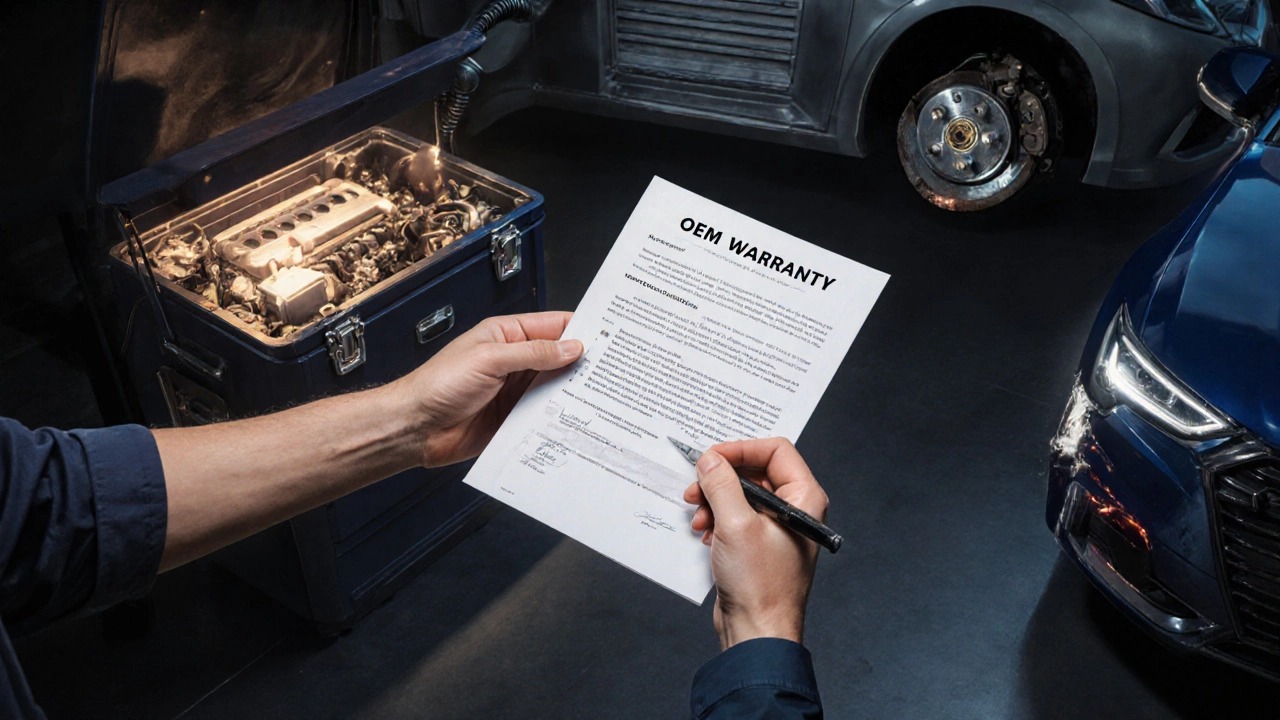
Warranty extensions can provide additional protection beyond the original warranty period. Dealers and manufacturers may offer these promotions to encourage customers to maintain relationships with authorized service providers.
A warranty extension agreement should clearly explain coverage, exclusions, duration, and maintenance requirements. Customers should understand what is included before relying on the additional protection.
Some warranty programs may require proof of proper maintenance. However, maintenance requirements should generally relate to protecting the vehicle rather than forcing customers to buy unrelated products.
Customers should keep detailed records of oil changes, repairs, inspections, and replacement parts. Documentation can become important if a warranty claim is questioned.
Before accepting a free warranty extension, consumers should read the complete agreement and determine whether the benefits outweigh any limitations.
10. Free Membership and Loyalty Programs
Dealer loyalty programs often provide free services, discounts, priority scheduling, or exclusive offers. These programs are designed to encourage customers to return for future business.
Membership benefits can provide value when customers regularly use the included services. Discounts and complimentary features may reduce ownership costs.
However, customers should understand whether membership creates contractual obligations. A free membership should not automatically require customers to purchase unnecessary products or services.
Businesses can reward loyal customers, but promotional benefits should be clearly explained. Consumers should know whether they are joining a simple rewards program or accepting a formal agreement.
Careful review of membership terms allows customers to enjoy benefits while maintaining control over their purchasing decisions.
Also read: 7 Cars Where the Cheapest Trim Costs the Least to Own Over Five Years