
Buying a used car starts with careful research because a listing often creates the first impression of a vehicle before a buyer sees it in person. Online advertisements can provide useful details, yet certain warning signs may indicate problems with the seller or the vehicle history.
Recognizing these red flags helps shoppers avoid poor decisions and focus on cars with clear information and honest descriptions.
Issues such as stock photos, unclear mileage, missing VIN details, and incomplete records deserve attention before arranging inspections or payments. A careful review of listings can save money and reduce risks during the used cars.

1. Stock Photos Instead of Real Vehicle Images
A used car listing should give buyers a realistic view of the exact vehicle being sold. When an advertisement uses stock photos from a manufacturer website or random images from another source, it creates uncertainty.
Buyers cannot confirm the actual condition of the paint, interior, tires, engine area, or possible damage. A seller who avoids showing the real vehicle may be hiding problems that become obvious during an inspection.
Real photos usually include different angles of the exterior, dashboard, seats, wheels, engine compartment, and areas where damage commonly appears. A trustworthy seller understands that detailed images help potential buyers feel confident.
Missing pictures or professionally edited images can make a vehicle appear better than it really is. Buyers should request fresh photographs before making travel plans or sending deposits.
Stock images can also make it difficult to confirm whether the seller actually owns the vehicle. Some dishonest advertisements use attractive photos to collect inquiries and later provide excuses about why the car cannot be viewed immediately. This approach wastes time and may involve scams. A genuine seller should have no issue providing current images showing the actual vehicle.
Another concern with stock photos is that they hide details related to age and usage. A ten-year-old car with worn seats, faded paint, or damaged body panels may look impressive when represented by a factory image.
The purpose of listing photos is to show reality, not create a perfect impression. Buyers should always compare pictures with the description and ask questions about anything missing.
Before considering a purchase, request photos with specific requirements. Ask for the odometer display, vehicle identification number area, tires, interior condition, and any scratches or dents. A seller who provides clear answers and updated pictures demonstrates openness. A seller who refuses simple requests may create unnecessary risk.
2. Vague Mileage Information
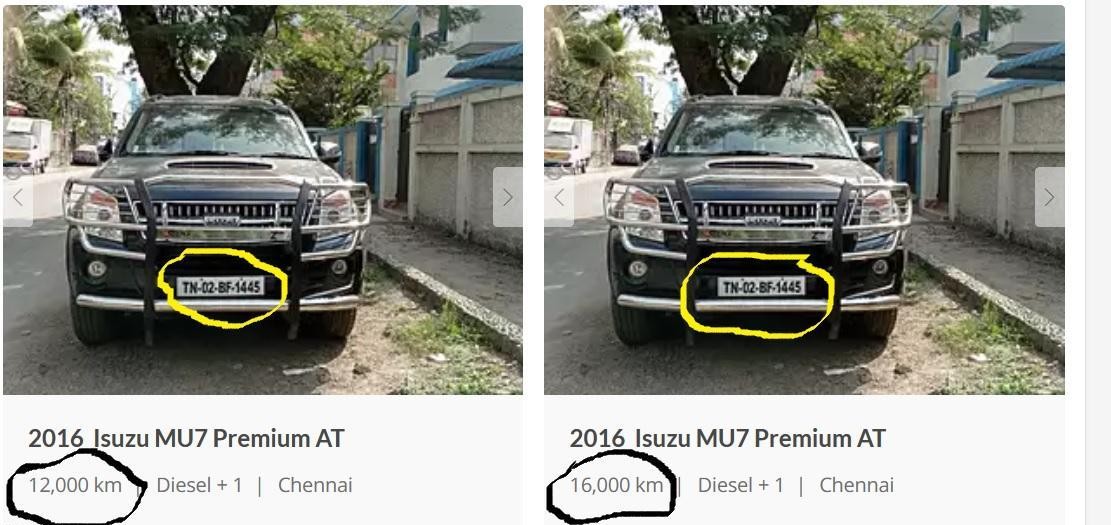
Mileage is a major factor when evaluating a used car because it provides insight into expected wear and maintenance needs. A listing that says “low mileage,” “driven less,” or “hardly used” without showing the exact number should raise concerns.
Buyers need precise information to compare the vehicle’s condition with similar models and determine whether the asking price makes sense.
An accurate listing normally includes the current odometer reading. This number helps buyers understand how much the engine, transmission, suspension, and other components may have been used.
While mileage alone does not determine reliability, missing information prevents proper evaluation. A vehicle with higher mileage and complete maintenance records may be a better choice than a car with unknown usage.
Some sellers avoid mentioning mileage because the actual number may reduce buyer interest. Others may not have access to the details at the time of posting.
However, a serious seller should be willing to provide this information before arranging a meeting. If the mileage is unclear after multiple questions, buyers should consider that a warning sign.
Mileage inconsistencies can also appear when the listing description does not match the photos. For example, a seller may advertise a vehicle as having very low mileage while showing an odometer reading that tells a different story. Buyers should carefully review every image and verify information before making any payment.
A responsible purchase decision requires more than trusting a short description. Buyers should confirm mileage through documents, service records, and the vehicle history report when available. Clear mileage information shows that the seller understands the importance of transparency and wants buyers to make informed choices.
3. Missing VIN Information
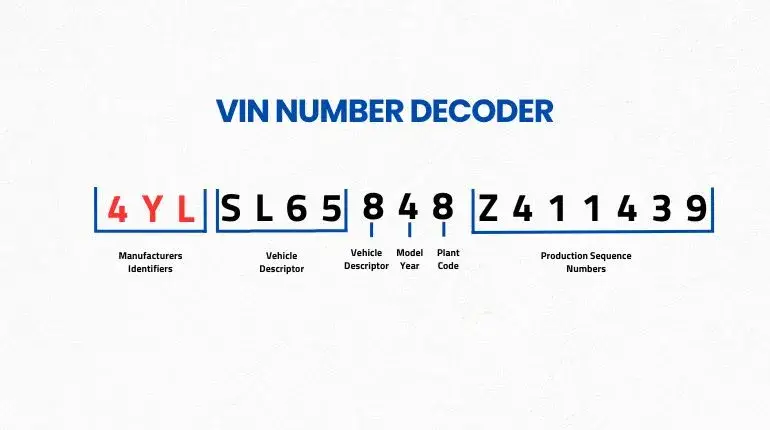
The vehicle identification number, commonly called the VIN, acts as a unique identifier for a vehicle. It allows buyers to research important details such as previous ownership records, accident history, title information, and reported issues.
A listing that refuses to provide a VIN before purchase can make it difficult to verify the vehicle’s background.
Many legitimate sellers understand that buyers need a VIN to perform proper research. Providing this information does not create a problem for a genuine sale because the number is already connected to the vehicle. A seller who avoids sharing it without a reasonable explanation may be preventing buyers from discovering important facts.
A missing VIN becomes more concerning when combined with other warning signs, such as limited photos, unclear ownership details, or pressure to complete the transaction quickly.
Each issue alone may have an explanation, but several problems together can indicate a risky situation. Buyers should not ignore missing information when making a major financial decision.
The VIN should match the number found on the vehicle itself and the related documents. Checking this information helps confirm that the advertisement represents the actual car being sold. Differences between the listing details and official records require further investigation before moving forward.
Buyers should treat VIN availability as a basic requirement rather than an optional detail. A transparent seller usually expects questions about the vehicle history and provides information needed for verification.
When a seller refuses basic details, walking away may prevent future problems.
4. Extremely Low Price Without Explanation
A price far below the market value can attract attention quickly, but it often requires careful investigation. Sellers may advertise a cheap vehicle to create urgency and encourage buyers to make fast decisions. A low price does not always mean a bad deal, but the reason behind the price should be clear.
Legitimate reasons for a lower price can include cosmetic damage, high mileage, urgent selling situations, or upcoming repairs. A good listing usually explains these factors.
When an advertisement provides little information while offering a vehicle at an unusually low price, buyers should ask more questions before becoming interested.
Scammers often use attractive prices to collect deposits or personal information. They may claim the vehicle is located far away, unavailable for immediate viewing, or connected to a complicated payment process. Buyers should be cautious when a seller avoids meeting in person or arranging an inspection.
Comparing prices across similar vehicles helps identify whether an offer is realistic. Factors such as model year, mileage, condition, location, and maintenance history affect value. A small difference may be normal, but a dramatic price gap requires strong evidence.
A fair purchase depends on understanding why the vehicle costs less than expected. Buyers should inspect the car, verify ownership, and review records before accepting a bargain. A low price should encourage investigation, not automatic excitement.
5. Poor Description With Limited Details
A quality used car listing usually provides useful information about the vehicle’s condition, ownership, maintenance, and features. A short description containing only phrases like “excellent condition” or “must sell” does not help buyers understand what they are considering. Missing details may show that the seller has not taken the time to create an honest advertisement.
A strong description often includes the model year, trim level, engine type, transmission, mileage, service history, ownership details, and known issues. These details allow buyers to compare vehicles and prepare relevant questions. Without them, buyers are forced to guess about important factors.
A vague description may also hide problems that should be disclosed. For example, a seller might avoid mentioning accident repairs, mechanical concerns, or cosmetic damage. While every used car has some history, buyers deserve accurate information before deciding whether to inspect it.
The language used in a listing can reveal the seller’s approach. Excessive promises, unrealistic claims, or repeated statements about urgency may distract from missing facts. Buyers should focus on measurable details rather than emotional wording designed to create quick interest.
Before contacting a seller, review whether the listing answers basic questions. If important information is missing, ask directly and observe the response. A helpful seller usually provides details willingly, while a difficult response may signal future complications.
6. Seller Avoids Questions or Provides Unclear Answers
Communication between a buyer and seller reveals a lot about the seriousness of a vehicle listing. A reliable seller should be comfortable answering basic questions about the car’s condition, history, ownership, repairs, and availability. When someone avoids simple questions or responds with unclear statements, buyers should consider it a warning sign.
A seller does not need to provide perfect answers to every question immediately, especially if they are not a vehicle expert.
However, they should make an effort to find accurate information. For example, if a buyer asks about previous repairs, service records, or ownership history, a responsible seller should provide details or explain what they know.
Unclear communication can create problems later because important details may remain hidden until after the purchase.
A seller who repeatedly changes their answers about mileage, condition, accident history, or ownership may not be providing reliable information. Buyers should pay attention to inconsistencies rather than focusing only on the vehicle’s appearance or price.
Some sellers use quick responses designed to move buyers toward payment without allowing enough time for research. Messages such as “many people are interested,” “send a deposit today,” or “someone else will buy it soon” can create unnecessary pressure. A genuine seller should allow reasonable time for inspection and verification.
Before scheduling a viewing, buyers should ask direct questions and evaluate the response quality. Clear communication builds trust and helps both sides avoid misunderstandings.
If the seller cannot provide basic information about a vehicle they claim to own, continuing the conversation may not be worthwhile.
7. No Maintenance Records or Service Information
Maintenance history provides valuable insight into how a used car has been treated over time. A vehicle that receives regular servicing may perform better than a similar model that has been neglected.
When a listing provides no information about maintenance, buyers lose an important way to judge the vehicle’s condition.
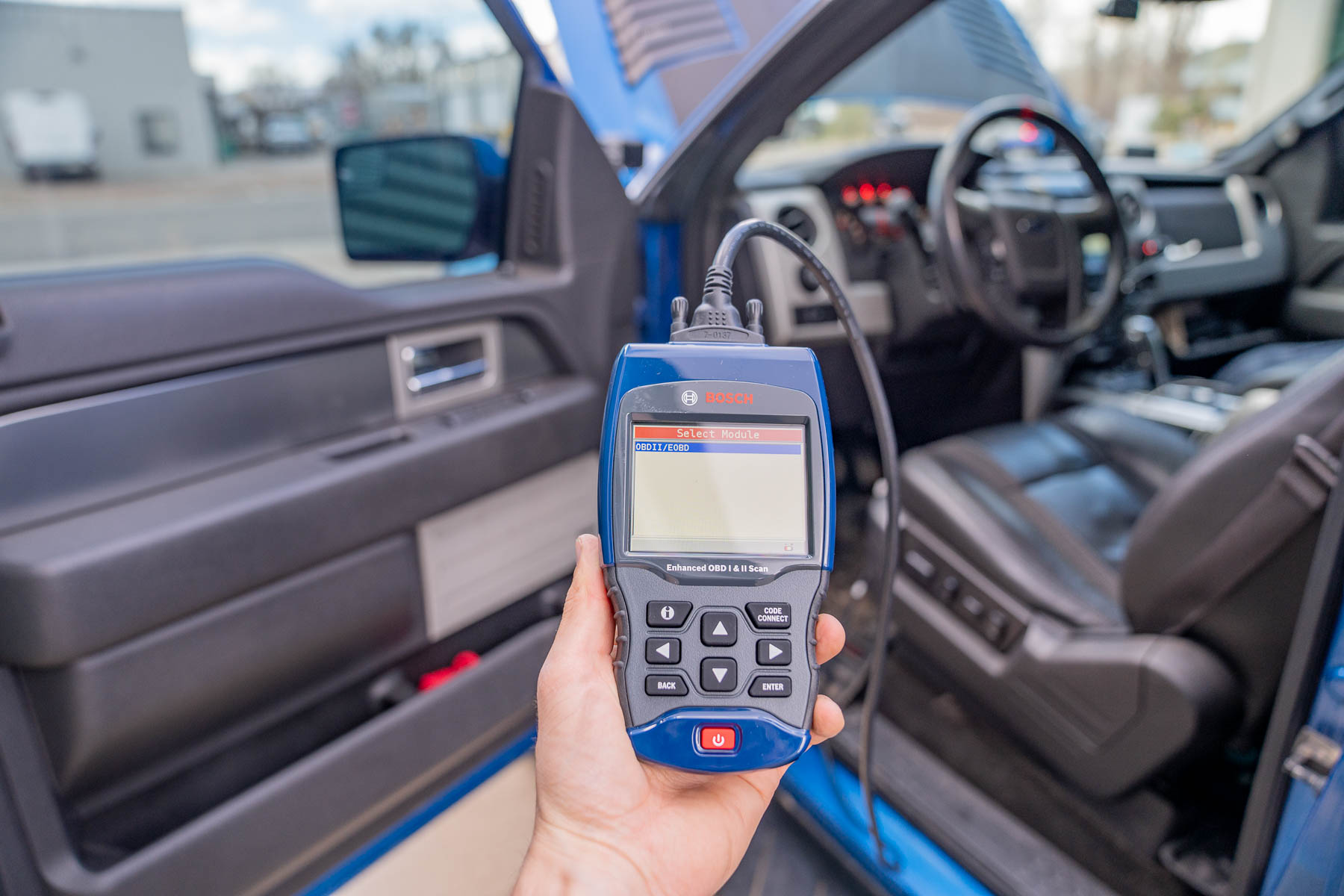
Service records can include oil changes, brake replacements, tire purchases, repairs, inspections, and manufacturer-recommended maintenance. These records help confirm that the vehicle received proper care. A seller who keeps documents can demonstrate responsibility and make the buying process easier.
The absence of records does not automatically mean a vehicle is unreliable. Some owners lose paperwork or use service centers that maintain digital records instead. However, a seller should still be able to explain where the vehicle was serviced and what major repairs have been completed.
A listing that highlights appearance while ignoring maintenance deserves extra attention. A freshly cleaned vehicle may look impressive, but cosmetic improvements do not replace mechanical care.
Buyers should focus on the long-term condition rather than only the way the car looks during the first inspection.
Requesting maintenance details before purchasing helps buyers estimate future costs. If a seller cannot explain basic service history, buyers should arrange a professional inspection before making a decision. Understanding past care can prevent unexpected expenses after ownership changes.
8. Pressure to Buy Without an Inspection
A used car purchase involves a significant financial commitment, so buyers should have enough time to inspect the vehicle properly. A seller who discourages inspections or pushes for immediate payment creates a risky situation. Every buyer should have the opportunity to verify the condition before completing a transaction.
Professional inspections can identify problems that are difficult for average buyers to notice. Mechanical issues, previous repairs, electrical problems, and hidden damage may not appear during a short test drive.
An independent inspection provides additional information and helps buyers make better decisions.
Some sellers may claim that inspections are unnecessary because the vehicle is “perfect.” This statement should not replace actual verification. Even well-maintained vehicles can develop issues, and a trustworthy seller should understand why buyers want professional advice.
Pressure tactics can include limited-time offers, emotional stories, or claims that other buyers are waiting. While some sellers may genuinely need to sell quickly, they should still respect reasonable requests for checks and documentation. A rushed decision can lead to expensive mistakes.
Buyers should choose confidence over urgency. Taking time for a test drive, inspection, document review, and price comparison helps create a safer transaction. A seller who supports these steps usually demonstrates greater honesty and cooperation.

9. Missing Ownership and Title Details
Ownership information is an important part of any used car transaction. A buyer should know whether the person selling the vehicle has legal authority to complete the sale.
Listings that avoid ownership details can create concerns about hidden complications, unpaid loans, or incorrect paperwork.
A proper sale requires matching information between the vehicle, seller, and official documents. Buyers should confirm that the seller’s name matches the ownership records where applicable. Differences should be explained clearly before money changes hands.
Some listings may be posted by people who are not the actual owners. Dealers, family members, or authorized representatives may have valid reasons for selling a vehicle, but buyers should understand the situation. Unclear ownership creates unnecessary risk and may complicate registration or transfer procedures.
A vehicle history check and document review can reveal important information about previous ownership and reported issues. Buyers should not rely only on the seller’s description because official records provide stronger verification. Documentation is a key part of a safe purchase process.
If a seller avoids showing ownership documents or says paperwork will be handled later, buyers should be cautious.
Completing a transaction without confirming legal details can create financial and legal difficulties. A transparent seller should be prepared to provide the necessary information.
10. Limited Contact Information or Unusual Payment Requests
A trustworthy vehicle listing should provide a clear way to communicate with the seller. Listings with limited contact information, unusual communication methods, or requests to move conversations away from normal channels may require additional caution. Buyers should know who they are dealing with before discussing payments.
Payment requests are particularly important to evaluate. A seller asking for large deposits before allowing an inspection, requesting unusual payment methods, or refusing normal transaction procedures can create serious risks. Buyers should avoid sending money before confirming the vehicle, seller identity, and ownership details.
Some fraudulent listings use convincing advertisements and professional language to appear legitimate. They may provide excuses for why the vehicle cannot be viewed immediately or why payment must happen through a specific method.
Buyers should recognize that a realistic-looking advertisement does not guarantee a safe transaction.
Meeting in a secure location, verifying documents, and completing proper payment procedures can reduce risks. Buyers should avoid situations where they feel rushed or uncomfortable. A legitimate seller should understand the importance of safe buying practices.
A used car listing should provide enough information for buyers to research, inspect, and make an informed decision. When contact details, payment methods, and seller behavior create doubts, it is better to step away and continue searching. Many vehicles are available, but protecting personal finances and avoiding scams should remain a priority.
Also read: 7 Cars Where the Cheapest Trim Costs the Least to Own Over Five Years