
Jeep owners, you might want to sit down for this one. Consumer Reports just released its 2026 auto reliability report card, and the news isn’t kind to America’s off-road icon. Out of every brand tracked, Dodge, GMC, Land Rover, Rivian, and Jeep rounded out the bottom five in overall score, with Jeep landing dead last of the entire group.
That’s not a small dip either. The brand reached lows in brand reliability, road test scores, and owner satisfaction all at once. If you’re shopping for a Wrangler, Grand Cherokee, or Compass, or already own one, this data deserves your attention before your next purchase decision.
The Bottom of Consumer Reports’ 2026 Report Card
Consumer Reports built this year’s rankings using a genuinely massive dataset. Researchers gathered data on about 380,000 vehicles from the 2000 to 2025 model years, with a few 2026 models included that reached the market early enough to qualify.
That scale gives the results real weight rather than relying on a small survey sample. Within that data, experts studied 20 specific trouble areas, ranging from minor annoyances like broken interior trim to major failures involving engines, transmissions, and electric motors capable of leaving drivers stranded.
Jeep sat at the very bottom of that list once every category got tallied together. Domestic brands as a group struggled compared to their international competitors. Domestic brands trailed with an average score of 41, though that number did improve slightly from 2025.
Buick actually salvaged some pride for American manufacturing, ranking as the highest-scoring domestic brand in eighth place overall. Jeep, unfortunately, couldn’t find similar footing anywhere in the survey.
Where Jeep Lost the Most Ground
Three separate weak points combined to sink Jeep’s overall standing this year. Brand reliability scores told part of the story, but road test performance and owner satisfaction numbers dragged the average down even further.
The five lowest-scoring brands this year were all domestic automakers: Chrysler, GMC, Jeep, Ram, and Rivian, showing this wasn’t an isolated Jeep problem so much as a broader pattern across several American nameplates under similar corporate ownership.
What makes Jeep’s placement sting a bit more is the contrast with sibling brands under the same parent company. Chrysler, Dodge, and Ram all posted their own disappointing numbers, suggesting structural issues that span Stellantis rather than a single badge.
Buyers cross-shopping within that corporate family found little relief switching between nameplates, since reliability concerns appeared consistently no matter which logo sat on the grille.
Also Read: What It Really Costs to Own a Jeep Grand Cherokee for Five Years
Common Problems Dragging Down the Brand
Specific mechanical issues repeatedly surfaced across Jeep’s lineup this year. Trouble spots commonly cited included transmission and engine problems, along with in-car electronics issues such as screens freezing or going blank entirely, plus electrical accessory failures that frustrated owners well beyond simple inconvenience.
For plug-in hybrid models specifically, EV charging and battery-related issues added another layer of complaints on top of already existing mechanical concerns. The brand has also long been known for frequent breakdowns and costly repairs, and the 2026 models didn’t do much to change that perception among owners or reviewers. These aren’t minor cosmetic complaints either.
Transmission and engine failures rank among the most expensive repairs a vehicle owner can face, often costing thousands of dollars once labor and parts get factored into a final repair bill at an independent shop or dealership service counter.
How Jeep Compares to Ram and Other Stellantis Brands
Direct comparisons between Jeep and its closest corporate sibling, Ram, reveal just how widespread these reliability concerns have become across the parent company’s American lineup. Both brands consistently land in the bottom tier of Consumer Reports’ annual rankings, year after year, suggesting the problem runs deeper than any single model generation or design cycle.
At the bottom of Consumer Reports’ list this year for reliability sat Jeep, Ram, and then Rivian in last place, painting a clear picture of which brands buyers should approach with extra caution. Specific vehicles reinforced this pattern too.
The Lincoln Corsair PHEV, Chrysler Pacifica Hybrid, GMC Acadia, Jeep Grand Cherokee PHEV, and Ram 1500 all ranked among the least reliable vehicles tracked in this year’s survey, suggesting that hybrid and plug-in technology has struggled to integrate smoothly across several domestic platforms.
What Owners Are Actually Saying
Interestingly, poor reliability scores haven’t necessarily translated into universal owner regret across every struggling brand. Rivian, despite scoring at the absolute bottom for reliability, still managed strong loyalty numbers, with 85% of surveyed Rivian owners saying they would buy one again despite acknowledged issues.
Jeep’s satisfaction numbers haven’t held up nearly as well by comparison, reflecting genuine frustration among a customer base that expected more durability from a brand built around rugged reputation and off-road capability.
That gap between owner tolerance and actual satisfaction matters for anyone reading these rankings. A brand can post rough reliability numbers while still retaining loyal buyers who value styling, capability, or brand identity enough to overlook mechanical shortcomings.
Jeep’s situation looks less forgiving, with both reliability and satisfaction scores struggling simultaneously rather than one offsetting the other.
Which Jeep Models Struggled Most
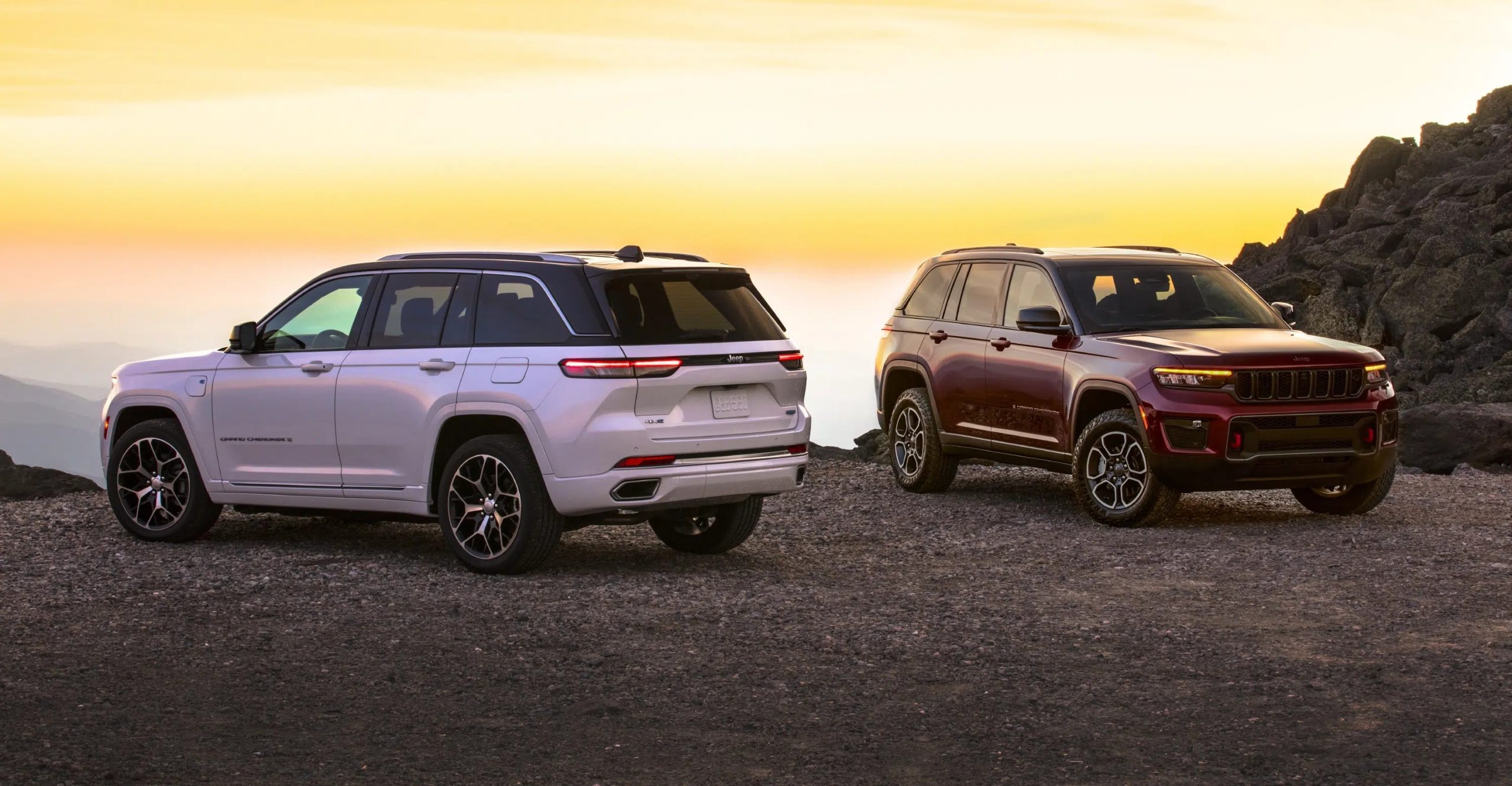
The Grand Cherokee, particularly its plug-in hybrid variant, drew specific criticism this year. The Jeep Grand Cherokee PHEV appeared directly on Consumer Reports’ list of the least reliable vehicles for 2026, joining several other hybrid and electrified models from competing domestic brands facing similar integration struggles.
This pattern lines up with a broader trend researchers have observed across the industry this year, where newer technology consistently correlates with higher complaint rates compared to established, unchanged platforms. Standard gas-powered Jeep models weren’t immune either, though the electrified variants generated the sharpest owner complaints.
Given how central hybrid and electrified powertrains have become to Jeep’s future product strategy, these early struggles raise real questions about whether the brand can smooth out these issues before electrification becomes an even larger share of its overall lineup in coming years.
Also Read: Which Jeep Wrangler Trim Is Worth the Money?
Why Redesigns and New Tech Keep Hurting Jeep
Consumer Reports believes Jeep’s reliability problems come from making too many changes at once. Jake Fisher, the organization’s senior director of auto testing, said brands that make gradual updates usually produce more dependable vehicles, while major redesigns and the addition of new technology can create more problems.
His comments help explain why Jeep has continued to receive lower reliability ratings in recent years. Toyota provides a clear example of a different approach.
The company earned the highest reliability ranking after improvements to models such as the Camry, Tacoma, and Tundra, while the redesigned 4Runner also performed well by using proven engineering. Jeep, meanwhile, introduced plug-in hybrid systems and updated electronics across several models within a short period.
While these changes brought new features, they also increased the chance of early issues before the technology had enough time to mature. That difference in product strategy has played a major part in the reliability results seen today.
What This Means for Shoppers Considering a Jeep
These findings do not mean every Jeep will experience serious problems, but they do suggest buyers should research carefully before making a purchase.
Reliability can vary widely between model years, trims, and powertrains, especially on models with newer hybrid technology. Choosing a model built on a proven platform instead of a recent redesign may reduce the risk of unexpected repairs.
Buyers should also compare Jeep with competing brands, considering factors such as off-road capability, styling, and personal preferences, since reliability is only one part of the decision.
For those still planning to buy a Jeep, an extended warranty may provide added protection against costly repairs, particularly for major components such as the engine or transmission.
