
Buying a brand-new luxury electric SUV feels like a smart move right up until you check its resale price a year later. Across the used-car market, several premium and electric SUVs have lost around half their original value in just twelve months, a drop that would make almost any buyer wince. Aggressive manufacturer incentives, fast-moving EV technology, and lease-heavy sales strategies have combined to crush resale numbers on these particular models.
First owners absorbed a painful loss, but second owners are walking away with genuine bargains on vehicles that still drive, charge, and perform like new. Here are eight SUVs where that first-year price collapse hit hardest, backed by real depreciation figures.
1. Mercedes-Benz EQS SUV
- Engine: Dual Electric Motors (EQS 580)
- Horsepower: 536 hp
- Torque: 633 lb-ft
- Size: 201.8 in Long × 77.1 in Wide
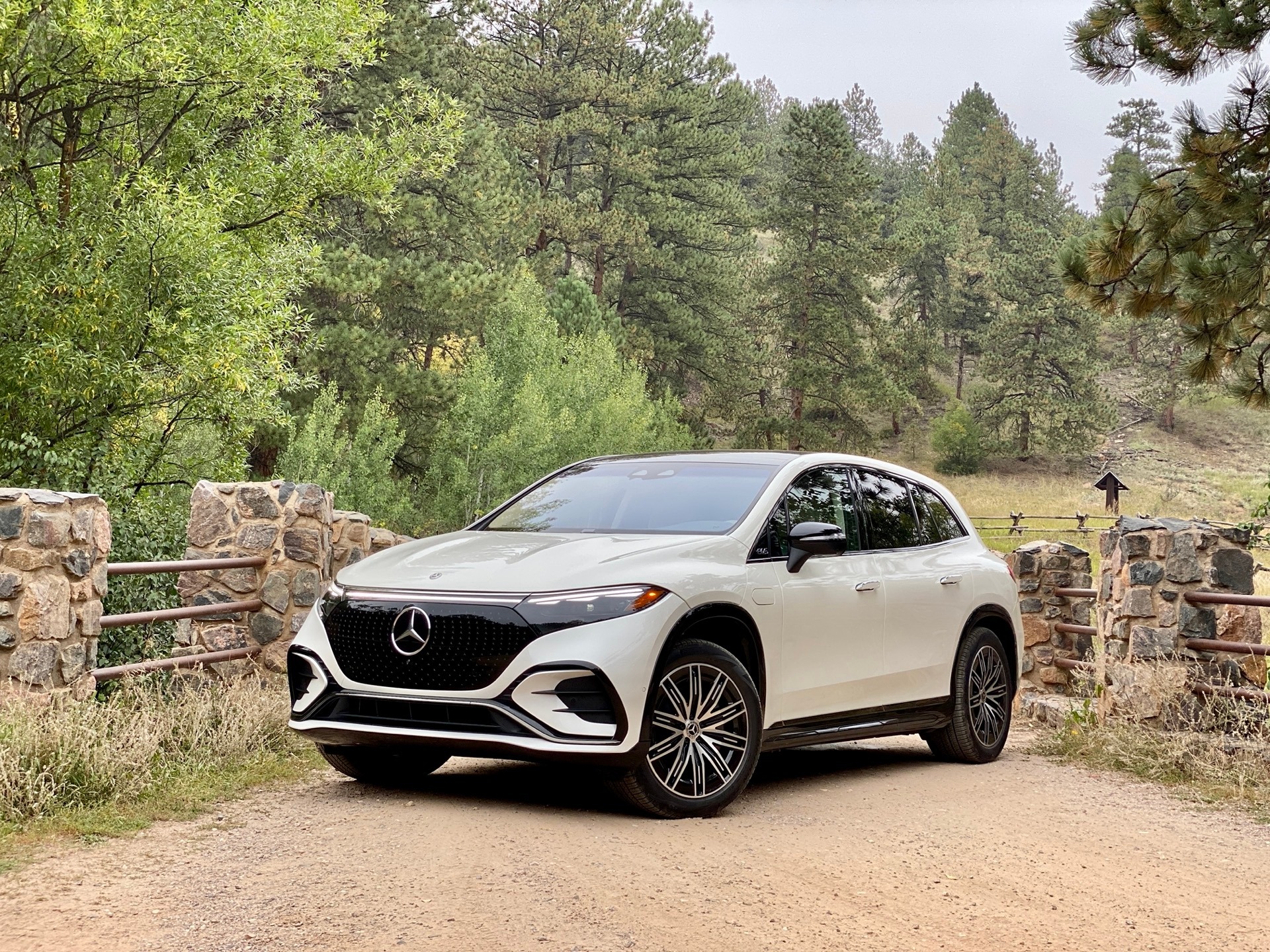
From the moment it was introduced, the Mercedes EQS SUV was presented as the brand’s most luxurious electric sport utility vehicle. Its high price made it clear that it was designed for buyers looking for comfort, advanced features, and premium quality.
Many people who purchased it early believed they were investing in a vehicle that would retain good value. Sadly, that expectation has not matched what happened after the SUV entered the used vehicle market.
Dealerships soon began offering generous discounts on brand-new units because sales did not meet expectations. As a result, buyers could purchase a new EQS SUV at a much lower price than its original retail cost. That situation naturally reduced the amount anyone was willing to pay for a fairly used model.
A different factor has also contributed to the drop in resale value. Mercedes introduced attractive lease offers to encourage more customers to choose the EQS SUV despite its high price.
When those lease agreements expired, many well-maintained, low-mileage vehicles returned to dealerships at the same time. This created plenty of similar options for buyers, forcing sellers to reduce prices to remain competitive.
Battery technology and charging performance also continue to improve with each fresh model, making an SUV that is only one year old appear less attractive beside a newer version.
Owners who spent a very large amount on the EQS SUV have watched its market value fall sharply within twelve months. Anyone who financed the purchase from the beginning is likely to feel the financial impact much more strongly.
2. Fisker Ocean
- Engine: Dual Electric Motors (Extreme)
- Horsepower: 564 hp
- Torque: 543 lb-ft
- Size: 188.0 in Long × 78.3 in Wide
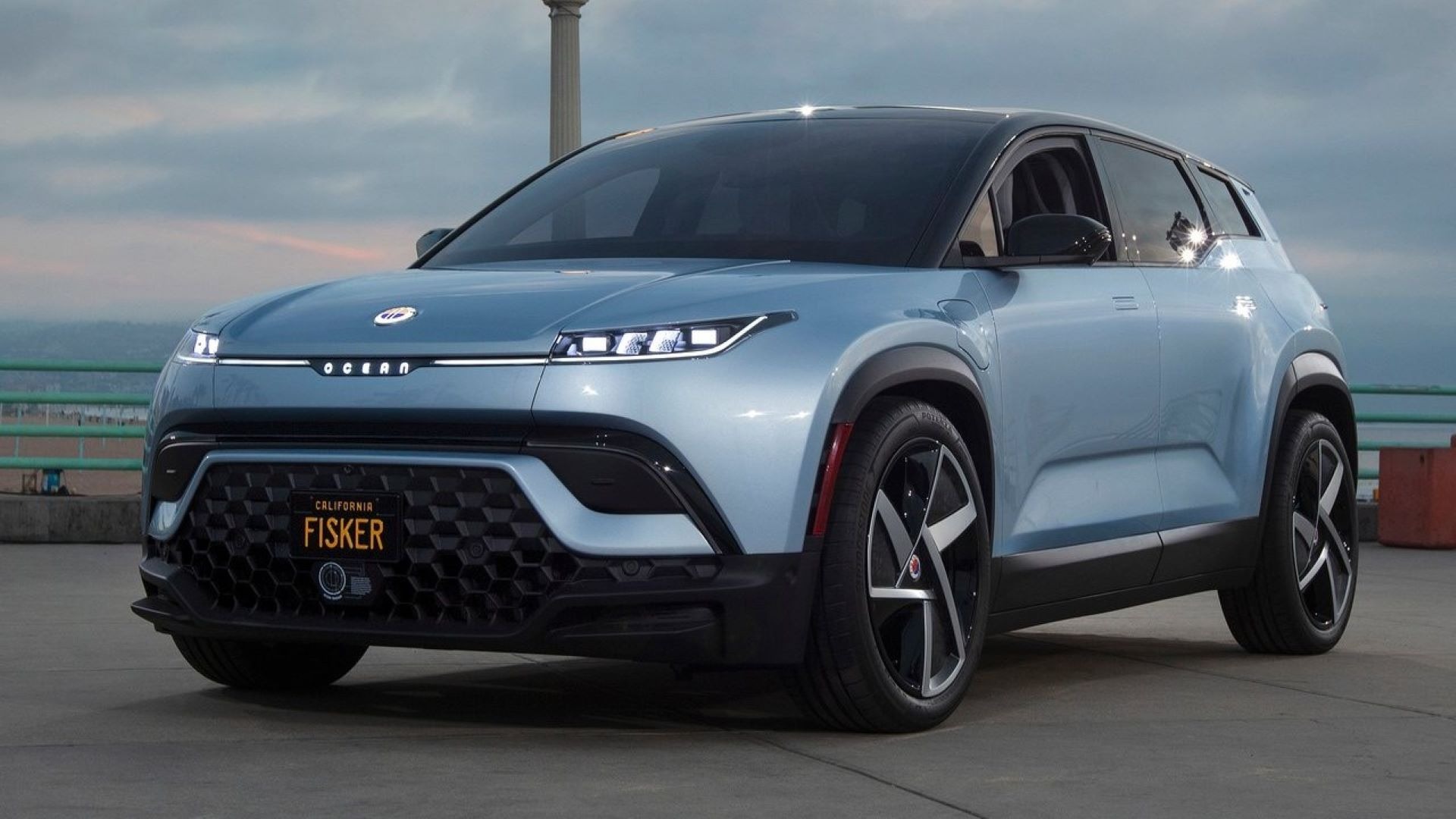
Few stories in the auto industry ended as abruptly as Fisker’s did, and the Ocean’s resale numbers tell that story in blunt financial terms. Once the company filed for bankruptcy, buyers who’d already taken delivery found themselves owning a vehicle with an uncertain future, no clear path to warranty support, and a parts supply chain thrown into serious doubt.
That uncertainty alone was enough to send resale values into a genuine free fall, far steeper than typical first-year depreciation on a struggling model from an established manufacturer.
Software problems reported by early owners compounded the situation further, adding mechanical and technical doubt on top of the corporate collapse already spooking potential buyers.
A used SUV nobody trusts to receive future updates, recalls, or replacement parts becomes an extremely difficult sell, regardless of how capable the vehicle might have been when new. Buyers browsing the used market now approach the Ocean with understandable caution, often treating it as a calculated risk rather than a straightforward purchase.
That combination of bankruptcy, lingering software concerns, and an uncertain support network pushed depreciation on this particular SUV into territory rarely seen outside a full company shutdown, with some examples losing well over half their original sticker price in under a year.
Also Read: 10 SUVs That Hold Value Better Than a Land Cruiser
3. Jaguar I-PACE
- Engine: Dual Electric Motors
- Horsepower: 394 hp
- Torque: 512 lb-ft
- Size: 184.3 in Long × 74.6 in Wide
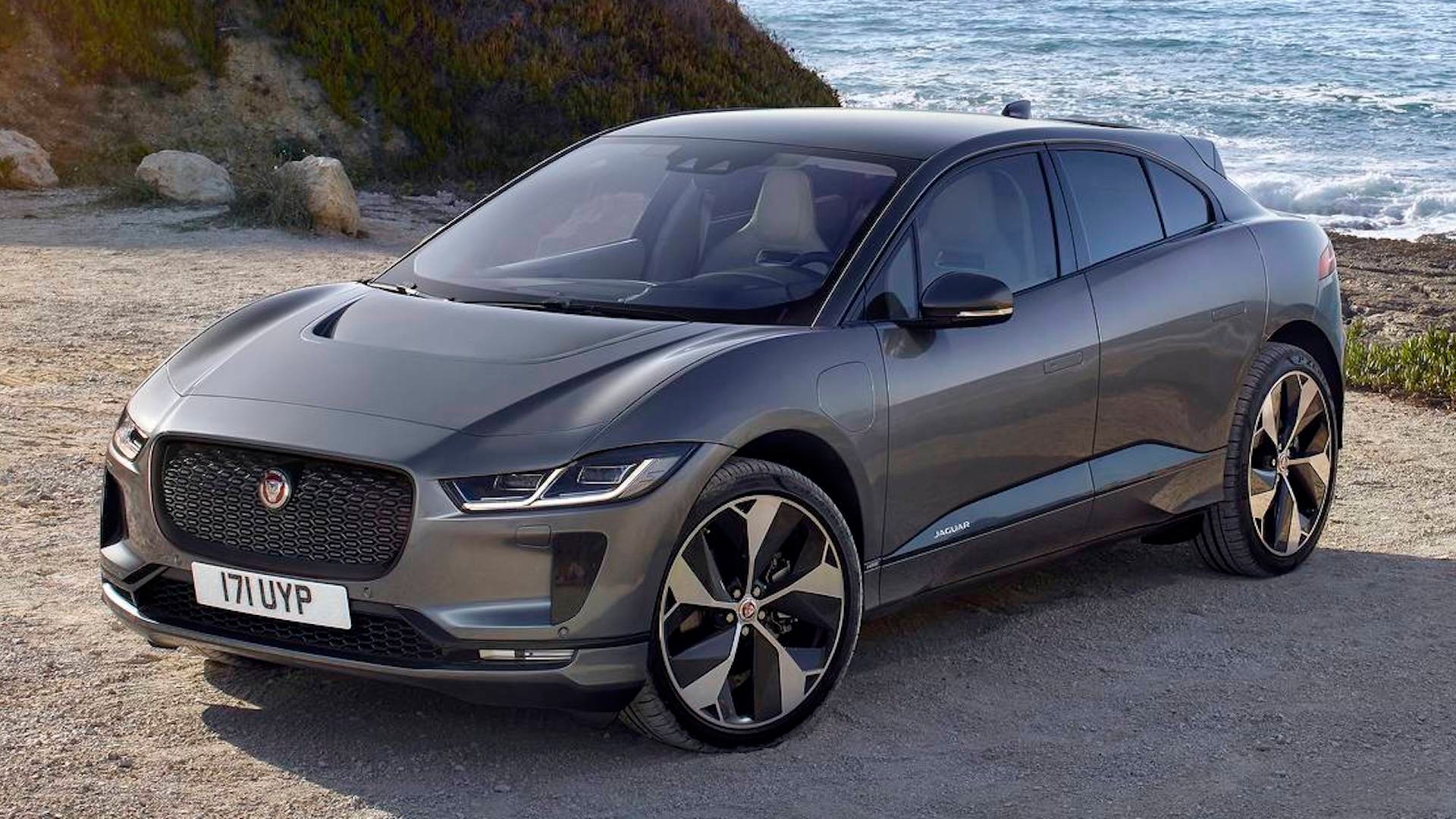
When the Jaguar I-PACE was first introduced, it stood among the earliest luxury electric sport utility vehicles available to buyers. At that time, being one of the first models in the category looked like a major advantage. As newer electric vehicles entered the market, that early lead gradually lost its value.
The driving range, charging speed, and software that once impressed buyers now appear outdated beside newer models. Anyone comparing available options today is more likely to choose a recently introduced vehicle with better features and stronger battery performance.
Since improvements in electric vehicle technology happen quite often, older models can lose their appeal much sooner than many people expected. That reality has made it difficult for the I-PACE to maintain strong demand in the second-hand market.
Recent market performance tells a similar story. Sales have slowed compared to the excitement that followed the vehicle’s introduction. Jaguar has also been making changes to its product plans and future direction, leaving some buyers unsure about the level of attention the I-PACE will continue to receive in the coming years.
At the same time, many competing luxury electric sport utility vehicles now sell within a similar price range while offering better driving range, quicker charging, and newer technology. With so many alternatives available, the I-PACE faces a harder time attracting used vehicle buyers.
This situation has caused resale prices to fall quickly, with many one-year-old examples selling for about half of their original purchase price, despite still providing a smooth, quiet, and comfortable driving experience for daily use.
4. Audi e-tron (2023 and earlier)
- Engine: Dual Electric Motors
- Horsepower: 402 hp
- Torque: 490 lb-ft
- Size: 193.0 in Long × 76.3 in Wide
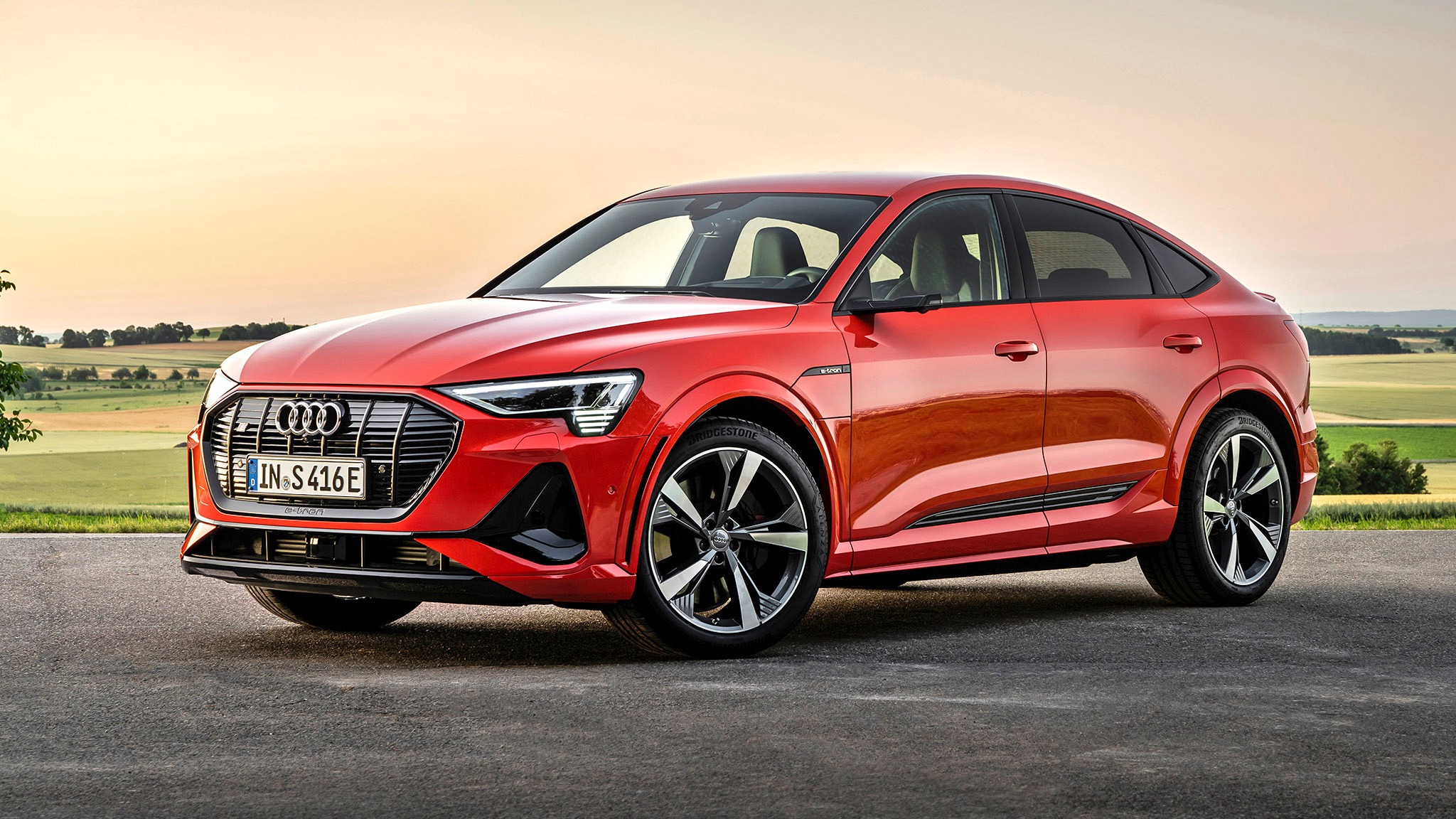
Audi’s early electric SUV effort built a solid reputation for comfort and build quality, yet none of that goodwill has protected it from a difficult resale market.
Substantial incentives on newer Audi electric models have made shopping new considerably more attractive than settling for a used e-tron from these earlier model years, since buyers can often secure a more current vehicle for a price surprisingly close to what a lightly used example commands.
Demand for used luxury EVs across the board has softened as well, a trend affecting nearly every manufacturer in this space rather than something unique to Audi specifically.
Buyers shopping this segment have grown pickier about range figures and charging speed, and the earlier e-tron generation simply can’t compete with newer offerings on those particular numbers. That gap becomes more pronounced every year as charging networks expand and buyer expectations climb accordingly.
Original owners who paid close to premium pricing for a new e-tron in these earlier model years are now watching resale values settle at roughly half their original purchase price after just twelve months, a discouraging outcome for anyone who assumed the Audi badge alone would help protect their investment against the broader depreciation trends hitting electric SUVs across nearly every luxury brand right now.
5. Cadillac Lyriq
- Engine: Dual Electric Motors (AWD)
- Horsepower: 500 hp
- Torque: 450 lb-ft
- Size: 196.7 in Long × 77.8 in Wide
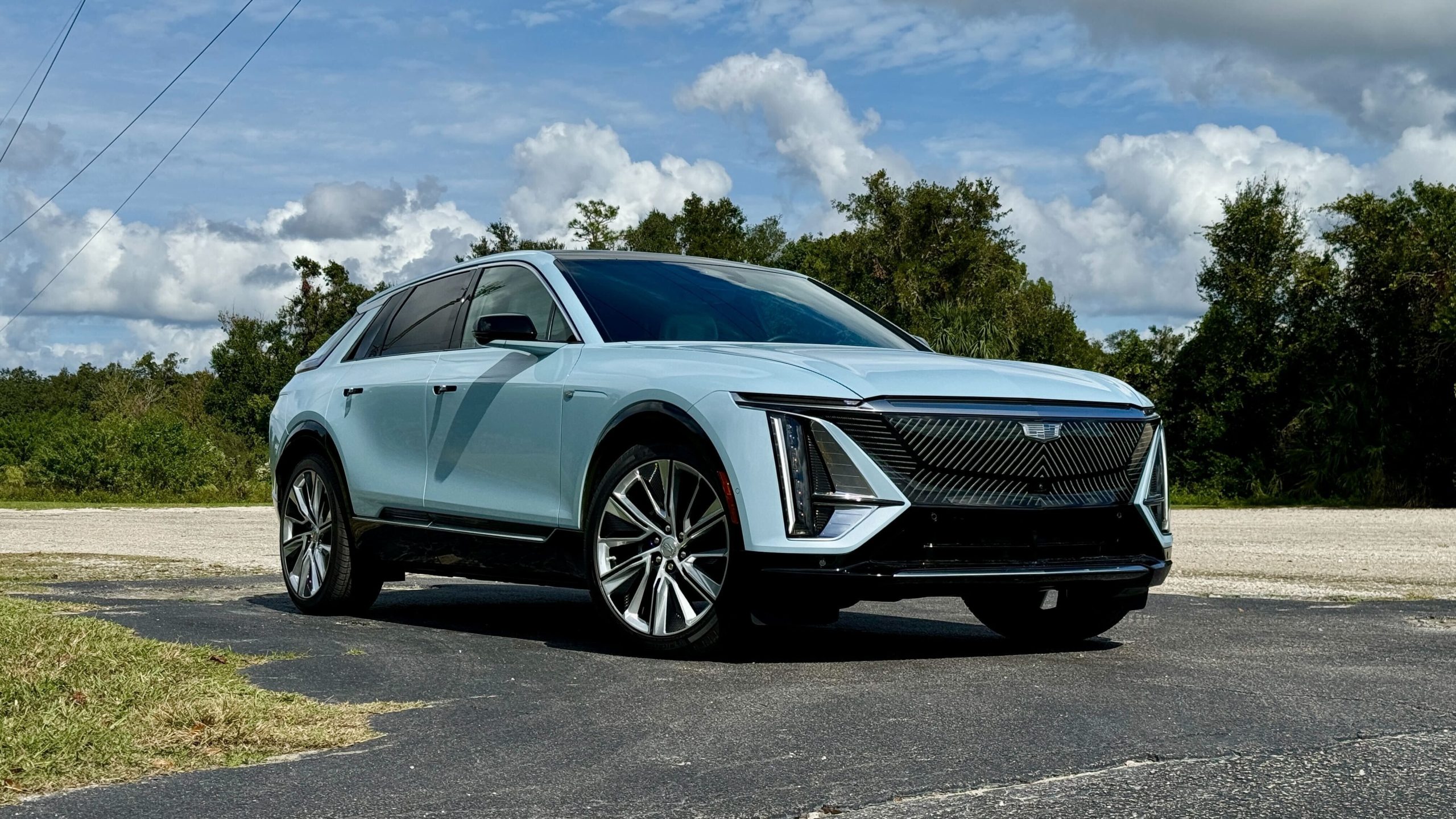
Rather than serving as just another electric SUV, the Cadillac Lyriq arrived as a bold product meant to reflect the brand’s fresh direction. Its eye-catching appearance, roomy interior, and modern features attracted many first-time buyers who believed they were making a smart long-term purchase.
What many of them did not expect was how quickly the vehicle would lose value after leaving the showroom. A major reason behind this drop has been the steady discounts offered on brand-new models.
Many dealerships have reduced prices to encourage sales, making fresh units much cheaper than expected. Once that happens, used examples naturally become less attractive because buyers can pay a little more and drive away in a brand-new vehicle instead.
Another issue affecting resale prices comes from reports shared by some early owners about software-related problems. Even though these concerns do not affect every vehicle, they have made many second-hand buyers more careful before making a purchase. People usually prefer avoiding a vehicle that may come with unresolved technical issues.
Tax credit rules have also affected pricing decisions, as dealers often arrange prices to match available incentives for qualified buyers. That approach has placed extra pressure on resale values.
Many bargain hunters have already taken advantage of the situation by buying one-year-old Lyriq models for almost half of their original purchase price. Cadillac now faces added pressure to strengthen buyer trust and improve confidence as it prepares future electric models for the market ahead.
6. Mercedes-Benz EQE SUV
- Engine: Dual Electric Motors (EQE 500 4MATIC)
- Horsepower: 402 hp
- Torque: 633 lb-ft
- Size: 191.5 in Long × 76.4 in Wide
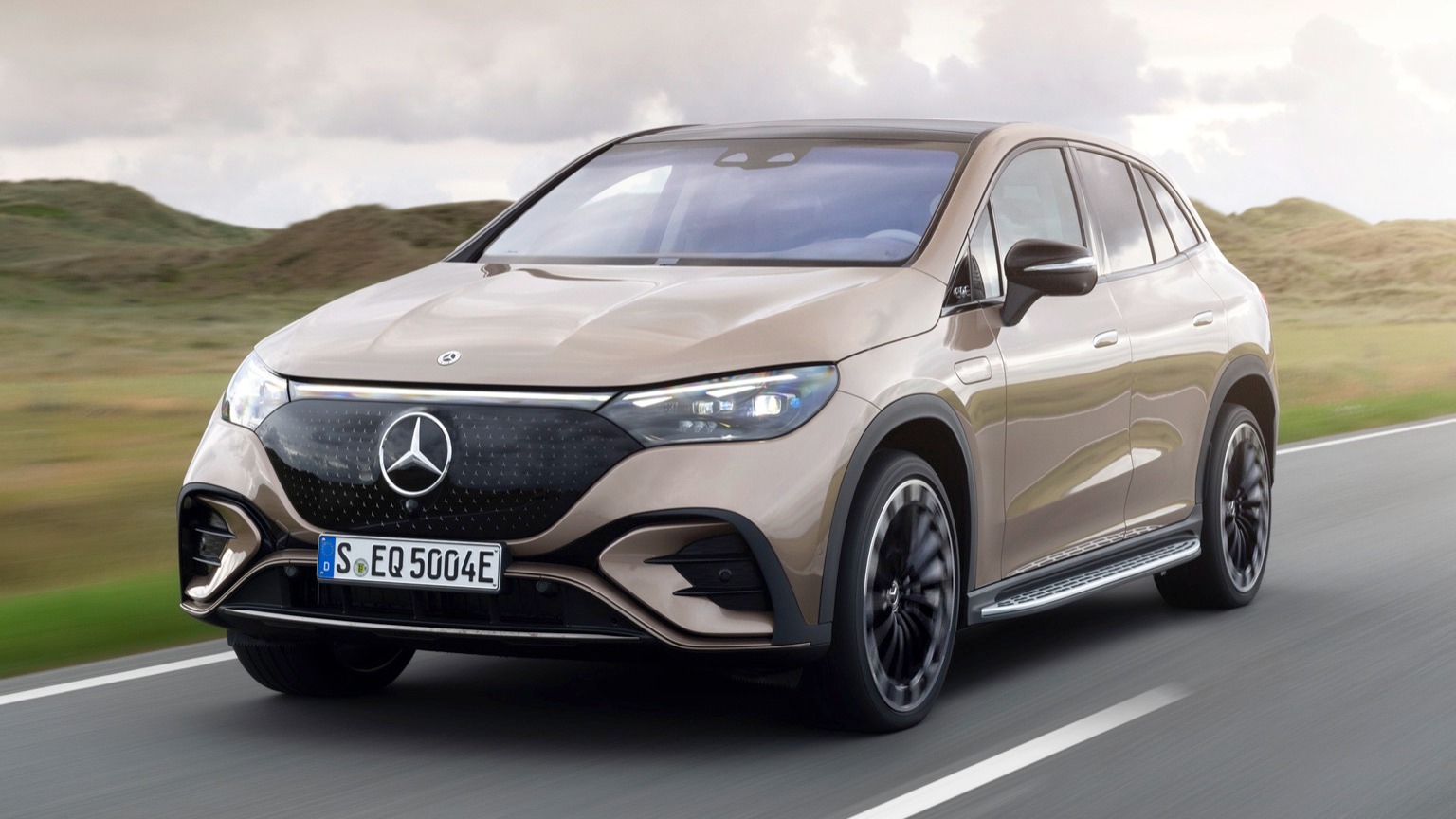
Positioned as a slightly more accessible sibling to the flagship EQS, the EQE SUV still carries a genuine luxury price tag, and it’s facing many of the same resale struggles as its larger stablemate.
Lease incentives designed to attract new buyers into Mercedes’ electric lineup have flooded the used market with low-mileage, recently returned examples, creating exactly the kind of oversupply that pushes prices downward fast for anyone trying to sell privately.
Declining interest in used premium EVs generally hasn’t done this SUV any favors either, a trend playing out across nearly every luxury brand attempting to establish itself in the electric SUV space right now.
Buyers who might have considered a used EQE increasingly find themselves comparing it against newer competitors offering sharper technology or simply a fresher model year at a similar price point after incentives.
That competitive pressure, layered on top of aggressive lease-return volume, has pushed the EQE’s resale value down to roughly half its original sticker price within just twelve months of ownership.
For a brand built on the promise of holding value through prestige alone, this kind of steep, fast depreciation represents a genuine departure from the reputation Mercedes has spent decades building with traditional gas-powered luxury models.
7. Tesla Model X
- Engine: Dual Electric Motors
- Horsepower: 670 hp
- Torque: 713 lb-ft
- Size: 198.3 in Long × 78.7 in Wide
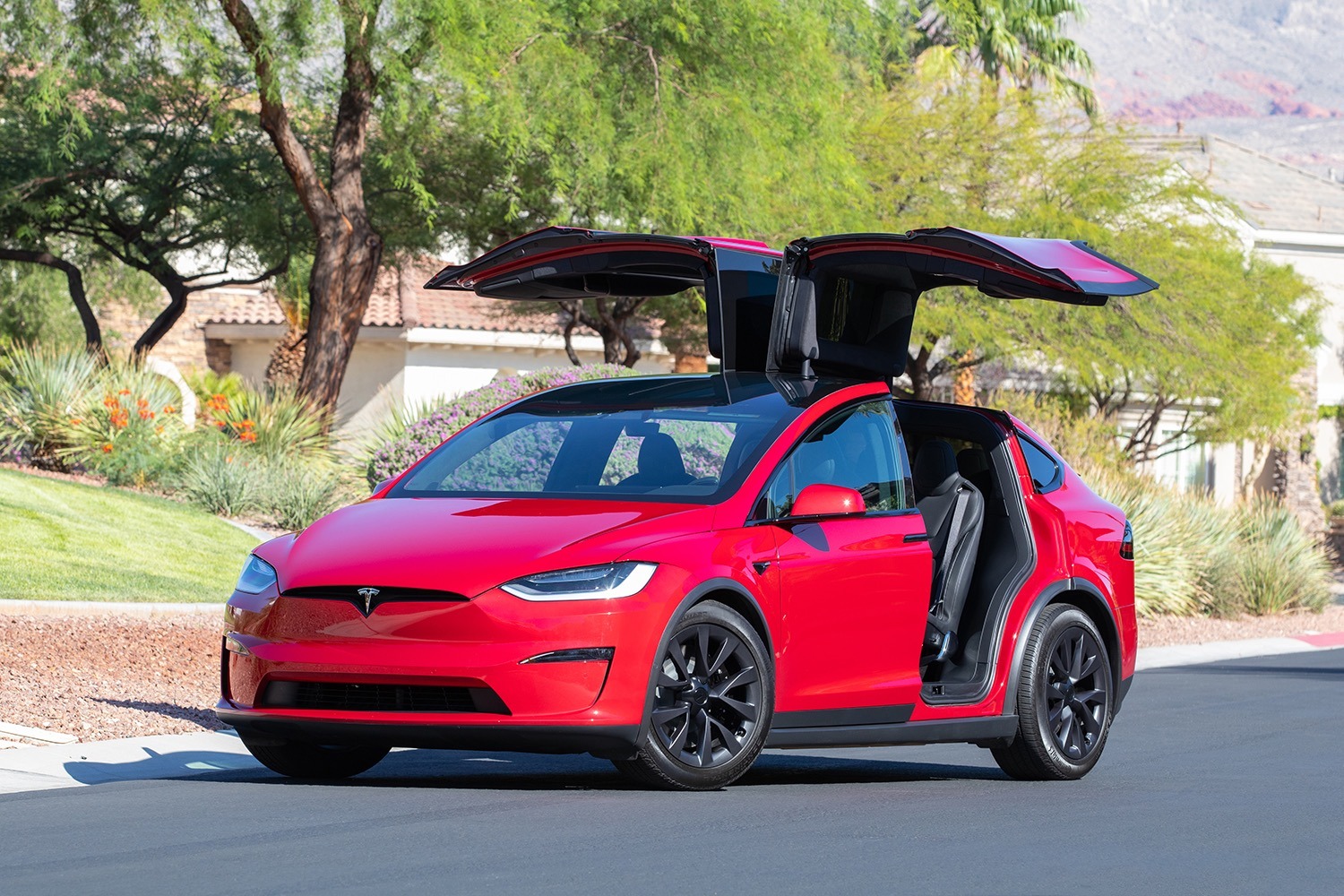
Tesla’s pricing strategy has created a very unusual situation in the car market, especially for the Model X. The company has made it a habit to reduce the prices of its new vehicles from time to time.
Whenever this happens, the resale value of every previously purchased Model X drops immediately, no matter how well the vehicle has been maintained or how low the mileage is. Most people looking to buy a used Model X will naturally compare its price with the cost of a brand-new one.
As a result, Tesla’s own pricing decisions make it more difficult for existing owners to sell their vehicles at good prices. This is quite different from what usually happens with other car manufacturers. In most cases, vehicle prices change gradually, and major price reductions are not common.
Tesla, however, adjusts its prices more aggressively and more frequently. Because of this pattern, many buyers now expect another price cut to happen sooner or later. Instead of paying a high amount for a used Model X, they prefer to wait, believing a new one could become cheaper in a few months. This mindset has affected the resale market significantly.
Many people who bought their Model X when prices were much higher have seen the value of their vehicles fall sharply. In some cases, the resale price is now close to half of what they originally paid. This decline is not because the Model X is unreliable or performs poorly. Rather, it is largely the result of Tesla’s pricing policy and the expectations it has created among buyers.
Also Read: 4 Three-Row SUVs Worth the Money vs 4 Overpriced Ones
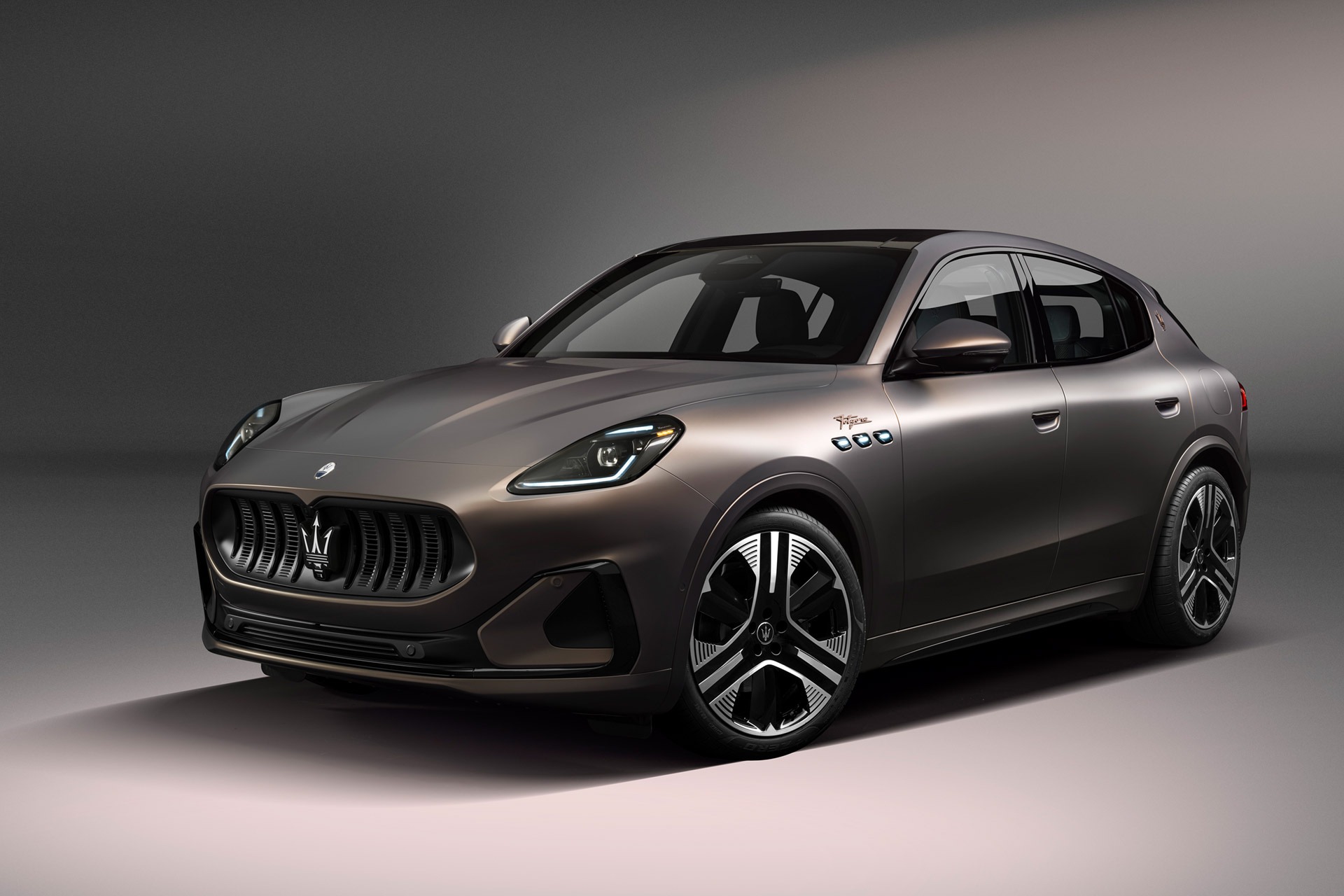
8. Maserati Grecale Folgore
- Engine: Dual Electric Motors
- Horsepower: 550 hp
- Torque: 605 lb-ft
- Size: 191.0 in Long × 77.7 in Wide
Maserati’s first fully electric SUV entered a market segment already crowded with established luxury EV competitors, and that timing has proven genuinely difficult for early resale numbers.
Limited demand has been the central issue here, since the Grecale Folgore competes directly against better-known luxury EV nameplates that buyers already trust and recognize, leaving Maserati’s newer electric entry fighting for attention in a field where brand familiarity carries real weight.
A high starting MSRP compounds that challenge considerably, since buyers weighing a Grecale Folgore against rival options often find comparable range and performance figures available from more established luxury EV manufacturers at a similar or even lower price point after incentives.
That comparison rarely favors Maserati once buyers start seriously cross-shopping their options across the segment. Broader depreciation trends hitting luxury electric vehicles across the board haven’t helped either, adding external pressure on top of the brand-specific struggles already facing this particular model.
Original buyers who paid full price for a new Grecale Folgore are now seeing resale values settle at roughly half their purchase price within the first year, a steep decline that reflects both the vehicle’s specific market positioning and the wider difficulties facing premium electric SUVs across nearly every manufacturer trying to compete in this increasingly crowded space.
