
Every crash produces two stories. One is spoken. The other is recorded in silicon. Modern vehicles carry sensors that quietly log data long before impact occurs. That data often survives even when memory does not.
Drivers routinely misjudge their own speed under stress. They forget whether they braked at all. They believe they swerved when they actually didn’t.
This isn’t usually dishonesty on their part. It’s simply how trauma reshapes human recall. But insurers, police, and courts don’t rely on memory anymore. They increasingly rely on data recorded by the vehicle itself, which is often admissible as evidence during litigation.
This hidden data can completely contradict a driver’s own account of what happened. It doesn’t take sides in any dispute. It just measures what occurred.
Below are nine specific ways a car’s own systems can quietly dispute its owner’s version of a crash. Each one draws on real forensic practice, not speculation or guesswork.
Together they show why “it’s your word against the car’s” is now a real legal dynamic. Increasingly, the car wins that argument. None of this makes drivers liars. Most contradictions come from stress, adrenaline, and the simple limits of human perception during a violent, fast-moving event. But insurers and courts don’t grade on intent.
They grade on evidence, and a car’s sensors never forget a single detail. Understanding these nine systems isn’t just useful for lawyers. It’s useful for any driver trying to understand what their own vehicle actually knows, and what it might eventually say on their behalf.
1. Speed at Impact
Drivers almost always underestimate how fast they were actually going. This remains one of the most common contradictions in crash claims today.
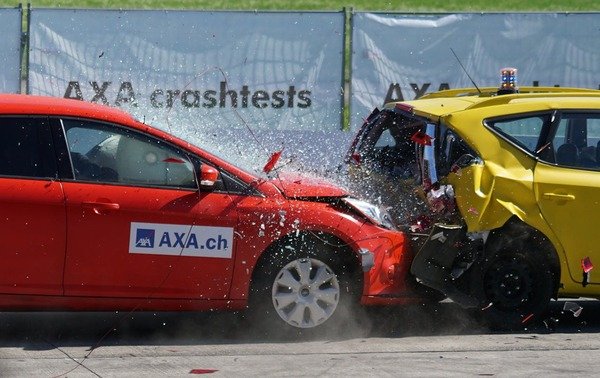
Federal regulations require event data recorders to capture vehicle speed among other core metrics before, during, and after a crash occurs. That number doesn’t come from a witness or a guess. It comes from wheel-speed sensors sampled multiple times every second.
This data can establish exact speed at the moment of impact and reconstruct the full crash chronology. A driver who insists they were “barely moving” can be directly contradicted.
In one Colorado case, the vehicle’s own recorder showed the car traveling 88 mph, well above the posted limit, undercutting the driver’s account entirely.
Speed data is especially damaging because it’s difficult to dispute afterward. There’s no ambiguity in a number logged automatically in real time. Insurers check this figure first when evaluating fault. It often decides the outcome of a case before any other evidence is even reviewed.
For plaintiffs and defendants alike, this single data point can flip liability entirely. A five-mile-per-hour gap between claim and record can matter enormously in court.
That’s why attorneys move quickly to preserve this evidence. Once the buffer is overwritten, it’s gone for good. Speed data also interacts with weather and road conditions on file. A recorded speed that’s legal in dry conditions can still support a negligence claim in rain or ice.
Reconstruction experts pair this figure with stopping-distance calculations. Together they show whether a crash was truly unavoidable or simply mishandled. Courts have increasingly treated this single field as the anchor for entire liability arguments. Everything else in a case tends to be built around it.
2. Braking Behavior
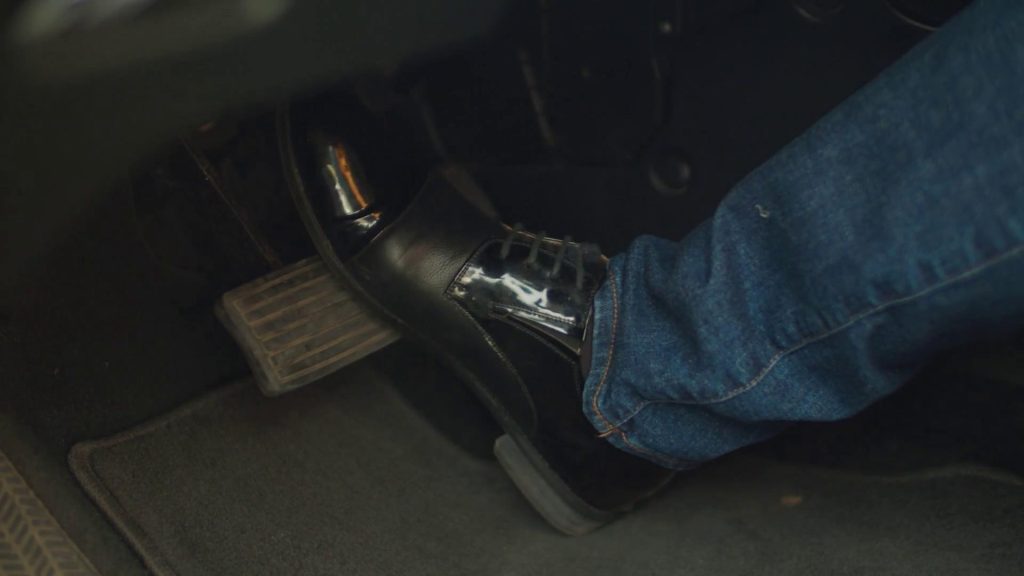
“I slammed on the brakes” is one of the most common phrases uttered after any crash. It’s also frequently disproven by data. The event data recorder captures crash-specific braking force in the seconds before and during the actual impact.
This isn’t a vague estimate offered after the fact. It’s a timestamped record of whether the pedal was ever touched. Combined with skid marks and scene mapping, this braking data becomes a strong anchor for reconstructing what actually happened on the road.
If a driver claims they braked hard but the pedal shows no input, the contradiction becomes immediate. It appears as a flat line, not a spike. Braking data also reveals reaction time precisely. Investigators can see exactly how long passed between hazard detection and pedal engagement.
Insurers representing an at-fault driver often have little incentive to retrieve this data voluntarily, which is why opposing counsel moves fast to request it.
A late brake application, or none at all, tends to settle arguments quickly. Juries respond to hard numbers far more than personal testimony. This is why preservation letters go out almost immediately. Waiting even a few weeks can mean the data is already lost.
Braking data also helps distinguish panic stops from controlled ones. The pattern of pressure applied often tells investigators more than the outcome alone.
In multi-vehicle pileups, this becomes especially valuable. It can separate drivers who reacted appropriately from those who simply followed too closely.
Some newer systems log anti-lock activation separately from pedal pressure. That extra layer of detail makes disputes over “I couldn’t stop in time” much harder to sustain.
3. Throttle and Acceleration
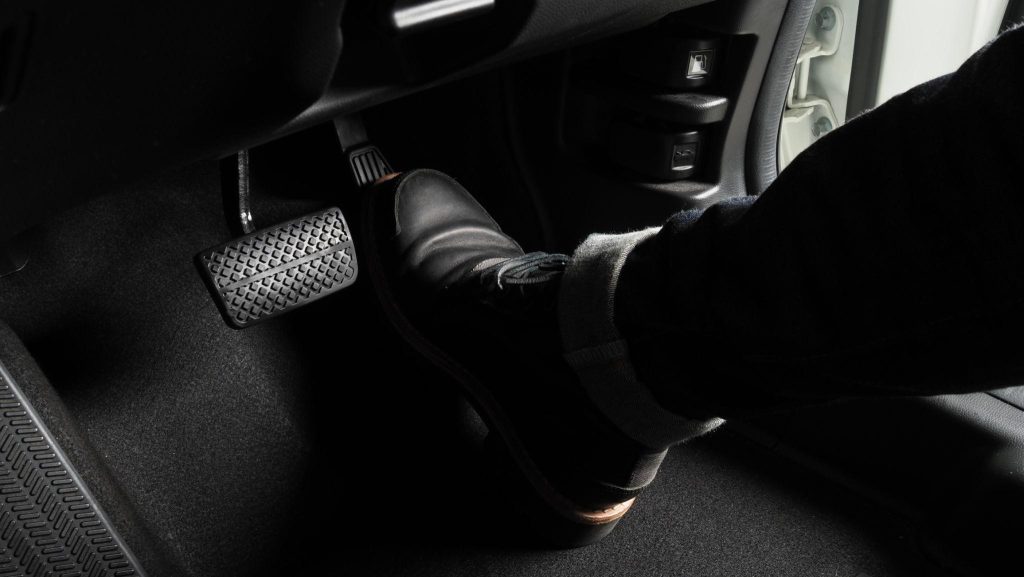
Accelerator position tells its own quiet story. It often contradicts a driver’s claim of restraint behind the wheel. Throttle position is one of the core data points captured in the moments leading up to any crash.
A driver claiming they were coasting can be shown accelerating instead. Pedal position is recorded as a precise percentage, not a rough guess. This became central in a widely reported Texas case. Tesla’s AI software lead stated publicly that the driver overrode self-driving by pressing the accelerator to 100 percent in a residential area.
That single data point reframed the entire narrative. It shifted blame from the automated system back toward the driver’s own actions. Throttle logs also matter in aggressive-driving disputes. Sudden full-throttle input right before impact suggests very different behavior than gradual, controlled acceleration.
The data cuts in both directions, though. It doesn’t defend anyone specifically or automatically. It simply reports what happened mechanically, without bias toward either party involved. That neutrality is exactly what makes it so persuasive to juries and adjusters alike.
Throttle data has become standard in disputes over who was truly driving aggressively before a collision occurred. It’s also useful in mechanical-defect claims. A driver alleging unintended acceleration needs this log to separate a genuine malfunction from simple pedal misapplication.
Manufacturers rely heavily on this specific data to defend against such claims in court. It’s often the single deciding factor in whether a case even proceeds. Because the sensor reads directly from the pedal assembly, there’s very little room left for interpretation once the numbers are pulled.
4. Seatbelt Status
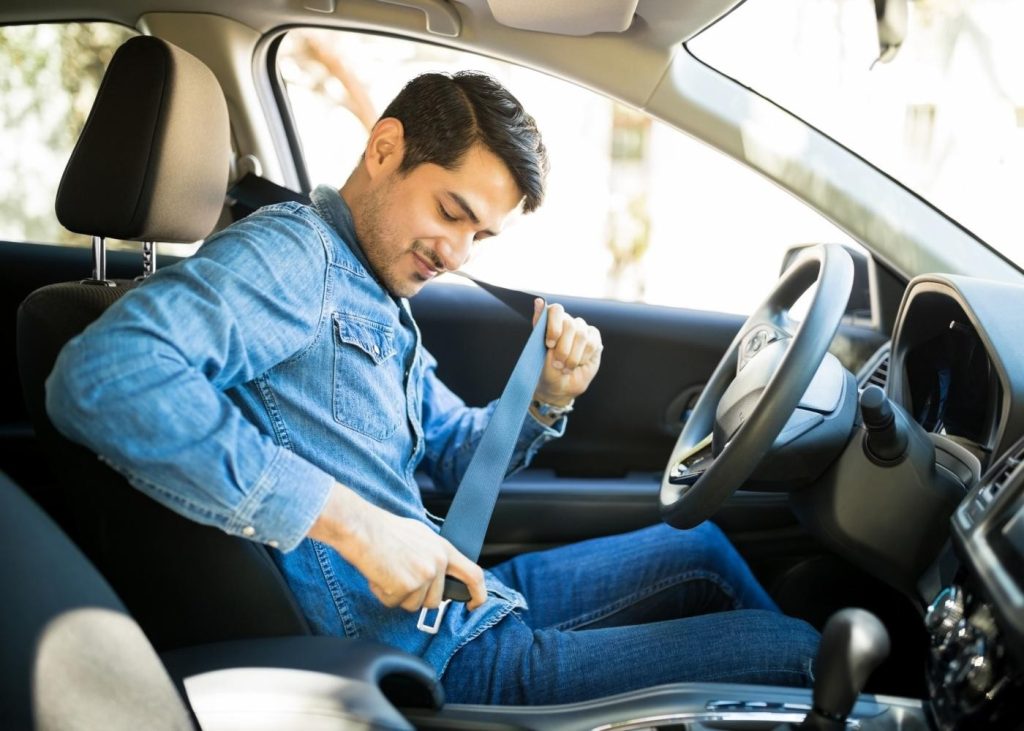
Whether someone was buckled in is rarely a matter of opinion anymore. Sensors track this directly and continuously. Infotainment and event logs capture aspects of vehicle operation including seatbelt usage, independent of what an occupant later claims happened.
Forensic analysis of infotainment systems has repeatedly uncovered artifacts specifically tied to seatbelt use, timestamped alongside other vehicle events.
This matters enormously for injury claims. A driver who insists they were belted, but the sensor disagrees, faces a serious credibility problem. It also affects damages calculations directly. Comparative negligence laws in many states reduce compensation when a seatbelt clearly wasn’t worn.
Because the sensor triggers off physical buckle contact, not visual appearance, it’s genuinely difficult to dispute. A jacket draped over an unbuckled belt won’t fool the switch.
This single log has ended more than one personal injury claim before it ever reached trial or settlement. Insurance adjusters check this data field early, often within the first review of any claim file. It shapes every negotiation that follows.
Physical evidence at the scene, like bruising patterns, frequently confirms what the sensor already recorded. This data also affects passenger claims, not just the driver’s own case. Each seating position typically has its own independent sensor and log.
That means one occupant’s buckled status can’t be assumed from another’s. Every seat tells its own separate story in the data. Defense attorneys watch this field closely in wrongful death cases especially. It can shift a portion of fault onto the victim under state comparative-fault rules.
Also Read: 11 Cars With Ultra Wideband Keys That Refuse a Relay
5. Steering Input
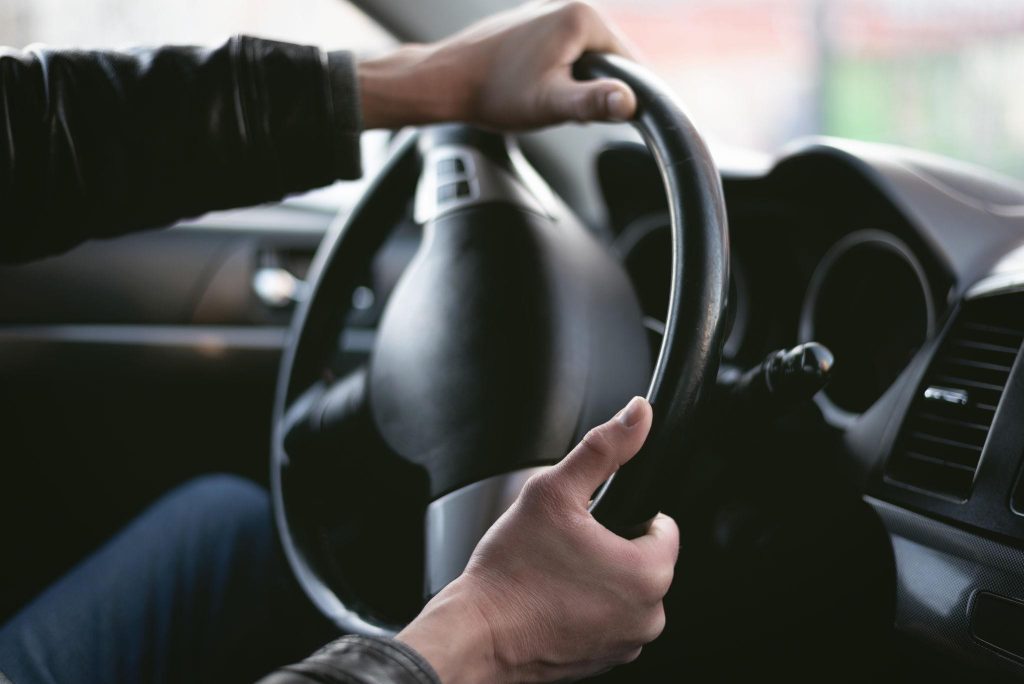
“I swerved to avoid it” is a common defense after single-vehicle crashes. Steering angle sensors either confirm or dismantle that claim. Steering input is recorded alongside braking force and throttle position within the same pre-crash data window.
If the wheel never actually moved, the story simply doesn’t hold up. The sensor logs direction and degree, not stated intention. This matters especially in single-vehicle crashes. A driver claiming they avoided debris needs steering data to support that specific account.
Without corroborating movement in the log, that story looks constructed after the fact. Investigators notice the absence of input just as clearly as its presence.
This kind of objective data can resolve disputed facts about steering inputs that memory alone simply cannot settle. Steering logs also help reconstruct rollovers and lane-departure crashes. They show whether a vehicle drifted gradually or was jerked suddenly off its course.
In commercial trucking cases, steering data is often paired with lane-position cameras. Together they leave very little room for a self-serving account to survive scrutiny.
Steering data is also central in product-liability claims. A sudden unexplained input can point toward a mechanical failure rather than driver error. Manufacturers examine this log closely before accepting any recall-related responsibility. It’s often the first thing their engineers request. For everyday drivers, though, the lesson is simpler. A claimed swerve leaves a trace, and a trace that doesn’t exist speaks for itself.
6. Crash Severity and Airbag Timing
Drivers frequently downplay how hard they were hit, or how hard they struck something else. Airbag control modules disagree with them constantly.
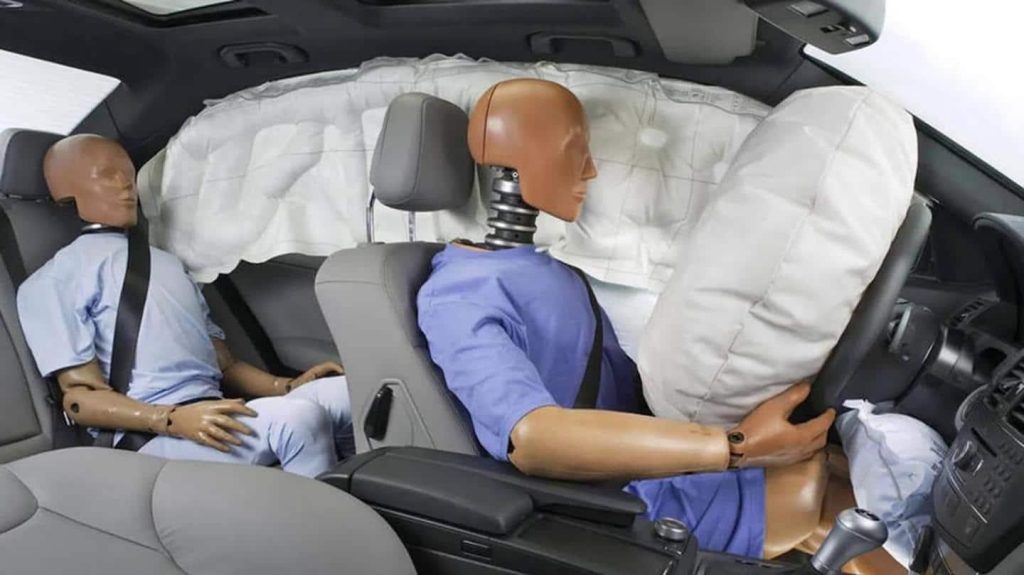
The recorder’s primary function is to evaluate crash severity and deploy airbags at the precise millisecond required for safety. That trigger data becomes a permanent record of force, measured as delta-V, the change in velocity during the collision.
A driver calling a crash “minor” can be directly contradicted by a delta-V reading consistent with a genuinely severe impact. The trigger event activates upon sensing rapid deceleration, meaning the car essentially decides for itself when a “real” crash occurred.
This matters in low-speed disputes common to parking-lot and rear-end claims. Insurers use delta-V thresholds to challenge injury claims they consider inflated.
It works in the other direction too. A driver dismissed as exaggerating may be vindicated by data showing a genuinely high-force impact. Because this figure triggers automatically, without any manual description involved, it’s treated as close to objective truth in most litigation.
Attorneys on both sides now request this exact figure before deciding whether to litigate or settle a claim. Delta-V also helps explain injuries that don’t match visible vehicle damage. A stiff modern frame can hide serious internal force behind minimal exterior dents.
This is why medical experts increasingly request the raw crash-severity data directly. It helps them connect a diagnosis to a specific mechanical event. Without this figure, many injury claims would rest entirely on subjective pain descriptions instead of measurable physical force.
7. Driver-Assist and Autopilot Engagement
Semi-autonomous systems generate some of the most consequential contradictions on the road today. Drivers often misremember what was actually controlling the car.
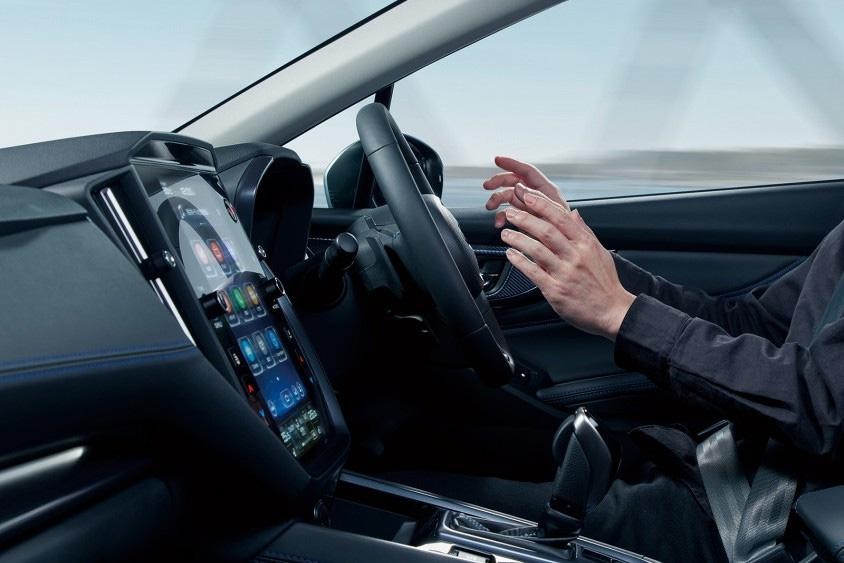
In one fatal California crash, Tesla said its logs showed the driver’s hands were off the wheel for six seconds before impact. Federal investigators later found the system hadn’t detected hands on the wheel for 26 of the final 60 seconds before the collision occurred.
That’s a direct system record contradicting any claim of attentive, manual control at the time of the crash. In a separate Colorado case, data showed Autopilot had actually been disengaged roughly ten minutes before the crash, undercutting a claim of automation being at fault.
These logs record wheel torque, engagement status, and driver-alert history together, forming a timeline no personal testimony can realistically replicate.
This data cuts in multiple directions depending on the case at hand. Sometimes it protects the driver. Sometimes it protects the manufacturer instead.
Either way, it consistently overrides individual recollection. Human memory of a fast automated handoff is notoriously unreliable under pressure. Courts are increasingly treating these logs as the primary evidence in disputes involving semi-autonomous vehicles.
Manufacturers now face growing pressure to release this data quickly after a crash. Delayed disclosure has itself become grounds for separate legal claims.
Regulators are also scrutinizing how these systems warn drivers before disengagement. The warning history sits right alongside the engagement data in the same log. For any driver relying on assisted driving features, this record becomes the deciding factor in almost every dispute that follows.
8. Phone and Infotainment Activity
Distraction claims are hard to prove through testimony alone. Infotainment systems quietly solve that exact problem for investigators. When a smartphone connects to a vehicle’s system, investigators can extract vehicle-related data stored directly on that phone.
This data may persist even after the phone itself is wiped, encrypted, or physically destroyed, making it unusually durable evidence. Investigators can determine whether a driver manually typed a message rather than using voice input, a distinction that carries real legal weight.
A driver who insists their phone was untouched can be contradicted by a call log timestamped to the exact moment of impact. Investigators can also identify other occupants who connected via USB, Bluetooth, or Wi-Fi, undermining claims about who was actually present in the vehicle.
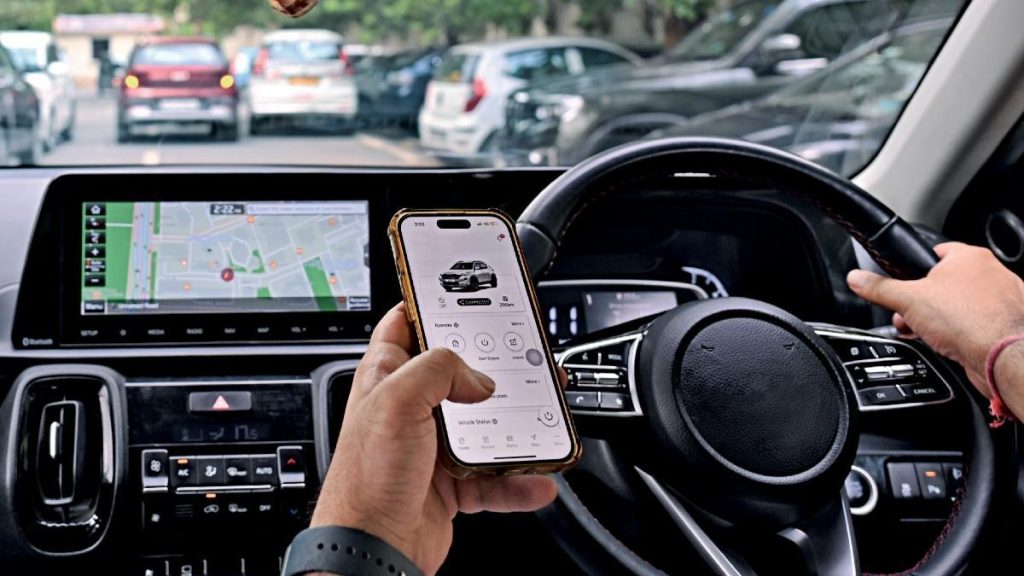
Combining these logs lets investigators piece together whether a driver was using hands-free voice commands or physically interacting with a screen.
Because phones sync automatically in the background, drivers often don’t realize how much is recoverable later. The trail exists regardless of memory.
This evidence has become standard practice in personal injury litigation involving any suspected distraction. Even deleted messages sometimes survive in these synced logs. Vehicle storage doesn’t always follow the same deletion rules as the phone itself.
This has surprised more than one driver during discovery. Data they believed erased resurfaced directly from the car’s own system. Attorneys now treat infotainment downloads as routine, not exceptional, in any crash involving a moving vehicle and an injured party.
9. Location and Route History
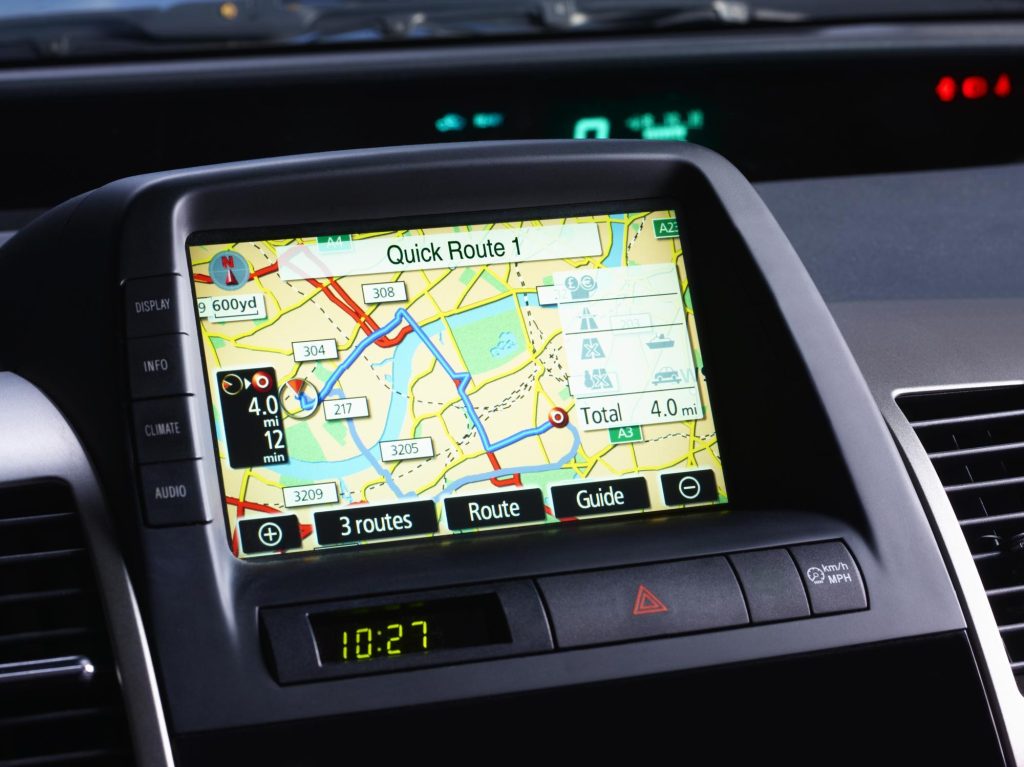
Where a driver claims they were, and where telematics say they actually were, don’t always align. Connected-car systems track this constantly. Modern vehicles generate GPS data, navigation history, and saved destinations, all timestamped and stored automatically without driver input.
A driver claiming a different route can be directly contradicted by a saved navigation log from that same trip. This matters especially in hit-and-run disputes and contested intersection crashes. Location logs can place a vehicle exactly where a driver denies having been.
It matters for commercial and rideshare vehicles too. Fleet telematics track route deviation constantly, flagging unauthorized stops or detours automatically.
Investigators are explicitly warned never to power a vehicle back on after an incident, since doing so can overwrite the pre-crash buffer holding this evidence.
Once properly preserved, though, location data is genuinely hard to argue with. A car cannot occupy two places at once. Its own GPS record settles the question in a way no witness statement ever fully can, no matter how confident that statement sounds.
This is often the final piece attorneys request when every other account in a case still conflicts. Location history also matters for timeline disputes beyond the crash itself. It can confirm or dismantle claims about when a trip actually began.
In fraud investigations, this data has exposed staged accidents entirely. A route that never matches the claimed circumstances raises immediate, unavoidable red flags.
For most ordinary drivers, though, its role is simpler and less dramatic. It quietly confirms exactly where they were, whether they intended to share that or not.
Also Read: 85 Percent of Keyless Cars Open to a Relay Attack
