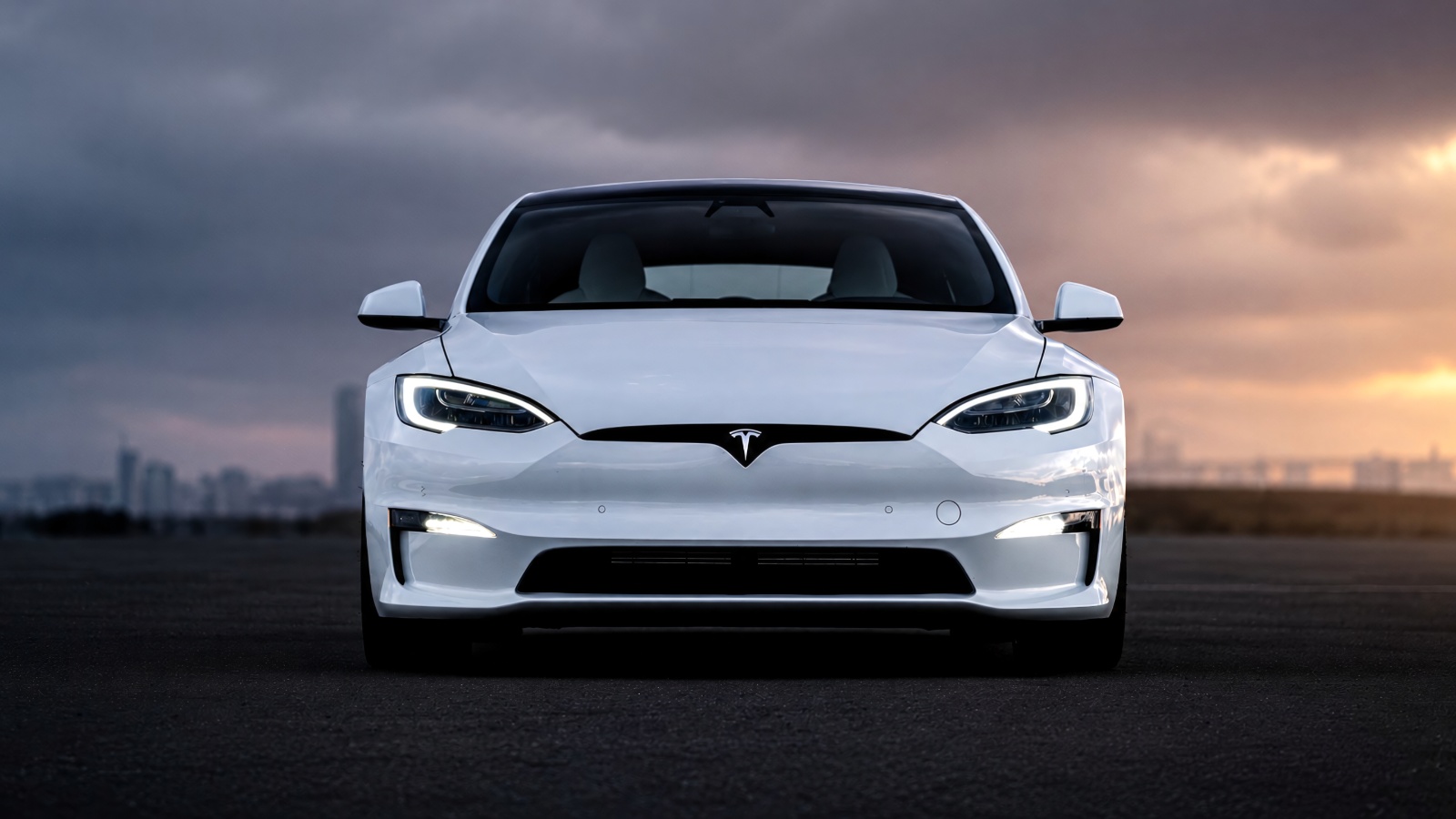
Buying a used electric vehicle is no longer just about checking battery health, mileage, accident history, and warranty coverage. Modern EVs are heavily dependent on software, subscriptions, connected accounts, charging promotions, and digitally activated equipment. A feature that works perfectly during a seller’s demonstration may therefore disappear after the vehicle is transferred to a different account.
The important distinction is between permanent vehicle equipment and owner-specific digital benefits. Core driving and charging hardware usually remains, but complimentary charging, hands-free driving subscriptions, connectivity packages, streaming functions, and certain software upgrades may expire or require the second owner to pay again.
Rules also differ by model year. The following 10 EVs illustrate why used buyers should check both the physical specification sheet and the vehicle’s active digital-services menu before paying.
1. Tesla Model 3
The Tesla Model 3 is one of the best examples of why a used buyer needs to distinguish between permanently installed software and services connected to an owner’s Tesla account. A seller might demonstrate Full Self-Driving (Supervised), Premium Connectivity, complimentary Supercharging, or other paid functions, but that does not automatically mean every feature will remain after ownership changes.
Tesla warns that Supercharging credits, subscriptions, upgrades, and some other benefits may not transfer when ownership changes. When a Model 3 is removed from an owner’s Tesla account, paid subscriptions associated with that account can end, and incentives held by the original owner may disappear. Promotional free Supercharging credits can also expire when the vehicle is sold or transferred.
Full Self-Driving needs more careful interpretation. Permanently purchased FSD may remain associated with the vehicle depending on the purchase arrangement, while a monthly FSD subscription is account-based and should not be confused with permanently purchased software. A used buyer should therefore inspect the vehicle’s software information rather than assuming that functioning FSD during a test drive proves that it is included permanently.
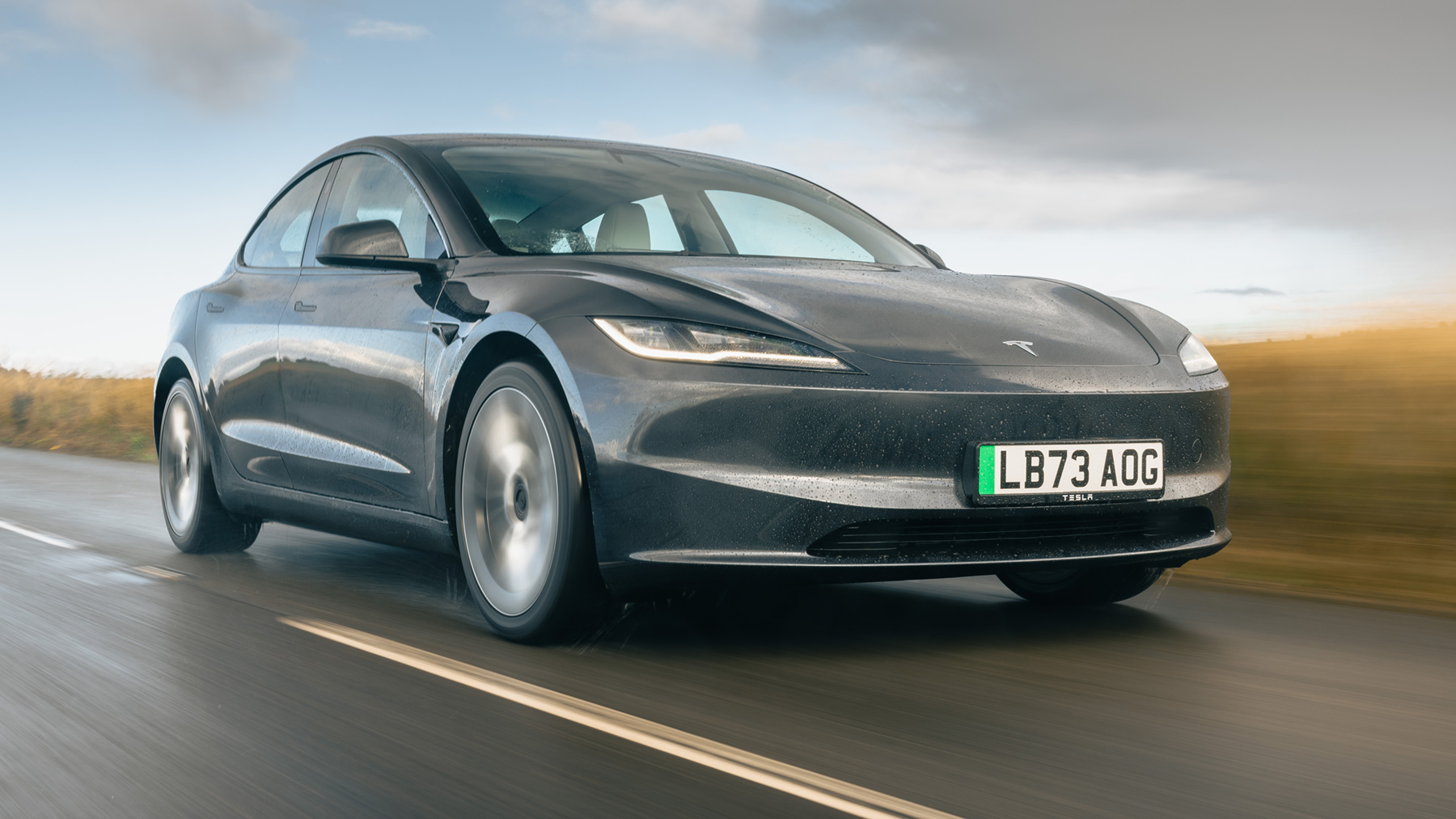
For specifications, the Model 3 Performance provides a useful representative example. It combines dual-motor all-wheel drive with considerably more power than standard rear-wheel-drive versions.
- Engine type: Dual electric motors, all-wheel drive
- Torque: Approximately 554 lb-ft
- Horsepower: Approximately 510 hp
- Length: Approximately 185.8 inches
- Width: Approximately 72.8 inches without mirrors
A used Model 3 should therefore be inspected through its Software menu, not merely judged by what happens to work during the test drive.
2. Ford Mustang Mach-E
The Ford Mustang Mach-E can lose one of its most recognizable technology features when its BlueCruise entitlement expires. BlueCruise allows hands-free driving on compatible sections of divided highways known by Ford as Hands-Free Blue Zones. The hardware necessary for the system may remain permanently installed in the vehicle, but using the hands-free capability requires an eligible active plan or trial.
BlueCruise requires an active plan or qualifying trial, and subscription arrangements should not automatically be assumed to transfer with the vehicle. Someone shopping for a used Mach-E should therefore avoid treating an active BlueCruise demonstration as proof that the feature will remain available indefinitely after purchase.
Depending on model year and how the original vehicle was configured, BlueCruise may have been supplied through a trial, a fixed-duration plan, or another connected-service arrangement. Once that period expires, continued access can require additional payment.
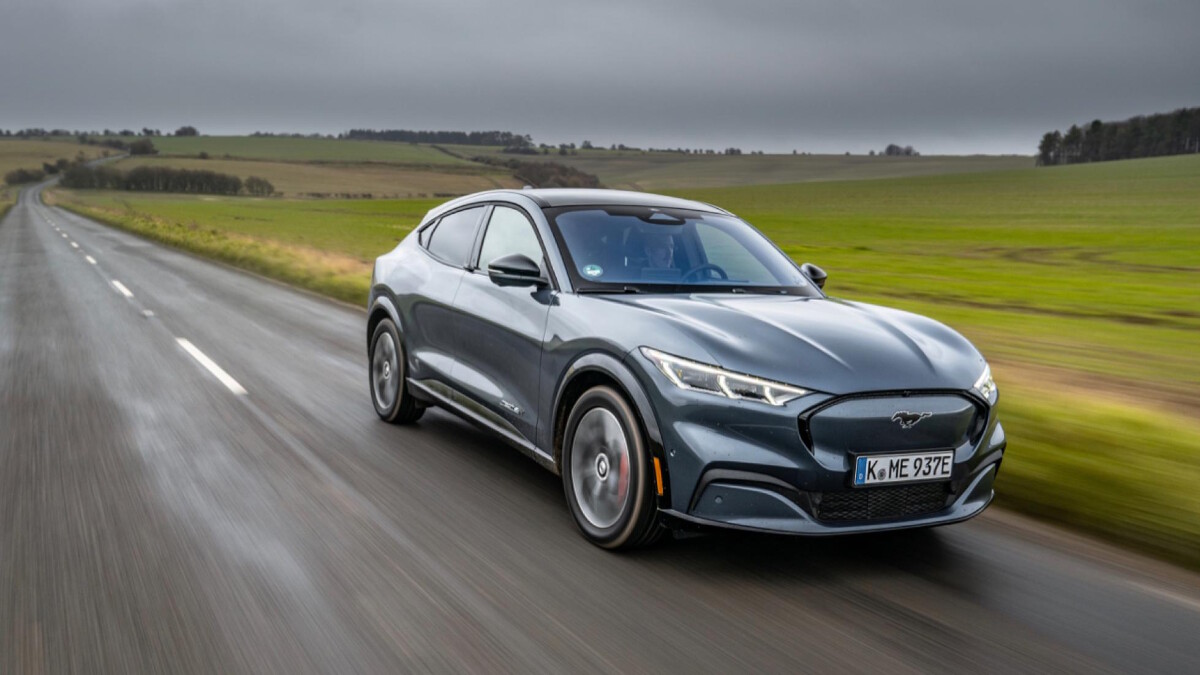
The distinction is important because the vehicle does not physically lose its cameras, driver-monitoring equipment, steering assistance, or other underlying components. Instead, access to the premium hands-free portion can change. A second owner may have to activate their own eligible BlueCruise arrangement through Ford’s connected-services system.
- Engine type: Dual electric motors, eAWD
- Torque: Up to approximately 700 lb-ft
- Horsepower: Approximately 480 hp
- Length: Approximately 185.6 inches
- Width: Approximately 74.1 inches without mirrors
Before buying one, the shopper should check exactly when the current BlueCruise entitlement expires rather than assigning value simply because the vehicle is “BlueCruise equipped.”
3. Rivian R1T
A used Rivian R1T retains its formidable electric drivetrain and off-road hardware, but its connected-service package can change immediately when ownership does. Rivian’s Connect+ subscription adds functionality beyond the company’s standard connectivity package, making it an important item to verify on a secondhand truck.
Connect+ adds enhanced connected capabilities beyond basic services. These can include additional entertainment, connectivity, hotspot, and remote-access functions. Because the service is subscription-based, the previous owner’s active subscription should not be treated as a permanent vehicle option.
When ownership transfers, subscription services associated with the previous owner can terminate. A feature may therefore function during a seller’s demonstration and later become unavailable after the vehicle is officially transferred to the new owner’s Rivian account.
Removing ownership also clears important personalized information and can cancel associated subscriptions. This protects the seller’s privacy but reinforces the distinction between vehicle-bound equipment and account-controlled functions.
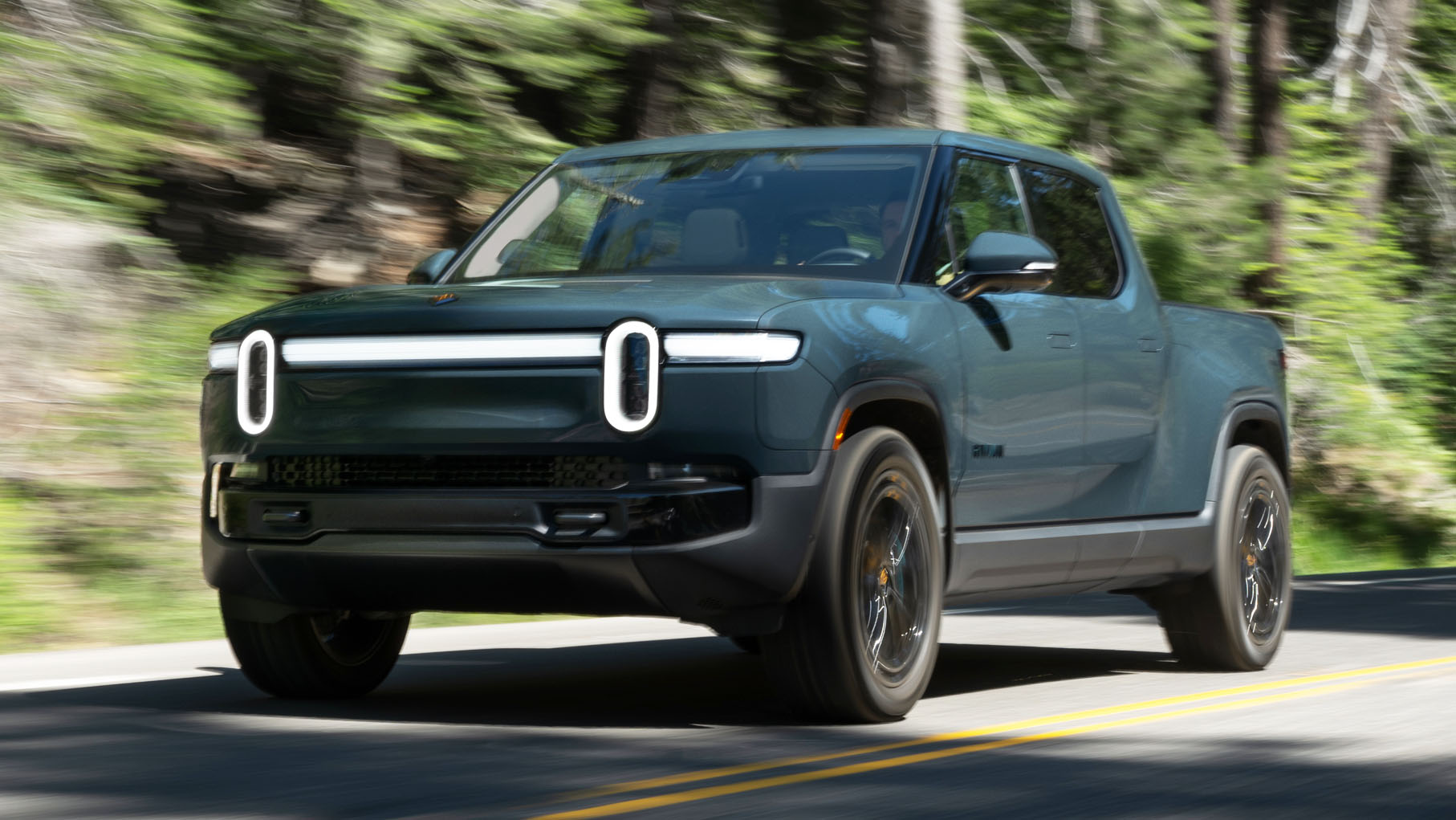
Power varies substantially because Rivian offers several motor configurations. A representative Dual-Motor R1T provides the following specifications:
- Engine type: Dual electric motors, all-wheel drive
- Torque: More than approximately 610 lb-ft
- Horsepower: Approximately 533 hp
- Length: Approximately 217.1 inches
- Width: Approximately 82.0 inches with mirrors folded
The physical truck remains intact. What changes is the account-controlled layer surrounding connectivity, entertainment, and certain remote services.
Used buyers should therefore determine which functions are permanently included and which ones require Connect+ before agreeing on the price.
4. Rivian R1S
The Rivian R1S uses essentially the same software-first ownership model as the R1T, so a second owner can encounter the same subscription reset even though the SUV itself has not changed mechanically. This is particularly relevant to Connect+, Rivian’s optional premium connectivity package.
Connect+ supplements the vehicle’s basic connectivity with additional internet-dependent capabilities. These can include enhanced media services, hotspot functionality, connected entertainment, and selected remote-access functions. Separate subscriptions may still be necessary for individual entertainment providers.
The key issue is that when ownership transfers, the seller’s subscription services can terminate. The new owner therefore cannot simply assume that the original owner’s paid subscription period becomes a permanent part of the vehicle.
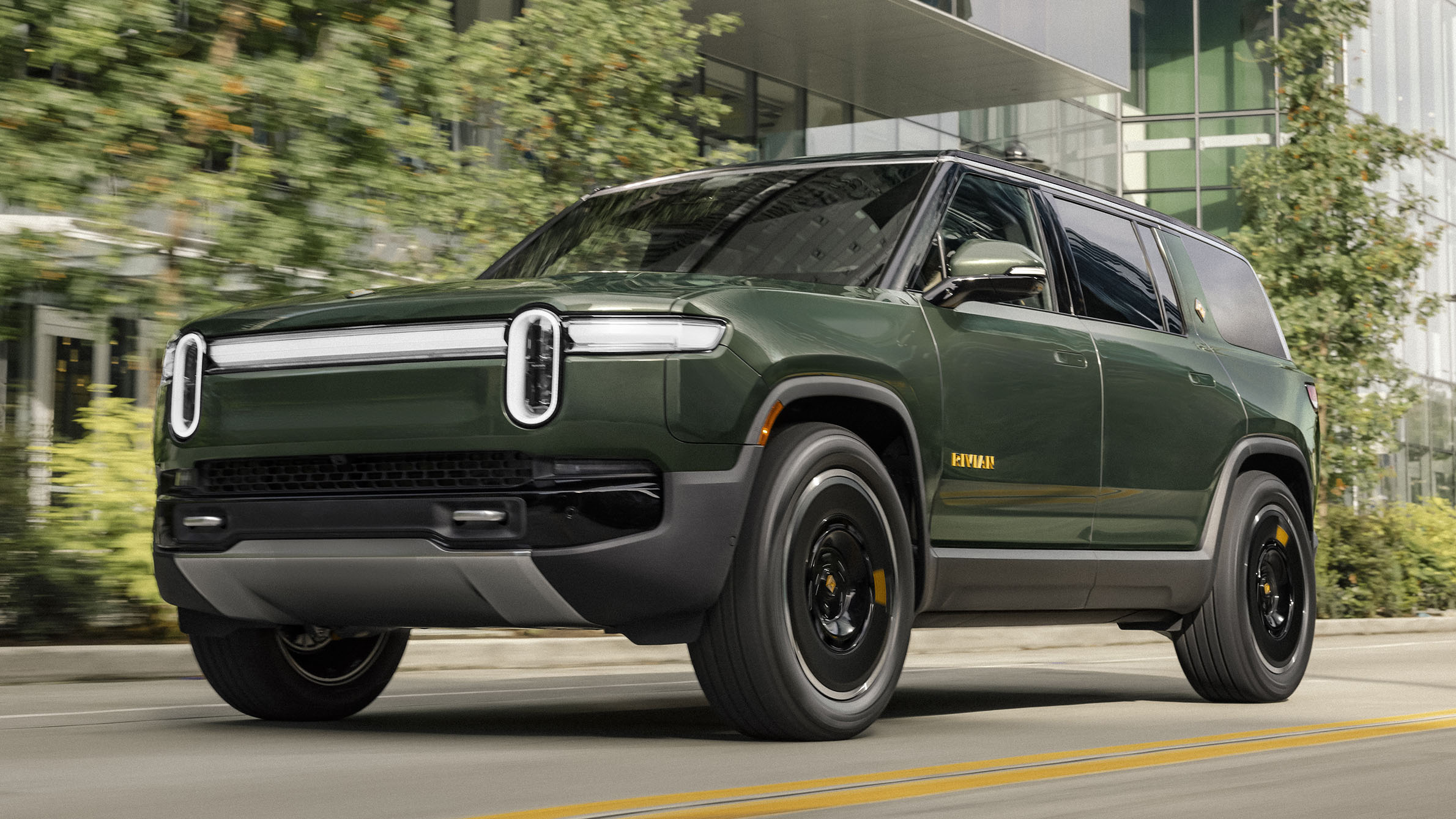
Rivian also recommends clearing personal information before the sale, while the official ownership-transfer process removes the seller’s access and gives control to the purchaser. That is valuable from a privacy standpoint but reinforces the distinction between vehicle-bound equipment and account-bound functions.
- Engine type: Dual electric motors, all-wheel drive
- Torque: More than approximately 610 lb-ft
- Horsepower: Approximately 533 hp
- Length: Approximately 200.8 inches
- Width: Approximately 82.0 inches with mirrors folded
A buyer should therefore price a used R1S assuming the seller’s paid connectivity subscription will not automatically accompany it.
The fundamental driving experience remains. The buyer simply needs to account for possible recurring costs if they want to restore all of the connected features demonstrated by the previous owner.
5. Volkswagen ID.4
The Volkswagen ID.4 demonstrates another kind of disappearing used-EV benefit: charging promotions and related account features. Depending on the model year, new ID.4 buyers have received different Electrify America packages. A used buyer should never assume that unused charging benefits shown on an original window sticker remain with the vehicle.
The critical distinction is that the ID.4 itself does not lose DC fast-charging capability. Its charging port, battery-management system, and ability to use compatible public DC chargers remain. What may disappear is a promotional charging plan or original-owner entitlement used to make those charging sessions less expensive or more convenient.
This distinction is particularly important with Plug&Charge arrangements associated with promotional Electrify America packages. Depending on the model year and plan terms, those benefits can be restricted to the original owner. A second buyer may therefore need their own charging-network account and payment method rather than receiving whatever complimentary plan was supplied when the ID.4 was new.
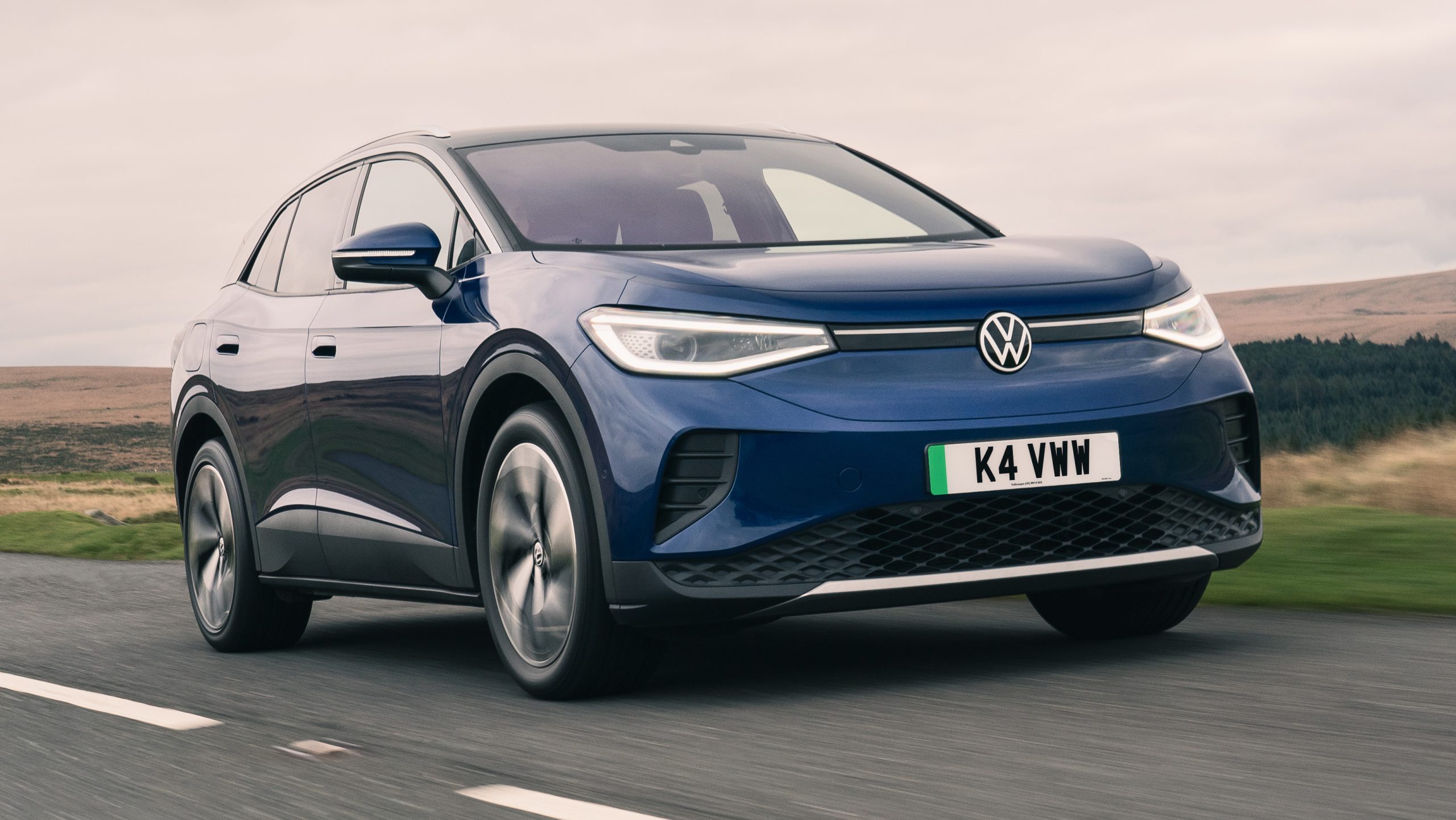
From the 2024 model year onward, larger-battery rear-wheel-drive ID.4 versions use Volkswagen’s newer APP 550 permanent-magnet electric motor.
- Engine type: Rear permanent-magnet synchronous electric motor
- Torque: Approximately 402 lb-ft
- Horsepower: Approximately 282 hp
- Length: Approximately 180.5 inches
- Width: Approximately 72.9 inches without mirrors
The same basic rear motor can also form part of higher-output all-wheel-drive configurations.
The takeaway is straightforward: buying an ID.4 means buying the vehicle, but not necessarily every original-owner charging incentive that appeared on its new-car paperwork.
Used shoppers should value the car based on its permanent equipment rather than assuming free charging or promotional network benefits remain active.
Also read: 5 EVs With Honest Range Estimates vs. 5 EVs With Optimistic Ones
6. Volkswagen ID. Buzz
The Volkswagen ID. Buzz makes the same issue especially important because a lightly used example may still appear almost new. A buyer might reasonably expect all of the original purchase benefits to remain, but promotional charging programs are often governed by separate terms rather than by the vehicle’s remaining warranty.
The ID. Buzz has been offered with Electrify America charging benefits and Plug&Charge-related functionality for eligible original buyers. Those arrangements should be checked carefully before buying secondhand. Even if the van has only covered a few thousand miles, a benefit provided specifically to the original purchaser is not automatically equivalent to permanent equipment.
Losing the promotional arrangement does not mean the ID. Buzz loses its ability to fast-charge. It still has the necessary high-voltage battery and DC charging hardware. Instead, the second owner may need to establish their own charging-network account and pay ordinary rates.
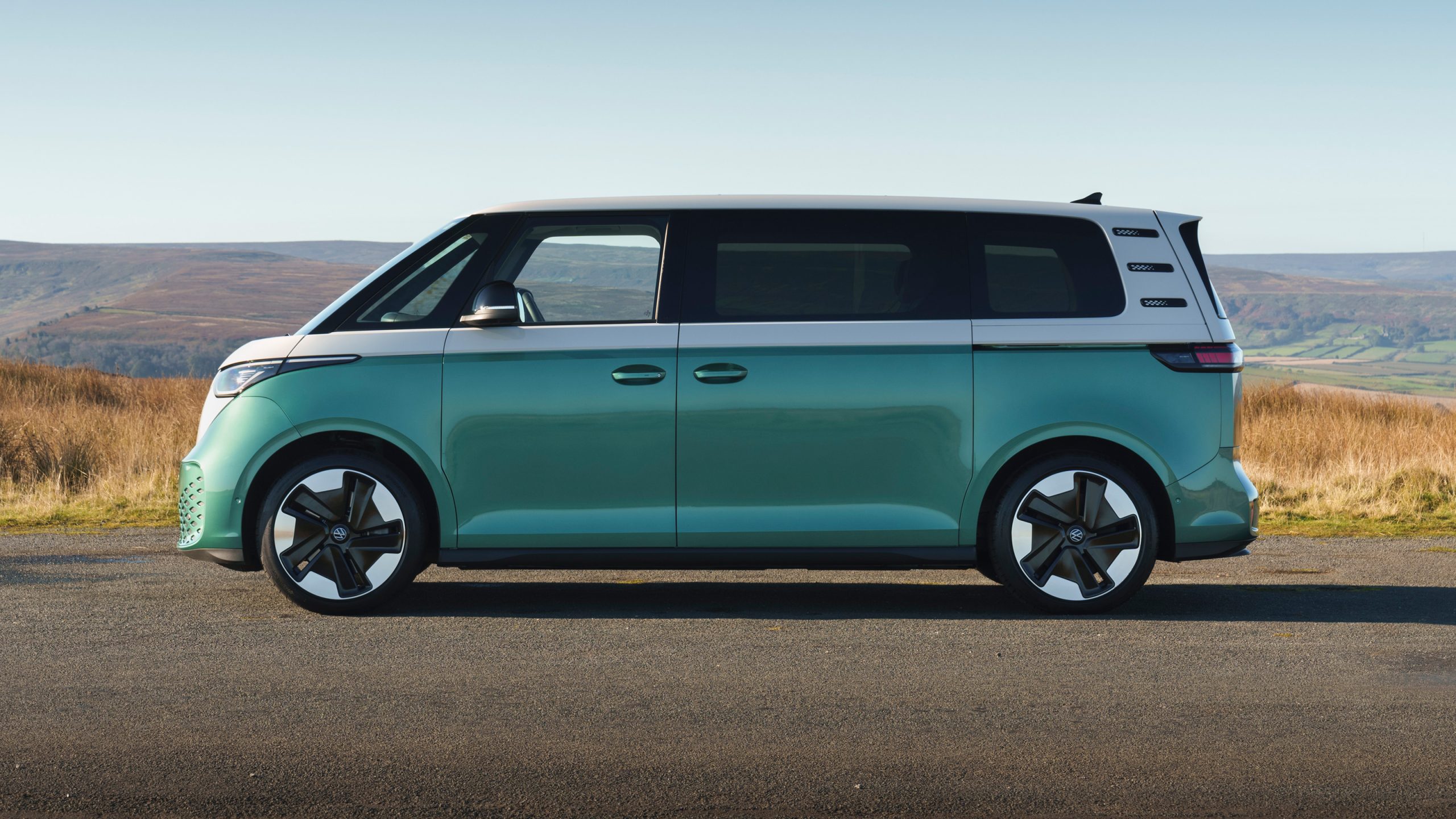
That makes the issue primarily one of ownership cost and convenience rather than basic vehicle usability.
- Engine type: Rear permanent-magnet synchronous electric motor
- Torque: Approximately 413 lb-ft
- Horsepower: Approximately 282 hp
- Length: Approximately 195.4 inches
- Width: Approximately 78.1 inches without mirrors
All-wheel-drive versions use an additional front motor and offer higher total output, so buyers should verify the specific version being considered.
Used buyers should place little or no monetary value on the original owner’s remaining complimentary charging unless its transferability has been confirmed.
The van itself remains highly functional. The benefit that disappears is the promotional ecosystem surrounding its public charging.
7. Audi e-tron GT
A used Audi e-tron GT still provides serious performance regardless of who owns it, but promotional and connected benefits require separate investigation. Audi has historically combined selected new EVs with Electrify America charging offers, making those programs part of the new-car ownership experience without necessarily making them permanent equipment.
This distinction matters because the e-tron GT’s charging hardware remains fully usable after resale. The vehicle can continue to use compatible high-powered DC charging stations. However, any complimentary energy allocation or promotional account benefit supplied with the original purchase may have separate eligibility conditions.
Used shoppers therefore should not treat a statement such as “includes free Electrify America charging” on the original window sticker as proof that the benefit remains available. Charging credits can have expiration dates and ownership restrictions.
A buyer should calculate ownership costs using ordinary paid charging unless transferability of the specific package has been verified.
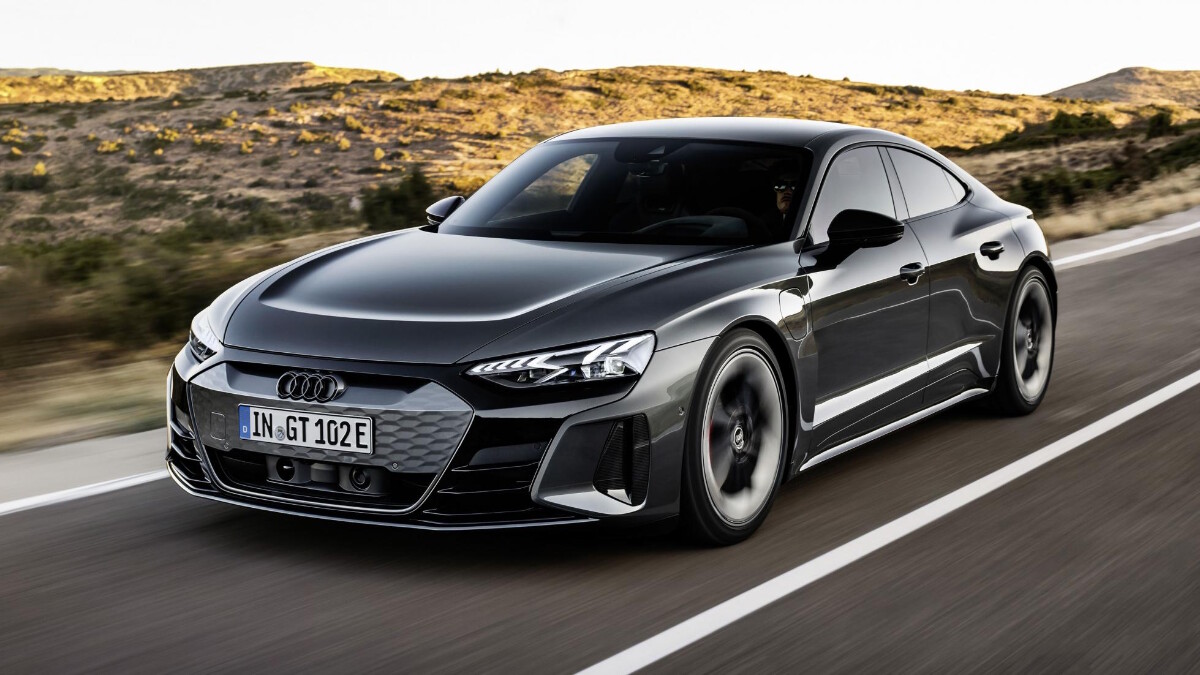
Performance differs substantially by model year. Newer S e-tron GT versions produce significantly more power than early examples.
- Engine type: Dual electric motors, quattro all-wheel drive
- Torque: Approximately 612 lb-ft
- Horsepower: Up to approximately 670 hp
- Length: Approximately 196.1 inches
- Width: Approximately 77.3 inches without mirrors
Higher-performance RS e-tron GT models can produce substantially more power.
The disappearing “feature” here is generally not horsepower, charging speed, or drivetrain hardware. It is the financial and connected-service benefit surrounding the car.
That distinction is crucial because a relatively inexpensive used luxury EV can become noticeably more expensive to operate once promotional charging disappears.
8. Audi Q8 e-tron
The Audi Q8 e-tron presents a similar issue in a more practical SUV package. Audi supplied certain Q8 e-tron model years with complimentary Electrify America fast-charging benefits and related charging convenience. Those programs are valuable to someone regularly using public DC charging, but they should not be treated the same way as permanent vehicle equipment.
A used Q8 e-tron does not suddenly become incapable of rapid charging. The onboard electronics, battery system, and DC fast-charging interface remain with the SUV. The problem is that complimentary charging or special account-based arrangements supplied to the original buyer can have different ownership rules.
Consequently, the price comparison between two used Q8 e-trons should focus on permanent specifications rather than the charging deal advertised when the vehicle was originally sold.
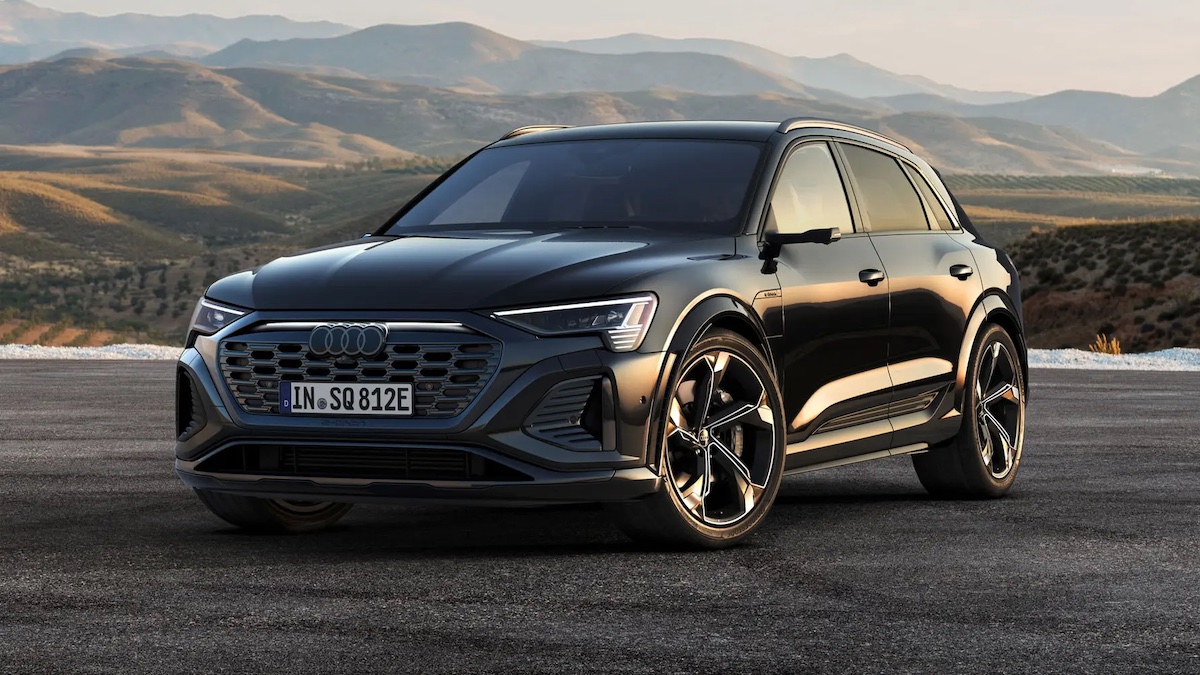
A salesperson may correctly say that a certain model year originally included free charging, while a second owner may still have no right to use the remaining promotional allowance.
- Engine type: Dual electric motors, quattro all-wheel drive
- Torque: Approximately 490 lb-ft
- Horsepower: Up to approximately 402 hp with boost
- Length: Approximately 193.5 inches
- Width: Approximately 76.3 inches without mirrors
More powerful SQ8 e-tron models use a higher-output three-motor arrangement and produce significantly greater performance.
The vehicle’s motors and charging hardware remain exactly where they were. What a used buyer can lose is the free or discounted ecosystem around them.
This is why buyers should request the exact charging-plan status for the specific vehicle rather than relying on the original brochure or window sticker.
9. Mercedes-Benz EQS Sedan
The Mercedes-Benz EQS takes the software issue further because some capabilities can exist as Digital Extras rather than purely mechanical options. That makes a used EQS particularly important to inspect through both its physical equipment list and its Mercedes-Benz account status.
Unlike a simple nontransferable charging promotion, the Mercedes situation can be nuanced. Some Digital Extras may have fixed activation periods, while others may have different terms. Therefore, an EQS can possess all of the physical hardware required for a feature while access to the enhanced software-controlled capability depends on whether the relevant service remains active.
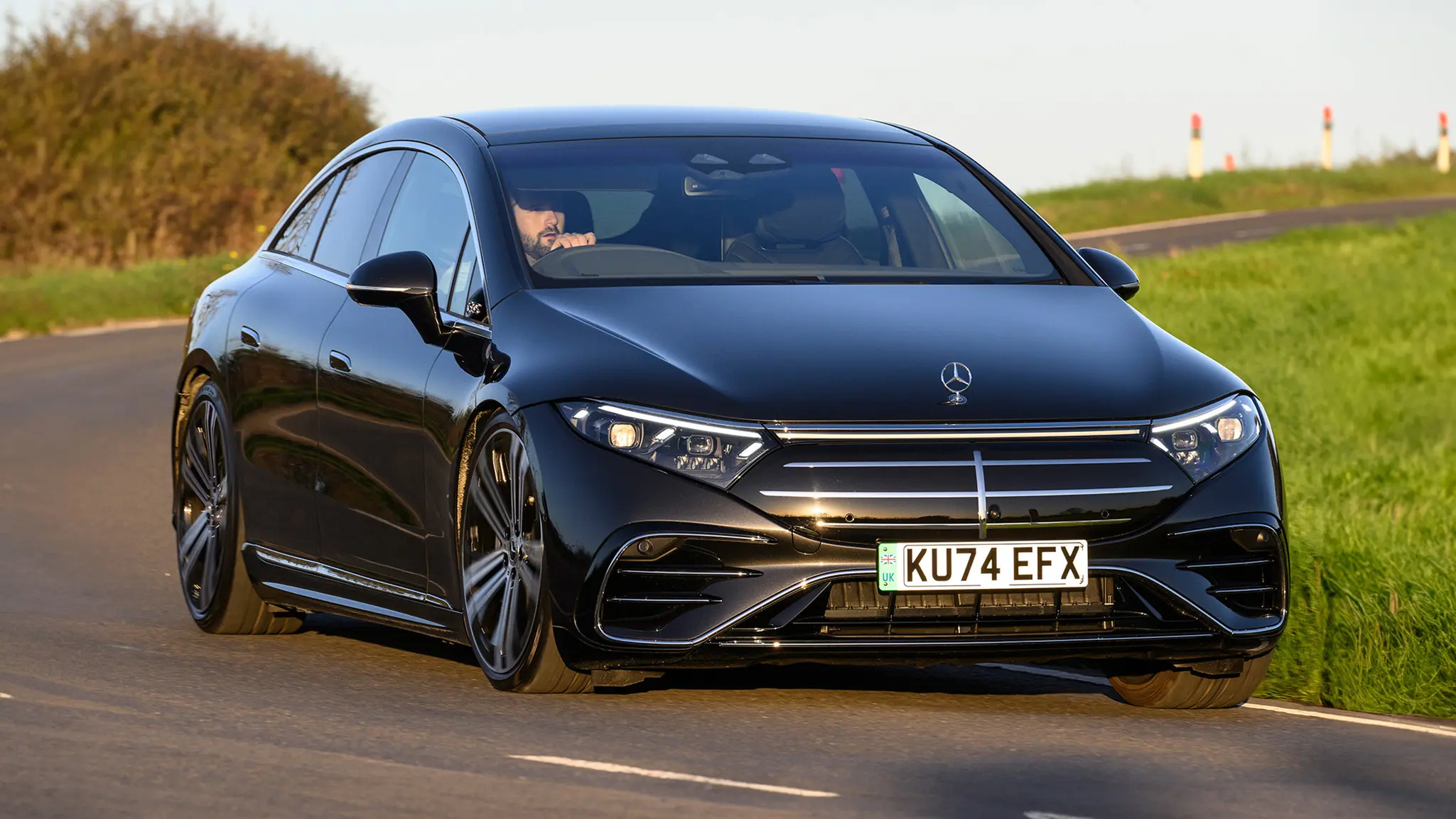
This matters with technologies such as connected services and certain software-enhanced vehicle functions. A second owner should verify precisely which options are permanently attached to the vehicle, which have an expiration date, and which need to be activated under the purchaser’s own Mercedes-Benz account.
- Engine type: Permanently excited synchronous electric motor
- Torque: Approximately 419 lb-ft
- Horsepower: Approximately 355 hp
- Length: Approximately 205.4 inches
- Width: Approximately 75.8 inches without mirrors
Dual-motor 4MATIC versions produce more power and torque, so specifications can vary considerably depending on trim.
An EQS can therefore physically look fully optioned while some software-related services are approaching expiration.
Used buyers should ask for an itemized Digital Extras screen rather than accepting “fully loaded” as a complete description.
This is especially important because software-controlled functionality can significantly affect the luxury experience even though the drivetrain itself remains unaffected.
10. Kia EV6
The Kia EV6 demonstrates why different benefits attached to the same electric car can follow completely different resale rules. Complimentary charging, connected services, permanent drivetrain equipment, and owner-account functions should all be evaluated separately.
The most obvious potential loss concerns new-car charging promotions. These incentives can provide a useful amount of complimentary public charging to the first owner, but an unused portion should not automatically be assumed to accompany the vehicle when it enters the secondhand market.
The EV6 itself still retains its excellent 800-volt-class charging architecture and physical DC fast-charging capability. A buyer can continue using compatible public fast chargers, but without an applicable promotional plan, charging will be billed under whatever network account or pricing arrangement the new owner uses.
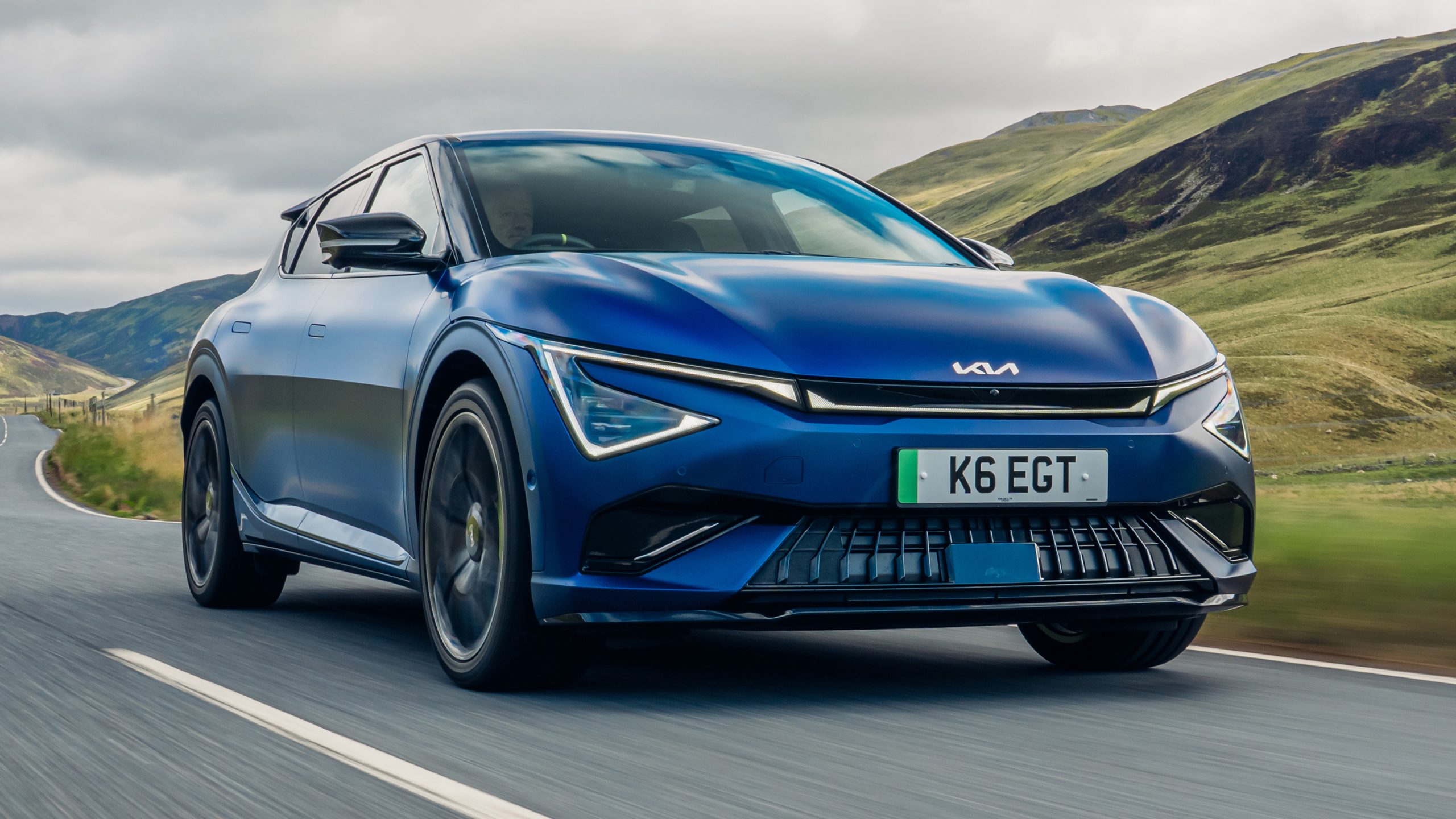
Connected-car services are a separate matter and can have their own periods and transfer rules. This makes the EV6 a good example of why “feature transferability” cannot be answered with one blanket yes or no. Buyers need to examine each digital entitlement separately.
- Engine type: Permanent-magnet synchronous electric motor
- Torque: Approximately 258 lb-ft
- Horsepower: Approximately 225 hp
- Length: Approximately 184.8 inches
- Width: Approximately 74.0 inches
All-wheel-drive models use dual motors and provide considerably more power, while EV6 GT versions sit at the top of the performance range.
For a secondhand buyer, however, the key question is not simply how powerful the EV6 is. It is which services, charging incentives, and connected features remain after the vehicle is registered to a new owner.
That simple check can prevent a buyer from paying extra for benefits that belonged only to the person who originally purchased the car.
Also read: 5 EVs That Make Sense In Cold Weather And 5 That Don’t Belong In Canada