
Electric vehicles promise a straightforward relationship between battery size and driving range. In practice, that relationship has become murkier than most buyers realize.
Automakers increasingly use software, not hardware, to define how far a car can actually travel on a single charge. The physical battery pack sitting under the floor is often larger than what the dashboard allows a driver to use.
Sometimes this is a cost-saving measure, letting a company build one battery and sell it under multiple trim names. Other times it’s a safety response, throttling capacity after a recall to reduce fire risk. And occasionally, it’s simply a business decision, holding back performance or range until a customer pays an unlock fee. Tesla popularized this approach more than a decade ago, and it has repeated the practice across several vehicle lines since.
But it isn’t alone. Rivian, BMW, General Motors, and others have each used firmware, not chemistry, to draw the line between what a battery can do and what a driver is permitted to use. Below are eight real-world examples of EVs where software, rather than hardware, has been the limiting factor on range.
1. Tesla Model S Standard Range
The practice of restricting electric vehicle driving range through software rather than physical limitations has become an intriguing trend in the modern automotive industry.
Automakers frequently utilize identical hardware across multiple trim levels to streamline manufacturing, relying on digital barriers to differentiate pricing tiers.
This strategy is vividly exemplified by the Tesla Model S Standard Range. When Tesla introduced this lower-cost variant, the vehicle looked identical to its more expensive sibling inside and out.
However, the battery management system concealed a major catch: the car utilized the exact same physical battery pack as the Long Range trim, with roughly 21 percent of its total capacity locked away purely by code.
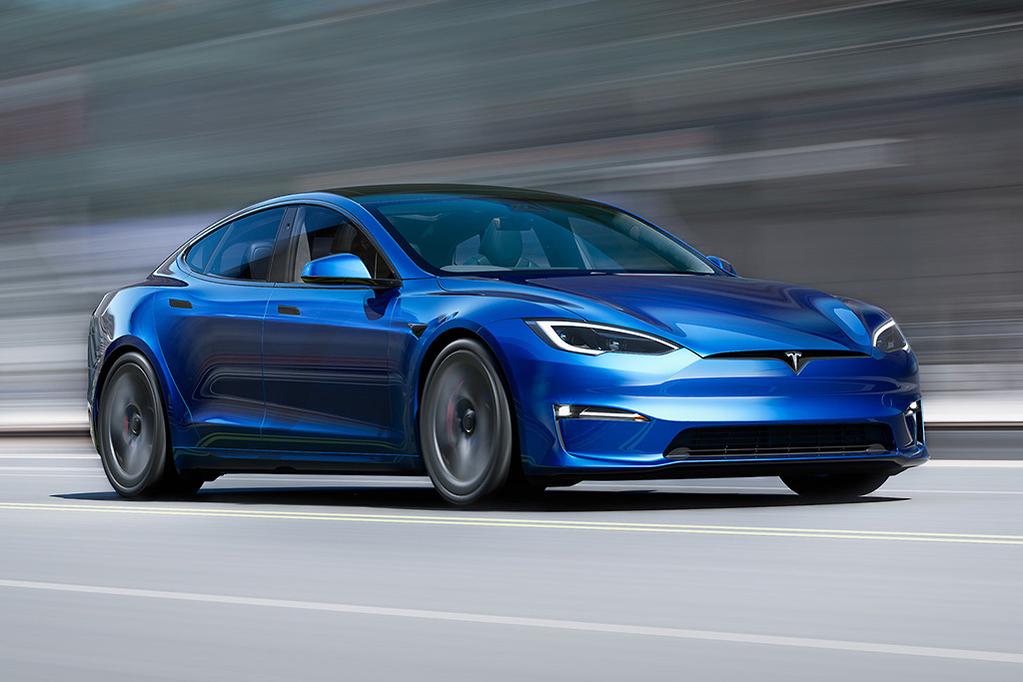
While the uncapped version delivered over 400 miles of driving distance, the software-restricted model capped owners at a noticeably lower threshold.
This approach forces drivers to haul the physical weight of a massive, heavy battery pack without gaining the benefit of its full energy storage. Consequently, owners pay an ongoing efficiency penalty, dragging around dead weight that consumes extra energy for no functional return.
Furthermore, this method transforms driving range into a flexible digital subscription or business lever rather than a fixed physical asset. Tesla’s historical ability to temporarily unlock full battery capacities remotely during regional emergencies such as hurricanes demonstrates that the limitation is entirely a choice of software architecture rather than a hardware constraint.
Software-locked ranges highlight a shifting paradigm where car ownership intersects heavily with digital rights, leaving consumers to weigh the upfront savings against the hidden inefficiencies of restricted potential.
Specifications:
- Engine: Dual Motor, All-Wheel Drive
- Horsepower: Approximately 670 hp |
- Torque: Approximately 723 lb-ft
- Length: 197.7 in
- Width: 77.3 in
2. Tesla Model X Standard Range
The software-locking strategy extended seamlessly to Tesla’s flagship sport utility vehicle, mirroring the approach taken with its sedan counterpart.
When the Tesla Model X Standard Range debuted alongside the Model S variant, it utilized the exact same physical battery pack as the Long Range trim. Digital barriers governed how much of that energy the driver could actually access.
This software limitation created a distinct performance and efficiency penalty. The restricted model delivered a significantly reduced driving range compared to the uncapped version, while its acceleration times suffered by roughly half a second in the zero-to-sixty sprint.
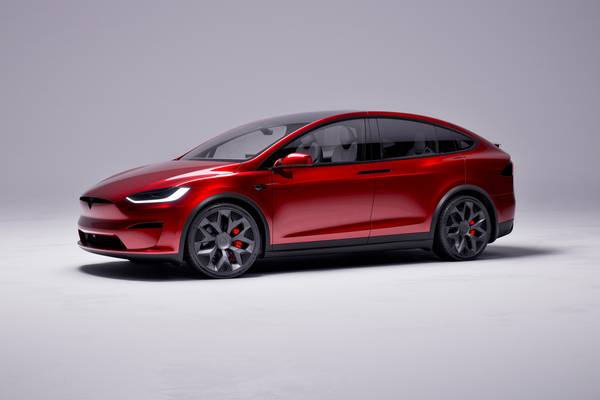
Because the vehicle carried the exact same heavy battery architecture underneath the floor, customers were essentially forced to drag around unused battery mass. This dead weight degraded efficiency without delivering any corresponding travel distance.
Beyond consumer efficiency losses, this manufacturing method raises questions about resource allocation. Pouring scarce battery materials into a massive pack that is digitally throttled means those materials could have theoretically constructed entirely separate, smaller cells for genuinely affordable vehicles. Instead, streamlining factory assembly lines took precedence over hardware efficiency.
Buyers purchasing the Standard Range trim found themselves paying a premium that functioned less like physical upgrades and more like a firmware permission slip. The underlying hardware remained identical, turning software code into the ultimate divider between trim levels.
Specifications:
- Engine: Dual Motor, All-Wheel Drive
- Horsepower: Approximately 670 hp |
- Torque: Approximately 713 lb-ft
- Length: 198.3 in
- Width: 81.5 in (mirrors included)
3. Tesla Model 3 Standard Range Plus (“Model 3 55”)
Long before bringing software-locked capacities to its flagship vehicles, Tesla used the Model 3 Standard Range Plus, informally known as the “Model 3 55,” to test this exact strategy. In 2019, a limited batch of these vehicles hit the market equipped with software-restricted battery packs.
While higher trims leveraged a massive capacity, these special-order units had their usable energy tightly capped by code. Dedicated forum communities spent years analyzing the hardware to uncover how much energy was sitting idle beneath the floorboards.
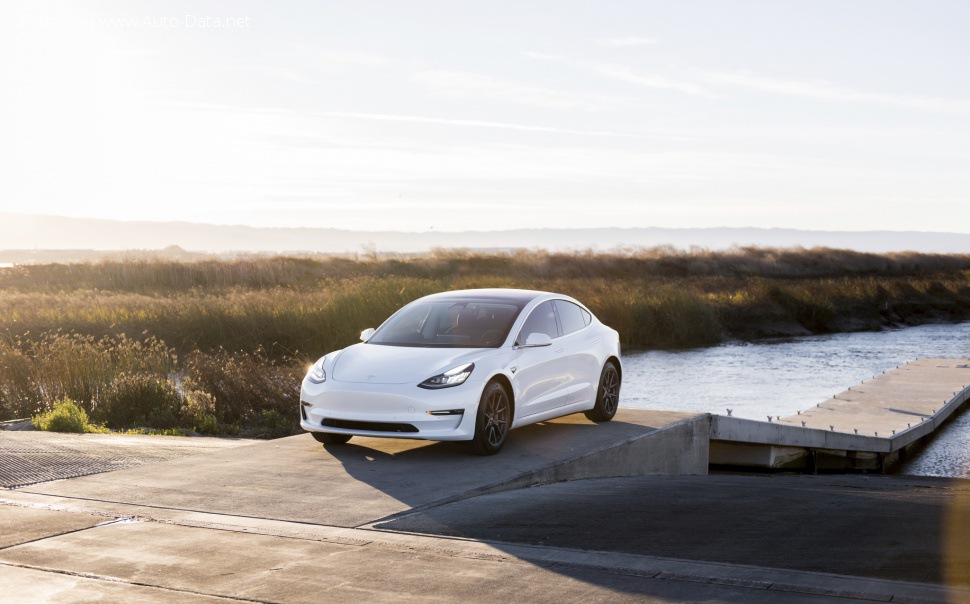
Cell-count analysis later revealed these specific units utilized a distinct number of physical cells, showing that manufacturing configurations could vary slightly even as software took center stage for differentiation.
Despite the minor hardware variances, this early experiment established the template Tesla would later refine for its more expensive sedan and SUV lineups. By building vehicles around a unified architectural concept and using firmware to define trim levels, the automaker drastically simplified its supply chain.
This foundational step proved that driving range could be treated as a flexible configuration choice rather than a strict physical limit. It paved the way for a future where software updates dictate vehicle capabilities, transforming how manufacturers package battery technology across different price points.
Specifications:
- Engine: Single Motor, Rear-Wheel Drive
- Horsepower: Approximately 283 hp | Torque: Approximately 330 lb-ft
- Length: 184.8 in
- Width: 72.8 in
4. Rivian R1S and R1T “Large+” Pack
When supply chain constraints threatened delivery timelines for its high-end vehicles, Rivian turned to digital restrictions to keep production moving.
Faced with shortages for its largest energy storage options, the company adopted a clever workaround for the Rivian R1S and R1T “Large+” Pack.
Rather than delaying customer deliveries, Rivian began shipping vehicles equipped with the physical hardware of its massive Max Pack battery, but software-locked the usable capacity down to a lower tier.
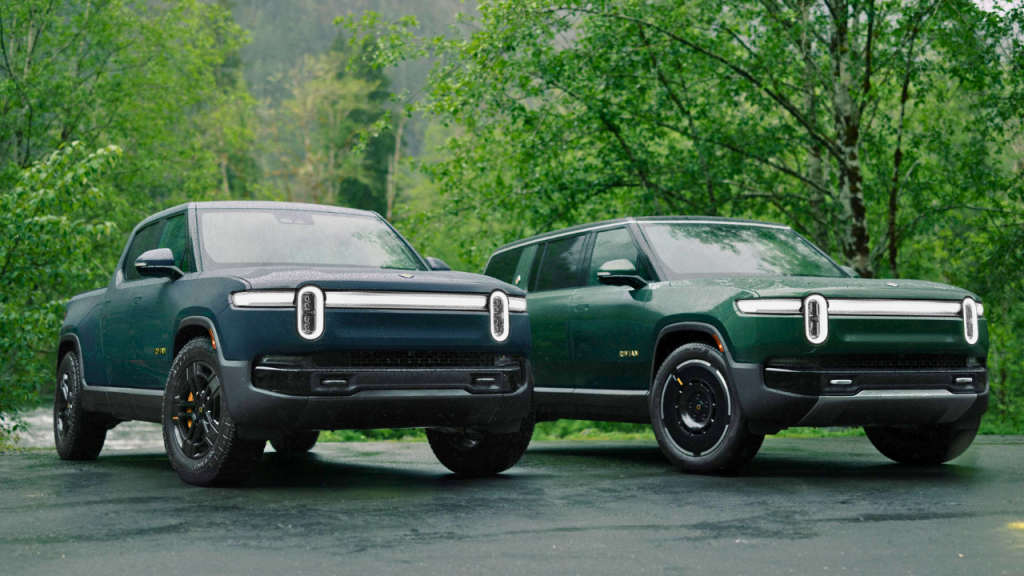
This approach allowed the manufacturer to bypass cell shortages while keeping factory lines active. Customers essentially received the heavier, larger physical battery without being granted full access to its capabilities.
Unlike brands that use software limitations strictly as a permanent tiered pricing strategy, Rivian’s implementation stemmed primarily from parts availability and manufacturing expediency.
However, the arrangement shares a similar drawback: owners unknowingly haul around excess battery mass, paying an efficiency penalty without gaining extra travel distance.
This hardware-sharing workaround also opens the door for future software monetization. Rivian has kept the possibility open of offering the remaining energy capacity as a paid digital upgrade later down the road, once supply chains normalize.
It demonstrates how modern automotive logistics increasingly rely on code to solve physical supply constraints, turning extra battery cells into a dormant asset until the buyer pays to unlock them.
Specifications:
- Engine: Dual or Quad Motor, All-Wheel Drive
- Horsepower: Approximately 835 hp | Torque: Approximately 908 lb-ft
- Length: 217.1 in (R1T)
- Width: 79.3 in (81.9 in with mirrors)
Also Read: 9 Ways a Car Contradicts Its Owner After a Crash
5. Tesla Model Y RWD With CATL LFP Battery
The intersection of automotive engineering and software control took a perplexing turn when Tesla deployed a quiet firmware update to specific electric crossover models already in the hands of consumers.
In late 2023, firmware version 2023.38.8 rolled out to select rear-wheel-drive variants equipped with lithium iron phosphate cells supplied by CATL. Following the update, attentive owners and independent researchers quickly realized that usable energy capacity had been reduced without prior warning.
Detailed technical analysis and teardown data shared across enthusiast forums revealed that the battery pack, physically rated between 62 and 64 kWh, was digitally capped to fall below 60 kWh.
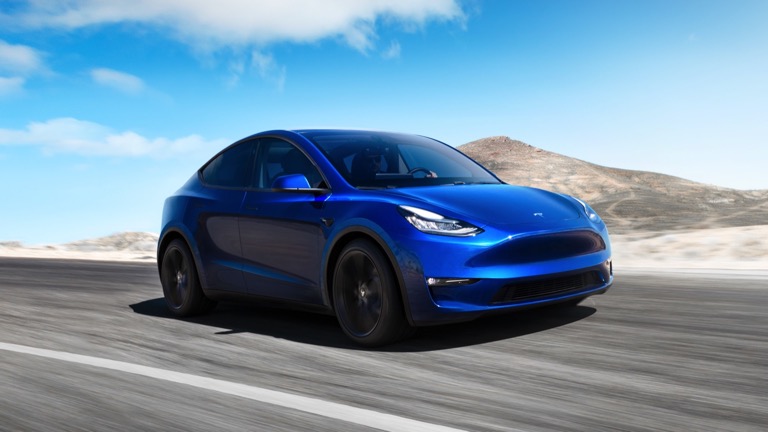
Because Tesla did not widely publicize the adjustment, communities in Germany and other regions had to piece together the capacity reduction by cross-referencing efficiency logs and consumption metrics gathered before and after the software installation.
Owners reported losing roughly two kWh of usable capacity, with the impact varying based on factory wheel configurations. Vehicles equipped with larger 20-inch wheels appeared to have the update applied more aggressively, translating into a measurable, albeit modest, reduction in real-world driving range.
Unlike previous instances where software restrictions were utilized upfront to differentiate between trim levels, this post-purchase modification arrived with no clear public explanation.
The lack of transparency fueled widespread speculation within the owner community. Theories ranged from aggressive battery degradation management designed to prolong cell longevity to subtle marketing segmentation aimed at distinguishing the affordable lithium iron phosphate variant from higher-tier nickel-based configurations.
This quiet update highlighted the unique vulnerabilities of modern vehicle ownership. When physical hardware can be altered remotely via code overnight, drivers lose a degree of predictability regarding the exact capabilities of the asset parked in their driveway, leaving them to go through the opaque decisions of automakers from afar.
Specifications:
- Engine: Single Motor, Rear-Wheel Drive
- Horsepower: Approximately 271 hp | Torque: Approximately 247 lb-ft
- Length: 187.0 in
- Width: 75.6 in
6. BMW i3 With Range Extender (REx)
The intersection of automotive regulation and digital engineering produced one of the most unconventional software restrictions in early electric vehicle history with the BMW i3 Range Extender variant.
Designed to alleviate range anxiety, the i3 REx paired a primary electric motor with a small two-cylinder gasoline generator. While the physical fuel tank in European markets held roughly 2.4 gallons, American models shipped with the exact same physical hardware yet suffered a software-induced restriction that capped usable fuel capacity at about 1.9 gallons.
This disparity did not stem from mechanical limitations, but rather from the stringent rules enforced by the California Air Resources Board regarding zero-emission vehicles.
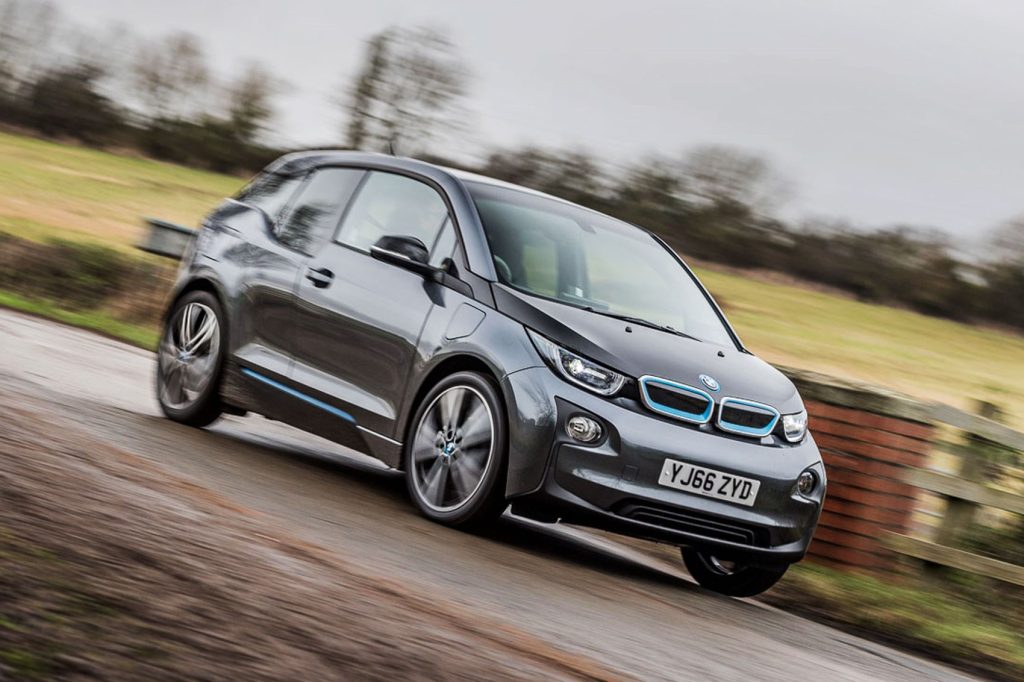
To qualify for specific regulatory credits, the vehicle’s electric driving range had to exceed its gasoline-extended range by a wide margin. Rather than engineering a larger battery pack or physically redesigning the fuel system for the North American market, BMW relied on digital boundaries to shrink the accessible fuel capacity by half a gallon.
The regulatory software intervention extended far beyond fuel volume, drastically altering how the car operated on the road. European i3 REx drivers enjoyed the flexibility to manually trigger the gasoline generator whenever the battery state of charge dropped 75 percent below, a crucial feature for maintaining power during steep hill climbs or heavy highway driving.
By contrast, U.S. models were strictly coded to prevent the generator from engaging until the battery was nearly completely depleted, hovering around a precarious six percent charge level.
This low-threshold activation created tangible safety compromises. On long, steep inclines, the small backup generator frequently struggled to sustain highway speeds when forced to kick in at such a critically low energy reserve.
Frustrated owners quickly discovered that the physical hardware was entirely capable of handling these scenarios, but was simply held back by compliance-driven firmware.
Enthusiast communities and specialized coding shops documented how third-party software tools could easily reverse the digital restrictions. By modifying the vehicle’s computer, owners could unlock the missing half-gallon of fuel capacity and restore manual control over the generator’s trigger point, proving that the constraints were never permanent mechanical barriers.
Specifications:
- Engine: 0.65-liter two-cylinder range extender plus electric motor
- Horsepower: 168 hp | Torque: 184 lb-ft
- Length: 157.4 in
- Width: 69.9 in
7. Chevrolet Bolt EV (2019 Recall Software Cap)
After a string of battery fires, General Motors issued a major recall covering 2017-2019 Chevrolet Bolt EVs in late 2020. Rather than immediately replacing every battery, GM used a software fix as an interim measure.
The update instructed owners to limit charging to 90 percent of capacity using the Hilltop Reserve or Target Charge Level modes. On a car EPA-rated at 239 miles, that step alone erased roughly 24 miles of usable range.
Owners were also told to avoid depleting the battery below about 70 miles of remaining range. Combined, those two restrictions shrank the practical usable window of the battery considerably during the recall period.
A later software revision tightened the cap even further, to 80 percent, while also easing some parking restrictions that had barred owners from charging indoors overnight. That trade-off let owners fully deplete the battery again but sacrificed additional range at the top end.
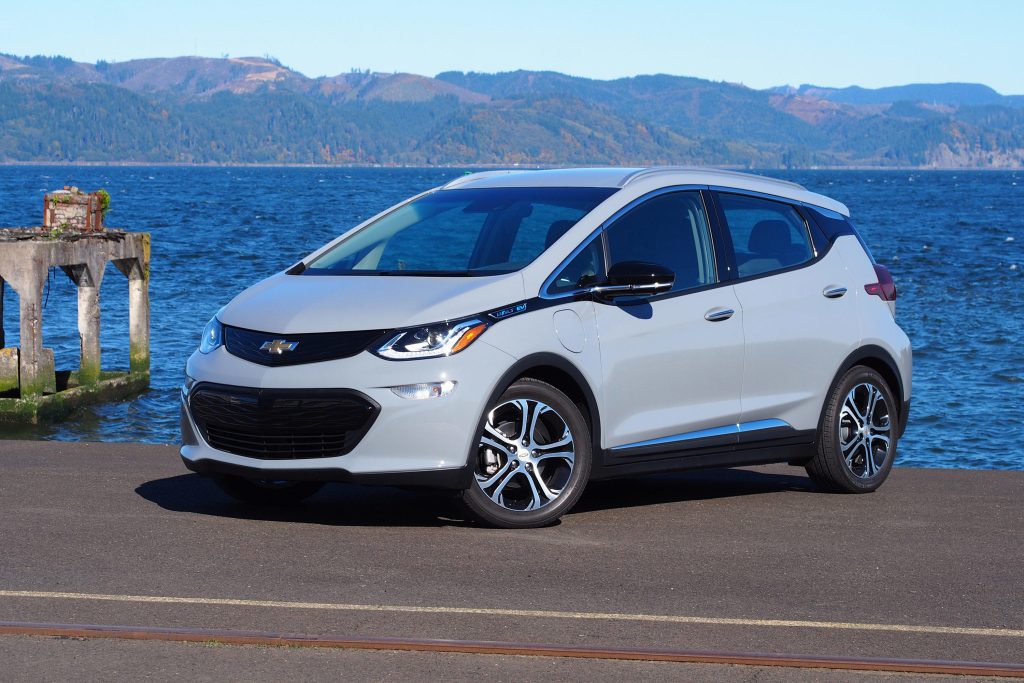
GM eventually replaced battery modules across nearly the entire Bolt fleet as the real fix, a process that stretched across roughly two years. Recurrent, a firm that tracks EV battery health, found that a majority of affected Bolts had received replacements by late 2022.
Green Car Reports and InsideEVs both tracked the saga closely as owners lost meaningful range for months on end. It stands as one of the clearest examples of software range limits imposed for safety rather than pricing or manufacturing convenience.
Specifications:
- Engine: Single Motor, Front-Wheel Drive
- Horsepower: 200 hp | Torque: 266 lb-ft
- Length: 164.0 in
- Width: 69.5 in
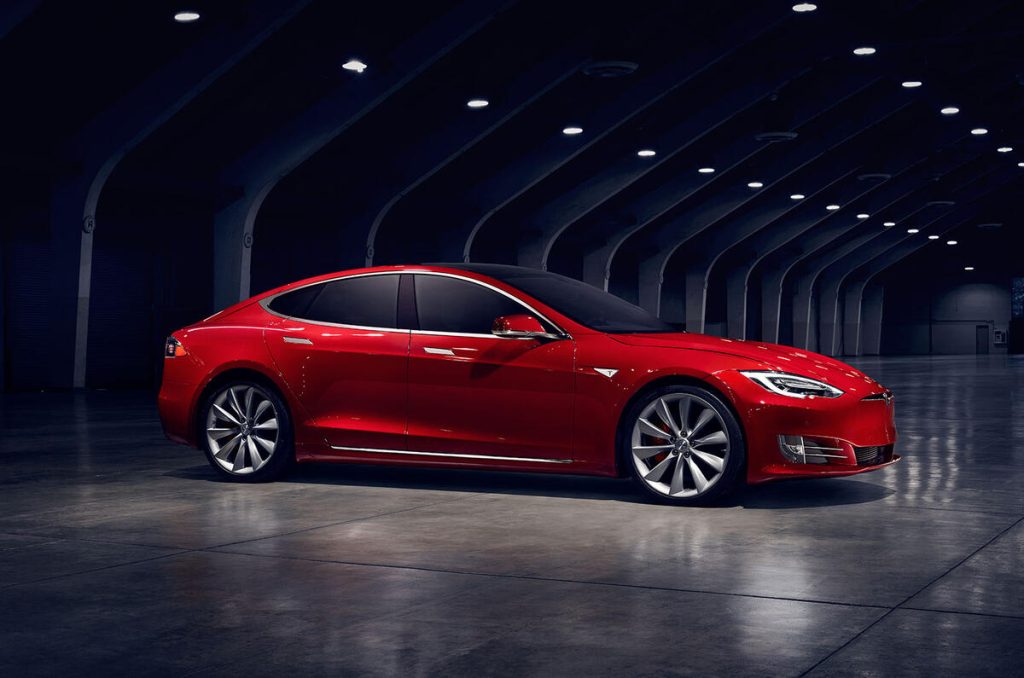
8. Tesla Model S 60 (Early Software-Locked Pack)
Long before the 2023 Standard Range trims, Tesla ran a similar experiment on the original Model S. The Model S 60, sold starting around 2013, used the same 85-kWh pack as pricier trims.
Software capped it down to a usable 60 kWh. Owners could pay to unlock the remaining capacity later, a practice Tesla used for years on this generation of the sedan.
The arrangement drew national attention in 2022, when a Model S 60 owner reported Tesla remotely re-locking his battery. His car had received a warranty-replacement 90-kWh pack years earlier and had been running unlocked, giving him significantly more range than his original purchase entitled him to.
After the software update reapplied the original 60-kWh cap, the owner said he lost around 80 miles of range overnight. Tesla initially quoted roughly $4,500 to restore the access before public backlash on social media led the company to waive the fee entirely.
The episode reignited a broader debate about who truly controls a vehicle once it’s sold. Tesla had, in the past, also demonstrated the flexibility of this system by temporarily unlocking full capacity for owners evacuating hurricane zones in Florida.
It remains one of the most cited examples of software defining a battery’s real-world limits, years before regulators or the public fully grasped how common the practice would become across the industry.
Specifications:
- Engine: Single Motor, Rear-Wheel Drive
- Horsepower: Approximately 302 hp | Torque: Approximately 317 lb-ft
- Length: 196.0 in
- Width: 77.3 in
