
Car ownership comes with plenty of expenses, but not every repair recommended by a workshop is necessary. Many drivers approve work because they are unsure what a warning, noise, or inspection result really means. That uncertainty can turn a simple service visit into a surprisingly expensive bill.
Some repairs are genuinely important, while others may be premature, optional, or based on a misunderstanding of normal vehicle operation. Learning how common car systems work can help owners ask better questions, compare estimates, and avoid paying for work they do not need. Here are ten car repairs that owners commonly pay for unnecessarily.
1. Replacing a Battery When the Battery Is Still Healthy
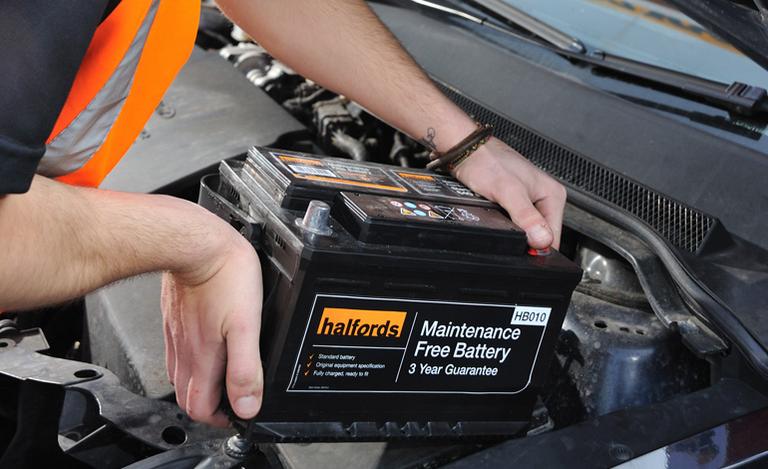
A weak battery can cause starting problems, dim lights, electrical warnings, and strange behavior from modern vehicles. That makes battery replacement a common recommendation whenever a car shows an electrical symptom. The problem is that not every electrical complaint means the battery itself has failed.
A discharged battery may simply need charging, while a starting problem could come from a loose terminal, poor ground connection, charging-system fault, or another electrical issue.
Replacing the battery without testing it first can leave the owner paying for a part that was never the real source of the problem.
A proper battery assessment should consider its condition, charge level, and ability to deliver starting power. A technician can also check whether the alternator is charging correctly. This distinction matters because installing a fresh battery will not solve a charging problem.
The new battery may become discharged again, creating the impression that the replacement battery is defective. Owners should ask what test was performed and what result led to the replacement recommendation. A clear explanation is much more useful than simply hearing that the battery is “old” or “weak.”
Age is relevant, but age alone does not prove failure. Battery life varies according to climate, driving habits, vehicle design, electrical load, and maintenance. A car that makes frequent short trips may place different demands on its battery than a vehicle used for longer journeys.
High temperatures can also affect battery life. This means an older battery deserves attention, but it does not automatically require replacement on a specific date. The right approach is to combine age with actual test results and symptoms. Owners can then decide whether replacement is necessary now or whether continued monitoring makes more sense.
Battery terminals are worth checking before approving replacement. Corrosion, loose connections, or poor contact can interfere with current flow and create symptoms that resemble battery failure. Cleaning and securing a connection may solve the problem at a much lower cost.
The same principle applies to starting faults. If the engine turns slowly, the technician should establish whether the battery, starter, cables, or charging system is responsible.
A diagnostic process should identify the cause rather than simply replacing the most familiar component. The FTC similarly advises consumers to make sure technicians diagnose problems and explain recommended work before approval.
Before paying for a new battery, ask three simple questions: What test shows the battery has failed? Is the alternator charging properly? Have the terminals and connections been inspected? If the answers are clear and the measurements support replacement, buying a battery is sensible.
2. Replacing Brake Components Before They Are Actually Worn Out
Brakes are among the most importmn jhknbhant safety systems in any car, so owners naturally become concerned when a workshop mentions brake wear. That concern can make drivers approve replacements without asking how much usable material remains.
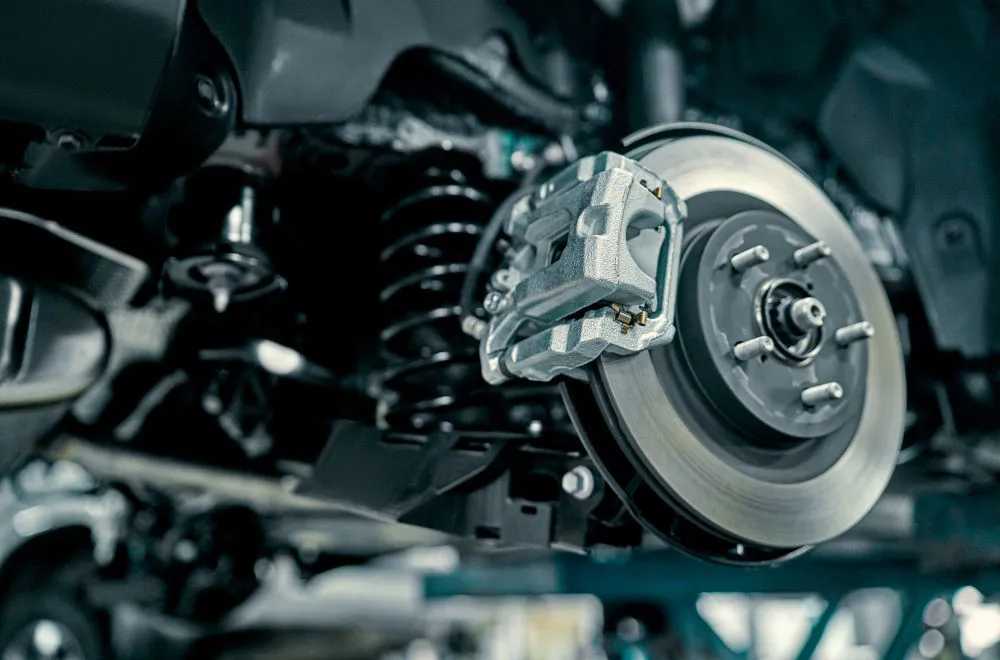
Brake pads and discs are wear components, but they do not necessarily need replacement at the same time or at every service. A technician should inspect them and provide meaningful information about their condition. A recommendation becomes much easier to evaluate when the owner knows the remaining pad thickness, disc condition, and reason for replacement.
Brake pads gradually become thinner as they work against the brake rotor or disc. Their replacement interval depends on driving style, traffic conditions, vehicle weight, road conditions, and the brake system itself. A vehicle used mainly in heavy urban traffic may consume pads faster than a car driven mostly on open roads.
Automatic vehicles can also experience different brake usage depending on driving habits. Because wear rates vary, mileage alone should not determine when brake pads are replaced. Inspection is more useful than a generic rule such as replacing them after a certain number of kilometres.
Brake discs can also be misunderstood. A disc that has visible surface marks is not automatically unusable. Some surface discoloration, light scoring, or normal wear may not justify replacement. The disc should be evaluated according to the manufacturer’s specifications and its actual condition.
Excessive thickness loss, serious damage, significant warping symptoms, cracks, or other defects may justify replacement. A workshop should be able to explain the specific issue rather than simply recommending a complete brake overhaul because the pads need attention. Asking for measurements can turn a vague recommendation into a decision based on evidence.
There are situations where delaying brake work is a bad idea. Grinding noises, a brake pedal that sinks, pulling during braking, warning lights, or obvious loss of braking performance deserve prompt attention. These symptoms can indicate problems that affect safety and should not be ignored.
3. Paying for Wheel Alignment When the Car Does Not Need It
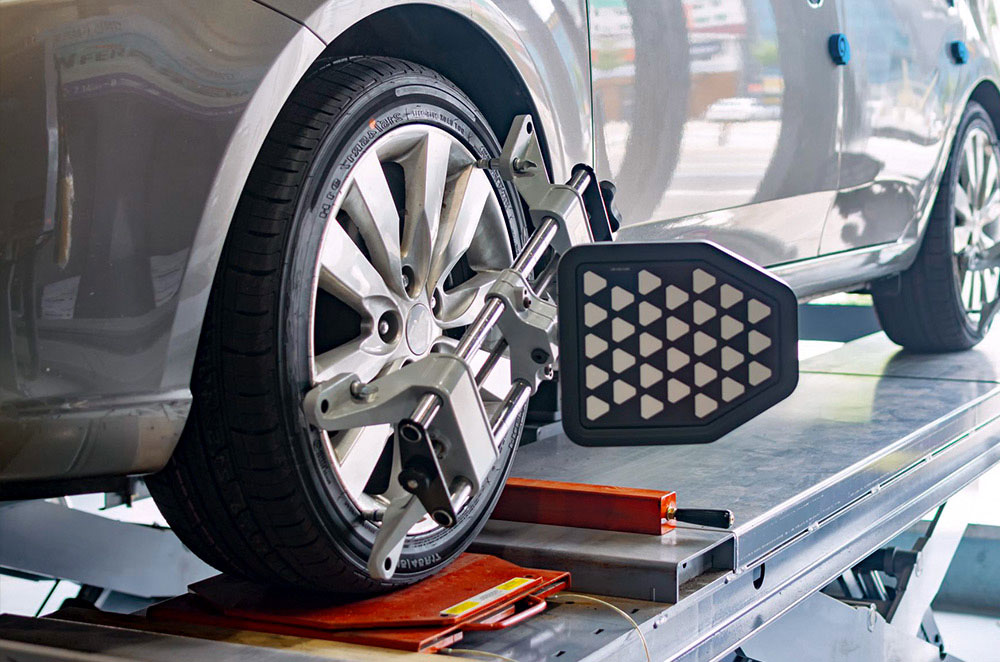
Wheel alignment is useful when a vehicle has alignment problems, uneven tyre wear, steering symptoms, or suspension work that affects wheel geometry. It is not automatically necessary every time the car enters a workshop.
Some service centres recommend alignment as part of routine maintenance, even when the vehicle shows no clear signs of misalignment. Paying for a service that does not address an existing problem adds to ownership costs without necessarily providing a meaningful benefit.
A car that pulls noticeably to one side may need investigation, but even that symptom does not prove that alignment is the cause. Tyre pressure differences, tyre construction, road crown, worn suspension parts, or tyre defects can produce similar behavior.
A proper diagnostic process should identify why the car behaves differently before an alignment is performed. If suspension components are worn, aligning the wheels without addressing the worn part may not solve the underlying issue.
Owners should therefore ask what prompted the alignment recommendation and whether the vehicle’s measurements are actually outside specification.
Uneven tyre wear is another useful clue. If the inner or outer edges of a tyre are wearing faster than the centre, alignment or suspension geometry may deserve inspection. However, incorrect tyre pressure can also contribute to abnormal wear.
Rotating tyres according to the vehicle manufacturer’s recommendations can help manage wear patterns on vehicles where rotation is appropriate.
These details show why tyre condition should be considered alongside alignment rather than treating every tyre issue as proof that an alignment machine needs to be used.
Alignment can be particularly sensible after certain suspension repairs, steering work, or impacts that may alter wheel geometry. Hitting a severe pothole or kerb can also justify checking alignment if the vehicle develops new steering or tyre-wear symptoms.
Indian roads can expose vehicles to potholes and rough surfaces, which makes suspension and tyre inspections worthwhile. The key point is that an inspection and measurement should lead to the recommendation. Owners do not need to reject alignment as a service. They simply need to know why it is being performed.
4. Replacing Suspension Parts Because of a Noise That Has Not Been Diagnosed
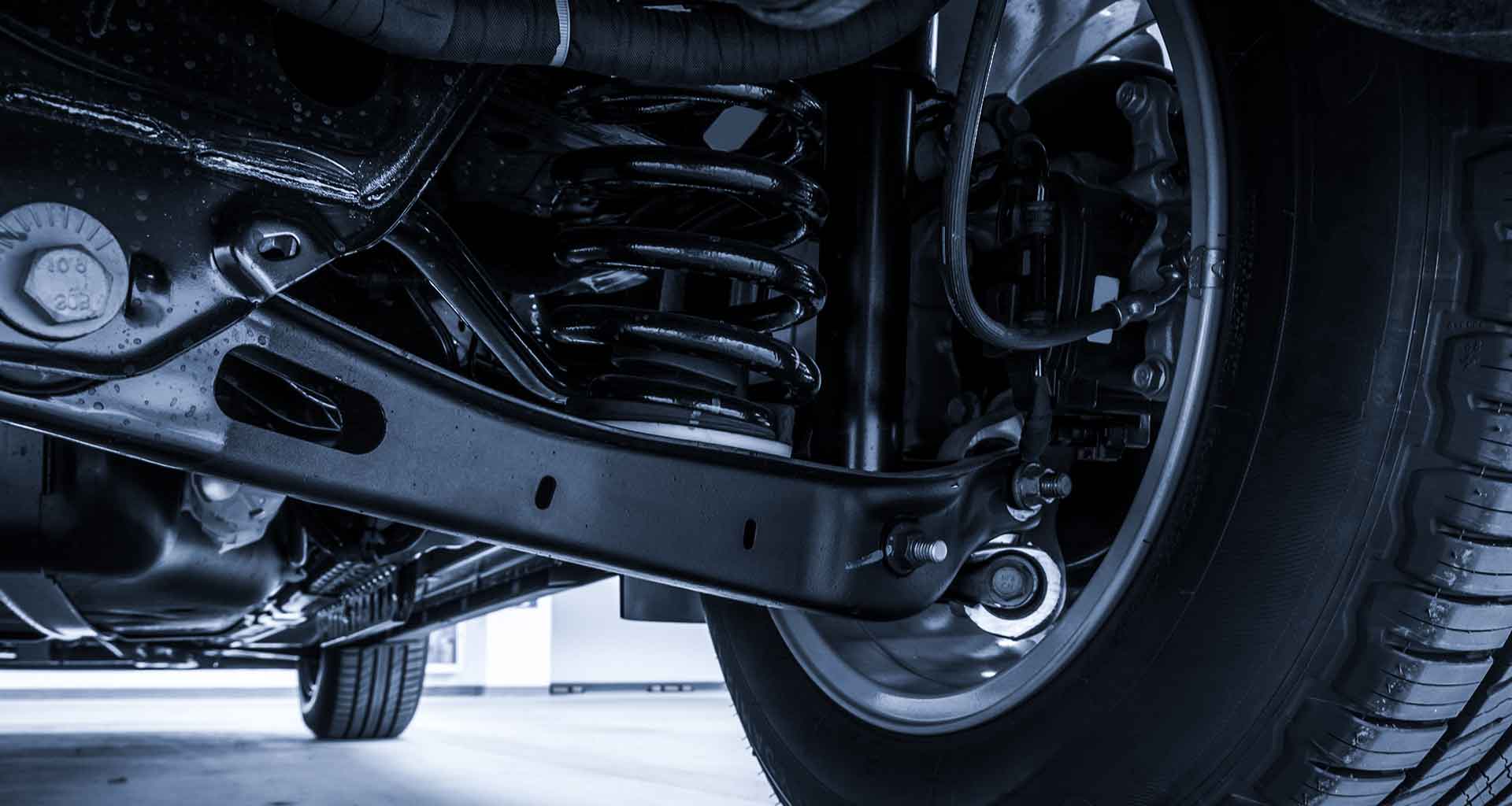
Suspension noises can be unsettling. A knocking sound over bumps may make an owner think something serious is about to fail. Workshops sometimes respond by recommending replacement of several suspension components together. Yet a noise alone does not identify the failed part.
A suspension system contains multiple components, including bushings, links, ball joints, struts or dampers, mounts, springs, and other hardware. Several faults can create similar sounds, which is why diagnosis matters before expensive parts are ordered.
A technician should try to reproduce the noise and identify its location and behavior. Does it happen over small bumps or large ones? Does it occur while turning? Is it present during braking or acceleration?
Does the sound change when the vehicle is loaded? These details can narrow the possibilities. A visual inspection can also reveal damaged components, leaking dampers, torn rubber parts, loose hardware, or abnormal movement. Replacing several parts without identifying the cause can become expensive very quickly.
Suspension wear should also be considered in relation to handling. A worn component may produce noise while still allowing the vehicle to drive normally, while a more serious fault can affect steering stability or tyre contact. Safety-critical components deserve prompt professional attention when they show excessive play or damage.
The goal is not to dismiss a suspension recommendation, but to distinguish a confirmed defect from a guess. Owners should ask which component has failed, what evidence proves it, and whether the proposed replacement is necessary immediately.
Bad roads can accelerate wear, so suspension inspections are sensible for vehicles regularly exposed to potholes and rough surfaces. However, rough-road exposure does not mean every noise requires a complete suspension rebuild.
5. Paying for an Engine Flush When Routine Maintenance Is Enough
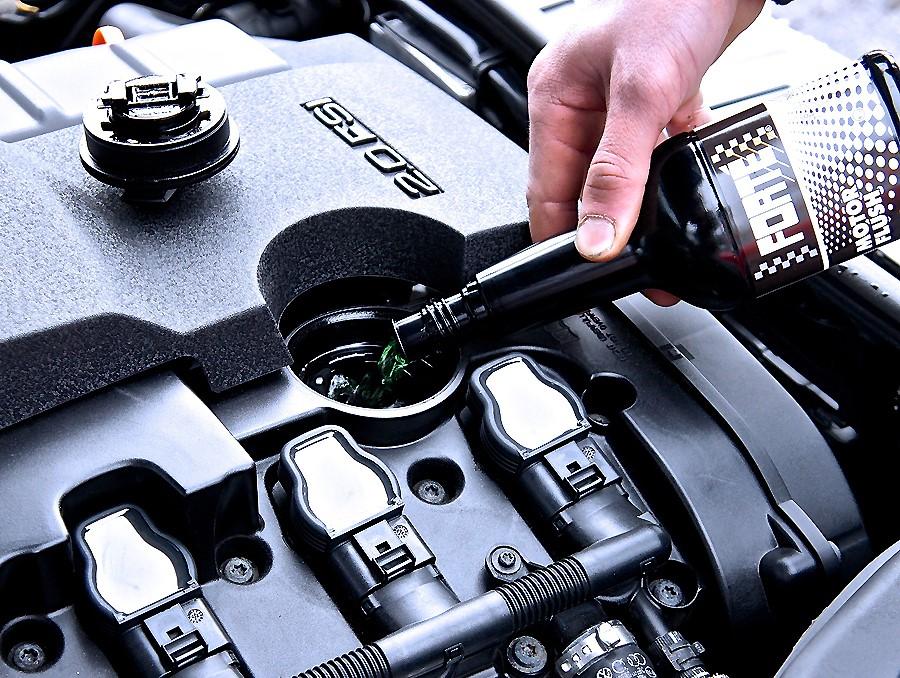
Engine flush products and cleaning services can sound attractive because they promise a cleaner engine and better performance. Some owners approve them because the service adviser describes deposits or dirty oil as a major threat.
In certain circumstances, specialized cleaning may have a legitimate purpose, particularly when a manufacturer specifically recommends a procedure or a technician identifies a documented problem. The mistake is assuming that every engine benefits from an additional flush simply because it has reached a service interval.
Regular engine oil and filter changes are fundamental maintenance tasks. The correct oil specification and replacement interval should come from the vehicle manufacturer and should reflect the vehicle’s operating conditions.
Adding extra cleaning procedures without a specific need can increase the service bill without addressing an actual fault. The FTC recommends following the manufacturer’s maintenance schedule and asking a repair shop to explain why it recommends work beyond that schedule.
Engine deposits can have different causes and levels of seriousness. A vehicle with neglected maintenance may have a different situation from a well-maintained car that receives the correct oil at the recommended intervals. These cases should not be treated identically.
A blanket recommendation for an engine flush gives the owner little useful information. If a workshop claims there is severe contamination, ask what was observed and how the condition was diagnosed. Photographs, inspection findings, or a clear explanation can make the recommendation easier to assess.
Owners should also be careful with claims about dramatic improvements. A cleaning treatment is not a substitute for repairing worn piston rings, damaged seals, mechanical wear, or other internal problems.
If an engine is consuming excessive oil, producing smoke, running poorly, or showing warning lights, the correct response is diagnosis rather than automatically purchasing a cleaning package. Engine symptoms can have many causes, and replacing fluids or adding treatments without finding the cause can delay the repair that actually matters.
6. Replacing Spark Plugs Too Early
Spark plugs are inexpensive compared with many engine components, which makes them easy to include in service recommendations. Their condition matters because worn or damaged plugs can contribute to misfires, poor starting, rough running, and reduced engine performance.
The mistake comes when owners replace them far earlier than required without a vehicle-specific reason. Spark plug replacement intervals vary by engine design and plug type, so a generic mileage rule is not suitable for every vehicle.
Modern engines may use spark plugs designed for long service intervals. That does not mean they last indefinitely. The owner’s manual should be the starting point for determining when replacement is scheduled.
Driving conditions and engine problems can change the situation, though. If the engine develops a misfire or another relevant symptom, the plugs may need inspection before the normal replacement interval. A technician can examine their condition and determine whether they are contributing to the problem.
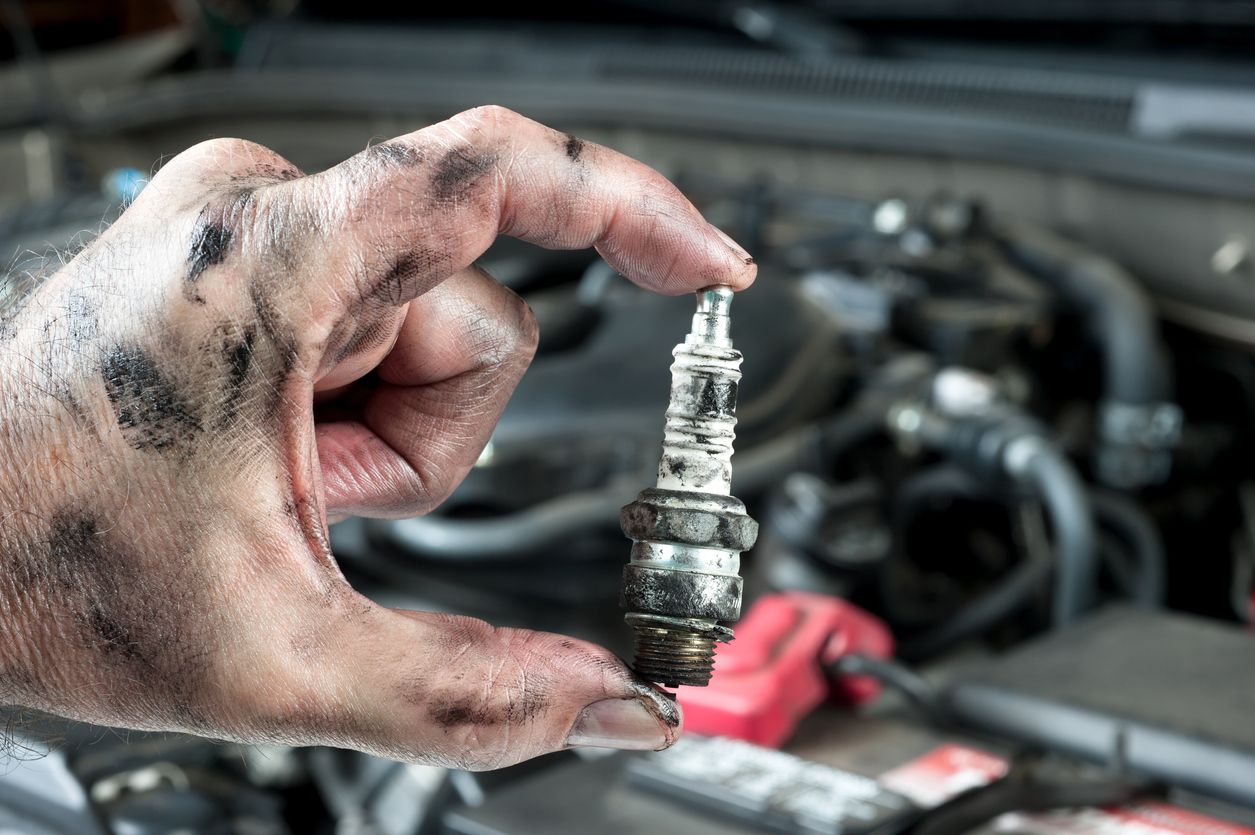
The appearance of a spark plug can provide useful diagnostic information. Deposits, unusual wear, oil contamination, or damage may indicate issues that deserve further investigation.
Simply installing new plugs may temporarily change how the engine runs without resolving an underlying fault. For example, an ignition problem, fuel-system issue, vacuum leak, or mechanical condition can create symptoms that appear to be related to spark plugs. A proper diagnosis should consider the whole system.
Owners should also distinguish between scheduled maintenance and corrective repair. If the manufacturer specifies replacement at a particular interval, completing that maintenance is sensible. If a workshop recommends early replacement, ask why.
The reason could be a genuine issue discovered during inspection, but it could also be a generic service recommendation. The difference matters because routine maintenance is planned expenditure, while unnecessary early replacement is simply additional cost.
7. Paying for Air Conditioning Repairs When the Filter Is the Real Problem
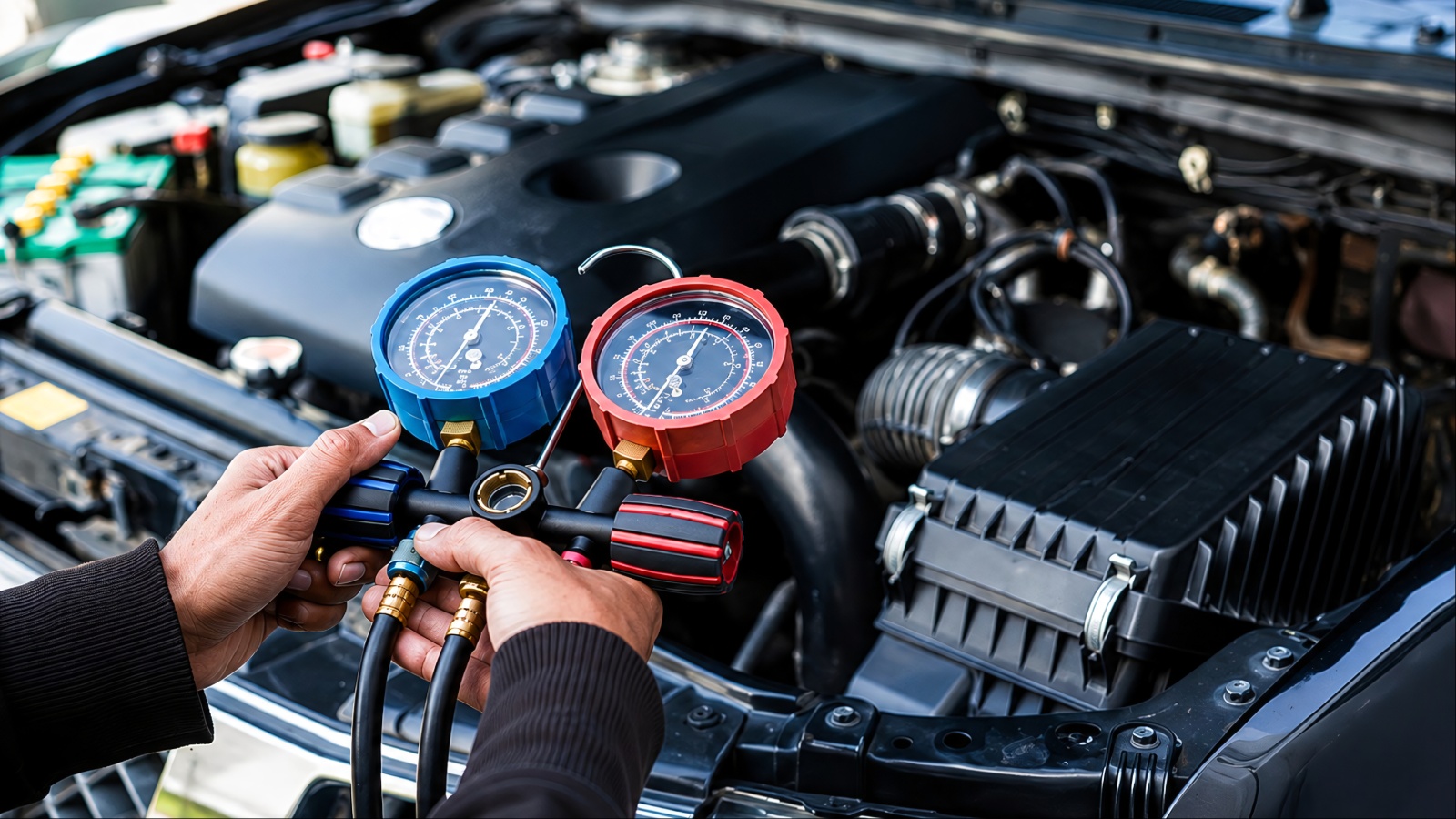
A weak air conditioner can make driving uncomfortable, particularly during hot weather. When cooling performance drops, some owners immediately assume that the refrigerant needs to be replaced or that the compressor is failing.
Yet reduced airflow can have a much simpler cause. A clogged cabin air filter can restrict the amount of air reaching the passenger compartment. Dust and debris can also affect the HVAC system, especially in areas with heavy dust exposure.
The first step should be determining whether the problem is weak airflow, insufficient cooling, unusual smell, or a combination of symptoms. Strong airflow with warm air suggests a different line of investigation from weak airflow with otherwise cold air.
This distinction can save money because different faults require different solutions. A technician should inspect the cabin filter and HVAC system rather than automatically recommending a refrigerant recharge or compressor-related repair.
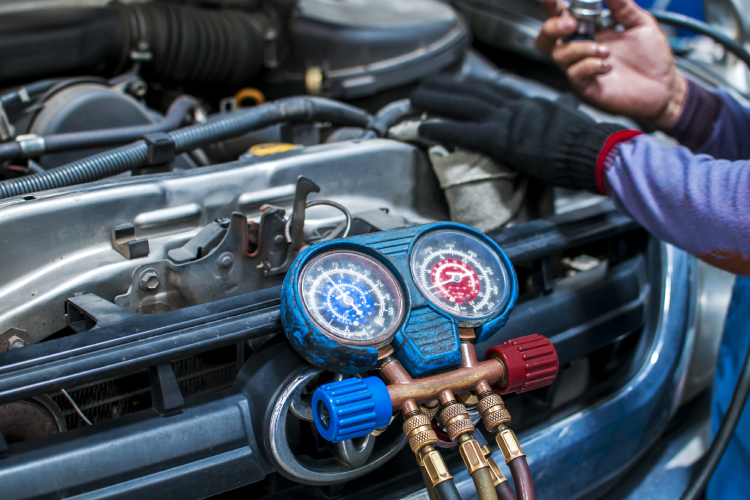
Refrigerant should not simply be added whenever the air conditioner feels less effective. If the refrigerant level is low, there may be a leak that needs investigation. Repeatedly adding refrigerant without finding the source can turn a small problem into a recurring expense.
Compressor problems also require proper diagnosis. Strange noises, poor cooling, electrical faults, or pressure abnormalities can have several possible causes. Replacing an expensive compressor before confirming the failure can result in a large unnecessary bill.
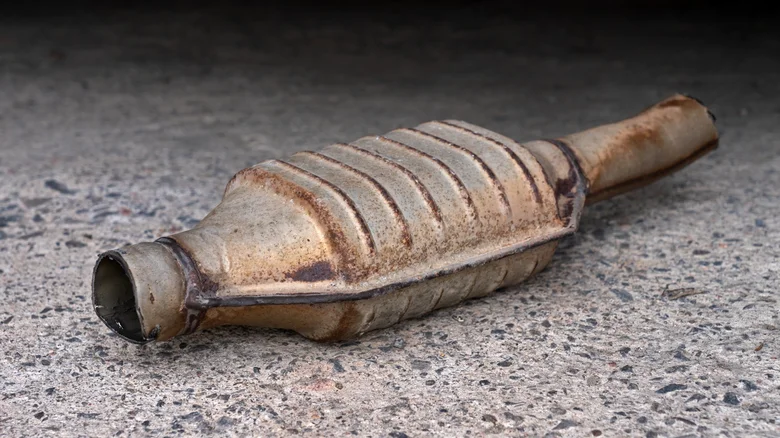
8. Replacing the Catalytic Converter When the Engine Problem Caused the Code
Catalytic converters are expensive emissions components, so a warning related to catalyst efficiency can be alarming.
A common diagnostic mistake is treating a catalyst-related trouble code as proof that the converter itself needs immediate replacement. The code may indicate that the converter is not performing as expected, but the reason for that condition still needs investigation.
Engine misfires can damage catalytic converters by sending unburned fuel into the exhaust. Fuel mixture problems can also affect catalyst performance. If the underlying engine problem is ignored and only the converter is replaced, the replacement unit may eventually suffer the same damage.
Exhaust leaks can create misleading readings as well. A leak near the relevant oxygen sensors can allow additional oxygen into the exhaust stream. The engine computer may interpret the resulting sensor behavior as evidence of reduced catalyst efficiency. In such cases, repairing the leak may address the actual problem.
Sensor performance should also be evaluated. Oxygen sensors provide information that the engine computer uses to monitor combustion and catalyst operation.
A sensor that responds incorrectly can contribute to a diagnostic condition resembling a catalytic converter fault. Testing sensor operation and related engine data can help distinguish a faulty sensor from a genuinely deteriorated converter.
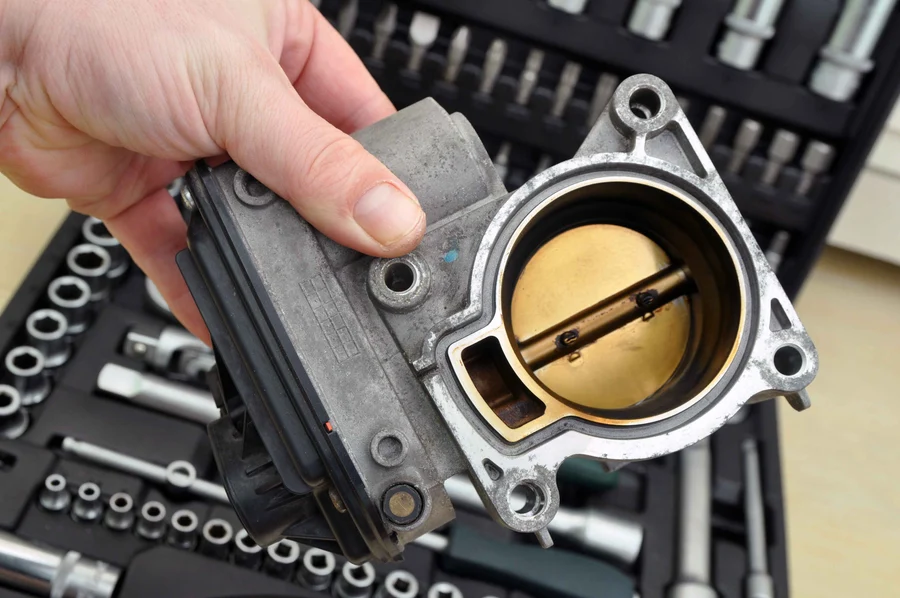
9. Replacing the Throttle Body When a Sensor or Cleaning Is Enough
Throttle-related problems can produce rough idle, hesitation, poor acceleration, reduced engine power, and warning lights.
These symptoms sometimes result in a recommendation to replace the entire throttle body. Yet the throttle assembly may not always be the failed component. Carbon deposits, electrical connections, wiring, or position sensors can create similar symptoms.
Electronic throttle systems use sensors and motors to control airflow into the engine. The engine computer monitors throttle position and adjusts operation according to driver input and other conditions. A problem in the sensor circuit can cause the computer to limit throttle operation as a protective measure.
Carbon buildup can also affect throttle movement and airflow. On some vehicles, cleaning may restore normal operation when deposits are the cause. However, cleaning procedures differ between designs, and forcing an electronic throttle plate by hand can damage certain systems. Service should follow the manufacturer’s recommended procedure.
Electrical faults deserve careful attention. Loose connectors, damaged wiring, poor grounds, or connector contamination can interrupt signals between the throttle assembly and engine computer. Replacing the entire unit without checking these circuits can leave the original fault untouched.
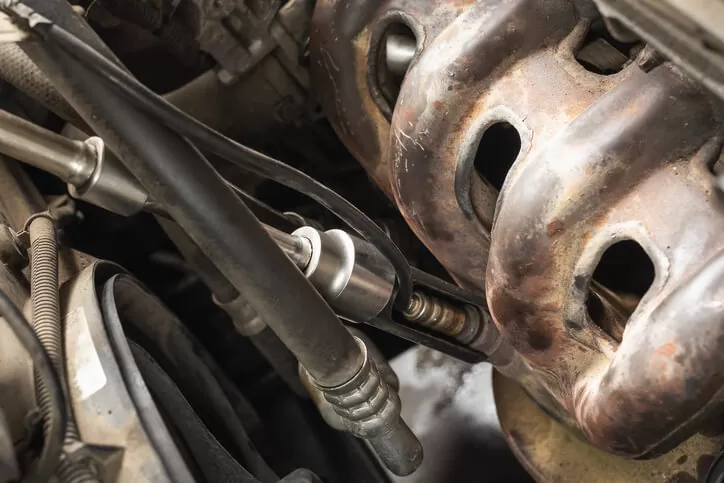
10. Replacing Oxygen Sensors When the Real Problem Is Elsewhere
An illuminated check engine light frequently causes owners to worry about oxygen sensors. Diagnostic trouble codes involving oxygen sensor circuits can encourage a quick parts replacement.
However, a code does not always mean that the sensor itself has failed. The engine computer may be reporting a condition detected through the sensor rather than identifying the sensor as the source.
Vacuum leaks, exhaust leaks, wiring damage, fuel delivery problems, and engine misfires can influence oxygen sensor readings. A sensor may be accurately reporting that the exhaust mixture is outside the expected range.
Replacing it without investigating the surrounding system may leave the warning light on and the original problem unresolved.
A technician should consider the complete diagnostic picture. Live data from the engine computer can show how sensor readings change during different operating conditions. Fuel trim information, misfire data, intake readings, and other diagnostic values can help establish whether the engine is actually running too rich or too lean.
