
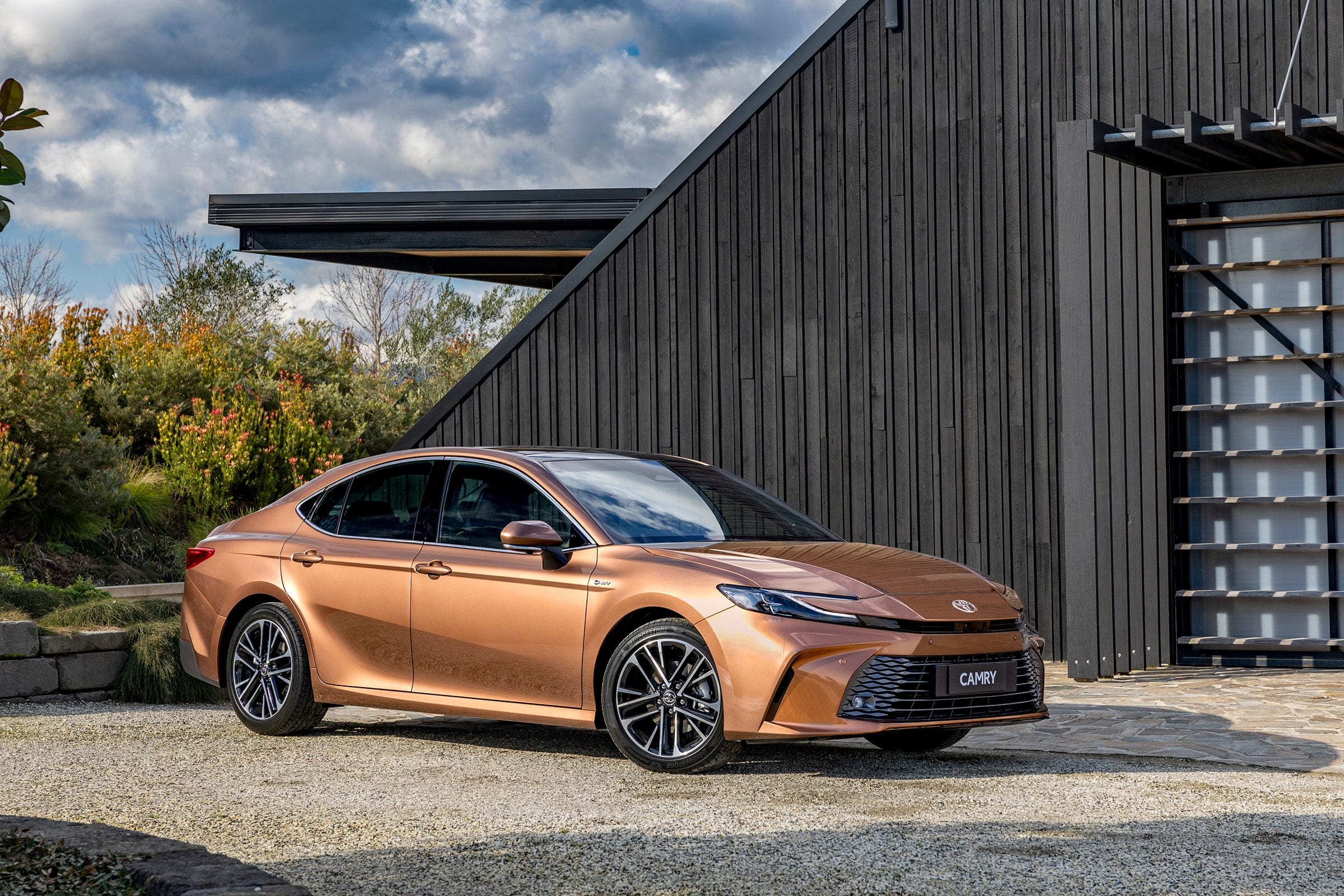
The Toyota Camry continues to hold a strong position in the American passenger-car market, proving that traditional sedans still have a place among modern buyers. In 2025, the Camry recorded 316,185 sales in the United States, making it the best-selling traditional passenger car for the year.
Its combination of comfort, efficiency, practicality, technology, and long-standing reputation has helped Toyota maintain strong demand for the sedan. Even as SUVs and trucks dominate American vehicle sales, the Camry remains a familiar choice for drivers who want an easy-to-own car with everyday usability, proven dependability, and strong fuel economy.
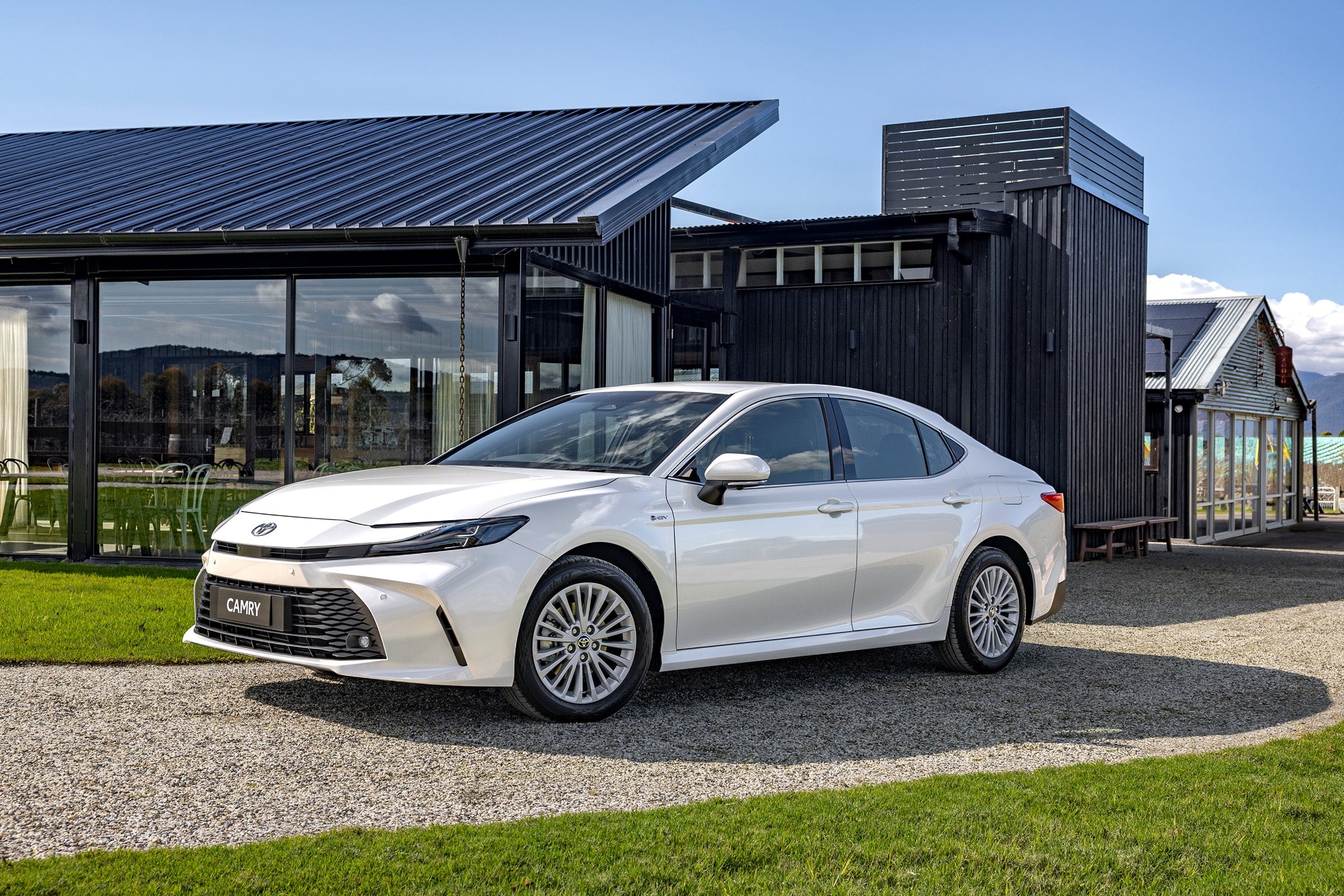
Toyota Camry Sales Show Strong Demand
The Toyota Camry’s 316,185 sales in 2025 are significant because the American market has changed dramatically over the past two decades. Pickup trucks and SUVs now occupy many of the highest positions in annual sales rankings, while traditional passenger cars have become less common in dealership lineups.
The Camry has managed to remain highly competitive through this shift. Its sales performance demonstrates that there is still substantial demand for a midsize sedan when it offers the right combination of comfort, efficiency, technology, and value. The model’s position also reflects the strength of the Toyota name among American consumers.
The 2026 figures provide further evidence that demand for the Camry remains healthy. During the first half of 2026, Toyota sold 179,044 Camrys in the United States, representing a 15.3 percent increase compared with the same period in 2025.
The model ranked fifth among all listed light vehicles in that period and remained the leading traditional passenger car. That is a notable result in a market where larger trucks and crossover SUVs continue to attract huge numbers of buyers.
The Camry’s performance is even more notable when viewed against its closest traditional sedan rivals. The Honda Civic recorded 132,440 sales during the first half of 2026, while the Toyota Corolla reached 131,403 units.
Both cars have strong reputations and broad customer bases, yet the Camry maintained a considerable lead. This suggests that many American shoppers continue to see value in moving into a larger sedan rather than automatically choosing a compact car or crossover.
The first quarter of 2026 produced a similar result. Toyota reported 78,255 Camry sales during the period covered by the sales data, an increase of 11.3 percent from the first quarter of 2025.
The Camry ranked fifth among the listed vehicle models and remained the leading traditional passenger car. Its growth also contrasted with several models that experienced weaker early-year results, showing that Toyota’s midsize sedan continued to attract buyers.
The phrase “best-selling car” needs some context because modern U.S. sales rankings include trucks and SUVs. The Ford F-Series, Chevrolet Silverado, Honda CR-V, and other larger vehicles sell in much higher combined volumes than many sedans.
The Camry’s achievement is specifically its leadership among traditional passenger cars. That distinction makes the 316,185-unit figure particularly relevant for readers interested in sedan sales rather than the entire U.S. vehicle market.
Why Americans Continue Choosing the Camry
A major factor behind the Camry’s popularity is its broad appeal. The sedan can serve several different types of drivers without requiring major compromises.
Families can use it as an everyday vehicle, commuters can rely on its efficient powertrain options, and buyers looking for a comfortable highway car can appreciate its spacious cabin and composed ride. This flexibility has helped the Camry remain relevant as consumer preferences have shifted toward larger body styles.
Fuel efficiency has become increasingly important as drivers pay closer attention to operating costs. The current Camry lineup is built around hybrid powertrains in the United States, giving the sedan a strong efficiency advantage compared with many conventional midsize cars.
For drivers who cover substantial distances each year, reduced fuel consumption can have a meaningful effect on ownership costs. The hybrid setup also gives the Camry a modern identity without requiring buyers to move to a fully electric vehicle.
Comfort remains another important part of the Camry formula. Midsize sedans have traditionally appealed to buyers who want more interior space than a compact car can provide without stepping up to the size, price, or driving characteristics of a large SUV.
The Camry fits that role well. Its cabin is designed for daily use, with seating and storage suitable for commuting, family trips, errands, and longer road journeys.
Toyota has also continued adding technology to keep the Camry competitive. Modern buyers expect smartphone connectivity, driver-assistance systems, digital displays, and convenient cabin features.
Reliability plays a major role in the Camry’s reputation. Buyers often consider more than the purchase price when choosing a vehicle. Maintenance requirements, expected durability, resale value, fuel expenses, and ownership experience can influence the decision.
Toyota’s long history with the Camry gives consumers plenty of previous generations to consider when judging the model’s reputation. That established history can provide reassurance to shoppers who want a vehicle intended for years of regular use.
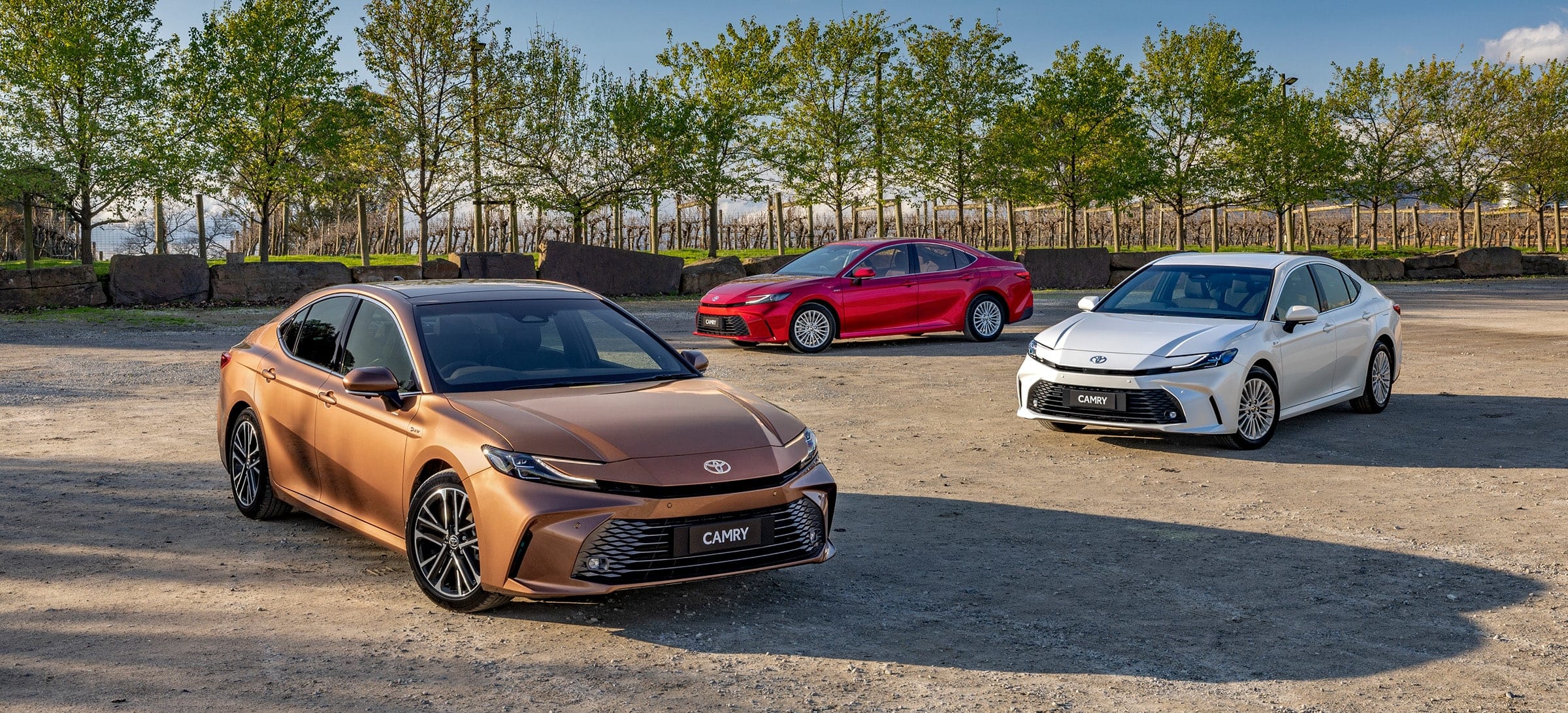
The Camry Has Survived the SUV Boom
The biggest challenge facing the Camry is not necessarily another sedan. It is the popularity of SUVs and crossovers. American consumers have increasingly favored vehicles that provide a higher seating position, flexible cargo areas, and additional interior versatility. Toyota itself sells highly successful SUVs, including the RAV4, meaning the company’s own lineup competes with the Camry for customers.
Yet the Camry has continued to find buyers. Its appeal comes partly from offering characteristics that many crossover buyers may not prioritize.
A sedan generally sits lower to the ground, which can contribute to a stable driving feel and easy highway manners. Its trunk also provides a dedicated cargo area that can be useful for keeping luggage and other belongings protected from view. For customers who do not need the taller body of an SUV, the Camry remains a practical alternative.
The sales figures show that the sedan has not simply survived through brand loyalty. Camry sales increased during the first half of 2026 compared with the same period in 2025.
That growth suggests current buyers are still actively choosing the model rather than merely purchasing it because they cannot find another option. The result is especially interesting given how many manufacturers have reduced their sedan offerings in response to changing consumer preferences.
Toyota’s decision to continue investing in the Camry also matters. Maintaining a competitive sedan requires engineering resources, updated technology, modern safety features, and an attractive design.
Toyota could have allowed the model to fade as SUV demand increased, but the company has continued developing it. The current generation therefore represents an effort to make the traditional sedan relevant to today’s buyers rather than simply preserving an older formula.
What the 316,185 Sales Figure Really Means?
The 316,185 figure refers to U.S. Camry sales during calendar year 2025, rather than a current 2026 total. This distinction is important when discussing the model’s latest performance.
According to the available sales data, the Camry sold 316,185 units in 2025 and remained the best-selling traditional passenger car. In the first half of 2026, it had already reached 179,044 sales, putting it ahead of the 155,330 units recorded during the first half of 2025.
That 15.3 percent year-over-year increase provides a stronger indication of current momentum than simply repeating the 2025 annual number. If sales continue at a similar pace through the rest of 2026, the Camry could finish the year with another strong result.
Annual totals can change considerably because vehicle availability, incentives, economic conditions, pricing, and consumer demand can vary throughout the year, so a full-year ranking should be based on completed calendar-year data.
It is also important not to describe the Camry as America’s best-selling vehicle of all types. The Ford F-Series remained ahead of the Camry in the first half of 2026, while the Chevrolet Silverado, Honda CR-V, and Ram pickup also posted higher sales totals. The Camry’s strongest claim is its position as America’s leading traditional passenger car. That wording is more precise and avoids confusing sedan sales with the broader U.S. vehicle market.
The Camry’s history adds more weight to its current sales performance. The model has spent many years near the top of the American passenger-car market.
According to historical sales coverage, the Camry became the leading passenger car in the United States in 1997 and has maintained that position for most years since then. Its long-term success is remarkable given the number of competitors that have entered and left the midsize sedan segment during that period.
For consumers and the automotive industry, the sales figure sends a clear message. Sedans may no longer dominate American vehicle sales, but they are not irrelevant.
A well-positioned sedan can still attract hundreds of thousands of buyers when it combines useful technology, efficient performance, comfortable driving characteristics, and a trusted reputation.
The Camry continues to demonstrate that there is room for traditional passenger cars in a market increasingly shaped by SUVs and trucks.
Also read: 5 Cars With the Highest Theft Rates in New Mexico, 5 With the Lowest
