
A costly car repair can sometimes become a free repair when a manufacturer has issued a technical service bulletin, warranty extension, service campaign, or special coverage notice for the same problem. These documents tell dealerships how to diagnose recurring faults and, in certain cases, when the manufacturer will pay for the repair.
A bulletin does not automatically mean free service, so vehicle owners need to check the exact coverage terms, vehicle identification number, mileage, age, and failure symptoms.
Knowing what to ask before approving expensive work can prevent unnecessary spending and help you discover manufacturer assistance that may otherwise go unnoticed during routine servicing or diagnosis.

1. Technical Service Bulletins for Repeated Engine Problems
A technical service bulletin, commonly called a TSB, is a manufacturer communication sent to dealerships to explain a known problem and the recommended repair procedure. Engine issues are frequent subjects because manufacturers can identify recurring symptoms after thousands of vehicles enter service.
A bulletin may describe rough running, unusual noises, oil consumption, difficult starting, warning lights, coolant loss, or other conditions. The important point for a vehicle owner is that a TSB proves the manufacturer has documented a particular problem, but the bulletin itself does not automatically make the repair free.
The money-saving opportunity appears when the engine problem is still covered by the factory warranty or by a separate coverage program. Suppose a driver visits a dealership because an engine makes a specific noise during cold starts. The service department may initially suggest replacing several components after diagnosis.
If a manufacturer bulletin identifies the exact noise and provides a prescribed repair, the technician can compare the vehicle against the bulletin. When the vehicle qualifies for warranty coverage, the manufacturer may pay for the covered parts and labor instead of the customer receiving a normal repair bill.
Owners should pay close attention to the wording of the bulletin. A document might identify a problem but provide instructions only for diagnosis. It might also specify particular production dates, engine codes, symptoms, mileage limits, or component revisions. Matching the vehicle to the bulletin is essential.
A similar symptom is not enough by itself. The technician must establish that the car has the condition described by the manufacturer and that the relevant warranty or coverage rules apply.
Before approving a major engine repair, ask the service adviser whether there are manufacturer bulletins related to the symptoms. Give a clear description rather than simply saying that the engine feels wrong.
Mention when the noise occurs, whether it changes with temperature, whether a warning light appears, and how long the condition has existed. Specific information makes it easier for the technician to compare the complaint with documented service information.
A TSB can also save money by preventing unnecessary parts replacement. A technician who knows the manufacturer-approved diagnostic path may reach the correct conclusion faster than someone working entirely from general troubleshooting experience.
For owners, the key phrase to remember is not simply “Is there a TSB?” but “Does this bulletin provide coverage for my vehicle?” That distinction can determine whether the manufacturer pays the bill or the owner does.
2. Transmission Bulletins That Cover Known Shifting Faults
Transmission problems can produce frightening repair estimates. A vehicle that shudders, slips, hesitates, bangs into gear, or refuses to shift properly may appear to need an expensive transmission rebuild or replacement.
Manufacturers sometimes issue bulletins describing specific transmission symptoms and approved diagnostic procedures. Such documents can identify software problems, calibration issues, defective components, fluid-related procedures, or particular mechanical faults associated with certain vehicles.
A transmission bulletin becomes especially valuable when the proposed repair involves a major component. Before agreeing to a replacement transmission, ask whether the manufacturer has issued technical information for the exact model, year, engine, transmission type, and symptom.
A bulletin may instruct technicians to perform a software update, replace a particular valve, inspect a connector, change a component, or follow a specific adaptation procedure. The correct bulletin can turn an uncertain repair into a more targeted diagnosis.
Coverage depends on the manufacturer and the specific program. A normal TSB is not a promise that the manufacturer will pay after the factory warranty expires. Some manufacturers create special coverage programs connected to recurring transmission failures, and those programs may extend protection beyond the original warranty period.
Consumer Reports notes that some bulletin-related problems later become service campaigns, warranty extensions, or similar manufacturer programs that provide additional coverage.
The vehicle identification number is particularly important for transmission coverage. Two cars with the same model and year can have different production specifications, software versions, components, or eligibility records.
A dealership can check the VIN against manufacturer records and determine whether a special program applies. Ask for the program name or bulletin number and request confirmation of the mileage and time limits before authorizing paid work.
Transmission symptoms should also be documented carefully. Record when the problem happens, whether the engine is hot or cold, whether it occurs during acceleration, and whether a warning appears on the dashboard. A short video or photograph of a warning message can help.
Good documentation gives the service department useful information and reduces the chance of a broad diagnosis leading directly to an expensive repair.
3. Software Update Bulletins That Replace Expensive Parts
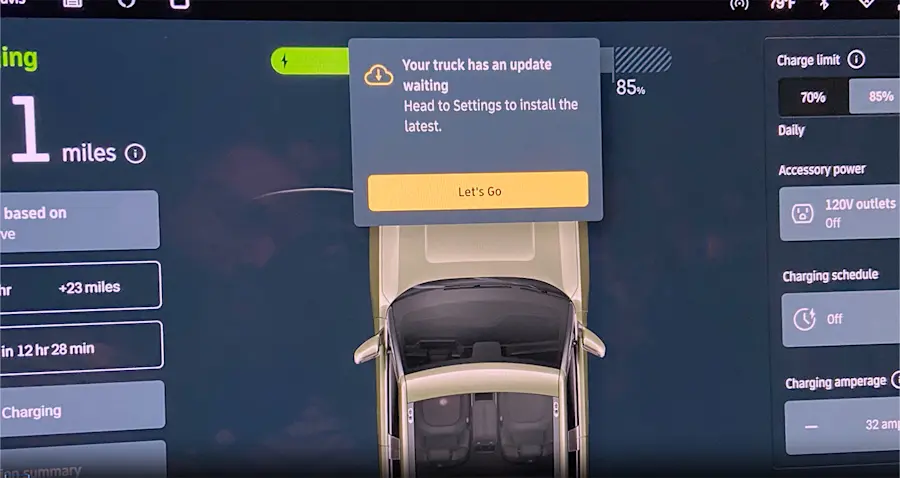
Modern cars rely heavily on software, meaning a problem that feels mechanical may sometimes be caused by incorrect programming.
Manufacturers issue service bulletins for electronic control modules, transmission logic, infotainment systems, driver assistance features, instrument clusters, and engine management systems. A software update can sometimes correct a symptom without replacing a major physical component.
This matters when a repair shop proposes replacing an electronic module because of an intermittent fault. Before paying for a new module, ask whether the manufacturer has released updated software for the relevant system.
A bulletin may identify a specific fault code, operating condition, or software version and provide instructions for reprogramming the module. If the vehicle remains under warranty, the update may be performed without a customer charge.
Software-related bulletins can also address drivability complaints. A vehicle may hesitate during acceleration, shift differently than expected, idle poorly, display a warning message, or experience temporary loss of a feature.
These symptoms can lead to lengthy diagnostic procedures because electronics interact with multiple vehicle systems. Manufacturer software documentation can give technicians a more precise route to the solution.
Owners should ask for the exact reason a replacement part is being recommended. If a service adviser says that a control module needs to be replaced, ask whether the module has the latest manufacturer software.
Also ask whether the manufacturer has published a bulletin concerning the diagnostic code or symptom. This question does not challenge the technician’s expertise. It simply ensures that the latest factory information is considered before money is spent.
A free software repair is not guaranteed just because a bulletin exists. Coverage still depends on warranty status and the manufacturer’s policy. Some software updates are paid customer services, while others are covered under warranty, campaigns, recalls, or special programs. The safest approach is to confirm coverage before the work begins and obtain the program details on the repair order.
4. Electrical Bulletins for Recurring Battery and Charging Problems
Electrical problems can be difficult to diagnose because several components may create similar symptoms. A weak battery, charging problem, wiring issue, faulty sensor, software fault, or control module can cause warning lights and starting difficulties. Manufacturers sometimes publish bulletins describing known electrical conditions and the correct testing sequence.
A service bulletin can be particularly useful when a vehicle repeatedly develops a dead battery. A shop might suggest replacing the battery, alternator, or other components without finding the underlying cause.
Manufacturer information may identify excessive parasitic draw, a module that fails to enter sleep mode, an incorrectly programmed control unit, or a known electrical behavior. Finding the real cause can prevent the owner from paying for several unsuccessful repairs.
Coverage depends on the problem and the program attached to it. If the vehicle is still within its applicable warranty, a defective manufacturer component may qualify for repair or replacement without a customer charge.
Hyundai’s current warranty information, for example, states that qualifying defects in material or workmanship within the warranty period can be repaired or replaced without charging the owner for parts or labor, subject to its stated exclusions and conditions.
Battery-related claims require careful attention because batteries are often treated differently from vehicle electronics. A battery may have its own limited warranty, while an electrical component causing repeated battery discharge could fall under a separate warranty or service program.
That distinction matters. Replacing the battery repeatedly may not solve the actual problem, and a bulletin can point the technician toward the underlying fault.
When visiting a workshop, describe the complete pattern. Tell the adviser whether the battery dies after the vehicle sits overnight, whether the issue happens after short trips, whether accessories remain powered, or whether warning messages appear.
Ask whether the manufacturer has documented a similar condition. If a bulletin exists, request confirmation that the diagnostic procedure will be followed before approving replacement parts.
5. Steering and Suspension Bulletins for Known Noises
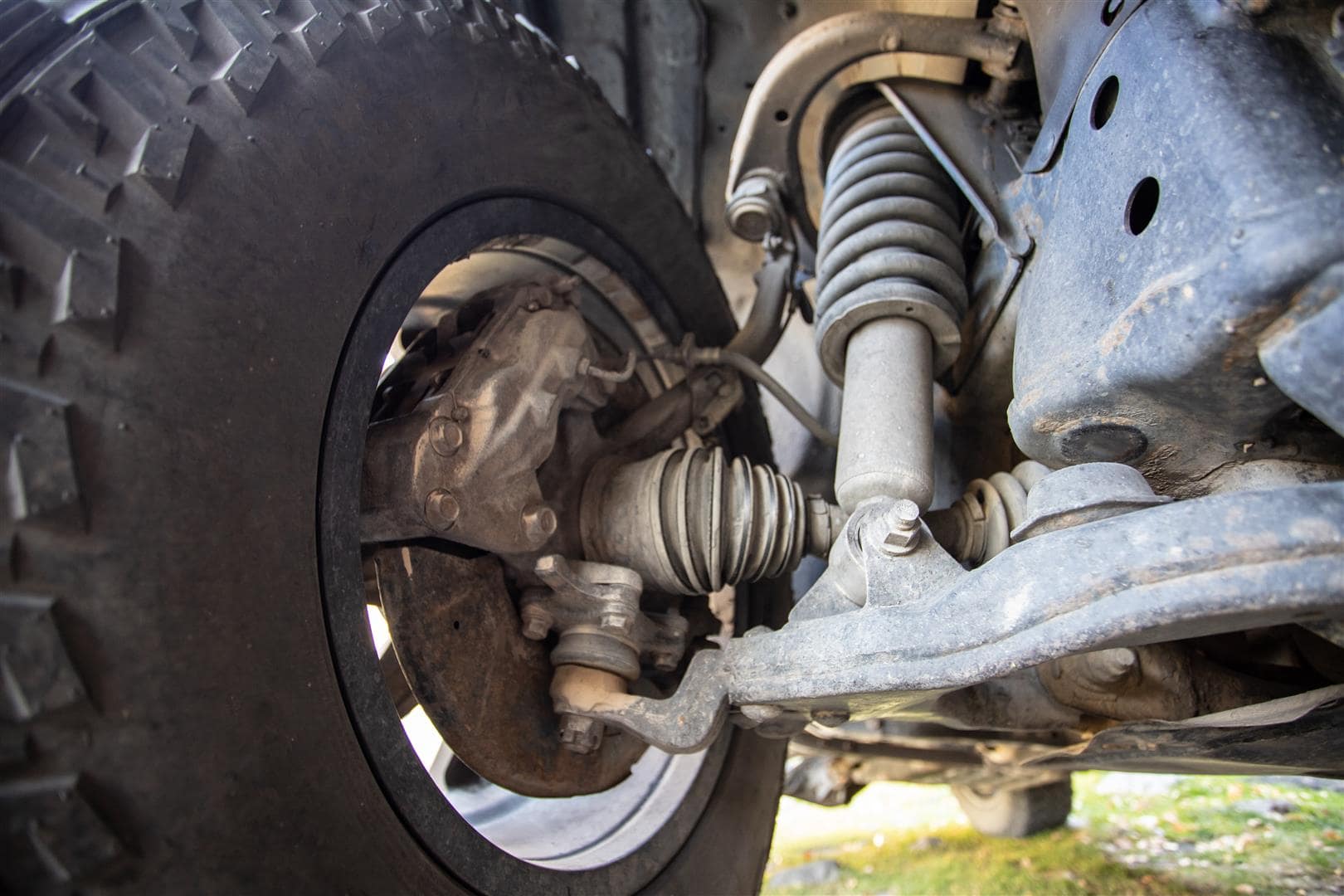
Steering and suspension complaints often begin with a simple noise. A clicking sound while turning, knocking over rough roads, squeaking during braking, or vibration at certain speeds can lead to several possible diagnoses. Manufacturers may issue bulletins when technicians repeatedly encounter the same condition across a model range.
A bulletin can identify the exact component responsible for a noise and specify how technicians should inspect it. The procedure might involve checking fasteners, bushings, mounts, bearings, steering components, or suspension assemblies.
In some cases, the recommended correction involves a revised component or installation method. This information can help prevent the replacement of unrelated parts.
Free coverage depends on whether the issue falls under an active warranty, campaign, or special coverage program. A TSB alone does not create a universal obligation for the manufacturer to pay.
This is a crucial distinction because vehicle owners sometimes assume that finding a bulletin automatically means they are entitled to free repairs. Technical service bulletins primarily communicate repair information to technicians.
When a suspension repair is recommended, ask the shop to identify the failed component and explain the evidence supporting the diagnosis. If the car is still under warranty, ask whether the condition is covered.
If the warranty has expired, ask whether there is a service campaign, extended coverage program, or goodwill assistance associated with the bulletin. Manufacturer assistance can vary by vehicle and situation.
Keep copies of previous repair invoices. If the same noise has already been investigated or repaired, those records may help establish a pattern. A repeated complaint can strengthen a request for manufacturer assistance, particularly when the vehicle has been maintained properly, and the condition matches a documented factory issue.
6. Brake and ABS Bulletins That Prevent Unnecessary Repairs
Brake complaints deserve immediate attention because braking performance directly affects vehicle safety. A technical bulletin may address warning lights, electronic brake system faults, unusual noises, premature component issues, or specific diagnostic codes.
Some brake-related problems may also become subject to formal recalls or special manufacturer campaigns when safety concerns are identified.
A TSB should never be treated as a substitute for a safety recall check. Recalls and technical service bulletins have different purposes. A safety recall generally involves a defect that requires corrective action under applicable regulations, while a TSB provides repair information for technicians.
Recall repairs can be performed without charge under the applicable recall program, whereas TSB repairs may still require payment unless warranty or special coverage applies.
Electronic braking systems have increased the importance of software and diagnostic procedures. A warning light may not mean that the entire brake system needs replacement.
The correct diagnostic process may identify a sensor, wiring fault, software issue, hydraulic component, or control module. Manufacturer documentation can help technicians distinguish between these possibilities.
If a repair shop recommends an expensive ABS module or electronic brake component, ask whether the vehicle has related manufacturer bulletins or campaigns. Provide the exact warning message and diagnostic codes if available. Do not clear the codes repeatedly before diagnosis because doing so can remove useful information about when the fault occurred.
Brake repairs should never be delayed simply to search for free coverage. If braking performance is poor, the vehicle should be inspected promptly.
The goal is to determine whether a manufacturer program applies while keeping safety as the first priority. If the repair is urgent, ask the dealer to check recall and warranty eligibility at the same time.
7. Air Conditioning Bulletins That Cover Known HVAC Faults
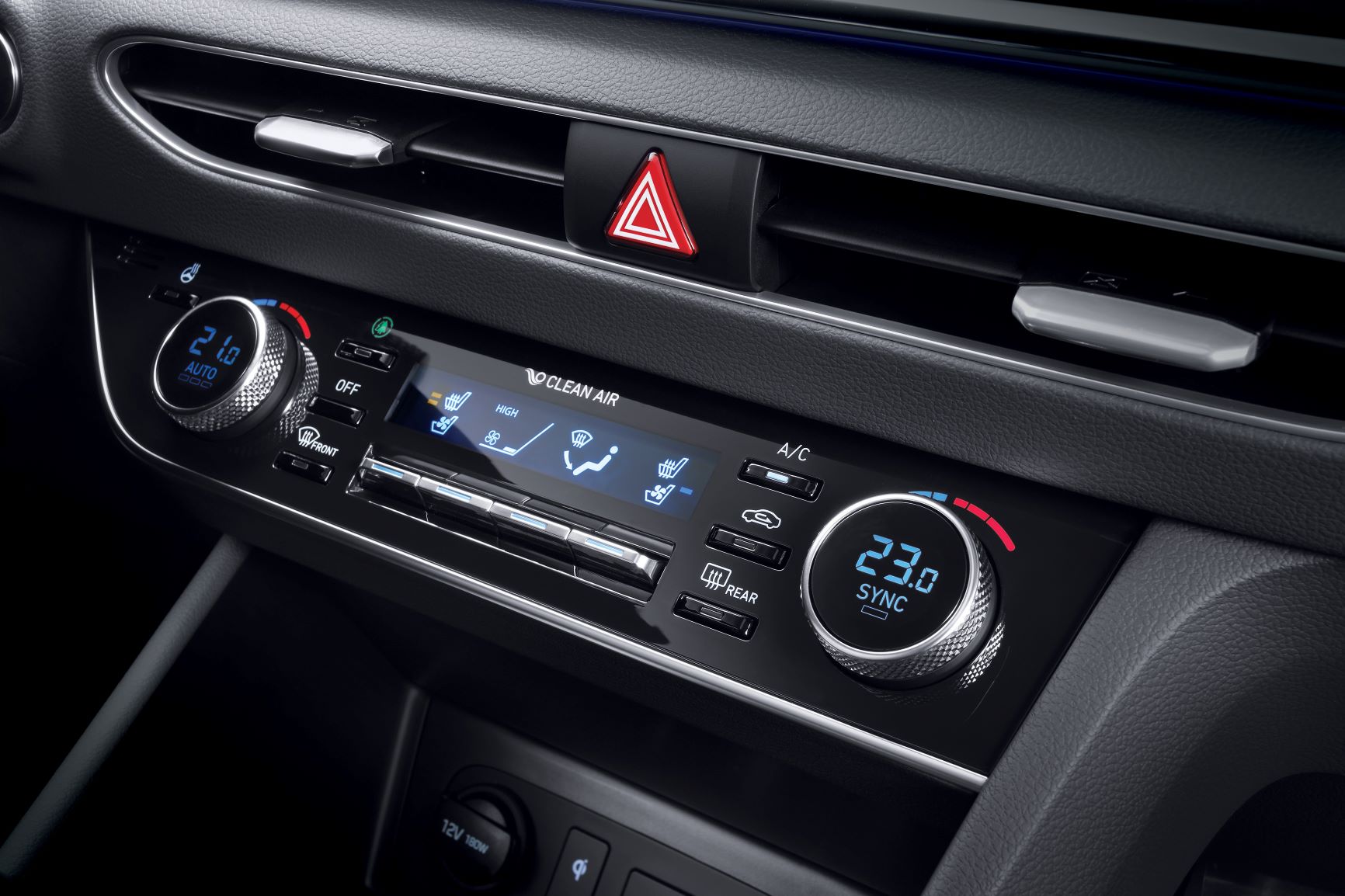
Air conditioning problems are common sources of unexpected repair bills, especially when a technician suspects a compressor, condenser, evaporator, or control module.
Manufacturers sometimes publish bulletins for refrigerant leaks, abnormal compressor operation, temperature-control problems, blower issues, or unusual HVAC noises. A bulletin can provide a specific inspection method before expensive components are replaced.
A recurring air conditioning problem may have a known cause that is difficult to identify through a quick inspection. For example, a manufacturer could provide a procedure for checking a particular connection or component that commonly develops a leak.
Following the factory procedure may prevent a shop from replacing several components simply because they appear to be possible causes.
Warranty coverage depends on the vehicle’s age, mileage, component coverage, and manufacturer policy. Some manufacturers provide longer coverage for particular components or defects.
Others may issue a special campaign when a problem becomes widespread. The owner needs to verify the exact eligibility conditions rather than assuming that a bulletin guarantees payment.
If an adviser recommends an expensive HVAC repair, ask whether the manufacturer has a bulletin related to the symptom. Explain whether the air conditioning works intermittently, whether it stops cooling at idle, whether the temperature changes unexpectedly, or whether unusual sounds occur. These details can match the symptoms described in factory service information.
The repair order should clearly state the complaint and diagnosis. If the dealership finds a bulletin that applies, ask for the bulletin number and whether the repair is covered by warranty, campaign, or customer-pay status. This simple question can prevent confusion when the final invoice is prepared.
8. Fuel System Bulletins for Starting and Performance Problems
Fuel system faults can create difficult starting, hesitation, poor acceleration, rough idle, warning lights, or stalling. Manufacturers may publish bulletins addressing fuel injectors, pumps, sensors, fuel pressure systems, wiring, or engine-control software. Such documentation can provide valuable direction when symptoms appear repeatedly on a particular model.
A fuel system bulletin becomes especially important when the proposed repair involves replacing multiple expensive components.
If a vehicle has a known issue involving fuel pressure, for instance, the manufacturer may specify exactly which tests should be performed before replacing the pump. This can reduce unnecessary parts replacement and improve diagnostic accuracy.
Certain fuel-related defects may qualify for extended warranty coverage or special campaigns. The coverage could apply only to specific vehicles, production periods, components, or mileage ranges. A VIN check is therefore important. A general internet search for a similar problem cannot establish eligibility for a particular car.
Ask the service department to check the vehicle’s manufacturer records before approving major fuel system work. Give the technician the symptoms, fault codes, and circumstances surrounding the problem.
If the car stalls only after becoming hot, for example, that information may be more useful than simply reporting that the engine sometimes stops.
Owners should also maintain receipts for fuel system repairs. If a component was replaced previously and the same problem returns, the earlier repair history may help with a warranty or goodwill request.
Manufacturer assistance is more likely to receive serious consideration when the customer can provide a clear history of the vehicle’s maintenance and previous diagnosis.

9. Infotainment and Instrument Cluster Bulletins
Infotainment systems and digital instrument clusters can develop software glitches that appear expensive because the visible component is a large screen or sophisticated electronic module. Symptoms can include random restarts, frozen displays, missing information, Bluetooth failures, navigation errors, warning messages, or intermittent loss of functionality.
Manufacturers regularly provide software procedures for electronic systems. A bulletin may instruct technicians to update software, reset a module, replace a particular component, or inspect connections. If the problem is software-related and the vehicle is covered by warranty, the correction may be performed without a customer charge.
Owners should be careful when a shop immediately recommends replacing a screen or control module. Ask whether the component has the latest software and whether a manufacturer bulletin addresses the symptom. A replacement may be appropriate in some cases, but the factory diagnostic procedure should be considered first.
Digital systems can also create confusing dashboard warnings. A temporary communication fault between modules may produce several warnings simultaneously. That does not necessarily mean several components have failed. Manufacturer diagnostic information can help determine whether the warnings share a common cause.
Before paying for an expensive electronic replacement, request a written diagnosis. Ask which component failed, what testing confirmed the failure, and whether the manufacturer has issued related service information. If the repair is covered by warranty or a special program, make sure the repair order reflects that coverage before work begins.
10. Hybrid and EV Battery and Charging System Bulletins
Hybrid and electric vehicles can produce some of the largest repair estimates in modern automotive service. A warning involving the traction battery, onboard charger, inverter, battery-control module, or high-voltage cooling system may lead owners to assume that an expensive component has failed. Manufacturers may issue technical service bulletins covering charging interruptions, reduced electric range, battery warning messages, software errors, isolation faults, or abnormal battery-management behavior.
These bulletins can be valuable because the visible warning does not always identify the actual failed part. A charging problem may come from software, a temperature sensor, coolant pump, wiring issue, connector, charging port, or another module communicating incorrectly with the battery system. Before approving a costly replacement, ask the dealership to check the vehicle identification number for technical bulletins, recalls, warranty extensions, service campaigns, and other special coverage.
Describe exactly when the problem occurs, such as during fast charging, after the battery becomes hot, at a particular state of charge, or when electric range suddenly drops. Diagnostic codes and battery-health data should be recorded before being cleared.
A bulletin does not automatically make the repair free, but it may reveal updated software, revised parts, extended warranty coverage, or a manufacturer-approved repair that can significantly reduce the final bill. This check matters before battery-pack replacement because these components can bring substantial parts and labor costs.
