
Choosing a car is rarely about picking the most expensive version available. In many cases, a mid trim delivers the features buyers actually use while avoiding the extra cost attached to luxury equipment, larger wheels, complicated technology, or cosmetic upgrades.
The best value can sit somewhere between the entry model and the fully loaded version. This article looks at 12 cars where a carefully chosen mid trim can make more sense than the top trim, particularly for buyers who want useful equipment, sensible running costs, comfort, and strong everyday practicality without paying for features that may rarely affect their driving experience.
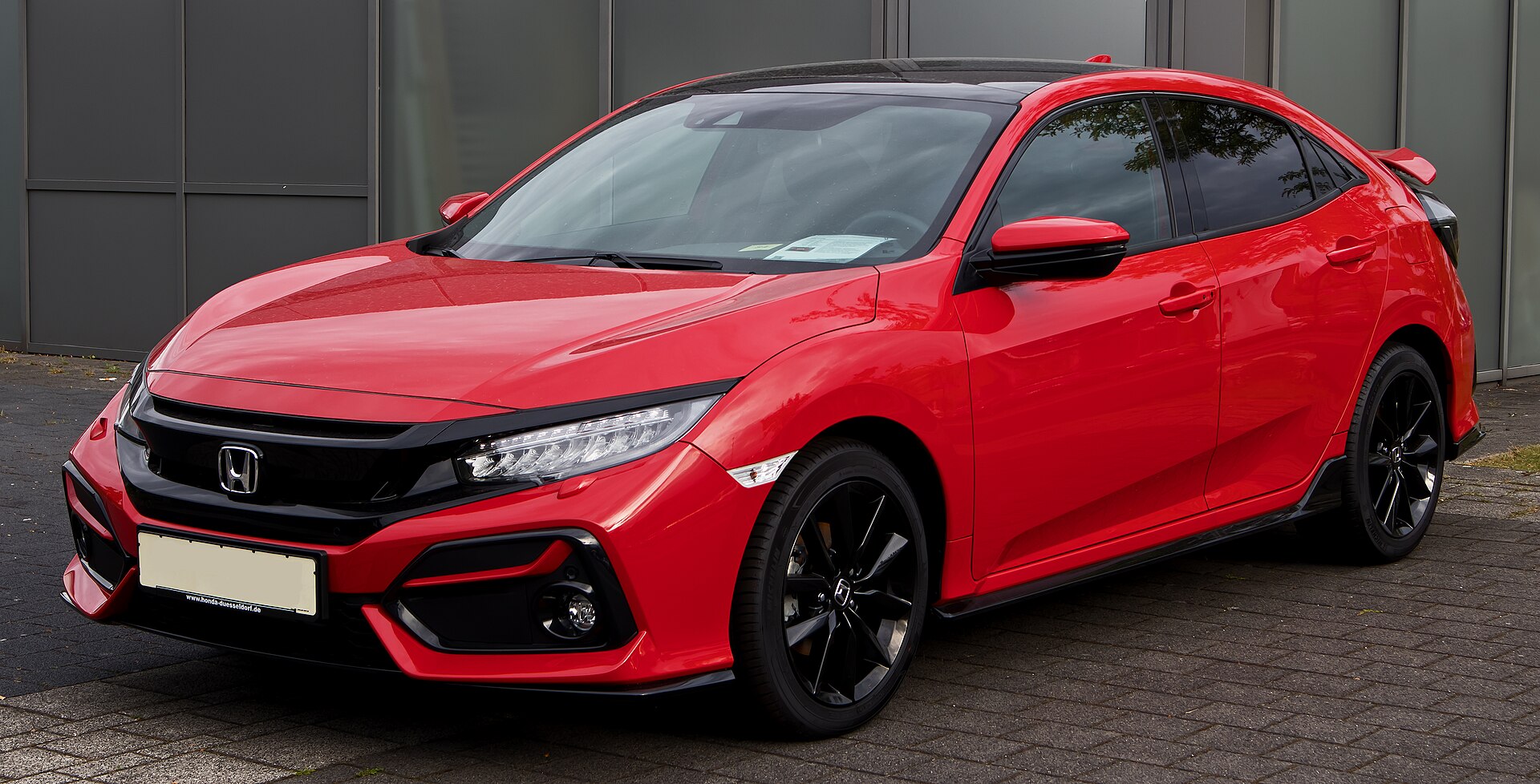
1. Honda Civic
The Honda Civic has long offered a broad range of equipment across its trim lineup, making the middle versions particularly appealing.
A mid-level Civic can provide the essentials that matter during daily driving, including modern driver assistance technology, a comfortable cabin, a quality infotainment system, and useful convenience equipment. For many buyers, moving up to the highest trim adds features that are pleasant rather than necessary.
The top Civic trim can bring larger wheels, upgraded interior materials, additional convenience equipment, and styling changes. Those additions can make the car feel more premium, but they may not transform the ownership experience.
Larger wheels can also bring a firmer ride and more expensive replacement tires. A mid trim with smaller wheels may actually be better suited to drivers who regularly deal with rough roads.
Fuel economy is another consideration. Depending on the market and powertrain, higher trims can sometimes use different engines, wheels, or equipment that influence efficiency.
Buyers who select a well-equipped middle version can concentrate on the combination of comfort and economy instead of chasing every available feature. That can make the purchase easier to justify over several years.
The Civic’s practical design also means that many of its most important qualities are shared across multiple trims. Passenger space, driving manners, basic safety technology, and the underlying platform remain familiar throughout the range.
Paying significantly more for cosmetic upgrades does not necessarily provide a proportional improvement in everyday usability.
For buyers who want a Civic that feels modern without becoming unnecessarily expensive, the mid trim is often the sweet spot. It can provide enough technology to feel current while retaining sensible wheel sizes and equipment.
The result is a car that balances price, comfort, efficiency, and practicality without making the owner feel that every useful feature requires the most expensive badge.
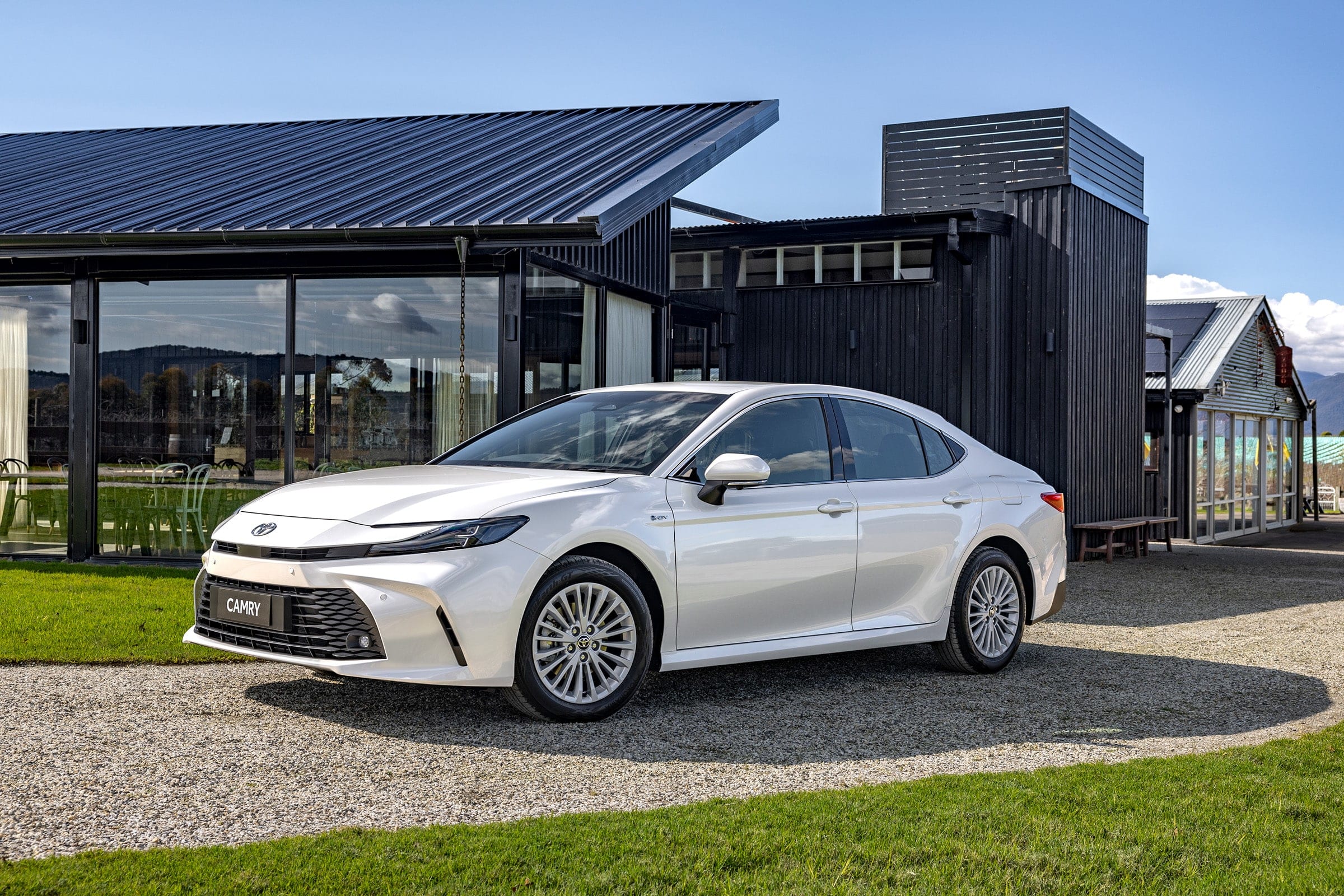
2. Toyota Camry
The Toyota Camry is another model where the middle of the lineup can offer a strong balance. Modern Camry versions provide substantial standard equipment, and buyers do not necessarily need the flagship trim to obtain a comfortable and technologically capable sedan. A mid trim can deliver many of the features people expect from a modern family car.
Higher trims can add premium upholstery, upgraded audio, larger wheels, additional convenience features, and more elaborate styling. These features may appeal to buyers who prioritize luxury, but they also increase the purchase price. If the goal is dependable transportation rather than a near-luxury experience, a middle version can make considerably more financial sense.
Wheel size deserves particular attention. Large wheels can improve visual appeal and make a vehicle look more expensive, yet they may reduce sidewall height.
More sidewall can be helpful when driving over potholes, broken pavement, or uneven roads. It can also reduce the cost of replacing tires. For owners who keep a car for many years, those details matter.
The Camry also has a reputation for being easy to live with, and much of that character is not restricted to the flagship model.
The fundamental driving experience, cabin layout, safety philosophy, and practicality remain accessible at lower prices. Buyers can therefore spend less without sacrificing the qualities that make the sedan attractive in the first place.
A mid-level Camry makes particular sense for someone who wants a comfortable commuter with modern technology and reasonable ownership costs.
The top version is appealing for shoppers seeking maximum equipment, but the middle option can offer a more disciplined purchase. It provides the substance of the Camry without forcing buyers to pay heavily for every available luxury feature.
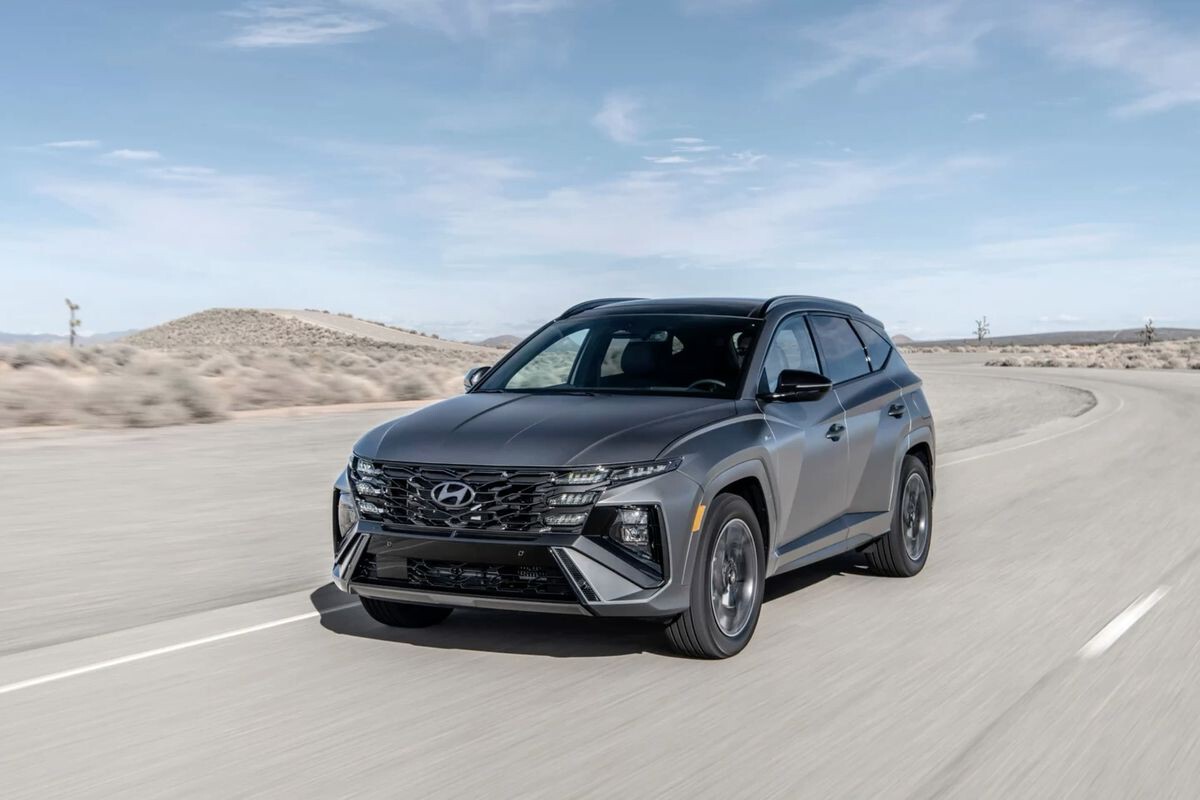
3. Hyundai Tucson
The Hyundai Tucson demonstrates how quickly a mid trim can become attractive when a manufacturer provides generous equipment throughout the range. A middle Tucson can include features such as a larger infotainment display, smartphone connectivity, advanced safety technology, climate-control upgrades, and additional convenience equipment, depending on the market.
The flagship trim generally focuses on adding luxury and technology. Premium seating surfaces, upgraded audio, panoramic glass, larger wheels, and additional electronic features can make the cabin more impressive.
However, many families may find that a middle version already contains everything required for commuting, shopping, road trips, and carrying passengers.
There is also a practical argument for avoiding oversized wheels. SUVs are frequently used on imperfect roads, and taller tire sidewalls can offer a more forgiving ride. They can also be less expensive to replace than low-profile performance-oriented tires. For drivers who value comfort over appearance, the mid trim can therefore have a genuine functional advantage.
Another benefit is simplicity. Every additional electronic feature can potentially become something the owner needs to learn, configure, maintain, or repair. Modern systems are generally reliable, but buyers who do not care about advanced luxury functions may gain little from paying extra for them. A simpler configuration can make daily ownership more straightforward.
The Tucson mid trim is especially compelling for families that want an SUV with a strong equipment list without stretching the budget. It can preserve the practical strengths of the model while avoiding some of the expensive extras found at the top.
The money saved can instead go toward insurance, fuel, maintenance, accessories, or simply remain in the owner’s bank account.
4. Mazda CX-5
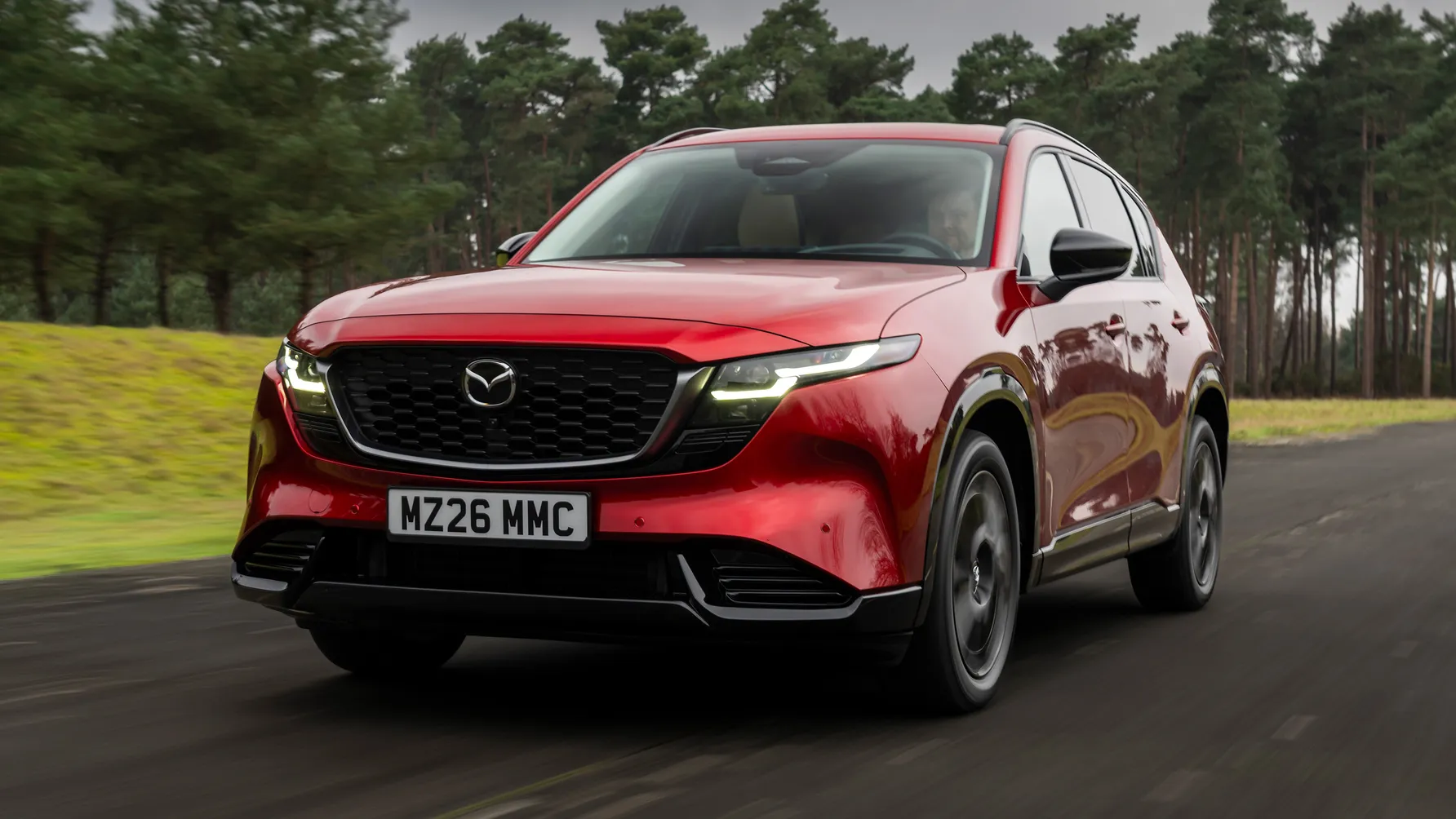
The Mazda CX-5 has a reputation for combining everyday practicality with a more engaging driving experience. Its middle trims can be particularly attractive because they often provide a satisfying mix of interior quality, technology, comfort, and performance without reaching the highest price point.
A top trim can add premium materials, upgraded seats, advanced audio equipment, larger wheels, and additional convenience features. These additions can make the cabin feel more luxurious, but the CX-5 already has a relatively upscale character in many versions. The improvement from a mid trim to the flagship may therefore be smaller than the price difference suggests.
The driving experience also makes wheel selection important. Larger wheels can sharpen the visual character of an SUV, but smaller wheels with taller tires can improve ride comfort. Drivers who spend significant time on city streets may appreciate that difference more than they appreciate a larger wheel design.
Interior quality is another area where the mid CX-5 can perform strongly. Mazda tends to emphasize materials, seating position, dashboard design, and driving feel rather than relying entirely on an enormous equipment list. That means a buyer does not necessarily need the most expensive version to enjoy the qualities that give the model its appeal.
For someone seeking a compact SUV with a premium feel and enjoyable road manners, a mid-level CX-5 can be an excellent compromise. It avoids the temptation to purchase equipment simply because it is available. Buyers receive a well-rounded vehicle while keeping the purchase price and long-term running expenses under better control.
5. Kia Sportage
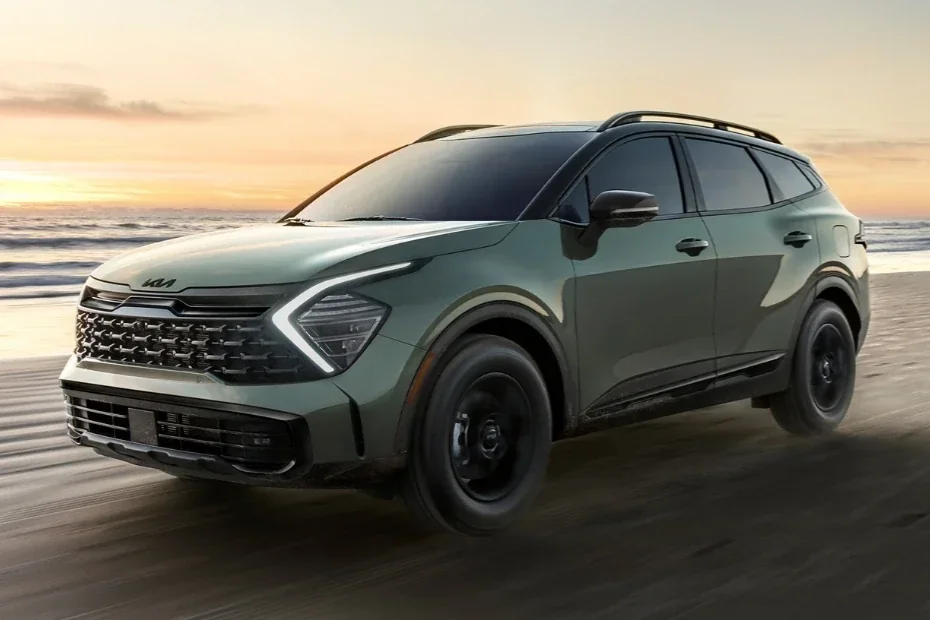
The Kia Sportage is built around the idea that buyers can choose from several equipment levels depending on their priorities. A mid trim can be particularly appealing because it often provides significant upgrades over the base model without carrying the price associated with the flagship.
The middle versions can offer larger displays, improved connectivity, additional safety equipment, better cabin materials, and useful comfort features. Those upgrades can have a meaningful effect on daily life. Moving farther up the range may add premium audio, upgraded upholstery, panoramic glass, larger wheels, or extra electronic features.
For a family SUV, comfort and practicality often matter more than having every possible feature. A mid trim can preserve cargo flexibility, passenger space, visibility, and everyday usability while avoiding some of the expensive options that mainly enhance appearance. This is especially relevant for buyers who use their vehicle for school runs, commuting, and weekend travel.
There is also a financial advantage to choosing a middle configuration. The purchase price is lower, while many of the desirable features are already included.
That can reduce the amount financed and potentially lower monthly payments. Buyers can then allocate the difference toward fuel, servicing, insurance, or other household expenses.
The Sportage mid trim is therefore a strong candidate for value-focused buyers. The top version may be ideal for someone who wants a luxury-oriented SUV experience, but the middle model can be more rational. It delivers the features that influence everyday convenience while avoiding the diminishing returns that often appear near the top of a trim ladder.
6. Subaru Outback
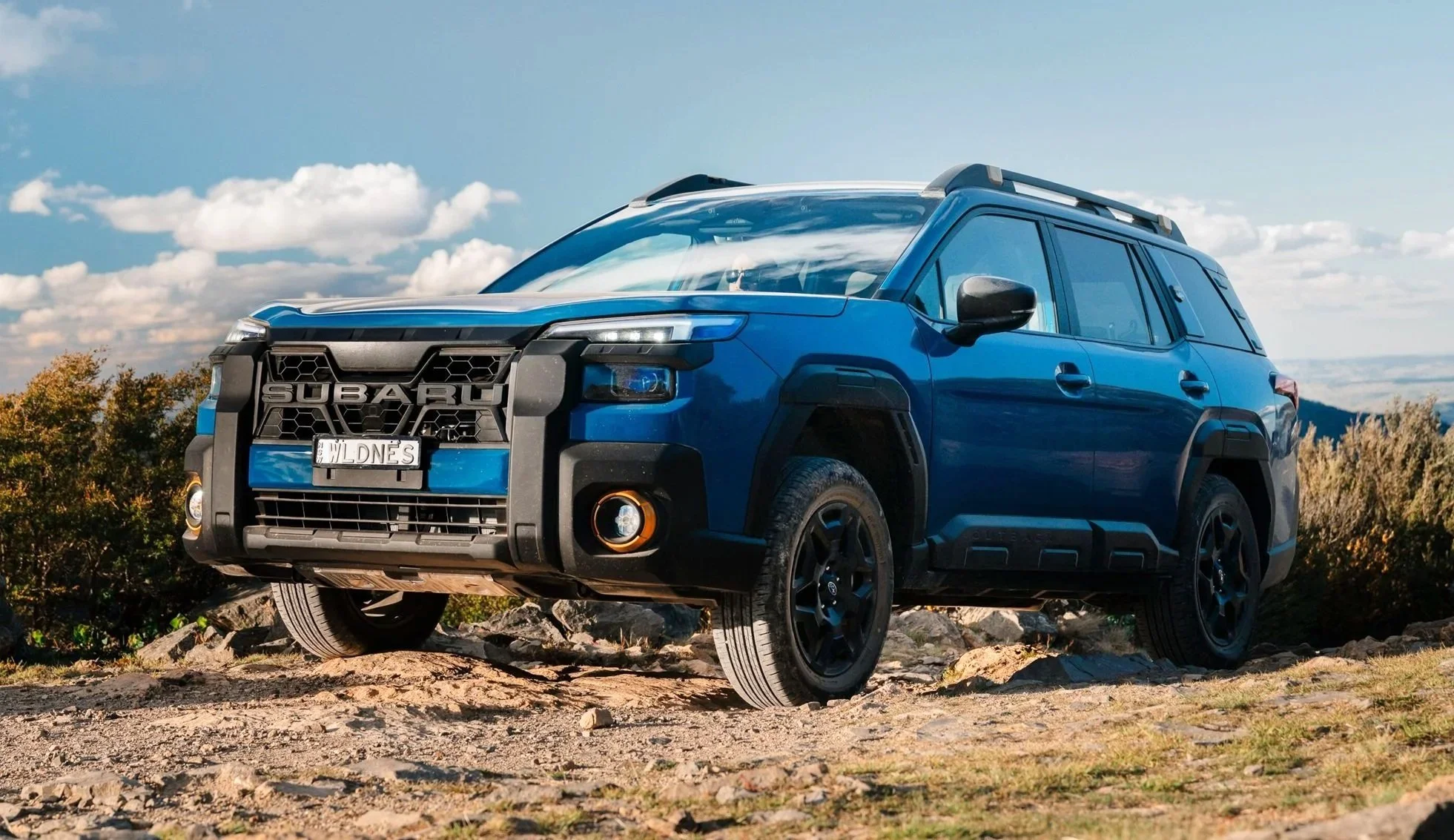
The Subaru Outback is designed for buyers who want versatility, comfort, and confidence on a variety of road surfaces. A mid-level version can make particular sense because it tends to preserve the model’s practical character without adding every premium feature available in the lineup.
Higher trims can bring upgraded upholstery, larger wheels, more sophisticated interior equipment, enhanced audio, and additional convenience technology. For some owners, those features are worth paying for. For drivers who value durability and practicality, however, the middle configuration can provide a more balanced package.
Wheel and tire selection is especially relevant to the Outback. Drivers who choose the vehicle because of its ability to handle poor roads, gravel, or outdoor trips may actually benefit from a tire setup designed around comfort and durability. Larger wheels with thinner tires can make that use case less appealing.
The Outback’s core strengths are also broadly available across the range. Its wagon-like shape provides useful cargo space, while its elevated driving position and all-weather capability support a wide variety of lifestyles. Those characteristics do not suddenly become dramatically better when the buyer moves to the most expensive trim.
A mid Outback can therefore be a smart choice for buyers who spend time on highways, city streets, and occasional rougher surfaces.
It provides the substance of the vehicle without requiring buyers to purchase every premium feature. For practical ownership, that balance can be more valuable than a long list of luxury equipment.
7. Ford Mustang
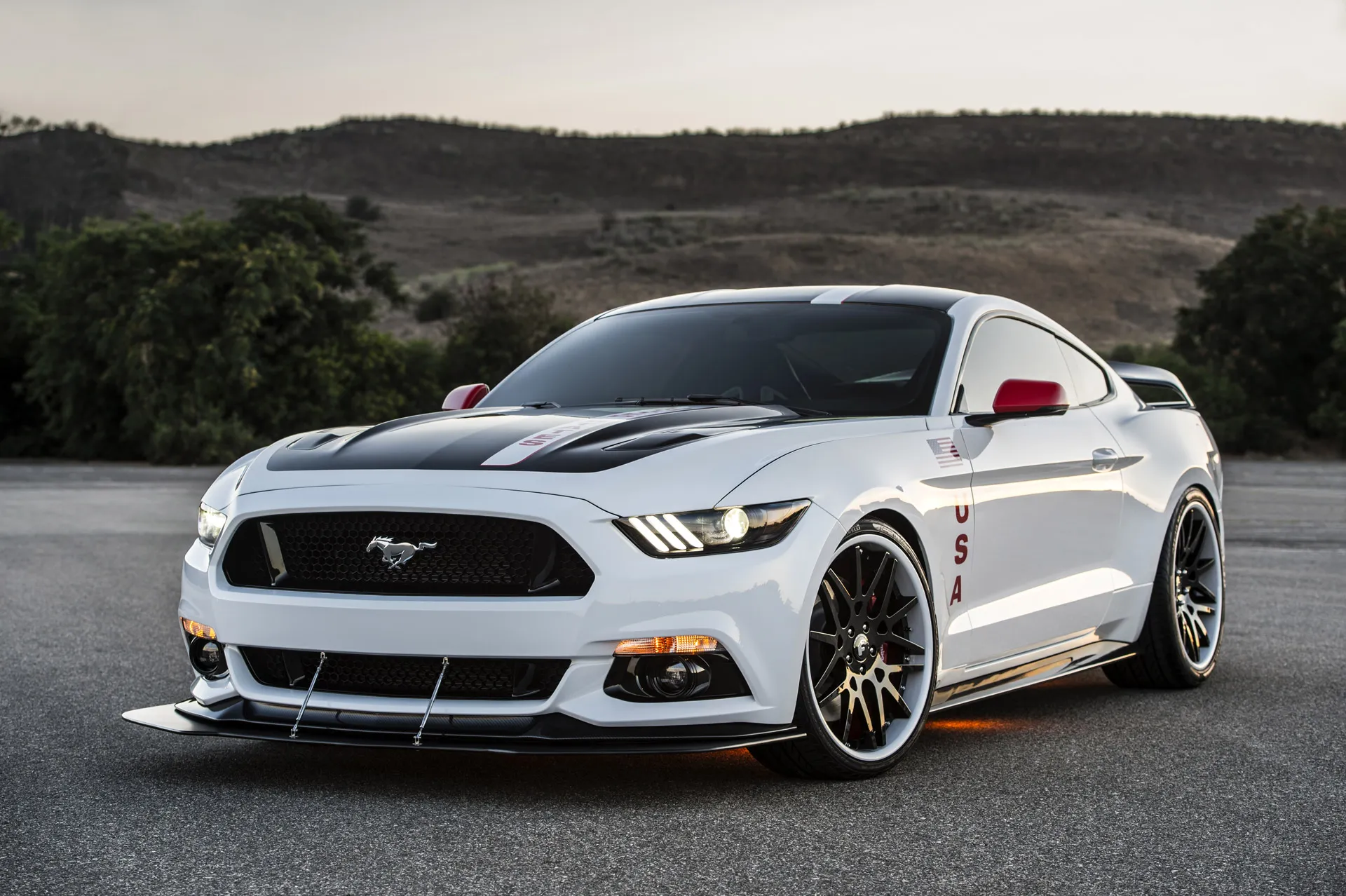
The Ford Mustang presents a different case because performance is a major part of its appeal. Even so, buyers do not automatically need the highest trim to enjoy the car. A middle configuration can provide a strong combination of engine performance, handling equipment, technology, and everyday usability.
The top versions may focus heavily on maximum performance. They can include more aggressive suspension components, larger brakes, specialized wheels, aerodynamic parts, performance tires, and other equipment designed for enthusiastic driving.
Those upgrades can be excellent for track-focused owners but unnecessary for someone who mainly drives on public roads.
A mid Mustang can also be easier to live with. Performance tires and firm suspension settings may deliver sharper handling, yet they can compromise ride comfort and increase operating costs. A slightly less aggressive configuration can provide a better balance between excitement and everyday convenience.
The purchase price matters as well. Performance cars can become expensive quickly when buyers start adding premium packages. Choosing a middle version can leave more money available for fuel, maintenance, winter equipment, personalized accessories, or future upgrades. It also reduces the temptation to pay for equipment that may not be fully utilized.
For enthusiasts who want a genuine Mustang experience without building a track machine, the mid trim can be the smarter choice.
It can deliver the character, styling, and performance that define the model while keeping the car usable and financially sensible. The highest specification is impressive, but impressive does not always mean appropriate.
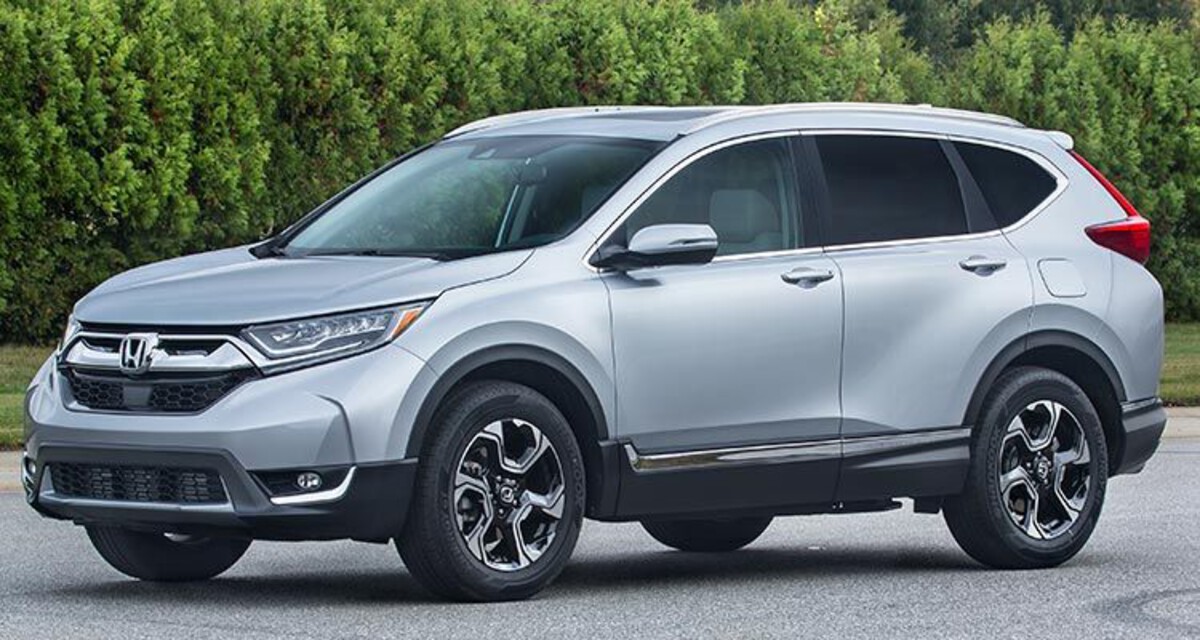
8. Honda CR-V
The Honda CR-V is aimed at practical buyers, which makes the middle trims particularly interesting. A mid-level CR-V can usually provide a substantial collection of technology and comfort equipment while retaining the efficient, family-friendly character that attracts buyers to the model.
The highest trim may add premium seating materials, larger wheels, enhanced audio, additional convenience functions, and cosmetic upgrades. Those additions can make the vehicle feel more upscale, but families often care more about comfortable seats, usable storage, fuel efficiency, safety technology, and easy access.
Large wheels are worth considering again because the CR-V is primarily a practical crossover. A wheel package that looks expensive may not provide a meaningful advantage during a daily commute. Smaller wheels with taller tires can provide a smoother ride and may cost less when replacements are required.
A middle CR-V can also be a strong long-term ownership choice because it avoids excessive spending at the beginning. Money saved at purchase can be significant when financing is involved. Lower principal can translate into lower interest costs, depending on the loan, giving the buyer a benefit that continues beyond the dealership.
For families searching for an efficient and comfortable crossover, the mid CR-V often represents a sensible target. It offers a useful equipment level without turning the purchase into a luxury upgrade exercise. Buyers can focus on what improves daily transportation rather than what merely makes the vehicle appear more expensive.
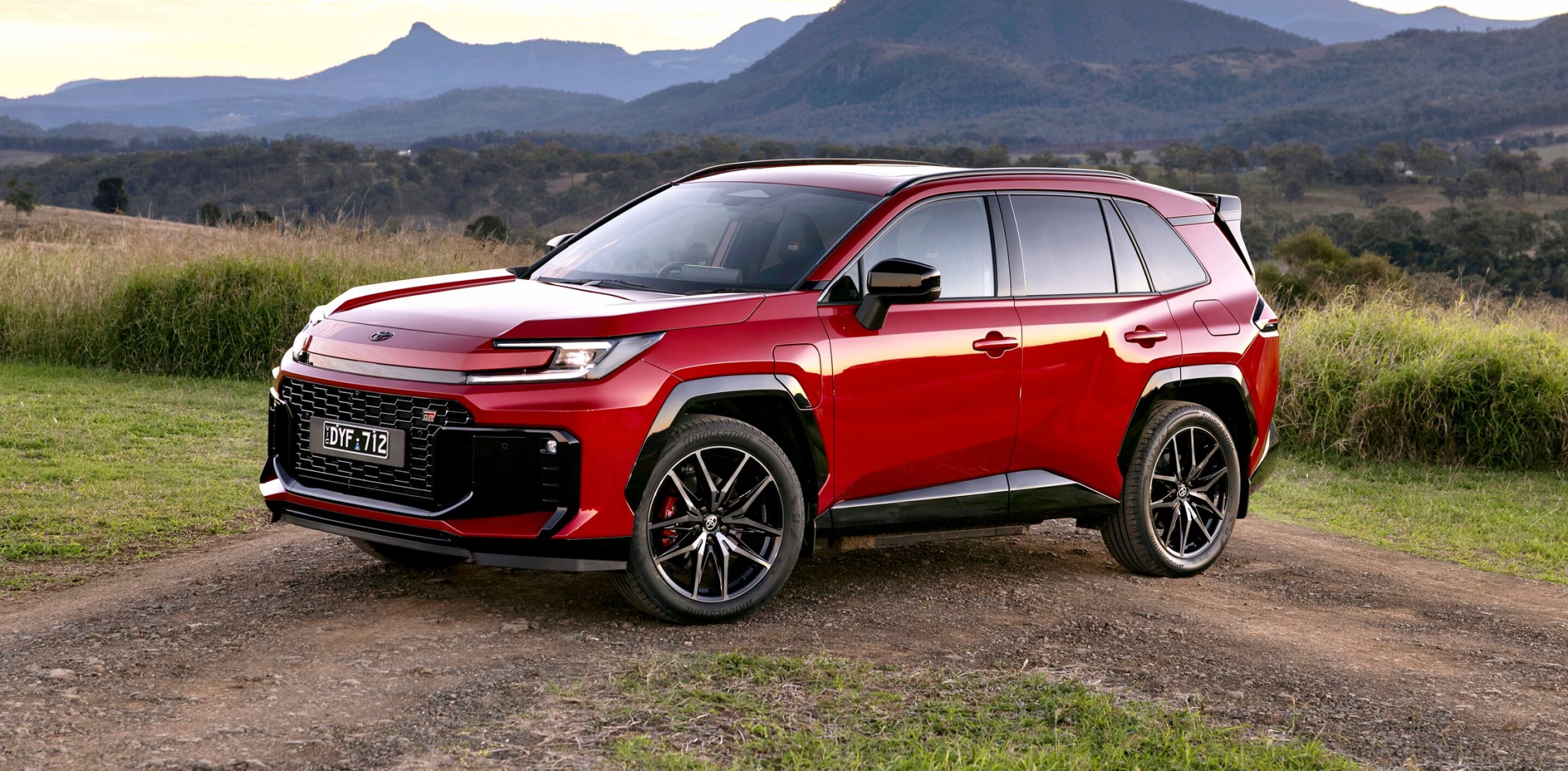
9. Toyota RAV4
The Toyota RAV4 has a wide appeal because it combines practical dimensions, available electrified powertrains in many markets, useful cargo capacity, and a reputation for everyday dependability. Its middle trims can offer a compelling combination of features without demanding the highest possible price.
Higher versions can add premium interior materials, larger wheels, upgraded audio, additional convenience technology, and distinctive exterior styling. These features can be attractive, but the RAV4’s fundamental usefulness remains available in less expensive versions.
For owners keeping a vehicle for many years, tire and wheel costs deserve attention. Large wheels can make an SUV look more substantial, but replacements can be more expensive. A middle trim with a more conservative wheel package can provide better value over the ownership period.
The RAV4’s core family qualities also remain consistent across the lineup. Buyers still receive a practical cabin, useful cargo room, comfortable seating, and a design intended for everyday transportation. Spending more does not necessarily produce a proportionate improvement in those areas.
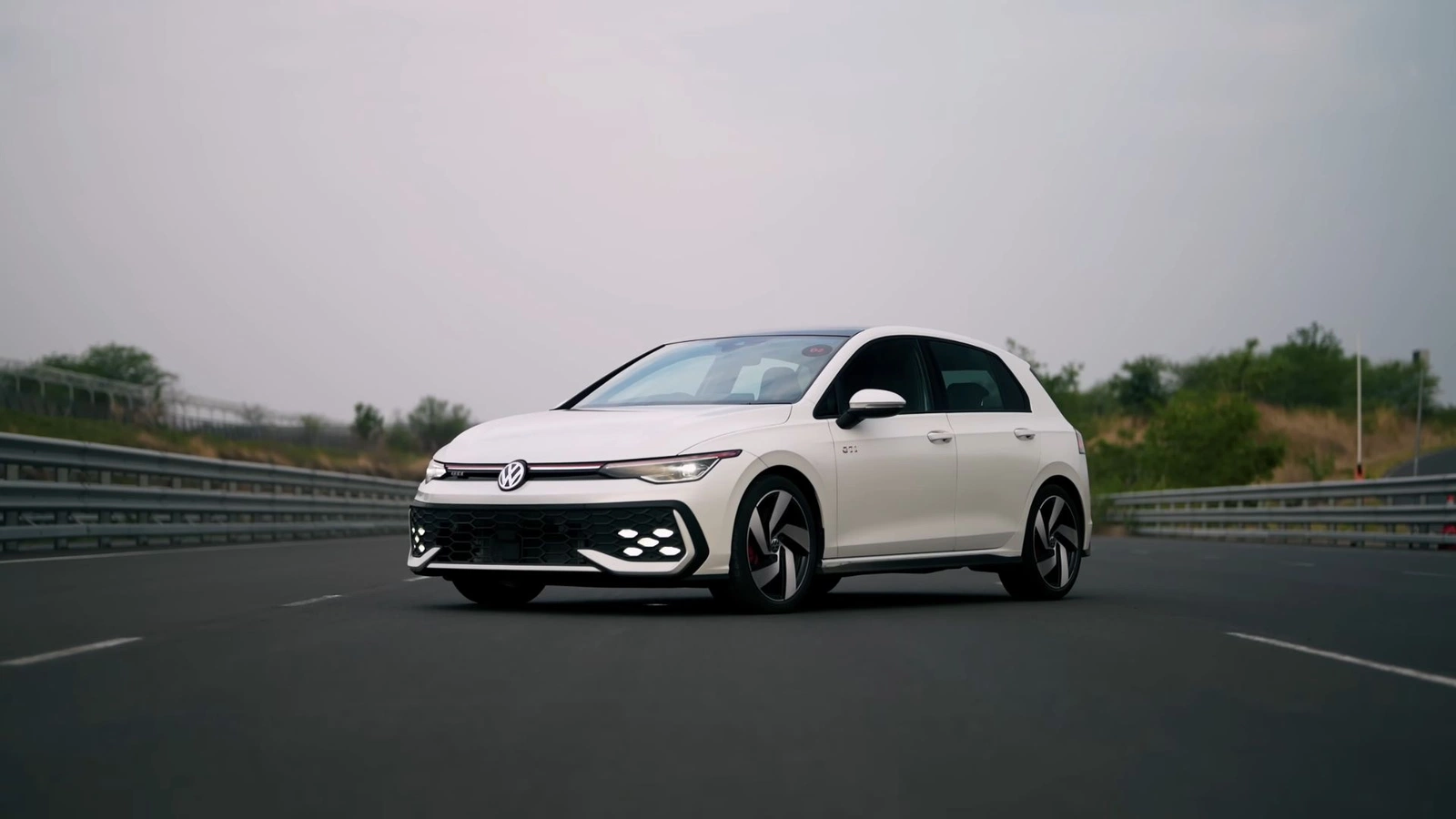
10. Volkswagen Golf
The Volkswagen Golf is a model where choosing the middle of the lineup can create an especially appealing balance between technology, performance, and price. Depending on the market, the Golf range can include several versions with significant differences in power, equipment, and styling.
The top performance-oriented versions can deliver impressive acceleration and handling, but their additional capability may exceed what most drivers can use legally on public roads. Higher performance can also bring greater tire, brake, insurance, and fuel expenses. A mid-level Golf can offer plenty of pace for normal driving.
Technology is another consideration. A middle version may already include the important connectivity and driver assistance equipment most buyers want. The flagship can add larger screens, premium audio, sportier details, or performance hardware, but these additions may have limited value for a commuter.
Ride comfort can also favor a less aggressive setup. Performance-focused wheels and suspension components can make a car feel more responsive, but they may also make rough pavement more noticeable. A balanced setup can provide a better experience for drivers who use their Golf every day.
The mid Golf is therefore appealing to buyers who want European driving character without unnecessary expense. It can remain engaging while being easier on the budget.
Instead of paying for maximum specification, buyers can choose the version that provides enough performance and technology for real-world driving.
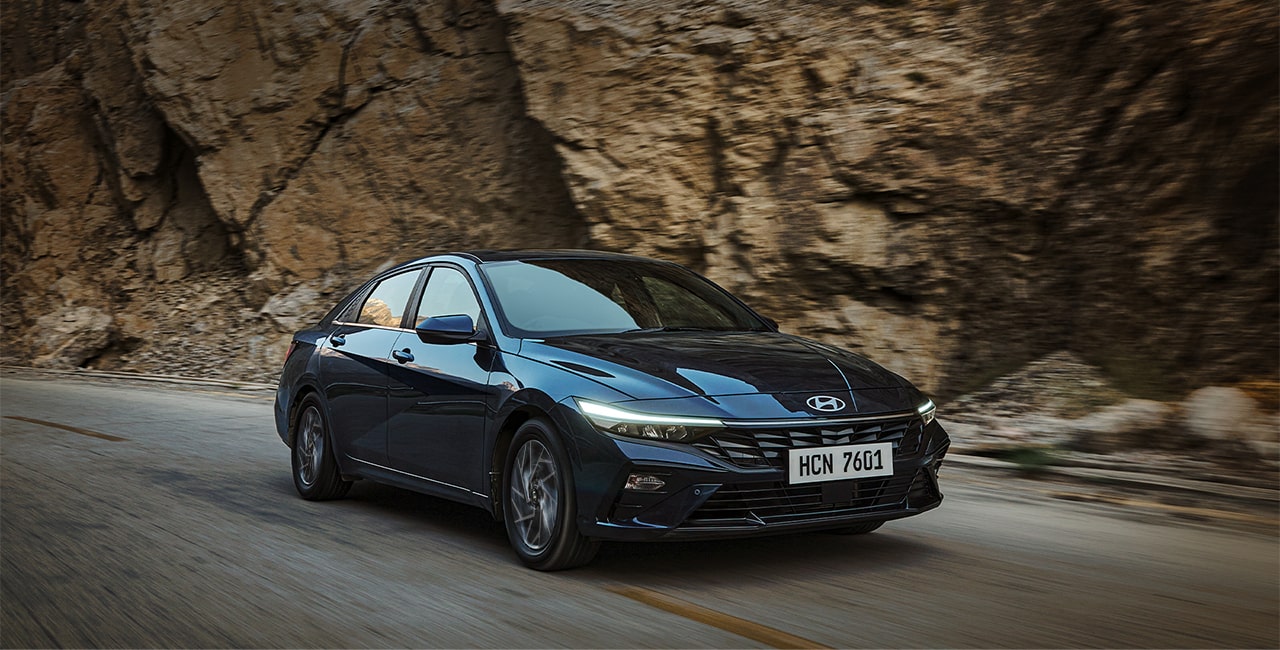
11. Hyundai Elantra
The Hyundai Elantra is another sedan where the middle trim can provide a particularly strong value proposition. Modern compact sedans increasingly offer equipment that would have been considered premium in previous generations, allowing buyers to avoid the highest trim without giving up essential technology.
A mid-Elantra can provide useful infotainment functions, smartphone integration, driver assistance systems, comfortable seating, and convenience equipment. Higher versions may add premium audio, upgraded upholstery, larger wheels, enhanced lighting, and additional technology. These extras can be desirable, but they are not essential for every owner.
For a compact sedan, running costs are important. Larger wheels and performance-oriented tires can increase replacement expenses. Buyers who choose a practical wheel package may benefit from lower tire costs and a more comfortable ride, especially when the car is used extensively in urban areas.
The Elantra also benefits from being relatively easy to live with. Its compact dimensions make parking and city driving straightforward, while its sedan shape provides useful trunk space. Those characteristics remain valuable regardless of whether the buyer chooses a middle or flagship trim.
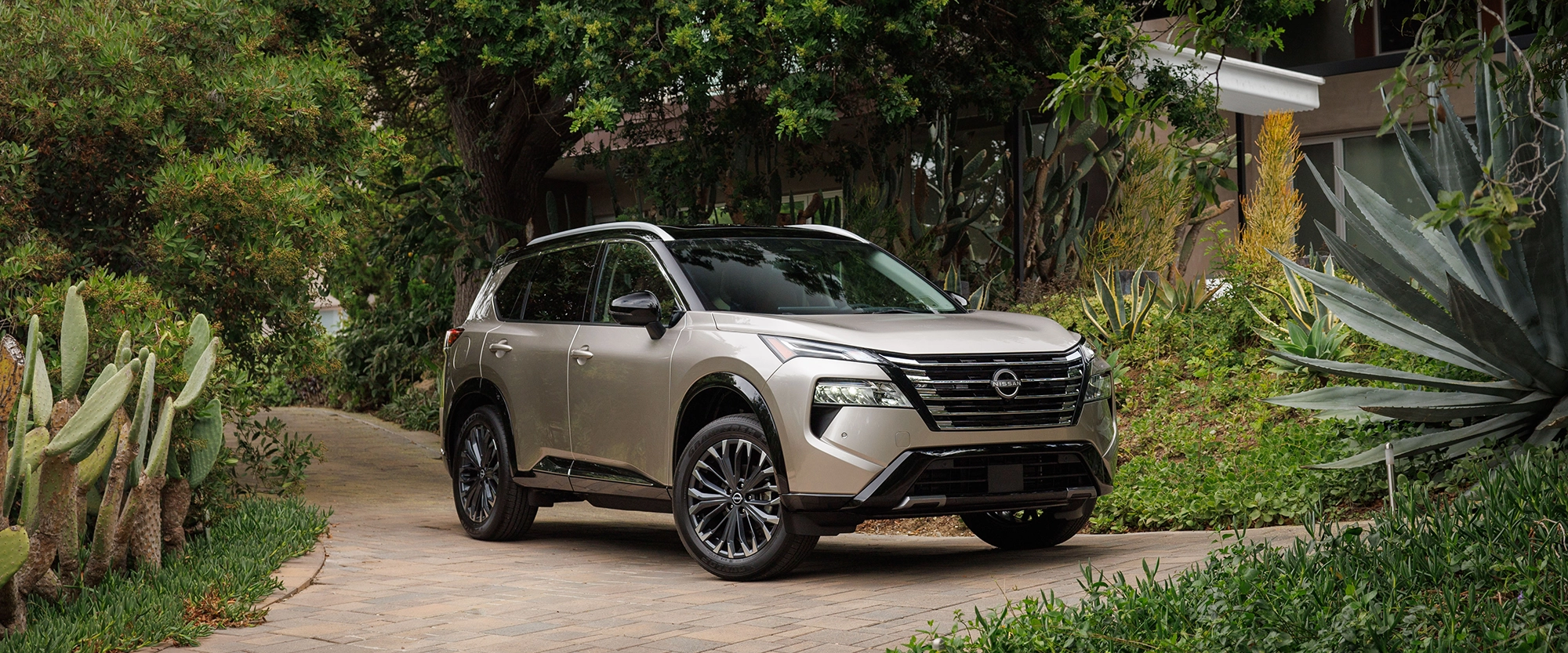
12. Nissan Rogue
The Nissan Rogue is designed for buyers who want the space and driving position of an SUV without moving into a large vehicle. Its middle trims can provide a useful mix of comfort, technology, safety equipment, and practicality while avoiding the highest price attached to the premium versions.
The top Rogue trim can include upgraded materials, larger wheels, premium audio, additional convenience features, and more elaborate cabin equipment. Those features can improve the atmosphere inside the vehicle, but the practical qualities that make the Rogue useful are available lower in the lineup.
Families may find the middle version especially sensible because the important functions of an SUV are relatively straightforward. Comfortable seating, accessible storage, cargo capacity, useful driver assistance technology, and an easy driving position have greater daily importance than decorative upgrades.
There is also a long-term financial argument for stopping short of the flagship. A lower initial purchase price can mean less financing, while simpler equipment can potentially reduce replacement costs for certain components. Buyers should still compare exact equipment lists, but the general principle remains useful when assessing trim levels.
The mid Rogue can be a strong choice for someone who wants a comfortable family crossover without paying for every luxury feature. It offers enough equipment to feel modern while maintaining a sensible relationship between price and usefulness. That makes it a good example of why the most expensive trim is not automatically the best choice.
