
Choosing a car that works well for your dog can make everyday travel safer, simpler, and less stressful. Vehicle height, door openings, seat placement, cargo space, and the distance from the ground all affect how easily a dog can get inside.
Some cars offer low entry points that suit small, older, or less agile dogs, while taller vehicles may require a ramp for comfortable access. This guide compares five cars that dogs can usually enter with little assistance and five models where a ramp can be especially useful.
The goal is to help dog owners choose practical transportation for regular trips, walks, appointments, and longer journeys.
5 Cars Dogs Can Load Into Easily
1. Honda CR-V
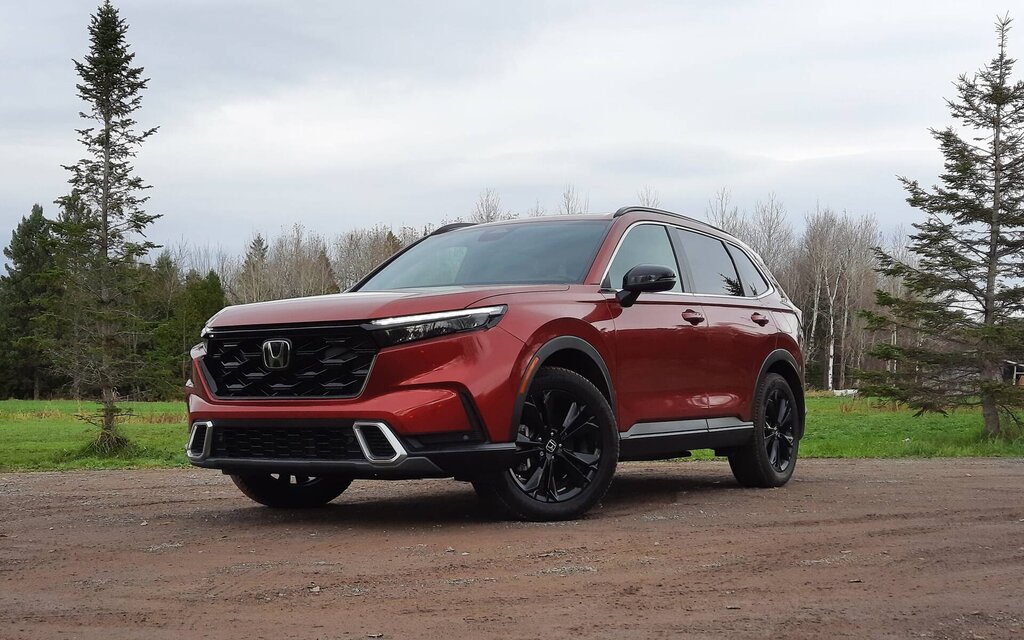
The Honda CR-V is a practical choice for dog owners who want a vehicle with a useful combination of passenger comfort, cargo room, and manageable entry height. Its SUV design gives dogs more space than a typical sedan, while the cargo area provides a relatively open place for a dog to stand, turn around, and settle down.
The rear opening is also broad enough to make loading easier when compared with vehicles that have narrow trunks or steep lift-over points. For medium-sized dogs with normal mobility, the CR-V can provide a convenient step into the rear cargo area without requiring a ramp for every trip.
The vehicle can work particularly well for dogs that dislike climbing into cramped spaces. A wide rear opening allows owners to guide their pets inside without having to lift them through a small doorway. This can be helpful when traveling with a dog that is nervous around cars.
A spacious cargo area also makes it easier to use a protective mat, washable liner, or dog bed. Owners can create a dedicated travel space while leaving enough room for other belongings. The exact loading experience can vary with the vehicle’s model year, trim, tires, and the dog’s size.
One useful feature is the CR-V’s ride height. It sits higher than a conventional passenger car, but the cargo floor is not positioned at an extreme height like that of some large pickup trucks or high-riding SUVs. A healthy adult dog can generally step upward without much difficulty.
Dogs with shorter legs may still benefit from a small step or portable pet platform, particularly if they travel frequently. For puppies, owners should also avoid encouraging repeated high jumps because developing joints can be vulnerable to unnecessary impact.
2. Subaru Outback
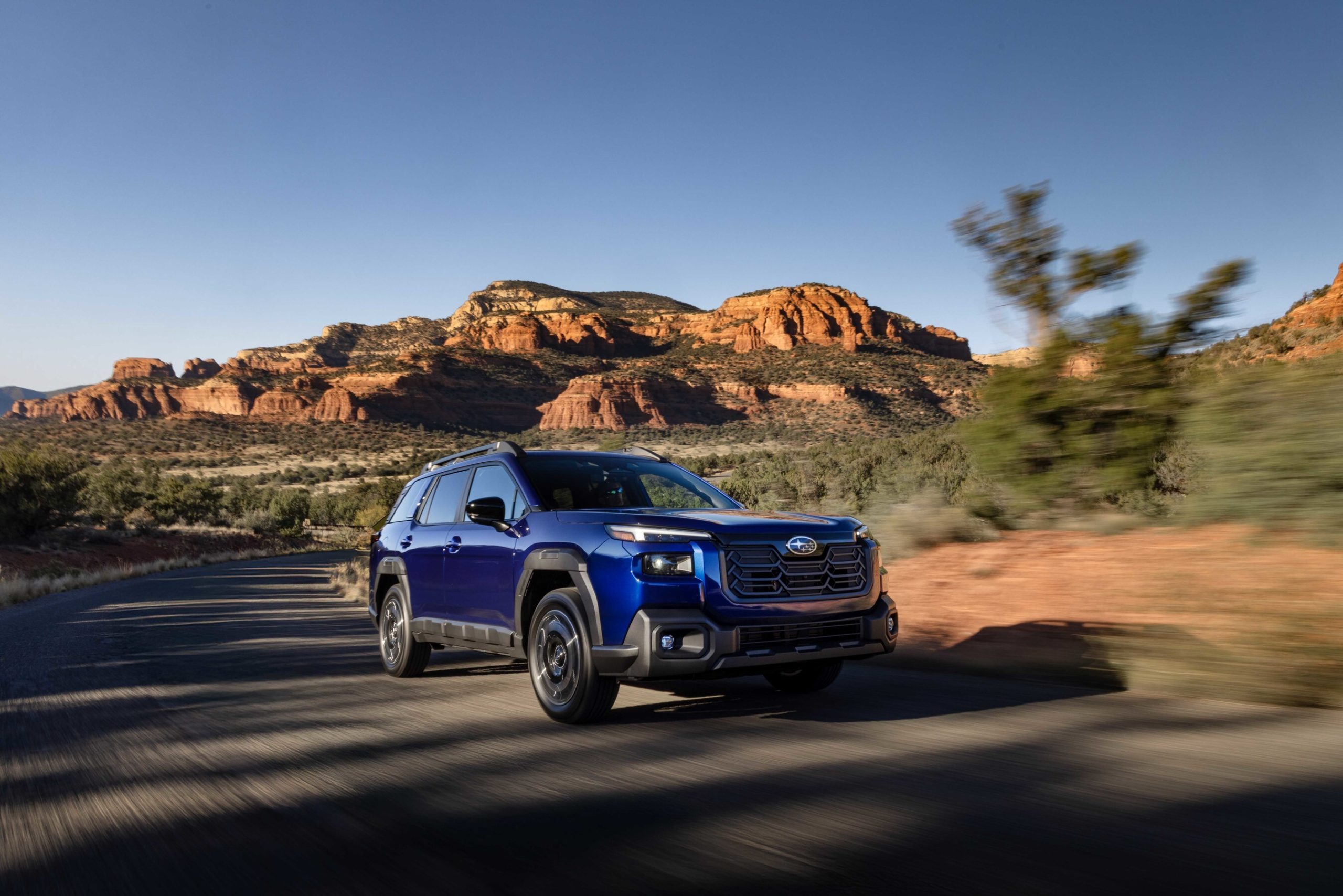
The Subaru Outback has long appealed to drivers who spend time outdoors, and its practical cargo area also makes it useful for dog owners. The wagon-style body provides a large rear opening and a long cargo floor, creating an uncomplicated area for a dog to enter.
Compared with many traditional SUVs, its lower wagon-like profile can make the jump into the rear compartment easier for dogs of different sizes. This can be particularly convenient after hiking, when a dog may be tired and less willing to climb into a vehicle.
The rear hatch opens to a broad area, allowing owners to stand behind the vehicle while helping their dog enter. That position gives the owner good visibility of the dog’s paws and movement. A dog can step into the cargo area without having to navigate a narrow trunk opening.
The low cargo threshold is also useful when placing a blanket, travel mat, or crate inside. Owners who frequently travel with muddy or wet dogs can take advantage of the available floor area by adding a waterproof liner that can be removed for cleaning.
The Outback’s design is especially suitable for active dogs. There is enough room for many medium and large breeds to sit or lie down comfortably, depending on the vehicle configuration and whether a cargo barrier or other equipment is installed.
The long roofline contributes to a generous interior space, while the rear seats can provide additional flexibility when passengers are not using them. Owners should still measure the area before selecting a crate, since interior dimensions and cargo layouts differ by model year.
3. Toyota RAV4
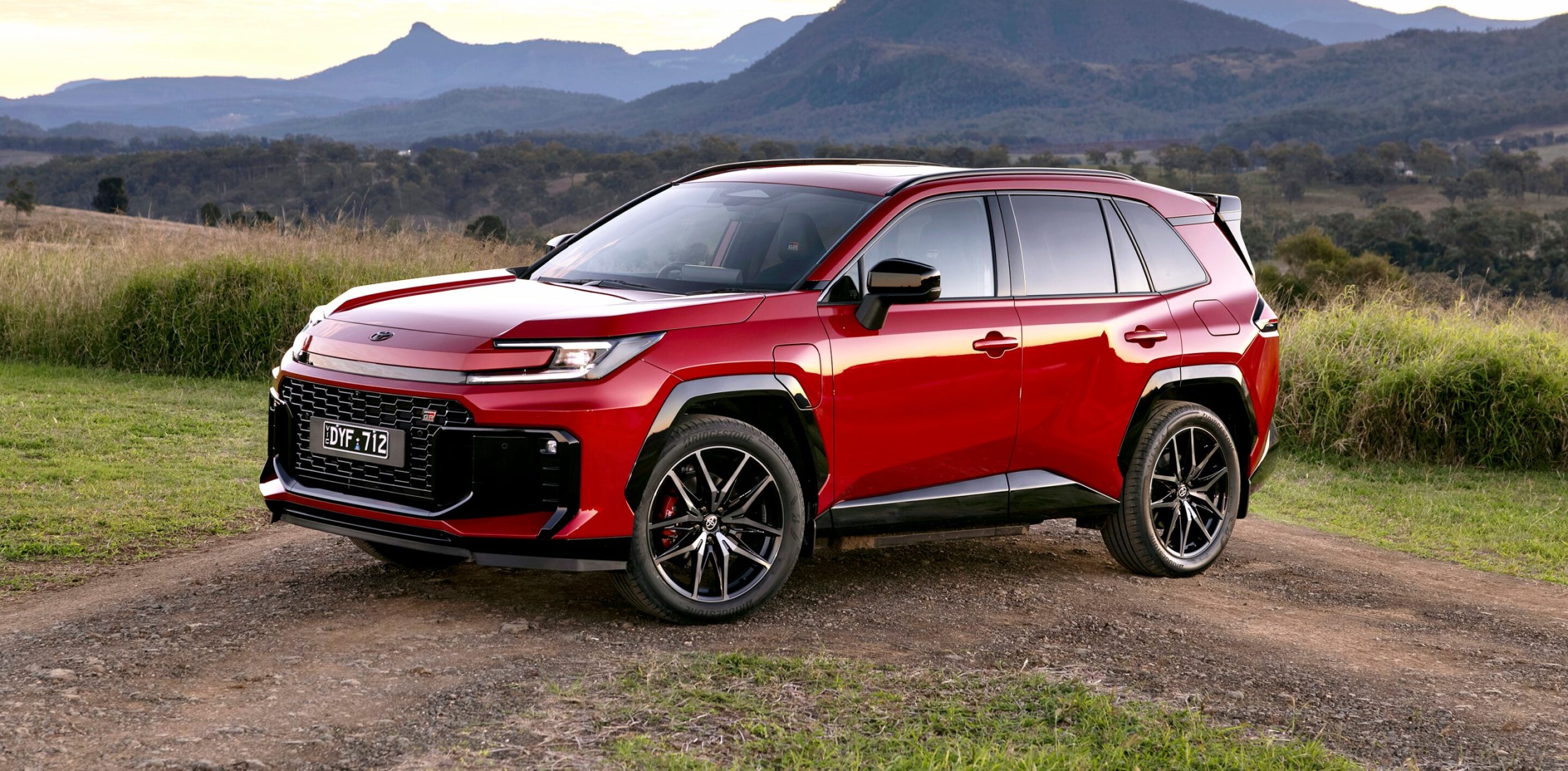
The Toyota RAV4 is a compact SUV that can be convenient for transporting dogs. Its rear cargo area offers considerably more usable space than the trunk of a conventional sedan, and the hatchback design gives owners direct access to the loading area.
A dog does not have to squeeze through a narrow passenger door or climb into a deep trunk. For many medium-sized dogs, the cargo floor is accessible enough for stepping inside without a ramp.
The RAV4’s practical interior makes it easy to create a dedicated dog travel zone. Owners can place a fitted cargo liner across the floor to protect the upholstery from hair, dirt, water, and scratches.
A nonslip surface is particularly important because smooth plastic or fabric can make dogs lose their footing. A dog that feels secure while entering is less likely to hesitate at the hatch. Good traction also helps when the vehicle is parked on a slight incline or when the animal is carrying wet paws after a walk.
Loading a dog is often easier when the owner uses a consistent routine. Opening the hatch, placing the dog’s travel mat inside, and using the same verbal cue each time can help the animal understand what is expected.
The RAV4 provides enough rear access for an owner to guide a dog without twisting awkwardly. That can matter when the dog is large or reluctant to enter. A predictable process can also reduce stress for dogs that associate cars with unfamiliar destinations such as veterinary clinics.
4. Kia Sportage
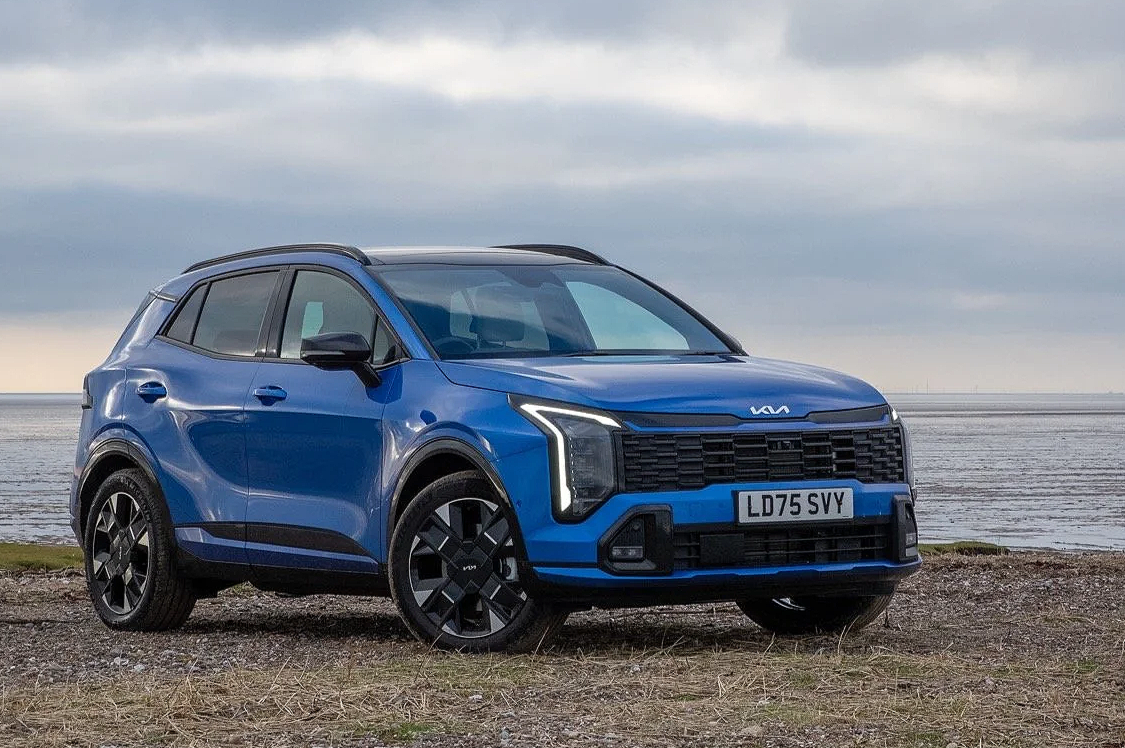
The Kia Sportage provides another useful layout for dog owners who prefer a compact SUV. Its hatchback configuration gives direct access to the rear cargo space, avoiding the deep and enclosed trunk found in many sedans.
The rear opening is useful when a dog needs to enter after a walk, and the cargo area can be adapted with a protective mat or pet liner. Many dogs can simply step upward into the vehicle when the surface outside is level, and the animal has good mobility.
The vehicle’s interior proportions can also help owners avoid the cramped feeling associated with smaller hatchbacks. A dog has more room to move into position once inside.
That is valuable for pets that turn around before lying down or prefer to settle on a larger mat. Owners should consider the dog’s standing height, body length, and weight rather than relying only on general vehicle dimensions. A large breed may require more vertical clearance than a smaller dog, particularly if a crate is being used.
Entry comfort depends partly on the ground surface. A dog climbing into a vehicle from smooth pavement may have an easier experience than a dog standing on wet grass, gravel, or loose soil. Adding a durable mat outside the rear hatch can give the dog a stable launch point.
A nonslip cargo liner inside can then provide similar security once the animal steps through the opening. These simple changes can make a noticeable difference without requiring permanent modifications to the vehicle.
Owners of young dogs should also think about long-term habits. Puppies may enthusiastically leap into a vehicle because they have plenty of energy, but repeated jumping from a height is not necessarily ideal.
Teaching a puppy to wait for a loading cue can make travel safer. If the dog grows into a large breed, using a step or ramp later may become preferable. The Sportage’s accessible rear design gives owners several options as their dog’s needs change over time.
5. Volkswagen Golf SportWagen
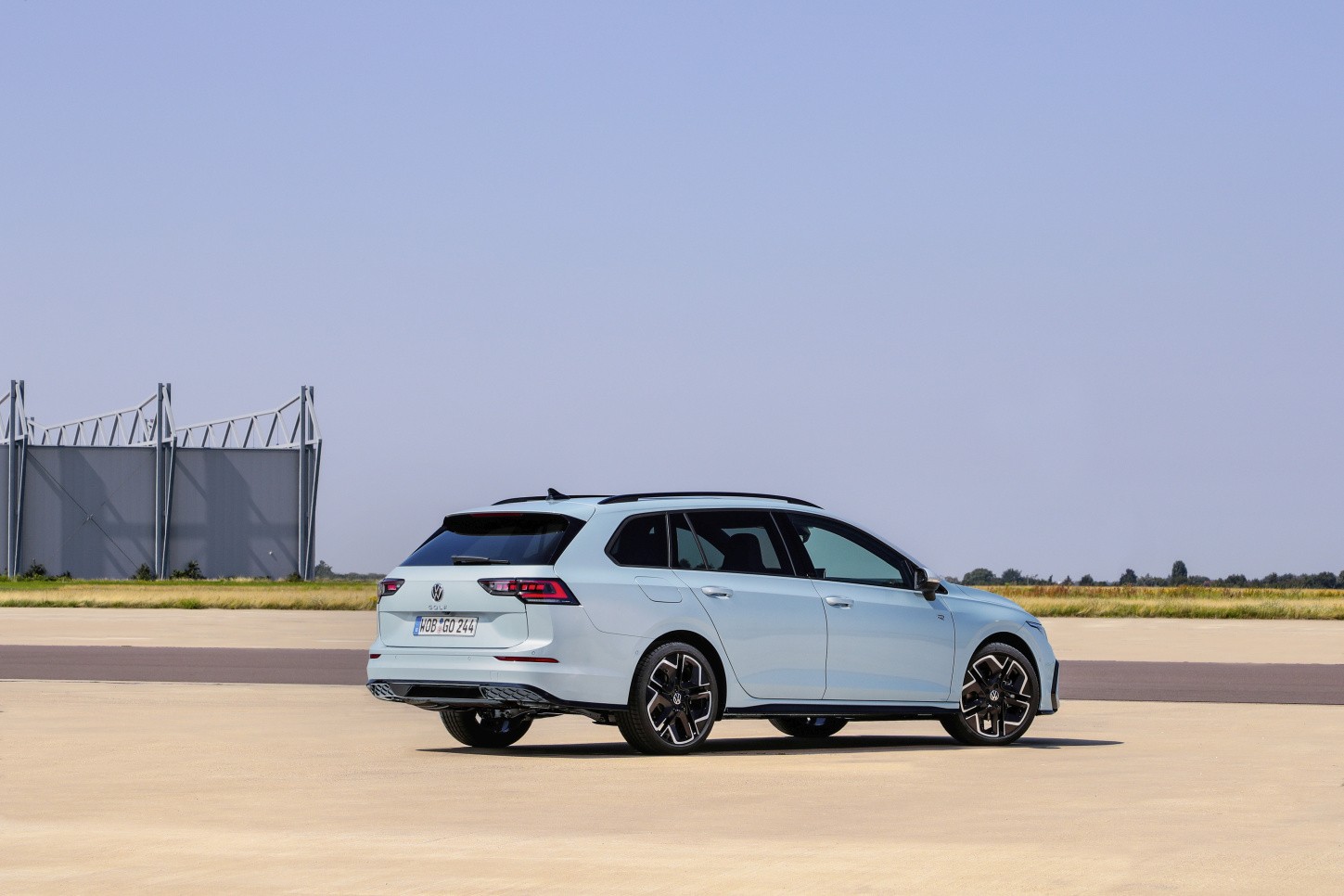
The Volkswagen Golf SportWagen is a useful example of a vehicle that can accommodate dogs through a lower, wagon-style cargo opening.
Its design provides more practical rear space than many traditional hatchbacks while keeping the vehicle closer to the ground than a tall SUV. That lower profile can make the entry step easier for dogs that are hesitant about climbing. It can also be useful for owners who do not want to lift their pet into a high cargo compartment.
A wagon body can offer a good combination of accessibility and usable interior space. The rear hatch opens upward, allowing the owner to stand behind the car while guiding the dog inside.
The cargo floor can accommodate a mat or protective cover, and the rear seats provide additional capacity when the dog needs more room. Depending on the dog’s size, a travel crate may fit well in the cargo area, though owners should check measurements before purchasing equipment.
The lower stance may appeal particularly to small and medium dogs. Short-legged breeds can find high SUVs challenging because the distance between the ground and cargo floor forces them to make a large jump. A wagon reduces that distance. Dogs with normal movement can often step up with less effort.
Owners should still monitor how the dog moves because an animal that hesitates, stretches awkwardly, or repeatedly slips may need additional assistance.
5 Cars That May Need a Ramp for Dogs
1. Ford F-150
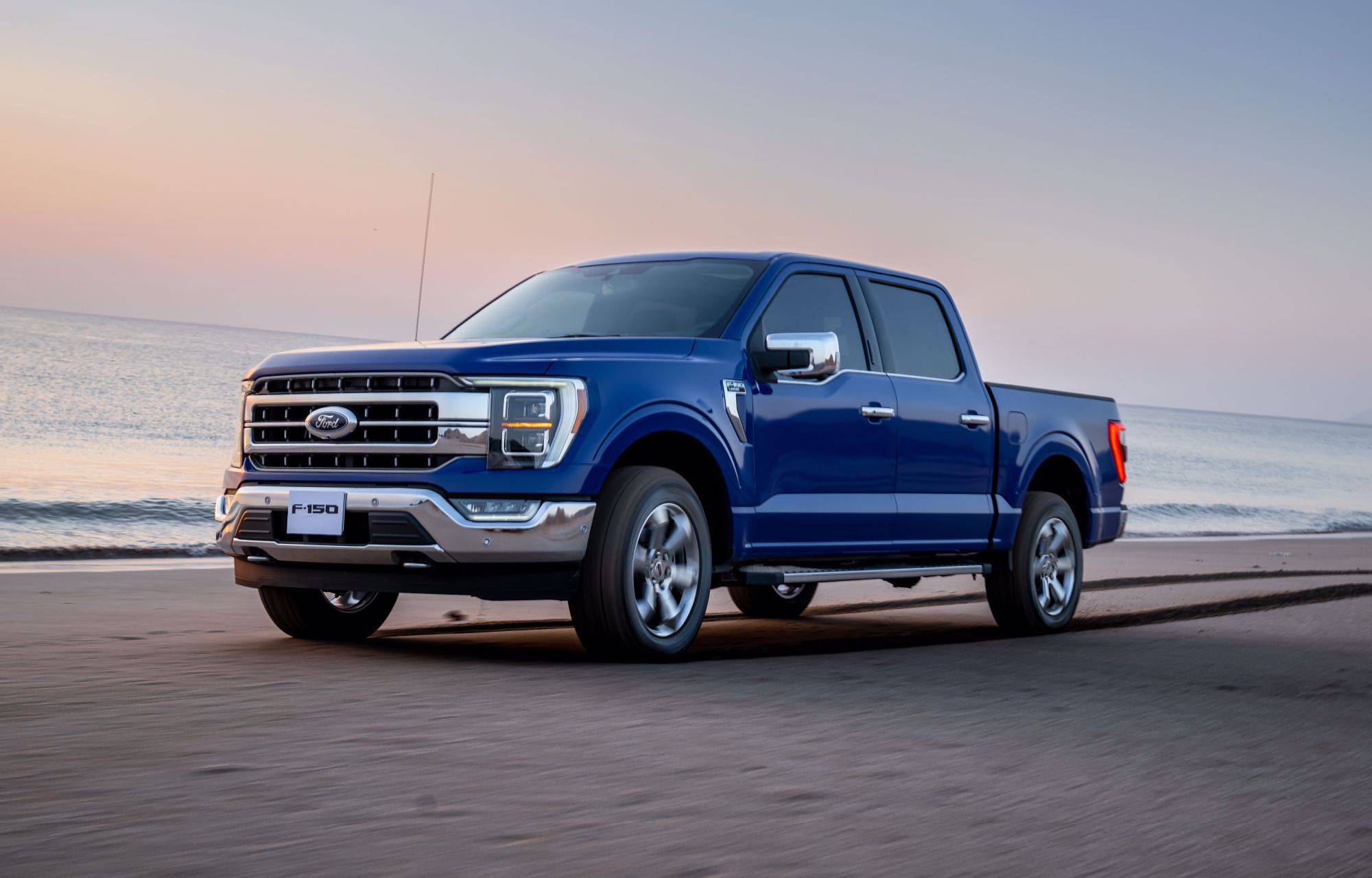
The Ford F-150 presents a very different loading situation from a wagon or compact crossover. Pickup trucks are built with higher ground clearance, large wheels, and elevated beds, which can create a significant distance between the ground and the loading surface.
A dog may be able to jump into the cabin through a passenger door, but getting into the pickup bed is considerably more challenging for many animals. A ramp becomes particularly useful when the dog travels in the bed under appropriate safety arrangements.
The height can be a serious consideration for large dogs as well as small breeds. A strong dog may be capable of jumping upward, but ability does not necessarily mean the movement is comfortable or safe.
Repeated high jumps can put substantial force on the joints when the dog lands. This is especially relevant for senior animals, dogs with previous injuries, and breeds that are susceptible to joint problems. A ramp allows the dog to walk upward rather than making a single large leap.
The pickup bed also requires careful safety planning. Dogs should not be allowed to ride loose in an open truck bed. There are serious risks from sudden braking, traffic, weather, loose objects, and accidental falls.
A secure, appropriate travel setup is essential, and owners should follow applicable laws and veterinary safety guidance. If the dog rides inside the cab instead, the high external bed is no longer relevant, but the cabin itself may still have a substantial step depending on the truck’s configuration.
A folding dog ramp can make the F-150 easier to use when transporting a pet. The ramp should be long enough to create a manageable incline and should have a surface that provides strong traction.
Very steep ramps can defeat their purpose because the dog may feel less stable walking upward. Owners should introduce the ramp gradually at home rather than expecting a nervous dog to use it immediately beside a busy road or parking lot.
2. Jeep Wrangler
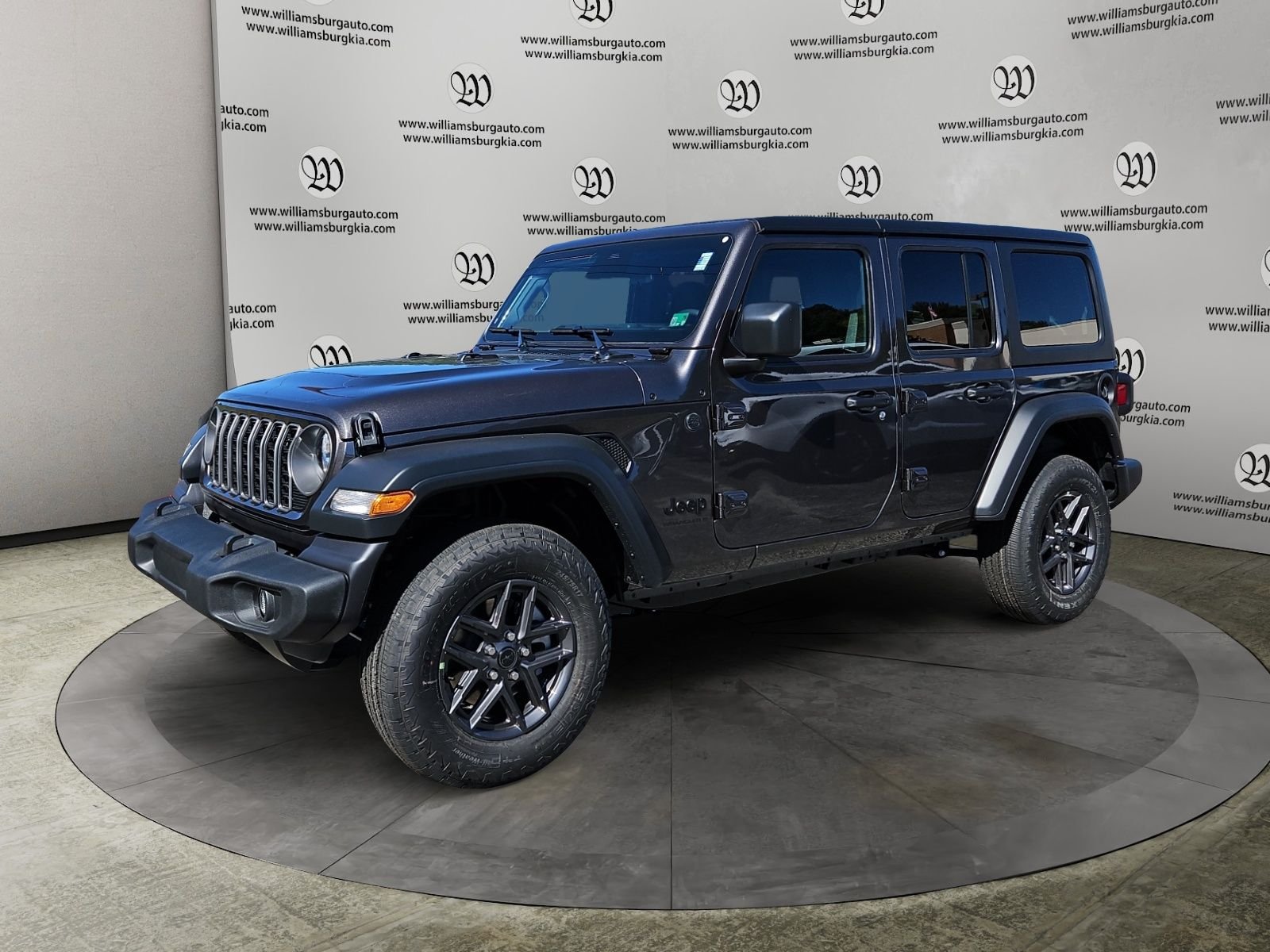
The Jeep Wrangler is designed for off-road capability, and its relatively high stance can make pet loading more demanding than it is in a low wagon. The exact entry height depends on the model, wheel configuration, suspension, and other equipment. Larger tires or lifted suspensions can increase the distance a dog must climb.
A healthy dog may handle the standard setup, but a ramp or step can make entry much more comfortable for smaller, older, or less agile pets.
Wrangler owners also face a unique issue because the vehicle may be used with removable doors or open-air configurations. While these features are attractive for outdoor recreation, they require additional attention when transporting a dog.
The animal needs a secure travel position and must not be allowed to move unpredictably around the cabin. A dog that normally jumps into a car from the pavement may behave differently when exposed to a higher step or unusual surroundings.
A ramp can be particularly useful for the rear cargo area when the dog enters through the back. The correct ramp length matters because a short ramp can create a steep angle.
A longer folding model may provide a smoother path, though it needs adequate storage space inside the vehicle. The surface should remain secure when wet, since dogs frequently enter vehicles after rain, swimming, or muddy outdoor activities.
Training is another important part of successful ramp use. Owners can begin by placing the ramp flat on the ground and rewarding the dog for walking across it. Once the dog is comfortable, the ramp can be raised gradually.
This process helps build confidence and prevents the animal from associating the ramp with frightening movements. Food rewards, calm verbal cues, and patience can make training easier, particularly for dogs that have never used a ramp before.
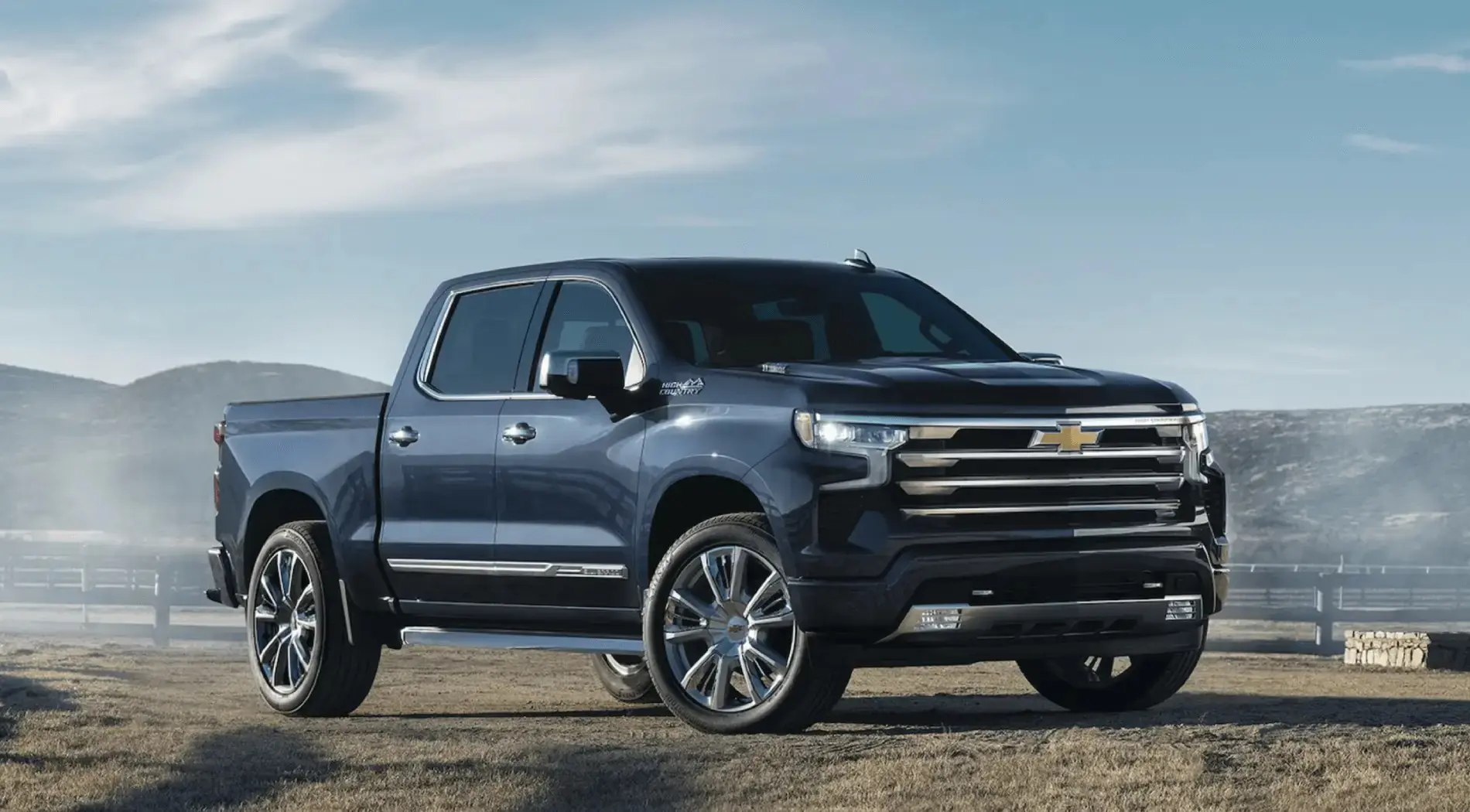
3. Chevrolet Silverado 1500
The Chevrolet Silverado 1500 is another full-size pickup where loading height can become an issue for dogs. Its elevated body and substantial ground clearance make the truck practical for hauling equipment, but those features can create a difficult step for a pet.
Getting into the cab may already require a significant climb for smaller dogs. Reaching the bed can be even more challenging, especially when the truck is equipped with larger tires or suspension modifications.
A ramp or pet step can reduce the physical demand. For dogs entering the cab, a sturdy step may be sufficient. For access to the bed, a longer ramp generally provides a safer walking angle.
Owners should choose equipment rated for the dog’s weight and check that it remains stable during use. The ramp should not shift sideways or slide away from the vehicle. A secure setup is essential because a sudden movement can frighten a dog and cause an injury.
Owners should also think about how frequently their dog enters the truck. A pet that travels once every few months may manage with careful assistance, while a dog that rides daily may face hundreds of loading events over a year.
Repeated jumping from a high surface can become a cumulative concern. A ramp turns the process into a controlled walk and may be especially beneficial for larger dogs whose body weight creates greater impact when landing.
The Silverado’s spacious interior can still make it a comfortable vehicle for dogs when they travel inside the cab. A suitable harness, seat cover, or crate can help keep the dog secure.
The key is to distinguish between passenger-cabin access and pickup-bed access. The latter requires much more attention because an open bed is not a safe place for a loose dog. If the dog must use the bed for a specific reason, a secure travel arrangement and appropriate ramp are important.
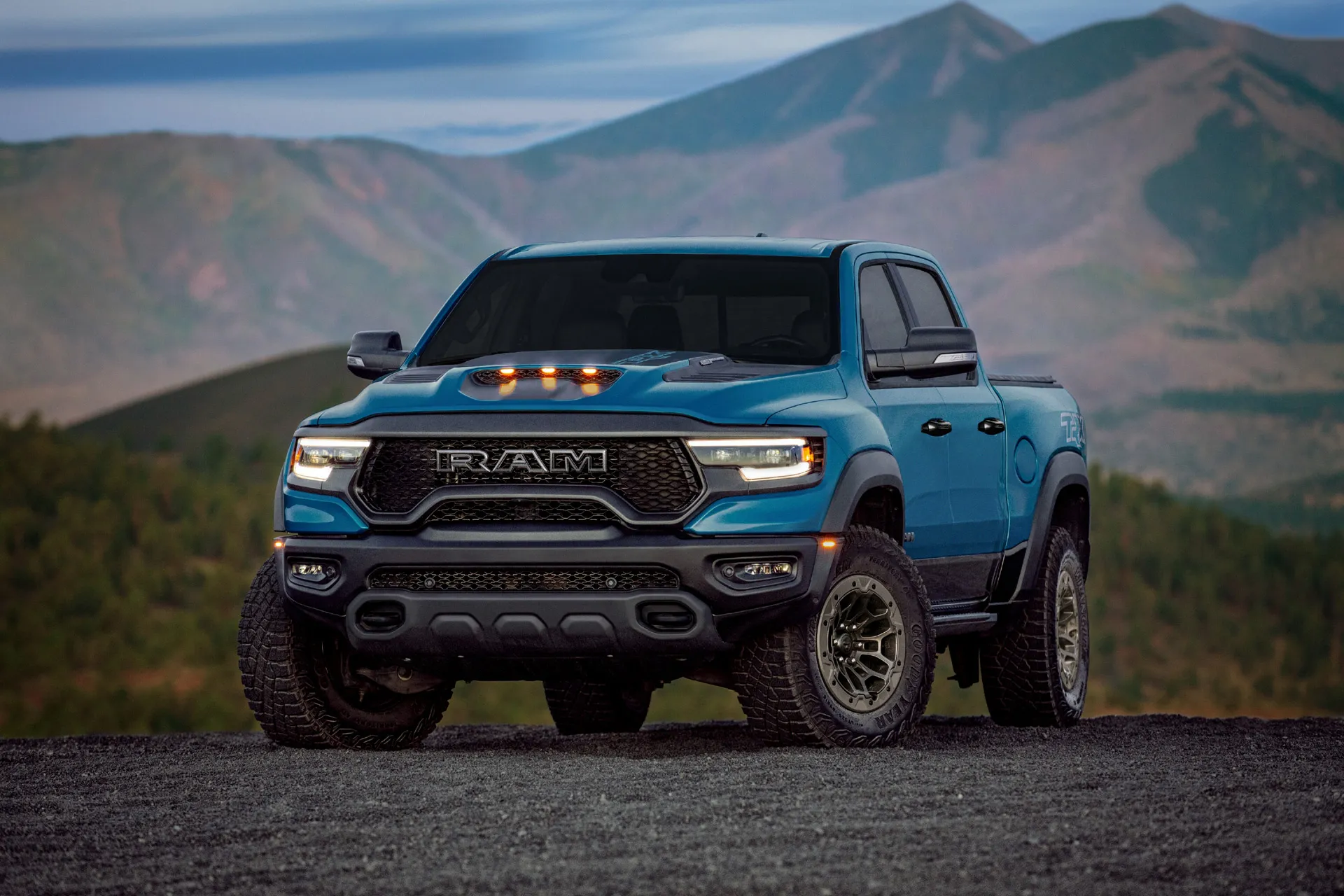
4. Ram 1500
The Ram 1500 combines a high-riding pickup design with a large cabin and cargo bed, making it useful for work, travel, and outdoor activities. For dogs, the vehicle’s height can be a challenge.
The step into the cabin may be substantial, and access to the truck bed requires an even greater climb. Dogs with long legs and good mobility may cope with the height, but smaller pets can struggle to find a comfortable way inside.
A ramp can reduce the need for jumping. The most important factor is selecting a ramp that provides enough length for a gradual incline. Owners should also look for a high-traction surface because a dog’s paws can slip on smooth materials.
The ramp should be placed on stable ground and checked before every use. If the vehicle is parked on uneven terrain, the owner needs to make sure the ramp remains firmly positioned throughout the loading process.
The need for assistance can change as a dog ages. A dog that routinely jumped into a Ram 1500 at three years old may find the same movement difficult at ten years old.
Stiffness can develop gradually, and some animals hide discomfort until physical demands become difficult. Owners can watch for hesitation, slower movement, licking joints, reluctance to jump, or changes in posture. When a dog begins showing signs that a high step is uncomfortable, switching to a ramp can be a sensible precaution.
The cabin can be made more accessible with a sturdy step or foldable platform. This may be preferable to a long ramp when the dog only needs to climb into the passenger area. A dog harness can also help an owner provide controlled assistance without pulling on the animal’s neck.
Whatever equipment is used, the goal should be to support the dog’s movement rather than forcing it upward. Good footing matters at every stage of the process.
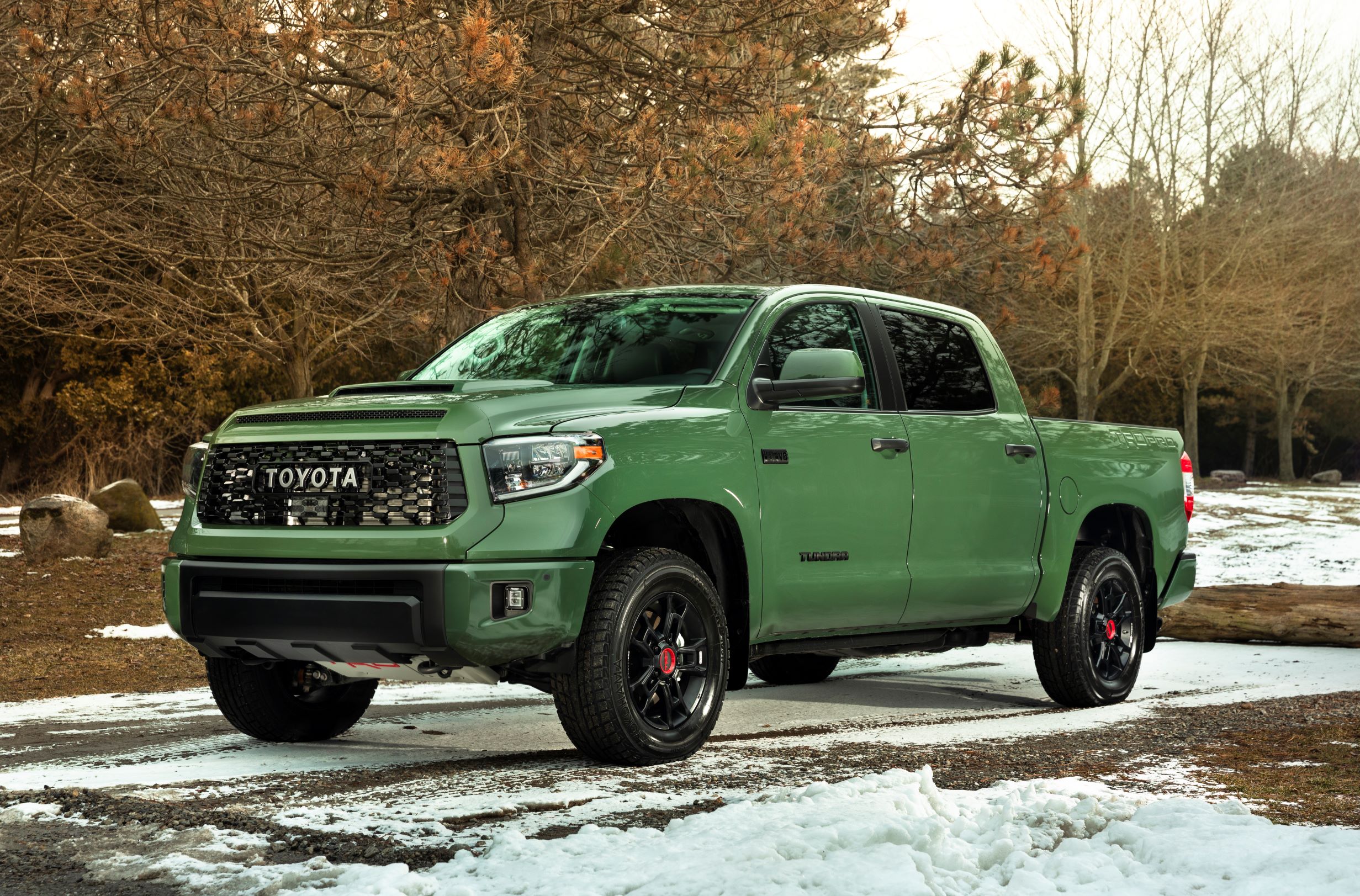
5. Toyota Tundra
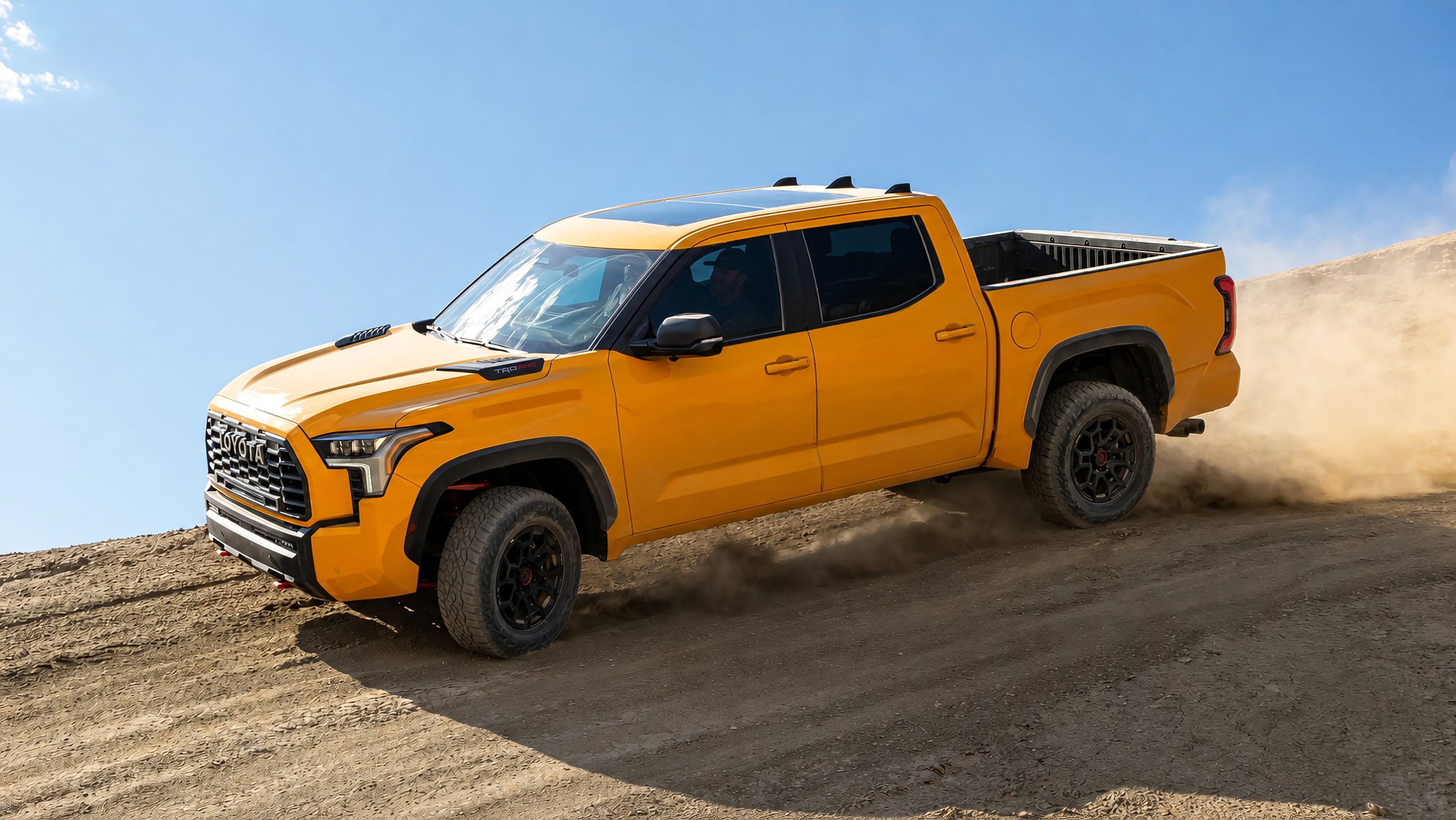
The Toyota Tundra is a full-size pickup with substantial ground clearance and a tall body, characteristics that can make pet loading more demanding.
Its size is useful for towing, hauling, and carrying passengers, but the distance between the pavement and the vehicle’s entry points may be significant for dogs. This is particularly noticeable with small breeds and older animals. A ramp or sturdy step can reduce the effort required to enter.
Dogs that travel inside the cabin may be able to use the side steps fitted to some configurations, but these steps are not necessarily designed around canine movement.
Their size, surface, and position may not suit every dog. A pet step with a broad, nonslip surface can offer a more predictable foothold. For dogs with limited mobility, a ramp may be preferable because it eliminates the need to jump from one step to another.
The pickup bed presents a larger challenge. The bed sits high enough that many dogs should not be expected to jump into it repeatedly. A properly positioned ramp gives the dog a gradual path from the ground to the loading area.
Owners should consider the ramp’s weight rating, width, length, grip, and storage requirements. A ramp that is too narrow may make a large dog uncomfortable, while a short ramp can create an unnecessarily steep climb.
