
Changing a flat tire sounds simple until the car has a difficult lifting area, no spare wheel, or an awkward underbody. Some vehicles make roadside tire changes straightforward because their jacking locations are easy to identify and their spare equipment is stored nearby.
Others require special lifting adapters, a service jack, or roadside assistance. This guide looks at five cars that are relatively practical for a tire change and five vehicles that can make the job difficult. The term “no jack point” is used here for cars where a normal owner jack cannot safely be used at a convenient location.
5 Cars You Can Change a Tire On

1. Toyota Corolla
The Toyota Corolla has long been regarded as a practical car for everyday ownership, and tire replacement is generally straightforward on versions equipped with a spare tire and jack.
The vehicle has designated lifting areas intended to support the car when it needs to be raised. These locations are positioned near the wheels and are normally identified in the owner’s manual. With the correct jack placement, a driver can raise the vehicle enough to remove a flat wheel and install the spare.
The Corolla’s relatively conventional suspension and body construction also make the tire-changing process familiar. A factory scissor jack or suitable trolley jack can be positioned at the specified lifting area. The important point is that the jack must contact the structural location intended for lifting rather than a random section of the floor, rocker panel, or suspension. Using an incorrect point can bend bodywork or allow the vehicle to shift while it is raised.
Many Corolla versions have been sold with different tire and spare-tire arrangements depending on the market, trim level, and model year. Some newer vehicles may use a temporary spare, while certain versions can have a tire repair kit instead.
Before relying on the car for roadside repairs, owners should check what equipment is actually stored in their vehicle. Having a spare tire does not help if the jack, lug wrench, or related equipment is missing.
The Corolla is also relatively easy to understand for a driver who has never changed a tire. After securing the vehicle on level ground, the lug nuts can be loosened before lifting it.
The jack can then be placed at the specified point, followed by raising the vehicle until the flat tire clears the ground. The replacement wheel should be fitted carefully, with the lug nuts tightened in a suitable sequence before the car is lowered.
2. Honda Civic
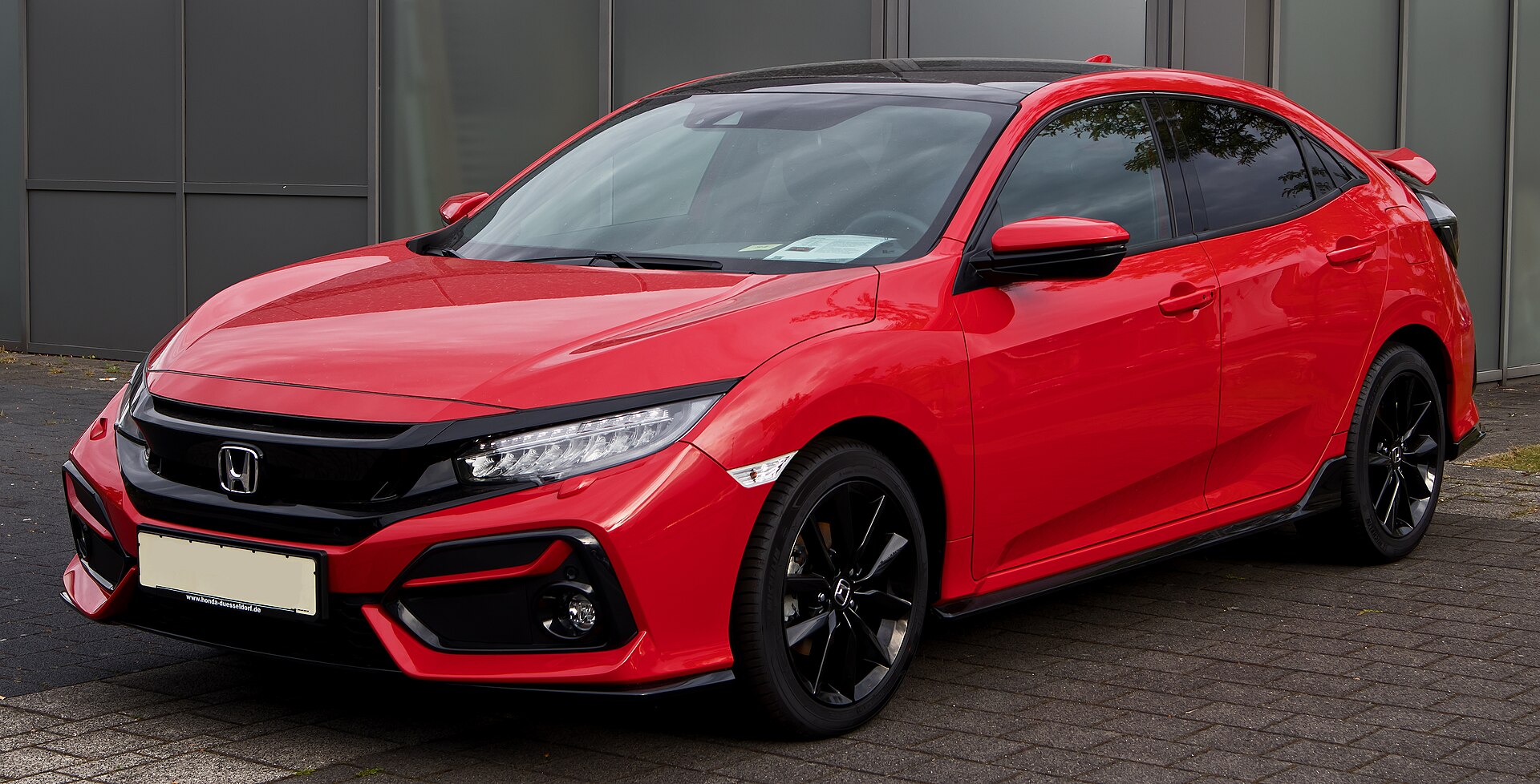
The Honda Civic is another car that generally provides a familiar setup for roadside wheel changes. Many Civic generations have clearly defined jacking locations and conventional suspension layouts that make lifting a wheel relatively manageable.
Depending on the year and trim, the vehicle may come with a compact spare tire or a tire repair system. That distinction is important because the presence of a jack point does not automatically mean the vehicle carries everything needed for a complete roadside tire replacement.
A Civic owner’s manual normally provides information about where the jack should be positioned. These locations are designed to transfer the lifting load through stronger portions of the vehicle structure.
The correct position can vary between generations, so owners should not assume that a jack should be placed at exactly the same location on every Civic. A model from a previous generation may have different bodywork, suspension components, or underbody protection.
The basic process is similar to many traditional passenger cars. The vehicle should be parked on a firm and level surface, the parking brake should be applied, and the transmission should be placed in the appropriate position.
The lug nuts should be loosened while the tire remains on the ground. Once the car has been raised using the specified jack point, the wheel can be removed and replaced with the spare.
Honda has also used tire-pressure monitoring systems on modern Civic models. After a wheel is changed, the system may need time to recognize the replacement tire or may require a reset procedure, depending on the generation.
Drivers should also remember that temporary spare tires have restrictions on speed and distance. A compact spare is intended to get the vehicle to a repair facility, not to serve as a permanent replacement for a normal road tire.

3. Ford Mustang
The Ford Mustang has used traditional lifting points that allow owners and technicians to raise the vehicle for wheel removal when the correct locations and equipment are used.
The exact jack points vary by generation, so a 2020s Mustang should not be treated exactly like a much older model. The owner’s manual remains the best reference for a specific car, especially because body design, suspension layout, and tire equipment have changed over time.
For a driver carrying a spare and jack, changing a tire can be relatively manageable. The first step is securing the vehicle and loosening the wheel nuts before lifting it.
Once the correct jack point has been located, the vehicle can be raised until the affected tire clears the road. The wheel can then be removed and the spare installed. The Mustang’s performance-oriented suspension does not eliminate the need for careful jack placement.
Some Mustang versions have been sold with tire repair equipment rather than a conventional spare. Performance trims can also use large wheels and specialized tires that may not work with a standard temporary spare.
Owners should therefore check their exact vehicle rather than assuming that every Mustang has identical roadside equipment. Wheel size, brake clearance, tire dimensions, and trim level can all affect the replacement options.
Another consideration is the car’s lower ride height. A low sports car can make it harder to position a jack if the tire is completely flat. A standard jack may not fit comfortably under the designated point when the suspension has settled.
This is why some owners carry a low-profile jack or rely on roadside assistance. The presence of a factory jack point does not guarantee that every aftermarket jack will fit beneath the vehicle.
4. Subaru Outback
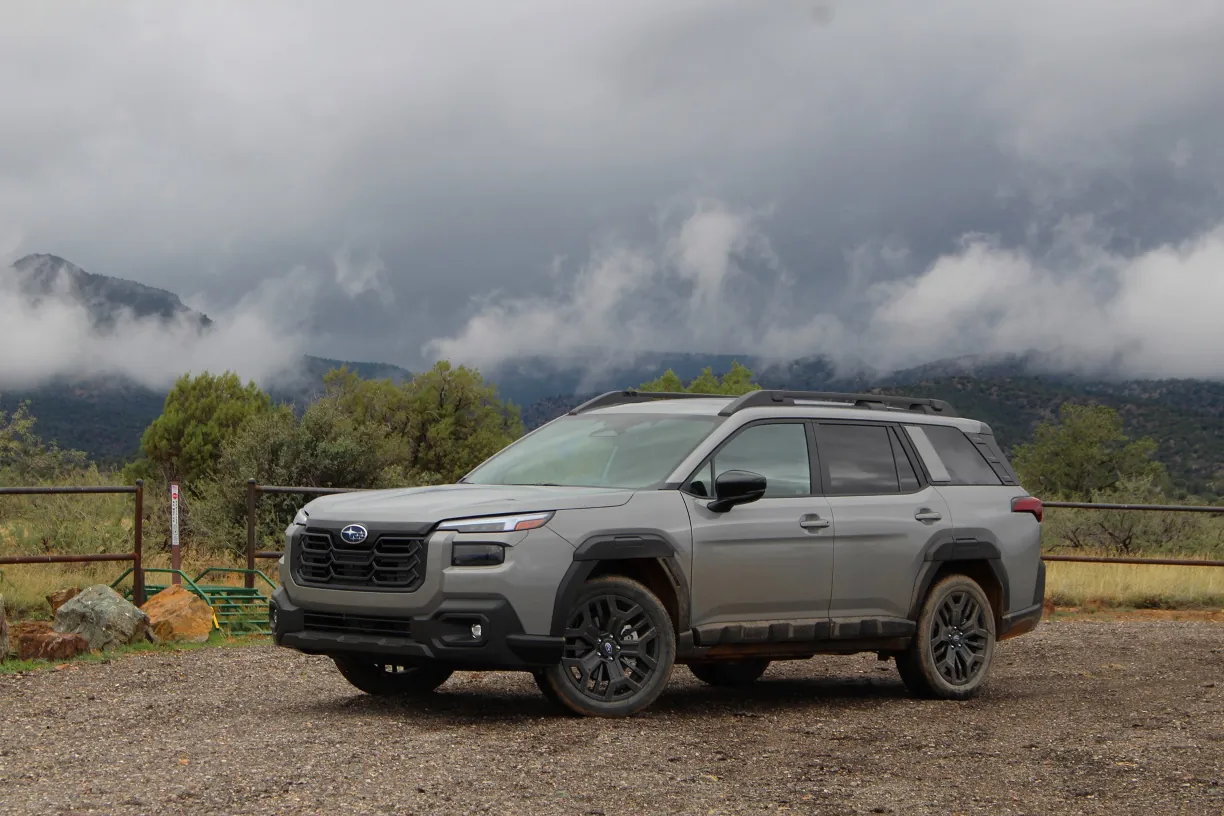
The Subaru Outback is designed as a practical vehicle for road travel and light off-road use, and its conventional wheel and suspension arrangement generally makes tire replacement possible with the correct equipment.
Many Outback models have included a spare tire, jack, and lug wrench, though equipment can differ by model year and market. The owner should inspect the vehicle before assuming a spare is present.
The Outback’s higher ride height can provide more space around the underside than a low passenger car. This can make jack placement less frustrating when a tire has lost all of its air. Still, the correct lifting location must be used. The fact that a piece of metal looks strong enough does not mean it is designed to carry the vehicle’s weight through a jack.
Subaru provides specific lifting instructions for its vehicles, and those instructions should take priority over general advice. The jack needs to sit on stable ground, particularly when a roadside repair is being attempted.
Gravel, mud, soft soil, or an uneven shoulder can create a dangerous situation because the jack can sink or shift as the vehicle rises.
The spare tire itself should receive attention during routine maintenance. A spare can remain untouched for years, which means drivers sometimes forget that its air pressure can fall.
Before a long journey, checking the spare, jack, lug wrench, and storage area can prevent a minor puncture from becoming a major roadside problem. It is also worth confirming whether the spare is a full-size tire or a temporary unit.
5. Jeep Wrangler
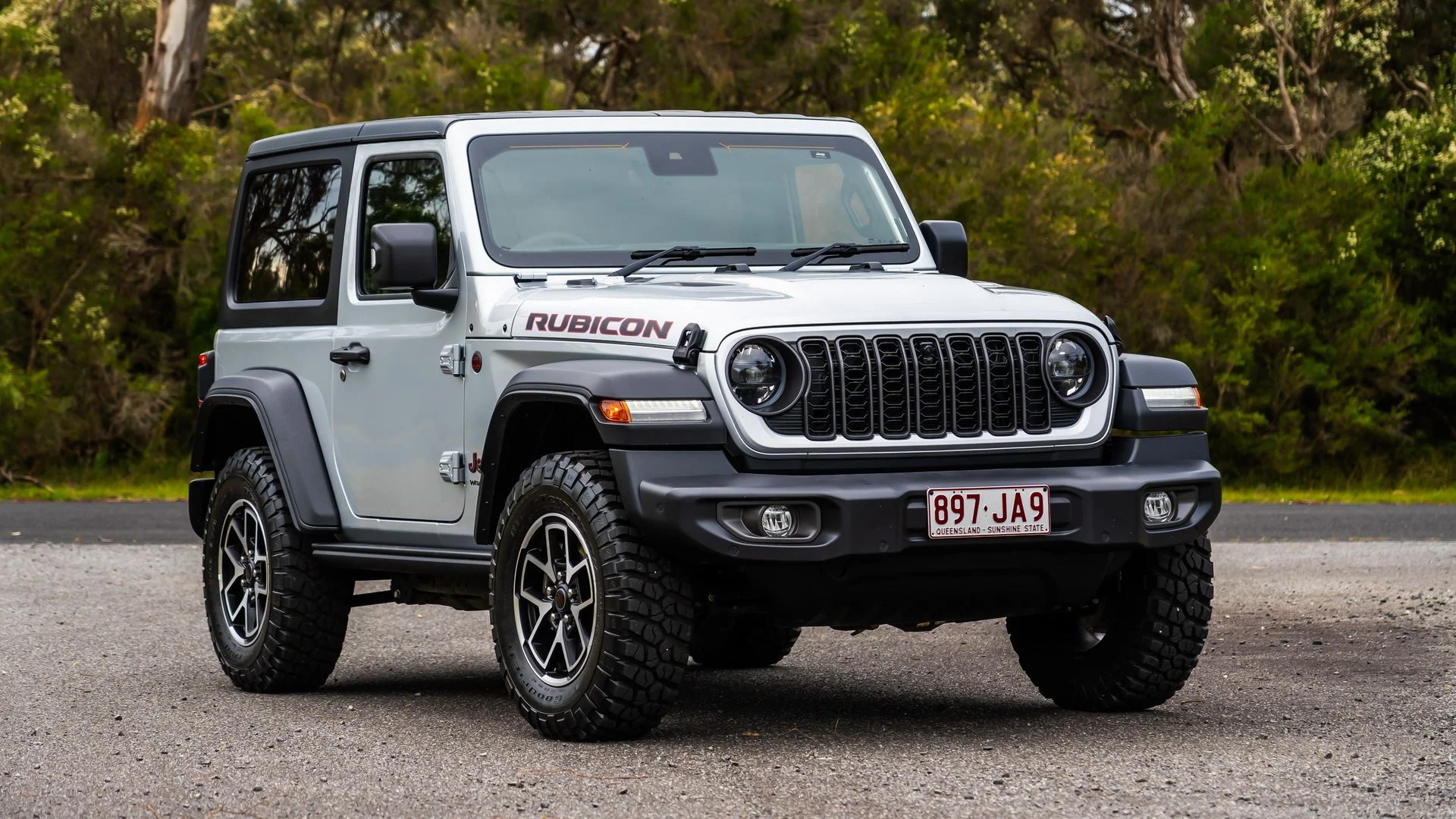
The Jeep Wrangler is built with accessibility and rugged use in mind, and its traditional construction can make wheel changes relatively straightforward.
Many Wrangler versions have designated lifting locations that can be used with the factory jack or suitable lifting equipment. The vehicle’s higher ground clearance also gives owners more room to work around the wheel area than they might have with a low sedan.
The spare tire mounted at the rear of many Wrangler models is particularly useful during a puncture. Instead of placing a temporary spare beneath the cargo floor, the full-size spare can be mounted externally on the rear door.
This arrangement means the driver can often access the spare without emptying luggage from the cargo area. It also means the spare is visible and easier to inspect.
Changing a Wrangler tire still requires care because its wheels and tires can be heavy. Large off-road tires may weigh significantly more than the compact wheels found on ordinary passenger cars.
A person working alone may find it difficult to hold a heavy wheel in position while aligning it with the wheel studs or hub. Keeping the wheel balanced and using proper technique reduces the chance of injury or damage.
The Wrangler’s suspension and aftermarket modifications can also affect lifting. Larger tires, suspension lifts, rock sliders, aftermarket bumpers, and other accessories can change where a jack can safely contact the vehicle.
A factory lifting instruction may not automatically apply to a heavily modified Jeep. Owners who have changed their vehicle should know which structural points remain suitable for lifting.
5 With No Jack Point

1. Tesla Model 3
The Tesla Model 3 is a good example of why the phrase “no jack point” can be misleading. The car does have designated lifting points, but they are not designed for a driver to simply place a conventional jack anywhere under the battery-equipped floor.
The battery pack occupies a large portion of the underside, so lifting must be performed at the specified locations.
Tesla vehicles are commonly associated with special jack pucks or lifting adapters. These devices fit into the designated lifting locations and help keep lifting equipment away from areas that should not receive the load. A driver who puts a normal jack against an unsuitable section of the underside risks damaging the vehicle, including components associated with the battery system.
The bigger problem is that many Model 3 versions do not come with a traditional spare tire and factory jack intended for routine roadside wheel changes.
Instead, owners may rely on a tire repair kit, air compressor, roadside assistance, or a separate spare-tire solution. This changes the roadside experience considerably. A driver may have a flat tire but lack the equipment needed to physically remove the wheel.
For someone carrying a compatible jack, lifting pucks, and a suitable spare, changing a Model 3 wheel is possible. The process requires more preparation than a conventional sedan. The driver needs to know the correct lifting locations and use equipment compatible with the vehicle. A random point beneath the battery area should never be treated as a substitute for a proper jack location.

2. Tesla Model Y
The Tesla Model Y presents many of the same lifting concerns as the Model 3. Its battery pack forms a major part of the vehicle’s underbody, and the vehicle must be lifted at designated locations.
A jack should never be positioned based simply on appearance. The flat underside can make it tempting to place a jack under a broad section of the floor, but that is not an appropriate approach.
Special lifting adapters are commonly used with Tesla vehicles. These adapters help ensure that the jack contacts the intended lifting area rather than putting pressure on sensitive underbody components.
This is especially important for owners who use a trolley jack in a home garage. The correct adapter and lifting location can make the difference between a controlled wheel change and expensive underbody damage.
The Model Y also lacks the traditional spare-tire arrangement found in many older SUVs. A punctured tire can therefore become a roadside assistance situation even when the owner understands exactly where the lifting points are.
A repair kit may be useful for certain punctures, but it cannot fix every type of tire damage. A sidewall failure, severe impact, or badly damaged tire generally requires replacement or professional assistance.
Owners who plan to carry a spare wheel should also consider storage. A full-size wheel and tire takes up considerable space, particularly in a vehicle where cargo room is designed around normal luggage rather than a dedicated spare-tire compartment.
A compact spare solution may reduce the space requirement, but compatibility with wheel size, brake clearance, tire dimensions, and vehicle specifications must be confirmed.
3. Ford F-150 Lightning
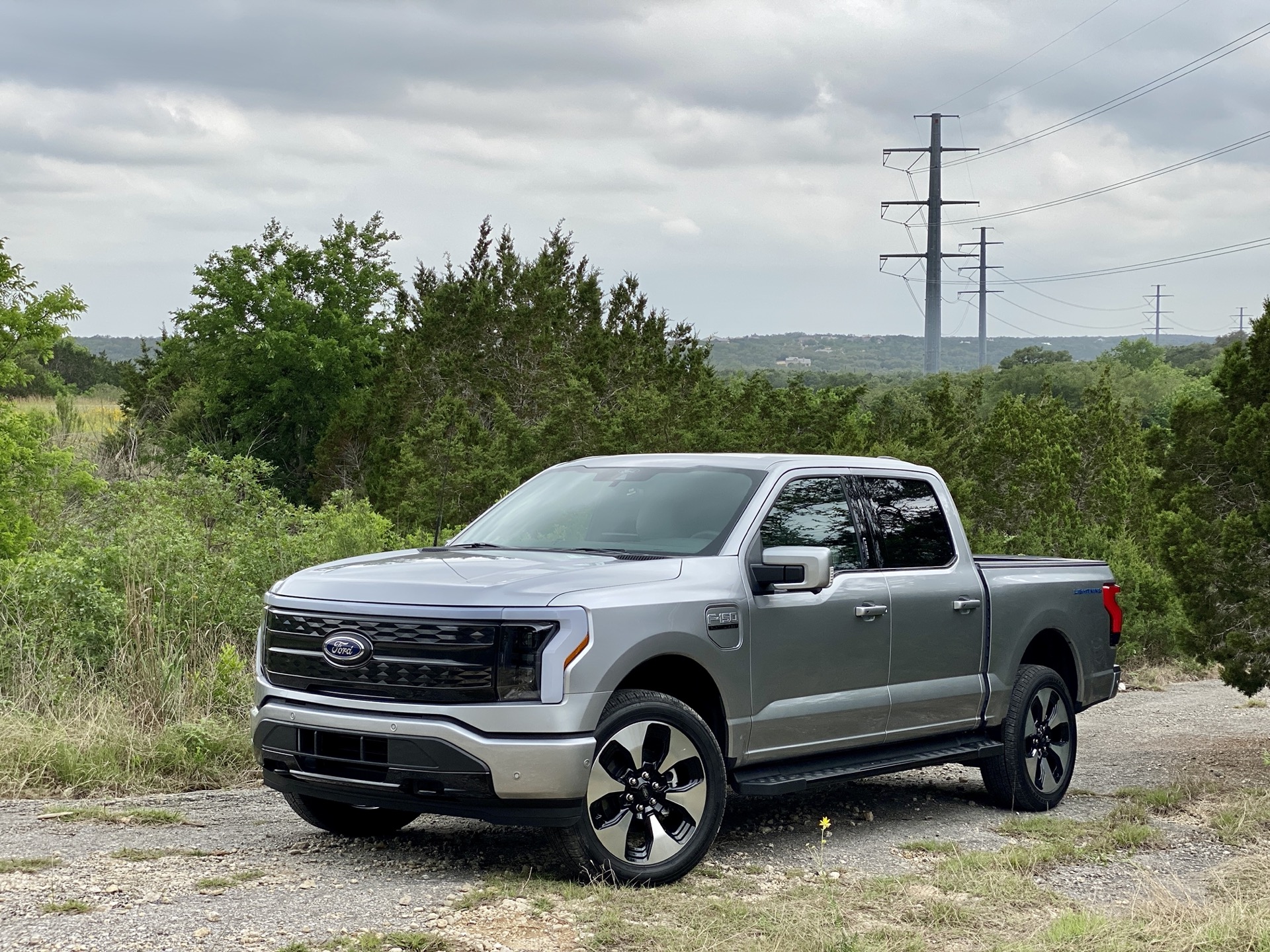
The Ford F-150 Lightning is a useful example of how an electric truck can differ from a conventional pickup. The vehicle has designated lifting locations, but the large battery system beneath the truck means that owners must follow the manufacturer’s lifting instructions. The presence of a substantial underbody does not mean every strong-looking section can safely support a jack.
Traditional pickup owners are accustomed to carrying a spare tire and jack, yet electric trucks can have different equipment arrangements. The exact equipment depends on the model and configuration.
Drivers should inspect their truck to determine whether the necessary jack and spare are actually present. A vehicle may have enough ground clearance for a jack to fit while still requiring a specific lifting location.
The Lightning’s weight also matters. Electric vehicles can be considerably heavier than comparable gasoline-powered models because of their battery packs. A jack needs an appropriate load rating for the vehicle. Using an undersized jack is not a safe shortcut. The same principle applies to jack stands and other lifting equipment used in a garage.
Another concern is the location of high-voltage components. A driver does not need to work on the electrical system to change a wheel, but that does not make underbody contact harmless.
The safe approach is to use the specified lifting areas and avoid components that are not intended to carry the vehicle’s weight. If there is uncertainty, roadside assistance is safer than guessing.
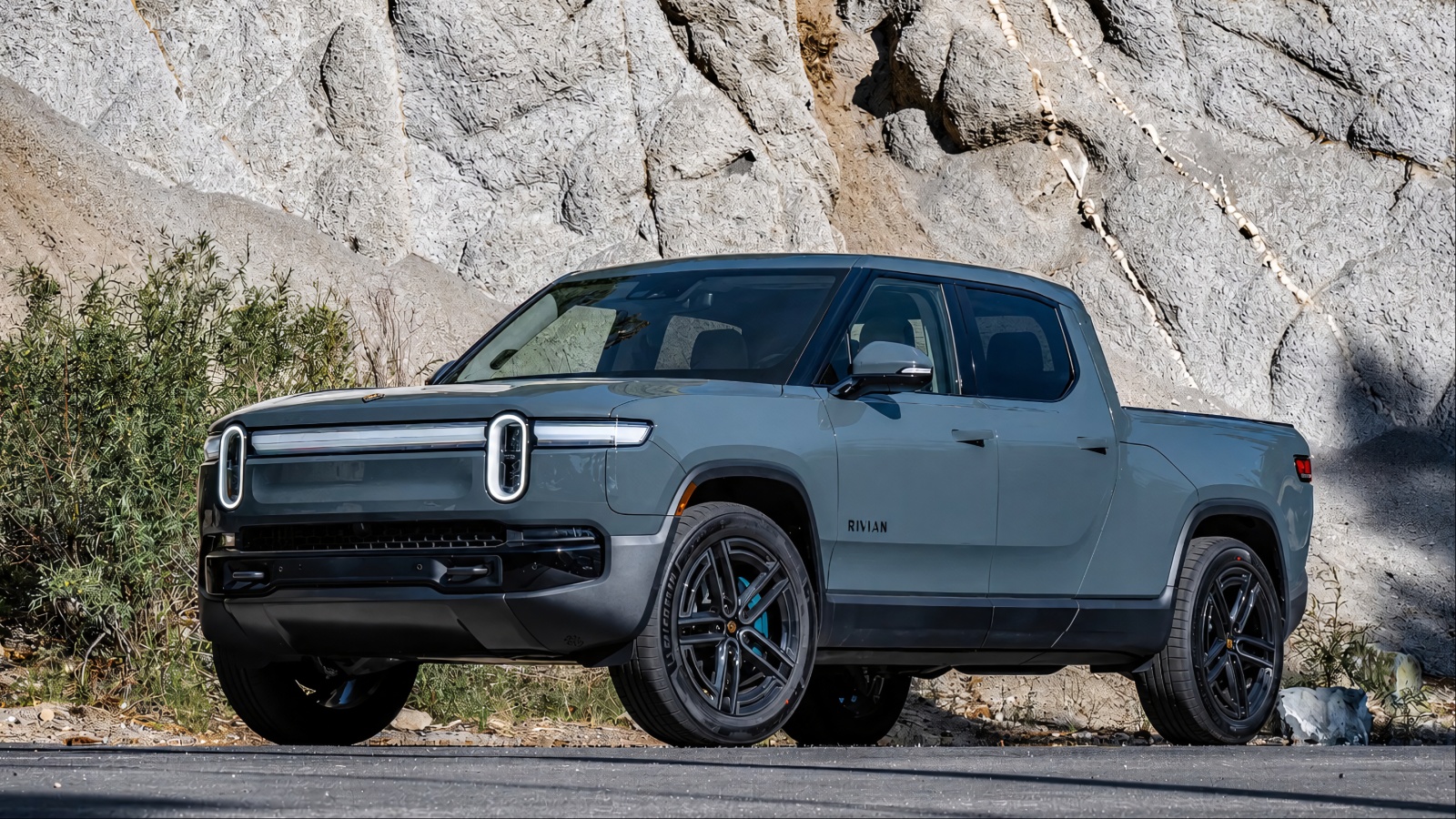
4. Rivian R1T
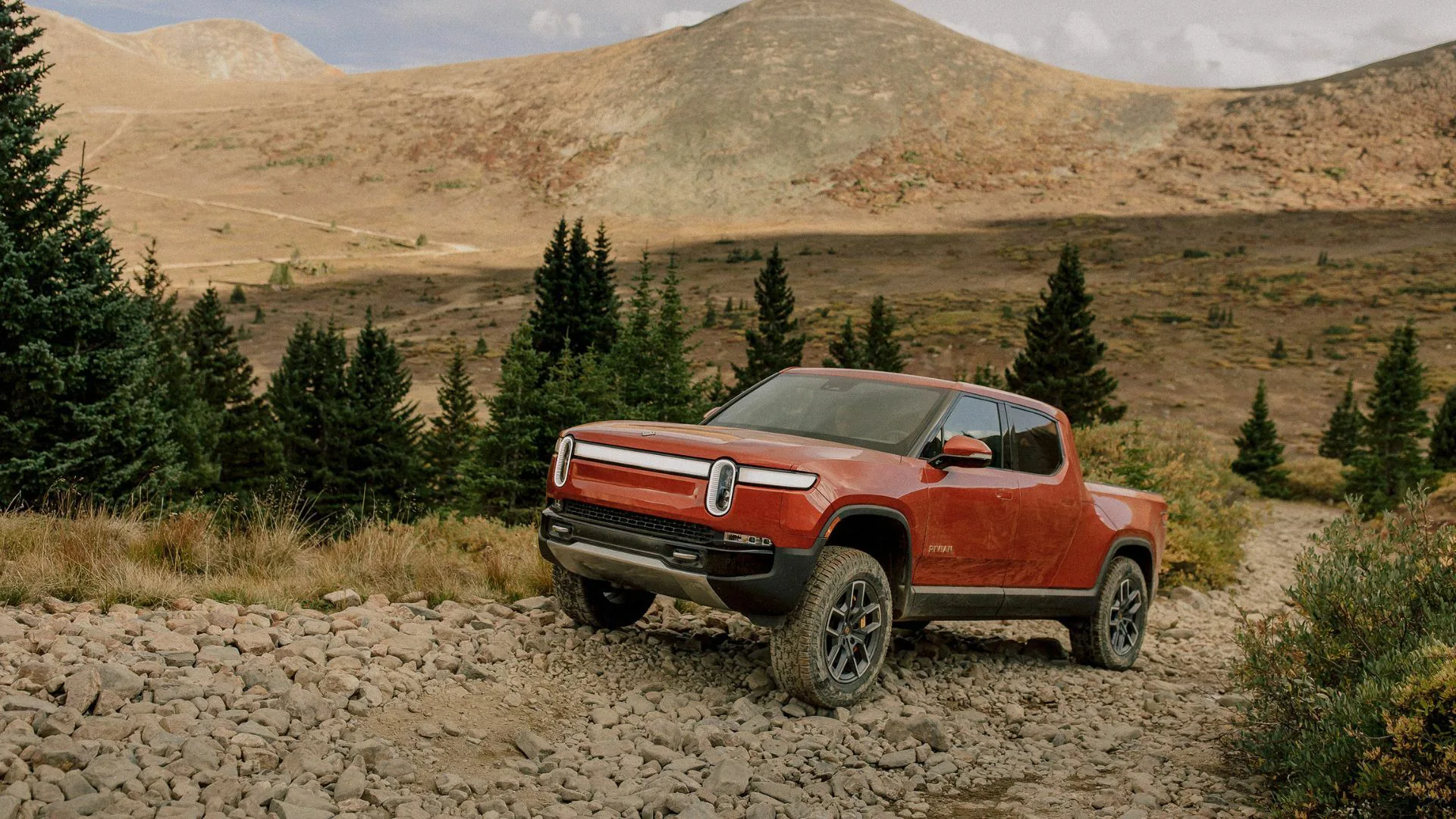
The Rivian R1T is another electric vehicle where lifting requires more attention than simply finding a sturdy-looking piece of the frame.
Its battery pack and advanced chassis design mean that the manufacturer specifies where lifting equipment should contact the vehicle. The correct locations are intended to keep the load away from components that should not be used as support points.
The R1T also demonstrates why ground clearance does not automatically make tire changes easy. The truck sits high enough for many types of lifting equipment, but the correct equipment and lifting procedure remain important.
A driver who uses a random location can potentially damage underbody components even when the jack itself has enough capacity.
Rivian vehicles can also have tire and wheel combinations designed for different types of driving. A puncture on an off-road trip can be more complicated than a simple nail in a tread area. Depending on the tire, damage may require replacement rather than a temporary repair. Drivers traveling far from tire shops should plan their emergency equipment before leaving.
A dedicated jack and appropriate lifting accessories can make wheel removal possible. However, carrying those items takes preparation and cargo space.
Drivers who do not want to carry heavy lifting equipment may prefer roadside assistance. This is particularly sensible when a vehicle is loaded with camping equipment, passengers, or other gear and a wheel change would be difficult to perform safely.

5. Lucid Air
The Lucid Air is a luxury electric sedan with a design that prioritizes aerodynamics, efficiency, and a streamlined underbody. That design can make roadside lifting less intuitive than it is on a traditional sedan.
The vehicle has designated lifting areas, but they should be used exactly as specified rather than treating the broad underside as a suitable support surface.
The battery system is a major factor in the Air’s construction. As with other electric vehicles, the underside contains important components that are not intended to support the vehicle through a random jack position. A driver who is accustomed to older cars may look underneath and assume that a solid-looking section is safe. That assumption can lead to costly damage.
The availability of a spare tire is also an important consideration. Many modern luxury vehicles prioritize weight reduction and cargo efficiency and may use tire repair equipment or roadside assistance rather than a traditional spare.
The exact arrangement can depend on the vehicle specification and market. Owners should check their individual car rather than relying on information from a different model year.
The low-slung nature of a luxury sedan can create another challenge. When a tire is completely flat, the vehicle settles closer to the ground, reducing the space available for a jack. A conventional trolley jack may not fit where the owner expects it to. Even if the jack can reach the lifting point, the equipment must have enough clearance and capacity to raise the car safely.
