
Car part theft can happen faster than most drivers expect, especially when a vehicle is parked in a quiet street, open lot, or poorly secured area. Thieves often look for components that are valuable, easy to remove, and simple to resell.
Catalytic converters, wheels, batteries, mirrors, lights, airbags, and other parts can disappear before a vehicle owner notices anything unusual. Knowing which components attract attention can help drivers make smarter parking and security choices.
This guide examines ten commonly targeted car parts, explains why thieves want them, and offers practical ways to reduce the risk of becoming an easy target for theft.
1. Catalytic Converters
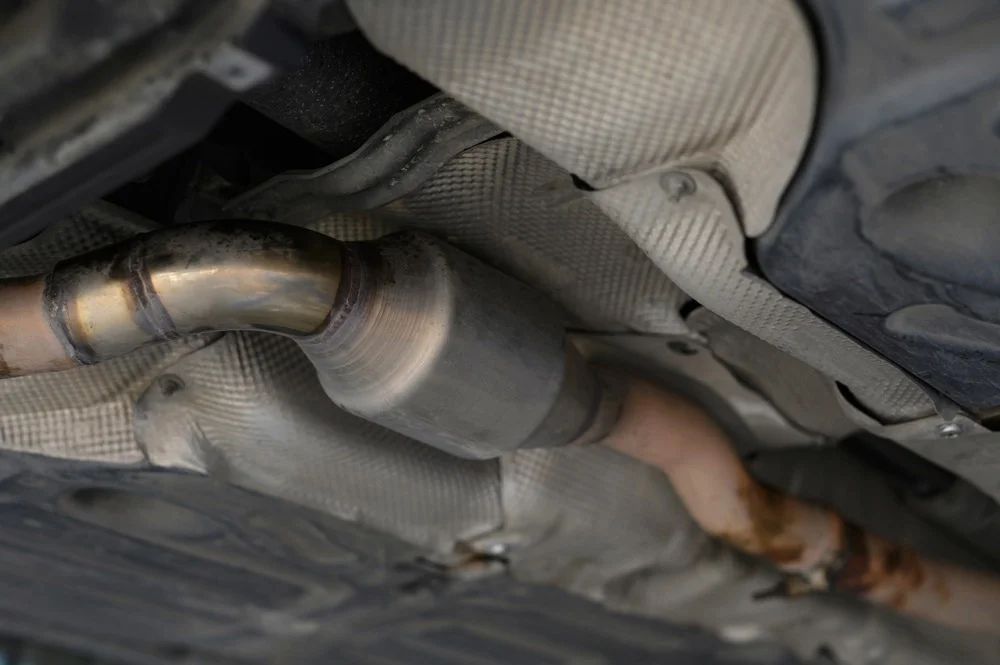
Catalytic converters are among the most recognized targets in automotive parts theft. They form part of a vehicle’s exhaust system and contain small quantities of valuable metals such as platinum, palladium, and rhodium. Those materials give the component value beyond its normal function on a car.
Thieves may target vehicles where the converter is relatively accessible from underneath. Trucks and SUVs can receive particular attention because their greater ground clearance may provide easier access.
Consumer Reports noted that approximately 14,000 catalytic converters were reported stolen in the United States during 2024, showing that the problem remains significant even after theft levels declined from earlier peaks.
The speed of a catalytic converter theft depends on the vehicle, the converter’s location, the equipment being used, and the thief’s experience. Police.uk states that converters can sometimes be removed in less than a minute.
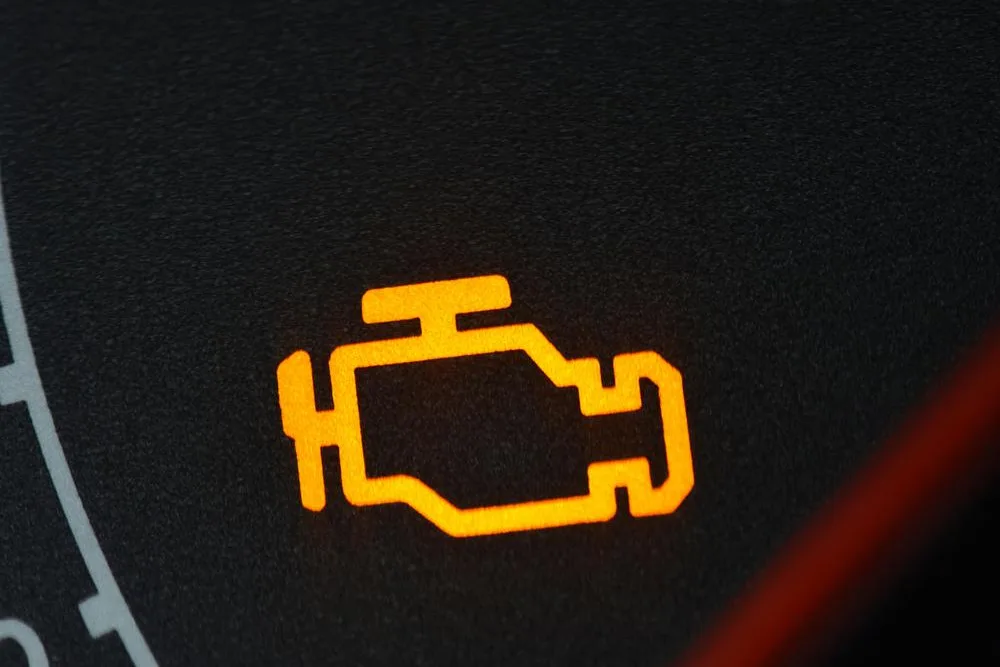
That makes them attractive to criminals who want to spend as little time as possible beside a vehicle. The theft may not be noticed until the owner starts the engine. A missing converter can produce an unusually loud exhaust sound and may trigger warning lights because exhaust sensors are no longer operating as intended.
Hybrid vehicles have received particular attention in some theft patterns because their catalytic converters can contain valuable metals and may experience different operating conditions than converters in conventional vehicles.
Vehicle design also matters. A converter positioned where it can be reached without extensive disassembly presents a different security risk from a component buried deep within the exhaust system.
This does not mean that every hybrid or high-clearance vehicle is automatically at high risk. Theft patterns vary by region, vehicle model, parking environment, and local demand for stolen components.
Drivers can make catalytic converter theft harder by parking in secure, visible locations and considering an appropriate protective device. Metal shields, cables, locks, alarms, and identifying marks can increase the time or attention required to remove a converter.
California’s Air Resources Board lists shields, locks, alarms, and identification markings among possible deterrents. Any protective equipment should be correctly fitted so that it does not interfere with the exhaust system or create a safety problem.
A practical warning sign is an unfamiliar vehicle or person spending unusual amounts of time around the underside of parked cars. A vehicle being raised in an unusual location can also deserve attention. Drivers should never confront someone they suspect of stealing a part. Moving to a safe location and contacting local authorities is the better response.
If a converter is stolen, the vehicle should be inspected before being driven normally because exhaust components and sensors may also have been damaged. Taking preventive measures before an incident is usually far easier than dealing with the repair afterward.

2. Wheels and Tires
Wheels and tires are valuable because they can be resold independently from the vehicle. Attractive alloy wheels, performance tires, large wheels, and popular factory combinations may be especially appealing to criminals. A complete set can represent a substantial financial loss for the owner.
Unlike a missing catalytic converter, stolen wheels are immediately obvious, yet the actual removal can happen while the vehicle is unattended. AAA advises drivers to consider wheel locks and other security measures because experienced thieves can remove wheels within minutes.
The appeal is straightforward. Wheels are standardized enough to have a resale market, while tires are consumable products that many drivers regularly need. A thief does not necessarily need to find a buyer for the exact vehicle from which the wheels came.
Depending on the size, condition, brand, and compatibility, stolen wheels can potentially be offered to people looking for cheaper replacement components. High-end wheels can be particularly attractive because their legitimate replacement prices may be substantial.
Wheel theft can also create secondary damage. When a vehicle is improperly supported after its wheels are removed, parts underneath the car can be damaged. Brake components, suspension pieces, body panels, and underbody structures may suffer impact damage. The vehicle can also become unsafe to move.
This means that the financial consequences can extend beyond purchasing four replacement wheels and tires. Owners may face towing, inspection, suspension repairs, alignment work, and other expenses.
Wheel locks are a relatively simple deterrent. They replace or supplement standard lug nuts with specially designed locking hardware that requires a matching key or adapter.
They are not an absolute guarantee against theft, but their purpose is to make removal less convenient and time-consuming. Parking choices can help as well. A busy, well-lit area with cameras and regular foot traffic is generally less appealing than an isolated location where a criminal can work without attracting attention.
Drivers should also pay attention to unusual signs around their parked vehicle. Marks near the wheel area, disturbed ground, damaged lug hardware, or a vehicle sitting lower than normal can indicate that someone has interfered with it.
If wheels are stolen, do not attempt to move the vehicle without proper support and professional assistance. Checking the condition of the suspension, brakes, wheel studs, and underbody before fitting replacement wheels is important because hidden damage can create a serious road safety problem.
3. Car Batteries
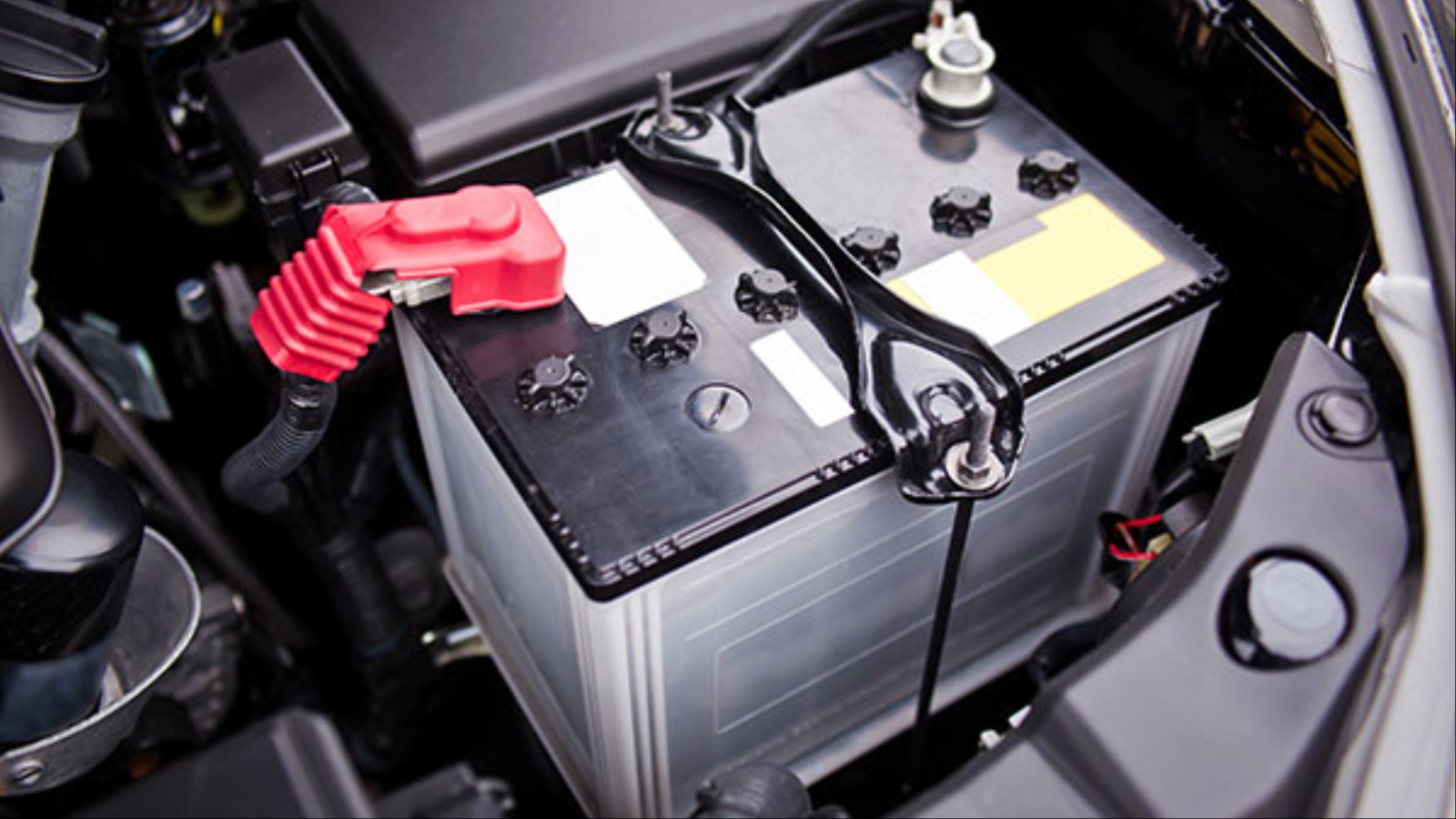
Car batteries are another component that can attract thieves because they have established resale and recycling value. Conventional 12-volt batteries contain materials that can be recovered, and functional batteries may also have a market as used components.
Their location under the hood makes them relatively accessible on many vehicles. A thief who gains access to the engine compartment may be able to remove the battery quickly, particularly when the vehicle does not have an alarm that reacts to the hood being opened.
Battery theft can create an inconvenient surprise. The owner may enter the vehicle normally, turn the key or press the start button, and discover that nothing happens. In some cases, other components can also be damaged during the theft.
Wiring, battery terminals, mounting hardware, and nearby components may be disturbed or broken. A replacement battery then becomes only part of the expense. Diagnosis and repair may be necessary if electrical connections have been damaged.
The risk can vary depending on vehicle design and parking conditions. Cars parked overnight in unsecured areas may attract more attention than vehicles stored behind locked gates or in monitored garages.
Older vehicles can also have fewer factory security features around the hood and engine compartment. That does not make every older car a target, but owners should recognize that physical accessibility can influence theft risk.
4. Airbags
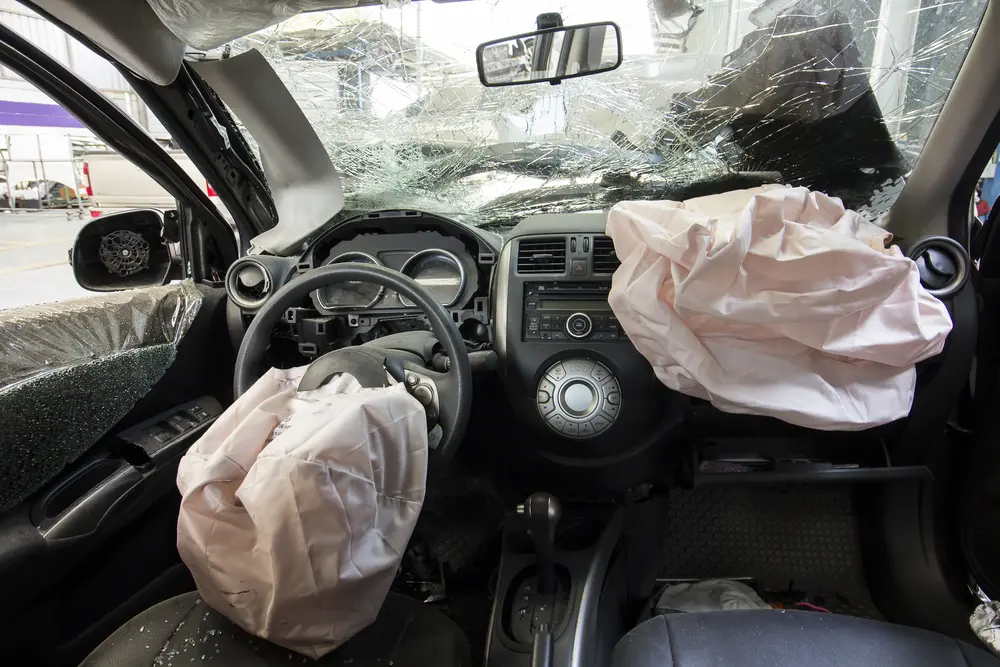
Airbags are expensive safety components, which makes them attractive to criminals seeking parts with a strong replacement market.
A vehicle may appear intact from outside while an airbag has been removed from the steering wheel, dashboard, seat, or another location. Replacement costs can be high because modern restraint systems can involve multiple airbags, sensors, control modules, and related components. NHTSA specifically lists airbags among vehicle parts that thieves target.
The theft of an airbag is particularly troubling because the component is directly connected to occupant safety. A missing or improperly replaced airbag can leave a driver or passenger without essential protection during a crash.
Modern vehicles also use electronic systems to monitor airbags and related restraint equipment. If something has been removed or damaged, a warning indicator may appear on the dashboard. That warning should never be ignored.

5. Headlights
Modern headlights can be surprisingly expensive. Many newer vehicles use sophisticated LED systems, adaptive lighting, electronic modules, and integrated sensors. Replacing such a unit may cost far more than replacing a basic conventional headlamp.
That creates a resale market for legitimate used parts and, unfortunately, an opportunity for thieves. Luxury vehicles and models with expensive lighting assemblies can receive attention because replacement components command higher prices.
Headlights are positioned at the front corners of a vehicle, which makes them accessible compared with components buried deep inside the engine bay. Vehicle design determines how quickly a particular lamp can be removed.
Some assemblies are secured with multiple fasteners and require surrounding components to be moved. Others may be more accessible. Theft time therefore varies considerably between models and generations.
A stolen headlight is not merely a cosmetic problem. Modern lighting systems can contribute to visibility, driver assistance, signaling, and automatic beam adjustment. A missing or damaged assembly may make the vehicle unsafe to drive at night or in poor weather. Damage to connectors and wiring can also create electrical problems that continue after the replacement lamp is installed.
Owners of vehicles with costly lighting systems can reduce risk by choosing secure parking and using security cameras where available. Keeping the vehicle in a locked garage provides a stronger physical barrier than street parking.

6. Side Mirrors
Side mirrors are another vulnerable exterior component. They are mounted outside the vehicle and can be damaged or removed without taking apart large portions of the car.
Basic manual mirrors may have relatively modest replacement costs, while electrically adjustable, heated, folding, camera-equipped, or blind-spot-monitoring mirrors can be considerably more expensive. The technology built into modern mirror assemblies has increased their value.
A mirror can be attractive to thieves because a damaged vehicle owner may need a replacement quickly. Used parts can be difficult to distinguish from legitimately sourced components once they are removed from the original vehicle.
The demand for replacement mirrors also exists because parking accidents, collisions, and weather damage regularly break them. This creates a continuing legitimate market that criminals may attempt to exploit.
Mirror theft can happen without obvious damage to the rest of the car. A thief may target the mirror housing or assembly while leaving doors and windows untouched.
Owners who park outdoors overnight may discover the loss only when they approach the vehicle the next morning. In crowded parking areas, mirrors can also be vulnerable to accidental damage, making it important to inspect the vehicle before assuming that every missing component was stolen.
There is no universal anti-theft device for every mirror design. Parking close to a secure wall or inside a garage can reduce exposure, while folding power mirrors should be folded when appropriate. Cameras and lighting may also discourage opportunistic criminals.
7. Tailgates
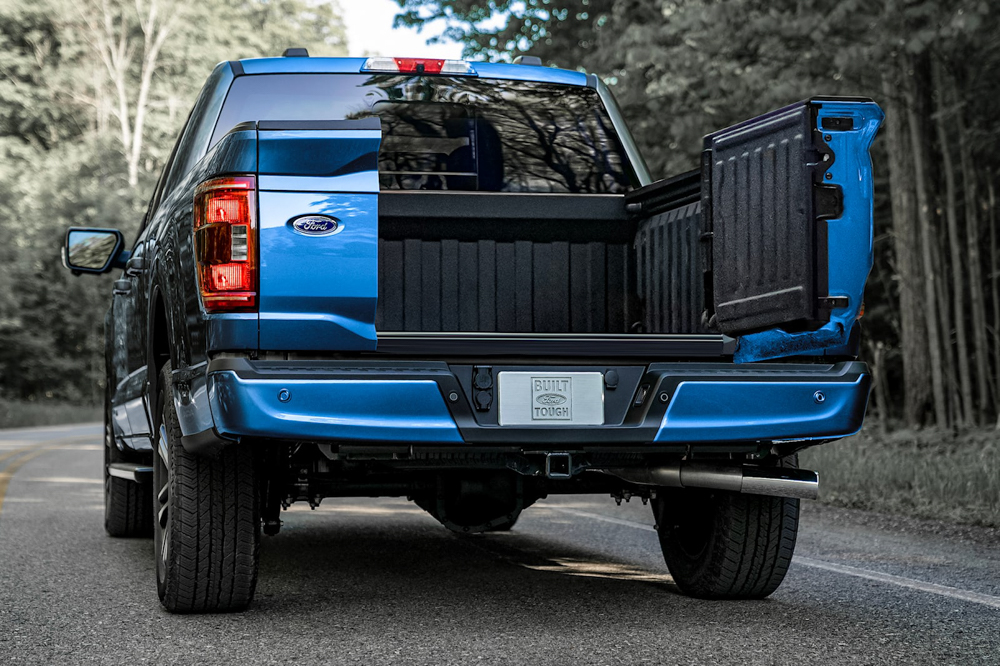
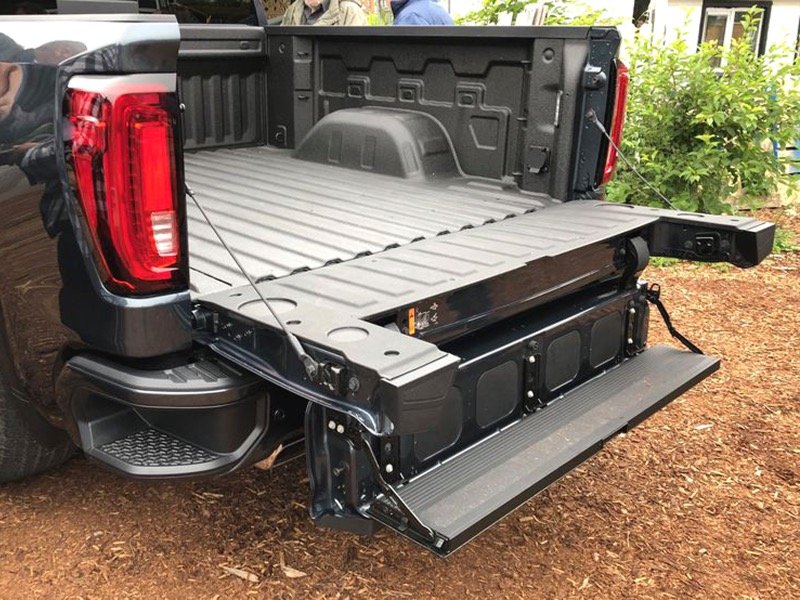
Pickup truck tailgates can be valuable targets because certain designs allow them to be removed relatively easily. A tailgate is also a large, expensive component that can be resold separately.
Owners may assume that its size makes it difficult for a thief to take, but a removable component does not necessarily require a long theft window. Certain truck models have become associated with tailgate theft because their designs make removal comparatively convenient.
The loss of a tailgate creates more than an aesthetic problem. The component may include a backup camera, electronic release mechanism, step system, wiring, or other equipment.
A modern replacement can therefore involve several integrated parts. Damage to the mounting points or electrical connectors can increase the repair bill.
Tailgate theft is particularly frustrating because the vehicle can remain apparently functional after the component disappears. The owner may discover the loss only after returning to the truck. If the truck is used for work, the missing tailgate can also affect how safely cargo is transported. Unsecured loads can create hazards for the driver and other road users.
Tailgate locks and manufacturer-approved security devices can make removal more difficult. Parking in a secure garage is another effective measure. If that is not possible, choosing a busy, illuminated location with surveillance can reduce the privacy a thief needs. Drivers should also avoid leaving the truck unattended for long periods in isolated areas when practical.
Regular inspection is worthwhile for pickup owners. Check that the tailgate closes correctly, the locking mechanism works, and camera wiring or electronic connections show no signs of interference.
If a tailgate disappears, report the theft and photograph any remaining damage before repairs. Those records can help with an insurance claim and provide useful information for authorities.

8. Infotainment and Navigation Units
Vehicle electronics have become increasingly valuable as cars have gained larger touchscreens, navigation systems, digital instrument displays, premium audio equipment, and integrated connectivity.
Some factory infotainment units can cost hundreds or thousands of dollars to replace. Their value can make them appealing to thieves, particularly when a specific system is compatible with several vehicles.
The risk is not limited to the main touchscreen. Thieves may target amplifiers, navigation modules, display panels, control units, or other electronics. NHTSA notes that GPS units are among items thieves may seek from vehicles. The exact target varies according to vehicle design and the resale demand for particular components.
Removing dashboard electronics can cause substantial secondary damage. Trim panels may be broken, wiring harnesses pulled, connectors damaged, and mounting points destroyed.
A thief looking for a valuable module may have little concern for the condition of the surrounding dashboard. As a result, a component worth a certain amount can create a repair bill several times higher because of collateral damage.
The best protection begins with preventing unauthorized access to the cabin. Doors and windows should remain locked, while valuables and electronic devices should not be left visible.
Parking near entrances, security cameras, or other areas with regular activity can reduce the privacy available to criminals. Factory alarms and compatible aftermarket security systems may add another layer of protection.
Owners should also pay attention to personal data stored in vehicle systems. If a navigation or infotainment unit is stolen, account information, paired devices, saved destinations, and other data may require attention depending on the system.
Changing relevant passwords and removing the vehicle from connected services can be sensible after a theft. A dealer or qualified technician can explain what information may remain stored and how to reset the system.
9. Engine Control and Electronic Modules
Electronic control modules are essential to modern vehicles. Depending on the car, these modules can manage engine functions, transmission operation, body electronics, lighting, safety systems, or other features.
Some modules are expensive and may be difficult to obtain quickly. Their importance and replacement cost can make them attractive to organized parts thieves.
Unlike wheels or mirrors, electronic modules are not immediately visible from outside the vehicle. Theft generally requires access to the engine compartment, cabin, trunk, or another area where a module is installed.
The time required varies significantly between vehicles. A component positioned in an accessible location can be more vulnerable than one deeply protected by surrounding parts.
Module theft can leave a vehicle completely disabled. Even if the physical damage appears limited, the car may not start, shift correctly, communicate with sensors, or operate essential systems. Replacing a module can also require programming or configuration for the specific vehicle. This makes the repair process more complicated than simply installing a generic replacement part.
Security therefore focuses on controlling access to the vehicle and making unauthorized entry more difficult. Factory immobilizers, alarms, secure parking, and additional protective devices can contribute to theft prevention.
NHTSA describes immobilizing devices as systems intended to prevent unauthorized operation by interfering with vehicle starting or related systems.
If an electronic module is suspected to be missing, the vehicle should be inspected before further use. Continuing to operate a vehicle with damaged wiring or compromised electronic systems can create additional faults.
Keep photographs of the vehicle and damaged areas, obtain a professional assessment, and report the theft promptly. Good documentation can make insurance and repair processes easier.
10. Batteries and Components in Hybrid and Electric Vehicles
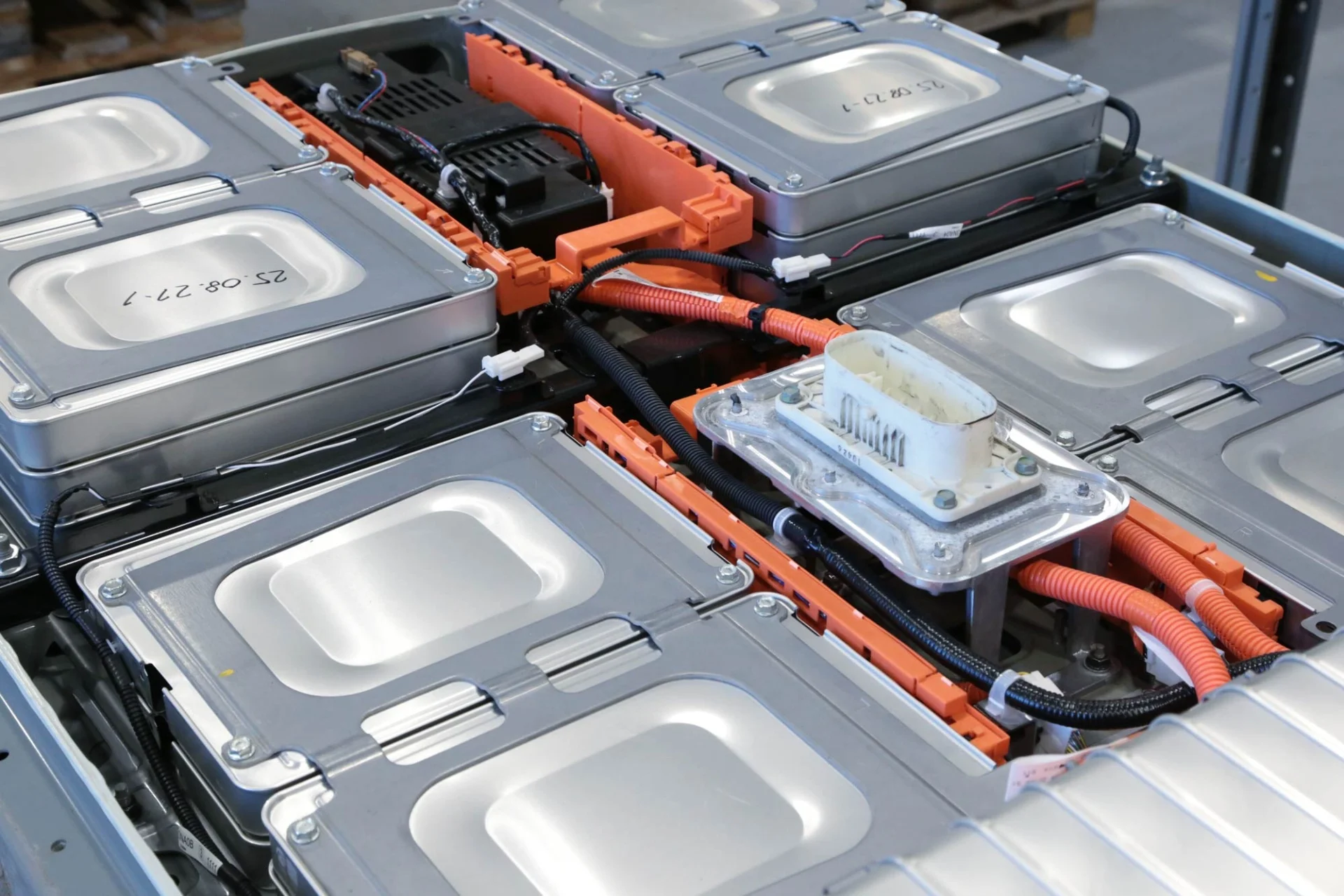
Hybrid and electric vehicles contain valuable electrical components that differ from those found in conventional cars. A high-voltage battery pack is not comparable to a typical 12-volt starter battery.
It is a complex system involving cells, cooling equipment, electrical connections, sensors, control electronics, and protective structures. Some components can be valuable, but they also present serious safety hazards when damaged or improperly handled.
The high-voltage battery itself is generally not something an ordinary thief can simply remove in seconds. Its size, weight, location, protective structure, and electrical characteristics make it a very different target from a conventional battery.
However, individual components, charging equipment, electronic modules, and other valuable parts can still attract criminals. Vehicle-specific theft patterns vary considerably, so owners should avoid assuming that every electric or hybrid vehicle faces the same risk.
Charging cables and portable equipment can also be vulnerable because they may be left outside the vehicle. A charging cable can have a useful resale value and is easy to carry.
Leaving equipment unattended in an exposed location can therefore create an opportunity for theft. Owners should store portable charging equipment securely when it is not being used and avoid leaving expensive accessories visible inside the vehicle.
Security measures should focus on the complete vehicle rather than just a single component. Secure parking, lighting, surveillance, alarms, and controlled access can make unauthorized activity harder.
Owners should also follow manufacturer guidance for high-voltage systems. Attempting to inspect, disconnect, or repair high-voltage components without appropriate training can result in severe injury.
