
Choosing a car for boat towing requires more than looking at engine size or vehicle appearance. A suitable tow vehicle needs enough capacity, stability, braking ability, and drivetrain strength to handle the combined weight of the boat, trailer, fuel, gear, and passengers.
Some cars and SUVs are designed for regular towing and can manage a properly matched boat trailer with confidence. Others have limited towing ratings or are not approved for towing at all. This article compares five vehicles that can tow a boat with the right setup and five that cannot, helping buyers understand towing limits before choosing a vehicle for their next trip.
5 Cars That Tow a Boat
1. Ford Ranger
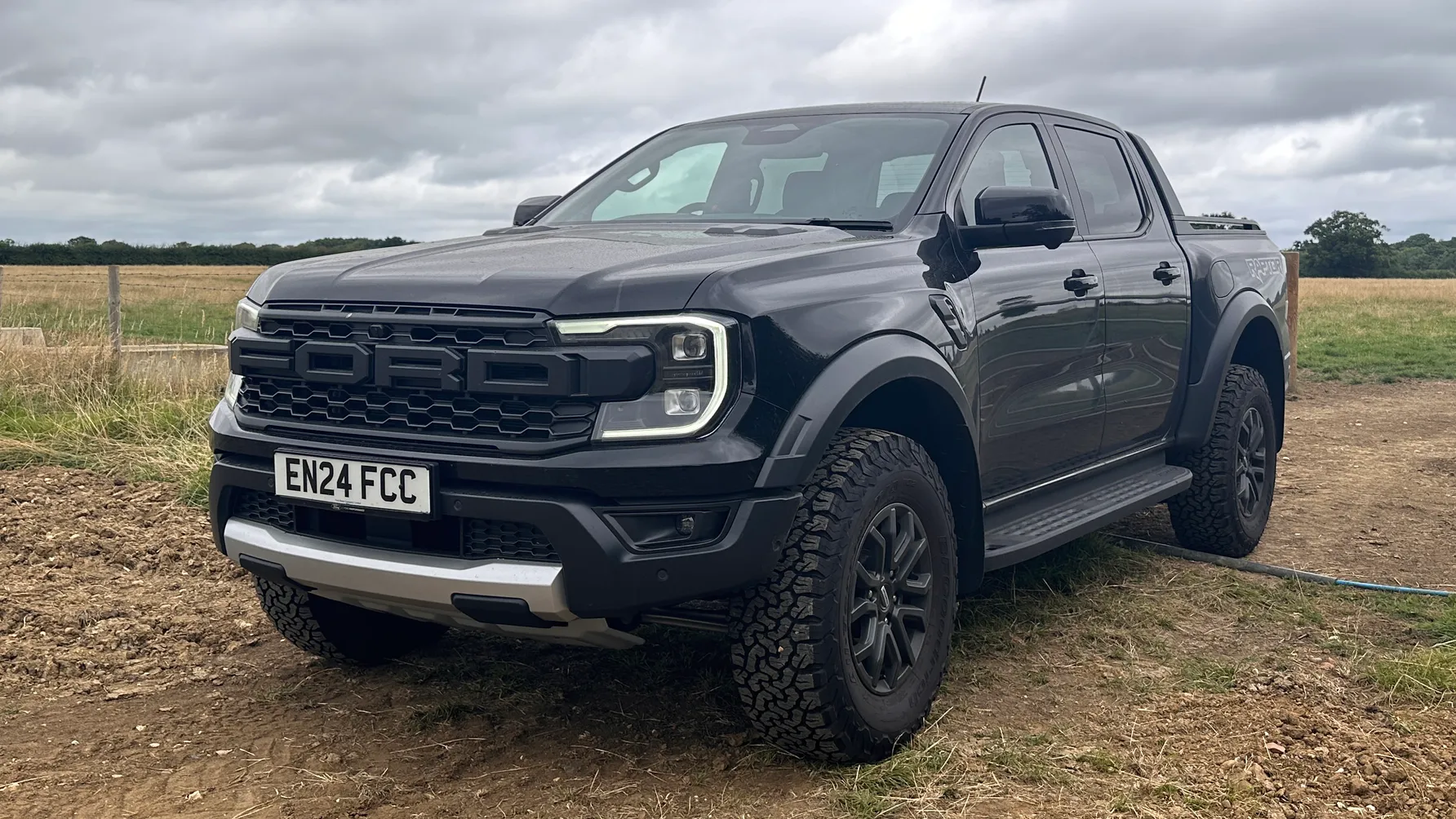
The Ford Ranger is a practical choice for drivers who need a vehicle that can handle boat towing while remaining useful for everyday driving. Its pickup design provides a strong foundation for pulling a trailer, while the available powertrains are engineered with towing duties in mind.
Depending on the model, engine, drivetrain, equipment, and market, its maximum towing capacity can be substantial enough for many recreational boats. Buyers should always check the rating for the exact Ranger configuration they own or plan to purchase because towing limits can vary considerably between versions.
A major advantage of the Ranger is its body-on-frame construction. This type of design separates the vehicle body from the chassis and is commonly used in trucks that are expected to carry heavy loads or tow trailers.
The frame provides a strong platform for trailer-related forces, while the suspension and drivetrain are designed to cope with demanding conditions. When properly equipped with the correct hitch and trailer connections, the Ranger can be well suited to towing a fishing boat, runabout, or similar recreational craft.
Towing a boat involves more than pulling its dry weight. The trailer adds weight, as do fuel, batteries, safety equipment, coolers, fishing gear, and other items stored aboard the boat. A boat advertised at a certain weight can therefore become considerably heavier when it is ready for the road.
The Ranger’s towing ability gives owners useful capacity, but that capacity should not be treated as an invitation to tow at the absolute limit. Staying comfortably within the manufacturer’s ratings can make towing more controlled and reduce stress on the vehicle.
Trailer stability is also important. A boat trailer can behave differently from a conventional cargo trailer because its weight distribution depends on the boat’s position and the equipment being carried.
The trailer should be loaded correctly, with appropriate tongue weight and properly secured equipment. Tires, wheel bearings, lights, brakes, safety chains, and the hitch should be inspected before departure. A capable tow vehicle cannot compensate for a poorly maintained or incorrectly loaded trailer.
For buyers who regularly visit lakes, rivers, or coastal areas with a medium-sized recreational boat, the Ranger can offer a useful combination of towing ability and everyday practicality.
It also provides the advantage of an open cargo bed for equipment that does not belong inside the passenger cabin. Still, the exact towing specification matters. Before buying or towing, owners should consult the vehicle’s owner’s manual, door-jamb information, trailer requirements, and local regulations.
2. Chevrolet Silverado 1500
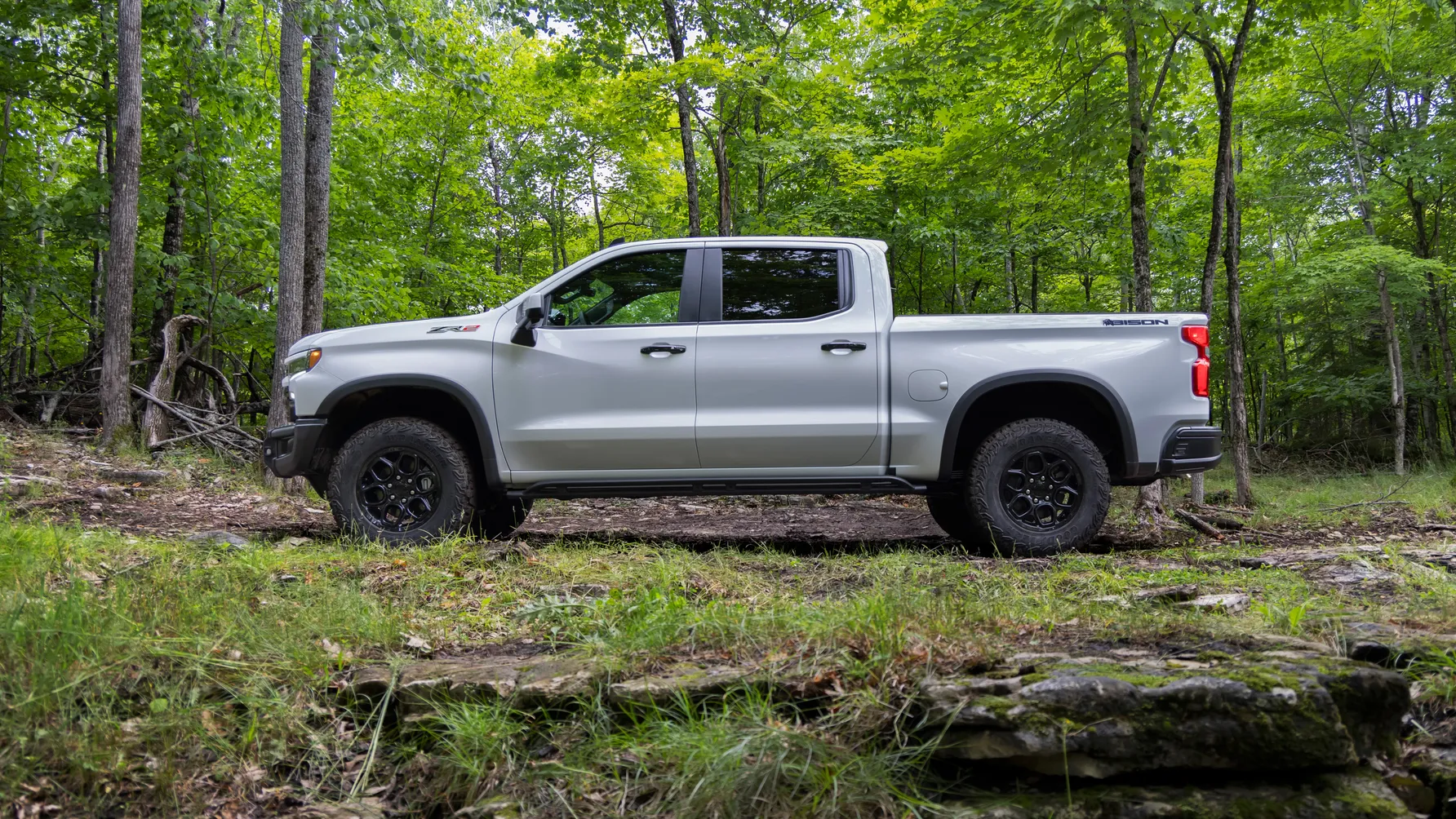
The Chevrolet Silverado 1500 is a full-size pickup designed to handle substantial workloads, making it a natural candidate for boat towing. Its available engines, transmissions, axle configurations, and towing packages can provide considerably different capabilities.
A properly configured Silverado 1500 can tow many recreational boats, including larger models that may be beyond the comfortable limits of smaller vehicles. The exact capacity depends on the selected configuration, so buyers should never rely on a general Silverado towing figure.
The Silverado’s size and wheelbase can contribute to a stable towing experience when the trailer is properly matched to the truck.
A longer and heavier tow vehicle can provide useful resistance against trailer movement, though stability still depends heavily on trailer setup, speed, road conditions, and weight distribution. Drivers should also remember that a larger truck does not remove the need for careful driving. Sudden steering inputs, excessive speed, and poor braking technique can create problems with any trailer.
Engine choice is particularly important when buying a Silverado for boat towing. Different powertrains provide different levels of torque and may have different towing ratings. A truck intended for frequent towing should be selected based on the actual boat and trailer combination rather than appearance or trim level.
Factory towing equipment can also be important because features such as an integrated trailer brake controller, suitable hitch hardware, cooling provisions, and trailer wiring can improve the towing setup.
Braking deserves special attention. The vehicle’s brakes must control the truck and trailer together, and many heavier boat trailers use their own braking systems. Depending on the trailer’s weight and local laws, trailer brakes may be required.
A driver should understand how the trailer brake system operates before heading onto a busy highway. The trailer should also be connected correctly, with safety chains and electrical connections secured.
The Silverado 1500 makes sense for boat owners who want significant towing capability along with the usefulness of a full-size pickup. Its available configurations allow buyers to tailor the truck to their needs, but this flexibility also means that specifications can differ greatly.
Checking the exact vehicle identification information and factory towing documentation is essential. For a boat that falls comfortably within the truck’s approved limits, the Silverado 1500 can be a strong towing platform.
3. Toyota Tundra
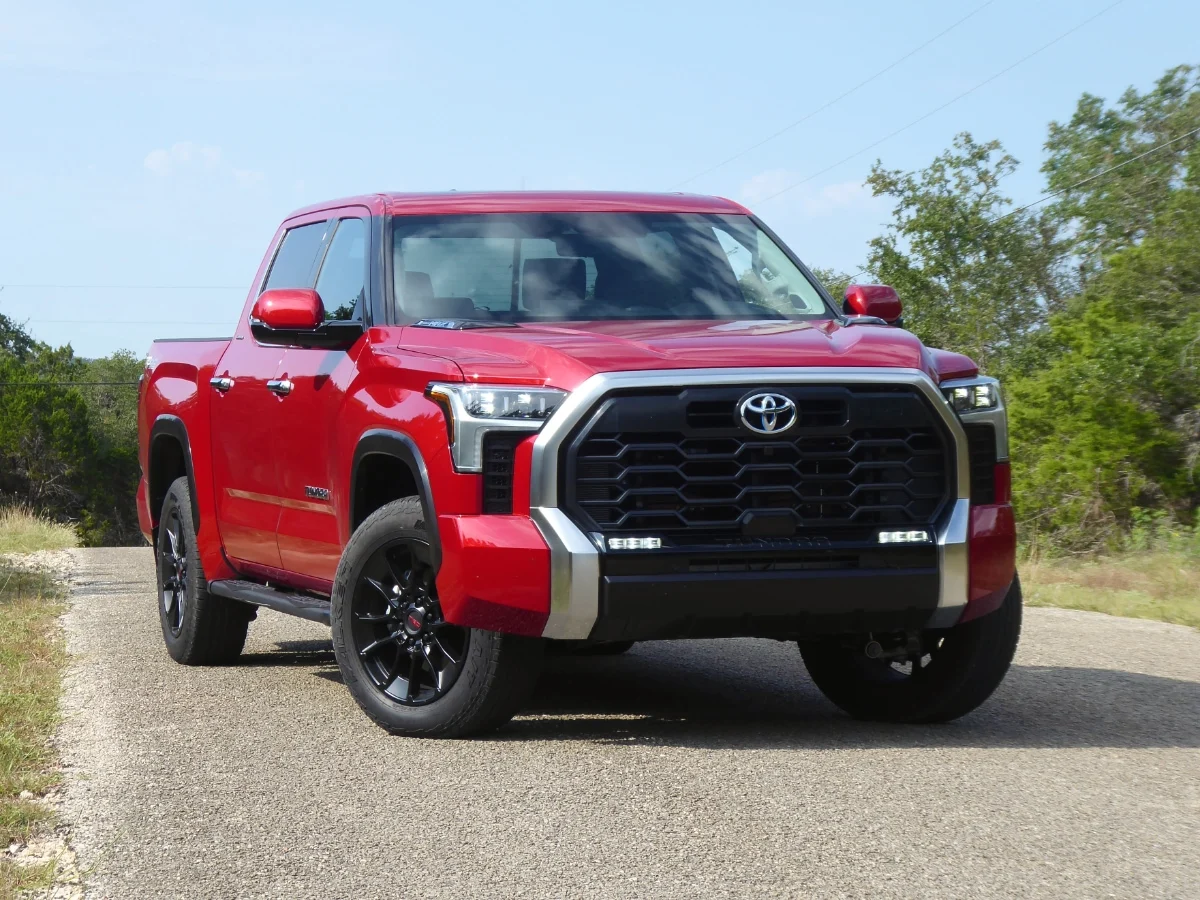
The Toyota Tundra is another pickup that can serve as a capable boat tow vehicle. Its truck-based construction, substantial chassis, and available high-torque powertrains give it the characteristics needed for pulling recreational trailers.
The Tundra is available in configurations aimed at different uses, so the exact towing rating depends on factors such as cab configuration, drivetrain, engine, equipment, and model year.
One benefit of a full-size pickup is the ability to combine towing duties with passenger and cargo space. A boat trip can require considerable equipment, including life jackets, fishing equipment, ropes, coolers, spare parts, and outdoor supplies.
Much of this can be carried in the truck bed or passenger compartment, provided the total vehicle payload remains within its limits. Owners need to consider payload as well as towing capacity because passengers and cargo count against the vehicle’s rated load.
The Tundra can also benefit from modern towing technology. Depending on configuration, towing-related systems may assist with trailer connections, monitoring, cameras, or vehicle control. Such features can make hitching and maneuvering easier, particularly for drivers who do not tow frequently. Technology should be treated as assistance rather than a substitute for learning proper trailer handling.
Boat ramps create a special challenge. Wet surfaces, steep grades, and loose gravel can reduce traction, so four-wheel drive or all-wheel drive may be useful depending on the situation and vehicle configuration.
Drivers should avoid unnecessarily deep water and should follow the boat ramp’s safety rules. After launching or retrieving a boat, the trailer should be checked for issues caused by water exposure, particularly if the trailer is used in saltwater environments.
The Tundra is therefore a reasonable option for people who want a full-size pickup for regular recreational towing. However, its suitability depends on the specific boat and trailer combination. A buyer should determine the loaded trailer weight first and then compare it with the truck’s official maximum trailer rating, payload rating, hitch rating, and other applicable limits.
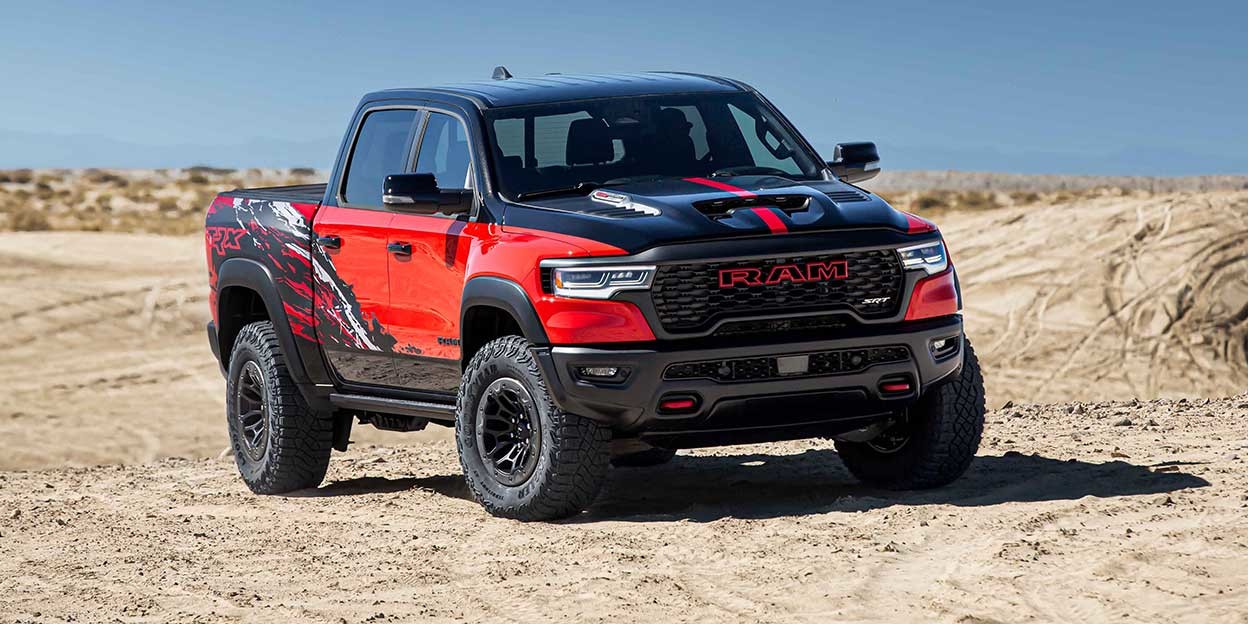
4. Ram 1500
The Ram 1500 is designed as a light-duty full-size pickup, and its range of engines and configurations gives buyers considerable flexibility. Properly equipped, it can tow many recreational boats and trailers. Its available powertrains can provide the torque required for moving a substantial load, while the pickup chassis is built for work involving both payload and towing.
A boat owner should pay attention to the difference between maximum towing capacity and real-world towing requirements. A manufacturer’s maximum figure typically applies to a particular configuration under specified conditions.
The boat’s actual loaded weight may be significantly higher than its advertised dry weight. Fuel, water, batteries, equipment, and the trailer itself all contribute to the final figure. This makes an accurate trailer weight measurement particularly valuable.
The Ram 1500 can be attractive for owners who need their vehicle for several purposes. During the week, it can serve as a commuter or work vehicle, while at the weekend it can transport a boat to the water. Its truck bed can accommodate equipment, and its passenger cabin can provide room for a family or group.
Buyers should still consider payload limits because a heavily loaded truck can approach its gross vehicle weight rating even when the trailer itself remains within the towing limit.
Hitch selection is another important part of the equation. The hitch receiver, ball mount, hitch ball, electrical connection, and trailer safety chains must all be compatible with the trailer.
If the boat trailer uses electric or surge brakes, the driver should understand the system and verify that it is functioning correctly. Regular inspection becomes increasingly important as trailer weight rises.
For recreational boaters, the Ram 1500 offers a blend of comfort and towing capability. It is not automatically suitable for every boat simply because it is a pickup. The right decision comes from matching the exact Ram configuration with the fully loaded trailer. When those figures are compatible, the truck can be a practical and capable choice for trips to the water.
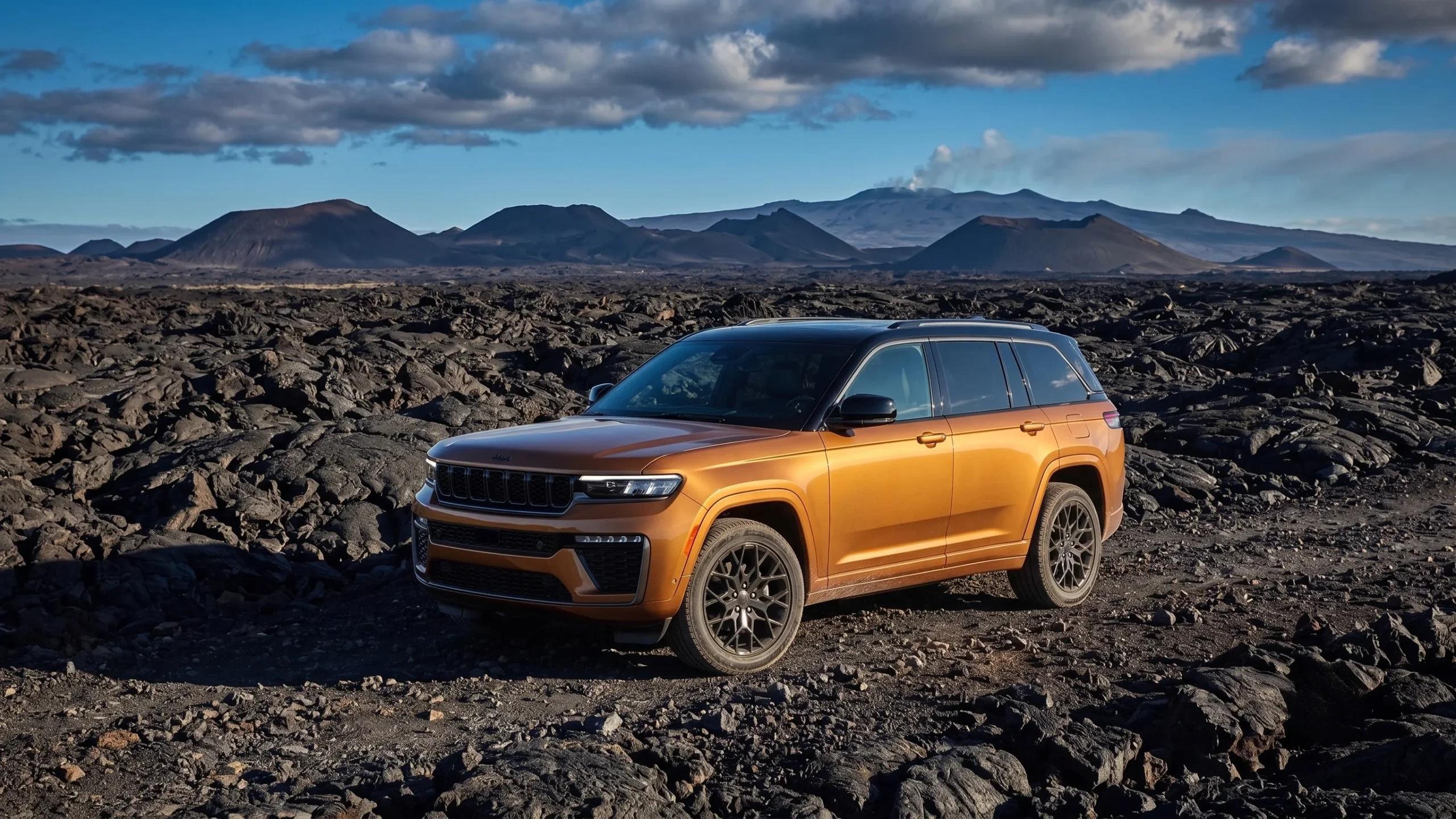
5. Jeep Grand Cherokee
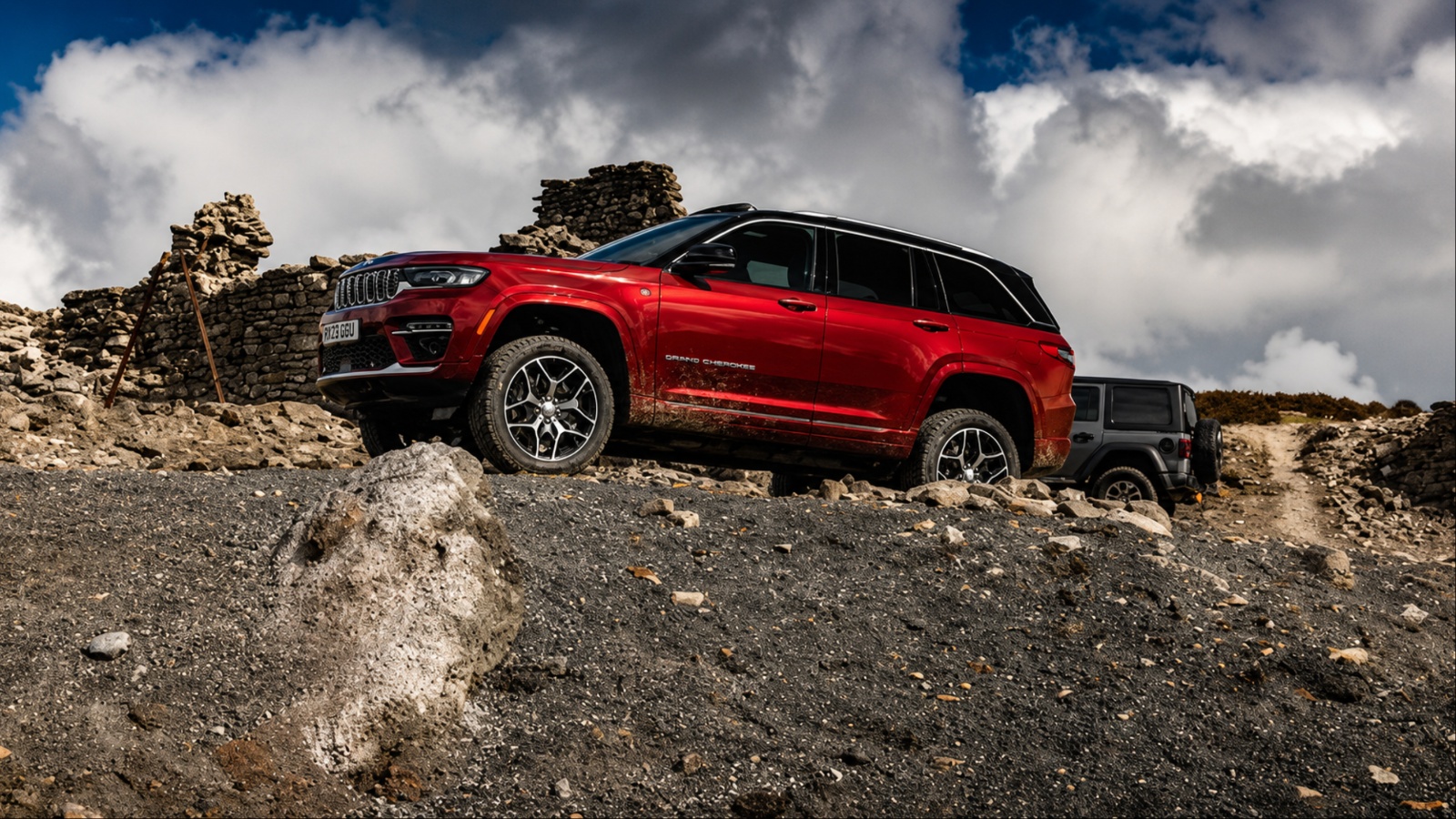
The Jeep Grand Cherokee demonstrates that a pickup is not the only type of vehicle capable of towing a boat. Depending on the model, engine, drivetrain, and towing equipment, certain Grand Cherokee configurations have substantial towing capacity.
This makes the SUV useful for drivers who want passenger-friendly transportation during the week and towing capability for recreational activities.
An SUV can offer advantages for families who do not want a pickup. The enclosed cabin provides protection from weather and offers flexible seating and cargo space.
This can be useful when transporting passengers to a marina or boat ramp. However, cargo placed inside the SUV still contributes to the vehicle’s total weight, so owners must account for passengers and equipment when considering payload.
The Grand Cherokee’s towing suitability depends heavily on configuration. Some versions are significantly more capable than others, meaning the trim name alone does not provide enough information.
Buyers should examine the engine, drivetrain, factory towing package, hitch rating, and official tow rating. If a particular configuration is rated for a specific trailer weight, that rating should be treated as a firm limit rather than a target to exceed.
SUV owners should also consider trailer length and handling. A larger boat can produce considerable aerodynamic drag and may influence the vehicle’s behavior in crosswinds. Drivers should leave additional following distance and avoid abrupt maneuvers. When descending a hill, the appropriate gear and speed should be selected before the vehicle gains momentum.
5 That Cannot
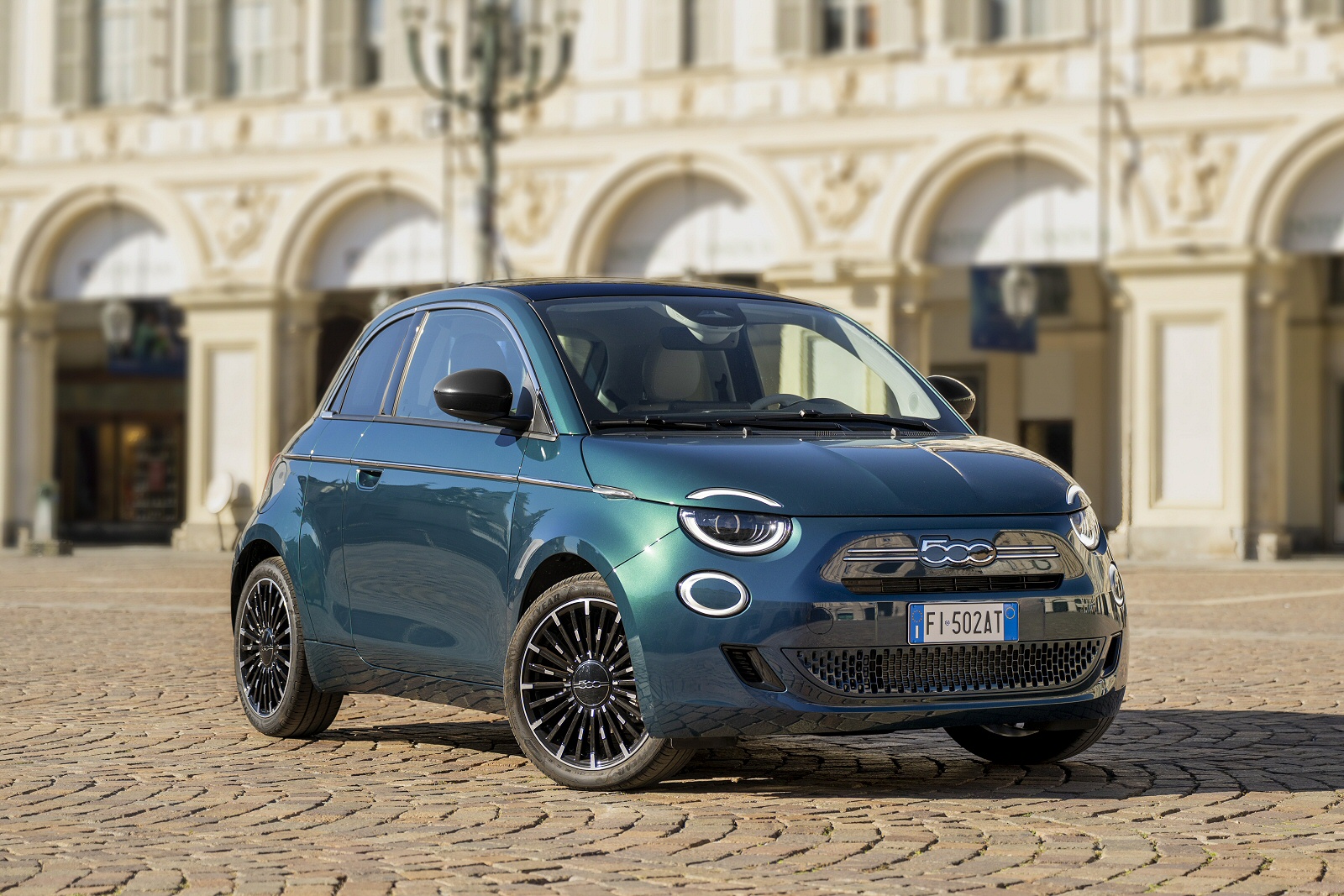
1. Fiat 500
The Fiat 500 is a compact city car designed primarily around urban transportation, maneuverability, and efficiency. Its small dimensions and lightweight construction make it very different from trucks and larger SUVs designed for towing.
In markets where the vehicle is not approved for trailer towing, attempting to tow a boat can create serious safety and mechanical concerns.
The problem begins with weight. Even a relatively small boat can become heavy once the trailer, fuel, battery, safety equipment, and other gear are included.
The Fiat 500’s compact size means that a boat trailer can represent a substantial load relative to the vehicle itself. This can affect acceleration, braking, handling, and stability. A tow vehicle should always have an appropriate manufacturer-approved towing capacity before a trailer is attached.
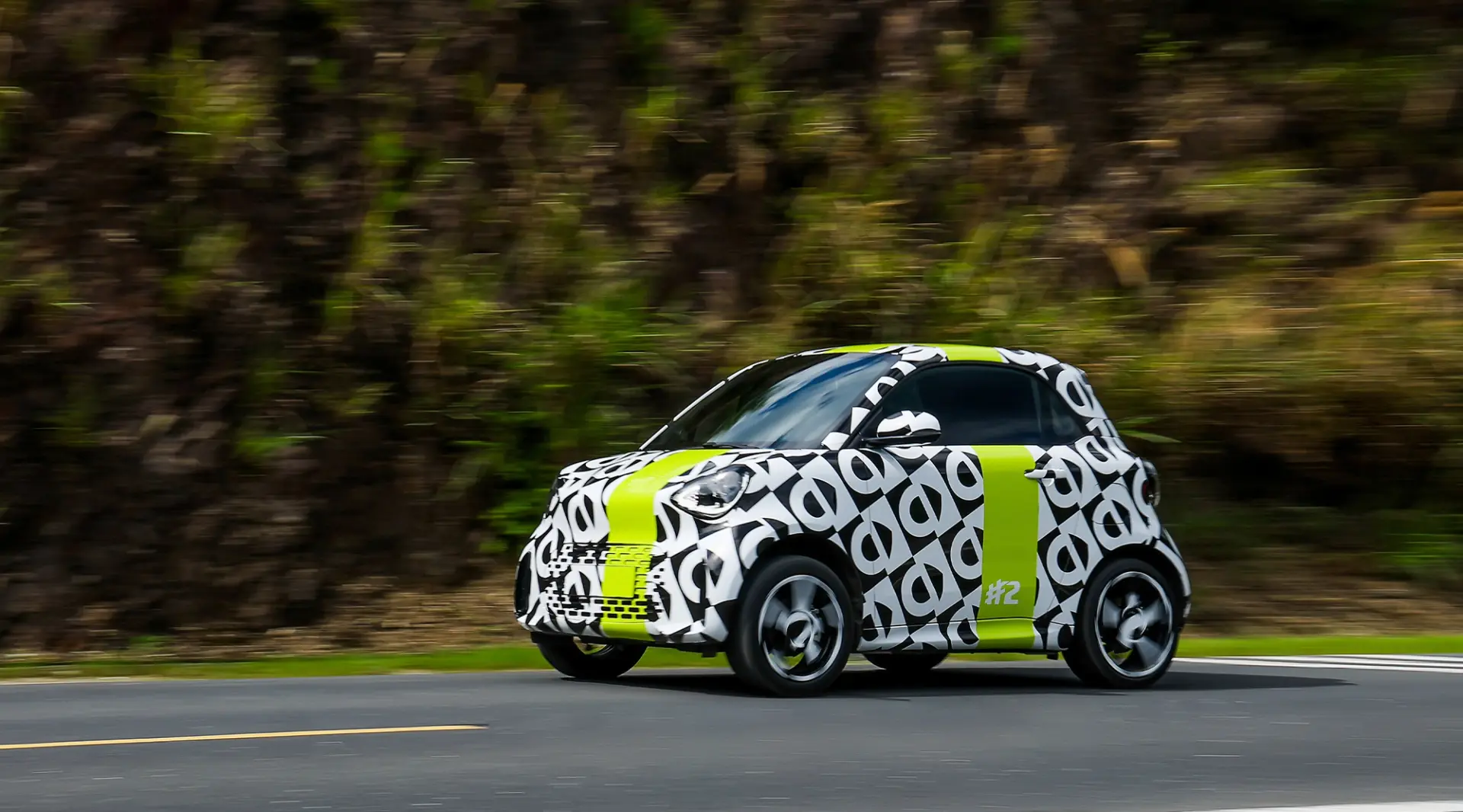
2. Smart Fortwo
The Smart Fortwo was designed with city driving as its central purpose. Its tiny footprint, short length, and compact mechanical layout make it easy to maneuver and park.
Those same characteristics make it poorly suited to pulling a conventional boat trailer. Depending on the specific market and model year, official towing provisions may be absent or extremely limited.
A tow vehicle needs more than an engine capable of moving its own weight. It needs a chassis, suspension, braking system, cooling system, transmission, and hitch structure capable of handling the forces produced by a trailer. A boat trailer can place substantial vertical and horizontal loads on the tow vehicle, particularly during braking, cornering, acceleration, and uneven-road travel.
The Fortwo’s compact dimensions can also create stability concerns when towing a comparatively large object. A trailer affects the combined vehicle’s center of gravity and can produce additional forces during crosswinds or sudden steering movements. A short and lightweight tow vehicle may not provide the same stability as a larger vehicle designed for trailer use.
Another issue is practicality. Even a tiny fishing boat requires a trailer, and the combined length can make maneuvering difficult for a vehicle that was not engineered for towing.
Reversing down a narrow boat ramp can be especially challenging. Drivers should never rely on an improvised setup simply because the boat appears small.
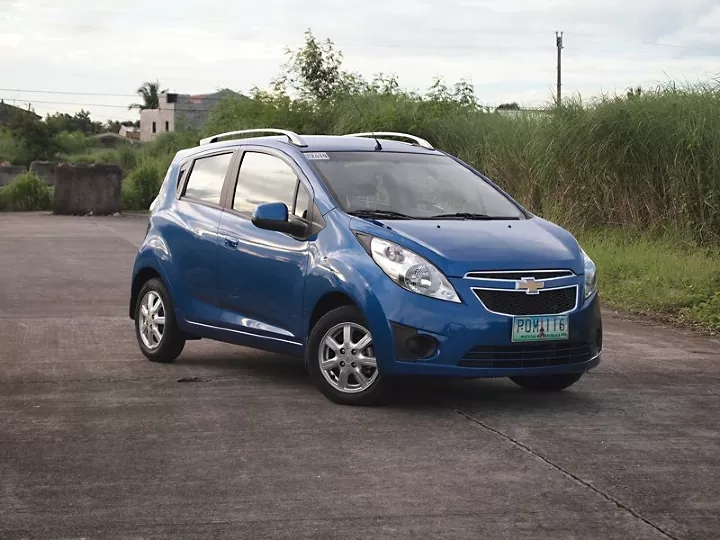
3. Chevrolet Spark
The Chevrolet Spark is another example of a small car that is better suited to everyday transportation than boat towing. Its compact size makes it convenient for city streets and parking spaces, but towing introduces demands that go far beyond ordinary passenger driving. In configurations without a manufacturer-approved trailer rating, it should not be used to pull a boat.
The size of a boat can be misleading. A small fiberglass fishing boat may appear easy to tow when sitting on the water, yet its road-going weight includes the trailer and everything carried aboard.
A larger safety margin is also desirable because towing on hills, in hot weather, or in strong winds can place additional demands on the vehicle.
A small car’s drivetrain can experience increased stress when towing. The engine and transmission may have to work harder to accelerate and maintain speed, while the cooling system may face additional heat. Braking components can also experience higher loads. These factors are why manufacturers specify towing limits rather than leaving the decision entirely to the owner.
The trailer itself presents additional requirements. It needs a suitable hitch connection, functioning lights, secure safety chains, appropriate tires, and, where required, brakes.
Even if an aftermarket company offers equipment that physically attaches to the Spark, that does not establish that the complete vehicle-trailer combination is approved for towing. Mechanical compatibility and manufacturer approval are different issues.
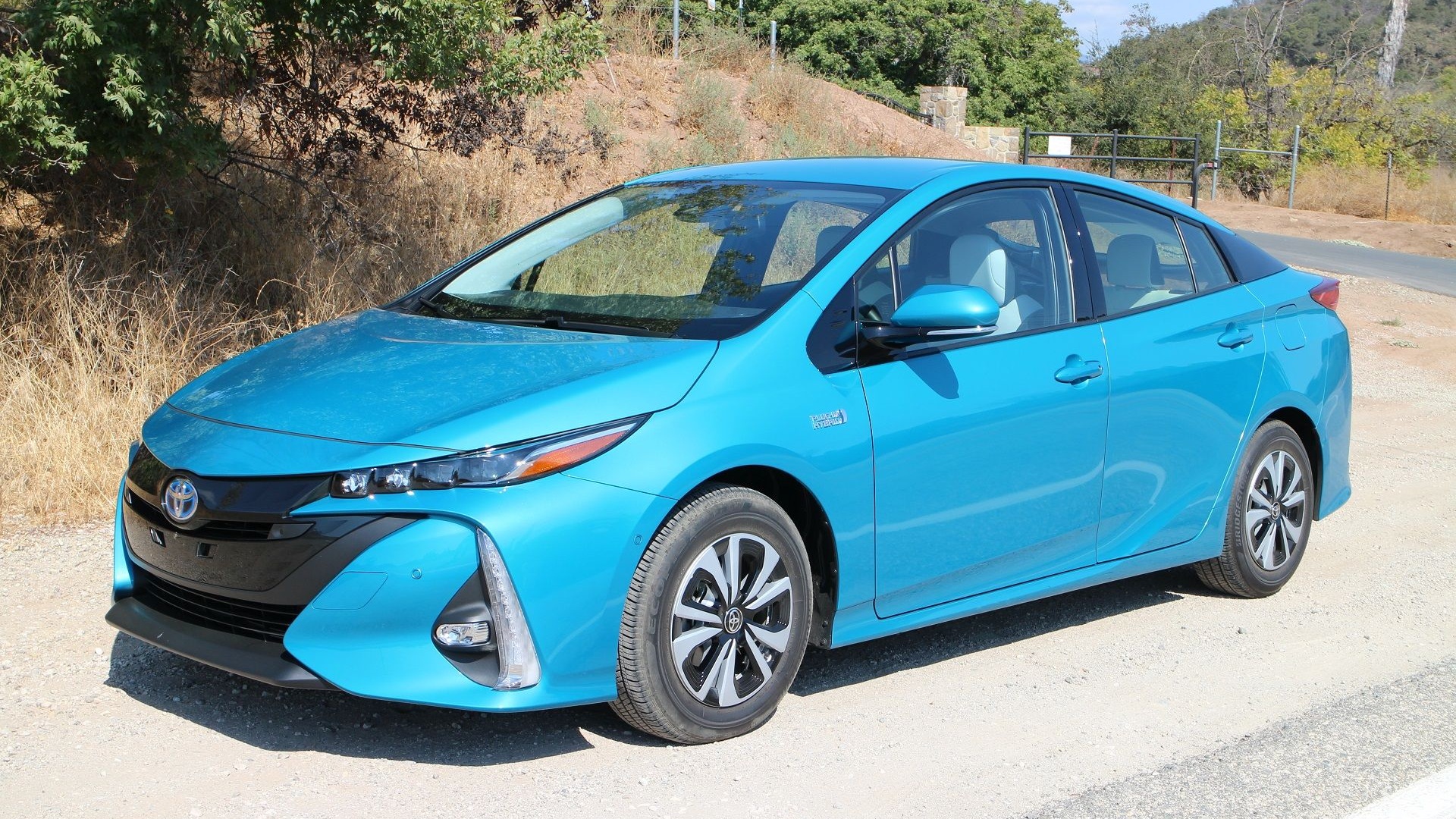
4. Toyota Prius
The Toyota Prius is widely associated with fuel efficiency and efficient everyday transportation. Its hybrid powertrain is designed to balance gasoline and electric propulsion while reducing fuel consumption during normal driving.
Certain Prius configurations may have towing provisions in some markets, but owners should never assume that a Prius is automatically suitable for towing a boat.
The critical factor is the official rating for the exact Prius model and market. Towing capacity varies by vehicle specification and regional requirements. If a particular Prius has no manufacturer-approved towing capacity, attaching a boat trailer is not an appropriate use. Installing an aftermarket hitch for carrying a bicycle rack is not the same as receiving approval to tow a trailer.
Boat towing can also involve more weight than expected. A lightweight boat may still require a trailer weighing several hundred kilograms, while larger recreational boats can weigh far more.
Add fuel, batteries, equipment, and passengers, and the total combination can quickly exceed what a compact passenger car can safely handle.
Drivers should also think about repeated towing. A vehicle that manages a short low-speed movement may not be suitable for repeated highway towing. Long climbs, hot conditions, and frequent braking can increase thermal and mechanical demands. Manufacturers consider these factors when establishing vehicle specifications.
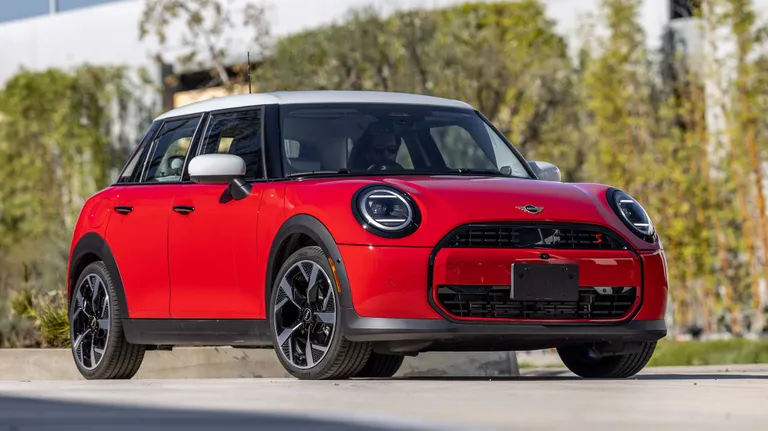
5. Mini Cooper
The Mini Cooper range contains several compact models built around responsive handling, relatively small dimensions, and everyday usability.
Some versions have different equipment and capabilities, so the exact model must always be checked before considering trailer use. Where a particular Mini does not have an approved towing rating, it should not be used to tow a boat.
Compact cars have several limitations when faced with trailer duties. Their wheelbase, vehicle mass, suspension, braking system, and drivetrain are generally optimized for passenger transportation rather than heavy trailer loads. A trailer adds inertia during acceleration and braking and can change how the vehicle responds to steering inputs.
Boat trailers can be particularly demanding because they are often used around water, where surfaces may be wet and slippery. Launch ramps can be steep, and the vehicle may need to move slowly while maintaining traction. A tow vehicle with an appropriate drivetrain, chassis, and towing rating is much better suited to these conditions.
Owners should also be cautious about aftermarket towing accessories. A professionally installed hitch may be suitable for a bike carrier or other lightweight accessory, but that does not automatically mean the vehicle can tow a trailer. The vehicle’s official towing documentation should be the starting point for any towing decision.
