
Buying, driving, and maintaining a car comes with plenty of advice, but not every tip passed down by friends, relatives, or even experienced drivers is accurate. Some popular car beliefs come from older vehicles that worked very differently from modern models.
Others sound logical but ignore how today’s engines, transmissions, tires, and electronic systems operate. Myths about fuel, engine warm-up, oil changes, tire pressure, air conditioning, and maintenance can even lead to unnecessary expenses or poor habits.
Understanding what is fact and what is fiction helps drivers make better decisions, protect their vehicles, and spend money where it actually matters. Here are 12 common car myths worth reconsidering.
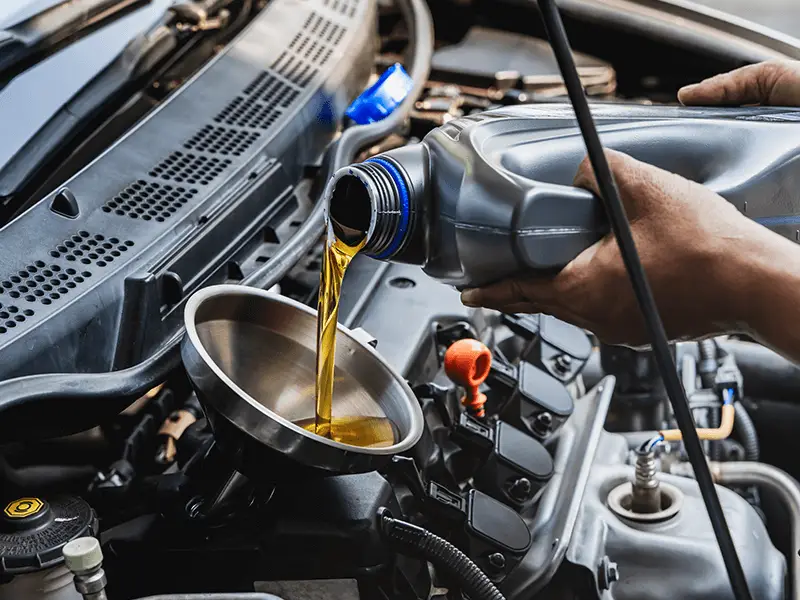
1. You Must Change Engine Oil Every 3,000 Miles
The 3,000-mile oil change rule has been repeated for decades, making it seem like a universal requirement for every car. It was once much more relevant when engines, lubricants, and maintenance practices were different from those used in modern vehicles.
Today, many cars can travel considerably farther between oil changes under normal driving conditions. The correct interval varies according to the vehicle, engine, oil specification, driving conditions, and manufacturer’s recommendations. Some modern vehicles also use oil-life monitoring systems that calculate service needs based on factors beyond simple mileage.
Changing oil too frequently generally does not provide a meaningful advantage when the manufacturer’s schedule already allows a longer interval. It can instead increase maintenance costs and result in unnecessary disposal of usable lubricant. That does not mean drivers should neglect oil service.
Engine oil gradually loses some of its protective properties, and maintaining the correct level and specification remains essential. The important distinction is between changing oil when required and following an arbitrary mileage rule that may not apply to your vehicle.
Driving conditions can also affect the appropriate service interval. Frequent short journeys, heavy traffic, extreme temperatures, towing, dusty environments, and prolonged idling can place different demands on an engine than steady highway driving.
Manufacturers may therefore provide different schedules for normal and severe service. Drivers should consult the owner’s manual rather than relying on a generic number found on an old maintenance sticker.
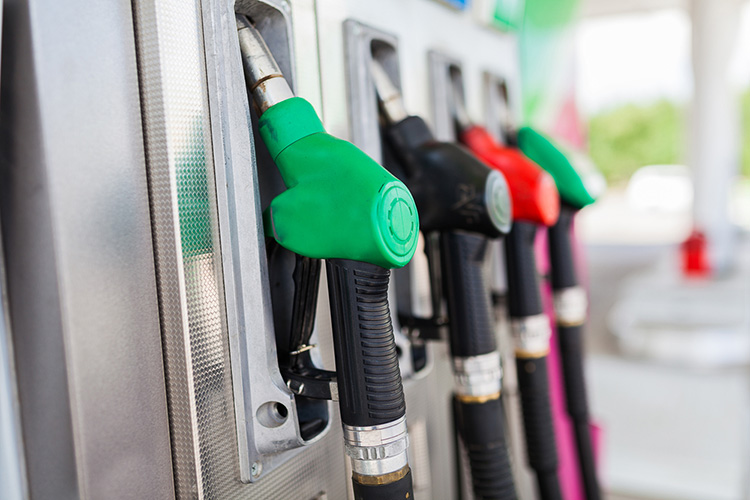
2. Premium Fuel Is Always Better for Your Car
Premium fuel is often associated with better quality, greater power, and superior engine protection. That assumption is understandable because premium gasoline usually costs more at the pump.
However, a higher price does not automatically mean that premium fuel will improve the performance of every vehicle. Octane primarily measures a fuel’s resistance to engine knock. A vehicle designed for regular fuel generally does not gain a worthwhile performance advantage simply because a driver chooses a higher octane grade.
The situation changes when a manufacturer specifically requires or recommends higher-octane fuel. Certain engines, particularly those with high compression ratios or specific performance calibrations, are designed to take advantage of higher octane.
Using fuel below the required specification can cause problems and may prevent the engine from operating as intended. This is why the owner’s manual and fuel-filler information should take priority over general advice from other drivers.
A widespread misconception is that premium gasoline is inherently cleaner or more refined than regular gasoline. The octane rating does not work as a simple quality ranking. Fuel formulations can differ for other reasons, including additive packages and regional requirements.
A driver should therefore select fuel according to the manufacturer’s requirements rather than assuming that the most expensive option is automatically the healthiest choice for the engine.
Using premium fuel in a car designed for regular gasoline may be harmless, but it can become an unnecessary recurring expense. A few extra rupees or dollars per tank may not seem significant, yet the difference can add up over thousands of kilometers.
Drivers who want better fuel economy should focus on factors such as tire pressure, smooth acceleration, appropriate maintenance, traffic conditions, and driving speed rather than assuming that premium fuel will transform an ordinary engine.
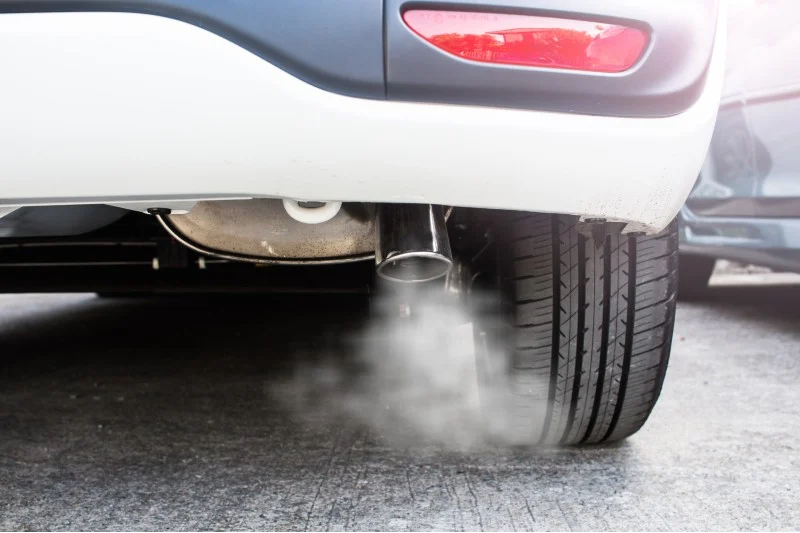
3. You Should Let Your Car Idle for Several Minutes Before Driving
Many drivers were taught to start a car and let it sit for several minutes before moving, particularly during cold weather. This advice made more sense for older vehicles that relied on carburetors and had different fuel-delivery systems.
Modern engines use electronic fuel injection and sophisticated sensors that can adjust fuel delivery and engine operation during a cold start. Long periods of stationary idling are generally unnecessary for normal driving.
A short period after starting can allow the engine to stabilize, but sitting in the driveway for five or ten minutes is not normally the ideal way to bring the engine to operating temperature.
A modern engine generally warms more effectively while being driven gently. This means a driver can start the car, allow the initial systems to settle, and then proceed without immediately demanding high engine speed or heavy acceleration.
The myth has survived partly because people remember older vehicles. Carbureted engines could behave poorly when cold, and warming them was sometimes a practical part of starting the day.
Modern engine management systems have changed that experience considerably. The technology is designed to manage cold starts automatically, which makes the old ritual less relevant for most contemporary passenger vehicles.
Cold weather still matters, though. Drivers should not interpret this information as permission to drive aggressively immediately after starting. Engine oil, transmission fluid, tires, and other components may still be cold.
Gentle driving for the first few minutes is a sensible habit, particularly in very cold conditions. The goal is to allow the vehicle to reach normal operating temperature naturally rather than keeping the engine running while the car remains stationary.
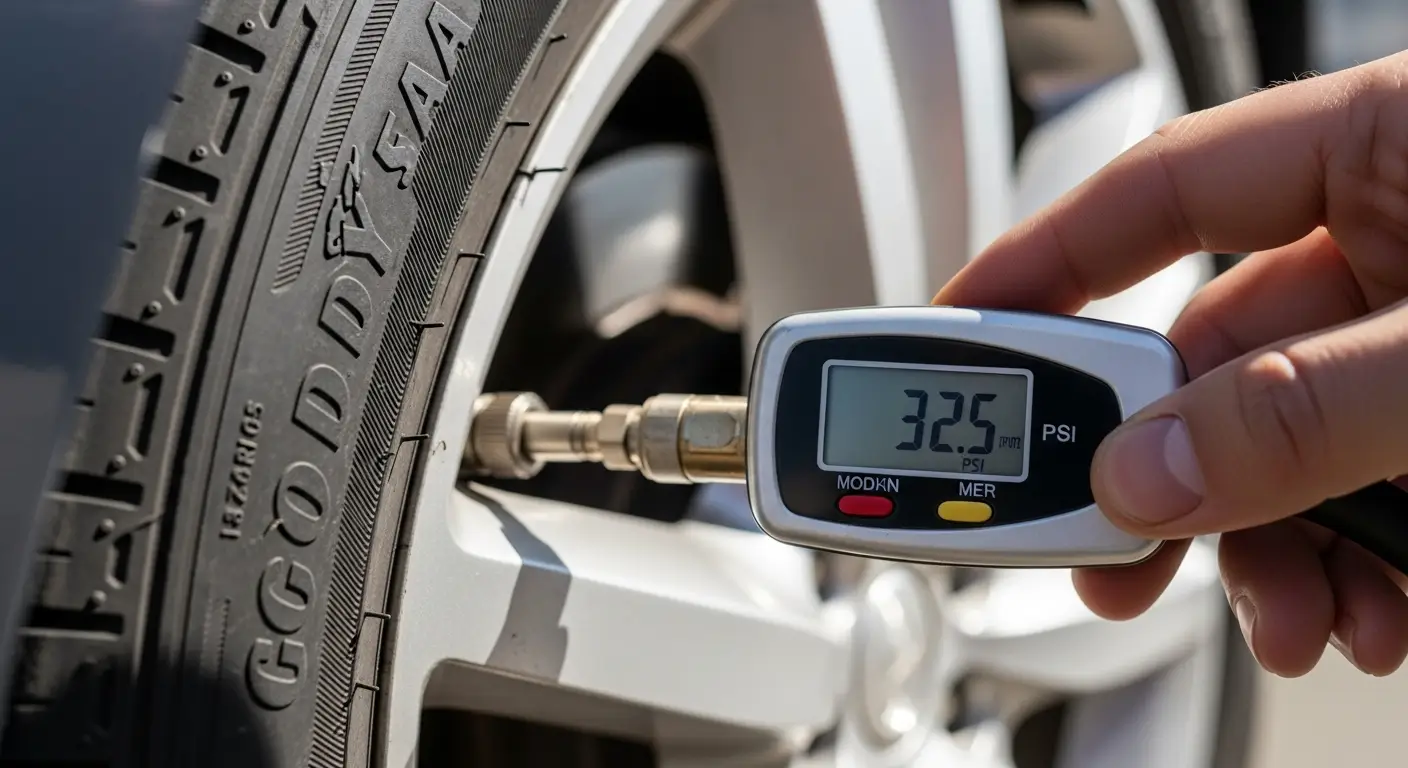
4. Tire Pressure Should Match the Number on the Tire Sidewall
Looking at the sidewall of a tire can create confusion because drivers often see a prominent pressure figure and assume it is the recommended setting for their car.
In many cases, the number printed on the tire represents the tire’s maximum permitted inflation pressure under specified conditions, not the ideal pressure for the particular vehicle. The correct pressure is normally provided by the vehicle manufacturer on a door-jamb label, fuel-filler-area label, or in the owner’s manual.
Tire pressure is carefully selected because it affects handling, braking, comfort, tread wear, and rolling resistance. Setting the pressure too low can increase rolling resistance and generate additional heat.
It can also affect steering response and tire wear. Excessive pressure can change the vehicle’s ride and contact characteristics. Neither extreme is desirable simply because a number happens to be printed on the tire.
Drivers should also remember that tire pressure changes with temperature. A pressure reading taken immediately after a long drive may differ from a cold reading.
For this reason, checking pressure when the tires are cold provides a more useful comparison with the manufacturer’s recommended figure. Regular checks are particularly important because tires naturally lose pressure over time.
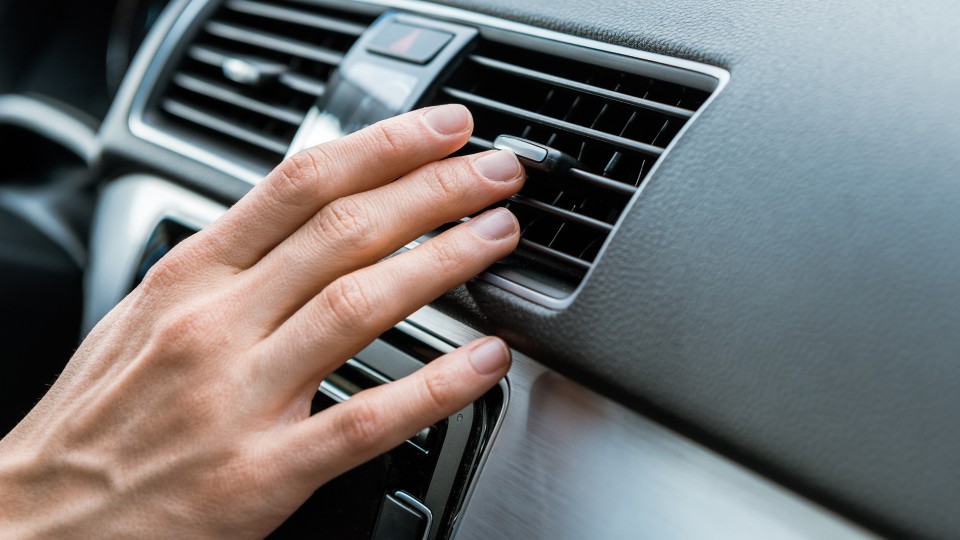
5. Air Conditioning Always Uses More Fuel Than Open Windows
The idea that turning off the air conditioner and opening the windows will always save fuel is too simple. Air conditioning does require energy, and using it can affect fuel consumption.
At the same time, open windows increase aerodynamic drag, particularly as vehicle speed rises. The balance between these effects depends on driving speed, vehicle design, outside temperature, and how heavily the climate-control system is being used.
At lower urban speeds, opening the windows may have a relatively small aerodynamic penalty, so using outside air can be a practical choice when conditions are comfortable.
At higher speeds, however, the aerodynamic drag created by open windows becomes more significant. In those circumstances, keeping the windows closed and using the air conditioner can sometimes be the more efficient option.
There is also a comfort and safety consideration. Extremely hot cabin temperatures can make driving uncomfortable and may contribute to driver fatigue. Air conditioning is not merely a luxury in many climates.
A driver should not sacrifice reasonable comfort or concentration simply to chase a tiny potential fuel saving. Using the system sensibly is generally more practical than treating air conditioning as something that must always be avoided.
Modern climate-control systems also offer settings that can improve efficiency. Recirculating already cooled cabin air can reduce the amount of hot outside air that needs to be cooled.
Avoiding unnecessarily low temperature settings and maintaining the system properly can also help. A blocked cabin filter or malfunctioning air-conditioning system may reduce comfort and increase the workload on the system.
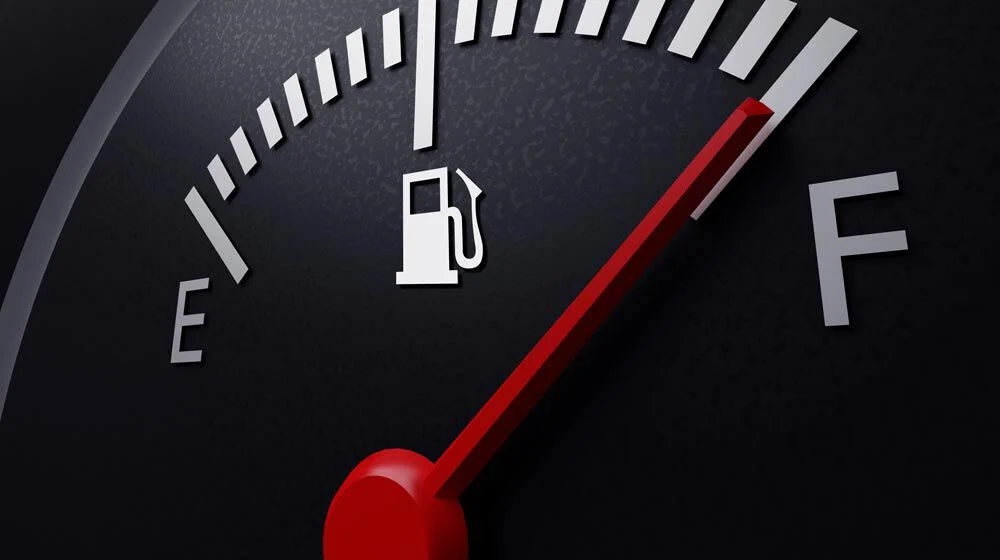
6. A Car With a Full Tank Gets Better Mileage
Some drivers believe that filling the fuel tank completely improves fuel economy because the fuel system works more efficiently with a full tank. In reality, carrying additional fuel also means carrying additional weight.
A heavier vehicle requires more energy to accelerate, although the effect on total fuel consumption is generally modest. A full tank is not a special performance setting that makes an engine burn fuel more efficiently.
The amount of fuel in the tank does have an effect on vehicle weight. Fuel itself is heavy, so a vehicle carrying a nearly full tank weighs more than the same vehicle carrying a smaller amount.
However, drivers should not interpret this as a recommendation to keep the tank nearly empty. Fuel economy should not be prioritized at the expense of practical driving needs, particularly on long journeys or in places where fuel stations are far apart.
The more important factors affecting fuel consumption include driving style, speed, traffic, tire pressure, vehicle condition, load, terrain, and weather.
Rapid acceleration and heavy braking can waste energy, while steady and smooth driving is generally more efficient. Carrying unnecessary objects in the vehicle can also increase weight and contribute to higher fuel use.
Fuel economy estimates should therefore be viewed as the result of many variables rather than a single factor. Two identical cars can achieve different mileage because they are driven in different conditions. A vehicle driven smoothly on an open road will usually consume fuel differently from the same vehicle used for short trips through congested traffic.
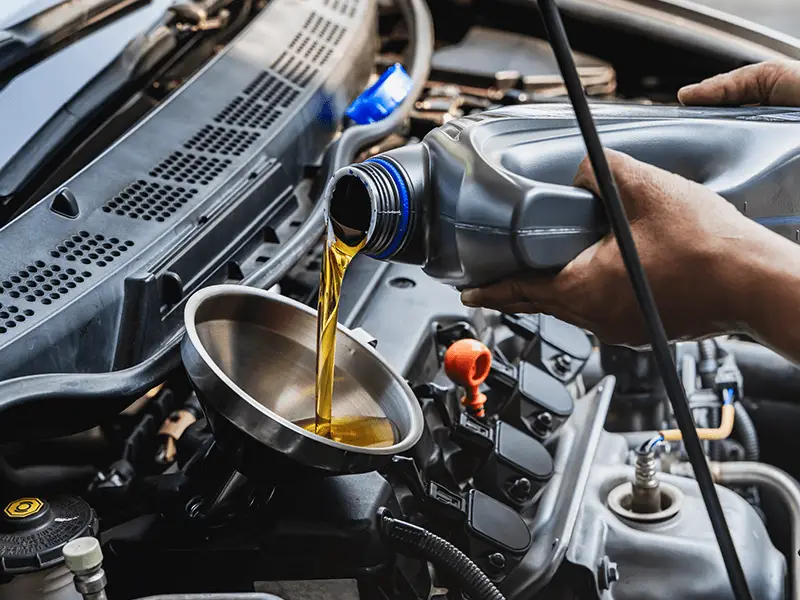
7. More Engine Oil Means Better Engine Protection
Engine oil is essential for lubrication, cooling, cleaning, and protecting internal components, but that does not mean adding extra oil provides extra protection.
Engines are designed to operate within a specified oil level range. Too little oil can cause serious problems, but too much oil can also create issues. Drivers should therefore aim for the correct level rather than assuming that the maximum amount possible is the safest choice.
When oil is overfilled, the crankshaft and other moving components can interact with the excess lubricant. Depending on the engine design and severity of overfilling, this can contribute to aeration or other operating problems.
The exact consequences vary by vehicle, which is why the manufacturer’s specified oil level should be followed carefully.
Checking oil correctly is also important. The procedure varies among vehicles, but many manufacturers recommend checking on level ground after the engine has been switched off for a specified period.
Some modern vehicles use electronic oil-level measurement rather than a traditional dipstick. The owner’s manual provides the appropriate method.
Drivers sometimes top up oil without considering whether the engine is losing oil abnormally. Adding oil can restore the correct level, but repeated drops may indicate a leak or consumption problem that requires investigation. Simply continuing to add lubricant can conceal an underlying mechanical issue.
There is an important point to keep in mind when considering a Mazda3. A strong reliability rating does not guarantee that every used example will be in good condition. Factors such as maintenance history, mileage, accident records, and how previous owners treated the car can make a major difference. Having the vehicle inspected by a qualified mechanic before buying remains one of the smartest steps you can take.
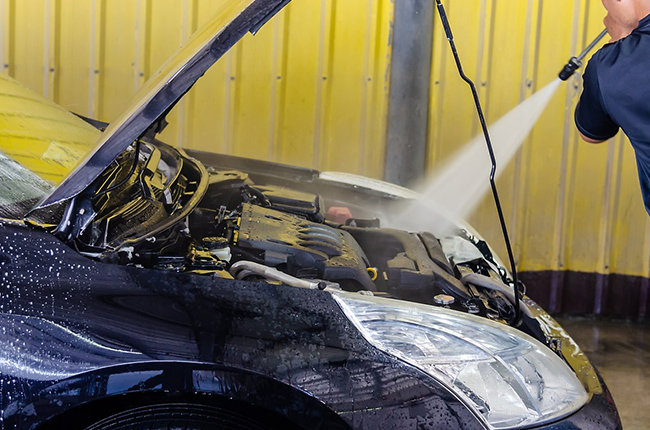
8. Washing the Engine With Household Detergent Is Completely Safe
A dirty engine bay can look unpleasant, leading some owners to believe that aggressive cleaning will automatically improve engine performance. Modern engine compartments contain electrical connectors, sensors, wiring, control modules, belts, and other components that should not be exposed carelessly to large amounts of water or harsh chemicals.
Household detergents are not necessarily formulated for automotive paint, rubber, plastics, or protective finishes. Some cleaning products can remove protective coatings or leave residues.
Pressure washing can also force water into areas where it does not belong. That does not mean an engine bay can never be cleaned. It means the process should be appropriate for the vehicle and performed with care.
A basic approach is to remove loose dust and debris and clean accessible surfaces using products intended for automotive use. Sensitive electrical components should be treated cautiously.
If there is significant contamination from oil or other fluids, professional cleaning may be preferable because the technician can identify the source of the contamination instead of merely washing it away.
Engine-bay cleanliness also has practical value. A relatively clean compartment can make it easier to spot leaks, damaged hoses, loose components, or corrosion. The goal should therefore be inspection and sensible maintenance rather than making every component look showroom fresh.
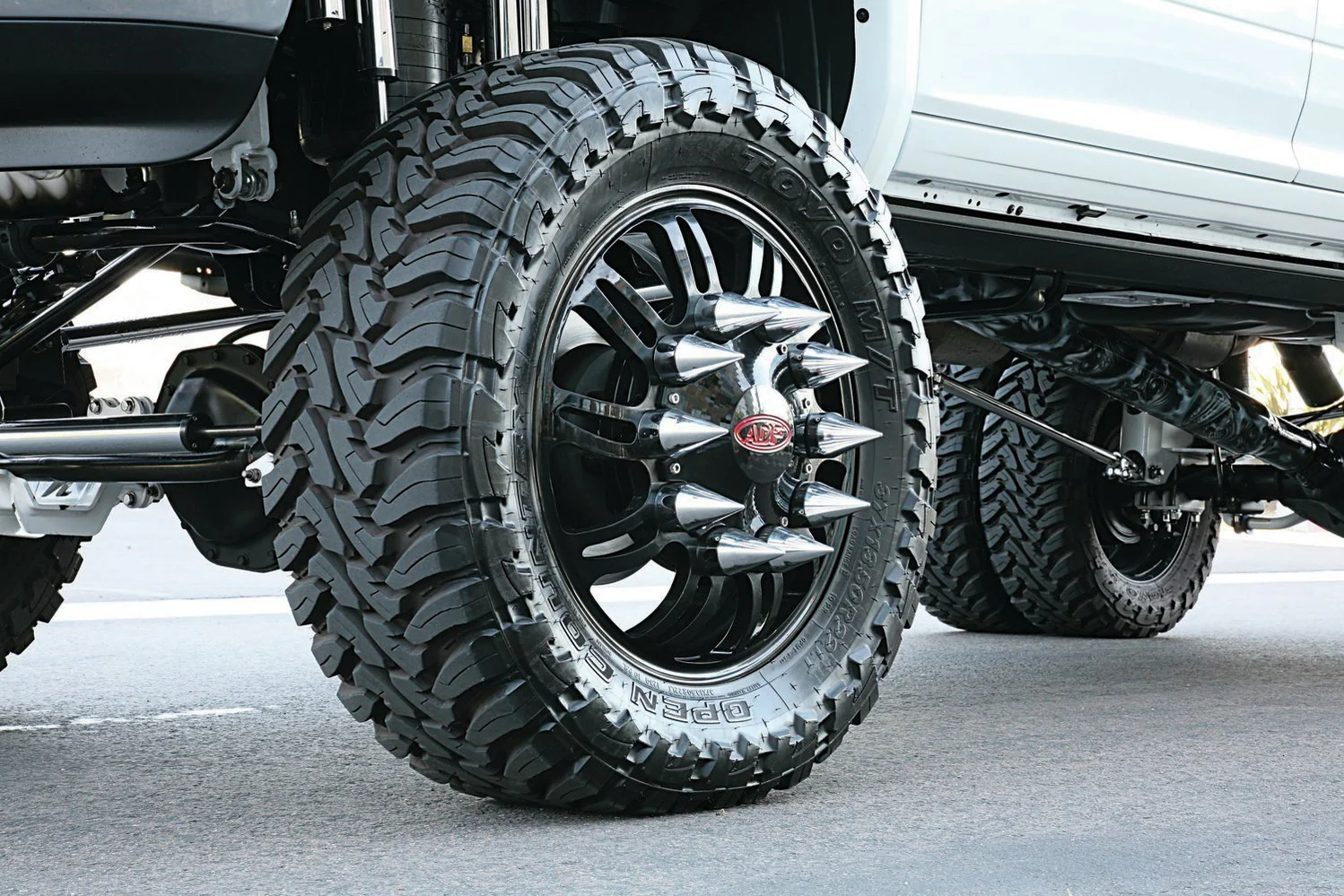
9. A Bigger Tire Always Gives Better Grip
Wider or larger tires can change the way a vehicle looks and feels, but bigger does not automatically mean safer or better. Tire performance depends on compound, construction, tread design, size, pressure, road conditions, temperature, vehicle setup, and many other factors. Simply installing a wider tire does not guarantee shorter braking distances or superior traction in every situation.
Changing tire dimensions can also affect the vehicle’s handling characteristics. A different tire size can alter steering response, ride quality, rolling resistance, clearance, and the relationship between the speedometer and actual road speed.
If the new wheel and tire combination is substantially different from the factory specification, it may also create clearance or suspension concerns.
For everyday driving, the manufacturer’s recommended tire dimensions provide a useful starting point. Automakers select tire sizes as part of a broader vehicle design that includes suspension geometry, steering calibration, braking systems, and electronic safety features.
Moving away from those specifications should be done carefully rather than simply choosing the largest tire that fits physically.
Tire width can matter in specific circumstances. Performance vehicles may use wider tires to achieve particular handling characteristics, while certain tire designs are optimized for wet weather, snow, off-road use, or long tread life. There is no single tire specification that is perfect for every purpose.
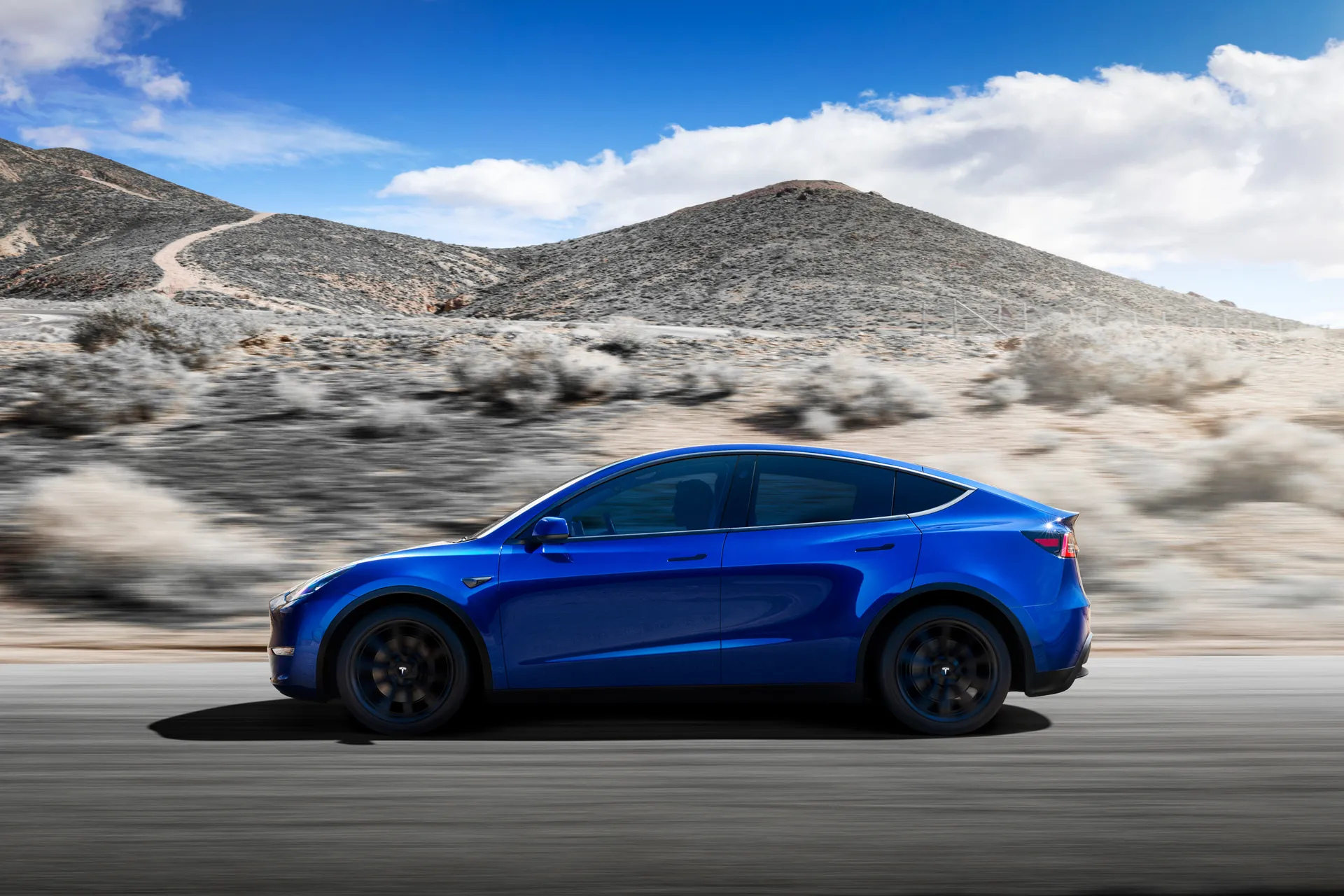
10. Electric Cars Need No Maintenance
Electric vehicles have fewer conventional drivetrain components than gasoline-powered cars, but they are not maintenance-free.
They do not require engine oil changes in the traditional sense, and they generally have fewer engine-related service items. Still, electric vehicles contain brakes, tires, suspension components, steering systems, cooling systems, electronics, and other equipment that require inspection and maintenance.
Regenerative braking can reduce reliance on conventional friction brakes in many driving situations, which may reduce brake wear.
That does not mean brake components can be ignored. Brake fluid, calipers, pads, rotors, and other components still need appropriate inspection. Tires can also experience significant wear because electric vehicles can be heavy and deliver immediate torque.
Battery systems require careful thermal management and electronic monitoring. Modern EVs are engineered with sophisticated battery-management systems, but the high-voltage system remains a specialized component.
Maintenance and repairs involving high-voltage equipment should be handled according to the manufacturer’s procedures and by appropriately trained technicians.
Routine checks remain important. Tire pressure, tread condition, windshield washer fluid, lights, wiper blades, cabin filters where applicable, and other vehicle systems still require attention. Service intervals vary considerably by manufacturer and model, so EV owners should follow the schedule provided with their vehicle.
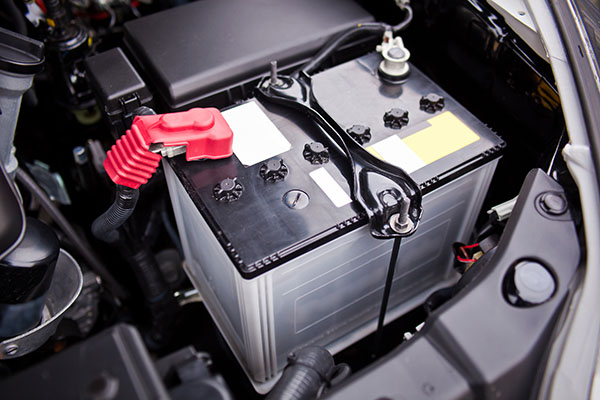
11. A Car Will Recharge Its Battery Fully After a Jump-Start
A jump-start gets a vehicle running when its battery cannot provide enough power to start the engine, but starting the engine does not necessarily mean the battery has been fully recharged.
The alternator can replenish some of the energy used during starting, yet the amount restored depends on the battery’s condition, the charging system, driving conditions, and how depleted the battery was.
A severely discharged battery may require much more charging than a short drive can provide. If the battery is old or damaged, it may also have lost its ability to hold a charge. In that situation, repeated jump-starts can become a temporary solution rather than a genuine repair.
Drivers should pay attention to warning signs. Slow cranking, dim lights, repeated starting problems, electrical irregularities, or a battery that repeatedly goes flat can indicate a charging or battery problem. The alternator and related electrical components may need inspection as well.
A battery can also discharge for reasons unrelated to age. Leaving lights or accessories running, using electrical equipment while the engine is off, or having an electrical fault can drain it.
Modern vehicles also consume some electrical power while parked because various systems remain active.

12. A Dealer Must Perform Every Service to Protect the Warranty
Some car owners believe that visiting an independent repair shop automatically cancels a factory warranty. That is not generally how routine maintenance works.
Maintenance specified by the vehicle manufacturer can often be performed by qualified independent technicians, provided the required procedures, parts, fluids, and service intervals are followed. Consumer Reports notes that owners should keep accurate maintenance records and receipts in case questions arise.
The owner’s manual is the most useful reference for understanding required maintenance. It explains when services should be performed and what specifications apply.
Independent workshops can carry out many routine jobs, including oil changes, brake work, tire service, inspections, and other maintenance, depending on the vehicle and the technician’s capabilities.
Keeping documentation is particularly important. Receipts, invoices, service records, and details about parts or fluids can demonstrate that required maintenance was performed. This can make warranty discussions much easier if a mechanical problem occurs later.
There are situations where a dealer is the appropriate destination. Recalls, manufacturer-specific technical campaigns, software updates, specialized diagnostic procedures, and certain warranty repairs may be best handled through an authorized service center.
