
When shoppers compare vehicle safety, crash ratings often reveal more than airbags and driver assistance features. Body structure plays a major role because a strong passenger compartment can preserve survival space during a severe collision.
This ranking focuses on vehicles sold in the United States that have shown weaker structural performance or concerning crash behavior in recognized safety testing. It is important to clarify that NHTSA’s NCAP program does not publish an official list of cars with the weakest frames.
The ranking below combines relevant NHTSA crash information with structural findings from IIHS testing to provide a practical US-focused safety comparison for buyers today.
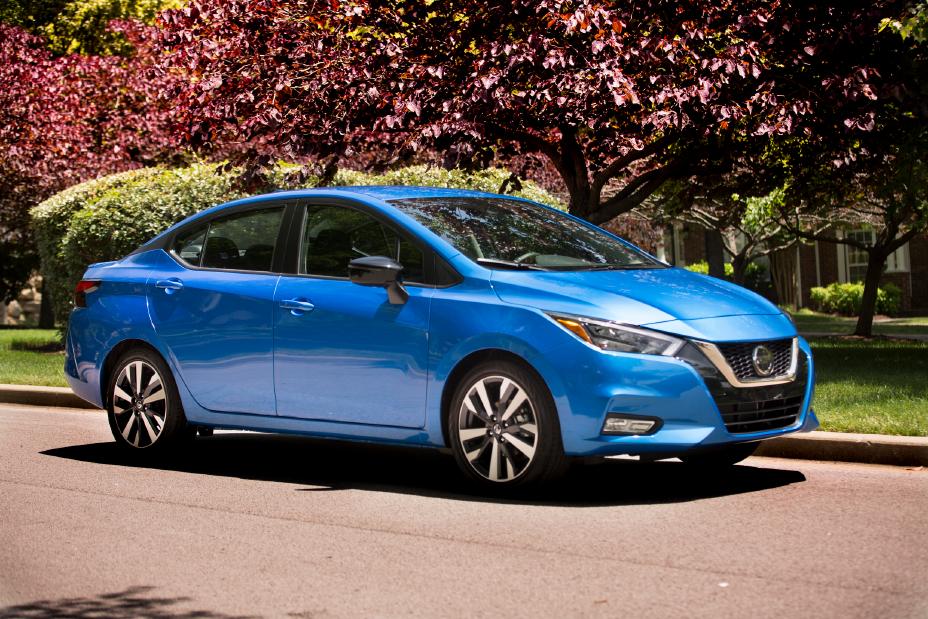
1. Nissan Versa
The Nissan Versa from the 2012 to 2019 generation deserves a high position on this list because its earlier structural performance raised serious concerns in the IIHS small overlap test.
The 2015 Versa sedan received a Poor rating for the small overlap front evaluation, with the structure and safety cage also rated Poor. That is a direct structural warning rather than simply an equipment shortcoming.
The test showed substantial movement within the occupant compartment. IIHS reported that the steering column moved upward by 12 centimeters and toward the right by 15 centimeters.
The driver’s head barely contacted the frontal airbag before sliding away, leaving the head vulnerable to contact with forward structure. These findings indicate that the vehicle struggled to maintain a protective occupant space in that particular collision.
This result matters because the passenger compartment is designed to remain as intact as practical while designated front and rear sections absorb crash energy.
When intrusion reaches critical areas around the driver, the benefits of restraint systems can be reduced. The Versa’s result illustrates why a vehicle’s structural rating deserves attention rather than relying only on its airbag count or reputation for affordability.
Later Versa models received significant structural improvements. For example, the 2020 redesign became a larger small car, and IIHS testing of the newer generation showed a Good structure and safety cage rating in the moderate overlap front evaluation. The 2024 Versa also received a Good structure rating in the relevant IIHS testing.
For used-car buyers, the key lesson is to identify the generation before judging the vehicle. A late-model Versa should not be treated as identical to the older sedan discussed here.
If considering an older 2012 to 2019 Versa, buyers should examine its specific crash history, recalls, condition and safety equipment before purchase, especially when passenger protection is a primary concern.
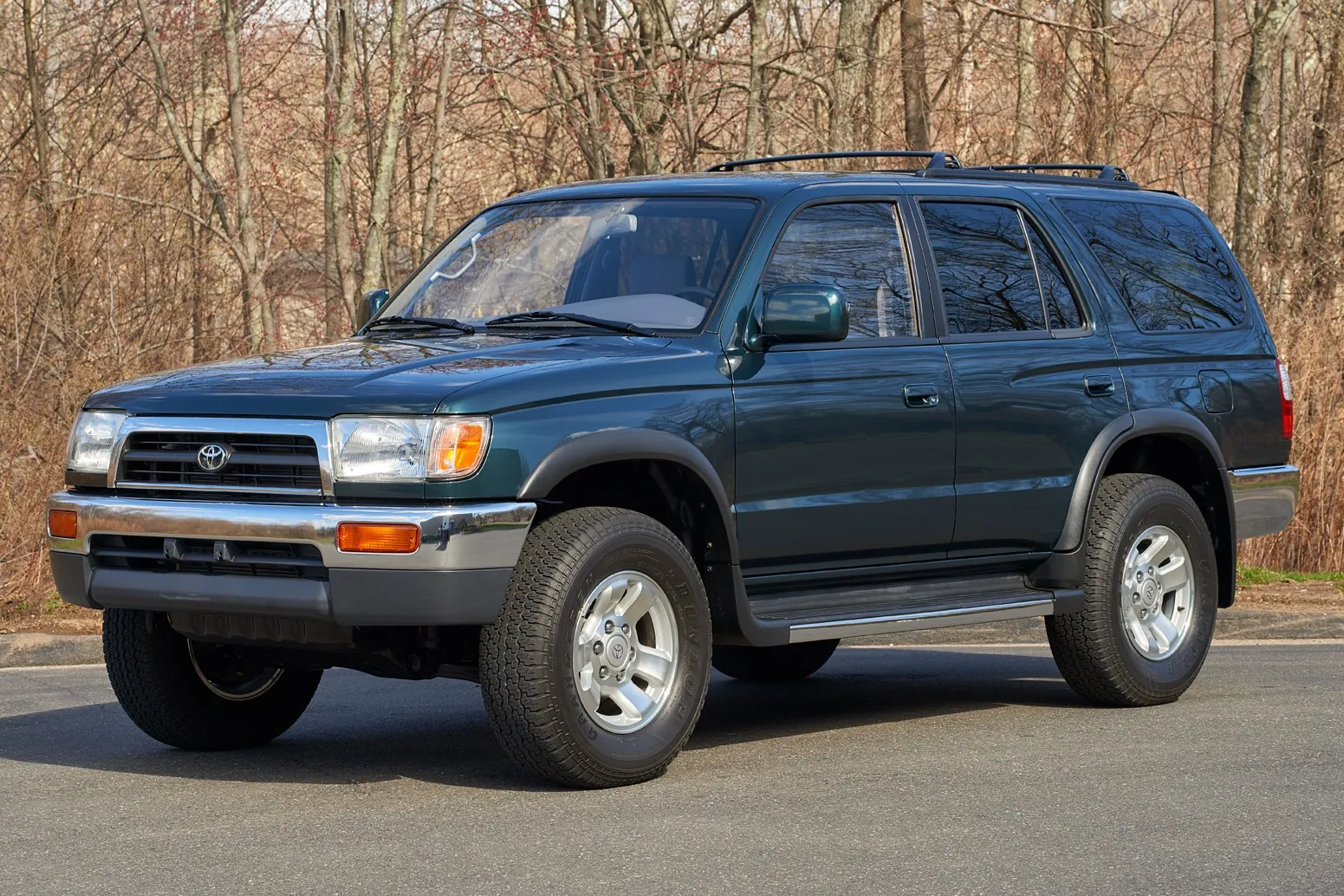
2. Toyota 4Runner
The Toyota 4Runner has a reputation for durability, off-road capability and rugged construction, but ruggedness is not the same thing as crash-test performance. IIHS testing of the 2022 4Runner revealed a Poor rating for the structure and safety cage in its small overlap frontal test. The passenger compartment experienced substantial intrusion in several measured areas.
The measurements help explain the structural concern. IIHS recorded 48 centimeters of lower hinge pillar intrusion, 23 centimeters at the footrest, 25 centimeters at the parking brake, and 31 centimeters of upper hinge pillar movement.
These figures show how much the occupant area could move during the test. The rating therefore reflects measurable deformation rather than a cosmetic assessment.
The 4Runner’s body-on-frame design also makes it useful for understanding why a strong chassis does not guarantee a perfect crash result.
Its separate frame provides strength for towing and off-road work, but occupant protection depends on how the entire vehicle manages crash energy. A vehicle can have a durable frame while still producing unwanted intrusion into the cabin during a particular impact.
This does not mean every 4Runner is unsafe. Toyota has made substantial changes across generations, and safety equipment and crash performance can vary by model year. The result discussed here is tied to the tested generation and specific crash protocol. Buyers should therefore avoid applying the 2022 findings indiscriminately to every 4Runner ever sold.
For shoppers considering an older or used 4Runner, the structural test is a reminder to look beyond the vehicle’s reputation for toughness. Off-road strength, towing ability and long-term durability are different attributes from crashworthiness.
A buyer who places occupant protection at the top of the list should compare the specific model year’s crash results with newer SUVs before making a purchase decision.
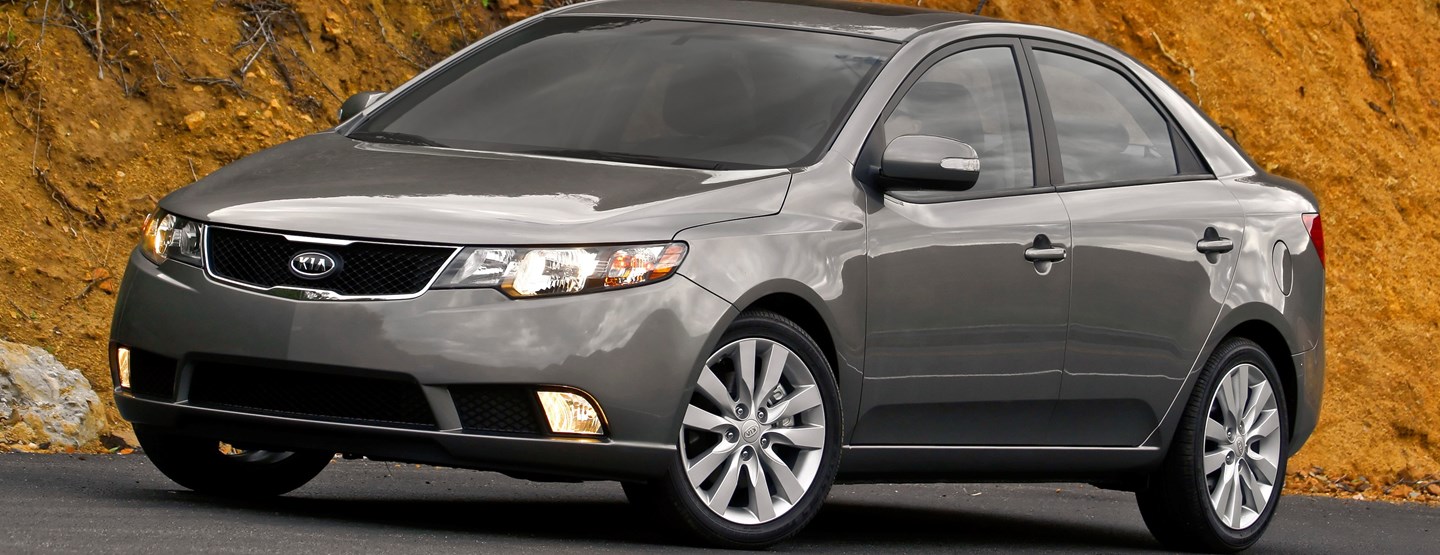
3. Kia Forte
The Kia Forte earns a place near the top because its later IIHS testing exposed weaknesses in newer crash scenarios. The 2024 Forte received Poor ratings in both the updated moderate overlap front test and the updated side test. The side test also gave the structure and safety cage a Marginal rating.
The updated moderate overlap test produced a Poor occupant protection rating, even though the structure and safety cage itself received a Good grade in that particular test.
The rear passenger protection results were especially concerning, with the rear passenger head rating Poor and the chest rating Marginal. This shows why structural safety cannot be judged from a single score alone.
The updated side test presents a clearer structural concern. The Forte’s structure and safety cage received a Marginal rating, while the complete side evaluation was Poor. IIHS measured substantial lateral movement and reported high torso deflection values. The driver’s head also contacted the window sill through the side curtain airbag, indicating inadequate protection during that test.
The Forte demonstrates an important point about modern crash testing. A vehicle can perform well under an older test protocol while struggling under a newer, more demanding test.
The Forte’s original moderate overlap evaluation was Good, but its updated moderate overlap result was Poor. Safety ratings therefore need to be read alongside the test type and model year.
The Forte is not automatically a bad purchase, and the findings do not suggest that every crash will produce the same result. Still, shoppers interested in structural safety should pay close attention to the 2022 to 2024 Forte results.
The model’s contrasting test outcomes make it particularly important to compare it against competing compact sedans before buying.
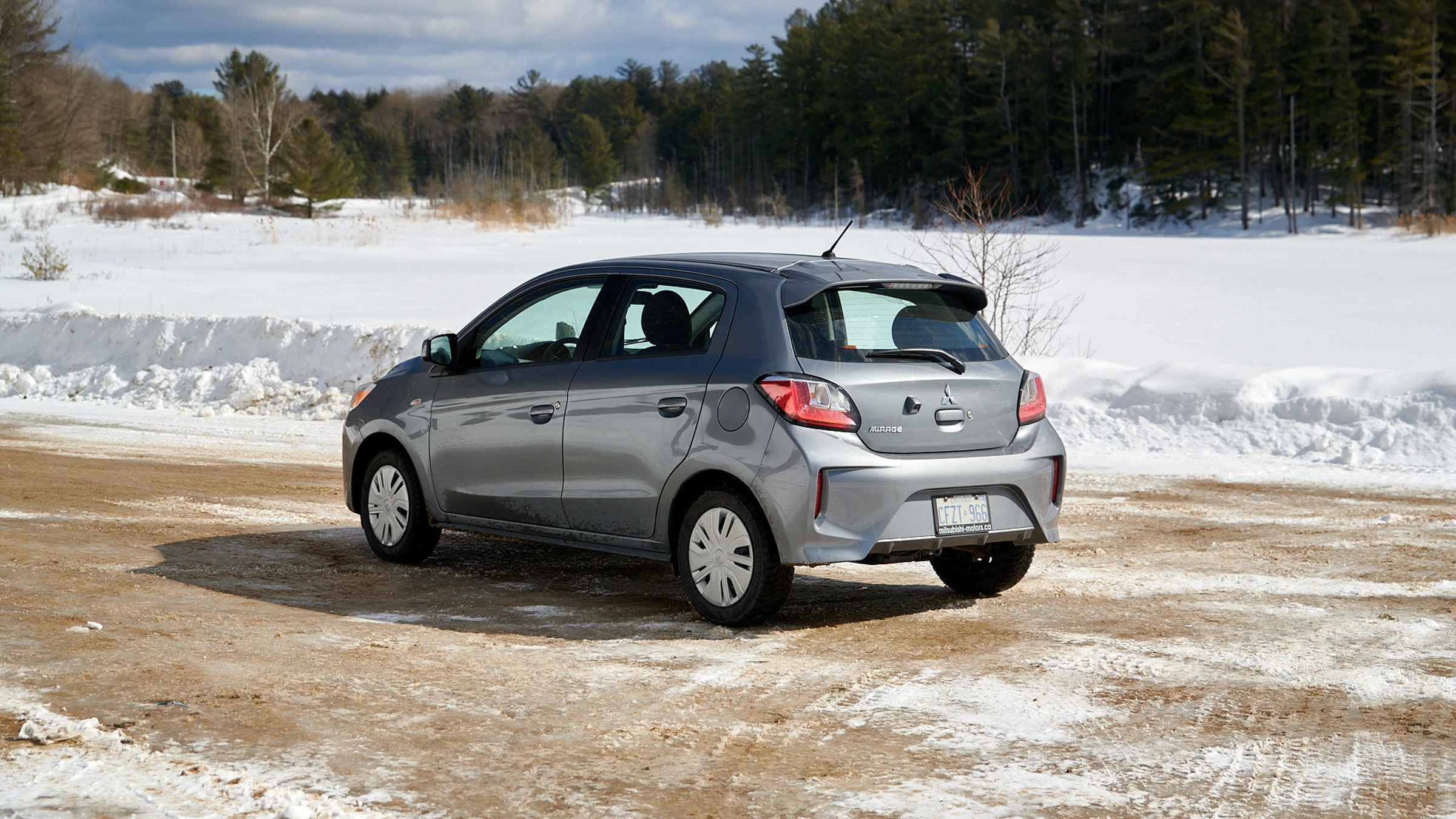
4. Mitsubishi Mirage
The Mitsubishi Mirage has long occupied the value-focused end of the US small-car market, but its compact dimensions create limitations in several crash scenarios.
The 2024 Mirage received four stars in NHTSA crash testing, with four stars for frontal performance, four stars for side crash performance, and four stars for rollover resistance. Its side pole result was two stars.
The side pole result deserves particular attention because it represents a narrow impact concentrated against the side of the vehicle. A two-star result in this category indicates a weakness compared with stronger-performing vehicles.
NHTSA uses side pole testing to examine protection for occupants when a vehicle moves sideways into a fixed narrow object.
IIHS testing also gives buyers useful context. The Mirage has received a Marginal rating in the small overlap front test. The test history shows that the vehicle’s compact structure does not provide the same level of crash performance seen in many larger modern vehicles. This is not simply about exterior size, but size can influence available space for absorbing impact energy.
The Mirage’s four-star NHTSA rating means it is not at the bottom of the agency’s five-star system.
Still, buyers searching specifically for the strongest structural protection should look closely at the individual crash categories rather than stopping at the four-star headline. The side pole score is particularly relevant when comparing the Mirage with similarly priced small vehicles.
For used-car shoppers, model year is again important. The Mirage remained in production for many years with a relatively consistent basic design, so its safety characteristics have remained recognizable across the generation.
Buyers should check the exact year and configuration, then compare its crash performance with newer compact cars before choosing it primarily because of purchase price or fuel economy.
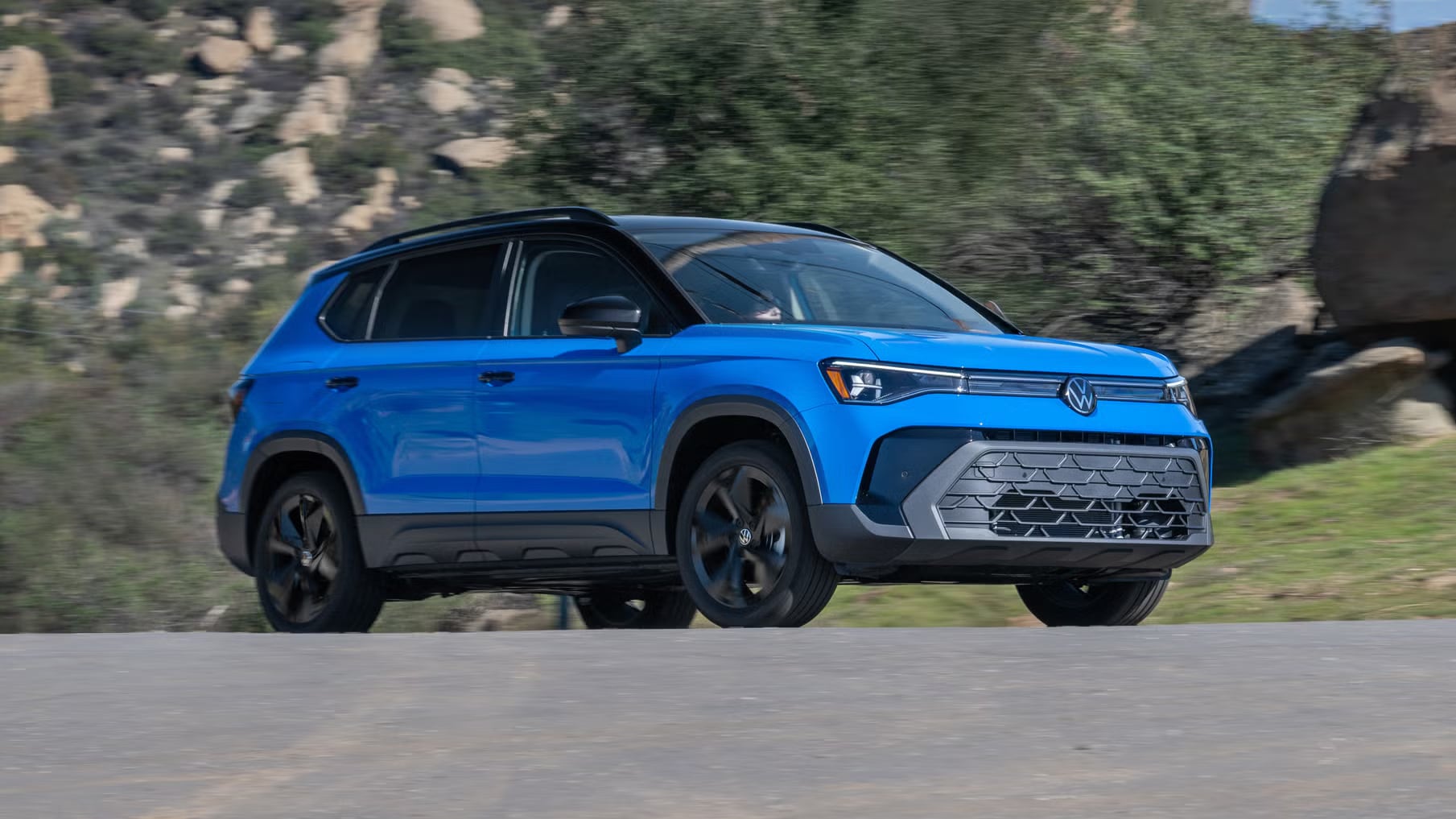
5. Volkswagen Taos
The Volkswagen Taos provides a useful example of a vehicle that does not fit neatly into a simple safe or unsafe label. Its crash testing includes strong results in several areas, but IIHS identified a Marginal structure and safety cage rating for the passenger-side small overlap evaluation.
That finding places it among vehicles worth examining closely when structural strength is the main concern.
The passenger-side small overlap test recorded significant movement in several parts of the occupant compartment. IIHS reported 15 centimeters of lower hinge pillar movement, 12 centimeters at the footrest and 11 centimeters at the upper hinge pillar. Such measurements help explain why the structural assessment was not rated at the highest level.
The Taos also illustrates why structural performance must be separated from occupant injury measurements. The same test can produce acceptable or good injury measurements while still showing cabin movement.
Engineers assess both factors because maintaining occupant survival space is an important part of crash protection.
Buyers should also remember that the Taos has been updated during its production life. Safety technology, structural details and crash performance can vary by model year and configuration. A rating based on a particular test vehicle should be connected to the model years for which the testing applies rather than generalized to every Taos.
For people shopping for a compact SUV, the Taos should therefore be compared carefully with alternatives such as the Honda HR-V, Toyota Corolla Cross, Subaru Crosstrek and other vehicles in the same segment.
A Marginal structural result does not settle the buying decision, but it is meaningful information for anyone who considers crashworthiness a major priority.
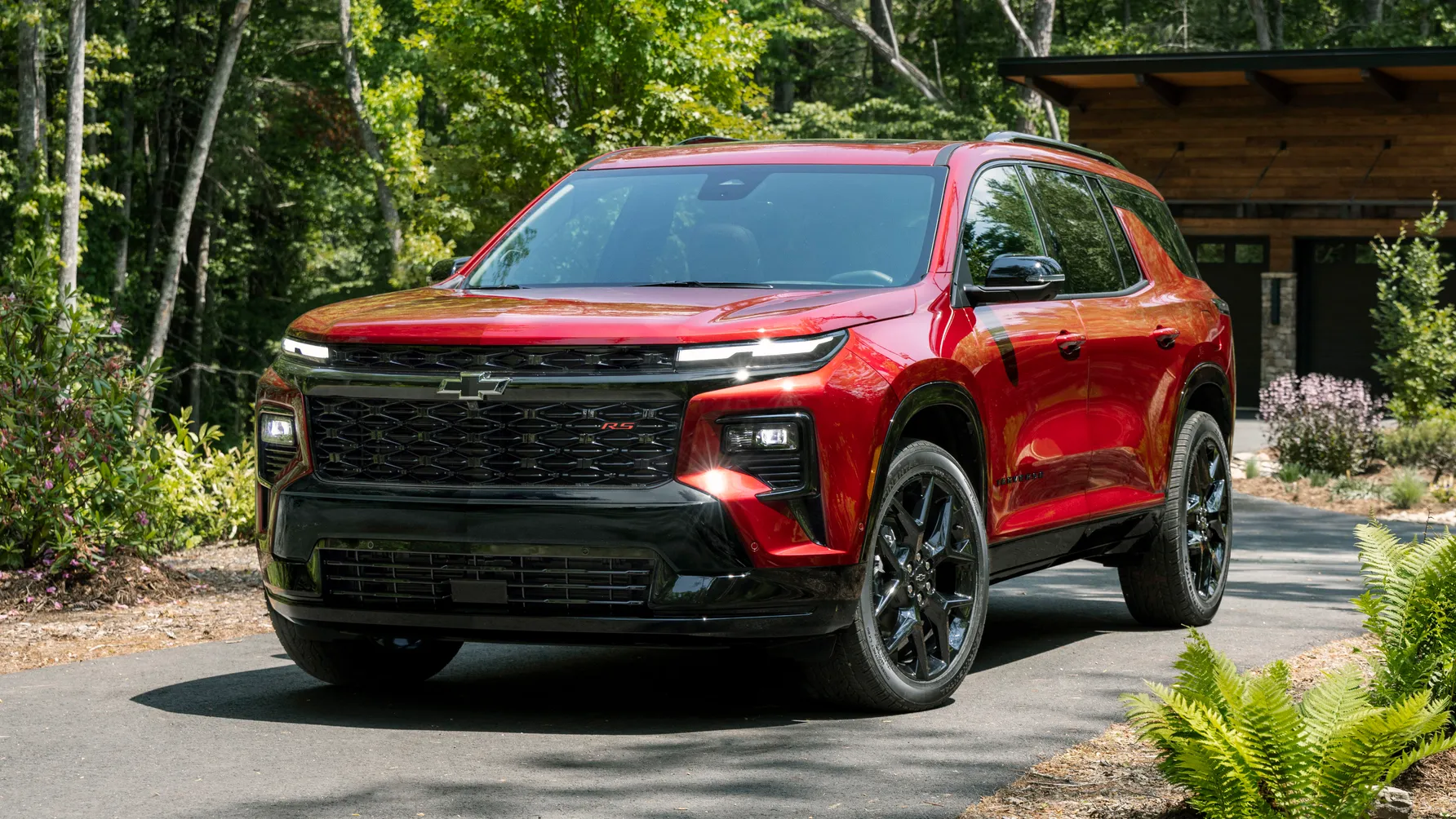
6. Chevrolet Traverse
The Chevrolet Traverse from the 2018 to 2023 generation has a more mixed structural record. IIHS gave the vehicle a Marginal structure and safety cage rating in its updated side crash test.
The complete side evaluation was Acceptable, meaning the structure did not receive the lowest possible grade, but the result still identified a weakness in the cabin’s ability to resist side intrusion.
The side test measured 11.5 centimeters of movement from the B-pillar toward the driver’s seat centerline. IIHS also recorded 33 millimeters of shoulder deflection and 38 millimeters of maximum torso deflection. These figures help demonstrate that the concern is connected to measurable crash deformation rather than simply a subjective impression.
The Traverse’s result is especially interesting because large SUVs often create an impression of superior protection due to their size. Size can provide advantages in some collisions, but crash safety depends heavily on structural engineering, restraints, airbags, and energy management. A large vehicle can still show weaknesses in a particular impact configuration.
The Traverse did not perform poorly in every IIHS evaluation. Its small overlap frontal structure rating was stronger, and the vehicle had several Good results across its crashworthiness record.
This mixed pattern is exactly why buyers should examine the individual tests instead of assuming that a single positive or negative result represents the entire vehicle.
Used Traverse shoppers should identify the exact generation before drawing conclusions. The 2024 model is a different generation with updated engineering, so the older findings should not automatically be applied to it.
Buyers considering a 2018 to 2023 Traverse should compare its side crash performance with competing three-row SUVs and review the exact safety equipment fitted to the vehicle.
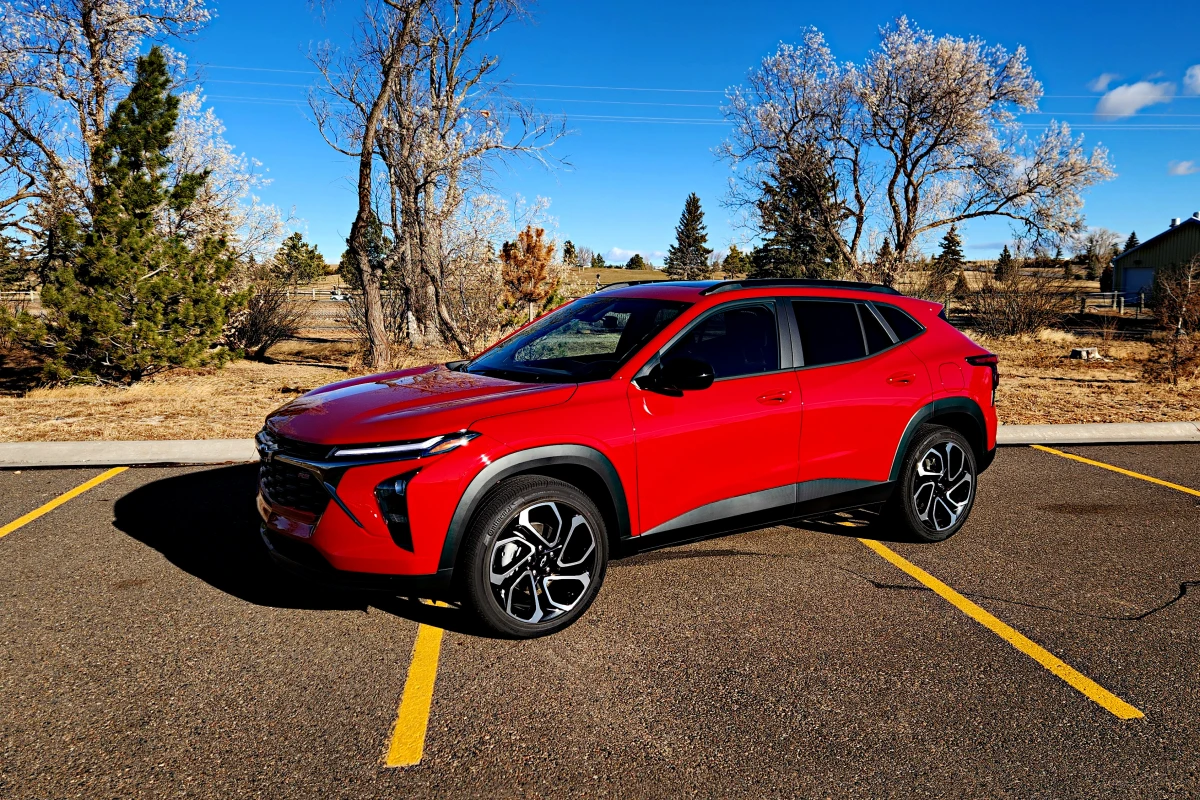
7. Chevrolet Trax
The Chevrolet Trax from the 2021 to 2022 model years can be included as a lower-ranked entry because its performance in the updated IIHS side crash test was not at the top of the class.
The vehicle received an Acceptable rating, while its structure and safety cage earned a Good rating. The driver chest protection was rated Marginal, showing that the vehicle had some limitations under the newer and more demanding side-impact evaluation.
It is worth stressing that this is not evidence of a weak frame by itself. The Trax’s structural cage performed well in the updated side test, and its small overlap frontal tests received Good ratings for both the driver and passenger sides. IIHS also gave the structure and safety cage a Good rating in those frontal evaluations.
The updated side test is significant because it uses a heavier striking vehicle traveling at a higher energy level than the original IIHS side test.
Several small SUVs struggled under this newer protocol, making direct comparisons with older side-test results less straightforward. The Trax’s Acceptable result therefore indicates a specific area where its crash protection was less impressive, rather than a broad failure of its body structure.
For someone buying a used Trax, the exact model year is important. The Trax was redesigned for 2024, meaning the newer vehicle has a different structure and should not automatically inherit the safety characteristics of the 2021 to 2022 generation.
The current-generation Trax has Good small-overlap structural ratings, while its updated testing has also changed over time.
8. Chevrolet Spark
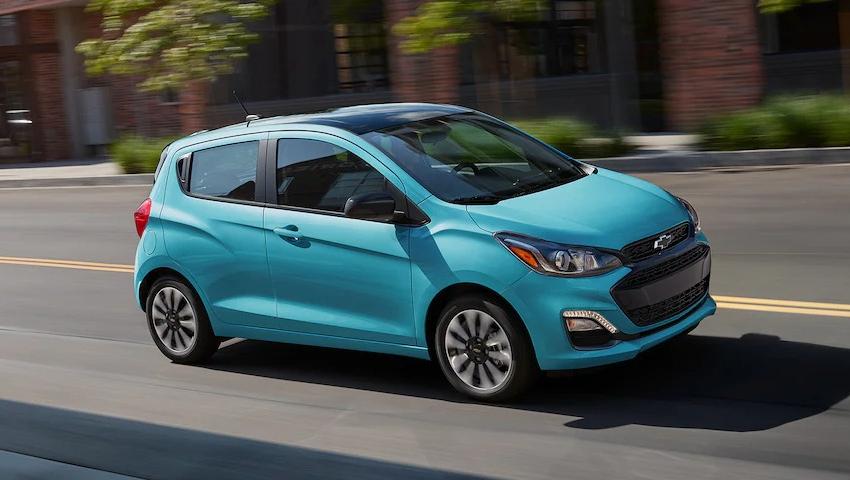
The early Chevrolet Spark deserves attention because its small overlap frontal performance was not particularly strong. IIHS gave the 2015 Spark a Marginal structure and safety cage rating. The evaluation also noted that the driver’s survival space was not maintained well, with the occupant compartment showing meaningful deformation during the crash.
The test showed 14 centimeters of lower hinge pillar movement and 13 centimeters of upper hinge pillar movement. The steering column moved significantly as well. IIHS noted that the dummy’s head nearly slid off the frontal airbag, leaving it vulnerable to contact with forward side structure. These observations point to both structural and restraint-system challenges.
The Spark’s performance varied depending on the crash type. Its moderate overlap frontal structure was rated Good, and the vehicle performed better in that test than in the small overlap test.
This difference is important because a vehicle can manage a conventional frontal crash effectively while struggling when only a small portion of its front end absorbs the impact.
The 2016 redesign improved the Spark’s structural performance in several areas. IIHS testing of the later generation showed a Good structure and safety cage rating in the moderate overlap test. This means the early Spark results should not simply be transferred to later model years without checking the specific generation.
For used-car shoppers, the 2013 to 2015 Spark deserves extra caution when structural crash performance is the primary concern.
Its low price and compact dimensions may be attractive for city driving, but buyers should consider newer small cars with stronger crash records. A used vehicle’s condition, previous collision repairs, and maintenance history should also be checked carefully.
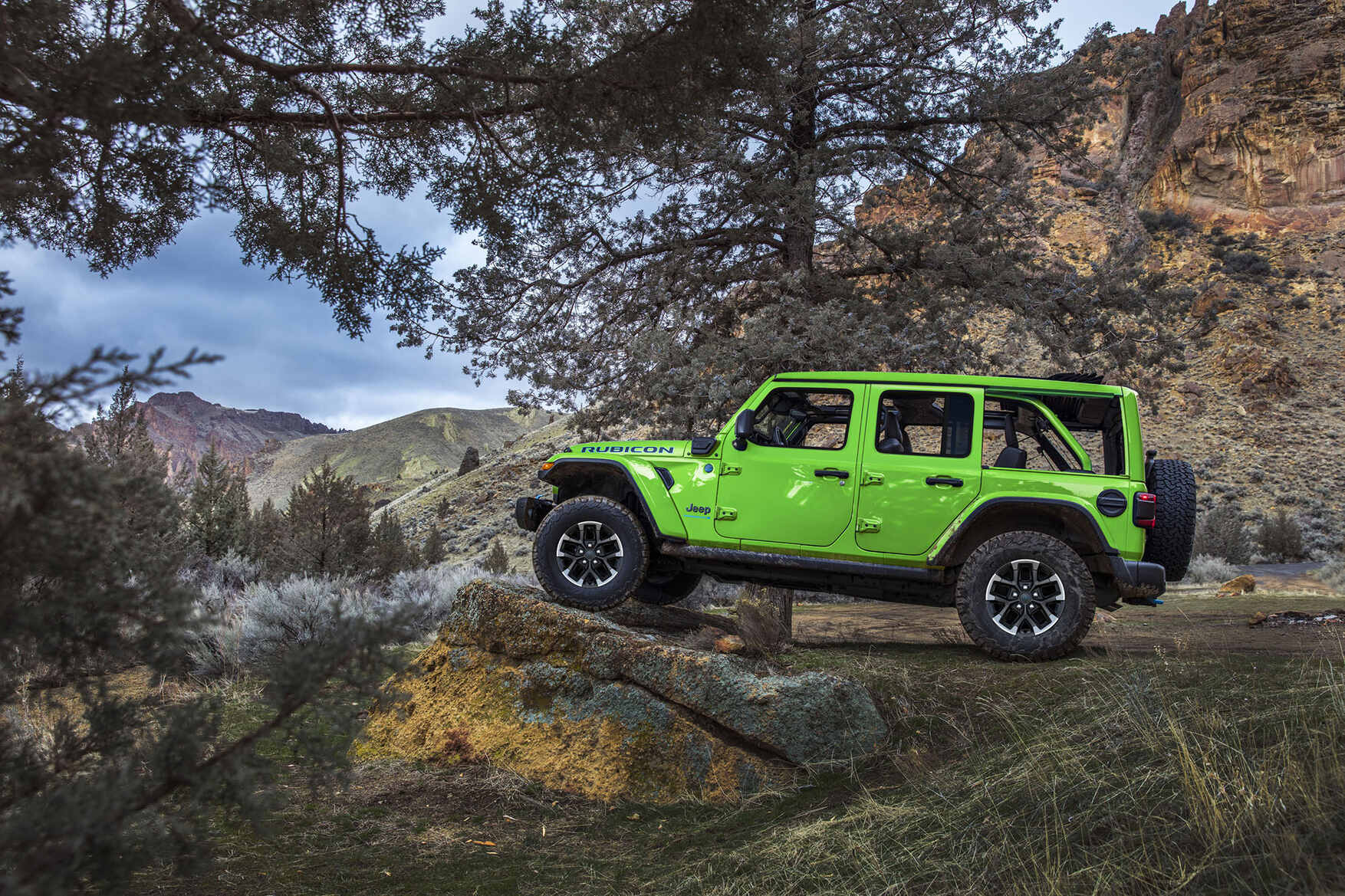
9. Jeep Wrangler JL
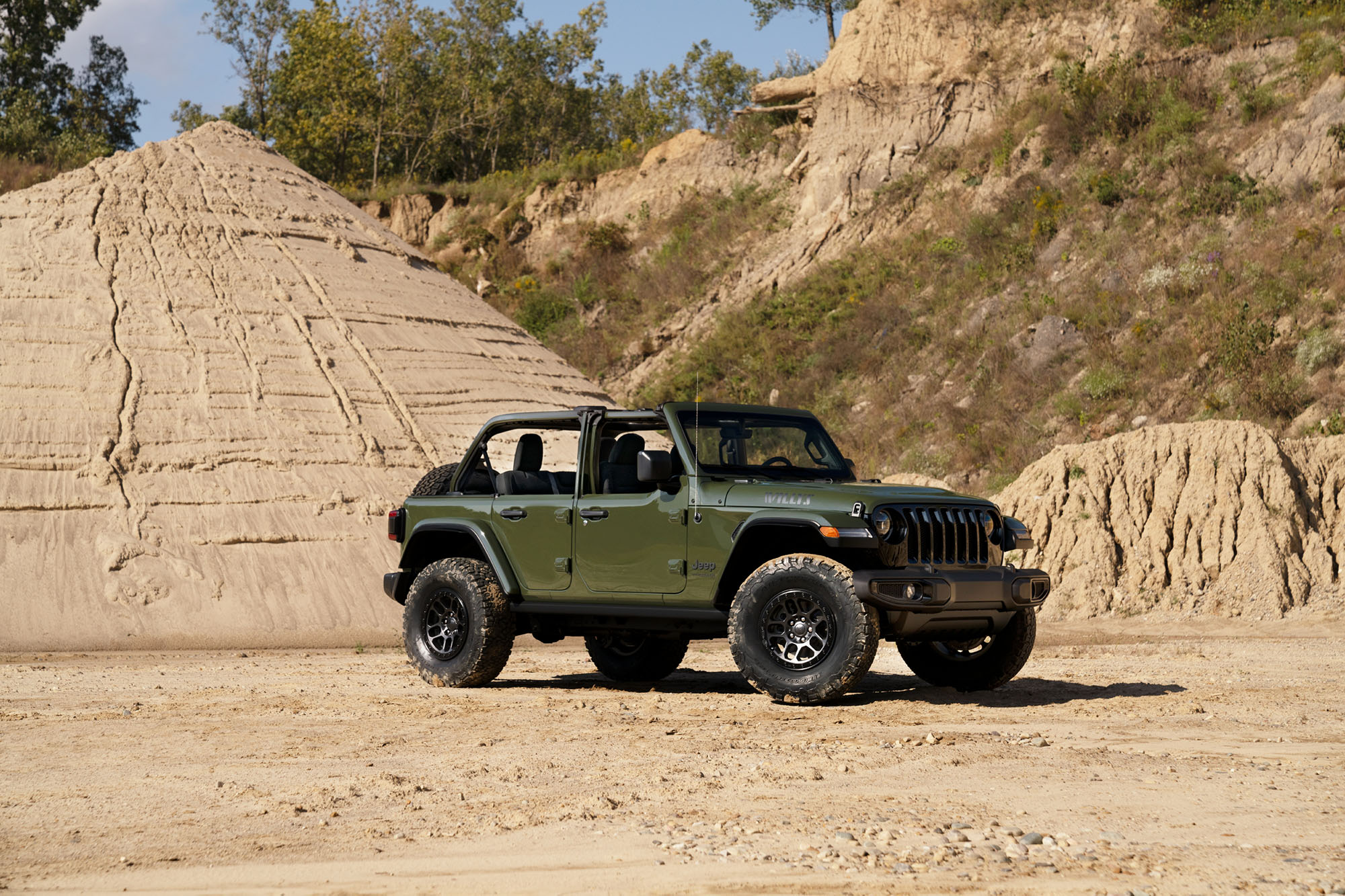
The Jeep Wrangler JL is unusual on this list because its situation involves both crash-test behavior and a documented frame-related investigation.
NHTSA opened an investigation into allegations involving defective welds on the frame assembly of 2018 and newer Wrangler JL vehicles. The agency’s documents referenced reports involving poor weld quality and concerns about structural integrity during a crash event.
NHTSA’s investigation followed a recall involving a manufacturing-related weld defect affecting a suspension system bracket on certain 2018 Wrangler vehicles. The agency reported that complaints included steering problems and concerns related to structural integrity.
This makes the Wrangler particularly relevant to a discussion about frame concerns, although the investigation should not be interpreted as a finding that every Wrangler had a defective frame.
The Wrangler’s crash performance is also mixed. IIHS testing of the 2022 Wrangler produced a Marginal rating in the small overlap front evaluation, while the structure and safety cage itself received a Good rating. The vehicle’s traditional architecture and tall profile create a distinctive crash behavior that differs from a typical low-slung passenger car.
Rollover behavior is another important consideration. NHTSA includes rollover resistance in its five-star program, using static stability and dynamic testing to estimate rollover risk. Rollover performance is not a direct measurement of frame strength, but it is relevant when evaluating the safety profile of an SUV with a tall body and off-road-focused design.
Wrangler buyers should therefore avoid simplistic claims that the vehicle has a universally weak frame. The more accurate conclusion is that certain Wrangler JL vehicles had documented frame weld concerns, while crash testing has produced mixed results.
10. Ram 1500
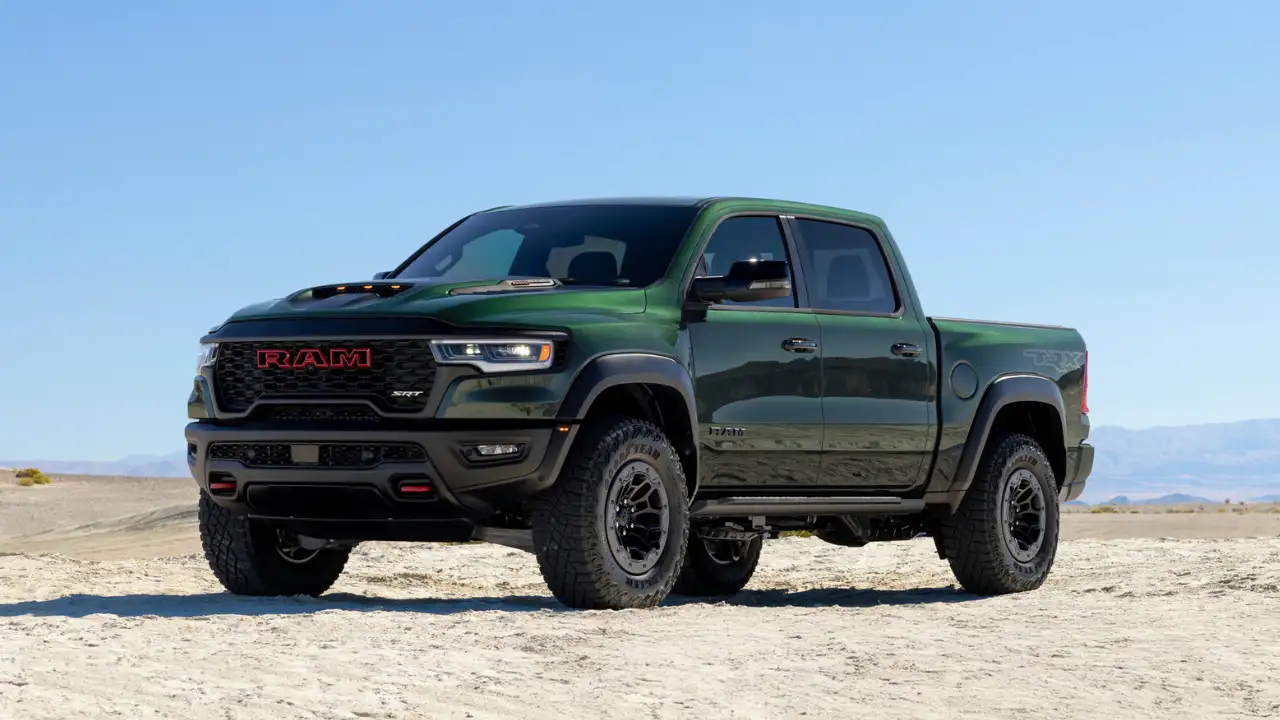
The Ram 1500 is included near the bottom of this ranking because its structural performance is mixed rather than because it has a universally weak frame. IIHS testing has shown an Acceptable structure and safety cage rating in a passenger-side small overlap evaluation. That result is below Good and makes the truck worth examining when comparing full-size pickups.
The passenger-side test recorded movement in several areas of the occupant compartment. IIHS measured 13 centimeters at the lower hinge pillar, 22 centimeters at the footrest, and 20 centimeters at the right toepan.
The upper hinge pillar also moved 12 centimeters. These measurements show why the structural rating did not reach the highest category.
The Ram 1500 also demonstrates why pickup trucks require careful comparisons. A truck may offer substantial mass, a long front section and a strong frame, but those characteristics do not automatically produce the best occupant protection in every crash.
The interaction between the frame, body structure, restraints and airbags determines how crash forces reach the occupants.
The Ram has performed well in several other crash categories, so labeling it simply as a weak truck would be misleading. The Acceptable structural rating applies to a particular crash configuration and should be considered alongside its complete crash-test record. Buyers should also distinguish the tested generation from newer Ram models with updated safety engineering.
