
Buying a used car can save money, but a rebuilt title requires extra attention before you commit. A rebuilt title usually means the vehicle was previously declared a total loss and later repaired so it could return to the road.
The repairs may have restored the car properly, or they may have hidden serious structural, electrical, or safety problems. Learning how to spot a rebuilt car title can help you avoid unexpected repair bills and safety concerns.
This guide explains what a rebuilt title means, where to find title information, which warning signs to check, and how to investigate a vehicle before purchasing it.
What Is a Rebuilt Car Title?
A rebuilt car title is issued to a vehicle that previously received a salvage title and was subsequently repaired. The exact terminology and requirements vary by state, but the basic idea remains similar. A vehicle may be declared a total loss after a serious collision, flood, fire, theft recovery, or other major damage.
Once repairs are completed, the vehicle may undergo an inspection before receiving a rebuilt title. This allows the car to be registered and driven legally in many locations. A rebuilt title does not automatically mean the vehicle is unsafe, but it does indicate that its history deserves careful investigation.
The difference between a clean title, salvage title, and rebuilt title is important when shopping for a used vehicle. A clean title generally does not carry a branded indication that the vehicle suffered damage severe enough to trigger a total-loss classification.
A salvage title usually means the vehicle has been declared a total loss and has not yet completed the necessary repair and inspection process.
A rebuilt title generally indicates that a previously salvaged vehicle has been repaired and approved for road use under applicable state rules. These classifications can affect financing, insurance, resale value, and buyer confidence.
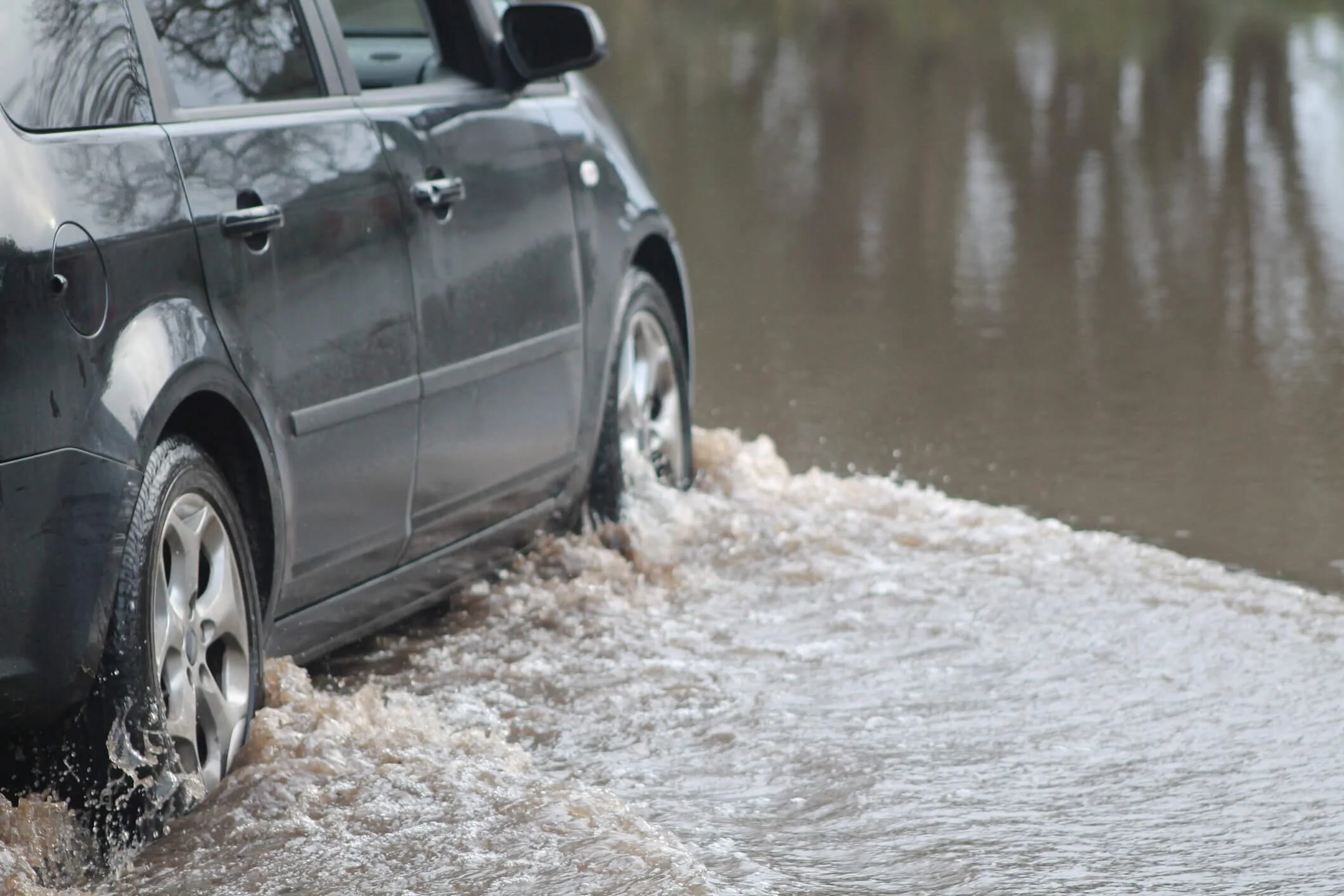
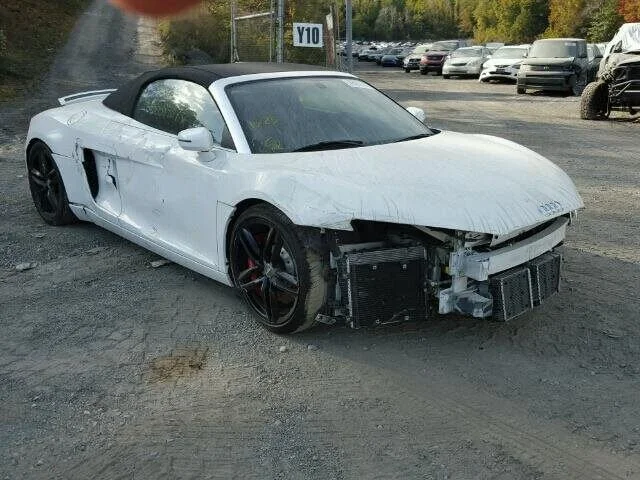
A rebuilt title can result from several types of damage. Collision damage is common, particularly when repair costs exceed the vehicle’s market value. Flood damage can also lead to a total-loss designation because water can affect wiring, electronics, sensors, upholstery, and mechanical components.
Fire damage and theft-related damage can produce similar outcomes. Some vehicles are totaled because replacement parts and labor are expensive rather than because the entire vehicle is beyond repair. This means the title brand alone cannot tell you exactly what happened. You need records that explain the vehicle’s previous condition.
The repair process is also important. A vehicle that received professional repairs using appropriate parts may perform well for years. A poorly repaired vehicle can develop alignment problems, uneven tire wear, electrical faults, airbag issues, water leaks, or premature corrosion.
Visual appearance can be misleading because damaged body panels can be replaced or repainted relatively easily. More serious concerns may exist underneath the exterior. The quality of the repair work matters just as much as the reason the vehicle was originally declared a total loss.
Before buying a rebuilt vehicle, ask the seller why it received its salvage designation and what repairs were performed. Request photographs from before the repairs if they are available. Repair invoices, inspection documents, parts receipts, and insurance records can provide useful evidence.
A seller who has detailed documentation should be able to explain the vehicle’s history clearly. Vague answers, missing records, or pressure to make a quick purchase should encourage you to investigate further.
Check the Vehicle Title and History Report
The first practical step in identifying a rebuilt car is checking the actual title. Do not rely solely on an online advertisement that describes a vehicle as having a clean or clear title.
Ask to see the title documentation and examine the branding carefully. Terms such as “rebuilt,” “reconstructed,” “salvage,” or similar designations can vary by jurisdiction. If the title information does not match the seller’s description, stop and investigate before moving forward.
A vehicle history report can reveal information that is not obvious from the current title. Depending on the available records, a report may show previous title brands, insurance claims, auction records, reported accidents, odometer readings, inspections, and registration history.
No history report is guaranteed to contain every event in a vehicle’s past, so it should be treated as a research tool rather than absolute proof of condition. Comparing the report with the seller’s story can reveal inconsistencies that deserve attention.
Look carefully for auction photographs when available. Salvage and insurance auctions often photograph vehicles after major damage. These images can be extremely useful because they may show the vehicle before bodywork and paint repairs were completed.
Compare those photographs with the car you are considering. Look for evidence of crushed sections, missing airbags, broken glass, severe suspension damage, water exposure, or extensive interior damage. A vehicle that looks nearly perfect today may have looked very different before reconstruction.
Pay attention to title changes across different states as well. A vehicle may have been damaged in one state, transferred to another, repaired, and then retitled. Title washing refers to practices that can make a vehicle’s history appear less severe through changes in jurisdiction or documentation.
Modern title databases and vehicle history services can help identify some of these patterns, but gaps can still occur. If the vehicle has moved through several states, investigate its history across each available record rather than looking only at its current title.
The seller’s paperwork should tell a consistent story. The vehicle identification number, title, history report, registration documents, and repair records should correspond to the same vehicle.
Check the VIN on the dashboard and compare it with the VIN shown on the title and documentation. If you find discrepancies, ask for an explanation before continuing. A legitimate seller should understand why you are checking these details. Refusing to provide basic documentation is a strong reason to walk away.
Inspect the Car for Signs of Previous Damage
A physical inspection can reveal clues that paperwork does not show. Start by examining the exterior in good daylight. Look at the gaps between doors, the hood, trunk, and fenders.
Factory body gaps are generally consistent, while poorly repaired vehicles may have uneven spacing. Differences in paint color or texture can also suggest that panels were replaced or refinished. Check the vehicle from several angles rather than inspecting it only from directly in front or behind.
Look closely at the paint and body panels. Overspray on rubber seals, plastic trim, wheel wells, or suspension components can indicate repainting. Differences in orange peel texture can suggest that certain panels were refinished. Run your eyes along the sides of the vehicle to look for waves or distortions in the bodywork.
A paint thickness gauge can provide additional information because significantly different readings between panels may indicate previous repair or replacement. These clues do not prove that a car is rebuilt, but they can help identify areas that deserve closer inspection.
The underside of the vehicle deserves attention as well. Look for fresh undercoating, unusual welds, bent structural components, new bolts mixed with older hardware, or areas that appear significantly newer than the surrounding parts.
Structural repairs are not necessarily a problem when performed correctly, but they should be documented and professionally inspected. Pay particular attention to frame rails, suspension mounting points, and areas around major impact zones. A qualified technician can identify concerns that are difficult for an average buyer to recognize.
Inside the cabin, inspect the airbags and seat belts. Airbag deployment can be expensive to repair, and improperly replaced systems can create serious safety concerns. Warning lights on the dashboard should not remain illuminated after the vehicle starts.
Check the airbag warning indicator and other warning systems during startup. Examine seat belt stitching and trim around airbags for signs of replacement or disturbance. Flood-damaged vehicles may also show unusual odors, stained carpeting, corrosion beneath seats, or electrical problems.

Get a Professional Inspection Before Buying
A professional pre-purchase inspection is particularly valuable when considering a rebuilt vehicle. A trusted mechanic can place the car on a lift and examine areas that are impossible to assess properly from the outside.
The inspection may cover suspension components, steering systems, brakes, engine leaks, transmission condition, electrical systems, structural areas, and signs of previous repair. Ask the mechanic to pay special attention to the type of damage that caused the vehicle’s original total-loss classification.
Choose an independent mechanic rather than automatically using a shop recommended by the seller. An independent inspection gives you a more objective assessment. Tell the technician that the vehicle has a rebuilt title and provide any history information you have found.
This context can help the mechanic focus on relevant areas. If the seller refuses to allow an independent inspection, treat that refusal as a significant warning sign.
A professional inspection should also include diagnostic scanning where appropriate. Modern vehicles contain numerous electronic control modules, and diagnostic equipment can identify stored fault codes that may not be obvious during a test drive.
