

Florida is famous for sunshine, beaches, warm weather, and coastal living, but the same environment can be hard on vehicles. Salt carried by ocean air settles on paint, metal, glass, wheels, and hidden components. Florida’s humidity keeps surfaces damp, allowing corrosion to develop faster than many drivers expect.
Regular exposure can damage the finish, encourage rust, affect brake and suspension components, and contribute to electrical problems.
The good news is that simple maintenance can greatly reduce the effects. Frequent washing, proper drying, covered parking, protective coatings, and regular inspections can help keep a Florida vehicle looking good and functioning reliably for years.
Why Is Florida Salt Air So Hard on Cars?
Salt air becomes a problem when airborne salt particles settle on a vehicle and interact with moisture and oxygen. Salt itself does not simply eat through metal like an acid. Instead, dissolved salt makes moisture more conductive, helping electrochemical corrosion occur more readily.
Florida provides plenty of moisture through humidity, rain, dew, and coastal mist. When salty residue remains on a vehicle, it can keep attracting moisture to exposed surfaces and create conditions that encourage corrosion.
The process can happen gradually, so a vehicle may appear perfectly healthy while corrosion is already developing in less visible areas.
The undercarriage is particularly vulnerable because it receives little attention during ordinary car washing. Salt and moisture can collect around suspension components, fasteners, brackets, exhaust parts, brake components, and other metal surfaces underneath the vehicle.
Road spray can make the situation worse by carrying salty water into places that are difficult to reach. Since these areas are normally hidden from view, corrosion may continue for a long time before the owner notices it. Regular inspection and undercarriage cleaning therefore deserve as much attention as washing the hood and doors.
Florida’s climate also creates a combination of environmental stresses. Strong sunlight can degrade exterior finishes, while heat and humidity encourage moisture-related deterioration. Salt residue adds another source of stress.
A vehicle parked outside may collect salty particles during the day and then remain damp overnight as humidity and dew settle onto its surfaces. Repeated exposure creates a cycle that can gradually weaken protective finishes and accelerate corrosion on exposed metal. The closer a vehicle is kept to the coast, the more important consistent cleaning and protection become.
Drivers sometimes assume that salt damage only affects vehicles parked directly beside the ocean. That is not the case. Airborne salt can travel inland, meaning vehicles can receive coastal exposure even when they never drive on a beach.
Wind, weather conditions, and proximity to the coast influence the amount of exposure a vehicle receives. Driving near the shoreline, marinas, bridges, beaches, or coastal roads can add further exposure through salty spray. A car does not need to touch seawater for salt-related corrosion to become a concern.
The most important point is that corrosion is easier to prevent than to repair. Once metal has significantly corroded, cleaning alone cannot restore the material that has already been lost.
What Salt Air Does to Your Car’s Paint and Exterior
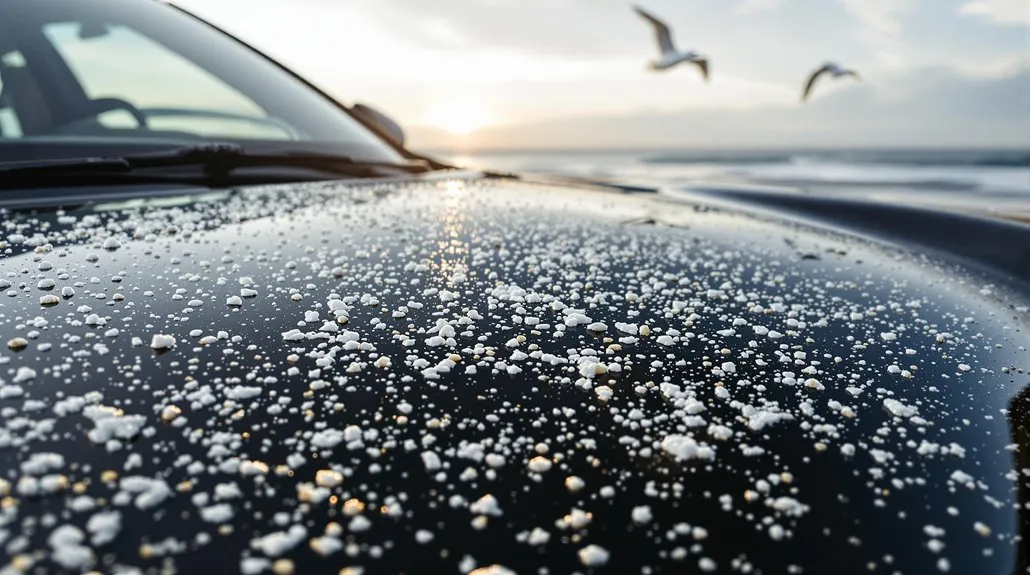
Your vehicle’s paint system is designed to protect the underlying body panels from environmental exposure. The clear coat provides a protective outer layer, while the paint and primer beneath it add additional protection. Salt residue can contaminate this surface, particularly when it remains in place for extended periods.
Over time, repeated exposure can contribute to deterioration of the finish, especially when combined with intense sunlight, moisture, dirt, and other contaminants. A vehicle that once looked glossy may gradually develop a dull or weathered appearance.
Salt residue can also become trapped around seams, badges, trim pieces, door edges, and other small areas. These locations can retain moisture for longer periods than large, exposed sections of the body. If paint has already been chipped by road debris, the exposed area becomes particularly vulnerable because the protective layers have been compromised
. A tiny chip may seem insignificant, but bare metal underneath the paint can begin corroding when exposed to moisture and salt. Prompt touch-up repairs can help prevent a small defect from becoming a larger rust problem.
Wheels and exterior metal trim can also suffer. Brake components are exposed to moisture and can develop surface rust, while wheel finishes may become stained or pitted after prolonged exposure. Chrome and other metal accents can lose their appearance when contaminants remain on their surfaces.
The lower portions of doors, rocker panels, bumpers, and wheel arches deserve particular attention because they encounter road spray and accumulated grime. Cleaning these areas regularly removes contaminants before they remain in place for long periods.
Rubber seals and exterior trim can also age under Florida’s environmental conditions. Sunlight, heat, moisture, and salt exposure can contribute to deterioration of materials around doors, windows, trunks, and other openings.
Deteriorated seals can eventually create water leaks or allow unwanted moisture into areas that should remain dry. Inspecting weatherstripping during routine cleaning gives owners an opportunity to spot cracks, hardening, or other changes before they become more serious.
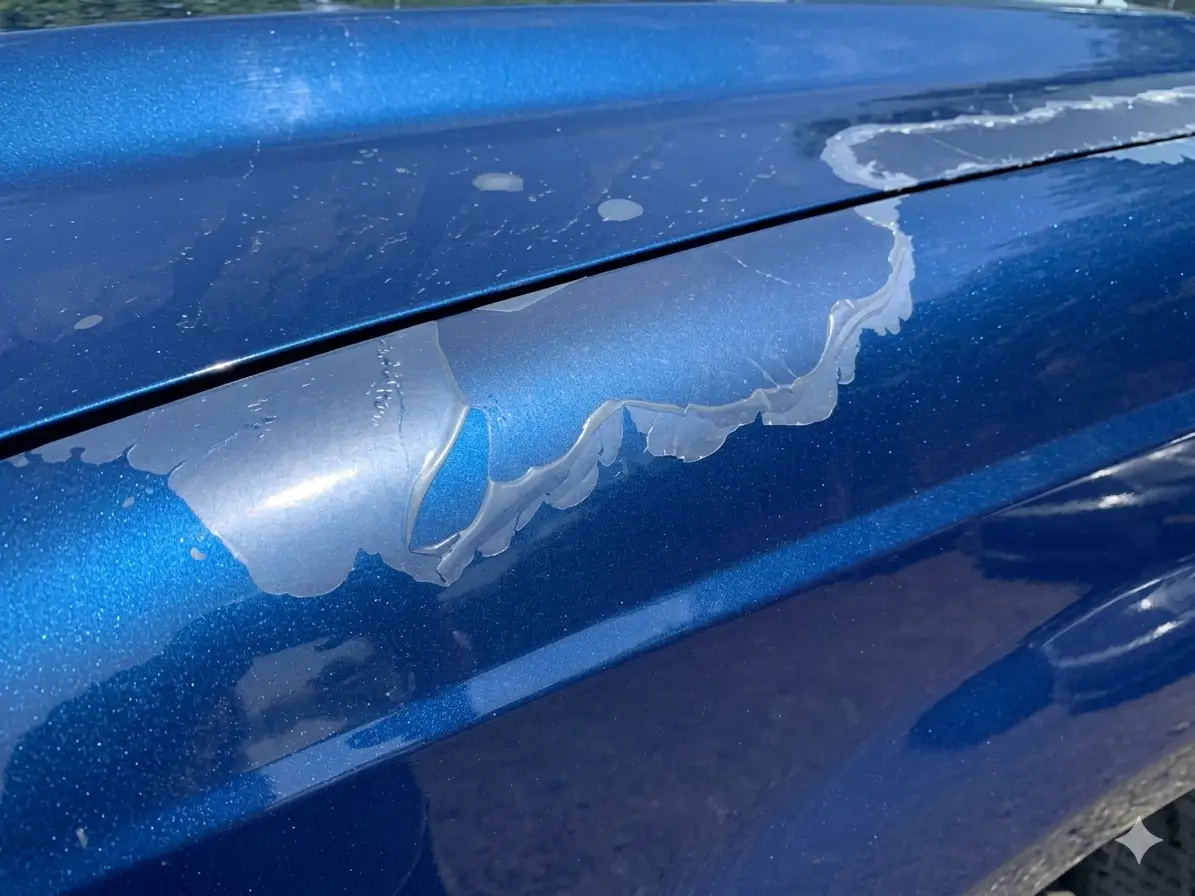
Visible bubbling, peeling paint, small rust-colored spots, pitted metal, or persistent roughness on the finish should not be ignored. These signs can indicate that corrosion or surface contamination has progressed beyond ordinary dirt.
Early attention may allow a relatively simple correction, while waiting can make the repair considerably more involved. A clean vehicle is easier to inspect, so frequent washing provides both protection and an opportunity to notice developing problems.
The Hidden Damage Beneath Your Vehicle
The underside of a vehicle is where salt-related corrosion can become particularly concerning. Components underneath the car are exposed to water, dirt, road debris, and salty air, yet they are rarely inspected by vehicle owners.
Suspension parts, brackets, fasteners, exhaust components, brake hardware, and other metal pieces can develop corrosion over time. Some surface rust is common on certain components, but heavier corrosion can weaken materials or interfere with proper operation.
Brake components deserve special attention. Brake rotors can develop surface rust after sitting in humid conditions, and light surface rust often disappears after normal braking. More extensive corrosion affecting hardware, calipers, mounting points, or brake lines is a different matter.
Any unusual brake noise, changes in pedal feel, pulling, vibration, or reduced braking performance should receive prompt professional attention. Corrosion involving safety-critical components should never be treated as a cosmetic issue.
Suspension components can also suffer from prolonged exposure. Springs, control arms, brackets, fasteners, and other metal parts can corrode, particularly when salt and moisture remain trapped underneath the vehicle.
Corrosion may eventually complicate repairs because fasteners can become difficult to remove. This can increase labor requirements when otherwise routine maintenance is performed. Keeping the underside clean and having it inspected periodically can help identify developing problems earlier.
Electrical connections are another area worth monitoring. Modern vehicles contain numerous sensors, connectors, grounds, and wiring connections. Moisture and corrosion around electrical contacts can interfere with reliable electrical communication.
How to Protect Your Car From Florida Salt Air
Regular washing is the simplest and most useful defense against salt buildup. The goal is to remove salt before it remains on the vehicle long enough to contribute to corrosion.
Drivers who spend substantial time near the coast should wash their vehicles more frequently than someone living in a dry inland environment. Washing should include the lower body panels, wheel wells, wheels, and accessible areas underneath the vehicle. Fresh water rinsing is particularly useful after coastal exposure.
Proper drying matters too. Allowing contaminated water to evaporate can leave mineral and salt deposits behind. After washing, use clean microfiber towels or suitable drying equipment and pay attention to seams, mirrors, handles, and other areas where water can remain trapped.
Avoid using dirty towels that can grind contaminants into the paint. A clean, gentle washing method reduces the risk of adding scratches while removing harmful residue.
A quality wax, paint sealant, or ceramic coating can provide an additional layer between environmental contaminants and the vehicle’s finish. These products differ in durability, preparation requirements, and performance, so expectations should be realistic. A coating does not make a vehicle immune to corrosion.
It works as part of a broader maintenance system. Even a protected vehicle still needs regular washing because salt and grime can accumulate on the protective surface.
Undercarriage protection can also be considered for vehicles that receive heavy coastal exposure. Specialized corrosion-inhibiting products may provide additional protection when correctly applied to appropriate surfaces.
Application should follow the product manufacturer’s instructions, since coating the wrong components or trapping contaminants underneath a product can create problems.
Professional inspection can help determine whether a particular vehicle would benefit from additional corrosion protection.
