

Buying a used car requires careful attention to details that may not appear in the vehicle listing. A car that served as a rideshare vehicle can have significantly more wear than its age or mileage suggests.
Frequent passenger trips, extended driving hours, repeated stops, and constant use of interior features can leave clues for a careful buyer. Learning the signs of rideshare use can help you assess a vehicle more accurately before making a purchase.
From unusually worn seats to excessive mileage and interior damage, several indicators may reveal a car’s previous role. Knowing what to check can help you make a more informed decision and avoid unexpected repair costs.
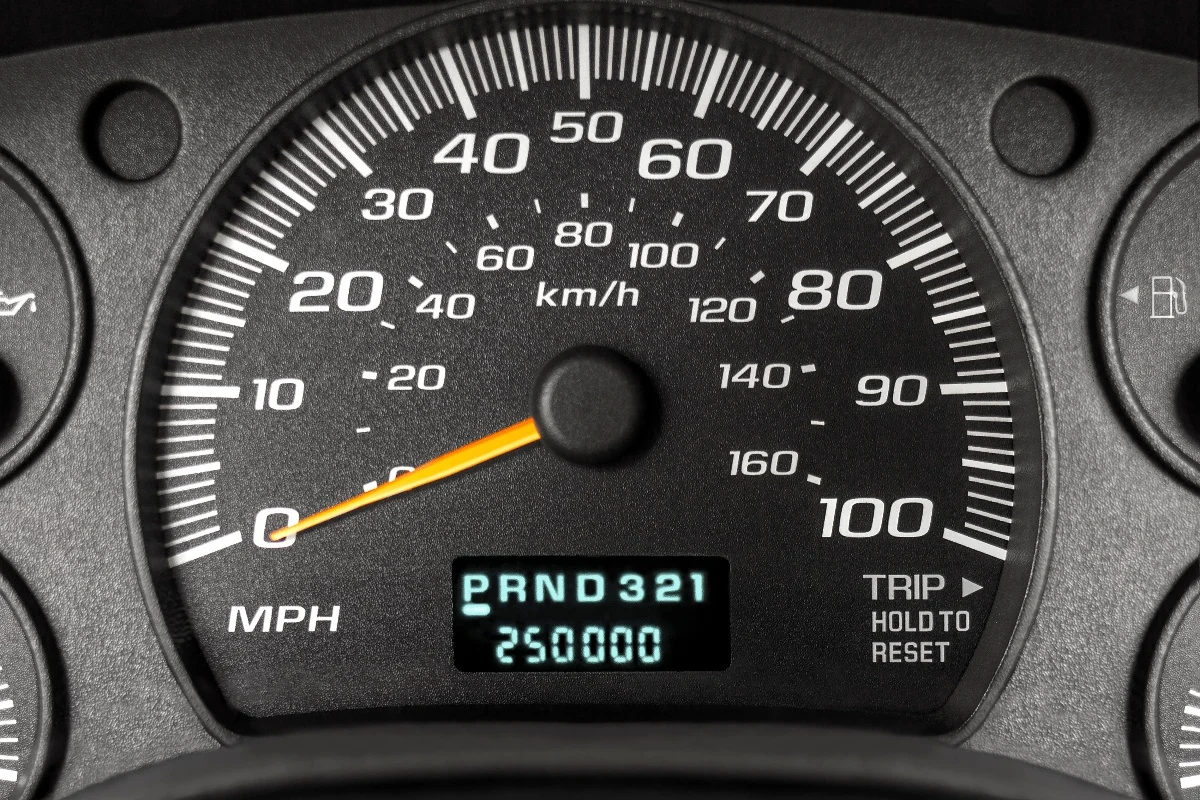
1. Unusually High Mileage for the Car’s Age
Mileage is among the clearest clues that a vehicle may have spent considerable time working as a rideshare car. Drivers who use vehicles for passenger services can accumulate miles much faster than typical private owners.
A car that is only a few years old but has exceptionally high mileage deserves closer inspection. High mileage does not automatically mean the vehicle is unreliable, but it can indicate a demanding usage pattern that deserves further investigation.
Compare the odometer reading with the vehicle’s age and maintenance history. A five-year-old car with 40,000 miles may have experienced fairly ordinary use, while a similar vehicle showing 150,000 miles has likely spent much more time on the road.
Such mileage could come from highway commuting, business travel, delivery work, long-distance trips, or rideshare service, so mileage alone is not proof of commercial passenger use.
Look at how the mileage accumulated. Rideshare vehicles can spend long periods operating in cities, where drivers make frequent stops, accelerate from traffic lights, wait in queues, and navigate congested streets.
This type of driving can place different demands on a vehicle compared with a car used mainly for longer highway journeys. Brake components, suspension parts, tires, and other systems may therefore show considerable wear.
Maintenance records can provide valuable context. Frequent oil changes, tire replacements, brake work, suspension repairs, and other service appointments may correspond with intensive use.
A well-maintained high-mileage vehicle can sometimes be a better purchase than a neglected low-mileage car. The important point is to understand how the mileage relates to the vehicle’s maintenance and condition.
Do not rely solely on the odometer. Modern vehicles store information in several electronic systems, and service records can help confirm whether the displayed mileage appears consistent.
A vehicle history report may also reveal mileage readings recorded during inspections, registrations, auctions, or maintenance visits. If the numbers do not make sense, treat that as a warning and investigate before purchasing.
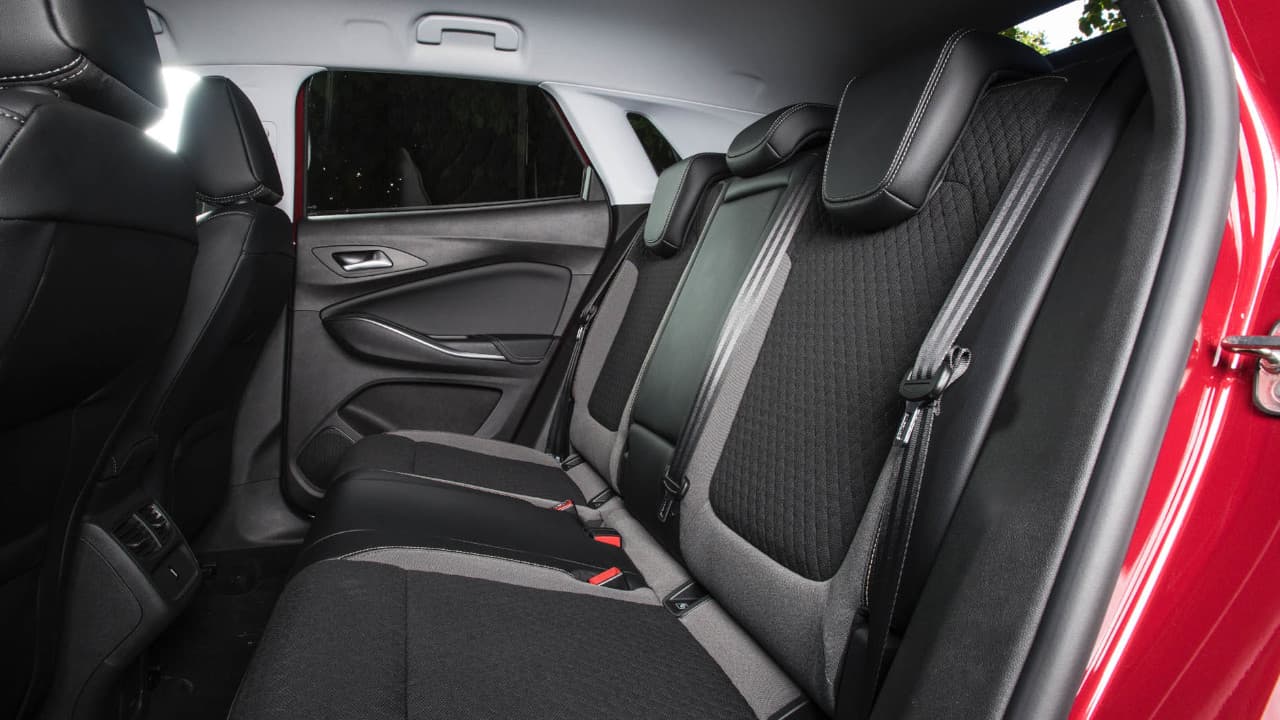
2. Heavy Wear on the Rear Seats
Rideshare vehicles regularly carry passengers, which means the rear seating area can experience much more use than it would in a privately owned family car. Look closely at the rear seats, especially the outer seating positions. Worn upholstery, flattened cushions, stains, scuff marks, and damaged stitching can indicate frequent passenger use.
Pay attention to the condition of the seat material compared with the driver’s seat. A private vehicle typically shows the greatest wear around the driver’s position because the owner uses that area on almost every trip.
In a rideshare vehicle, however, rear passengers may repeatedly enter and exit the car throughout the day. This can produce unusual wear patterns that differ from ordinary personal use.
Inspect the lower portions of the rear doors as well. Passengers can accidentally kick door panels while getting in or out, particularly in a vehicle that handles many short trips. Scratches, shoe marks, damaged trim, and worn door seals can provide additional clues. A single mark means little, but several signs appearing together can suggest frequent passenger activity.
Check the seat belts and buckles too. Repeated fastening and unfastening can leave visible wear around belt guides, buckles, and anchor points. Make sure every belt retracts smoothly and locks properly when tested.
Safety equipment should never be overlooked simply because the vehicle appears cosmetically acceptable.
Remember that families, taxi services, rental companies, and other commercial users can also produce heavy rear-seat wear.
The condition of the back seats should therefore be considered alongside mileage, vehicle history, maintenance records, and other physical clues. Several matching indicators provide a stronger basis for suspecting rideshare use than any single sign.
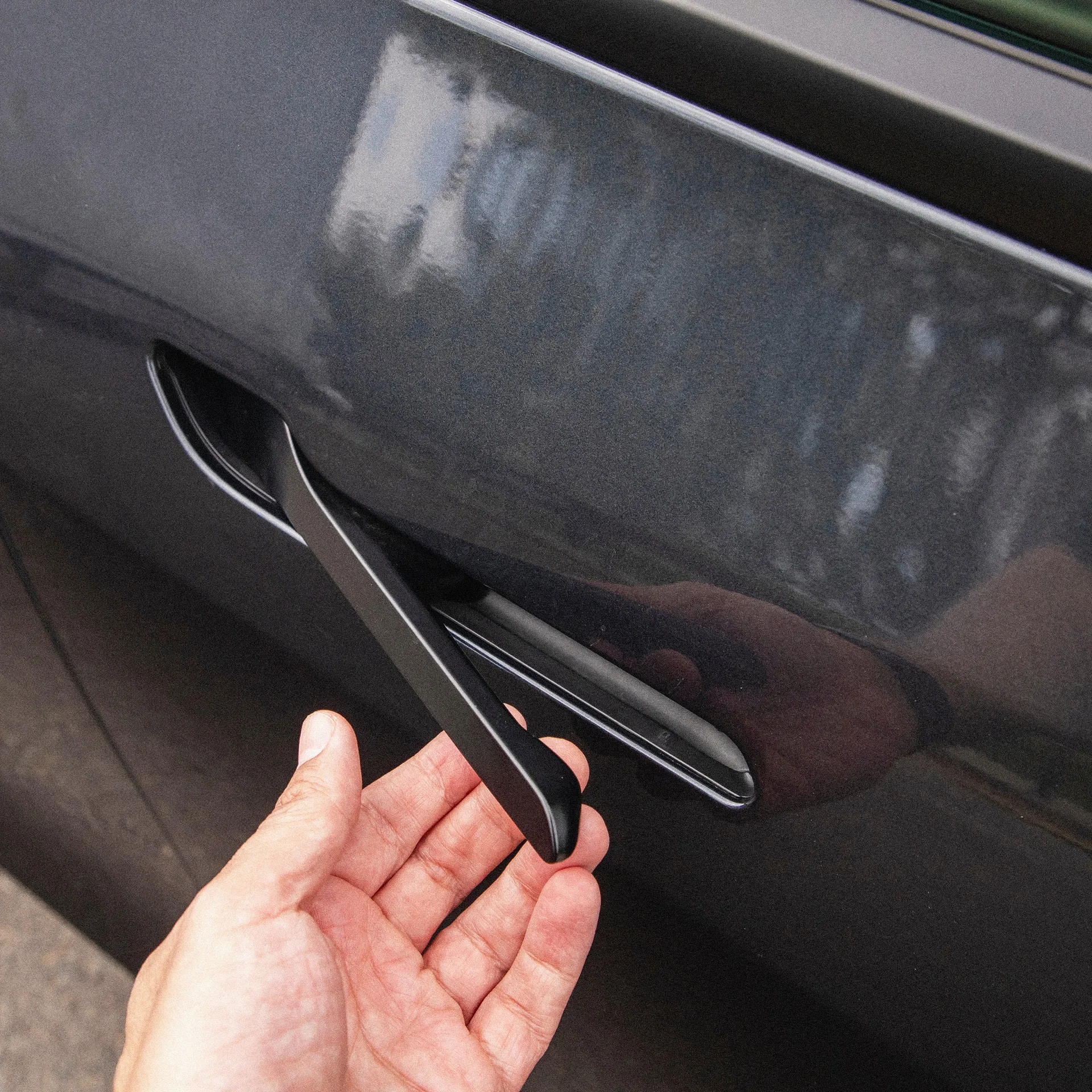
3. Excessive Wear on Door Handles and Window Controls
Frequent passengers mean frequent interaction with the vehicle’s doors and windows. Exterior door handles may show scratches or faded areas around the gripping surface, while interior handles can develop noticeable wear. Window switches, door locks, and armrests can also appear more worn than expected for the vehicle’s age.
Examine each door rather than concentrating only on the driver’s side. A privately owned vehicle may have heavy wear on the driver’s door because that door is used constantly by the owner.
A rideshare vehicle can show broader wear across several passenger doors because different people enter and leave throughout the day.
Look at the trim surrounding the handles. Repeated contact from hands, bags, clothing, and other objects can leave small scratches and shiny areas. Plastic surfaces that originally had a textured finish may become smooth in places. Again, none of these details proves commercial use by itself, but the pattern can be informative.
Door hinges and latches also deserve attention. Frequent opening and closing over thousands of trips can contribute to wear, though these components are designed to withstand substantial use. Listen for unusual noises and check whether each door closes securely. Misalignment, rattling, or excessive movement should be inspected by a qualified technician.
Compare the condition of the doors with the vehicle’s claimed mileage. A relatively young car with moderate mileage but unusually worn passenger controls could deserve additional questions.
Ask the seller how the vehicle was used and whether it served as a rental, taxi, rideshare car, fleet vehicle, or company vehicle.

4. Noticeable Wear on the Driver’s Seat
The driver’s seat can tell you a great deal about how frequently a vehicle was operated. Rideshare drivers can spend many hours behind the wheel, often working for extended periods. As a result, the driver’s seat may show considerable wear even when the vehicle’s exterior still looks presentable.
Inspect the outer bolster of the driver’s seat carefully. This area can become compressed, cracked, faded, or torn as the driver repeatedly enters and exits the vehicle. Frequent daily use creates a different wear pattern from a car that spends most of its time parked.
Check the seat cushion for flattening. A heavily used seat may feel softer or less supportive than the passenger seat. Compare the driver’s seat with the front passenger seat and rear seats. Significant differences can help establish how frequently the driver’s position was occupied.
Leather, synthetic leather, and cloth can each show different signs of use. Leather may develop creases, shine, cracking, or discoloration. Cloth can become flattened, stained, or frayed. Synthetic materials can develop surface damage or peeling. The condition depends on the material, climate, cleaning habits, and age of the vehicle.
Inspect the steering wheel and gear selector at the same time. High-use vehicles can develop smooth or shiny areas on steering-wheel surfaces and worn markings around frequently touched controls.
When the steering wheel, pedals, seat, and controls all show substantial wear, the vehicle may have been driven far more extensively than its appearance suggests.
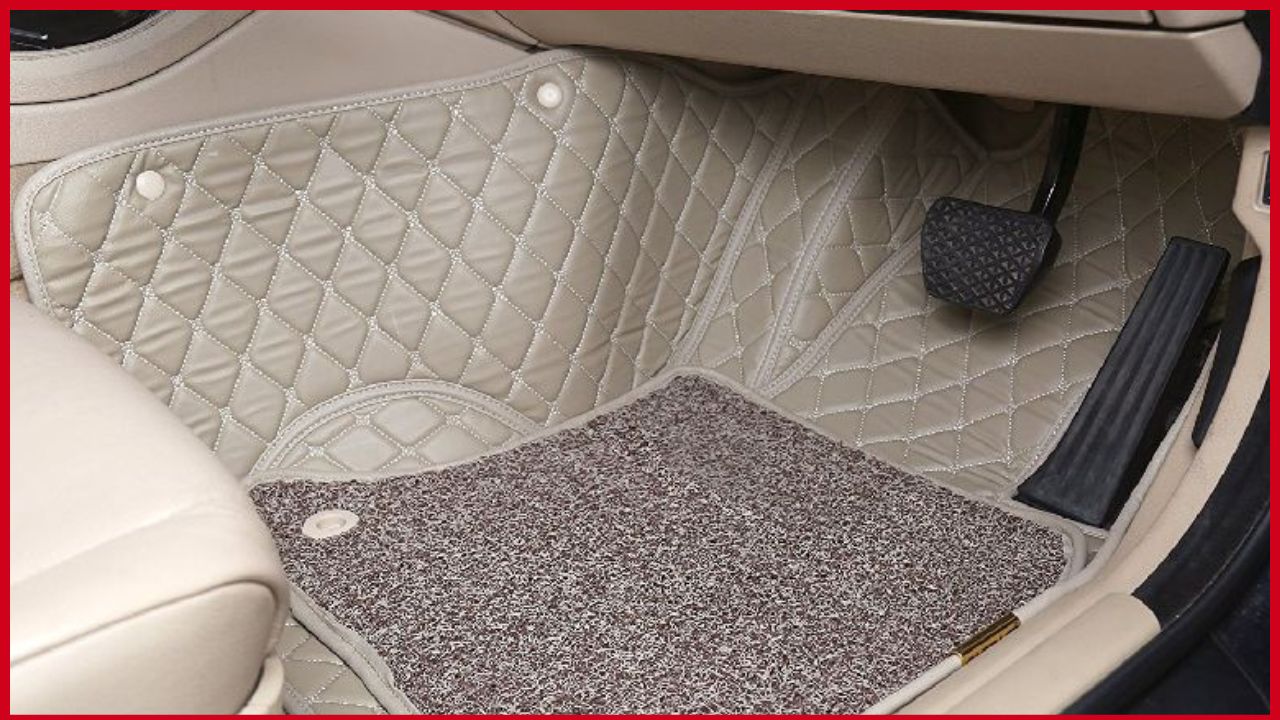
5. Worn or Replaced Pedals and Floor Mats
Pedals receive constant contact from the driver’s feet, making them useful clues when evaluating a used vehicle. Examine the accelerator, brake, and clutch pedals if the car has a manual transmission. Rubber surfaces can become smooth, worn, cracked, or partially damaged after extensive use.
Floor mats can provide additional information. Factory mats that have been used heavily may show thinning, stains, discoloration, or deep grooves.
In some cases, sellers replace old mats before listing a car, which can make the interior appear fresher than it really is. Look underneath the mats and inspect the carpeting for wear.
The driver’s footwell deserves particular attention. Heavy use can leave flattened carpeting, worn edges, scuff marks, and damaged trim around the pedals. Compare this area with the passenger-side footwell. A major difference can indicate frequent driving activity.
A newly installed pedal cover can also deserve closer inspection. Replacement components are not necessarily suspicious, because normal owners replace worn parts too. However, fresh pedal covers combined with a highly worn driver’s seat and unusually high mileage may suggest that the seller has attempted to improve the vehicle’s appearance before resale.
Do not confuse normal aging with evidence of rideshare use. A car that has spent years in urban traffic may naturally have worn pedals even if it was privately owned. The goal is to identify a consistent pattern rather than draw details from one component.
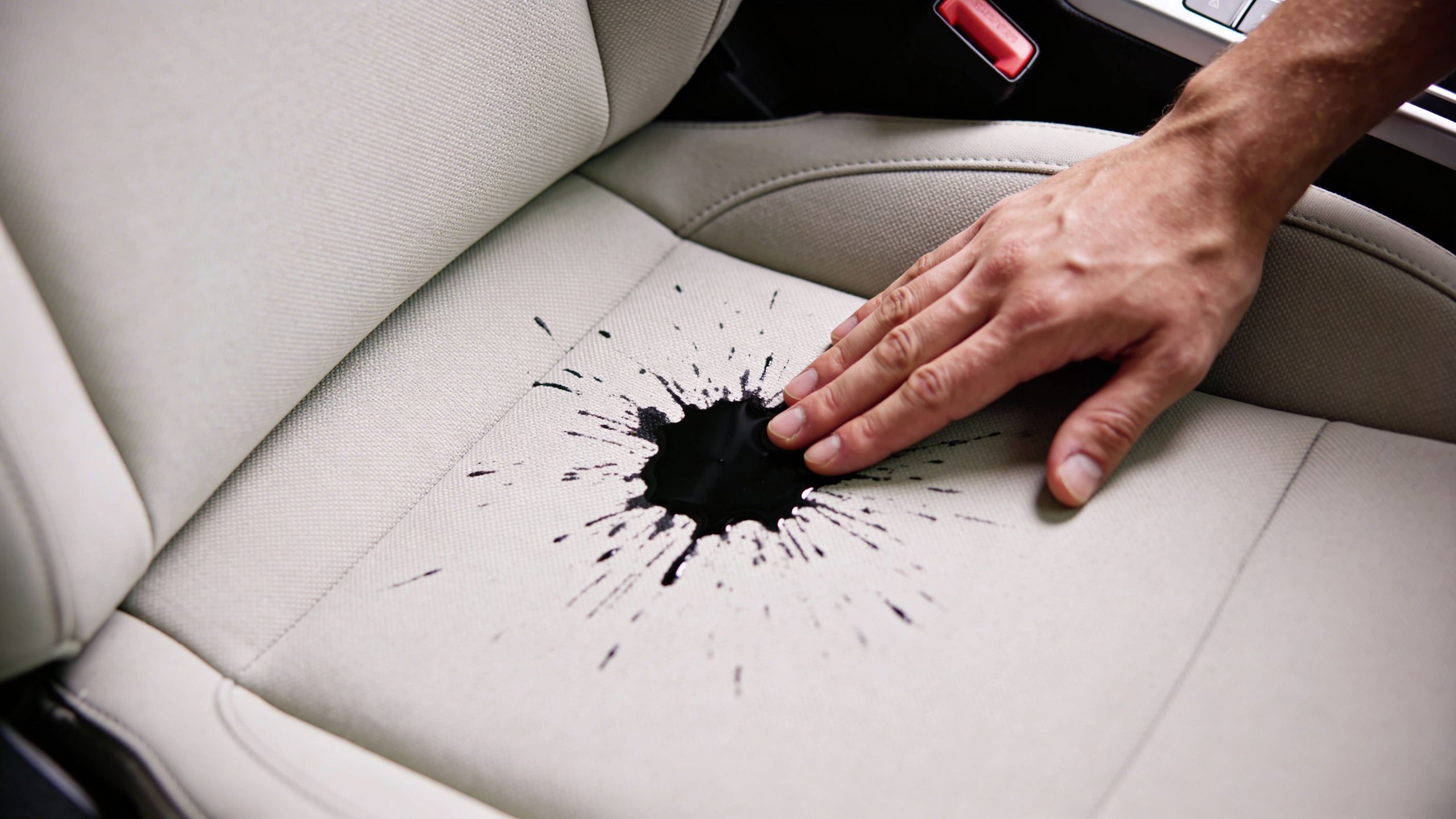
6. Multiple Minor Interior Stains or Odors
A rideshare vehicle can carry many different passengers, and every passenger brings different habits. Food, drinks, pets, muddy footwear, cosmetics, and other materials can leave behind stains or odors.
Even a professionally cleaned vehicle may retain subtle signs of its previous use.
Inspect the seats, carpets, door pockets, center console, and areas beneath the seats. Small stains in several locations can indicate frequent passenger activity. Look for discoloration that does not match normal aging. Pay particular attention to areas where passengers are likely to place drinks, bags, or personal items.
Odors can also provide clues. A strong air freshener should not automatically be considered suspicious, but an unusually intense scent can sometimes be used to mask smoke, food, moisture, or other persistent smells. Give the cabin time to air out before making a judgment.
Check the trunk as well. Passengers may carry luggage, shopping bags, sports equipment, and other belongings. Repeated loading and unloading can cause scratches and scuffs around the trunk opening and interior walls. A trunk with heavy marks may reflect frequent transportation of passengers and their belongings.
Professional detailing can remove many obvious signs of use. That makes it important to examine less visible areas, such as seat rails, carpeting beneath mats, door pockets, and gaps around trim. A clean cabin is positive, but cleanliness does not necessarily reveal how intensely the car was used.
7. Scratches and Scuffs Around the Rear Doors
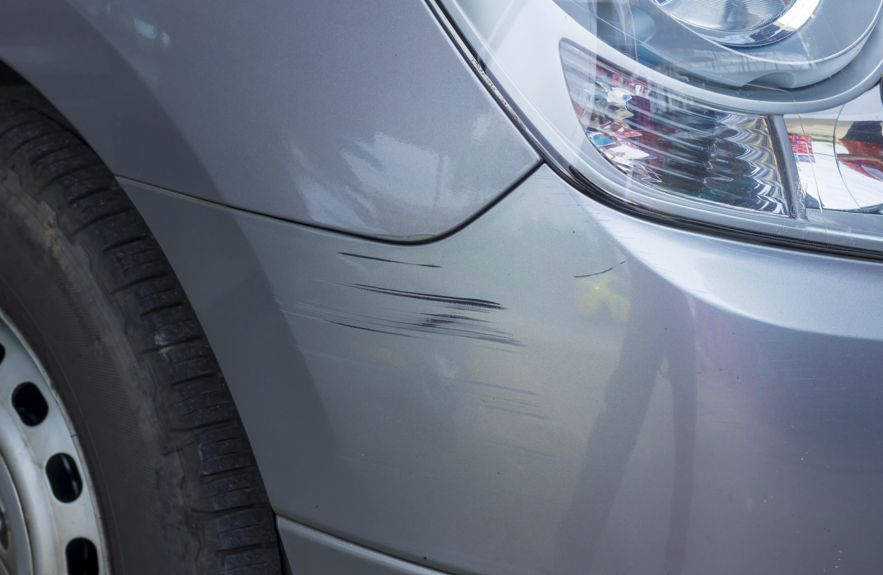
Frequent passenger entry and exit can leave distinctive marks around rear doors. Shoes may contact the lower door panels, while bags and other belongings can scratch interior trim. Exterior paint can also develop minor marks if passengers regularly open doors in crowded parking areas.
Look closely at the lower edges of the rear doors. Repeated contact can produce scratches or scuffs that are difficult to notice from a distance. Door sills are another useful area to inspect because passengers often step across them while entering or exiting.
Check both sides of the vehicle. Consistent wear on the left and right rear doors can suggest repeated passenger use. A single damaged door could simply reflect an isolated incident, parking-lot damage, or an accident. Symmetrical wear is more informative because it may indicate repeated activity.
Inspect the rear seatback pockets too. These can become stretched, torn, or loose when passengers frequently place phones, books, bottles, and other belongings inside them. Such damage can occur in family vehicles as well, so consider it supporting evidence rather than proof.
Exterior condition matters too. Rideshare cars often operate in dense urban areas and busy pickup zones. Minor bumper scratches, wheel scuffs, and parking-related marks can accumulate. These signs are common among many city cars, so they should be interpreted alongside the interior and mechanical condition.
8. Evidence of Extensive City Driving
Rideshare work often involves frequent trips through urban environments. Stop-and-go traffic, short journeys, parking maneuvers, and repeated acceleration can create a usage pattern that differs from a vehicle primarily driven on highways.
Look at the tires for uneven wear and inspect the brakes for signs of heavy use. Frequent stopping can increase brake wear, particularly when the vehicle spends many hours in congested traffic. Suspension components may also experience substantial stress when a car repeatedly travels over potholes, speed bumps, rough roads, and uneven surfaces.
Fuel economy records can provide additional context if the seller has maintained them. A vehicle used commercially may accumulate substantial fuel expenses and mileage over relatively short periods. Such records are not always available, but they can help establish how the vehicle was operated.
Navigation and infotainment systems may contain useful clues, though any personal data should be handled carefully. Recent destinations or stored information should not be used to access someone else’s private information. Instead, focus on legitimate records supplied by the seller, such as maintenance documentation and vehicle history reports.
City driving is not inherently harmful when a vehicle is maintained properly. Modern cars are designed for demanding conditions.
The concern is whether the service schedule kept pace with the workload. A heavily used vehicle with comprehensive maintenance can still be a reasonable purchase, while a neglected car with fewer miles can create greater problems.

9. Inconsistent Maintenance or Service Records
Maintenance records can help determine whether a used vehicle had a demanding service life. Rideshare drivers who depend on their cars for income may maintain them regularly, while others may postpone repairs to reduce short-term expenses. Either way, the documentation can reveal useful patterns.
Look for frequent oil changes that correspond with high mileage. Check records for brake replacements, tire changes, suspension work, battery replacements, cooling-system repairs, and other routine services. Frequent maintenance does not necessarily indicate abuse. It may simply show that the vehicle accumulated miles quickly.
Pay attention to gaps in the records. A long period without documented maintenance can be concerning, especially if the vehicle has unusually high mileage. Ask the seller whether independent shops performed work that does not appear in dealership records. Receipts, invoices, inspection reports, and digital service histories can help fill gaps.
Compare recorded mileage across different service visits. The numbers should generally increase in a logical sequence. A sudden unexplained change may indicate an error, data-entry problem, instrument-cluster replacement, or potential odometer issue. Any discrepancy should be investigated before purchase.
A professional pre-purchase inspection is particularly valuable when the vehicle shows signs of intensive use. A mechanic can examine the suspension, brakes, engine, transmission, steering components, underbody, and other systems. This inspection can reveal mechanical problems that cosmetic checks cannot identify.
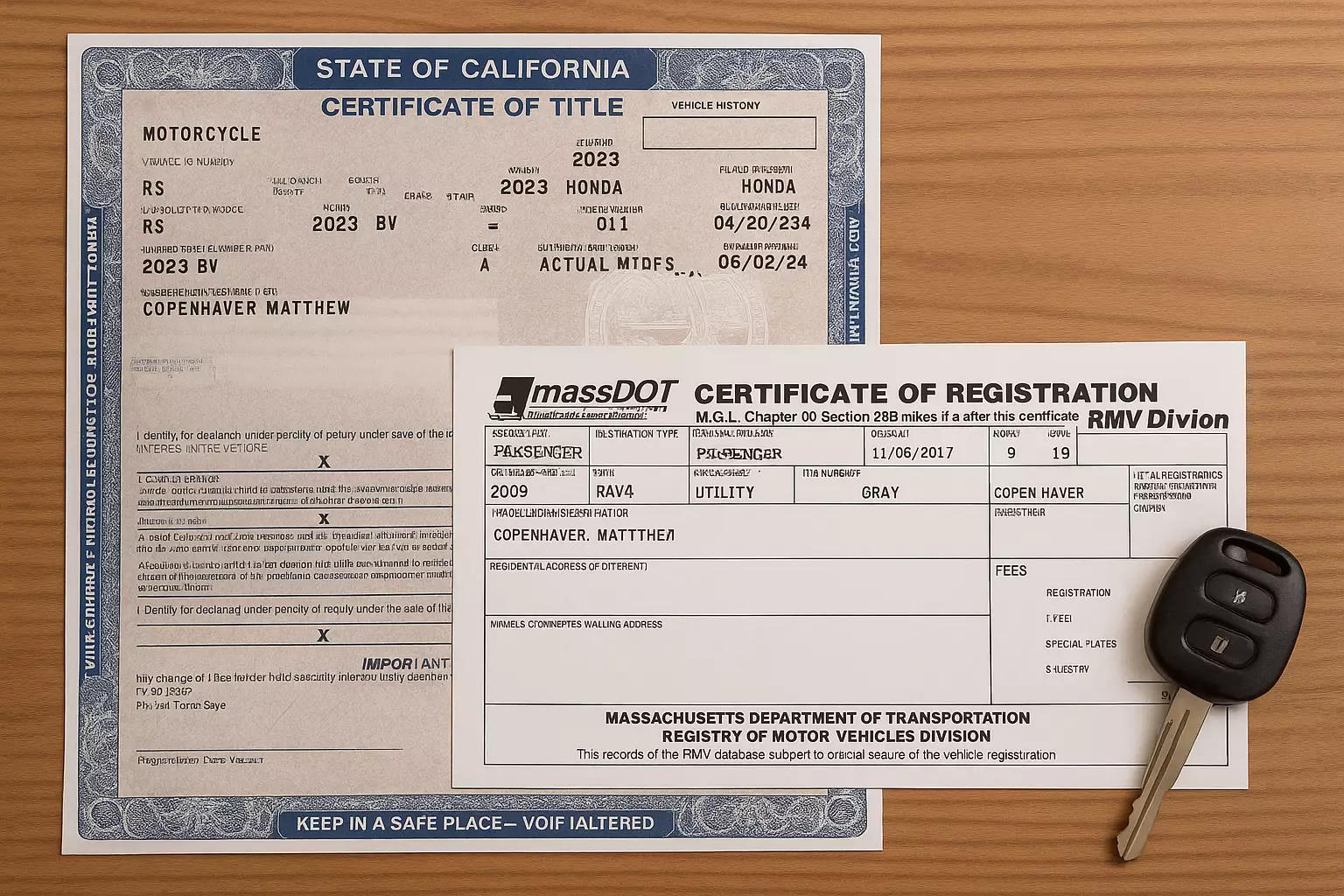
10. Vehicle History or Registration Clues
A vehicle history report can sometimes provide the strongest evidence about a car’s previous use. Depending on the country and available records, such reports may contain registration history, mileage readings, accident information, title information, inspection records, and other data.
Commercial use is not always recorded clearly. Some rideshare vehicles remain registered as ordinary passenger cars because local rules do not require a special registration category. Therefore, the absence of a commercial-use label does not guarantee that the vehicle was never used for rideshare work.
Ask the seller directly about the vehicle’s previous use. A trustworthy seller should be able to explain whether the car was privately owned, leased, rented, used for business, or driven for a passenger service. Their answer should be consistent with the vehicle’s records and physical condition.
Check for previous owners and changes in registration where records are legally available. A short ownership period followed by resale can have many explanations, so it should not automatically be considered suspicious. Rental and fleet vehicles may also show distinctive ownership histories.
When purchasing a used car, documentation should support the story presented by the seller. If the seller claims the vehicle was used only occasionally but the records show exceptionally high mileage, frequent servicing, or commercial ownership, ask questions before proceeding. A transparent history gives you a stronger foundation for evaluating the purchase.
