
Head gasket failures can turn a dependable vehicle into an expensive repair project, but some engines have earned a reputation for exceptional durability in this area. Their strong cooling systems, robust cylinder heads, conservative designs, and proven materials help them resist the conditions that commonly cause gasket problems.
This article looks at 10 engines widely regarded for excellent head gasket reliability. These powerplants come from different manufacturers and eras, yet they share important engineering traits that help them survive years of heat cycles and demanding driving.
Proper maintenance still matters, because even a highly durable engine can suffer when overheating, coolant loss, or neglected servicing is allowed to continue.
1. Toyota 2JZ-GE and 2JZ-GTE
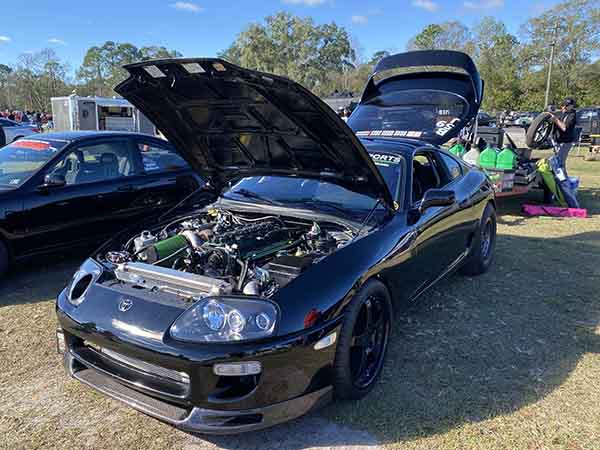
The Toyota 2JZ engine family has become almost legendary among enthusiasts for its ability to withstand high mileage and demanding operating conditions. The naturally aspirated 2JZ-GE and turbocharged 2JZ-GTE were introduced during an era when Toyota placed considerable emphasis on engineering strength and long-term dependability.
Both versions use a cast iron engine block, which provides substantial rigidity and helps maintain cylinder integrity through repeated heat cycles. The strong bottom end is frequently discussed when people talk about the 2JZ, but the construction also contributes to its impressive durability.
When maintained correctly, these engines can cover substantial distances without developing serious head gasket problems.
A major advantage of the 2JZ design is its ability to handle substantial thermal and mechanical stress. The iron block is paired with an aluminum cylinder head, a combination commonly used in performance engines because it balances strength with effective heat dissipation.
The head gasket sits between these two components and must accommodate their different rates of thermal expansion. Toyota’s engineering and manufacturing quality helped make the arrangement highly dependable when the cooling system remained in good condition.
Problems can still occur, particularly on modified turbocharged examples, but a factory-specification engine that receives proper care is generally not known for routine head gasket failures.
The 2JZ-GTE deserves special attention because many examples have been modified for considerably more power than Toyota originally intended. Turbocharger upgrades, increased boost, aggressive ignition timing, and inadequate tuning can dramatically increase cylinder pressure and combustion temperatures.
Those modifications can eventually expose weaknesses that would not appear on a stock engine. A factory engine operating within its intended parameters is a very different proposition from a heavily modified example. This distinction matters when evaluating reliability.
The engine’s reputation comes from a combination of strong construction and careful engineering, rather than from an ability to ignore maintenance.
Cooling system maintenance remains important for every 2JZ. Radiators, water pumps, thermostats, hoses, and coolant passages all have to perform properly if the engine is expected to remain reliable. A head gasket generally does not fail simply because an engine has reached a particular mileage.
Repeated overheating can warp a cylinder head or create excessive stress at the gasket interface. Keeping temperatures under control therefore provides a major layer of protection. Owners of older 2JZ-powered vehicles should pay attention to cooling system condition because age can affect components even when the basic engine remains exceptionally strong.
For buyers looking at an older Toyota powered by a 2JZ, the engine itself is usually not the only consideration. Vehicle age, previous modifications, maintenance history, cooling system condition, and oil consumption deserve careful inspection. A neglected example can experience expensive problems regardless of the engine’s reputation.
Still, the 2JZ remains a strong candidate for a list of engines that rarely develop head gasket trouble under normal conditions. Its rigid block, durable architecture, and reputation for surviving demanding use have helped establish its status as a benchmark for long-term engine durability.
2. Toyota 1UZ-FE
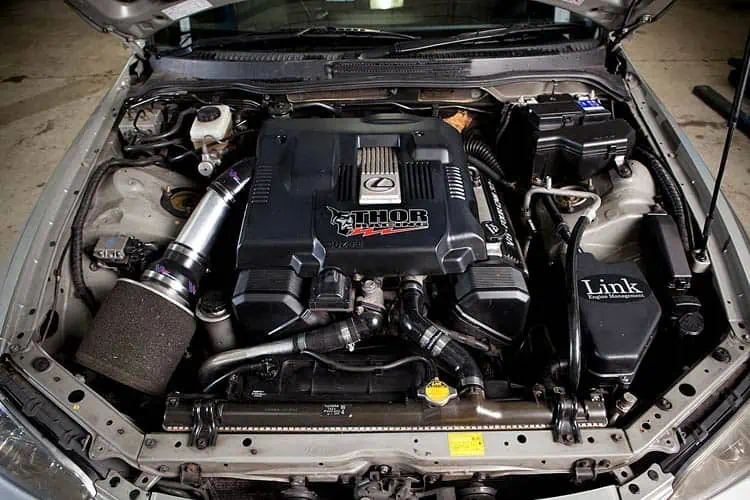
The Toyota 1UZ-FE is another engine that has earned an outstanding reputation for reliability. Introduced for the Lexus LS 400 and later used in other Toyota and Lexus applications, the 4.0-liter V8 was designed to provide smooth performance without sacrificing durability.
Its aluminum construction made it considerably lighter than many large-displacement iron engines, while Toyota invested heavily in the precision and quality of its engineering. The engine became known for exceptionally smooth operation and long service life, and serious head gasket problems are not considered a defining weakness of the design.
The 1UZ-FE’s reliability comes from several engineering decisions working together. Its cylinder heads and block were designed to maintain structural integrity through normal operating temperatures, while the cooling system was engineered to manage the heat produced by the V8.
Proper lubrication also plays a critical role in protecting the engine. When oil and coolant systems are maintained correctly, the engine can tolerate extensive use without requiring major internal repairs. This is particularly impressive considering the age of many vehicles still running with original or largely original 1UZ engines.
As with the 2JZ, overheating is the major enemy. Aluminum components are particularly sensitive to severe overheating because excessive temperature can contribute to distortion. A driver who continues operating a vehicle after a major coolant loss can create conditions capable of damaging an otherwise reliable engine.
The fact that the 1UZ generally avoids head gasket trouble should never be interpreted as meaning that the gasket is indestructible. Reliability is strongly connected to keeping the engine within its designed temperature range.
Maintenance history is especially important when purchasing a vehicle equipped with a 1UZ-FE. Timing belt service, cooling system maintenance, seals, hoses, and other age-related components deserve attention. An engine can remain mechanically strong while surrounding components deteriorate because of age.
Preventive maintenance can therefore make a major difference in preserving the engine’s reputation for durability. Owners who address small cooling system issues before they become serious reduce the risk of the overheating events that can eventually damage a head gasket.
The 1UZ-FE remains attractive to people who want a durable V8 with a strong track record. Its reputation has helped it become popular far beyond the luxury sedans for which it was originally designed. While no engine can genuinely be guaranteed to never need a head gasket, the 1UZ-FE has few widespread design-related reasons to expect such a repair.
A properly maintained example can deliver a remarkably long service life, making it a logical choice for anyone prioritizing engine longevity.
3. Honda K20
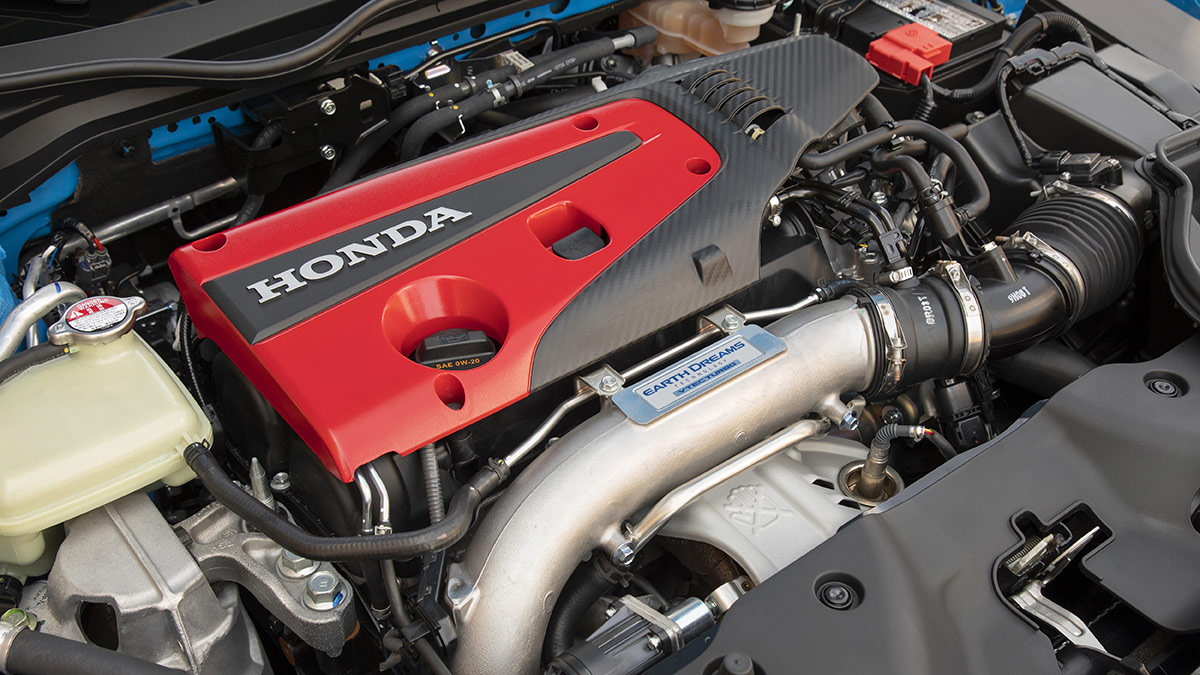
Honda’s K20 family demonstrates how a relatively compact four-cylinder engine can achieve impressive durability without relying on enormous displacement. Used across numerous Honda and Acura models, K20 variants have different specifications and power outputs, but many share a reputation for strong mechanical reliability.
The engines use aluminum blocks and cylinder heads and incorporate modern engineering features that allow them to produce useful power while maintaining reasonable efficiency. Head gasket failure is not generally considered a routine weakness of a properly maintained K20.
One reason the K20 performs well over time is its relatively efficient combustion and cooling characteristics. Honda designed these engines to operate effectively across a broad range of conditions, from daily commuting to more enthusiastic driving in performance-oriented models.
The engine architecture also became popular with enthusiasts, which has resulted in extensive experience with maintenance and modification. That knowledge base makes it easier to identify common issues before they become major failures. A stock or mildly modified K20 with a healthy cooling system can provide years of dependable service.
The variety within the K20 family should be kept in mind. A high-performance K20A or K20Z3, for example, should not automatically be treated as identical to every other engine carrying a K20 designation. Different versions have different compression ratios, intake systems, cylinder head designs, emissions equipment, and power outputs.
However, the family as a whole has developed a strong reputation for durability. Head gasket problems are more likely to arise after severe overheating, incorrect assembly, poor tuning, or extensive modification than as a predictable consequence of ordinary operation.
Cooling system care is particularly important on older Honda vehicles. Radiators can deteriorate, hoses can become brittle, thermostats can fail, and coolant can become contaminated or neglected. Any of these conditions can eventually increase operating temperatures.
When an engine overheats repeatedly, the cylinder head and block experience thermal stress that can compromise the sealing surface. A reliable engine therefore still requires a reliable cooling system. Regular inspection is far cheaper than repairing damage caused by a major overheating event.
The K20 is a strong choice for drivers who value a balance between performance, efficiency, and durability. Its large production numbers and widespread use have also made parts and technical information relatively accessible.
For someone shopping for a used Honda, engine condition should still be verified rather than assumed from the badge on the valve cover. Nevertheless, the K20 deserves its place among engines known for avoiding frequent head gasket failures. Good maintenance and sensible modifications can allow these four-cylinder engines to remain reliable for very high mileage.
4. Toyota 1GR-FE
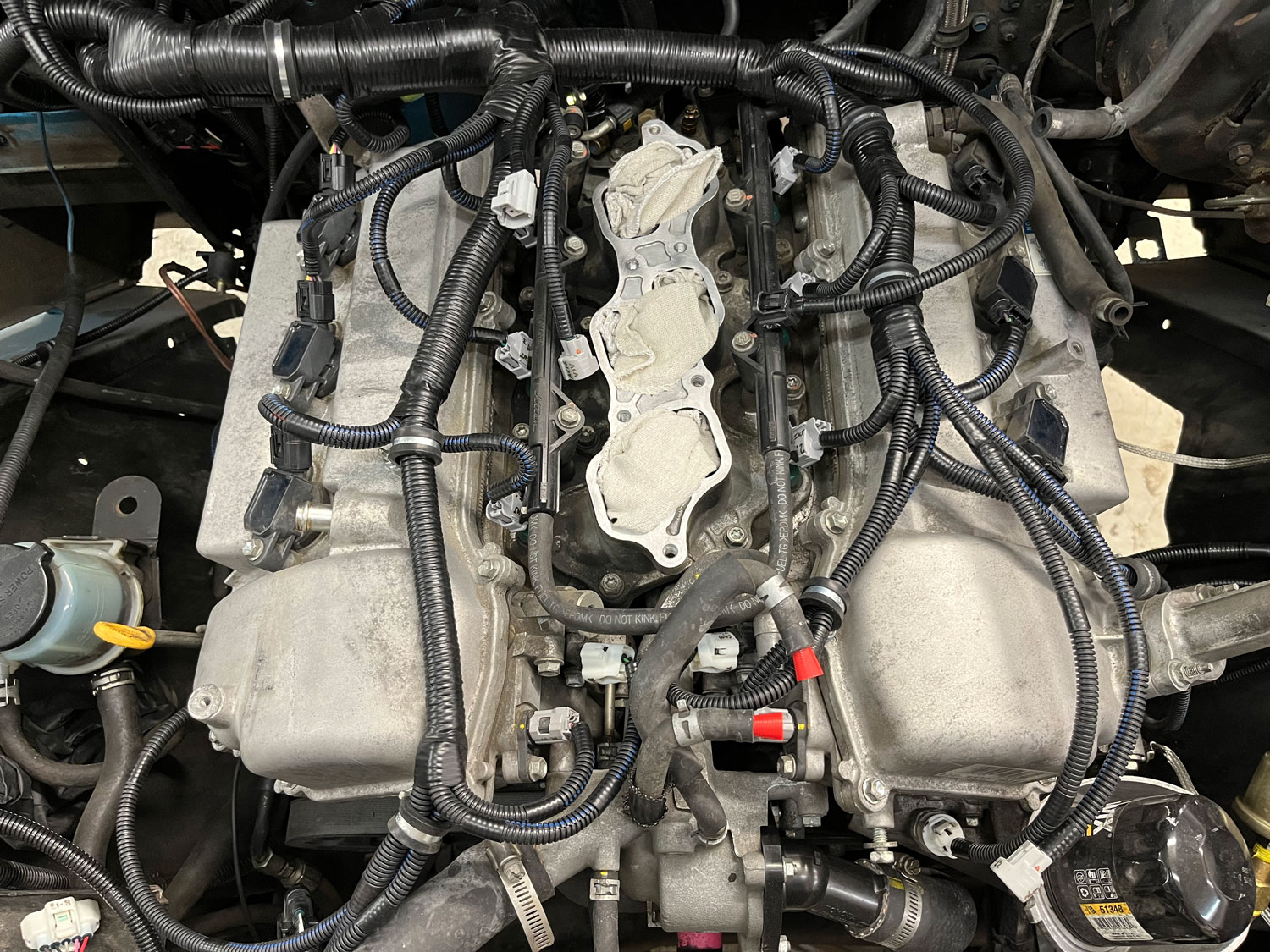
The Toyota 1GR-FE is a 4.0-liter V6 associated with several Toyota trucks and SUVs, including applications such as the 4Runner, Tacoma, FJ Cruiser, and other models depending on market and production year. It was engineered for applications where durability and sustained use mattered greatly.
Truck engines often encounter heavy loads, towing, off-road driving, high ambient temperatures, and extended periods of elevated engine load. The 1GR-FE developed a strong reputation in this environment, and widespread head gasket failure is not regarded as a characteristic weakness.
A key feature of the 1GR-FE is its robust design and suitability for demanding operating conditions. Toyota developed the engine as a modern replacement for earlier truck-oriented V6 designs while retaining a focus on durability.
Its aluminum construction reduces weight, while the architecture is capable of handling the loads associated with larger vehicles. When the cooling system functions correctly, the engine generally maintains stable operating temperatures under normal use. That helps protect the gasket and the surfaces that surround it.
The environment in which these engines operate makes cooling system health especially important. A vehicle used for towing or off-road travel may experience more heat than a passenger car driven gently on paved roads.
Radiator condition, coolant level, thermostat operation, water pump performance, and fan operation can all affect engine temperature. A neglected cooling system can turn a durable engine into a repair candidate. Regular inspections are therefore particularly valuable for owners who use their Toyota trucks for heavy work.
Some older Toyota V6 engines have had discussions surrounding head gasket concerns, so buyers should avoid assuming that every Toyota V6 has identical reliability characteristics.
Engine generation and exact application matter. The 1GR-FE’s reputation should be considered in the context of its particular design rather than generalized across every Toyota engine. A pre-purchase inspection can identify coolant leaks, abnormal combustion behavior, overheating evidence, and other warning signs that could indicate trouble.
For people seeking a durable truck engine, the 1GR-FE remains a compelling option. It has powered vehicles that are often kept for many years because of their strong utility and resale value.
Proper maintenance is essential, especially as these engines age. When coolant temperatures remain controlled and service intervals are respected, the 1GR-FE has demonstrated that a modern V6 can combine useful power with impressive resistance to major internal failures.
5. Honda J35
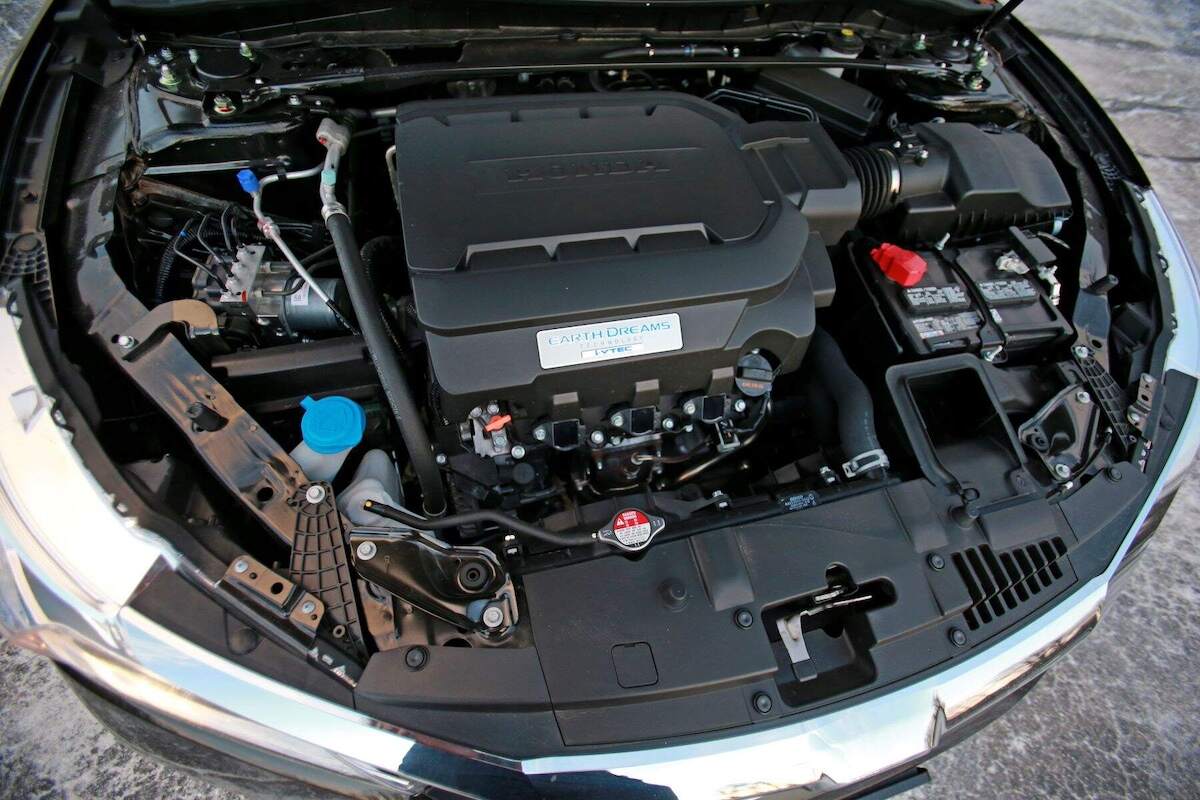
The Honda J35 is a 3.5-liter V6 that has appeared in numerous Honda and Acura vehicles. It became popular because it offers strong everyday performance while remaining relatively efficient for its size.
Different generations and variants have distinct characteristics, but the J35 family has generally earned a reputation for dependable operation. Head gasket failures are not typically considered a widespread design flaw across the family, especially when the engine is properly serviced and protected from overheating.
The J35’s popularity means that mechanics have extensive experience working with it. That is valuable for owners because problems can often be diagnosed before they become serious.
Cooling system issues, oil leaks, ignition problems, and other maintenance concerns can be identified during routine servicing. A healthy engine that receives timely repairs is much less likely to suffer the extreme conditions that can damage its head gasket. Reliability therefore depends on both engineering quality and owner behavior.
Certain J35 variants have had specific issues unrelated to head gasket durability, and buyers should research the exact engine and model year they are considering.
Variable cylinder management systems, timing components, oil leaks, and other concerns can vary according to application. This illustrates why a reputation for reliability should never replace a proper inspection. The best used vehicle is not necessarily the one with the most famous engine. Condition and maintenance history remain crucial.
Heat management remains central to gasket longevity. A head gasket must maintain a seal while exposed to combustion pressure, coolant, and repeated temperature changes. If the engine becomes severely overheated, the cylinder head may deform enough to compromise that seal.
Drivers should therefore never dismiss an overheating warning simply because the J35 is considered reliable. Stopping the vehicle and addressing the cooling problem can prevent a manageable issue from becoming an expensive engine repair.
The J35 is a sensible choice for buyers seeking a durable V6 for commuting, family transportation, or highway use. It has been installed in a broad range of vehicles, from sedans to minivans and SUVs.
With appropriate maintenance, many examples can accumulate substantial mileage without requiring head gasket replacement. Its reputation is not based on being immune to failure, but on having a design that generally does not make head gasket trouble an expected maintenance item.
6. Toyota 3S-FE
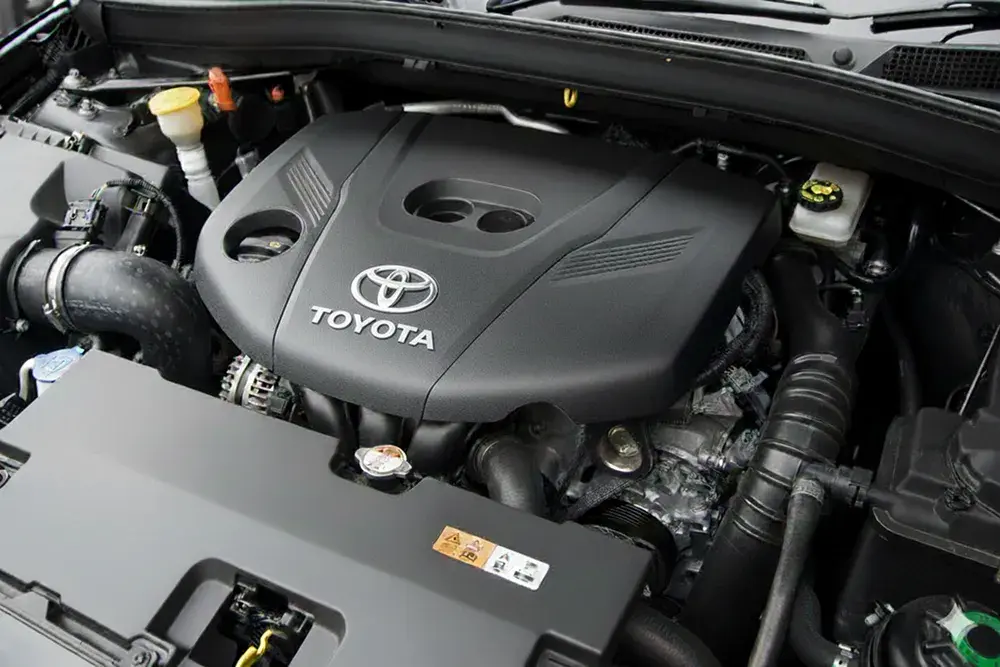
The Toyota 3S-FE is an older 2.0-liter four-cylinder engine that became known for simplicity and durability. Used in numerous Toyota models in various markets, it was designed during a period when manufacturers placed considerable emphasis on straightforward mechanical construction and long service intervals.
Its relatively conservative output helped reduce stress compared with highly tuned performance engines. The result was an engine that could tolerate substantial everyday use when serviced correctly.
The 3S-FE is not a modern engine by current standards, and that is part of its appeal. Its architecture is relatively straightforward, making maintenance easier for experienced technicians. Fewer complicated systems can mean fewer opportunities for secondary problems to interfere with engine operation.
Its reputation for reliability has been particularly strong in markets where these engines accumulated very high mileage under ordinary driving conditions. Head gasket replacement is not generally viewed as an expected part of ownership.
Like every engine, the 3S-FE depends on proper coolant circulation. Older vehicles require special attention because rubber hoses, radiator components, water pumps, and seals deteriorate with time. Even an extremely reliable engine can suffer if coolant is allowed to disappear or the thermostat fails. Drivers should pay attention to temperature gauge behavior and investigate unexplained coolant loss promptly. Small leaks are easier and cheaper to repair before they result in overheating.
The engine’s conservative nature also helped its reputation. It was not designed primarily to deliver extreme horsepower from a small displacement. That means cylinder pressures and thermal loads were generally kept within reasonable limits for the intended applications.
Reduced stress does not make a head gasket immune to failure, but it can help extend its service life. This is worth remembering when evaluating older engines. Long-term durability often depends on balanced engineering rather than chasing the highest possible power output.
Today, finding a 3S-FE in excellent condition may be more challenging simply because of the age of the vehicles that used it. An engine can have a superb historical reputation while the surrounding vehicle has decades of wear.
Buyers should therefore evaluate the complete vehicle, not just the engine designation. When maintained properly, however, the 3S-FE remains a classic example of an uncomplicated Toyota engine capable of providing dependable service without making head gasket replacement a common expectation.
7. Lexus 2UZ-FE
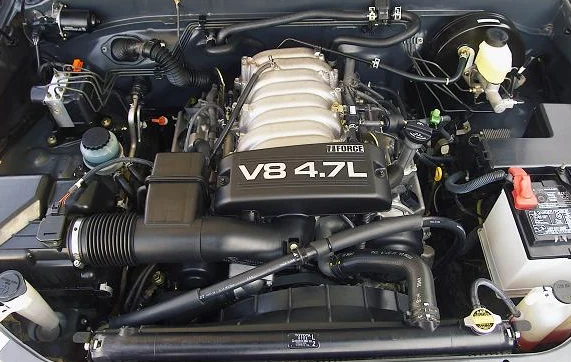
The Toyota and Lexus 2UZ-FE is a 4.7-liter V8 designed primarily for truck and SUV applications. It became especially well known in vehicles such as the Toyota Land Cruiser, Tundra, Sequoia, and Lexus LX and GX applications, depending on market and model year.
Unlike some lightweight aluminum V8s, the 2UZ-FE uses a cast iron block. That construction contributes substantial strength and makes the engine particularly well suited to heavy-duty applications.
The 2UZ-FE was engineered for vehicles that could face substantial loads. Towing, hauling, off-road driving, and long-distance travel place significant demands on an engine. The V8’s relatively conservative design allowed it to produce strong torque without requiring extremely high specific output.
This can help reduce stress on major internal components. Head gasket failures are not generally considered a defining weakness of the 2UZ-FE, especially when compared with engines that have documented gasket-related design concerns.
The cast iron block is particularly valuable for maintaining rigidity. The cylinder head and block still experience different thermal expansion because the head is aluminum, but the robust lower structure provides a stable foundation for the sealing surfaces. A well-maintained cooling system helps preserve that relationship.
Coolant quality, radiator efficiency, water pump condition, and thermostat operation all matter. Ignoring a cooling problem can eventually overwhelm even a strong engine.
The age of many 2UZ-powered vehicles means maintenance history deserves close attention. Timing belt service is particularly important on applicable versions, while hoses, seals, cooling components, and accessory systems also age.
A neglected engine can develop leaks or overheating issues that have nothing to do with the underlying design quality. Buyers should be wary of examples that have been used heavily without appropriate servicing. A strong engine is valuable, but it cannot compensate indefinitely for poor maintenance.
For drivers who want a large V8 with a reputation for longevity, the 2UZ-FE remains highly regarded. It may not provide the latest technology or fuel economy, but its sturdy construction has helped it survive in demanding vehicles for many years.
Its resistance to common head gasket trouble is part of a broader reputation for mechanical durability. With proper maintenance, these engines can remain dependable long after many other components of the vehicle have reached the end of their useful life.
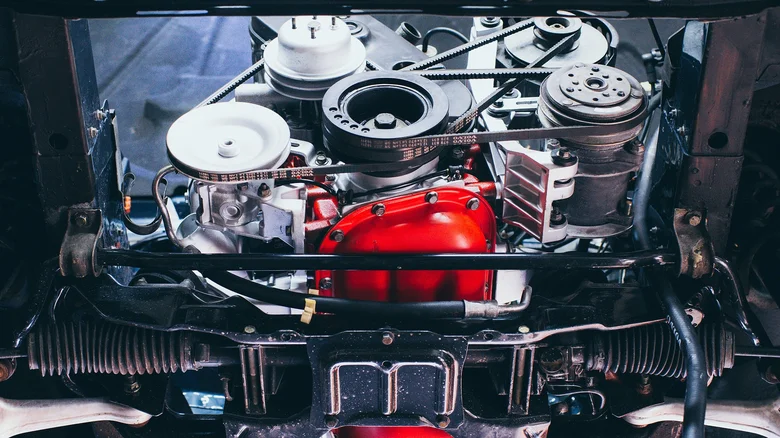
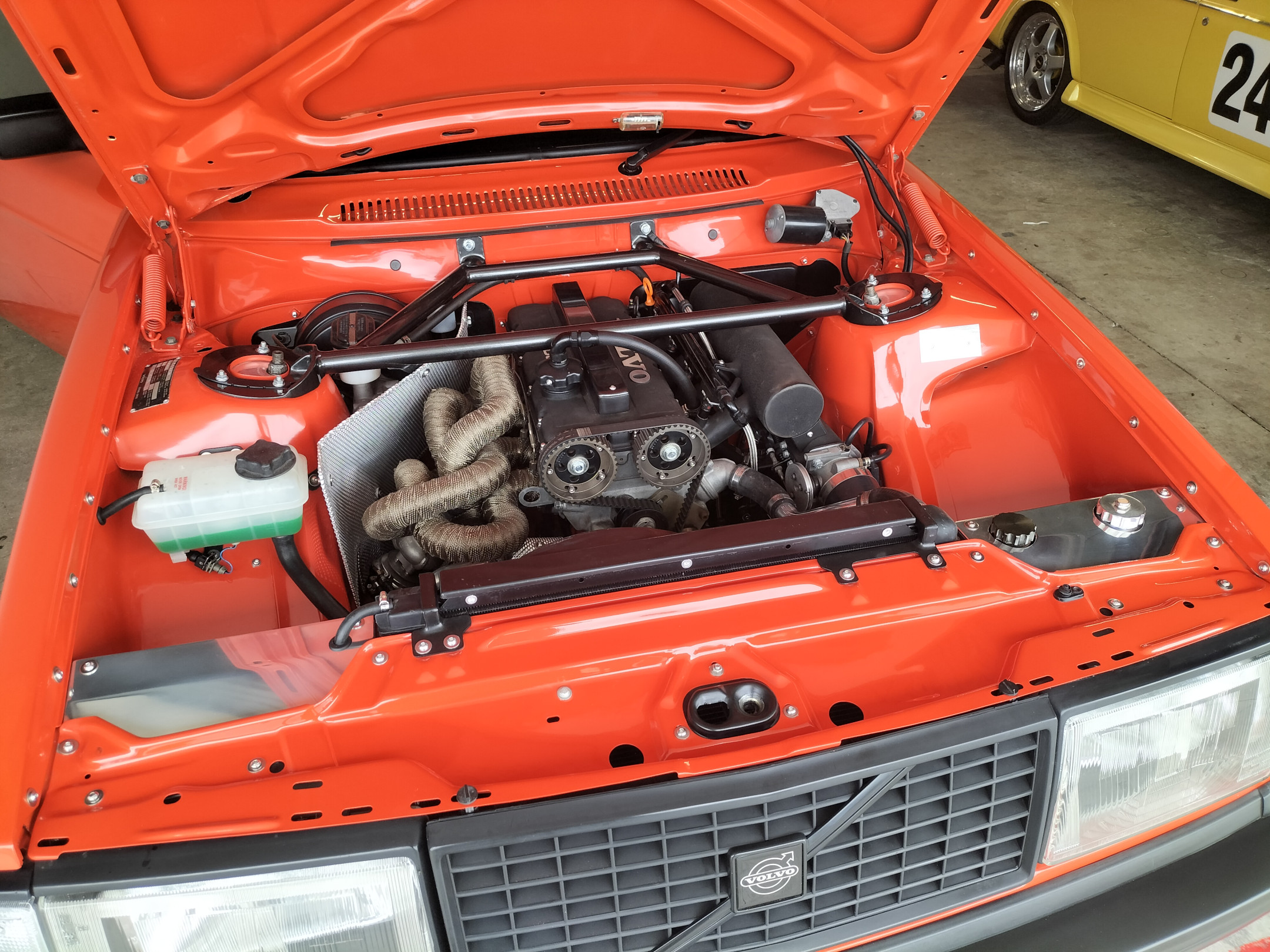
8. Volvo Redblock Engines
Volvo’s classic Redblock four-cylinder engines are famous among enthusiasts for durability. The family includes several naturally aspirated and turbocharged variants that powered many older Volvo models.
These engines were designed around a sturdy cast iron block and a relatively straightforward architecture. Their reputation for surviving high mileage has made them a favorite among owners who value mechanical longevity. Head gasket problems can happen, but they are not generally the issue that defines the Redblock family.
The cast iron construction gives the engine considerable strength and resistance to distortion. This is especially useful in turbocharged versions, where cylinder pressures can be significantly higher than in naturally aspirated applications. Volvo’s turbo engines became known for responding well to modifications, but responsible tuning is important.
Increased boost and poor fuel or ignition calibration can raise combustion temperatures and pressures beyond factory expectations. A stock or sensibly modified engine is much less likely to encounter severe gasket-related problems.
Cooling system condition remains critical in older Volvos. Many surviving examples are several decades old, meaning their radiators, hoses, expansion tanks, water pumps, and thermostats may have been replaced multiple times.
A cooling system component that fails can create rapid temperature increases. Drivers should never continue operating a vehicle that is overheating. Preventing a severe overheating event is far more effective than relying on the strength of the head gasket after damage has already occurred.
Another advantage of the Redblock design is its mechanical accessibility. Owners and independent workshops have extensive knowledge of these engines, and many repairs can be handled without the complexity found in newer powerplants.
This does not make every repair inexpensive, but it can make diagnosis and maintenance more straightforward. An engine that is easy to service is more likely to receive preventive care, which indirectly supports long-term reliability.
The Redblock’s reputation has lasted because so many examples have demonstrated impressive longevity. These engines are a reminder that sophisticated technology is not always necessary for durable transportation.
Strong materials, sensible power levels, good cooling, and maintainable construction can produce an engine capable of lasting for decades. For enthusiasts considering an older Volvo, the condition of the individual vehicle remains more important than reputation alone, but a healthy Redblock is certainly a strong candidate for long-term ownership.
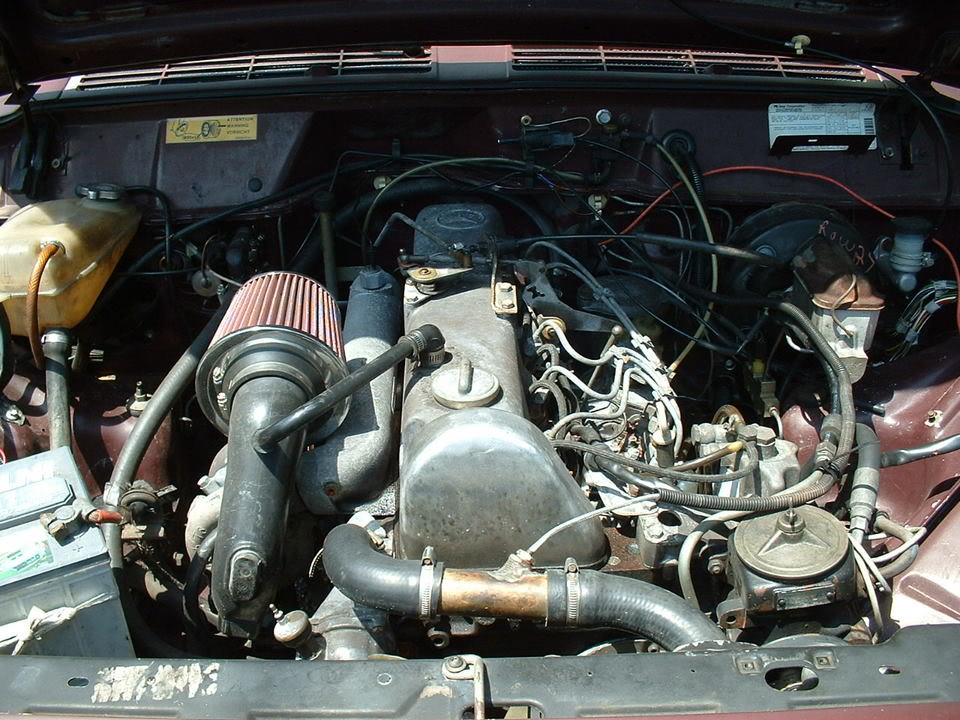
9. Mercedes-Benz OM617 Diesel
The Mercedes-Benz OM617 is a classic diesel engine famous for its durability. Used in several Mercedes-Benz passenger cars and commercial-oriented applications, the five-cylinder diesel became associated with extraordinary mileage potential.
Its design reflects an era when diesel engines were built with substantial mechanical strength and relatively conservative performance targets. While the engine can experience gasket problems under severe conditions, head gasket failure is not generally viewed as a routine weakness.
The OM617’s cast iron construction contributes to its durability. Diesel engines generate substantial cylinder pressure, so robust materials are particularly important.
The engine was designed to operate reliably under demanding conditions while delivering the fuel economy expected from a diesel of its era. Its mechanical fuel injection system also avoided some of the electronic complexity found in later diesel engines. That simplicity has helped many examples remain operational for decades.
Age is now the biggest consideration for anyone purchasing an OM617-powered vehicle. Most examples have been on the road for many years, and even a mechanically excellent engine may have aging cooling hoses, seals, gaskets, belts, and accessories.
A vehicle that has survived for decades may have an extensive repair history. Buyers should look for evidence of overheating, coolant contamination, unexplained coolant loss, and poor maintenance. A compression test and cooling system inspection can provide useful information about engine condition.
The OM617 also illustrates the difference between durability and invincibility. Its robust construction allows it to tolerate substantial use, but running with inadequate coolant or severe overheating can still damage the cylinder head and gasket.
Diesel engines also require appropriate maintenance for their injection systems, lubrication systems, and cooling systems. Ignoring these areas can create additional heat and stress. Reliability comes from maintaining the complete engine system rather than simply relying on heavy-duty components.
For enthusiasts who appreciate old-school diesel engineering, the OM617 remains an impressive example. Its ability to accumulate high mileage has contributed to its almost legendary status.
Although replacement parts and specialist knowledge may be more relevant today than they were when these engines were new, the basic design remains respected. A properly maintained OM617 can still demonstrate why simple, conservative engineering can produce extraordinary service life.
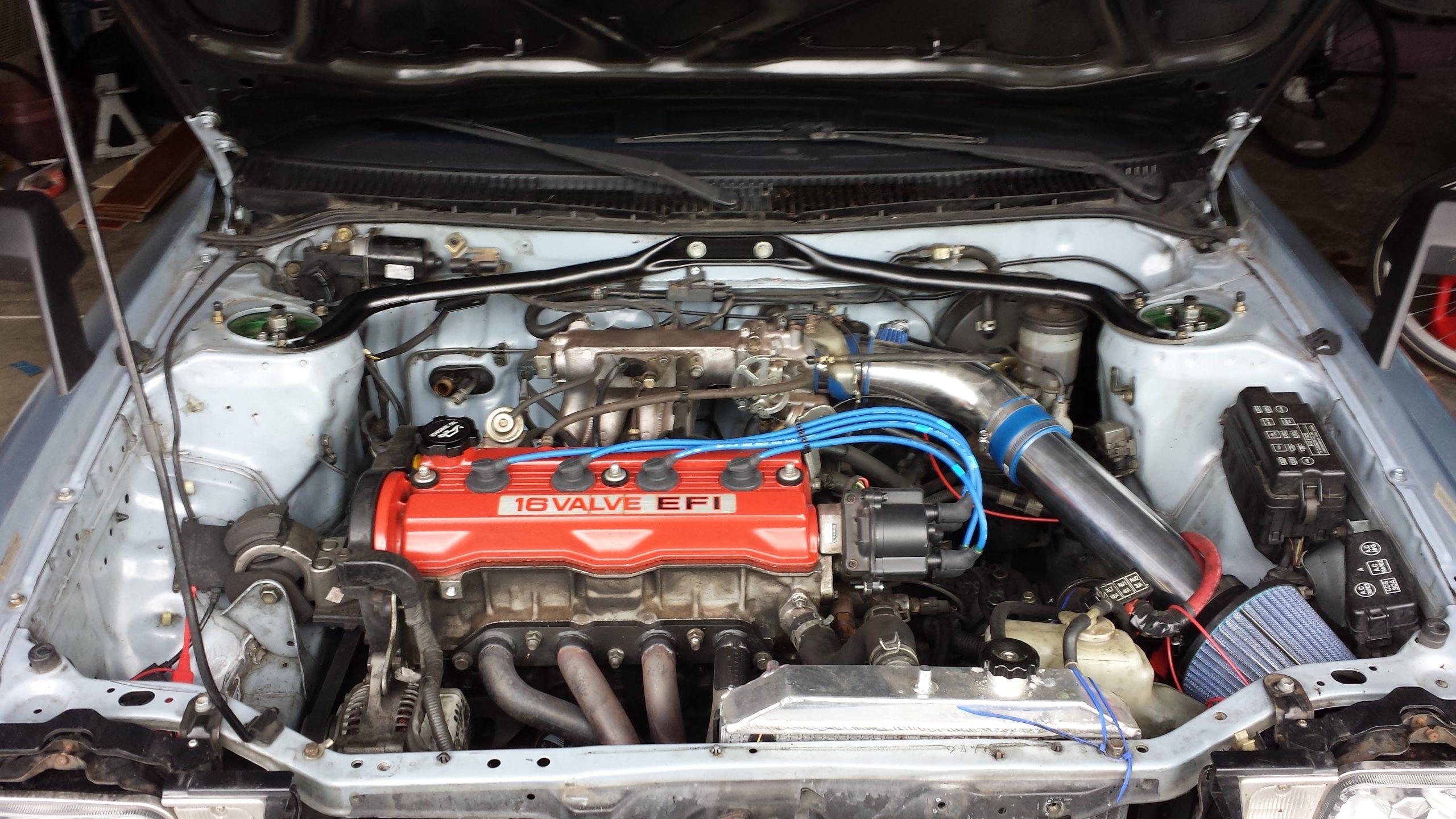
10. Toyota 4A-FE
The Toyota 4A-FE is a compact 1.6-liter four-cylinder engine that gained a strong reputation for everyday reliability. It appeared in numerous Toyota models in different markets and was designed to provide economical transportation with relatively modest performance demands.
The engine’s straightforward construction and conservative output helped make it durable. Head gasket failure is not normally considered a common problem for a properly maintained 4A-FE.
Small-displacement engines often operate under less demanding conditions than large performance engines, though this depends heavily on vehicle application.
The 4A-FE was generally used in lightweight passenger cars where it did not need to produce extreme power. That reduced demand can contribute to long-term durability. Toyota also designed the engine with practicality and mass production in mind, resulting in a powerplant that could be serviced by ordinary workshops in many markets.
Cooling system maintenance remains important because these engines are now old. A vehicle equipped with a 4A-FE may have experienced years of coolant changes, radiator replacements, hose deterioration, and previous repairs.
The engine itself may remain healthy while peripheral components become unreliable. Checking coolant level, temperature behavior, radiator condition, and evidence of leaks is therefore important when buying a used example.
Another reason the 4A-FE deserves recognition is its widespread use. Large numbers of engines were produced and used in ordinary transportation, providing extensive real-world evidence of their reliability. Engines that spend years performing daily commuting duties without major internal repairs can develop a strong reputation among owners and mechanics. The 4A-FE earned such a reputation through practical service rather than high performance.
