
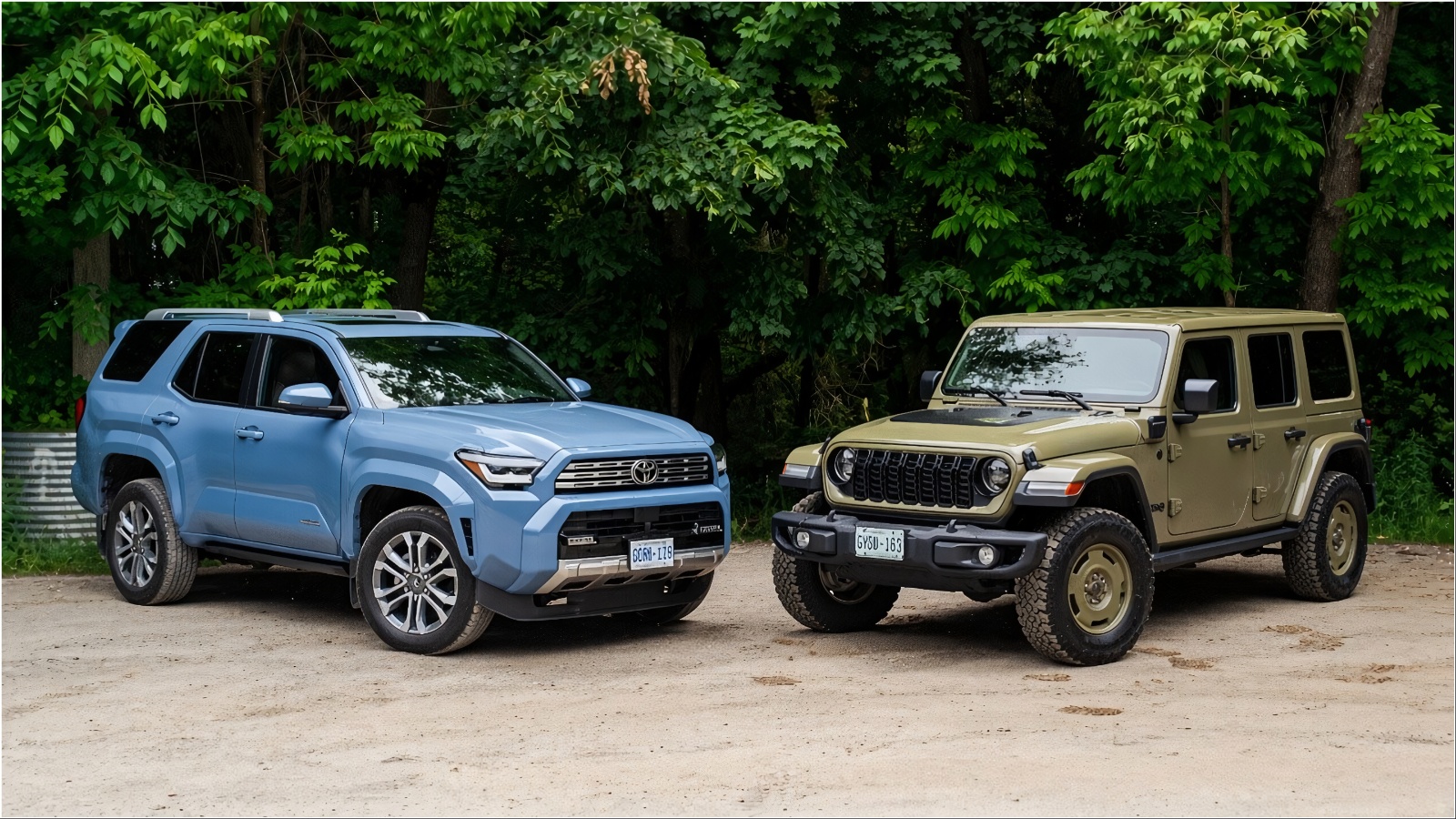
Choosing between the Toyota 4Runner, Jeep Grand Cherokee, and Jeep Wrangler comes down to how you plan to use your SUV. These three vehicles share a rugged image, but they have very different strengths. The 4Runner favors trail ability, practicality, towing, and long-term ownership confidence.
The Grand Cherokee leans toward comfort, road manners, cabin technology, and strong towing. The Wrangler puts serious off-road hardware, open-air freedom, and distinctive character first. The right choice depends less on badges and more on your daily driving, family needs, trail plans, budget, and expectations for comfort. This comparison breaks down their differences clearly.
4Runner vs Grand Cherokee vs Wrangler: The Basic Differences
The Toyota 4Runner takes a traditional approach to the midsize SUV formula. Its body-on-frame construction gives it a truck-based foundation, which suits drivers who regularly travel on rough roads, carry equipment, tow recreational gear, or head onto demanding trails.
The current 4Runner uses a turbocharged 2.4-liter four-cylinder engine producing 278 horsepower and 317 lb-ft of torque in its standard configuration. An eight-speed automatic transmission manages the power.
Toyota also offers a hybrid powertrain in selected versions, giving buyers another route for stronger performance. Its combination of practicality and trail-focused engineering makes it a strong choice for buyers who want a rugged SUV without sacrificing everyday usability.
The Jeep Grand Cherokee approaches the segment differently. It is designed to provide a more polished driving experience while retaining genuine off-road capability in suitable configurations. For 2026, the Grand Cherokee lineup includes a 3.6-liter V6 producing 293 horsepower, while a turbocharged four-cylinder option produces 324 horsepower.
The SUV can be configured with rear-wheel drive or four-wheel drive depending on the version. Its cabin puts more emphasis on comfort, technology, quiet operation, and premium features than the traditional 4Runner formula.
It is particularly attractive to people who spend most of their time on paved roads but still want the ability to handle snow, gravel, dirt roads, and moderate trails.
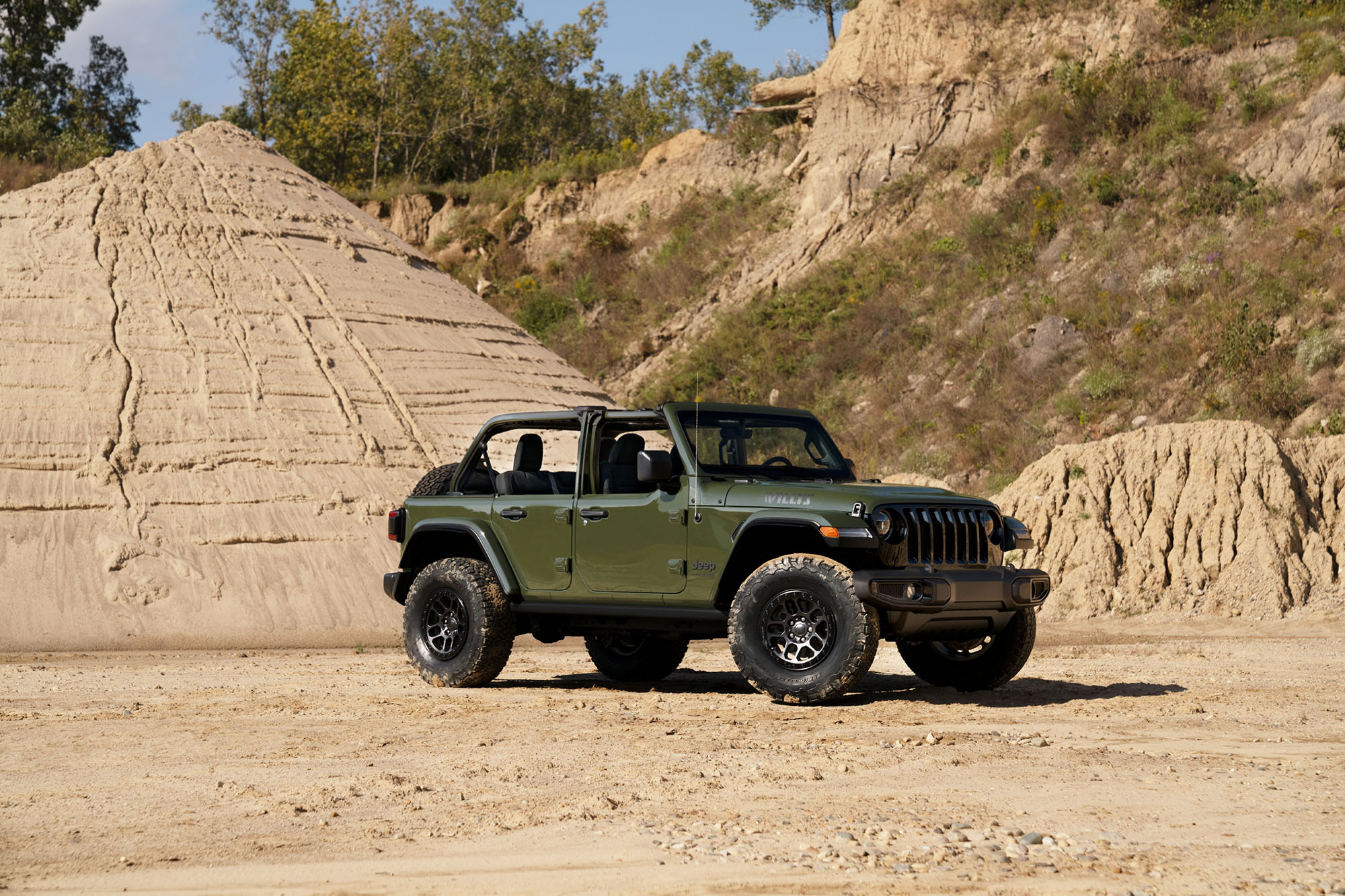
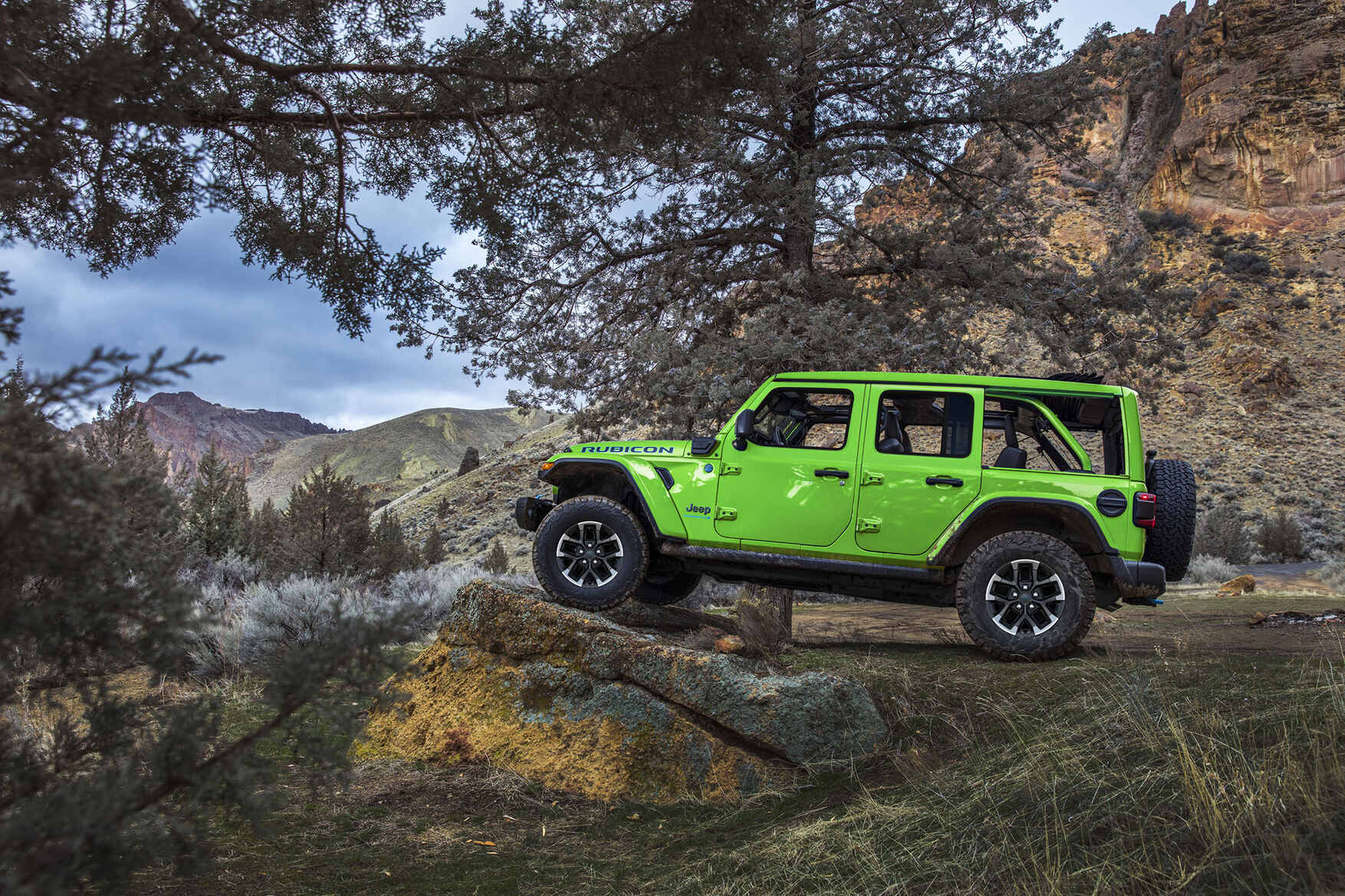
The Jeep Wrangler has a much clearer mission. It is built around off-road capability, and its design reflects that purpose. Removable doors, removable roof sections, high ground clearance, solid axles, and available specialized four-wheel-drive equipment make it exceptionally capable when terrain becomes difficult.
Engine choices can include a 3.6-liter V6, a turbocharged four-cylinder, and high-performance versions with substantially more power.
The Wrangler is available in two-door and four-door body styles. That gives buyers the choice between a compact trail-oriented configuration and a more practical family-friendly model.
Its strengths are not limited to capability because the removable roof and doors also give it a character that the 4Runner and Grand Cherokee cannot duplicate.
When the three vehicles are compared as everyday transportation, their personalities become easier to separate. The Grand Cherokee is the most naturally suited to long highway trips and urban commuting. The 4Runner provides a useful middle ground, combining a rugged platform with improved road manners compared with earlier generations.
The Wrangler remains more specialized because its off-road architecture affects steering, ride comfort, wind noise, and general road behavior.
That does not make the Wrangler a poor daily driver, but buyers should understand what they are accepting. If your typical week includes school runs, commuting, shopping, and highway travel, the Grand Cherokee may feel more relaxed than the Wrangler.
The 4Runner sits between these two philosophies. It is more trail-focused than the Grand Cherokee, yet more practical for everyday use than the Wrangler. Its five-seat layout provides useful passenger space, while certain versions can offer a third row. It also provides substantial cargo capacity, with up to 90.2 cubic feet reported with the rear seats folded.
The Grand Cherokee offers a similarly useful interior, with strong passenger comfort and generous cargo space. The Wrangler has less interior and cargo flexibility, particularly in two-door form. Therefore, buyers should start with their daily requirements before looking at individual trim levels or option packages.
Off-Road Capability and Trail Performance
If off-road performance is the main reason you are shopping, the Jeep Wrangler deserves serious attention. The vehicle was designed around trail use rather than adapted from a primarily road-oriented SUV formula.
Its available four-wheel-drive systems, low-range gearing, solid axles, ground clearance, approach and departure angles, and specialized Rubicon equipment can make it exceptionally effective over rocks, deep ruts, steep climbs, and other difficult surfaces.
The Wrangler also benefits from its relatively compact dimensions. A shorter body and shorter wheelbase can help it maneuver through tight trails where a larger SUV may require more space. For serious off-road enthusiasts, these characteristics can matter more than interior refinement.
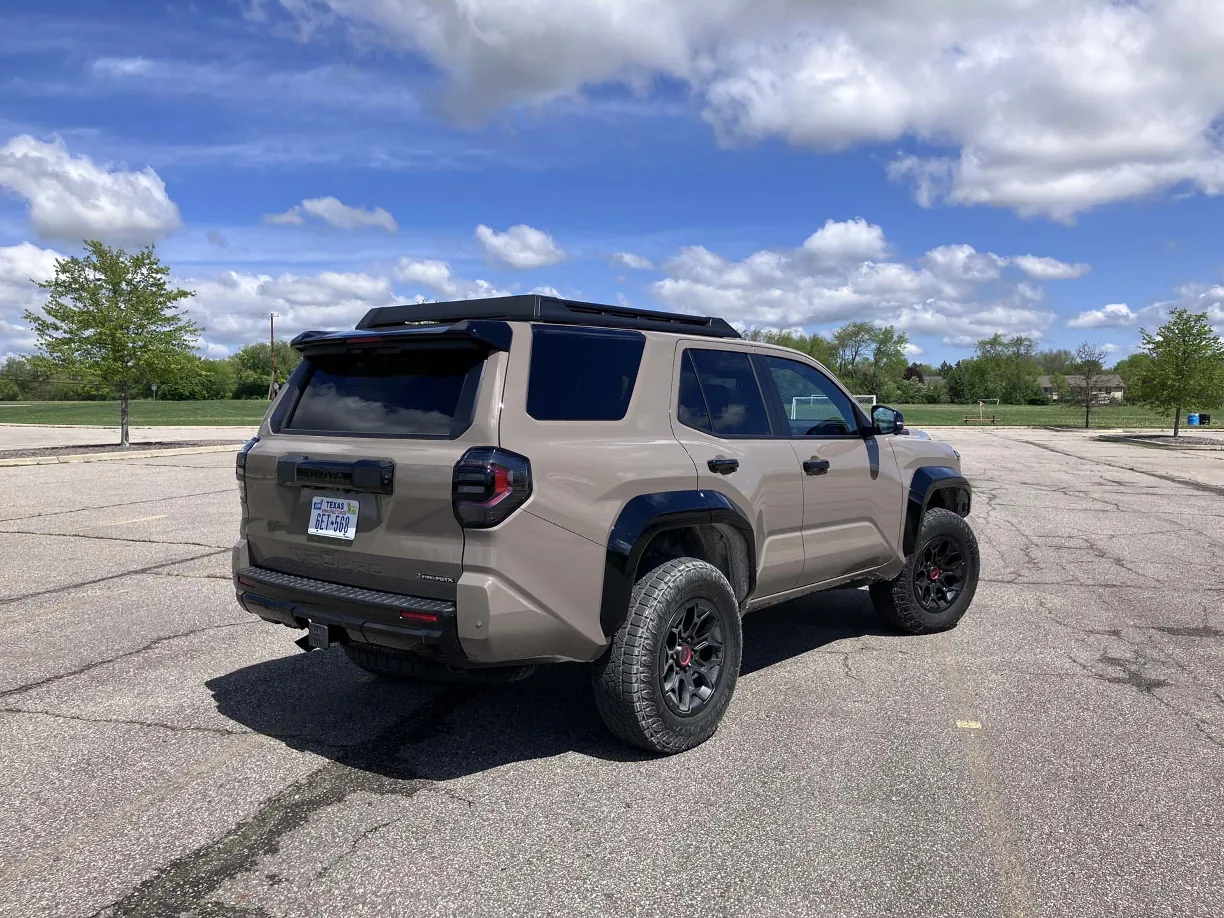
The Toyota 4Runner is also a highly capable off-road SUV. Its body-on-frame construction and available trail-focused equipment make it well suited to rough terrain.
Depending on configuration, buyers can get features such as a locking rear differential, terrain management systems, and equipment designed to improve traction and control at low speeds.
The 4Runner’s longer body and larger dimensions can make certain tight trails more challenging than they would be in a Wrangler. However, the extra size creates useful benefits on road trips, in cargo capacity, and for carrying passengers. It is a particularly strong option for people who want to combine weekend trail trips with normal family transportation.
The Grand Cherokee should not be dismissed as an ordinary crossover when discussing off-road ability. Certain four-wheel-drive configurations and Trailhawk-oriented equipment have historically given the model meaningful capability away from pavement.
Its longer wheelbase, independent suspension design, and more road-focused setup give it a different feel from the Wrangler and 4Runner. On moderate trails, dirt roads, snowy routes, and uneven terrain, it can perform very well. Its limitations become more apparent as terrain becomes increasingly technical.
If you regularly encounter large rocks, deep obstacles, severe articulation requirements, or narrow trails, the Wrangler and properly equipped 4Runner are generally more suitable choices.
Ground clearance is another factor worth considering. The Wrangler has a natural advantage in versions designed specifically for trail use, and its compact dimensions can help reduce the risk of body contact on narrow trails. The 4Runner also provides useful clearance and a strong platform for off-road modifications.
This makes it popular among owners who add larger tires, suspension upgrades, skid plates, recovery equipment, and other accessories. The Grand Cherokee can handle rough surfaces, but its strengths are better balanced between pavement and moderate off-road use.
Buyers should avoid judging capability only by horsepower because traction, gearing, suspension design, tire choice, and vehicle dimensions can matter just as much.
For the average owner who visits trails occasionally, all three can provide plenty of capability when properly equipped. The deciding factor is how difficult those trails are likely to become. A driver who travels to campsites, mountain cabins, beaches, or forest roads may find the Grand Cherokee more than adequate.
Someone who spends weekends climbing rocky trails may prefer the 4Runner or Wrangler. A dedicated off-road enthusiast who wants maximum trail flexibility and removable body panels will likely prefer the Wrangler. The 4Runner makes more sense for people who want strong trail performance while maintaining a broader range of practical everyday abilities.
Comfort, Interior Quality, and Daily Driving
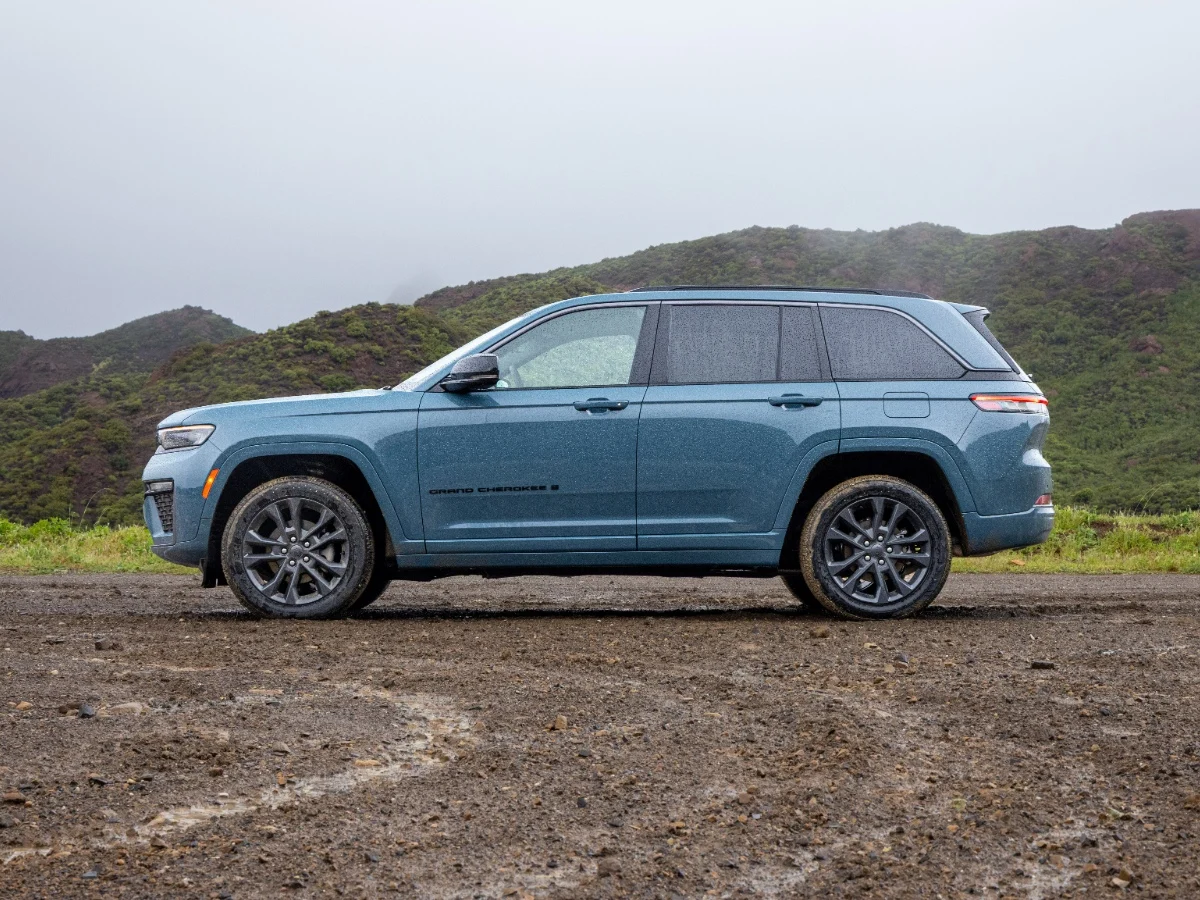
The Grand Cherokee is the clear choice if cabin comfort is high on your priority list. Jeep has positioned this SUV toward buyers who want a premium-feeling interior without moving into a luxury-brand price range. Depending on trim, the cabin can include high-quality materials, large displays, comfortable seating, and additional technology.
The suspension and chassis are also tuned with road driving in mind. That makes the Grand Cherokee particularly appealing for long highway trips. Drivers who spend several hours behind the wheel each week may appreciate its quieter and more relaxed character compared with a Wrangler.
The 4Runner has improved considerably as a modern family SUV while retaining its rugged identity. Its interior has a practical layout, useful storage areas, modern connectivity, and a straightforward control arrangement. The available touchscreen can be significantly larger than the standard unit, and wireless smartphone integration is available.
Its upright driving position also gives the driver a commanding view of traffic and surrounding terrain. The interior is not designed to feel like a luxury lounge, but that is part of its appeal. Materials and controls are chosen with durability and practical use in mind, which suits owners who may regularly carry outdoor equipment, pets, or muddy gear.
The Wrangler delivers a completely different interior experience. The cabin is functional and modern enough for daily transportation, yet its construction reflects its removable roof and doors. Wind noise can be noticeable, especially at highway speeds with the roof removed or open-air configuration in use.
The ride can also feel firmer and less settled than the Grand Cherokee. Steering behavior is another area where the Wrangler feels more truck-like. These characteristics are not necessarily defects because they are connected to the vehicle’s trail-oriented design. However, buyers accustomed to crossovers or luxury SUVs should drive a Wrangler before making a decision.
Passenger and cargo requirements can also change the ranking. The 4Runner provides seating for five in common configurations and can offer a third row in selected versions. That makes it more flexible for families who occasionally need extra seating.
The Grand Cherokee provides a comfortable five-seat configuration, while the larger Grand Cherokee L adds additional seating capacity for buyers who need more room.
The Wrangler four-door provides useful rear seating, but its cargo area and passenger experience remain shaped by its compact off-road architecture. A two-door Wrangler is much more specialized and works best for buyers who prioritize lifestyle and trail use over maximum family practicality.
For daily driving, the Grand Cherokee generally comes out ahead, followed by the 4Runner, with the Wrangler taking third place for most drivers. This ranking changes if your daily commute includes poor roads, snow, construction areas, or unpaved routes.
The 4Runner’s combination of durability, ground clearance, and road capability can make it an excellent choice for drivers who want a tougher vehicle without accepting the Wrangler’s compromises. The Grand Cherokee works best when comfort is the priority. The Wrangler makes sense when its unique driving experience is part of the reason you want the vehicle.
Performance, Towing, and Fuel Economy
Engine performance is an interesting part of this comparison because the three SUVs use different approaches. The 4Runner’s turbocharged 2.4-liter engine produces 278 horsepower and 317 lb-ft of torque. Its torque arrives low in the rev range, which is useful for towing, climbing, and low-speed off-road driving.
The eight-speed automatic transmission helps make the power delivery smooth and predictable. Buyers interested in greater output can consider the available hybrid powertrain. The 4Runner’s powertrain is modern and efficient for a body-on-frame SUV, though fuel economy still depends heavily on trim, drivetrain, tires, driving conditions, and vehicle load.
The Grand Cherokee offers two distinct engine personalities in the current lineup. Its 3.6-liter V6 produces 293 horsepower, while the available turbocharged four-cylinder produces 324 horsepower. Car and Driver reports a 6.3-second 0-to-60-mph time for the turbocharged version in its testing.
The Grand Cherokee can also tow up to 6,200 pounds when properly equipped. That figure gives it an advantage for buyers who regularly pull boats, trailers, recreational equipment, or other substantial loads. Buyers should still verify the exact tow rating of their selected trim because maximum capacity depends on configuration and equipment.
The Wrangler offers several engine choices, creating a broad range of performance. The 3.6-liter V6 produces 285 horsepower, while the turbocharged four-cylinder produces 270 horsepower. Certain high-performance versions can produce substantially more power.
The Wrangler can also be paired with a manual transmission in suitable configurations, something that adds appeal for enthusiasts. Its towing capacity is generally lower than that of the 4Runner or Grand Cherokee. Car and Driver lists a maximum of 3,500 pounds for the four-door Wrangler in relevant configurations, while specialized versions can have different ratings. Buyers should check the exact model before purchasing for towing duties.
Fuel economy is another area where the 4Runner has a useful advantage over the Wrangler in comparable configurations. Car and Driver lists the 2026 4Runner at roughly 20 mpg city and 26 mpg highway for the tested rear-wheel-drive configuration, with a 22 mpg combined estimate.
The 2026 Wrangler Sport two-door with the V6 is listed at 17 mpg city and 23 mpg highway, or 19 mpg combined. Actual consumption will vary considerably. Four-wheel drive, aggressive tires, roof accessories, heavy loads, towing, high speeds, and frequent short trips can all reduce fuel economy. The Grand Cherokee’s efficiency depends on its selected engine and drivetrain.
For buyers who tow frequently, the Grand Cherokee is especially compelling because its maximum rating reaches 6,200 pounds in the appropriate configuration.
The 4Runner follows closely with a maximum towing capacity of 6,000 pounds. The Wrangler is better suited to lighter recreational towing.
Performance should also be considered beyond acceleration figures. The Wrangler’s gearing and four-wheel-drive hardware can be more valuable on difficult trails than a quick highway acceleration time.
The 4Runner offers a strong balance of torque and utility, while the Grand Cherokee offers the most convincing blend of acceleration, towing, and comfortable road performance.
Reliability, Ownership, and Value
Reliability is difficult to reduce to a simple winner because individual vehicles, maintenance habits, driving conditions, and model years can produce different results. Toyota has built a strong reputation for durable trucks and SUVs, and the 4Runner’s traditional body-on-frame design appeals to owners who want a vehicle built around a rugged platform.
The current generation is newer than the long-running previous generation, so buyers should recognize that long-term data for the newest configuration cannot yet match decades of experience with earlier 4Runners. Regular maintenance remains essential regardless of brand.
The Wrangler also has a huge enthusiast community and an extensive aftermarket. Owners can find replacement parts, suspension components, wheels, tires, recovery equipment, storage solutions, and countless other accessories. That support can make ownership enjoyable for people who like modifying their vehicles.
However, heavily modified examples can experience more wear or require additional maintenance depending on how they are used. A Wrangler driven gently on pavement is a different ownership proposition from a Wrangler that spends every weekend on difficult trails. Used buyers should inspect the underbody, suspension, axles, frame, and other components carefully.
The Grand Cherokee’s ownership appeal comes from its comfort and broad range of abilities. It can function as a family vehicle, highway cruiser, towing machine, and occasional off-road SUV depending on configuration.
Its more sophisticated cabin and technology may appeal to buyers who spend significant time inside their vehicle. Maintenance and repair costs can vary with engine, trim, equipment, and vehicle age. Buyers should research service costs for the exact model and powertrain rather than assuming that every Grand Cherokee has identical ownership expenses.
Resale value is another important consideration. Toyota vehicles often retain strong resale values, and the 4Runner has historically benefited from strong demand in the used market. The Wrangler also tends to attract a dedicated group of buyers, which can support used values, particularly for desirable configurations.
The Grand Cherokee has a large and established used market as well. Depreciation depends on mileage, condition, trim, drivetrain, local demand, accident history, service records, and market conditions.
Anyone keeping a vehicle for several years should compare the expected purchase price with likely depreciation rather than focusing only on the monthly payment.
Ownership value also depends on whether you actually use the capabilities you are paying for. Purchasing a highly specialized off-road vehicle and spending almost every mile on smooth city roads may not provide the best value. A comfortable Grand Cherokee could make more sense for that driver.
Someone who camps frequently, travels through remote areas, or tows outdoor equipment may get far more value from the 4Runner.
A Wrangler owner who removes the roof, takes the doors off, and spends weekends on trails is using features that directly justify the vehicle’s compromises. The best value is therefore connected to your lifestyle rather than a simple brand ranking.
Which SUV Should You Choose?
The Toyota 4Runner is arguably the best all-round choice for buyers who want a rugged SUV with strong everyday practicality. It provides substantial towing ability, serious off-road hardware, useful cargo space, modern technology, and an available hybrid powertrain.
Its body-on-frame construction gives it a durable truck-based character without forcing buyers into the highly specialized driving experience of a Wrangler.
Families who enjoy camping, road trips, outdoor recreation, and occasional challenging trails may find the 4Runner especially attractive. It is also a compelling choice for buyers who place high importance on Toyota’s reputation for durability and strong resale demand.
The Jeep Grand Cherokee becomes the better choice when comfort and road manners take priority. Its cabin is more polished, its highway behavior is more relaxed, and its available powertrains provide strong performance. Its maximum towing rating can reach 6,200 pounds in the appropriate configuration, which makes it highly useful for recreational towing.
Four-wheel-drive versions can also handle meaningful off-road work. If your vehicle will spend 80 to 90 percent of its time on pavement and you want the occasional ability to leave the road, the Grand Cherokee is arguably the most logical choice of the three.
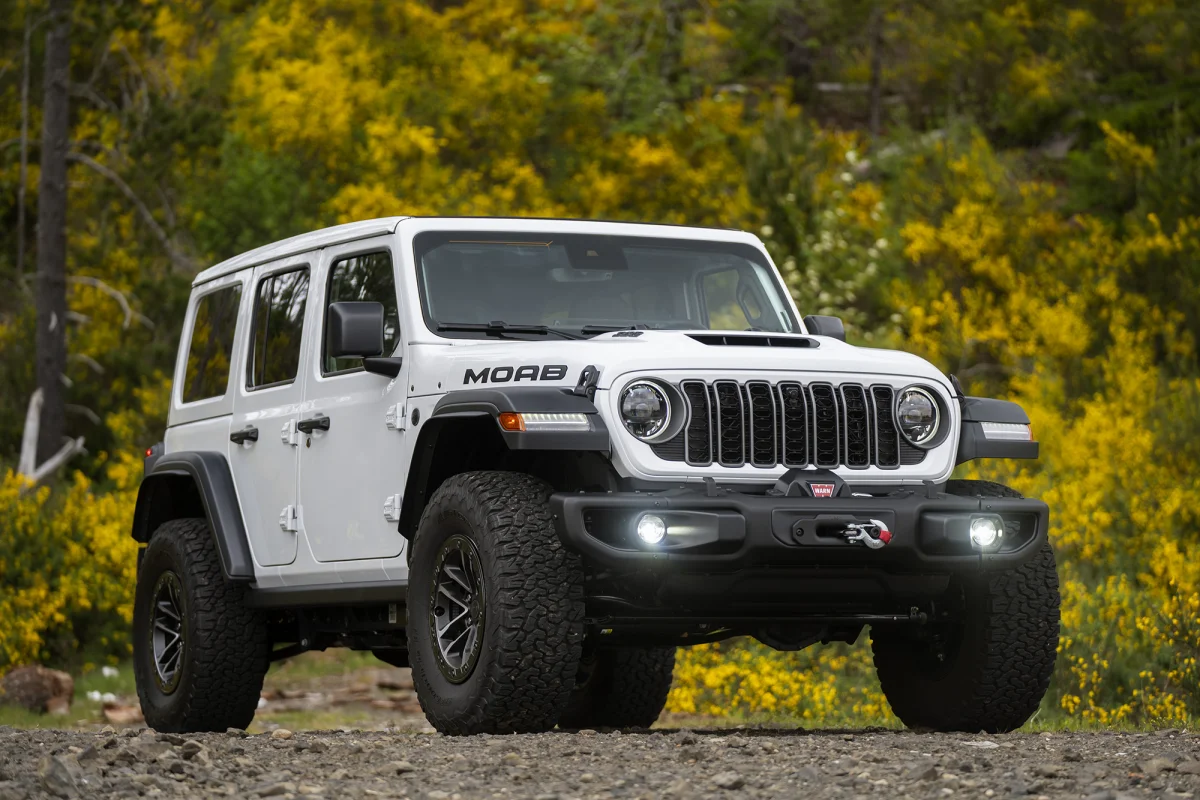
The Jeep Wrangler is the right answer for a very specific type of buyer. If you want serious off-road capability, removable doors, an available removable roof, distinctive styling, and a huge modification community, it offers an experience that the other two cannot reproduce.
It is also a strong option for drivers who see their SUV as a recreational vehicle rather than simply transportation. The tradeoff is everyday comfort. Steering, ride quality, wind noise, cargo space, and highway refinement are not its strongest areas. Buyers should select the Wrangler because they want its character, not because they expect it to behave like a conventional crossover.
The decision becomes easier when you match each vehicle to a typical owner. A family that needs comfortable transportation and occasional towing should consider the Grand Cherokee. An outdoor enthusiast who wants strong off-road ability while retaining everyday practicality should consider the 4Runner.
| Category | Winner | The Edge |
|---|---|---|
| Overall | Toyota 4Runner | Best balance of off-road capability, practicality, towing, and everyday usability |
| Off-Road Capability | Jeep Wrangler | Best trail hardware, solid axles, removable doors/roof, and Rubicon capability |
| Daily Driving | Jeep Grand Cherokee | Superior ride comfort, quieter cabin, and better road manners |
| Highway Comfort | Jeep Grand Cherokee | More refined and relaxed for long-distance driving |
| Practicality | Toyota 4Runner | Better combination of cargo space, passenger room, and rugged utility |
| Family Use | Toyota 4Runner | More versatile for families, outdoor gear, and road trips |
| Towing | Jeep Grand Cherokee | Up to 6,200 lb when properly equipped |
| Fuel Economy | Toyota 4Runner | Stronger efficiency potential, particularly with the hybrid powertrain |
| Performance | Jeep Grand Cherokee | Strong acceleration and up to 324 hp with the turbocharged engine |
