

California has some of the strictest vehicle emissions requirements in the United States. Cars sold, registered, or operated in the state may need to meet standards set by the California Air Resources Board, commonly called CARB, in addition to federal requirements.
These rules cover pollutants such as nitrogen oxides, carbon monoxide, hydrocarbons, and particulate matter. Certain vehicles that meet federal emissions standards may not qualify for California certification. This article looks at eight vehicle examples associated with emissions compliance problems, restrictions, or configurations that may not meet California requirements.

1. Dodge Viper
The Dodge Viper is famous for its enormous naturally aspirated V10 engine, low-slung body, and performance-focused engineering. Several generations of the Viper were built before modern emissions controls became as comprehensive as they are today.
Earlier examples can therefore create problems for buyers who want to bring an older Viper into California from another state. The exact situation depends heavily on the vehicle’s model year, certification label, equipment, and registration history. A Viper that was originally certified for California use is treated differently from a vehicle manufactured only for another emissions market.
The distinction between federal certification and California certification is important when considering a high-performance car such as the Viper. California has historically maintained emissions requirements that can be more demanding than federal standards.
Manufacturers have had to certify vehicles and engines for these requirements, with specific emissions-control equipment installed on qualifying vehicles. If a particular Viper lacks the required California emissions equipment, registering it in California can become difficult or impossible under normal circumstances. Owners should check the emissions label rather than relying solely on the vehicle’s name.
Older Vipers also illustrate why a vehicle’s age matters when discussing California emissions regulations. Rules governing used vehicles, imports, modifications, and registration have changed over time. A vehicle that could be registered under an older set of requirements may face different conditions if it is being brought into California today.
Engine swaps, exhaust changes, aftermarket intake systems, and removed emissions equipment can create additional problems. Even if a modified Viper runs well, its emissions configuration may no longer match the configuration under which it was certified.
Buyers should also pay attention to documentation before purchasing a Viper from outside California. The under-hood emissions label can provide valuable information about the vehicle’s certification status. A California-certified vehicle should have the appropriate emissions equipment and labeling for its model year.
Buyers should compare the identification information on the vehicle with registration documents and manufacturer information. This can prevent a costly situation in which a buyer discovers after purchase that the vehicle cannot be registered as expected.
The Viper is therefore better described as a vehicle that can create California emissions issues in certain versions and circumstances rather than a car that universally fails California rules. Its large engine does not automatically make it illegal, and California has permitted many high-performance vehicles with powerful engines.
The key question is whether the specific vehicle satisfies the emissions requirements applicable to its year and configuration. Anyone considering an out-of-state Viper should verify its certification before transporting or purchasing it for California use.
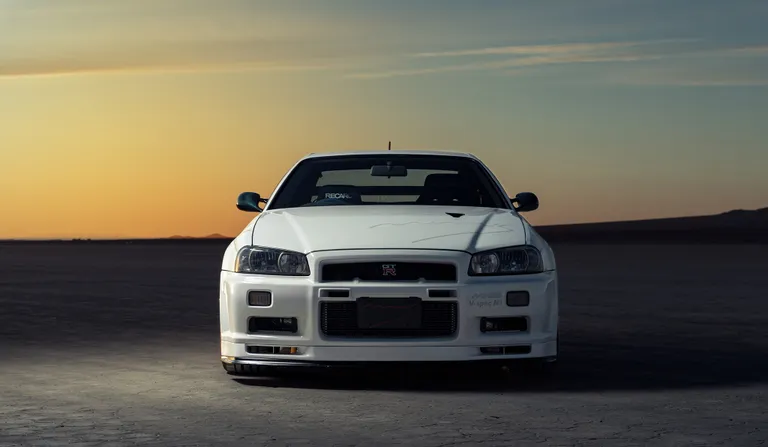
2. Nissan Skyline GT-R
The Nissan Skyline GT-R has become a highly desirable import among performance-car enthusiasts. Models such as the R32, R33, and R34 GT-R were built primarily for markets outside the United States, creating a major issue for California buyers.
These cars were not originally certified for the American market in the same way as vehicles sold through Nissan’s U.S. dealer network. Their engines, emissions systems, lighting equipment, safety components, and documentation may differ from U.S. requirements. California registration can therefore present significant challenges.
The age of a particular Skyline is a major factor. Federal import rules include provisions connected to vehicle age, while California has its own registration and emissions requirements. A vehicle becoming old enough for a federal import exemption does not automatically mean it satisfies every California registration requirement.
This distinction has caused confusion among enthusiasts who assume that reaching a certain age makes any foreign-market car immediately legal everywhere in the United States. California’s requirements must be considered separately.
The GT-R’s turbocharged RB-series engines can create additional concerns when emissions equipment has been altered. Many imported performance cars have been modified during their lives, particularly when they pass through enthusiast communities.
Turbocharger changes, engine-management modifications, exhaust systems, catalytic converter changes, and replacement intake components can affect emissions performance. A car may operate perfectly while still failing a required inspection or lacking the equipment expected for its certification status.
Importers also need to consider the history of the specific vehicle. A Skyline that was legally imported and properly registered through an appropriate process is different from a recently imported car with uncertain documentation.
Records can help establish how the vehicle entered the country and whether required modifications or inspections were completed. Buyers should not assume that a vehicle advertised as “federally legal” is automatically ready for California registration. Federal import status and California emissions compliance are separate issues.
The Nissan Skyline GT-R is a strong example of why famous imported cars can be difficult to classify as simply legal or illegal. The model itself is not the only factor.
Year, import pathway, emissions equipment, modifications, registration history, and California requirements all matter. Anyone considering a Skyline GT-R for use in California should verify the specific car’s status before paying a premium for it. A desirable badge does not remove the need for emissions documentation.
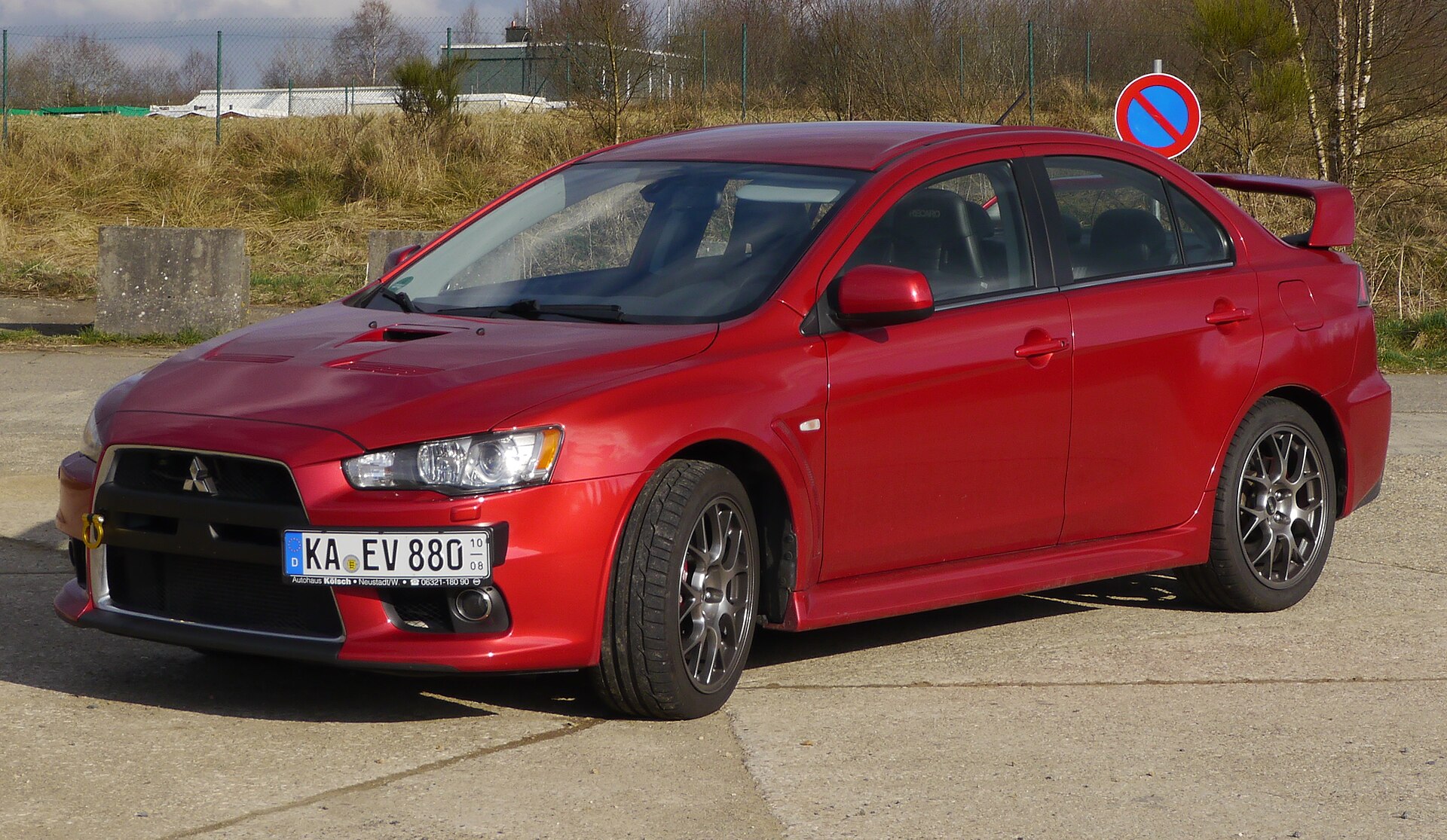
3. Mitsubishi Lancer Evolution
The Mitsubishi Lancer Evolution is another performance car that can create confusion around California emissions requirements.
The Evolution name covers several generations, and not every version was sold through the same channels or certified for the same markets. U.S.-market Evolutions sold through authorized dealers were engineered to comply with applicable American emissions requirements for their model years. Foreign-market versions can be a different story.
Performance enthusiasts have long modified Lancer Evolutions. Common modifications include upgraded turbochargers, exhaust systems, intercoolers, air-intake components, fuel systems, and engine-management software. These modifications can alter the vehicle’s emissions characteristics.
A modification that improves horsepower does not necessarily have California emissions approval. Parts that lack the appropriate certification or that interfere with required emissions equipment may cause problems during inspection or registration.
The catalytic converter is particularly important on modern gasoline vehicles. It helps reduce harmful pollutants in exhaust gases before they leave the tailpipe. Removing or replacing a required catalytic converter with a non-compliant component can make a vehicle fail emissions requirements.
Similar concerns apply to tampering with oxygen sensors, evaporative-emissions components, exhaust-gas controls, and other equipment designed to control pollutants. These systems are part of the vehicle’s emissions certification, not optional performance accessories.
Buyers should also distinguish between a factory U.S.-market Evolution and an imported example. A U.S.-market car may have the correct emissions label and hardware for California, while a foreign-market version may have been designed around different requirements.
Even when two cars share the same engine family, their emissions systems can vary. Software calibration, catalytic converters, evaporative controls, sensors, and exhaust components can all differ.
The Mitsubishi Lancer Evolution therefore belongs on a list of vehicles that can fail California emissions requirements in specific configurations rather than being universally prohibited.
A properly certified U.S.-market Evolution can meet applicable standards, while a heavily modified or improperly imported example may create registration problems. Anyone buying an Evolution should inspect the emissions equipment, check the certification label, and determine whether aftermarket modifications have appropriate approval for California use.
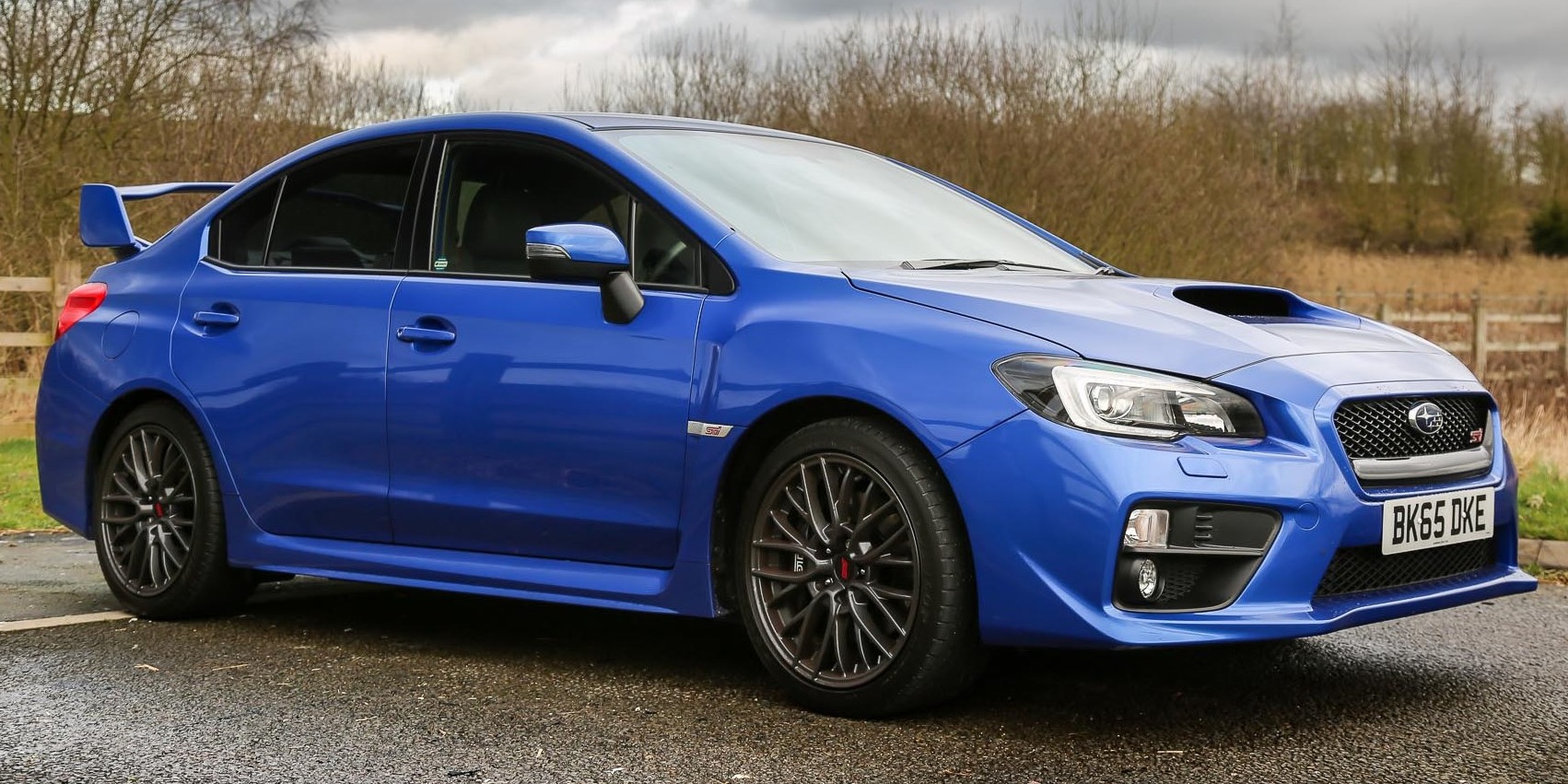
4. Subaru Impreza WRX STI
The Subaru Impreza WRX STI has a long history as a rally-inspired performance car. Its turbocharged engine and all-wheel-drive system have made it popular with enthusiasts, but modified examples can encounter California emissions problems.
The issue usually relates to the vehicle’s specific configuration rather than the WRX STI name itself. Factory vehicles sold for the California market were designed with emissions requirements in mind, while some imported or modified examples may not have the same certification.
Turbocharged engines rely on careful control of fuel, air, ignition timing, and exhaust gases. Changing engine-management software can alter these parameters significantly.
Performance tuners often modify boost pressure, fuel delivery, ignition timing, and other settings to produce more power. Such changes can also affect emissions output. If an aftermarket calibration does not comply with California requirements, a modified WRX STI can face problems even if the engine appears to run normally.
Exhaust modifications are another common source of concern. Enthusiasts frequently replace factory exhaust components with larger or less restrictive systems. Some replacement components may be designed for racing or competition use rather than street vehicles.
Removing emissions-control equipment or installing non-compliant components can violate emissions rules. The same principle applies to modifications affecting catalytic converters and oxygen sensors.
California also pays attention to evaporative emissions, which involve fuel vapors rather than exhaust gases alone. Modern vehicles use systems designed to prevent gasoline vapors from escaping into the atmosphere.
Altering fuel-system components, intake systems, or other emissions-related hardware can affect compliance. A vehicle owner may focus on the exhaust system while overlooking other components that form part of the certified emissions package.
A factory California-certified WRX STI should not be treated the same as a modified or foreign-market example. Buyers should examine the vehicle carefully before purchasing an enthusiast car.
Documentation, emissions labels, installed components, and modification history can reveal whether the vehicle remains in its certified configuration. The safest choice for a California buyer is a vehicle with clear certification and emissions equipment that has not been improperly altered.
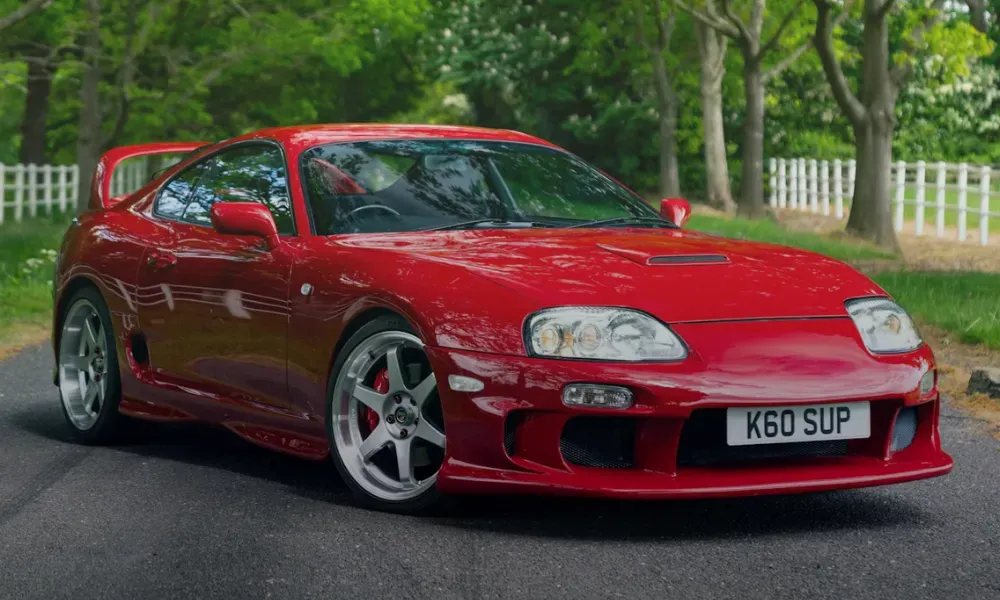
5. Toyota Supra
The Toyota Supra is another performance vehicle that deserves careful attention when discussing California emissions rules. The name covers several generations, from classic models to modern turbocharged versions.
Emissions regulations changed substantially across those decades, so a statement about the Supra as a whole would be misleading. Certain older imports and modified examples can create registration challenges, while factory U.S.-market cars with appropriate certification can meet applicable requirements.
Older Toyota Supras are particularly attractive to collectors and performance enthusiasts. Many have been modified over the years with larger turbochargers, aftermarket engine-management systems, exhaust systems, intake components, and upgraded fuel systems.
These changes may increase power substantially, but they can also affect the vehicle’s emissions certification. If required emissions equipment has been removed or altered, the vehicle may not meet applicable California requirements.
The fourth-generation Supra, commonly associated with its twin-turbocharged engine, illustrates the difference between a U.S.-market vehicle and an imported example. Cars originally built for markets outside the United States may have different emissions equipment and calibration.
A vehicle imported through a specialized process may require additional work to satisfy applicable requirements. Buyers should not assume that a foreign-market engine is equivalent to a U.S.-certified engine simply because the two versions share a similar design.
Modern Supra models present a different situation. Newer vehicles were developed for current emissions regulations and were sold through official U.S. channels.
That means the presence of a turbocharged engine or high horsepower does not itself make a modern Supra non-compliant. Manufacturers can meet strict emissions standards using sophisticated fuel control, catalytic converters, sensors, evaporative-emissions systems, and electronic engine management.
The Toyota Supra demonstrates why emissions compliance must be judged at the vehicle level. Model name, engine size, and performance statistics are not enough to determine whether a car meets California standards.
The specific model year, certification, engine configuration, equipment, and modifications all matter. Anyone buying a classic or imported Supra should confirm its California status before assuming registration will be straightforward.
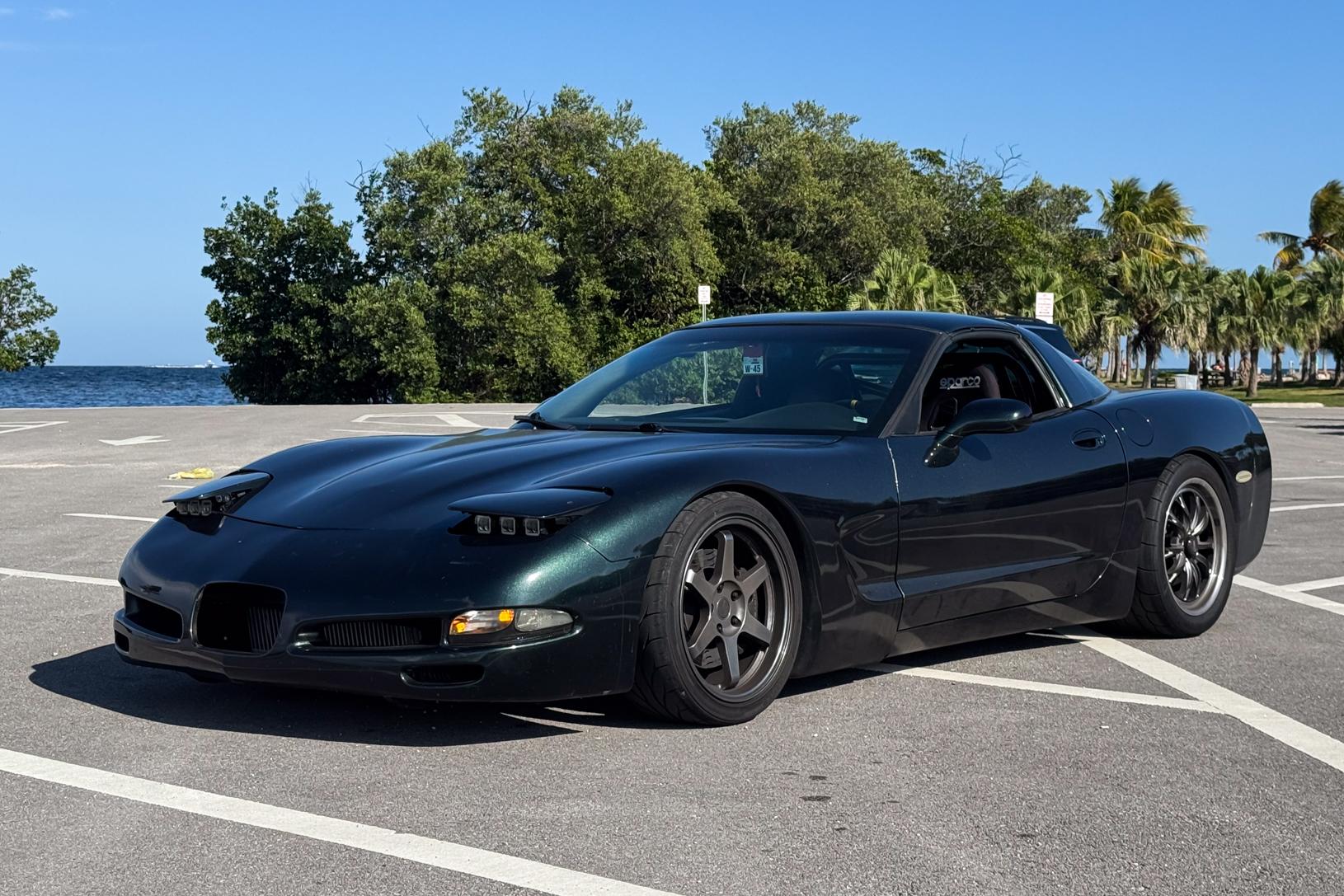
6. Chevrolet Corvette
The Chevrolet Corvette has been sold in California for decades, so it would be inaccurate to claim that Corvettes as a class fail California emissions rules. Factory California-certified Corvettes are designed to meet the emissions standards applicable to their model years.
Problems generally arise with particular older configurations, heavily modified cars, or vehicles originally intended for a different emissions market.
Corvette owners have a strong performance culture, and modifications are common. Exhaust systems, headers, intake systems, engine-control software, superchargers, and other upgrades can affect emissions.
Some components are specifically designed and approved for street use in California, while others are intended for competition or use outside California. Installing a performance component without considering its emissions status can create problems during inspection.
Older Corvettes can also have complicated histories. Classic cars may have undergone engine replacements, carburetor conversions, custom exhaust installations, or other mechanical changes.
The emissions requirements that apply to an older vehicle depend on its model year and configuration. An owner should not assume that a classic Corvette can be modified without restrictions simply because it is old.
The certification label is an important source of information. It can identify the emissions family and provide information relevant to the vehicle’s original certification.
When buying a used Corvette, examining the label and comparing the vehicle’s equipment with its original configuration can help identify potential concerns. A missing or altered emissions system should be treated as a warning sign.
For this reason, the Corvette should be viewed as a model with certain potentially non-compliant examples rather than a vehicle that California bans. Thousands of Corvettes have been manufactured and sold for use in the state while meeting applicable standards.
The real concern is whether a particular Corvette has the proper certification and remains equipped with compliant emissions-control systems. Buyers should verify the individual vehicle instead of judging compliance solely by its model name.
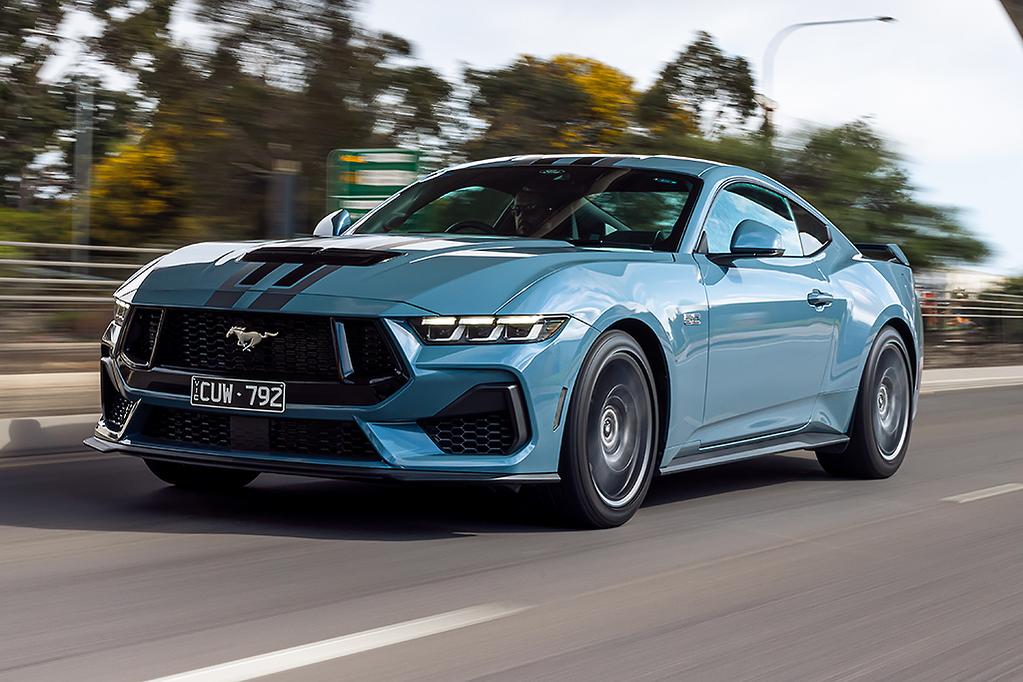
7. Ford Mustang
The Ford Mustang is one of America’s best-known performance cars, and California has received large numbers of them over many generations.
Factory California-certified Mustangs can comply with state emissions requirements, but certain modified, imported, or specially configured examples can cause problems. As with other vehicles, the model name alone does not determine emissions status.
Mustang owners frequently modify their cars for greater power. Common upgrades include cold-air intake systems, aftermarket exhausts, headers, superchargers, turbochargers, and engine-management changes.
Some aftermarket products have been developed with emissions compliance in mind, while others are intended primarily for competition or off-road use. A modification that changes the vehicle’s emissions-related components can affect whether it remains compliant.
Older Mustangs can present additional complications because emissions technology has changed dramatically over the years. Earlier engines used simpler systems than modern engines, while later vehicles incorporated sophisticated electronic controls and extensive emissions monitoring.
The rules applicable to a particular Mustang depend on its model year. Owners should therefore avoid applying modern assumptions to classic cars or treating older rules as if they apply to newer vehicles.
A Mustang purchased outside California also deserves closer inspection. A car originally sold in another state may have federal certification but lack California-specific certification for its particular configuration.
This does not mean every out-of-state Mustang is prohibited from registration. It means buyers should verify whether the exact vehicle meets the requirements applicable to its circumstances. Documentation can be especially important when purchasing a high-performance model with a complicated ownership history.
The Mustang is a good example of how emissions compliance and performance can coexist. Modern performance cars can produce impressive power while meeting strict emissions standards because manufacturers use advanced engine controls and emissions equipment.
The problem occurs when a vehicle is changed from its certified configuration or when an imported model was never certified for the California market. Buyers should focus on certification, equipment, and modifications rather than horsepower alone.

8. Mercedes-Benz G-Class
The Mercedes-Benz G-Class is a luxury SUV with a long production history and numerous engine configurations. Certain foreign-market versions can create emissions and registration complications in California, especially when they were never originally certified for the U.S. market.
Gray-market imports require particular attention because the vehicle may have been engineered around regulations from another country.
European-market vehicles can differ from their American counterparts in emissions hardware, engine calibration, fuel-system equipment, and other components.
Even when the underlying engine is similar, the emissions-control package may not be identical. California certification requires vehicles to satisfy the applicable requirements for their specific model year and configuration. A vehicle designed for another market does not automatically qualify.
Older G-Class models are sometimes imported because of their rarity or unique specifications. Buyers may be attracted to diesel engines, manual transmissions, short-wheelbase versions, or other configurations that were not widely offered in the United States.
However, rarity can make compliance more complicated. Parts and documentation needed to demonstrate emissions compliance may be difficult to obtain for an unusual foreign-market vehicle.
Diesel versions require particular attention because diesel emissions technology and standards have evolved substantially. Modern diesel vehicles use advanced systems to control nitrogen oxides and particulate emissions.
Older diesel engines may have been built before current control technologies became widespread. A vehicle’s age can affect which requirements apply, but owners still need to consider the specific rules governing registration and operation.
The Mercedes-Benz G-Class therefore belongs on this list because certain imported configurations can create California compliance issues, not because every G-Class fails emissions standards. U.S.-market examples that were properly certified are a different matter.
Anyone considering an imported G-Class should verify its emissions certification, import documentation, equipment, and registration history before making a purchase. Luxury and rarity do not guarantee regulatory compliance.
