
Muscle car history is filled with famous names, but plenty of powerful American machines have slipped from public attention. Some packed big-block engines, limited production numbers, factory performance packages, and serious street credentials without receiving the recognition enjoyed by Mustangs, Chargers, Chevelles, and GTOs.
Today, these forgotten muscle cars can be fascinating collector choices because they combine genuine performance with relative scarcity. Their values vary widely according to specification, condition, and history.
This ranking looks at twelve overlooked machines and places them according to their approximate collector value, rarity, performance reputation, and long-term appeal among enthusiasts seeking something different from the usual muscle car choices.
1. Buick GSX Stage 1
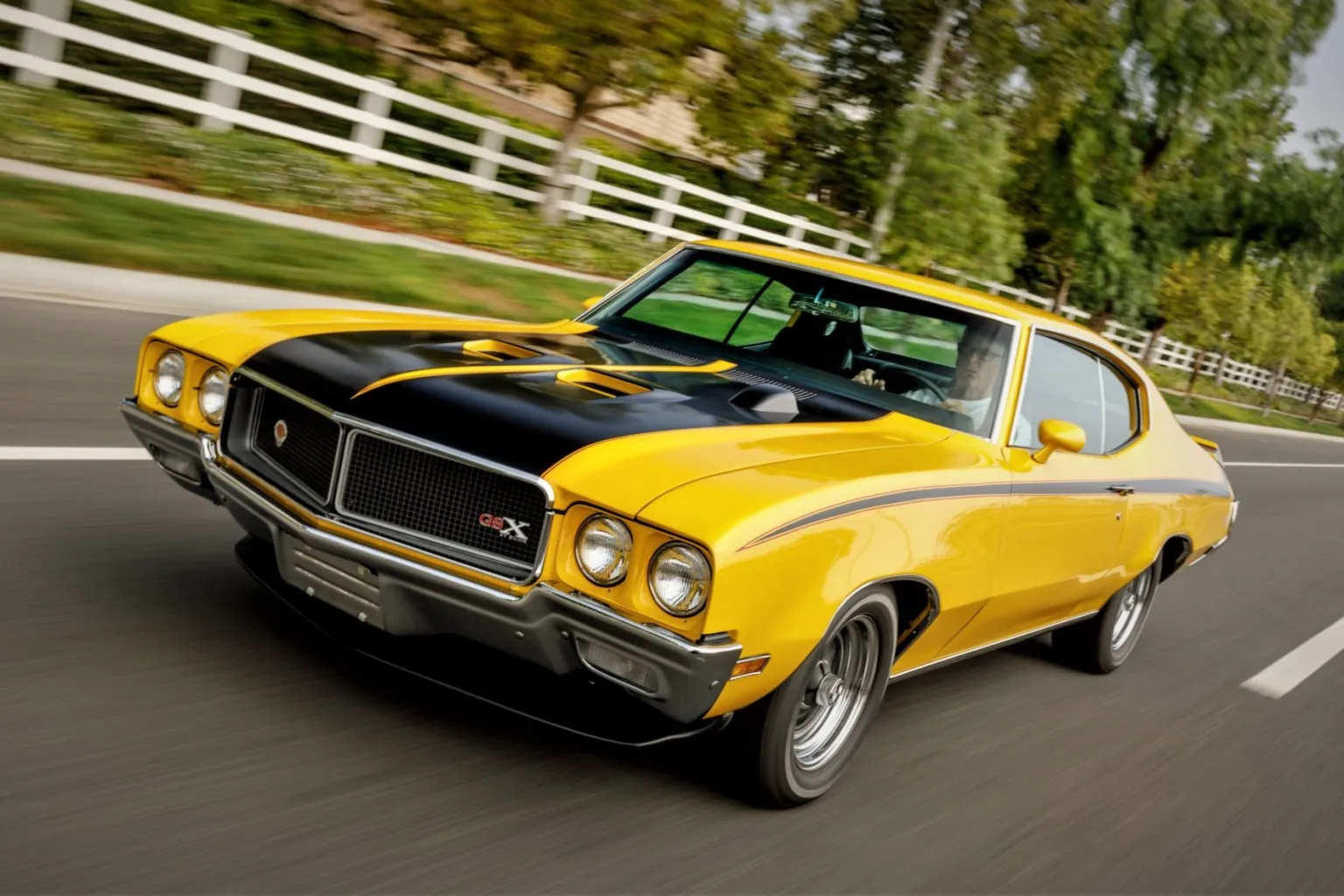
The Buick GSX Stage 1 deserves the highest position because it combined serious performance with Buick’s upscale character. Introduced for 1970, the GSX could be ordered with Buick’s Stage 1 455 cubic inch V8, producing 360 horsepower and a massive amount of torque. That combination gave the car considerable straight-line ability.
The GSX did not have the same cultural presence as a Chevrolet Chevelle SS or Dodge Charger. Buick buyers traditionally looked for comfort and refinement, which made the aggressive GSX styling a surprising departure.
Its large rear spoiler, hood-mounted tachometer, stripes, and distinctive colors gave it an unmistakable appearance.
Stage 1 cars are particularly valuable because the engine package was not simply a cosmetic option. The upgraded powertrain transformed the GSX into a serious performance machine.
Factory documentation becomes extremely important today because collectors want proof that a car originally carried its desirable equipment.
Values for high-quality GSX Stage 1 examples can reach well into six figures, with exceptional cars commanding substantially more than ordinary Buick muscle cars. Market benchmarks for comparable high-performance Buick models remain considerably above many forgotten alternatives, reflecting growing appreciation for the marque’s performance heritage.
The GSX therefore sits at the top of this list because it offers rarity, mechanical credibility, distinctive styling, and strong collector demand. It is no longer an inexpensive secret, but compared with better-known muscle cars of similar capability, the GSX still feels like a specialist’s choice.
2. Oldsmobile 4-4-2 W-30
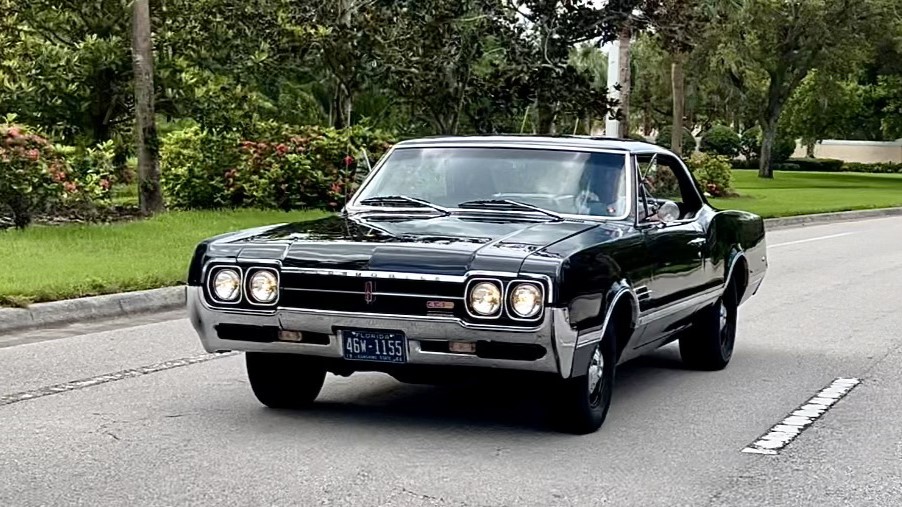
Oldsmobile’s 4-4-2 W-30 is hardly unknown among serious collectors, yet it remains less visible than the biggest-name muscle cars. The 1970 version is especially desirable, with a 455 cubic inch V8, distinctive W-30 components, performance-oriented suspension, and aggressive styling.
The W-30 package transformed the standard 4-4-2 into a much more serious machine. Special air induction equipment, engine components, suspension changes, and other performance features separated it from ordinary examples. Factory-built W-30 cars are highly sought after because authentic examples are increasingly difficult to locate.
The 4-4-2 also benefited from Oldsmobile’s position within General Motors. It could deliver huge performance while maintaining a more mature appearance than some rivals. That sleeper quality is part of its appeal, particularly for collectors who prefer engineering substance over obvious styling.
High-quality 1970 W-30 examples can command substantial six-figure prices in exceptional circumstances, while more ordinary cars remain less expensive. The difference between an authentic documented W-30 and a modified tribute car can be enormous, making provenance particularly important when evaluating one.
Its value ranking reflects the combination of performance, rarity, and recognition among informed collectors. Hagerty’s muscle car data has historically placed the 1970 4-4-2 W-30 well into the upper collector-car range, confirming that this Oldsmobile has moved far beyond its former reputation as an overlooked alternative.
3. Mercury Cyclone Spoiler
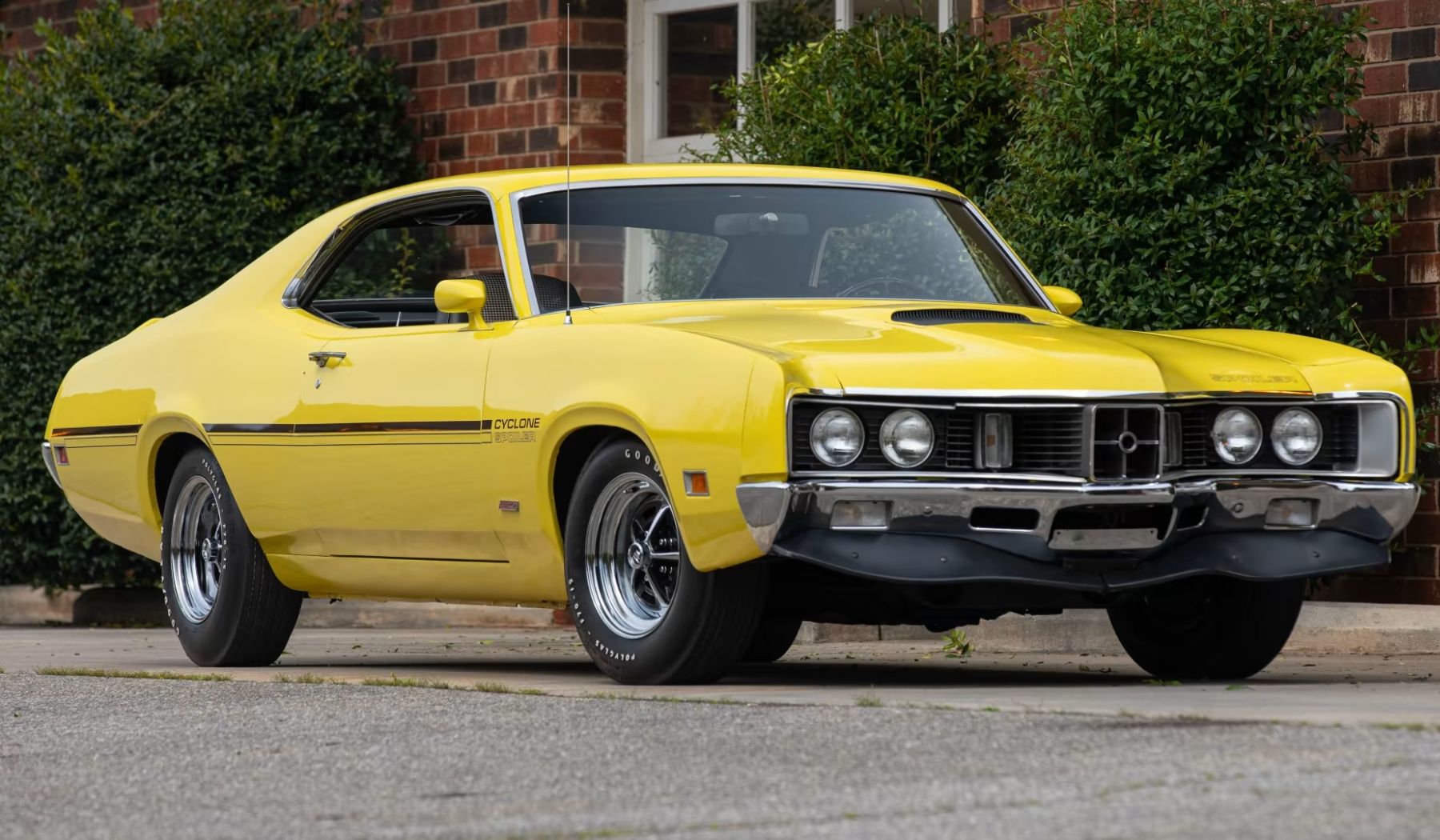
The Mercury Cyclone Spoiler is one of the most interesting forgotten Ford-family muscle cars. The Cyclone used a Torino-based platform and received powerful engines, dramatic fastback styling, and special performance variants. The 1970 version could be equipped with a 429 cubic inch V8.
Mercury’s problem was visibility. Ford had the Mustang and Torino, while Mercury occupied a more complicated position in the corporate lineup. Buyers looking for a recognizable performance badge often ignored the Cyclone, even when its mechanical specifications were extremely impressive.
The 1970 Cyclone offered several 429 configurations, including Cobra Jet and Super Cobra Jet engines. Ram-Air equipment was also available on certain performance versions. These combinations make correctly documented examples especially attractive to collectors who understand Ford’s complicated engine and option codes.
Current market data shows that Cyclones generally remain more affordable than similarly specified Ford and Mopar muscle cars. Classic.com has placed the broader third-generation Cyclone market around the tens of thousands of dollars, while exceptional Cobra Jet examples have sold for substantially more.
That gap between capability and price is exactly why the Cyclone deserves attention. A correctly optioned car with original drivetrain components can offer considerable historical importance without requiring the budget associated with a famous Hemi-powered nameplate.
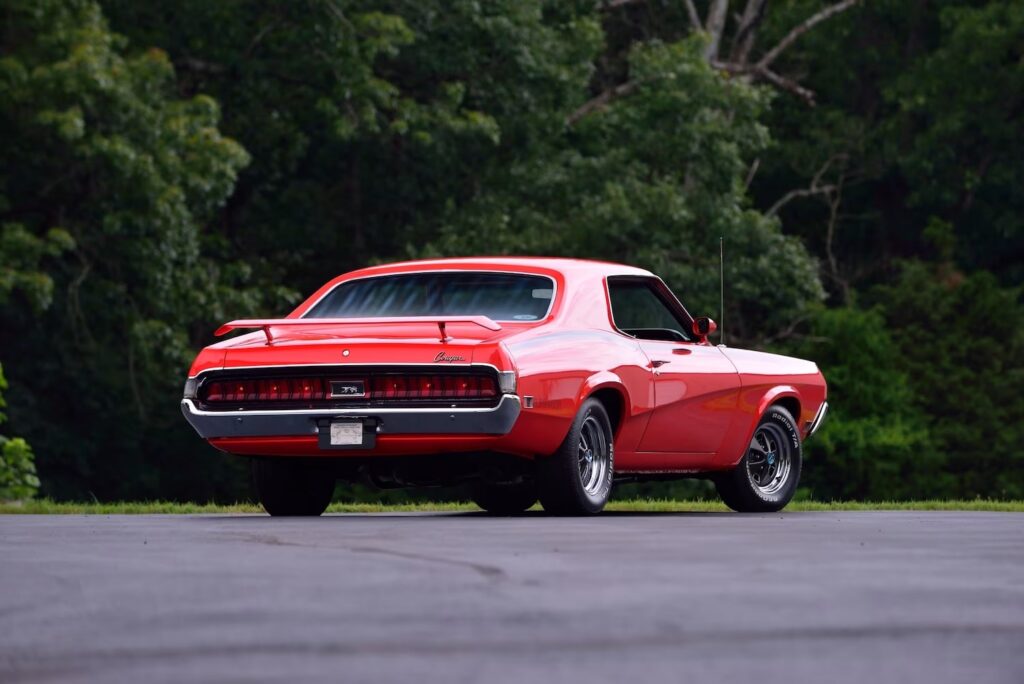
4. Mercury Cougar Eliminator
The Mercury Cougar Eliminator represents another overlooked performance car from Ford’s lineup. While the Mustang dominated the pony-car conversation, the Cougar offered a more sophisticated alternative. The Eliminator package added aggressive styling and could be combined with several potent engines.
The most desirable versions include cars equipped with the 428 Cobra Jet, 428 Super Cobra Jet, or other high-performance powertrains. These engines transformed the Cougar from a sporty personal coupe into a serious muscle machine capable of competing with better-known rivals.
The Cougar’s styling also helps distinguish it from the Mustang. Its hidden headlights, longer body, and more upscale interior gave it a personality of its own. Collectors increasingly appreciate these differences because they make the Eliminator feel like a genuine alternative rather than simply a Mustang derivative.
Values vary enormously according to engine and documentation. A standard Cougar is not remotely comparable to an authentic Eliminator with a desirable big block. Originality, factory records, matching drivetrain components, and correct trim can make a major difference in market value.
For collectors, the Eliminator provides an appealing combination of style and performance. It has enough recognition to attract serious buyers, but it remains far less common at major shows than Mustang variants. That makes it an excellent choice for someone seeking a recognizable but less predictable piece of Ford muscle-car history.
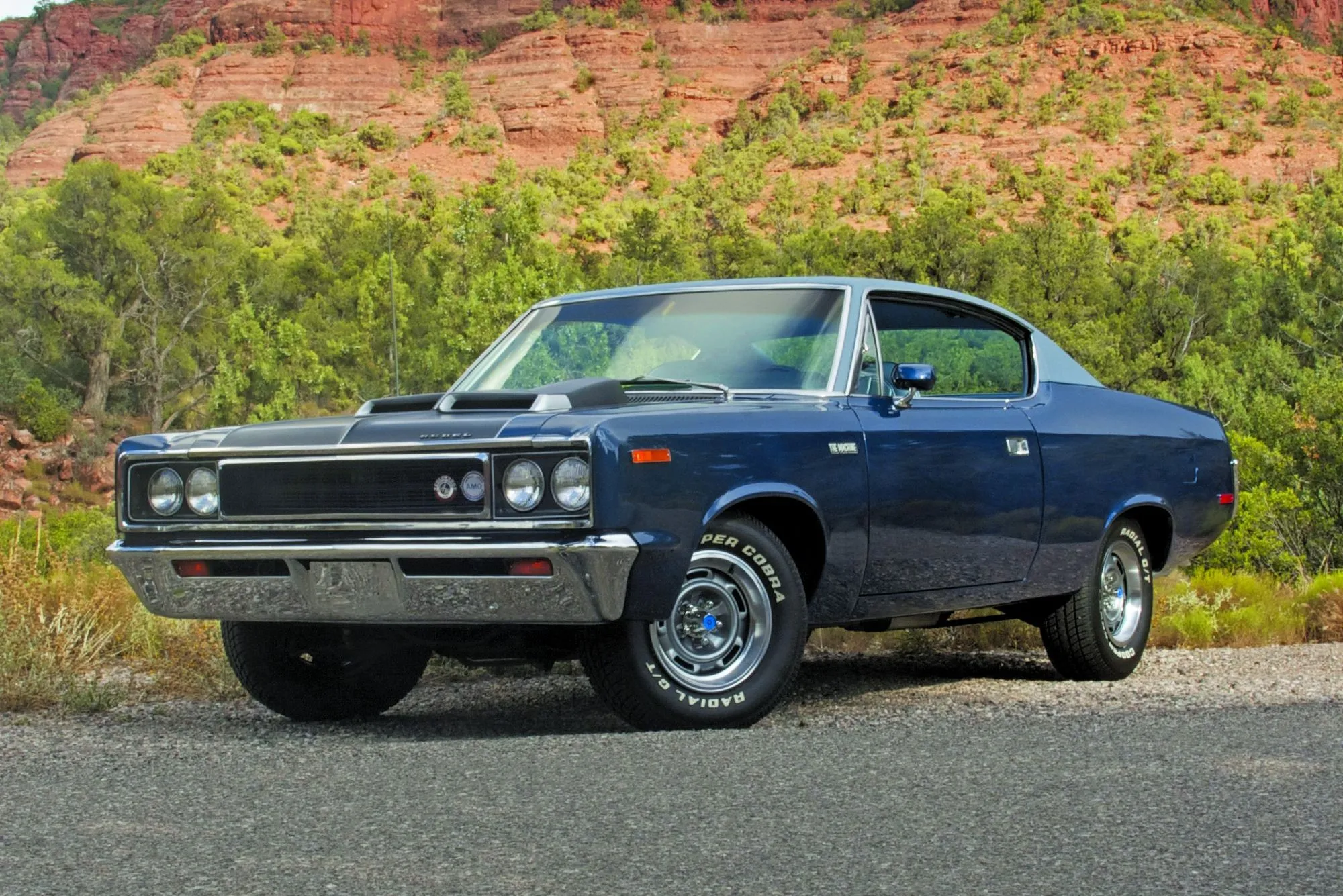
5. AMC Rebel Machine
The 1970 AMC Rebel Machine is perhaps the most entertaining car on this list. AMC gave the midsize Rebel a 390 cubic inch V8 producing 340 horsepower, a four-speed option, aggressive suspension tuning, distinctive graphics, and an appearance that made subtlety almost impossible.
Only 2,326 Rebel Machines were produced, giving the model genuine scarcity. The first examples were especially colorful, featuring the famous red, white, and blue presentation. Later cars were available in additional colors, but early examples remain particularly interesting to collectors.
The Rebel Machine was never intended to defeat every Chevrolet, Ford, or Chrysler competitor. Its mission was different. AMC wanted a bold performance car that reflected the company’s independent personality. That individuality has become one of its strongest collector advantages.
Market values have risen considerably from the days when Rebel Machines could be found cheaply. Classic.com currently records a high sale of $145,750 for a 1970 Rebel Machine, while its broader market benchmark sits far below that figure.
The spread between average cars and exceptional examples demonstrates why buying a Rebel Machine requires careful research. Authenticity matters, particularly with rare colors, drivetrain combinations, factory documentation, and early production details. For enthusiasts, few muscle cars offer this much personality without carrying a famous Chevrolet or Mopar badge.
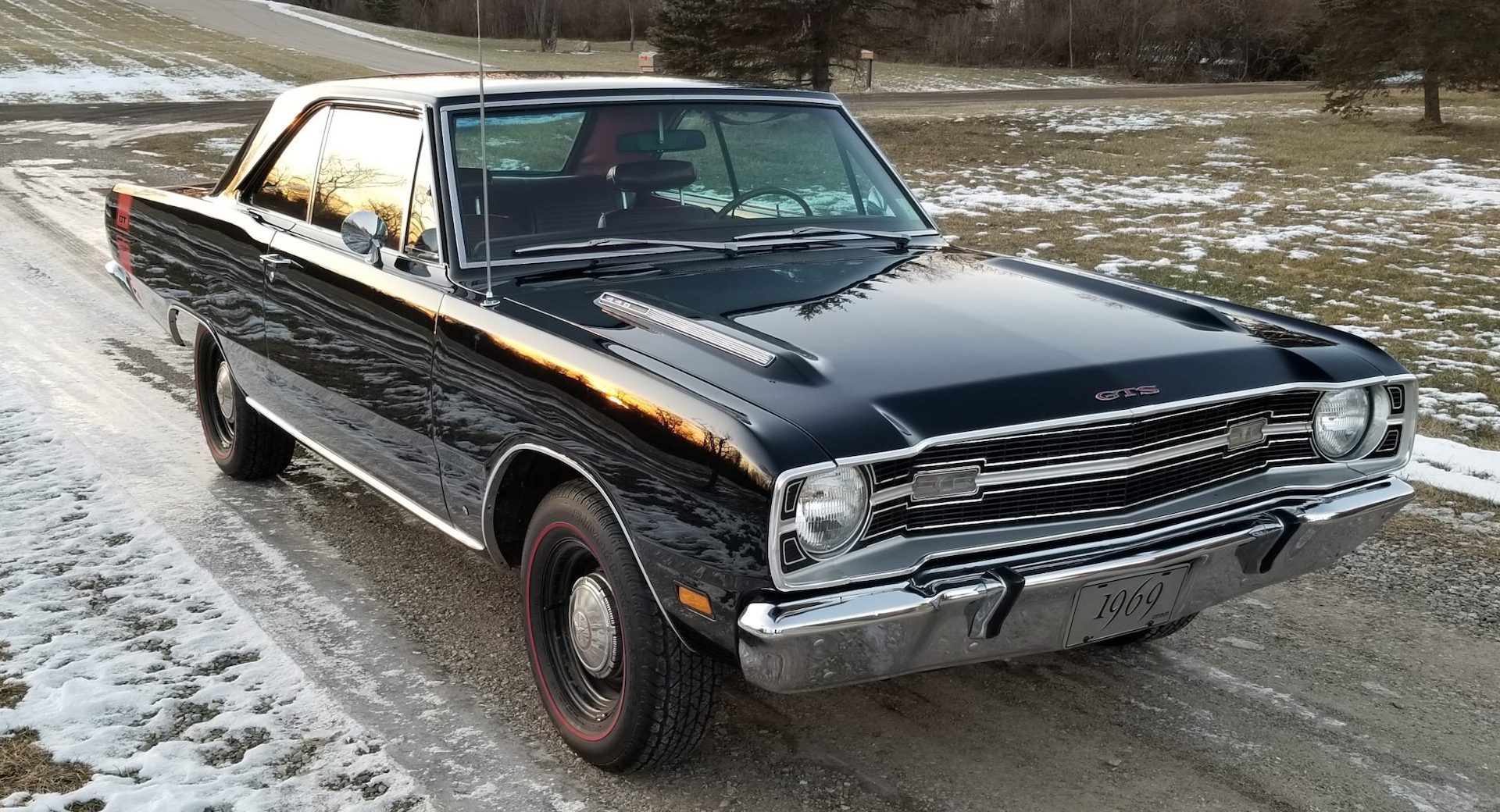
6. Dodge Dart GTS 440
The Dodge Dart GTS 440 is a perfect example of a compact car hiding a surprisingly serious powertrain. The Dart was smaller than the big-block B-body Mopars, yet Dodge offered versions with enormous engines and aggressive performance equipment.
The 440 cubic inch V8 gave the compact Dart a remarkable power-to-weight ratio. That combination made the GTS 440 an entertaining street machine and an important part of Dodge’s performance history. Its relatively small body also made it visually different from the larger Charger and Coronet.
Collectors pay close attention to factory documentation because Dart GTS cars have been reproduced and modified extensively. A genuine big-block example with correct equipment is considerably more valuable than a standard Dart converted into a tribute car.
Values can range from moderate collector territory to significantly higher figures for exceptional, documented examples. Condition and drivetrain authenticity are particularly important because many surviving Darts have experienced engine swaps, transmission changes, custom paint, or other modifications during their lives.
The GTS 440 earns its position because it combines Mopar performance with relative obscurity. Buyers who want the excitement of a big-block Dodge without paying the premium associated with a Hemi Charger may find the Dart an intriguing alternative.
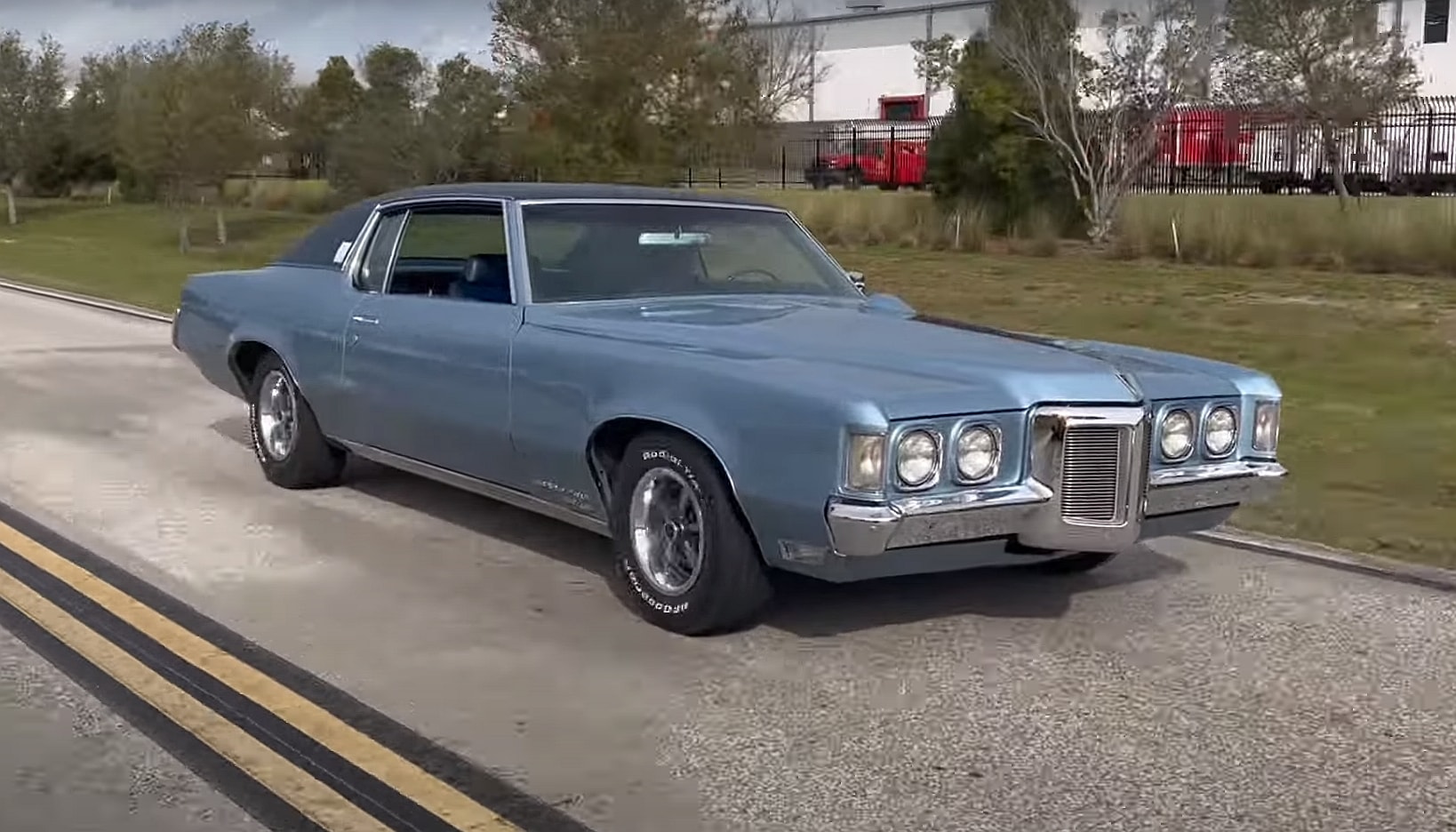
7. Pontiac Grand Prix 428
The Pontiac Grand Prix is generally remembered as a stylish personal luxury coupe, but certain late-1960s versions had enough performance hardware to qualify as serious muscle-car territory. The 428 cubic inch Pontiac V8 was the key ingredient.
Pontiac’s strategy was different from that of Chevrolet. The Grand Prix emphasized comfort, size, styling, and torque while still offering strong acceleration. That combination made it appealing to drivers who wanted performance without giving up a substantial interior.
The 428 versions are particularly interesting because the engine provided strong low-end torque and considerable highway performance. A properly optioned Grand Prix could cover ground rapidly while remaining far more comfortable than many dedicated muscle cars.
Collector values remain below those of famous Pontiac GTO variants. That difference reflects market recognition more than mechanical weakness. The Grand Prix simply never developed the same performance identity, leaving many examples undervalued relative to their specifications.
A well-preserved 428 car can therefore be an attractive purchase for collectors seeking something unusual. Documentation is essential, since desirable engine combinations can substantially affect value. Original interiors, factory equipment, and correct drivetrain components can make an otherwise ordinary-looking Grand Prix considerably more interesting.
8. Plymouth Sport Fury GT
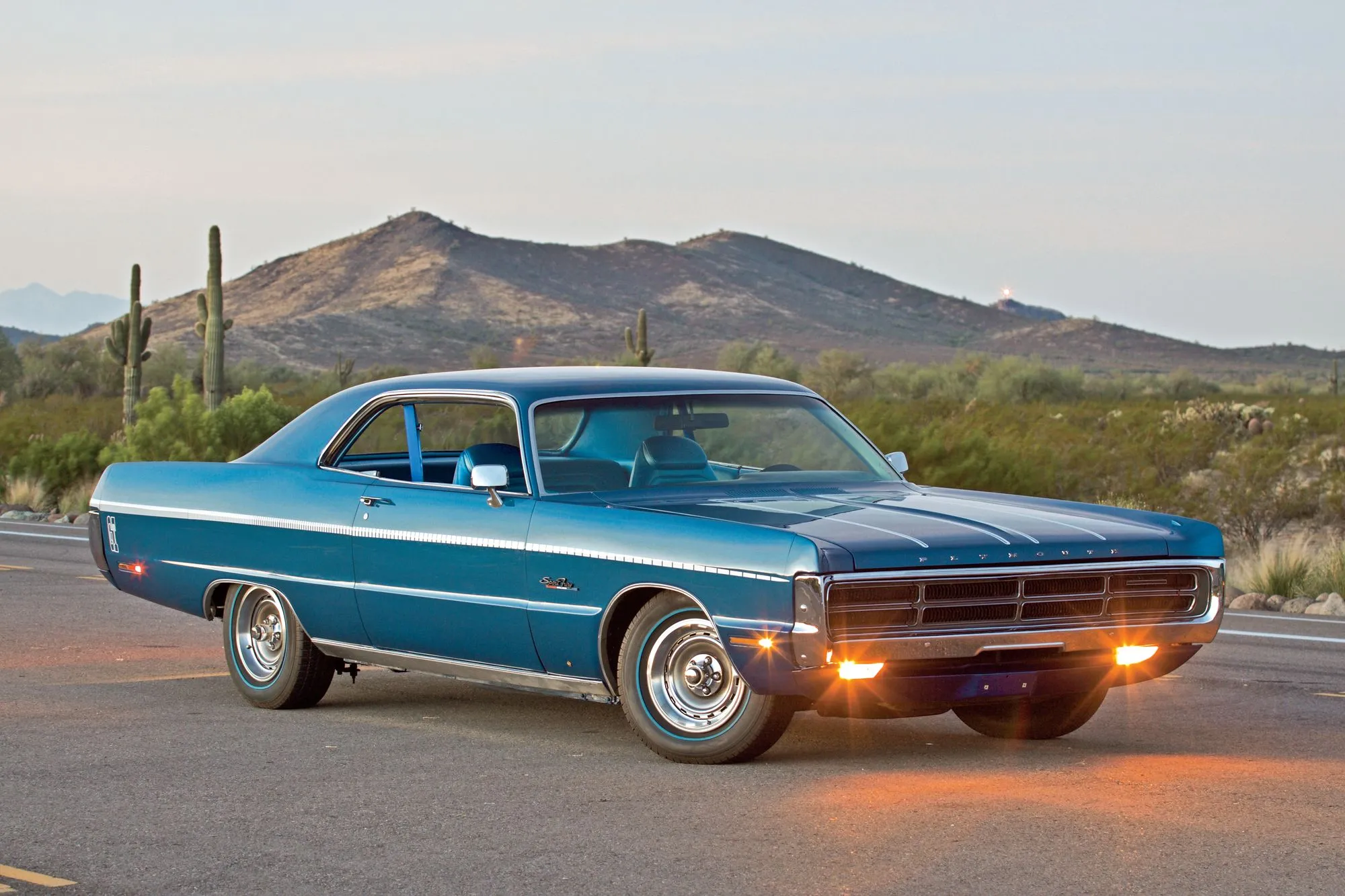
The Plymouth Sport Fury GT was another performance-oriented model that became overshadowed by the Road Runner, GTX, and Barracuda. It offered aggressive engines and a larger, more luxurious body, creating a combination that appealed to buyers wanting power without a stripped-down interior.
The Sport Fury GT could be ordered with substantial V8 power, including big-block configurations. Its size gave it a different character from compact Mopar performance cars. Rather than focusing entirely on lightweight acceleration, the car delivered high-speed cruising ability and abundant torque.
Its relative obscurity is now part of its appeal. Few people expect a large Sport Fury to receive the same attention as a famous Road Runner, which means an authentic performance example can surprise people at shows and auctions.
Values remain highly dependent on engine configuration and originality. A basic Fury is not comparable with a factory performance model, so collectors need to verify the car’s original specifications before assigning a premium.
For buyers interested in forgotten Mopar products, the Sport Fury GT is worth considering. It provides genuine period-correct performance while avoiding the extreme prices attached to the most famous Chrysler Corporation muscle cars.
9. Chevrolet Monte Carlo SS 454
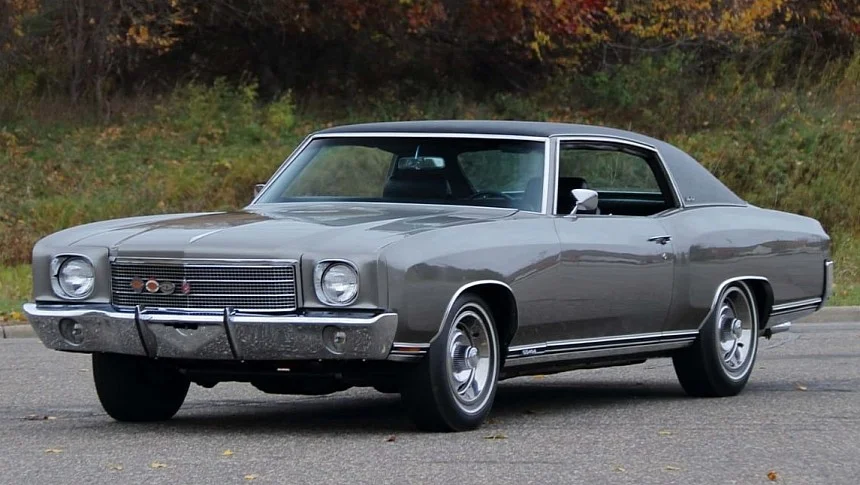
The 1970 and 1971 Chevrolet Monte Carlo SS 454 occupies an unusual position in muscle-car history. Its styling leaned toward personal luxury, yet the SS 454 package brought a large displacement V8 and considerable performance.
The Monte Carlo’s long hood and formal appearance made it look more sophisticated than a typical street brawler. That character helped distinguish it from the Chevelle, even though the two cars shared important mechanical architecture.
The SS 454 used Chevrolet’s big-block power, giving the Monte Carlo strong acceleration and highway performance. Its luxury-oriented presentation also made it an interesting choice for drivers who wanted a comfortable car with serious mechanical ability.
Values have generally remained below the best-known Chevelle SS models. That difference creates an opportunity for collectors who want a big-block Chevrolet without paying the full premium associated with the most famous body styles.
Originality matters greatly because Monte Carlos have frequently been modified. A correctly documented SS 454 with its original drivetrain, interior, trim, and factory equipment can command a meaningful premium over an ordinary Monte Carlo carrying a replacement big block.
10. Buick GS 455
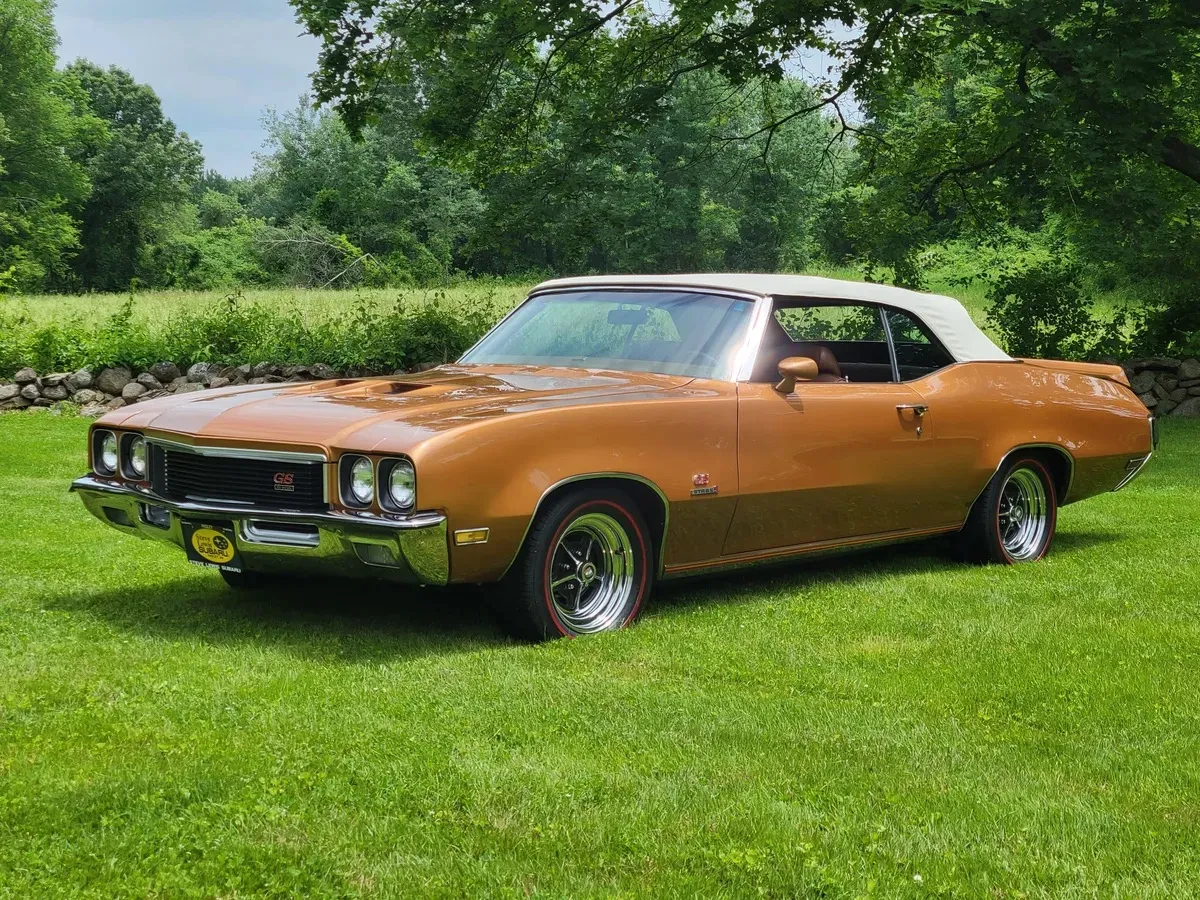
The Buick GS 455 deserves attention even when it is not equipped with the top-tier GSX package. Buick’s 455 cubic inch V8 delivered huge torque, and the Grand Sport provided a more understated alternative to the flashy muscle cars dominating magazine covers.
The GS could look relatively restrained compared with a Charger or Chevelle. That appearance made it an effective sleeper, particularly when equipped with the right performance options. Its appeal today comes partly from that combination of luxury and mechanical strength.
Buick’s 455 engines were known for substantial torque rather than simply chasing impressive horsepower numbers. That characteristic suited the GS perfectly. The car could deliver effortless acceleration while remaining comfortable enough for long-distance driving.
Collector values depend heavily on year and specification. Ordinary GS examples remain considerably less expensive than rare GSX Stage 1 cars, while correctly documented high-performance versions can command serious money.
The GS 455 is therefore a strong choice for someone who values engineering and individuality. It does not carry the same universal recognition as a Chevelle SS, yet it provides a convincing old-school muscle-car experience with plenty of character.
11. Mercury Marauder X-100
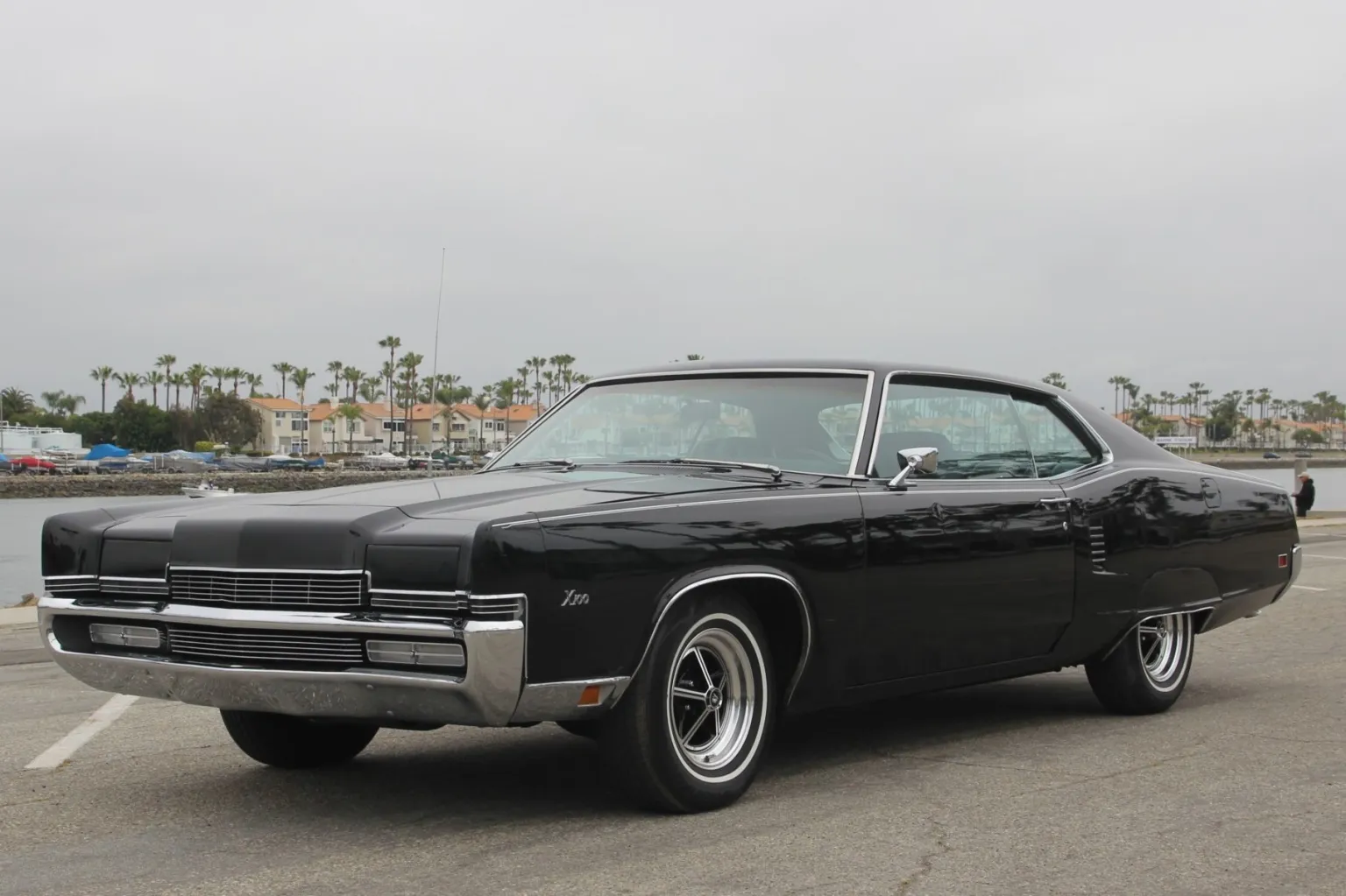
The Mercury Marauder X-100 is often forgotten because it sits between traditional muscle cars and full-size performance coupes. Its large dimensions and luxury-focused presentation make it easy to overlook, but the X-100 could carry substantial V8 power.
The Marauder’s appeal comes from its combination of size, torque, and rarity. This was not a lightweight drag-strip special. It was a powerful highway cruiser built for drivers who wanted speed without sacrificing comfort.
Large performance cars from this period generally struggle for attention because collectors tend to focus on compact and midsize muscle cars. That market preference has kept many Marauder examples relatively affordable compared with cars carrying more famous performance badges.
A highly original X-100 can therefore be an interesting purchase. Correct wheels, trim, engine equipment, interior details, and documentation can significantly improve its appeal. Modified examples are less useful for collectors seeking historical authenticity.
The Marauder earns a place on this list because it demonstrates how broad the muscle-car category really was. Performance did not always come in a small body with racing stripes. Sometimes it arrived as a large Mercury with a powerful V8 and a comfortable cabin.
12. AMC Hurst SC/Rambler
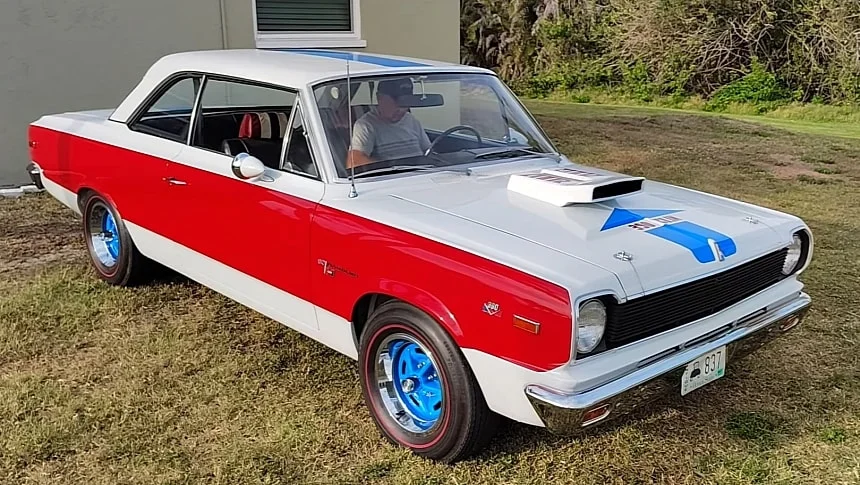
The AMC Hurst SC/Rambler may sit at the bottom of this value ranking, but it is arguably one of the most entertaining cars here. Based on the compact Rambler American, it combined a 390 cubic inch V8 with a four-speed manual transmission and Hurst equipment.
The SC/Rambler was produced for the 1969 model year and was built in limited numbers. Its loud graphics and unusual proportions made it impossible to confuse with an ordinary Rambler. AMC was clearly targeting young buyers interested in drag racing and performance.
The car’s short wheelbase and large engine created an entertaining mechanical package. It was not refined, elegant, or subtle. Instead, the SC/Rambler embraced the idea of fitting serious American V8 power into a compact body.
Values have increased as collectors have recognized AMC’s importance in the muscle-car era. Even so, SC/Ramblers generally remain more attainable than the rarest Hemi Mopars, specialty Mustangs, and top Chevrolet models. Authenticity remains crucial because tribute cars are common.
Its final position on this list should not be interpreted as a lack of importance. The SC/Rambler represents exactly what makes forgotten muscle cars interesting. It is unusual, mechanically distinctive, historically significant, and immediately recognizable to people who know the period.
