
The sedan market may look smaller than it once did, but several automakers are still investing in four-door cars for the next generation of buyers. From affordable compact models to premium performance sedans, the 2028 model year could bring major changes in styling, technology, efficiency, and powertrains.
Some future cars are already supported by manufacturer plans or credible reports, while others remain subject to change. This guide looks at eight sedans connected to the 2028 timeframe and examines what their next redesigns could mean for buyers. It also separates confirmed information from expectations, giving readers a clearer picture of what may arrive.
1. Toyota Corolla
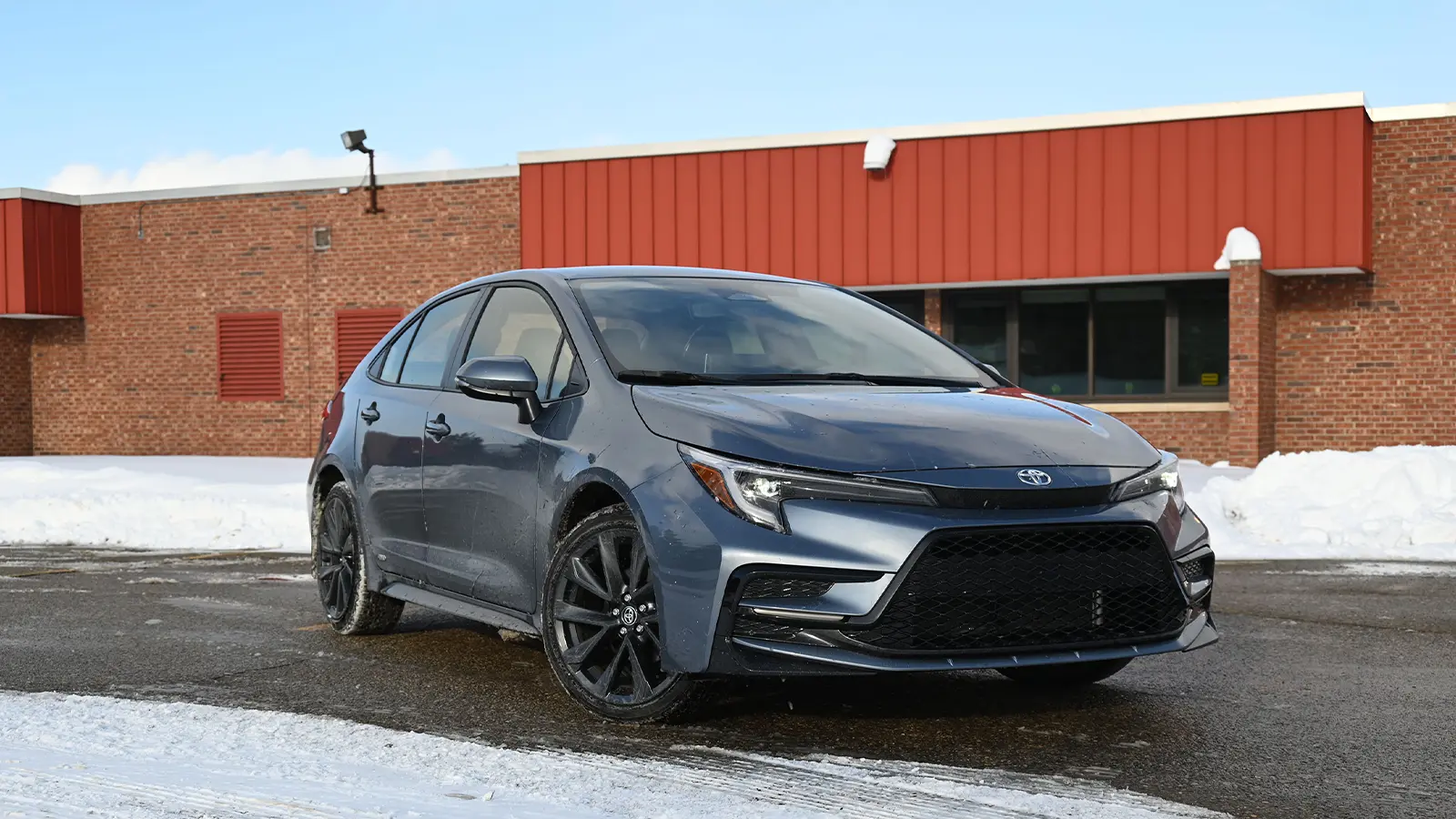
The Toyota Corolla is a strong candidate for a major redesign around the 2028 model year. Toyota has already shown a futuristic Corolla concept that points toward a much more dramatic design direction for its compact sedan.
The concept featured sharp bodywork, distinctive lighting, and a more aggressive stance than the familiar Corolla sold today. Reports suggest Toyota intends to retain the nameplate’s practical character while giving it a more modern identity.
A redesigned Corolla could be particularly important because Toyota has managed to keep the name relevant while much of the compact sedan market has contracted. The next generation is expected to focus heavily on efficiency, affordability, and technology.
Toyota could also give customers a wider choice of electrified powertrains, potentially including hybrid, plug-in hybrid, and battery-electric configurations in selected markets. Exact specifications have not been announced, so those details should be treated as expectations rather than final production information.
The exterior could receive the most noticeable transformation. The concept points toward a lower roofline, sharper surfaces, slim lighting elements, and a more aerodynamic body. Such changes would give the Corolla a stronger visual connection with newer Toyota products.
A more sophisticated design could help attract younger buyers who currently prefer crossovers because they appear more distinctive than traditional compact sedans.
The cabin could receive an equally important update. Buyers increasingly expect large displays, wireless smartphone connectivity, improved driver assistance, and more advanced voice controls even in affordable vehicles.
Toyota has plenty of technology already available across its lineup, so the next Corolla could benefit from systems that have already reached higher-priced models. A cleaner dashboard layout and better materials would also help the car compete with newer compact rivals.
The biggest question concerns timing and powertrain availability. The 2028 Corolla has been widely discussed as a future model, but Toyota has not released a complete production specification sheet.
That means shoppers should be cautious about claims involving exact horsepower, battery capacity, pricing, or range. Still, the concept and Toyota’s broader product direction make the Corolla a particularly interesting sedan to watch as the industry approaches 2028.
2. Honda Accord
The Honda Accord is another name that deserves attention when discussing future 2028 sedans. The current generation arrived for the 2023 model year, and Honda has indicated that a substantial update is coming.
A senior Honda executive previously described the future Accord as a car that would feel like a new model, with a stronger emphasis on sportier character. Reports have linked the redesign direction to Honda’s hybrid sedan prototype.
There is an important timing issue here. Some reports have described a major 2028 Accord overhaul, while more recent reporting suggests Honda has pushed the true next-generation Accord further into the future.
That distinction matters. The car could receive extensive changes around the 2027 or 2028 period without technically becoming a completely new generation. For an accurate article, it is better to describe the upcoming Accord as a major redesign or overhaul rather than claim that Honda has officially confirmed an all-new 2028 generation.
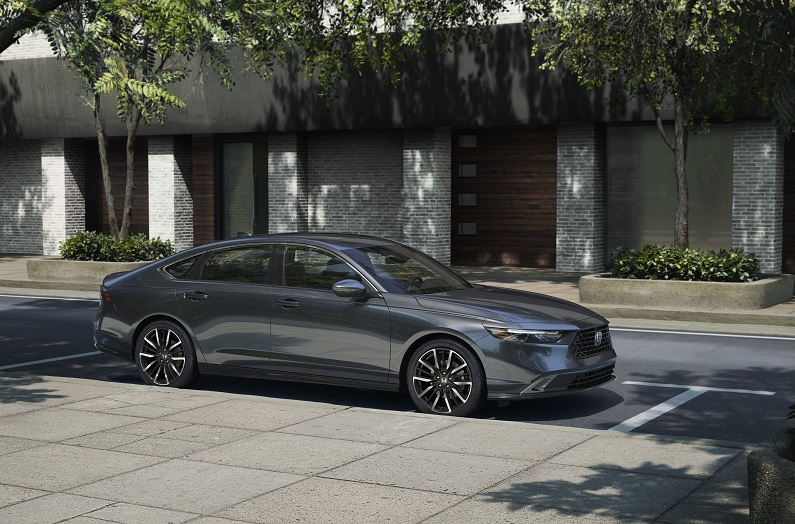
Styling is expected to become more adventurous. Honda’s hybrid sedan prototype provided a clear look at design ideas that could influence the next Accord, including a sharper front end, slimmer lighting, and a more aerodynamic silhouette.
Independent renderings have also imagined a fastback-style roof. None of those renderings represent an official production vehicle, but they show how Honda’s current design direction could translate to its midsize sedan.
Powertrain changes could be just as significant. The Accord already offers a hybrid system, and future versions are expected to place even greater emphasis on electrification.
Reports have suggested improved efficiency and the possibility of Honda’s S+ Shift system reaching the Accord. The system simulates gear changes through software and drivetrain control rather than using a traditional multispeed transmission. It could give the hybrid sedan a more engaging driving character without abandoning efficiency.
For buyers, the next Accord could become a test of how far a traditional family sedan can evolve without losing its practical strengths. Honda has strong reasons to keep the Accord competitive because the nameplate remains important to its U.S. sedan business.
The company has also continued investing in hybrid technology while adjusting its electric-vehicle strategy. That combination could make the future Accord more efficient, more technologically advanced, and visually more distinctive.
3. Hyundai Elantra
The Hyundai Elantra belongs on this list with a timing correction. Hyundai has already revealed the next-generation Elantra for its home market under the Avante name, with the U.S. version expected to arrive for the 2027 model year.
That means it is not technically a 2028 redesign. However, the car will still be a fresh-generation sedan entering the market immediately before the 2028 model year, making it highly relevant to shoppers considering a 2028 compact car.
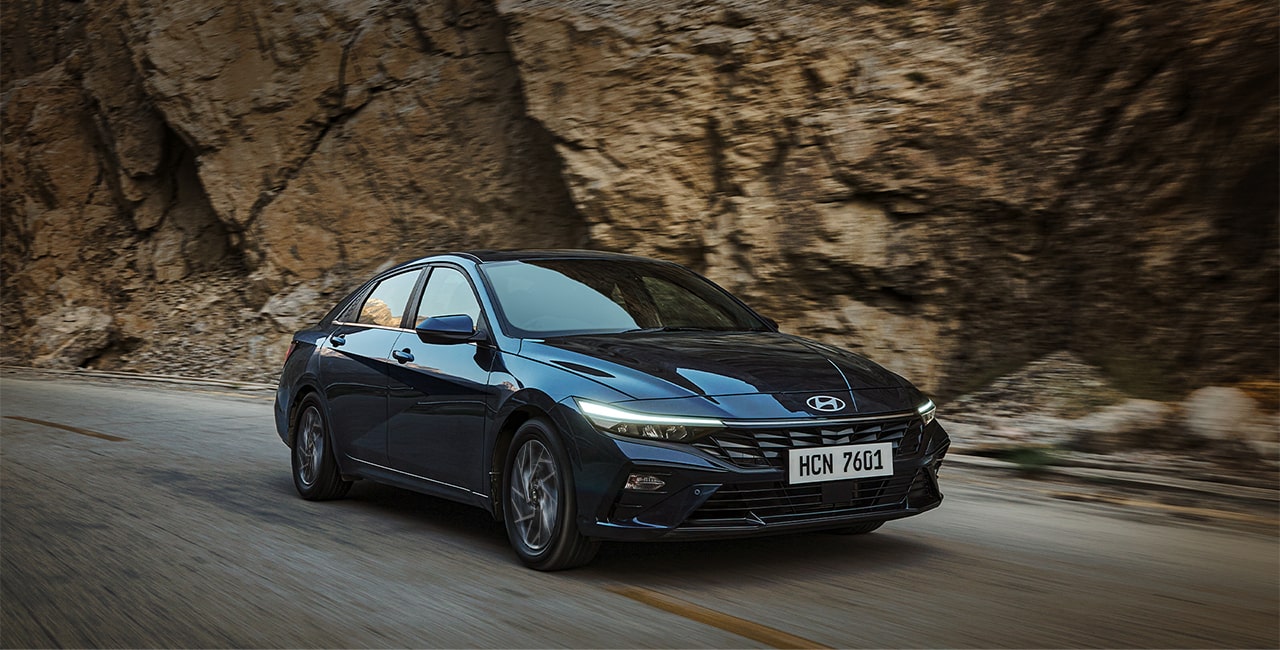
The new Elantra represents a major change in design philosophy. Spy photographs and Hyundai’s reveal show a much sharper vehicle with unusual lighting signatures and more angular surfaces. The new styling gives the sedan a stronger road presence without abandoning its compact proportions. Hyundai has also indicated that the model will continue using four-cylinder engines, with hybrid technology expected to remain part of the range.
The redesigned cabin could also help the Elantra compete against newer rivals. Hyundai has spent several years improving the technology and interior presentation of its vehicles, and the next Elantra follows that pattern. Buyers can reasonably expect modern displays, connected services, advanced driver assistance, and a more contemporary dashboard.
Exact U.S. specifications may differ from the Korean-market Avante, so final equipment should be checked when American pricing and trims are announced.
Efficiency will probably remain central to the Elantra’s identity. Compact sedan buyers tend to care about fuel economy, purchase price, operating costs, and practicality. A hybrid version would give Hyundai a useful response to Toyota’s increasingly strong hybrid lineup.
Hyundai has also announced a large product expansion through 2030, including an all-new Elantra as part of that strategy. The company plans more than 100 launches or refreshes globally during this period.
By 2028, the Elantra should therefore be a relatively fresh entry in the compact sedan class. Its biggest challenge will be maintaining a competitive price while adding the technology buyers expect.
The new generation gives Hyundai an opportunity to strengthen its position at a time when fewer manufacturers are willing to spend heavily on conventional sedans. Its sharp design and hybrid potential could make it particularly interesting for budget-conscious buyers.
4. BMW 3 Series
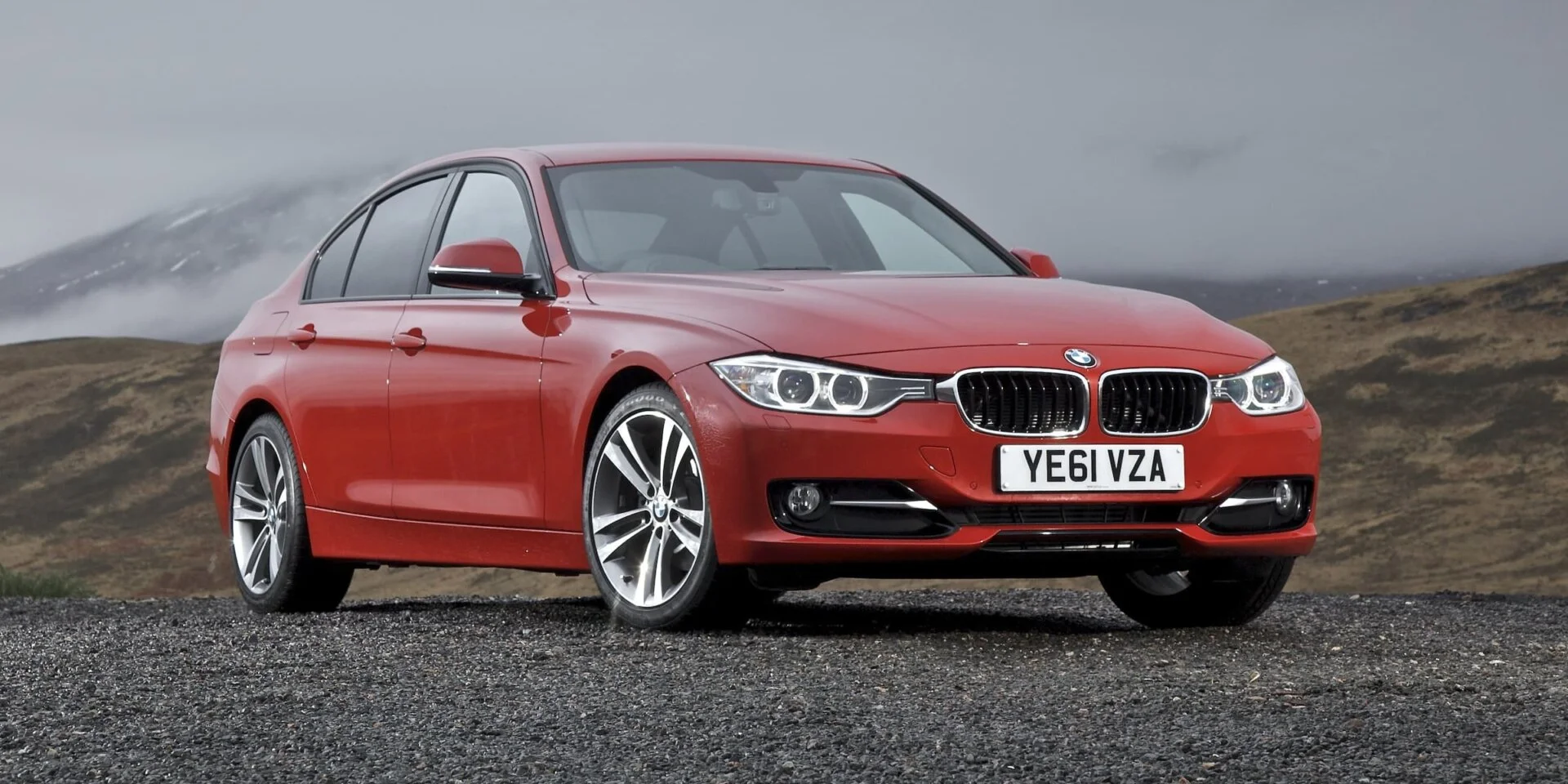
The BMW 3 Series is taking a different path from mainstream sedans. BMW is developing a new generation connected to its Neue Klasse technology strategy, with both electric and combustion-powered versions expected.
The performance M3 is also moving into a new generation around the 2028 period, with BMW developing both electric and gasoline-powered versions. That makes the 3 Series family a major player in the next phase of premium sedans.
The redesign is expected to bring substantial changes to the car’s technology and appearance. BMW’s Neue Klasse design language introduces a cleaner front end, updated lighting, and a different approach to the interior.
The company is also developing a new electronic architecture intended to support software updates and more sophisticated digital functions. The result should feel noticeably different from today’s 3 Series while retaining the basic proportions expected from a BMW sport sedan.
Powertrain variety could become a defining feature. BMW has made clear that it is not abandoning combustion engines immediately, even while expanding its electric range. The next-generation performance M3 illustrates that approach particularly well, with an electric model planned alongside a gasoline-powered version. Spy testing has already shown a six-cylinder gasoline M3 under development.
For ordinary 3 Series buyers, the changes could mean a broader range of choices. A customer interested in electric driving may be able to select an EV with the same basic family identity, while traditional buyers could still have access to an internal-combustion model. Hybrid technology may also play a role depending on market and engine configuration.
This flexibility gives BMW more ways to serve customers during a period when the transition away from gasoline power remains uneven.
The 3 Series will probably remain focused on handling, performance, technology, and premium cabin quality. Pricing is expected to stay well above mainstream sedans, but the car could establish a new benchmark for how luxury four-door models combine gasoline and electric power.
While the exact U.S. model-year timing can vary, the next-generation 3 Series family is clearly among the most important sedan programs heading toward the latter part of the decade.
5. Mercedes-Benz C-Class
The Mercedes-Benz C-Class is another premium sedan undergoing major technological development, though its timing also requires careful wording. Mercedes-Benz has introduced a comprehensively enhanced C-Class family for the next model cycle, including updated combustion and plug-in hybrid versions.
The company says the sedan receives its most comprehensive technical upgrade yet, with changes to its powertrains, software, cabin technology, and assistance systems.
The future C-Class is built around a combination of familiar proportions and substantially revised technology. Mercedes-Benz is adding its MB.OS operating system, enhanced MBUX functions, over-the-air updates, and an AI-powered virtual assistant.
These systems aim to make the cabin more connected without turning the dashboard into a collection of disconnected screens. Navigation, entertainment, vehicle settings, and other functions can be integrated more closely into the digital architecture.
Electrification will also become increasingly important. Mercedes-Benz is offering combustion engines with electrified technology and plug-in hybrid versions, while an electric C-Class is also part of the company’s future lineup.
That approach gives customers several ways to reduce fuel consumption without forcing every buyer into a battery-electric vehicle. For the 2028 period, this mix could become even more important as regulations, fuel prices, and consumer preferences continue to change.
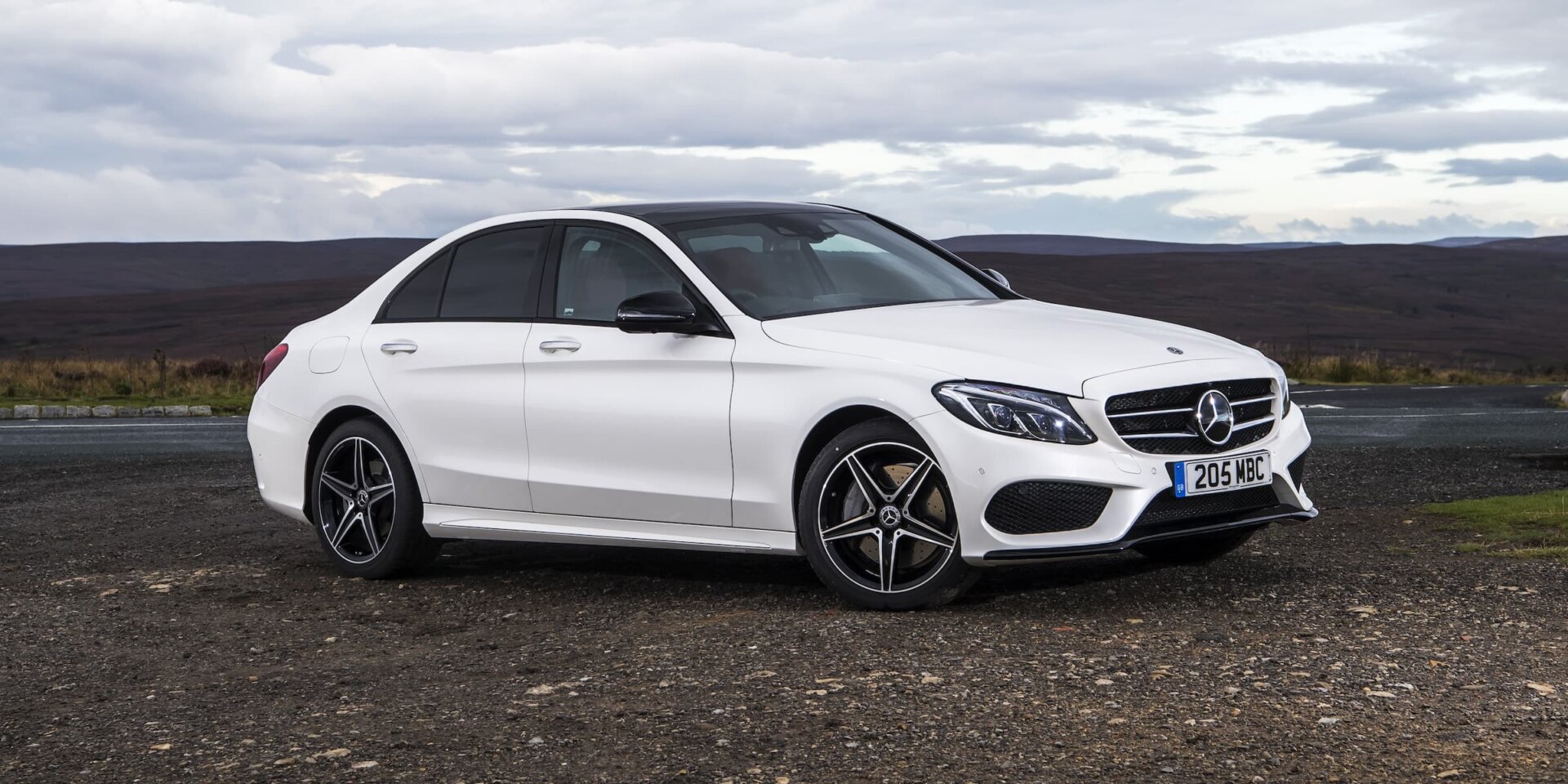
The exterior remains recognizably C-Class, but Mercedes has sharpened its styling with revised lighting, bumpers, grille treatments, and body surfacing. The company is clearly trying to keep the sedan recognizable while making it look more current.
Inside, improvements focus on digital capability, materials, comfort, and personalization. This approach shows how modern luxury sedans can receive extensive upgrades without requiring a completely different body shell.
The C-Class therefore represents a slightly different category from the Corolla or Elantra. Its next stage is less about reinventing the sedan shape and more about integrating new propulsion, software, and driver assistance technology into a familiar luxury formula.
For shoppers interested in a premium sedan around 2028, the C-Class should remain a major reference point, even if the exact redesign schedule does not line up perfectly with the 2028 model year.
6. Mazda3 Sedan
The Mazda3 sedan is a more speculative entry on this list, and that distinction is important. Mazda has not provided a firm public confirmation that an entirely new Mazda3 sedan will launch specifically for 2028.
Various automotive reports and independent forecasts have discussed a future redesign, with expectations centered on updated styling, improved technology, greater efficiency, and continued emphasis on driving dynamics. These details should not be treated as confirmed factory specifications.
A future Mazda3 could preserve the qualities that have separated it from many compact competitors. Mazda has traditionally placed considerable attention on steering feel, chassis balance, seating position, and exterior proportions.
If a new generation arrives near 2028, the company would have an opportunity to modernize the platform while keeping those qualities intact. A more efficient body and revised powertrains could also help the sedan meet increasingly demanding fuel economy standards.
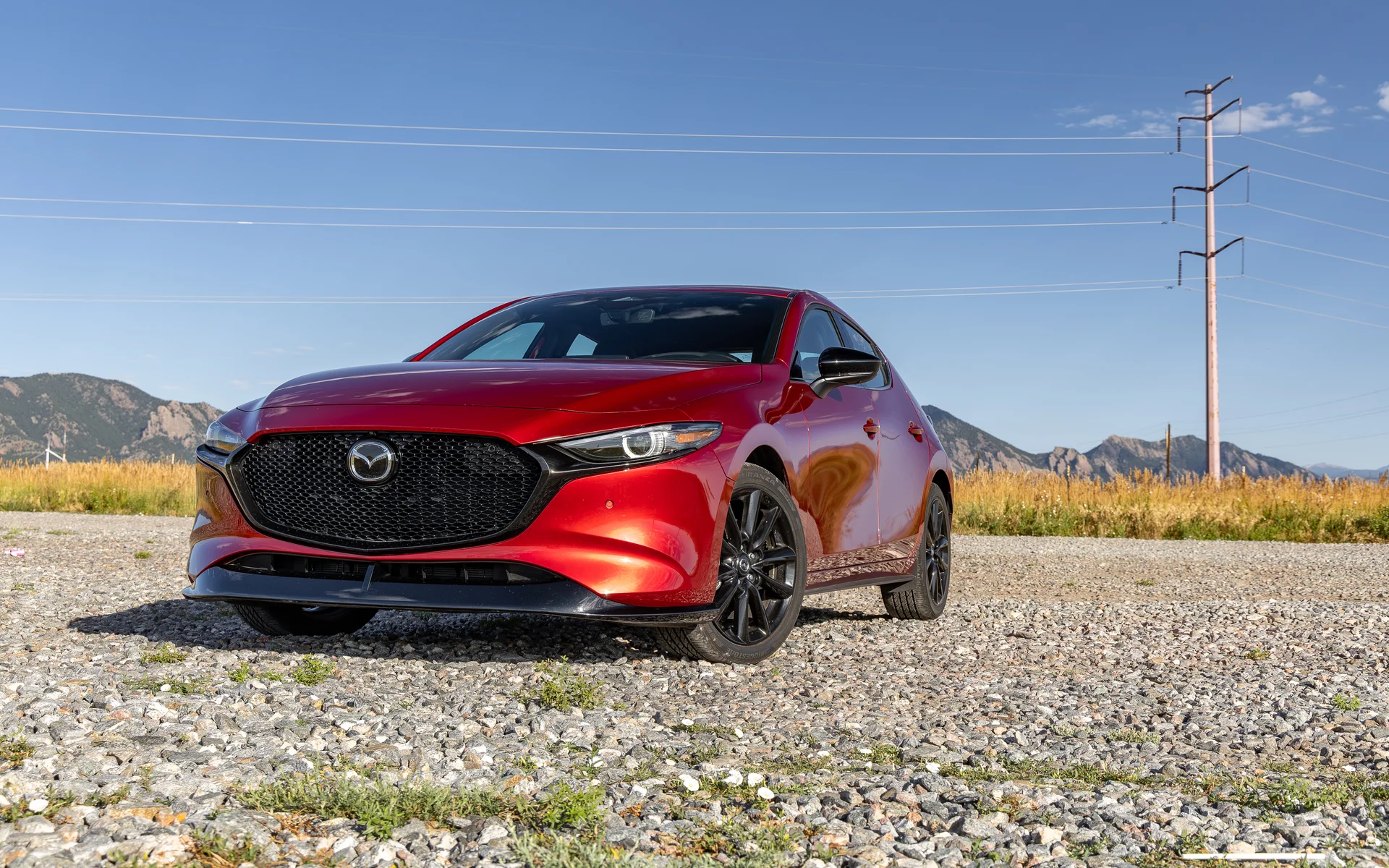
The exterior would likely continue Mazda’s restrained design philosophy rather than relying on excessive visual complexity. A slimmer front treatment, revised lighting, cleaner body surfacing, and updated wheels could give the car a fresher appearance without making it unrecognizable.
Mazda’s Kodo design language has remained an important part of its identity, so a future compact sedan would probably continue that theme in a more modern form.
Technology is another area where a new Mazda3 could make a meaningful difference. The current market has moved quickly toward larger displays, wireless connectivity, connected navigation, and more sophisticated driver assistance.
Mazda has historically taken a measured approach to cabin technology, often prioritizing physical controls and driver ergonomics. A new model could preserve those strengths while providing faster software, improved smartphone integration, and better digital displays.
7. Kia K5
The Kia K5 has already shown how much styling can matter in the shrinking midsize sedan category. Its current design helped the model stand apart from more conservative competitors, and Kia has continued updating it with technology and equipment improvements.
A future redesign could give the K5 a chance to build on that identity if Kia decides to keep the sedan in production through the 2028 period.
The timing is uncertain because Kia and Hyundai have repeatedly adjusted their sedan strategies as customers have moved toward SUVs and crossovers.
Earlier reports suggested that the Sonata and K5 could eventually be phased out, but market conditions and changing electrification plans have made long-term predictions difficult. That means claims about a guaranteed 2028 K5 redesign should be viewed cautiously rather than presented as settled information.
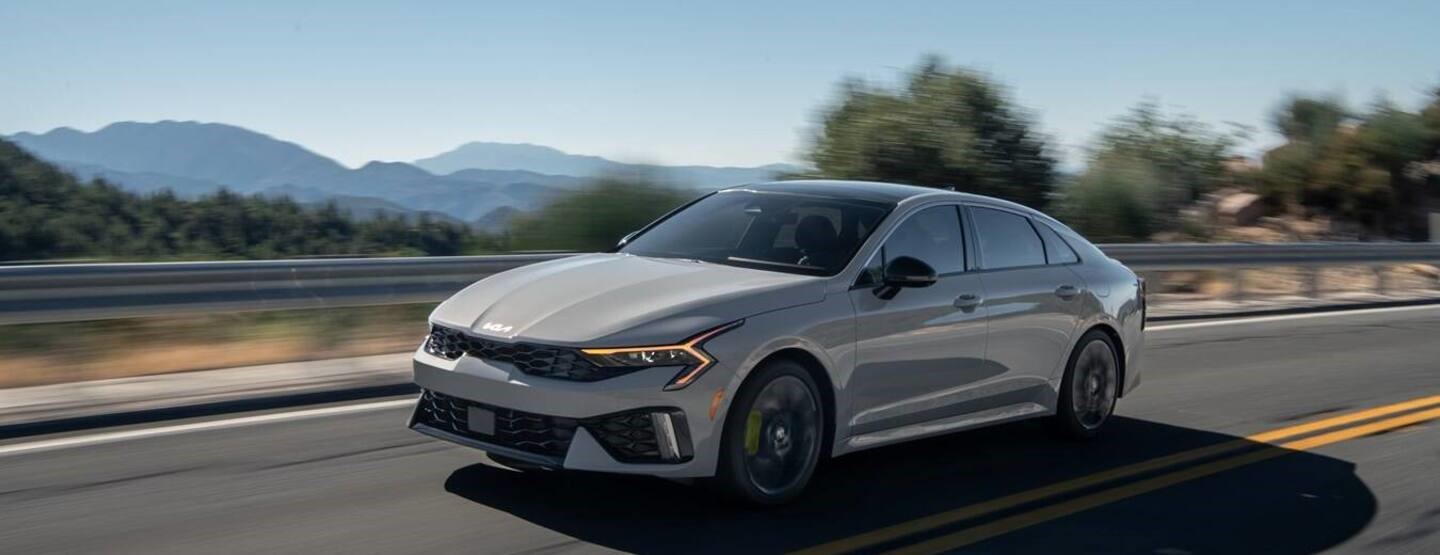
If Kia does produce a next-generation K5, styling will likely remain a major selling point. The current car already uses a distinctive front design, fastback-like proportions, and a sporty stance. A new model could sharpen those features while improving aerodynamics and lighting technology.
Kia’s newer design language could also produce a cabin with cleaner surfaces and stronger integration between the instrument display and infotainment system.
Powertrain strategy could become more complicated. Kia could continue using gasoline and hybrid technology, depending on market demand and emissions requirements.
An electric sedan could also influence the design direction, even if the K5 itself remains combustion-powered. Kia has been expanding its EV lineup, but the company must also serve buyers who prefer gasoline or hybrid vehicles. A future K5 could therefore occupy an important middle ground.
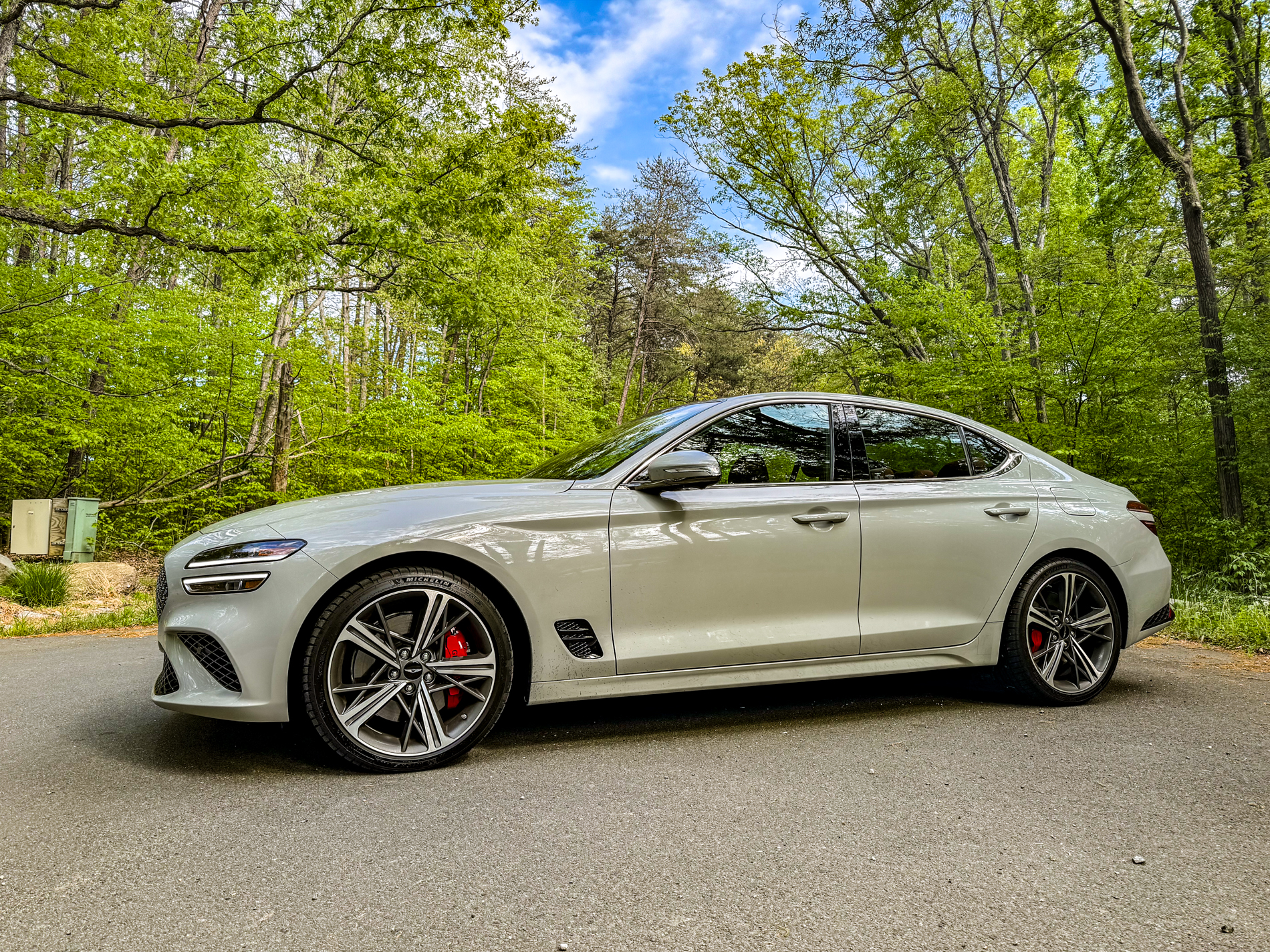
8. Genesis G70
The Genesis G70 represents the premium performance end of this sedan discussion. The model debuted in 2017, received a significant redesign in 2020, and gained further product enhancements in 2023.
Genesis continues to list the G70 within its sedan range, but the long-term direction of the model remains less certain than that of products with publicly announced next generations.
A future G70 would have to respond to major changes in the luxury market. Buyers increasingly expect electrification, advanced driver assistance, sophisticated infotainment, and high levels of cabin personalization. Genesis has already introduced electric vehicles and electrified versions across its range, so a future G70 could potentially use some of that technology while retaining a sport-oriented sedan format.
The design would likely be another major focus. Genesis has developed a recognizable identity built around its crest grille, distinctive lighting signatures, and carefully shaped bodywork.
A redesigned G70 could adopt newer elements from the brand’s latest products while maintaining a lower, more athletic profile. The challenge would be preserving the visual presence that separates a sport sedan from the increasingly common luxury crossover.
Performance could become the defining factor. The existing G70 has offered turbocharged engines, including a 2.5-liter turbo in its current specification, along with performance-oriented equipment.
A future model could combine a smaller combustion engine with hybrid assistance, or potentially move toward a dedicated electric architecture. Either direction could provide strong acceleration while addressing changing emissions and efficiency requirements.
For now, the G70 should be considered a possible future redesign rather than a confirmed 2028 model. Genesis has not publicly established a complete next-generation timetable that guarantees an all-new G70 for that model year.
Still, the sedan’s position within the Genesis lineup makes its future worth watching. If the company continues supporting performance sedans, a redesigned G70 could become a strong alternative to established German competitors.
