

Reaching 500,000 miles is a serious achievement for any van, yet some commercial vehicles have proven capable of working for decades when maintained properly. High-mileage examples can be found serving tradespeople, delivery companies, passenger transport operators, construction crews, and long-distance businesses.
The vans on this list are ranked according to their reputation for durability, proven commercial use, mechanical simplicity, engine longevity, parts availability, and the existence of exceptionally high-mileage examples.
Reaching this mileage is never guaranteed, and even the toughest van can suffer expensive failures when neglected. Still, these nine models have earned respect for continuing to work long after many vehicles would have been retired.
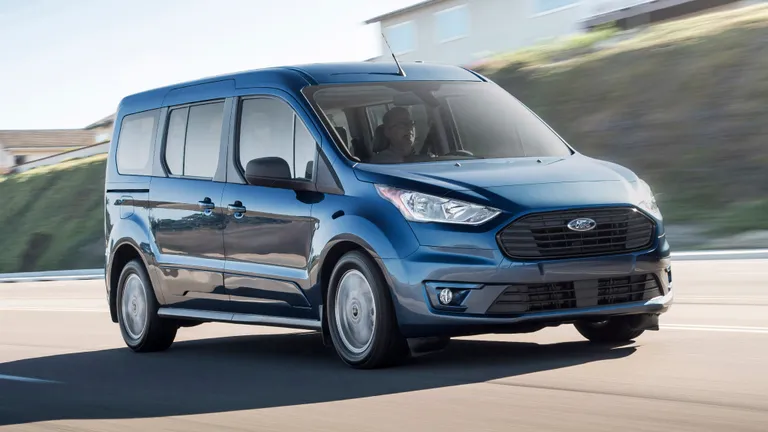
9. Ford Transit Connect
The Ford Transit Connect earns the ninth position because its compact dimensions hide a surprisingly durable commercial design. It was created for businesses that need cargo capacity without the size of a full-size work van, making it popular with plumbers, electricians, delivery drivers, maintenance companies, and service technicians.
Its engines and drivetrains vary considerably by generation and market, so durability depends heavily on the specific model year and powertrain. Some examples have accumulated very high mileage through years of daily commercial use.
A Transit Connect reaching 500,000 miles is not something buyers should expect as normal, but properly maintained examples demonstrate that the platform can remain useful for a very long working life.
The biggest advantage of the Transit Connect is its relatively manageable mechanical package. Smaller engines can consume less fuel than large van powertrains, while the compact body is easier to maneuver through cities and narrow streets. That matters because commercial vans frequently spend their lives in demanding stop-and-go conditions.
Regular oil changes, transmission servicing, cooling-system maintenance, brake inspections, and suspension repairs become increasingly important as mileage rises.
At extreme mileage, the question is rarely whether something will need replacing. Components such as wheel bearings, alternators, suspension parts, cooling components, and steering parts can all require attention.
Another factor helping older Transit Connect models survive is the availability of replacement components. Ford has sold large numbers of commercial vehicles across many markets, giving owners access to a broad aftermarket and a large pool of mechanics familiar with the brand.
That can make long-term ownership more practical than keeping an unusual commercial vehicle running. Parts availability does not make the van mechanically indestructible, but it can reduce downtime when an aging component eventually fails. For businesses, that distinction matters because a vehicle sitting in a workshop can cost more than the repair itself.
Buyers searching for a high-mileage Transit Connect should pay closer attention to maintenance history than the odometer alone. A van with 250,000 miles and complete records may be a safer proposition than a neglected example with half that mileage.
Commercial use also needs to be investigated. A vehicle that spent years carrying moderate loads on highways may have experienced less stress than a van constantly overloaded and driven through congested urban traffic.
Rust, transmission behavior, cooling performance, suspension wear, and evidence of previous repairs should all receive careful inspection before purchase.
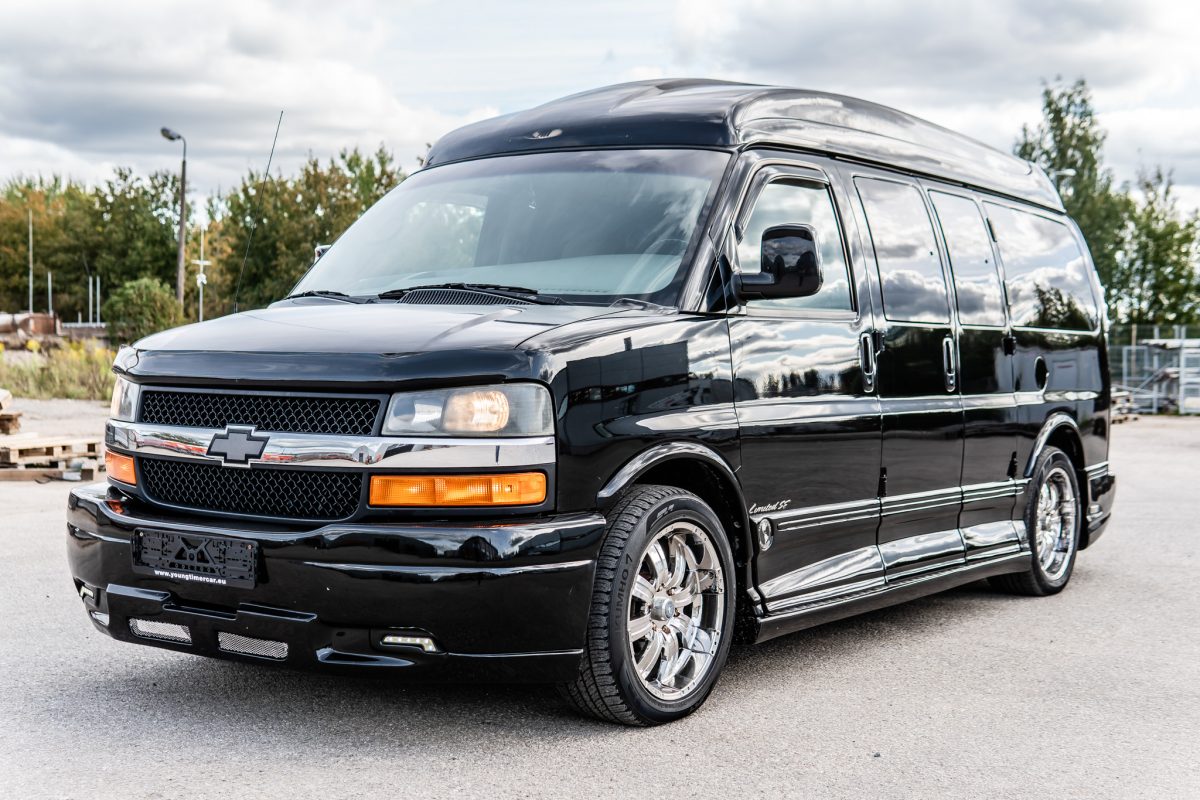
8. Chevrolet Express
The Chevrolet Express has earned its reputation through a simple formula built around traditional body-on-frame construction, familiar General Motors engines, and a design that has remained in production for an unusually long time.
That long production history gives the Express an advantage in the high-mileage market because mechanics have had years to learn its common service requirements. Fleet operators have also used these vans for everything from deliveries and construction work to passenger transportation.
While 500,000 miles is still exceptional, the Express has the basic architecture and commercial history needed to make such mileage possible with extensive maintenance.
Engine choice is particularly important when evaluating an Express. The model has been offered with several gasoline V6 and V8 engines as well as diesel options during different periods. Some powertrains have stronger reputations for long-term commercial use than others.
A buyer should therefore research the exact engine, transmission, model year, and service history rather than assuming every Express has identical durability. Large-displacement engines can handle heavy workloads effectively, but fuel consumption and maintenance costs can become significant considerations when the van is used for hundreds of thousands of miles.
The Express also benefits from its conventional mechanical layout. Compared with newer vans filled with increasingly complicated electronic systems, older Express models can be relatively approachable for experienced independent mechanics. That does not mean they are simple in every respect.
Modern examples contain plenty of electronic equipment, emissions equipment, sensors, and computer-controlled systems. Still, the platform has a strong connection to traditional American commercial vehicle engineering. When a van has been maintained consistently, that familiar architecture can help keep it operational long after the original owner has moved on.
At very high mileage, the body and chassis deserve as much attention as the engine. A powerful engine cannot compensate for severe rust, worn suspension mounting points, damaged steering components, or neglected brakes.
Fleet vehicles also tend to experience repeated loading and unloading, which places stress on doors, hinges, interior panels, suspension components, and rear axles. Buyers should inspect the van underneath rather than focusing only on how clean it looks from the outside. A high-mileage work vehicle needs to be judged as a complete machine.
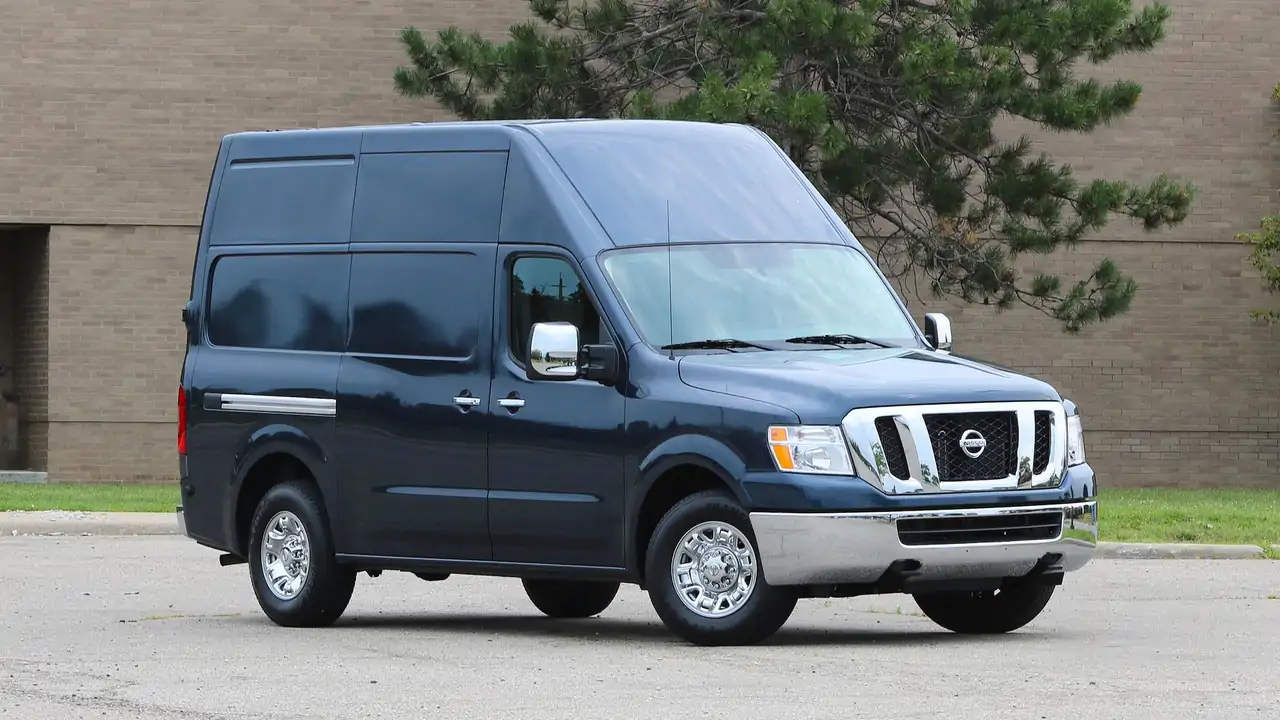
7. Nissan NV
The Nissan NV occupies a distinctive place among modern full-size vans because its construction differs from many competitors. The platform was developed with a strong emphasis on commercial durability and uses a design that shares some characteristics with traditional truck engineering.
Depending on the version, buyers could find V6 or V8 power, giving the NV enough capability for demanding cargo work. Its relatively limited production compared with long-established rivals means there are fewer examples on the road, yet well-maintained vans have demonstrated strong long-term potential.
The available engines are an important part of the NV’s appeal. The V8 version, in particular, provided substantial power for heavy loads and towing applications. A large naturally aspirated engine does not have the same turbocharger complexity as many modern turbocharged powerplants, though it still requires regular maintenance.
Oil quality, cooling-system health, ignition components, belts, hoses, and transmission servicing all become increasingly important as mileage climbs. An engine can be fundamentally durable while still suffering expensive damage when basic service intervals are ignored.
The NV’s commercial layout also contributes to its appeal for long-term users. It offers substantial cargo volume and was designed for businesses that depend on their vehicles every working day. Fleet applications can be demanding, but they also create strong incentives for regular servicing.
Businesses that depend on transportation cannot afford frequent breakdowns, so properly managed fleet vans often receive scheduled maintenance that private vehicles may never receive. This can help explain why some commercial vans accumulate extraordinary mileage.
A high-mileage NV should still be approached with caution. The model’s relatively uncommon status means certain components may not be as easy to find as parts for a Transit or Express. Owners should identify a reliable mechanic before committing to an older, heavily used example.
Transmission condition is particularly important because repairing or replacing a transmission can transform an apparently inexpensive van into a costly project. Suspension components, brakes, steering parts, cooling systems, and electrical equipment should also be checked carefully.
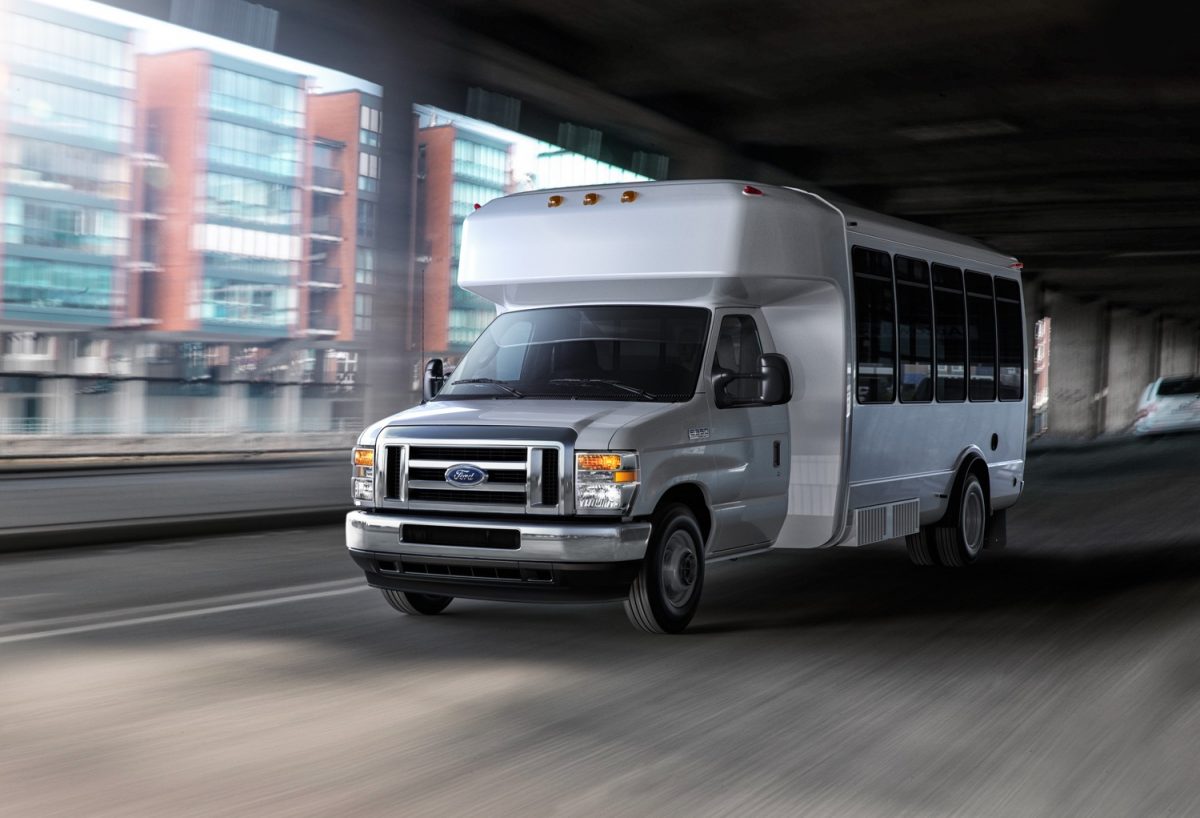
6. Ford E-Series
The Ford E-Series has spent decades serving as a foundation for cargo vans, ambulances, shuttle buses, recreational vehicles, and commercial fleets. Its long production history is a major advantage when discussing extreme mileage.
Generations of mechanics have worked on the platform, while parts and technical knowledge are widely available. The E-Series also benefited from a range of Ford engines, including several V8 configurations that were designed to perform demanding commercial duties.
Reaching 500,000 miles requires substantial rebuilding and component replacement, but the platform has the underlying durability needed for long working lives.
Traditional construction is another major strength. The E-Series uses a separate frame architecture that gives it a different character from newer unibody vans. This design is well suited to heavy commercial use, especially where towing, payload capacity, and durability are priorities.
A frame-based vehicle can still suffer structural corrosion and fatigue, so buyers should never assume that traditional construction automatically means unlimited longevity. However, when the chassis remains healthy, the platform provides a solid foundation for continued service.
Engine maintenance becomes increasingly important as an E-Series approaches extreme mileage. Regular oil changes are essential, while cooling-system maintenance deserves special attention because overheating can cause serious engine damage.
Transmission fluid service is equally important, especially in vans that regularly carry heavy loads or tow trailers. A high-mileage transmission that has never received proper service can become a major liability. Ignoring small leaks, warning lights, rough shifting, or overheating can turn inexpensive repairs into complete powertrain replacements.
The cost of fuel is a different issue. Large gasoline engines can consume considerably more fuel than newer diesel or smaller-engine vans, so owners need to consider total operating expenses rather than focusing solely on purchase price.
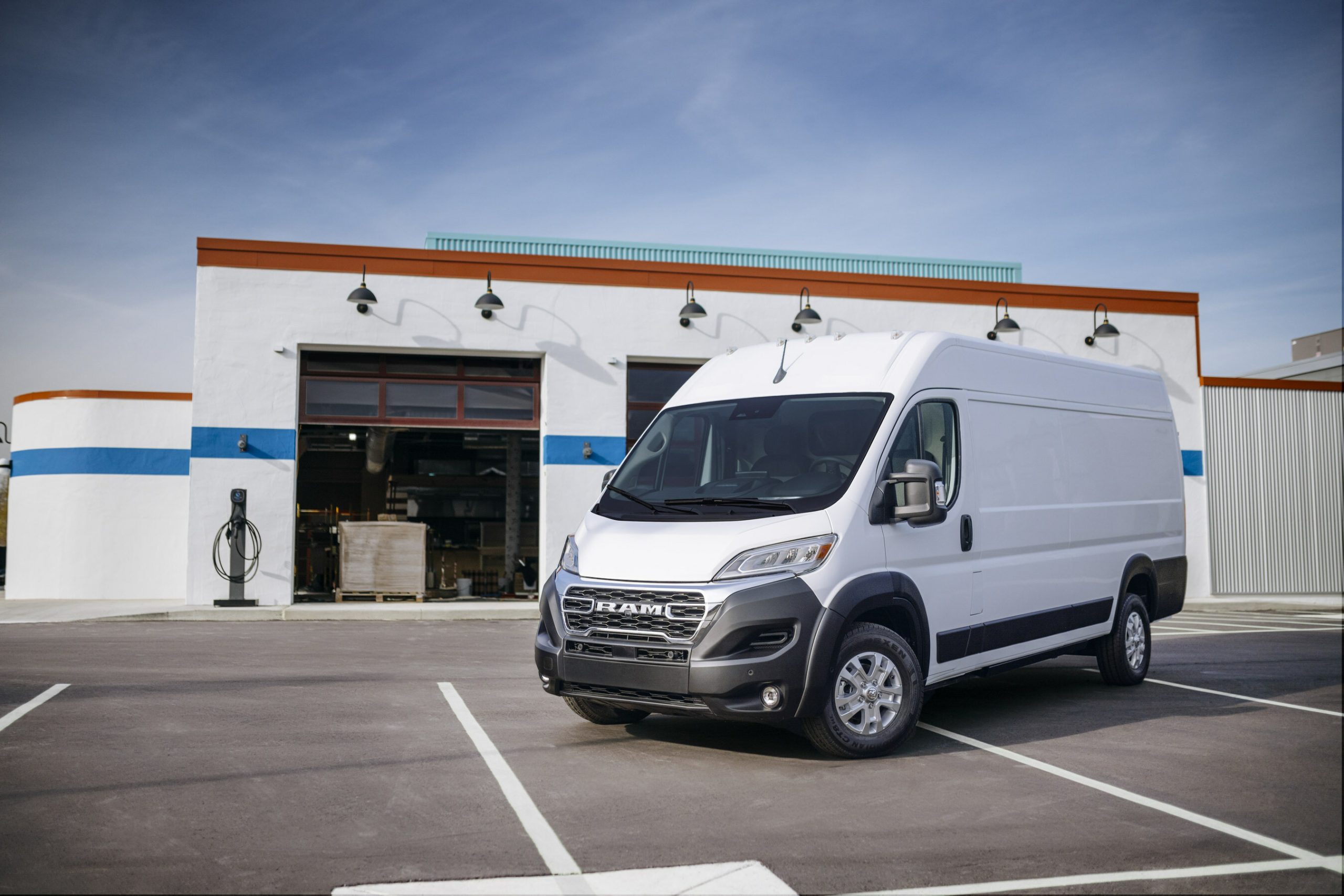
5. Ram ProMaster
The Ram ProMaster brought a different approach to the American full-size van market. Its front-wheel-drive architecture creates a low cargo floor and useful interior space, while the available gasoline powertrain has become familiar across numerous Stellantis vehicles.
The ProMaster is not universally regarded as a half-million-mile vehicle, and buyers should not treat 500,000 miles as a predictable lifespan. Still, well-maintained fleet examples have accumulated substantial mileage, and the platform deserves recognition for its practical commercial design.
The 3.6-liter Pentastar V6 has been used extensively across the Stellantis product range. That widespread application means mechanics are familiar with the engine, while replacement components are generally accessible.
The engine has known areas that require attention as mileage increases, including cooling components, oil leaks, ignition parts, and other age-related issues. Proper maintenance is critical. A commercial van that receives regular oil changes and promptly addresses warning signs has a much better chance of reaching extreme mileage than one operated until something breaks.
Front-wheel drive gives the ProMaster a useful advantage in certain commercial environments. The low floor makes loading easier, while the packaging creates a large, boxy cargo area. Businesses carrying equipment, tools, parcels, and building materials can make good use of that space.
The trade-off is that the front drivetrain handles both propulsion and steering, placing significant demands on components such as axles, CV joints, and other front-end parts. Heavy payloads and aggressive driving can accelerate wear.
Transmission condition should be a major consideration for anyone examining a high-mileage ProMaster. Even when the engine remains healthy, a worn transmission can make an inexpensive van financially unattractive.
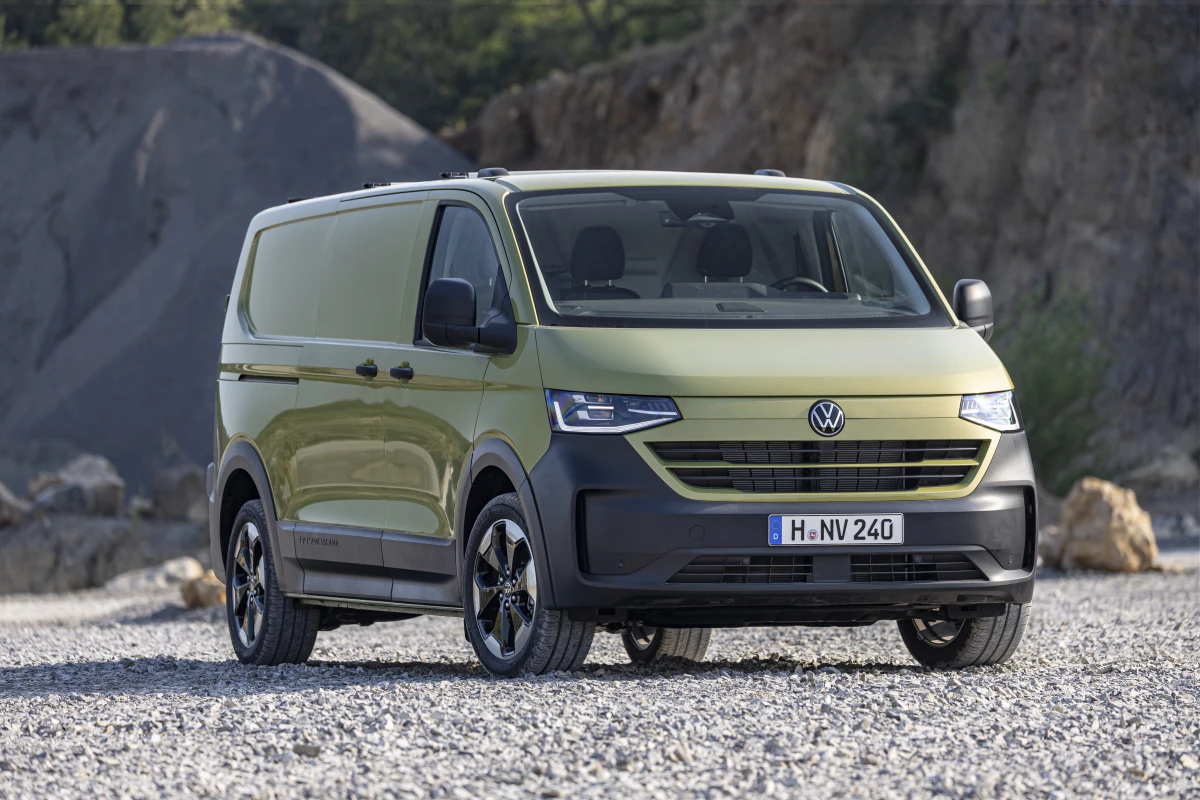
4. Volkswagen Transporter
The Volkswagen Transporter has been a major force in European commercial transportation for generations. Its reputation comes from decades of use by tradespeople, delivery companies, service businesses, passenger operators, and families.
Different generations have used very different engines and drivetrains, so it would be inaccurate to treat every Transporter as mechanically identical. Still, the model line has a strong record of working hard for long periods. Some high-mileage examples have accumulated extraordinarily large odometer readings through careful maintenance and commercial use.
Diesel engines have traditionally played a major role in the Transporter’s reputation for long-distance work. Diesel power suits commercial vehicles because it combines strong low-speed torque with reasonable fuel economy when properly maintained.
High-mileage diesel ownership requires attention to fuel systems, turbochargers, cooling systems, exhaust equipment, and emissions components on newer models. Older engines may have fewer emissions-related systems but can have their own age-related weaknesses. The exact engine code therefore matters when evaluating a used Transporter.
The Transporter’s popularity also provides a major practical advantage. Because the model has been sold extensively across Europe and other markets, there is considerable knowledge surrounding its maintenance and repair.
Specialist workshops understand the platform, while aftermarket suppliers offer many components. This support network matters greatly when a van becomes old enough to require regular replacement of wear items. Extreme-mileage ownership becomes much more manageable when competent technicians and parts are readily available.
Body condition is particularly important with older Transporters. A van can have a strong engine and still become uneconomical because of corrosion, accident damage, worn suspension, or neglected electrical systems.
Commercial vehicles frequently operate in harsh conditions, carrying heavy loads while being exposed to weather and road salt. A careful inspection should include the underside, wheel arches, door mechanisms, chassis areas, suspension mounts, and signs of previous body repairs. Cosmetic damage may not matter much, but structural deterioration certainly does.
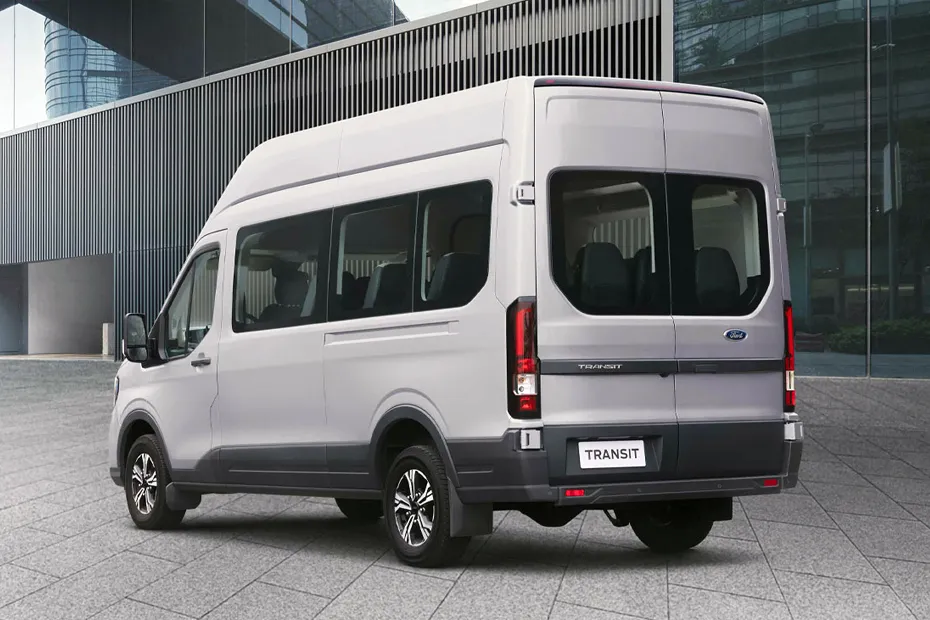
3. Ford Transit
The Ford Transit has become a dominant commercial van across many markets because it offers a broad range of configurations, engines, body lengths, roof heights, and payload options. Its widespread use gives it a major advantage when it comes to long-term ownership.
There are huge numbers of Transits operating in commercial fleets, which creates an enormous pool of mechanical knowledge and replacement parts. High-mileage examples are common enough to demonstrate the platform’s ability to survive serious workloads.
Different Transit generations have used very different engines, so buyers need to avoid making broad assumptions. Diesel engines have been particularly important in markets where long-distance commercial driving is common, while gasoline engines have served many operators in North America.
Some engines and model years have stronger reputations than others. A buyer targeting extreme mileage should research the specific powertrain and transmission rather than selecting a Transit purely because of its badge.
The Transit is particularly strong in terms of service accessibility. Its popularity means independent workshops are familiar with the platform, while parts are generally easier to source than components for rare commercial vehicles. This matters tremendously at high mileage.
A van approaching 500,000 miles will almost certainly need major component replacement at some point. The difference between a vehicle that can be repaired quickly and one that requires weeks waiting for specialized parts can be substantial for a working business.
Commercial fleet use also gives the Transit a strong foundation for long-term durability. Many examples spend their lives covering large distances every year. Fleet operators typically track servicing, mileage, tire wear, brake replacement, and other maintenance requirements.
A properly managed fleet van can therefore accumulate hundreds of thousands of miles while receiving regular attention. A neglected example can deteriorate much faster, which is why buyers should never use fleet mileage as an excuse to ignore a vehicle’s service records.
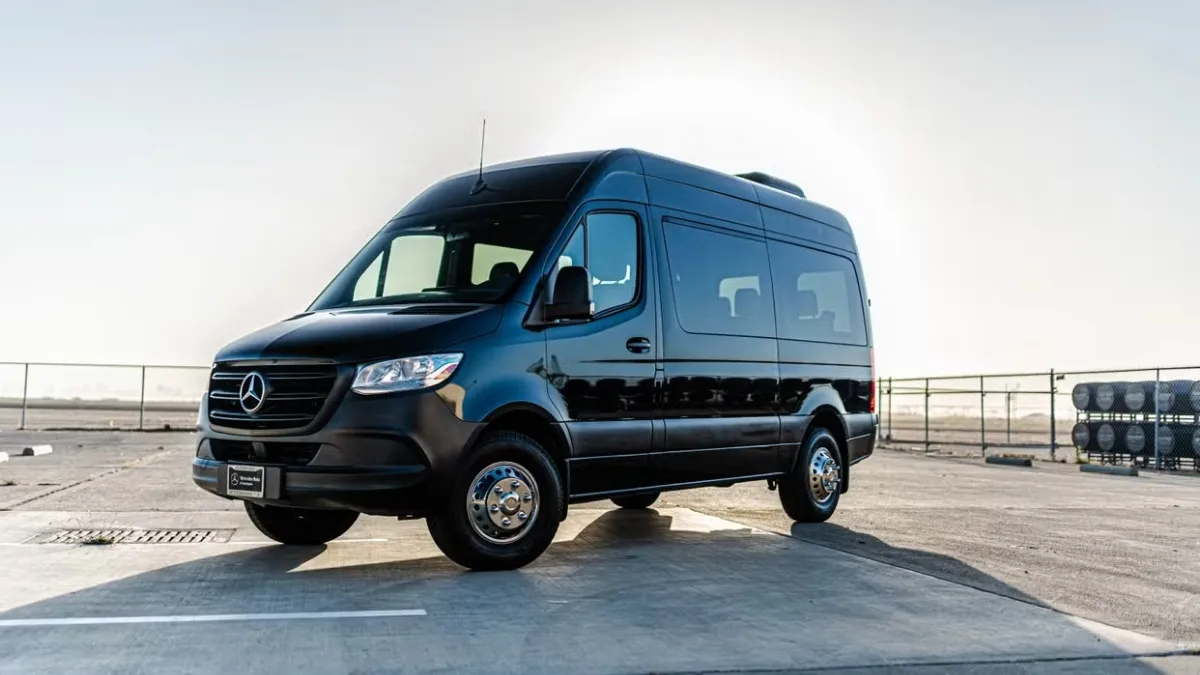
2. Mercedes-Benz Sprinter
The Mercedes-Benz Sprinter has become closely associated with long-distance commercial transportation and high-mileage van use. Its diesel powertrains have been particularly important to its reputation, with many operators using Sprinters for delivery work, freight transport, passenger services, and camper conversions.
The platform has accumulated an impressive record of high-mileage service. Some examples have gone far beyond ordinary commercial mileage, though reaching 500,000 miles should still be viewed as exceptional rather than routine.
The Sprinter’s diesel engines are designed for demanding commercial operation, but modern diesel technology comes with additional complexity. Turbochargers, high-pressure fuel systems, diesel particulate filters, exhaust gas recirculation systems, and emissions controls can all require attention as mileage rises.
These components can be expensive when they fail. Consequently, a Sprinter’s long-term success depends heavily on following maintenance requirements and diagnosing problems early. A neglected diesel can become extremely expensive even when its basic engine remains strong.
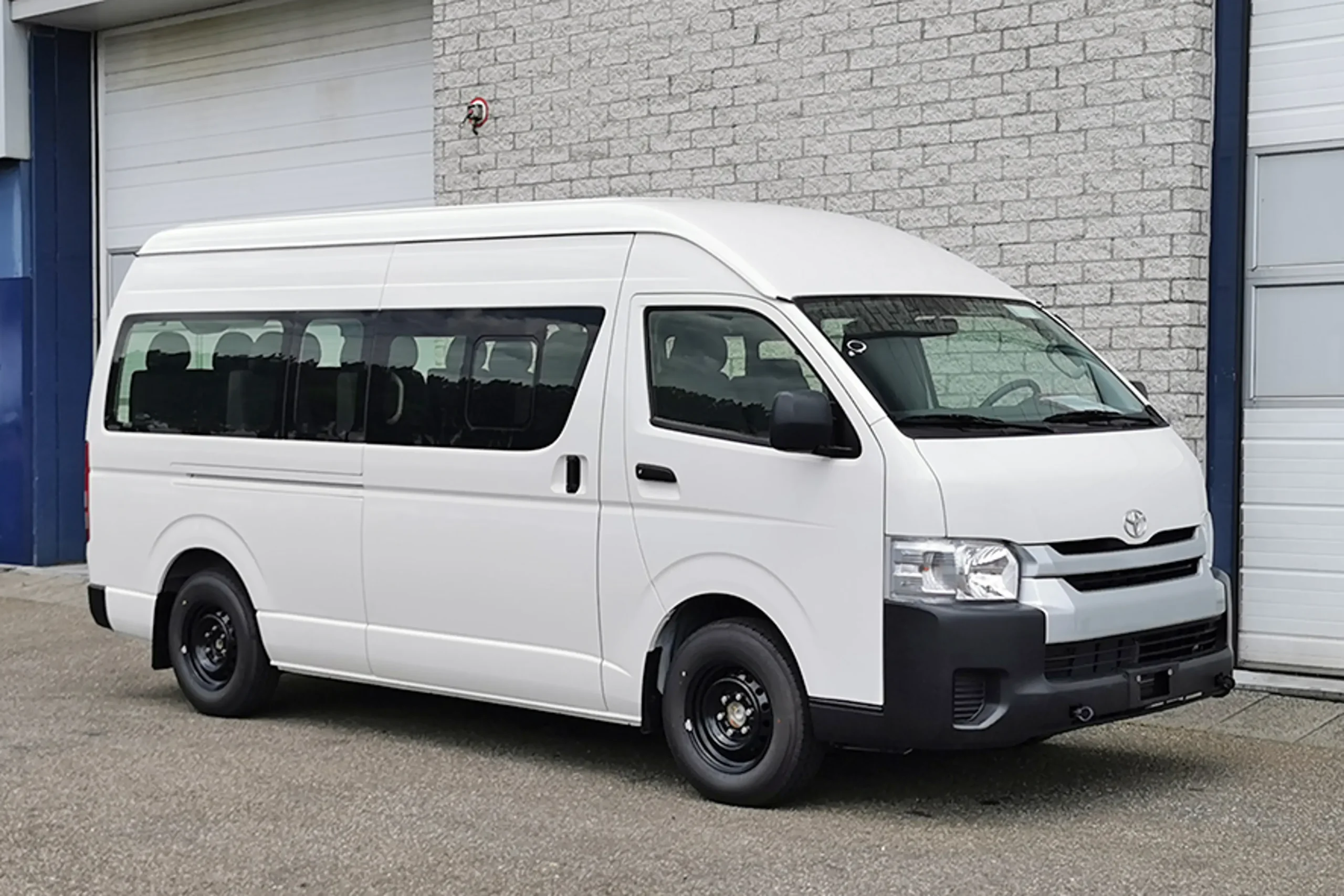
1. Toyota HiAce
The Toyota HiAce takes the top position because its long-standing reputation is supported by decades of commercial use across a wide range of countries and operating environments. The model has been built in many generations, with substantial differences between engines and markets, yet the name has remained closely associated with dependable transportation.
In places where commercial vehicles are expected to operate for many years, the HiAce has repeatedly demonstrated an ability to remain useful long after reaching mileage figures that would normally signal retirement.
Its strongest advantage is not simply a particular engine. It is the combination of Toyota’s commercial vehicle engineering, robust powertrains, practical packaging, and worldwide service experience.
Certain diesel engines from older HiAce generations have become particularly respected for their durability and straightforward design. Gasoline-powered versions can also provide long service when maintained correctly. Choosing the right generation matters, because emissions technology, transmissions, electronics, and engine design have changed considerably over time.
The HiAce also illustrates why maintenance is more important than an odometer reading. A van that reaches 500,000 miles has almost certainly undergone significant component replacement during its life.
The engine may have been rebuilt, the transmission may have been replaced, and suspension components may have been renewed several times. That does not diminish the vehicle’s durability. Commercial longevity is about the ability of the platform to remain economically repairable and structurally useful over an extended period.
