
Rural America has a distinct vehicle culture shaped by long distances, work demands, rough roads, towing needs, weather, and limited access to major cities. Pickup trucks have historically dominated rural household vehicle ownership because they can handle farming, construction, hauling, recreation, and everyday transportation.
Available national household data shows a particularly strong concentration around the Ford F-Series, Chevrolet Silverado, Ram Pickup, and GMC Sierra trucks.
This ranking focuses on vehicle volume in rural households rather than general U.S. sales, giving greater weight to how many examples are actually found among rural drivers. Where precise model-level rural figures are unavailable, that limitation is clearly identified.
1. Ford F-Series
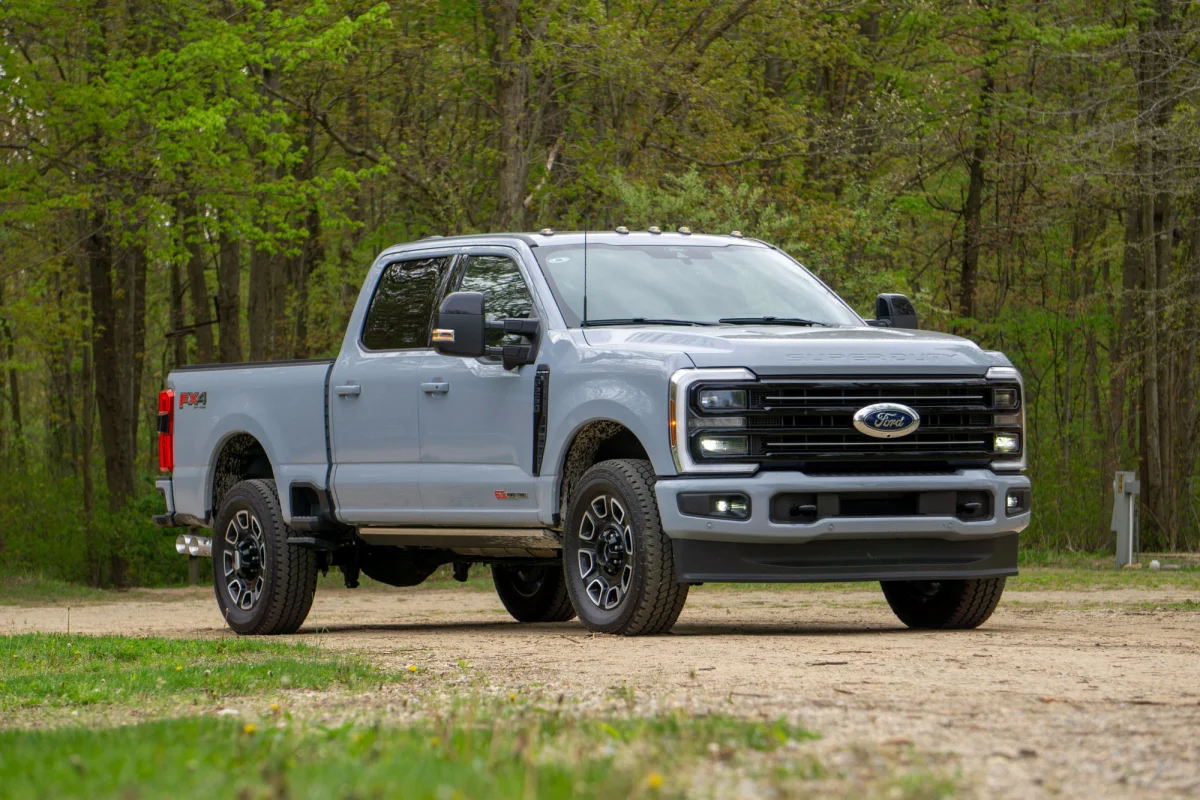
The Ford F-Series takes the top position by a substantial margin in the available rural household data. The 2017 data used in the rural vehicle analysis counted approximately 3.544 million F-Series vehicles in rural America.
That figure places the F-Series well ahead of the Chevrolet Silverado, which was recorded at about 2.885 million. The gap is large enough to make the first-place position clear under a volume-based rural ranking.
The F-Series has remained closely associated with rural transportation for practical reasons. Its lineup covers light-duty pickups as well as heavy-duty models, allowing buyers to choose a truck based on towing and payload requirements.
A rural household may need a vehicle for regular errands while also requiring it to pull a livestock trailer, equipment trailer, boat, or utility trailer. The broad F-Series range makes it easier for buyers with very different needs to stay within the same truck family.
Ford’s long history in the American pickup market also matters. Rural communities often have strong relationships with local dealerships, repair shops, parts suppliers, and independent mechanics.
Familiarity can make ownership easier when a vehicle is used heavily. A truck that has been common in a region for decades is generally easier for local technicians to recognize, service, and repair than a model with a very small regional presence.
The F-Series also benefits from its combination of configurations. Buyers can select different cab styles, bed lengths, engines, drivetrains, and equipment levels.
A farmer who needs serious towing capacity has different priorities from a rural homeowner who mainly wants four-wheel drive and an open cargo bed. Having both kinds of buyers represented within the same family helps explain the enormous number of F-Series vehicles found in rural households.
Current sales data also shows that the F-Series remains a huge part of the American pickup market. Through the first half of 2026, the broader F-Series recorded more U.S. sales than any other pickup line, with 357,801 units reported through June in one current sales compilation.
That is national data rather than rural data, but it demonstrates that the truck family continues to have enormous volume in the wider market.
2. Chevrolet Silverado
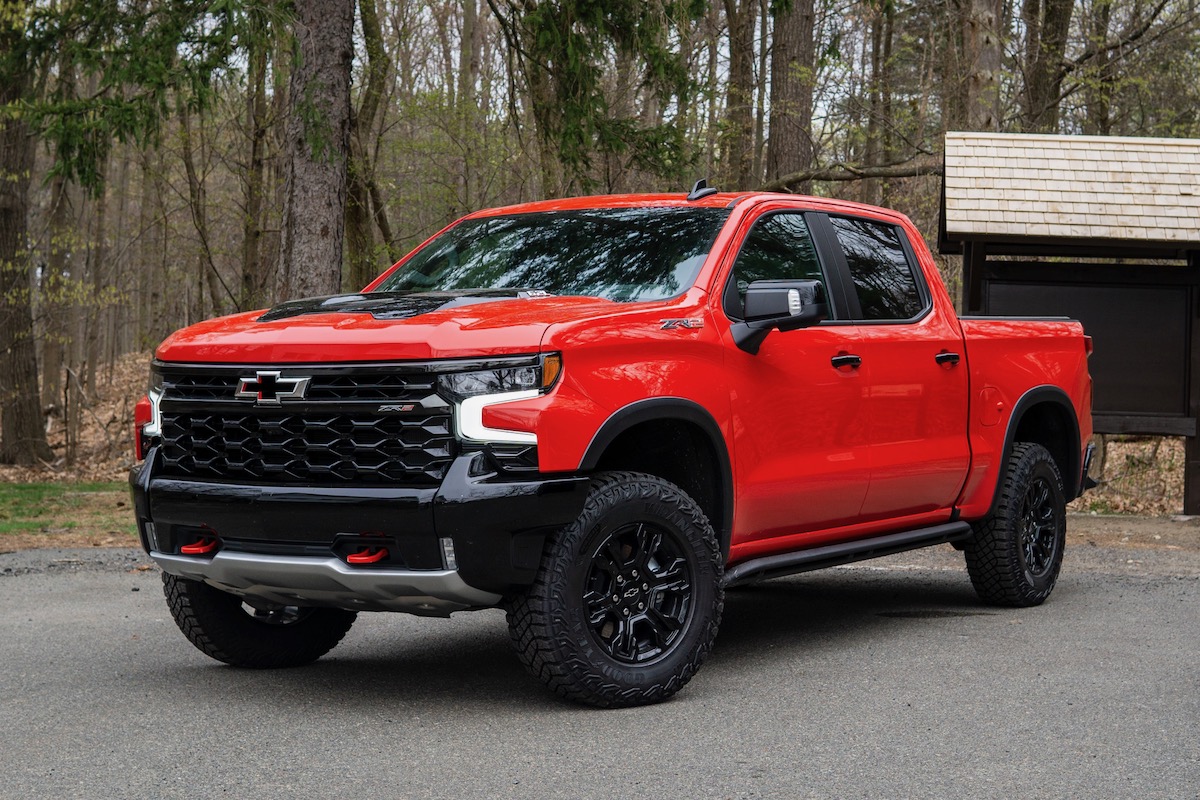
The Chevrolet Silverado ranks second with approximately 2.885 million vehicles identified in rural households in the available 2017 data.
That is a huge installed base and confirms that the Silverado is far more than a popular full-size pickup in suburban America. It has a deep presence in rural communities where trucks are frequently used for both employment and personal transportation.
The Silverado’s appeal comes partly from its broad range of configurations. Buyers can select from light-duty versions through heavy-duty models, with different engines, cab arrangements, bed lengths, and four-wheel-drive systems.
That flexibility matters in rural areas because there is no single definition of a typical truck owner. A rancher, contractor, outdoor enthusiast, small-business owner, and rural family may all need different capabilities.
Chevrolet also benefits from a large established dealer and service network. Rural buyers often place considerable value on being able to maintain a vehicle without traveling several hours to a metropolitan area.
Parts availability and mechanic familiarity can influence long-term ownership decisions just as much as horsepower or interior technology. A widely sold truck has a natural advantage in this environment.
The Silverado’s position is also supported by its current national sales strength. Through June 2026, the Silverado recorded roughly 276,074 U.S. sales in the pickup segment, putting it behind the F-Series but ahead of the Ram Pickup and GMC Sierra. The current market does not provide a precise rural ranking, yet it shows that the Silverado continues to generate very high sales volume.
For rural households, the Silverado’s ability to combine work capability with everyday comfort is particularly useful. Modern crew-cab versions can carry several adults while retaining a separate cargo bed.
That makes the truck suitable for school runs, commuting, shopping, weekend recreation, and work. Its rural popularity is therefore connected to versatility rather than a single purpose.
3. Ram Pickup
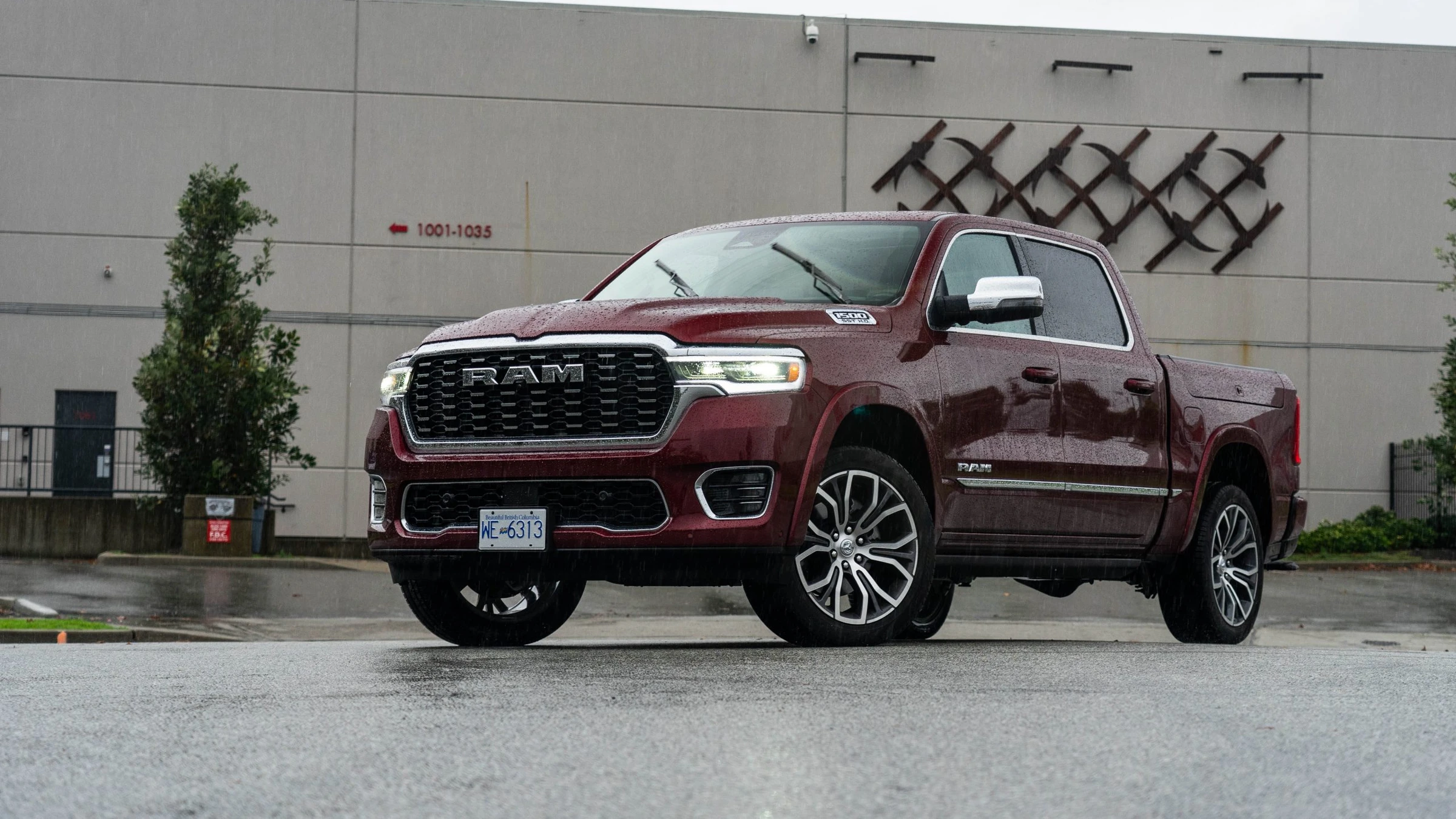
The Ram Pickup holds third place in the available rural household data, with approximately 1.702 million vehicles recorded. The gap between Ram and the two leading trucks is substantial, but its rural presence is still enormous.
A count exceeding 1.7 million vehicles demonstrates that Ram has established a major footprint among rural households rather than serving only a smaller enthusiast or regional market.
Ram trucks are particularly relevant to rural users because the lineup includes both everyday full-size pickups and heavy-duty models designed for demanding towing and hauling.
That distinction matters when looking at rural transportation. A half-ton truck may be sufficient for a homeowner who occasionally pulls a utility trailer, while a heavy-duty model can be better suited to large trailers, agricultural equipment, or commercial work.
The Ram brand has also developed a strong reputation for providing comfortable interiors in full-size pickups. Rural drivers may spend considerable time behind the wheel because communities can be spread across large geographic areas.
A vehicle that can function as a work machine during the week and comfortable transportation during long highway trips has an advantage over a vehicle designed around a single use.
Recent sales demonstrate that Ram remains a significant part of the American pickup market. Through the first half of 2026, Ram Pickup sales were reported at more than 207,000 units, putting the nameplate behind Ford and Chevrolet while ahead of GMC Sierra in the same sales table.
The brand’s recent sales performance also shows that its rural relevance is supported by continued consumer demand.
The third-place position should therefore not be interpreted as meaning Ram is rare in rural America. More than 1.7 million examples in the available rural dataset represents a substantial installed base.
Its combination of towing capability, multiple configurations, comfortable cabins, and heavy-duty options makes it a natural choice for drivers whose vehicle must perform work while still functioning as everyday transportation.
4. GMC Sierra
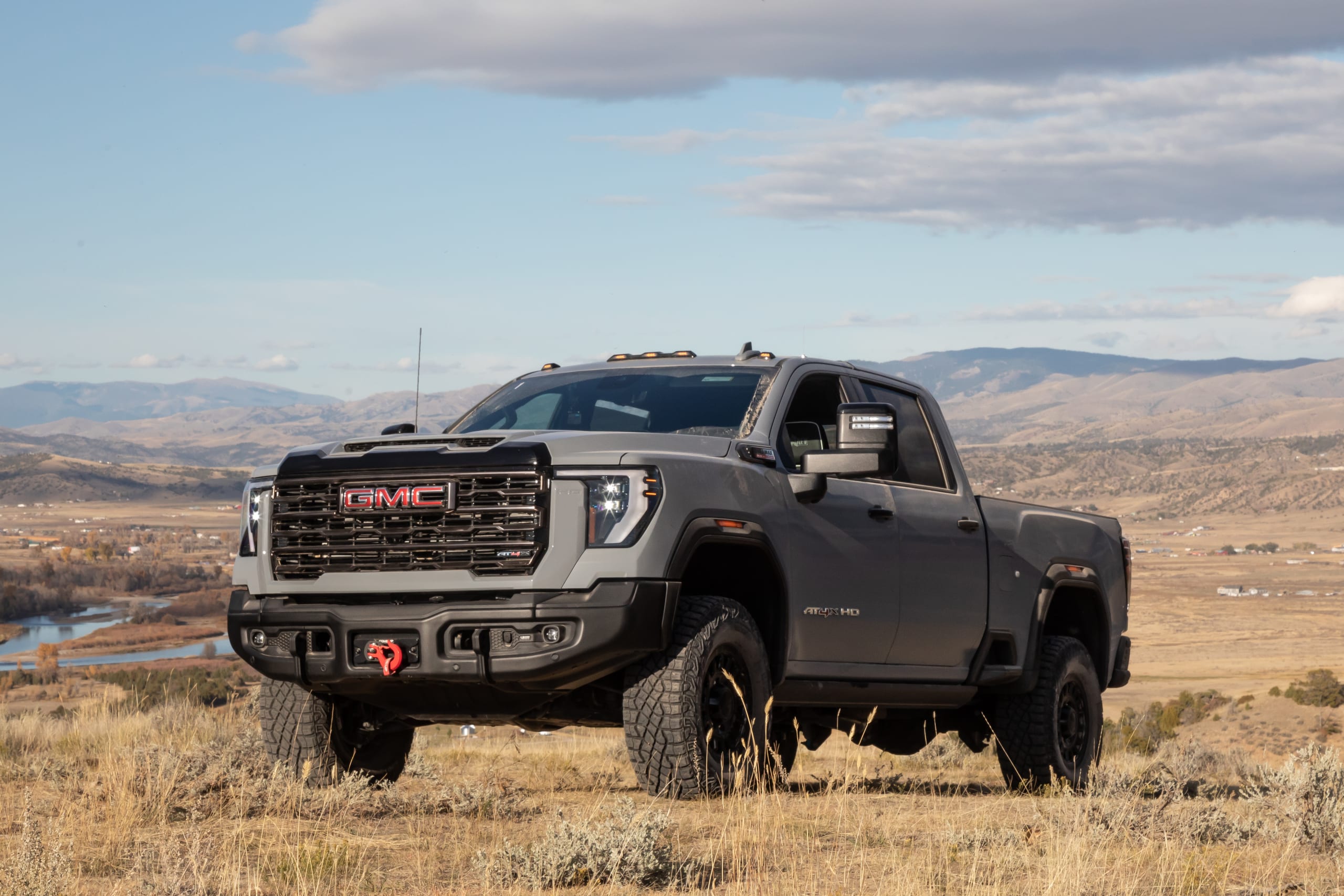
The GMC Sierra ranks fourth, with approximately 891,000 vehicles represented in the rural household data. While its volume is below Ford, Chevrolet, and Ram, the figure remains impressive.
It also highlights how strongly full-size pickups dominate rural transportation. The four individually named leading vehicles in the available data are all pickup trucks, showing that rural vehicle preferences are closely tied to utility.
The Sierra shares engineering foundations with Chevrolet’s Silverado, but GMC positions the truck toward buyers seeking a somewhat more premium presentation.
For rural owners, that can create an attractive combination of capability and comfort. A buyer may want a truck capable of towing a trailer or carrying equipment while also wanting a quiet cabin and higher-end features for long-distance driving.
The Sierra lineup includes light-duty and heavy-duty choices, giving rural buyers access to different levels of towing and payload capability. This is particularly useful in areas where trucks serve multiple roles. A vehicle can spend part of its life carrying work equipment and the rest of its time transporting a family, visiting nearby towns, or traveling long distances for supplies.
Current U.S. sales figures show that Sierra remains a major pickup nameplate. Through June 2026, GMC Sierra sales were reported at roughly 170,754 units, placing it fourth among the tracked pickup models in that period.
Again, that figure represents the entire U.S. market, not rural America specifically, but it reinforces the continued strength of the model.
Its rural ranking is particularly interesting because GMC does not have the same sales volume as Chevrolet. Yet nearly 900,000 Sierra vehicles in the rural household data indicate that GMC has a meaningful rural customer base.
Buyers who want traditional pickup capability with a more upscale cabin can find that combination in the Sierra, making it a durable presence in rural communities.
5. Toyota Tacoma
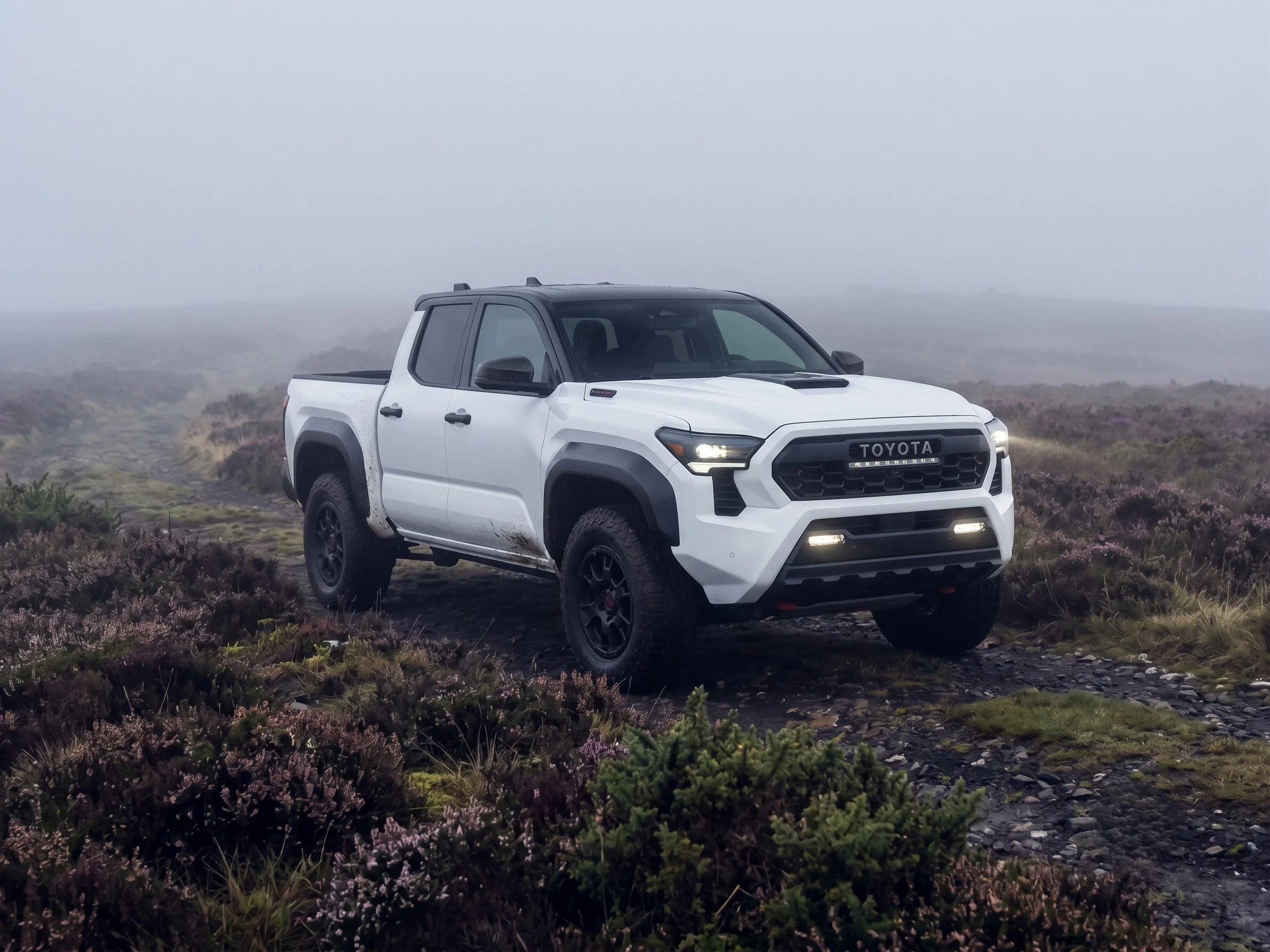
The Toyota Tacoma is a strong candidate for the next tier of rural vehicles, but its exact national rural volume cannot be established from the same dataset that provides the first four positions.
That distinction matters. The Tacoma is clearly popular in the American pickup market, yet there is no reliable figure in the cited rural household data that allows its rural population to be placed precisely against every other model.
The Tacoma appeals to rural drivers who need pickup utility without the size of a full-size truck. Its smaller dimensions can be useful on narrow roads, forest tracks, older rural properties, and recreational trails.
Four-wheel-drive versions also provide useful capability for snow, mud, gravel, and uneven terrain. These characteristics give the Tacoma a role that differs from heavy-duty work trucks.
National sales figures demonstrate that the Tacoma has a large customer base. Through the first half of 2026, Toyota Tacoma sales were reported at approximately 143,848 units in the U.S. pickup market.
That does not translate directly into rural sales, but it establishes that the model has enough national volume to be a serious candidate for a rural ranking.
The Tacoma also has a reputation for durability and strong resale values, qualities that can matter greatly when vehicles are kept for many years.
Rural buyers may travel significant distances and may not replace vehicles as frequently as some urban consumers. A truck expected to remain in service for a long period can be attractive even when its initial purchase price is higher.
For this ranking, the Tacoma should therefore be viewed as a lower-confidence sixth position rather than a mathematically verified sixth-place result. Its inclusion reflects its established pickup-market volume and rural suitability, while the exact rural total remains unverified. That distinction keeps the article from presenting an invented number as established fact.
6. Toyota Tundra
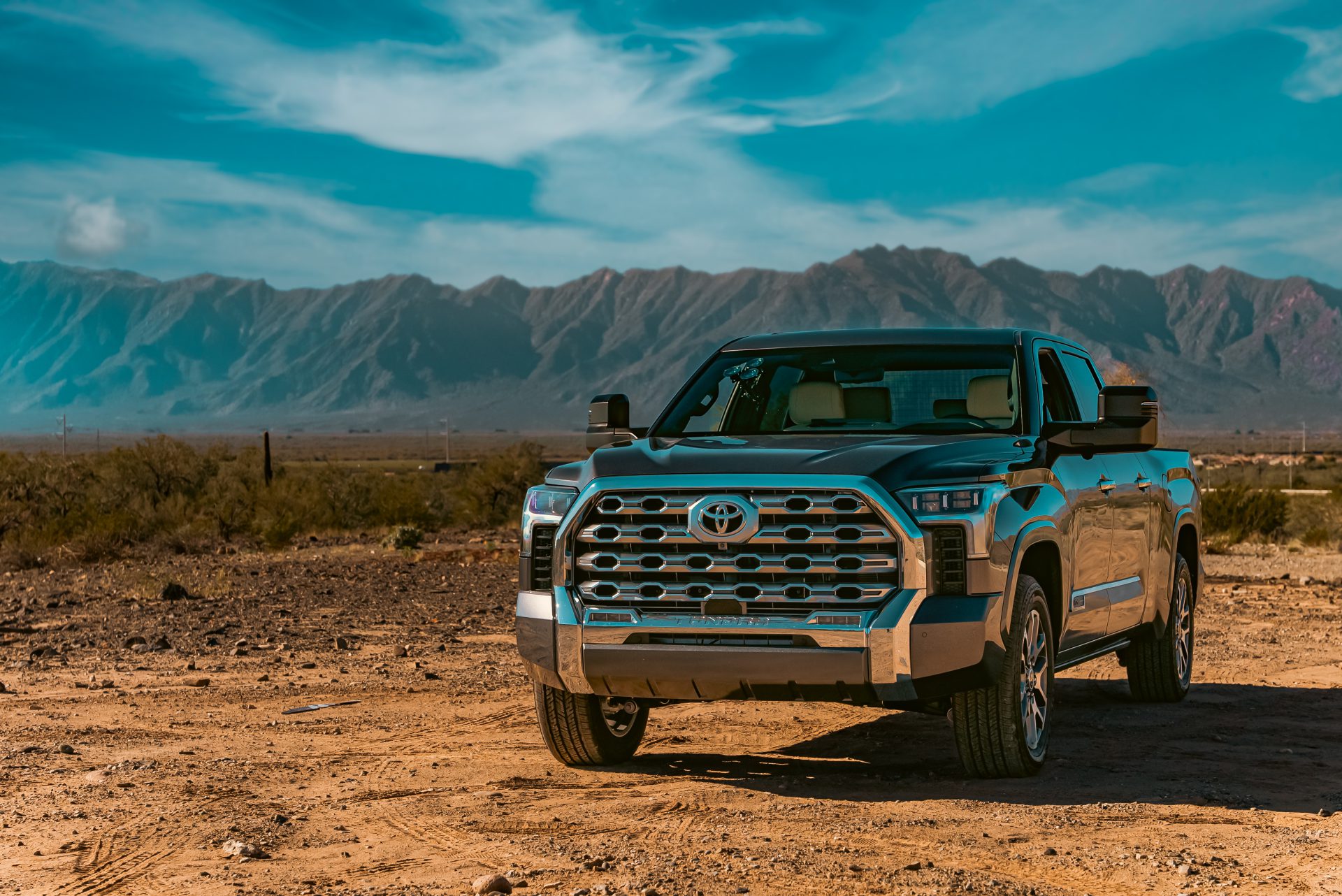
The Toyota Tundra is another strong rural candidate, particularly for buyers who want a full-size pickup with Toyota’s reputation for durability.
However, the available national rural ownership evidence does not provide a precise Tundra count that can be compared directly with the first four named vehicles. Its position here is therefore based on market volume and rural suitability rather than a documented rural sales total.
The Tundra provides the size and capability expected from a full-size pickup. Its available four-wheel-drive systems, substantial towing ability, and large cabin make it suitable for long rural drives and demanding conditions. It can serve as a family vehicle during the week and a utility vehicle when work or recreation requires additional capacity.
Its rural presence is somewhat different from the traditional domestic truck brands. Toyota has a strong reputation among buyers who prioritize long-term durability and resale value, but its pickup range does not extend into the same breadth of heavy-duty categories offered by Ford, Chevrolet, and Ram.
That can matter to rural buyers whose livelihoods depend on very high towing and payload capacities.
Current sales figures still show substantial demand. Through June 2026, Toyota Tundra sales were reported at approximately 74,368 units in the U.S. pickup market.
The figure is far below the F-Series, Silverado, Ram, and Sierra totals, but it remains large enough to make the Tundra a recognizable part of the full-size pickup industry.
The Tundra’s seventh-place position should therefore be treated as an informed placement rather than a verified rural-volume statistic. A future national database separating rural registrations by individual model could move the Tundra higher or lower. For now, the available evidence supports its relevance but does not justify claiming an exact number of Tundras sold to rural Americans.
7. Ford Ranger
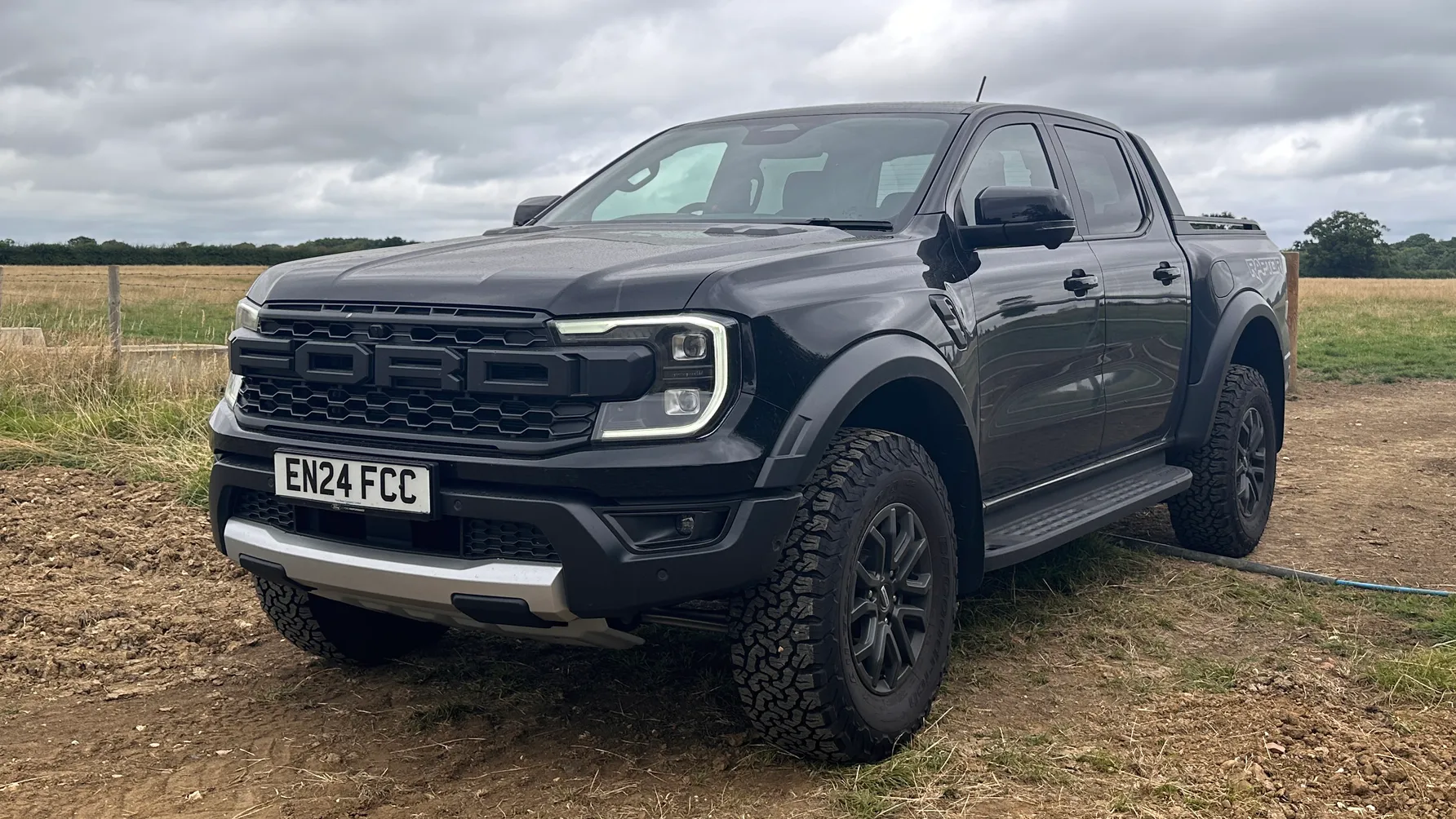
The Ford Ranger rounds out this list as a plausible eighth-place candidate based on its established position in the midsize pickup market and its suitability for rural driving. Like the Tacoma and Tundra, however, its exact rural household volume is not identified in the available national rural dataset. Giving it a specific rural sales number would therefore create false precision.
The Ranger occupies an interesting space between compact utility and full-size pickup capability. It is easier to maneuver than a large truck while retaining an open cargo bed and useful towing capacity. That can appeal to rural residents who do not need a heavy-duty truck but still want the flexibility of a pickup.
Its size can also be useful on rural properties. Gravel lanes, narrow bridges, wooded roads, small farm access routes, and older garages can present challenges for very large pickups. A midsize truck can offer a more manageable footprint while retaining many of the features that make pickups useful for rural life.
The Ranger has also maintained meaningful national sales volume. Through the first half of 2026, Ford Ranger sales were reported at approximately 34,069 units, according to a current U.S. pickup sales compilation.
Its volume is much smaller than Ford’s F-Series, which reinforces why the two models should not be treated as interchangeable when discussing sales.
The eighth-place ranking should be read with the same qualification applied to the Tacoma and Tundra. The first four positions are supported by actual rural household counts, while the lower positions cannot be verified through a comparable nationwide rural model database.
The Ranger is included because it is a credible rural pickup candidate, not because a published source proves it sold exactly enough rural units to secure eighth place.
