
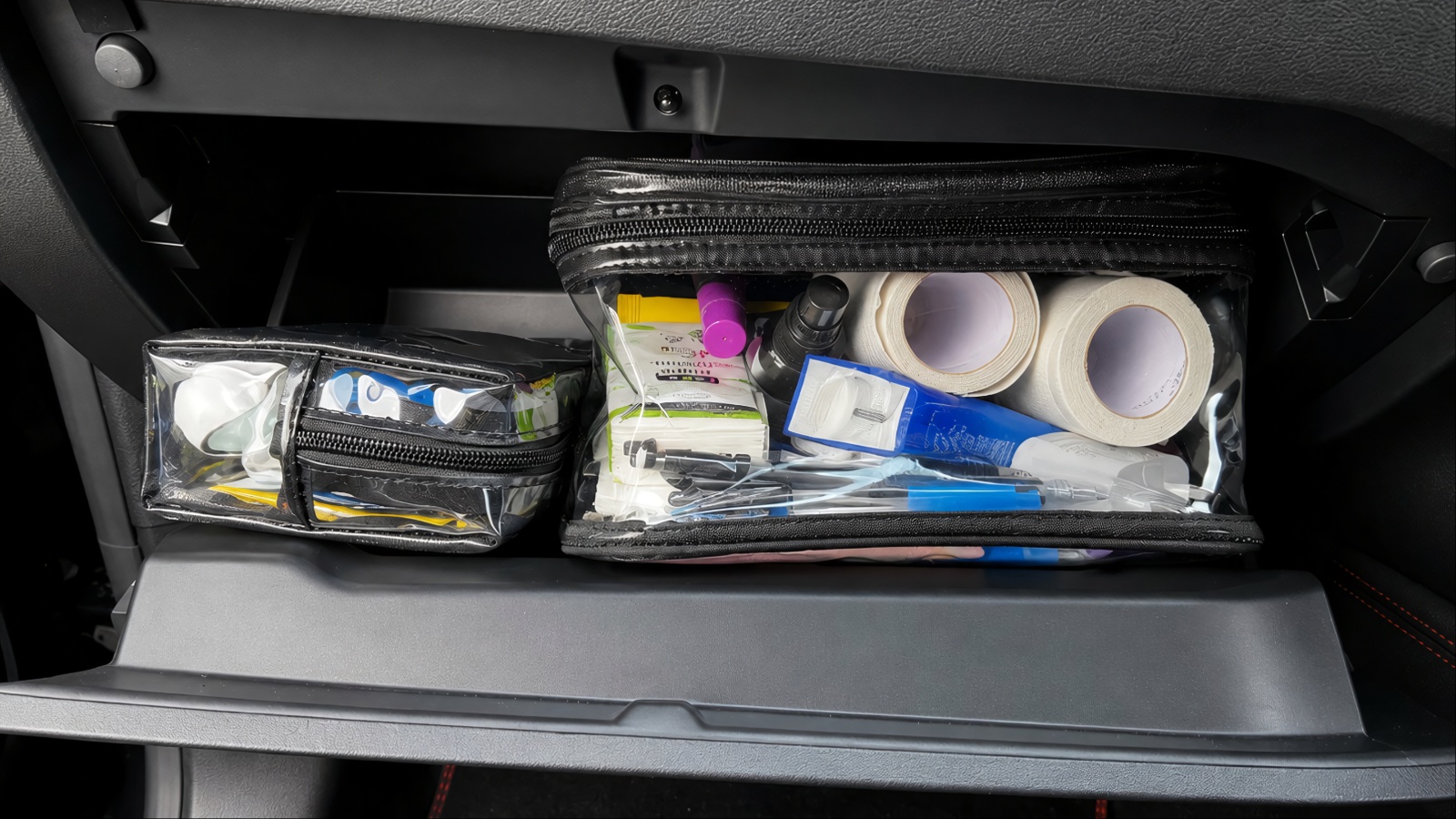
A glovebox may seem like a convenient place to store everyday belongings, yet certain items can create serious legal problems when carried inside a vehicle. Laws differ across states, cities, and individual circumstances, so an item that is permitted in one location may be restricted somewhere else.
Drivers should pay attention to items such as controlled substances, illegal weapons, forged documents, and stolen property before placing anything inside their vehicle.
Understanding these rules can help prevent unnecessary traffic stops from becoming complicated legal situations. This guide covers ten categories of items that may be illegal or legally problematic to keep in a glovebox while traveling.

1. Illegal Drugs and Controlled Substances
Illegal drugs are among the clearest examples of items that can cause criminal trouble when stored inside a glovebox. Federal law and state laws regulate controlled substances, and possession can be unlawful when a person does not have the appropriate legal authorization.
Common examples can include substances such as cocaine, heroin, methamphetamine, and certain prescription medications possessed without a valid prescription. The exact penalties depend on the substance, quantity, jurisdiction, and circumstances surrounding possession. Keeping such substances inside a vehicle does not make them less subject to possession laws, even if the driver claims they were stored temporarily.
Prescription medication can also create problems when it is not legally prescribed to the person carrying it. A bottle containing medication that belongs to somebody else may raise questions during a traffic stop, particularly when the medication is classified as a controlled substance.
Drivers should avoid carrying loose controlled medications in a glovebox without appropriate documentation. Keeping medication in its original labeled container is generally a safer practice when traveling with a valid prescription. State requirements can differ, so people who regularly cross state lines should check the rules that apply to their destination.
Cannabis presents a more complicated situation because state laws differ significantly. Some states permit possession by adults, while others maintain stricter restrictions. Federal law also creates separate considerations, particularly on federal property and during certain types of interstate transportation.
A driver should not assume that legal possession in their home state means the same item can be carried freely everywhere. Transportation across state borders can create additional legal issues. Storage inside a vehicle can also be regulated depending on whether the product is sealed, accessible, or being transported under specific conditions.
The location of the substance inside the vehicle may matter, but simply moving an illegal substance from a glovebox to a trunk does not automatically make possession lawful. Vehicle-storage rules generally address accessibility and transportation rather than eliminating the underlying possession offense.
A person who legally possesses medication or a regulated substance should understand the applicable storage requirements before driving. Some jurisdictions have specific rules concerning open containers, cannabis products, prescription drugs, and other regulated substances. Ignoring those requirements can turn an otherwise lawful item into a legal concern.

2. Illegal Firearms or Prohibited Weapons
Firearms can be legally owned and transported in many parts of the United States, but possession and transportation requirements vary considerably. Problems can arise when a firearm is possessed by a person who is legally prohibited from having it, when the firearm itself violates applicable law, or when transportation rules are not followed.
A glovebox can also be a legally sensitive location because vehicle-carry laws may impose specific requirements concerning loaded firearms, concealed firearms, permits, and accessibility. The fact that a vehicle is privately owned does not eliminate these restrictions.
Federal and state laws can prohibit certain people from possessing firearms. Restrictions may apply to individuals with particular felony convictions, certain domestic violence convictions, specific court orders, or other disqualifying circumstances.
State law may impose additional restrictions. Someone who cannot legally possess a firearm generally cannot avoid that prohibition by keeping the firearm inside a locked glovebox. The legal issue concerns possession and circumstances, not simply whether the weapon is visible.
The status of the firearm itself can also matter. Certain weapons and configurations are regulated under federal law, while state laws can establish additional restrictions.
Short-barreled firearms, machine guns, and other specially regulated firearms can require compliance with particular federal rules. State definitions may differ from federal classifications. A person should never assume that an item is lawful simply because it was purchased legally somewhere else or because another state permits it.
Ammunition can create separate considerations as well. Some jurisdictions impose restrictions concerning particular types of ammunition or how ammunition and firearms are transported. Drivers traveling through multiple states may encounter substantially different requirements.
A firearm that is legally transported under the rules of the state where the trip begins could create complications after entering a state with different vehicle-carry regulations. Transportation laws can also distinguish between a firearm stored in a locked container, a vehicle compartment, or a location accessible to occupants.

3. Stolen Property
Stolen property can create serious legal consequences even when the person currently holding it did not personally steal it. Criminal laws commonly prohibit knowingly receiving, possessing, concealing, or disposing of property that has been stolen.
The exact offense and required level of knowledge differ by jurisdiction. A glovebox containing someone else’s stolen phone, wallet, electronics, identification documents, or other valuables can therefore become a significant legal issue if authorities have reason to believe the property was knowingly possessed.
Knowledge is an important factor in many stolen-property cases. Accidentally possessing an item that was stolen can be legally different from knowingly keeping property after learning that it was stolen. Circumstances can influence how authorities interpret possession.
For example, a person who knowingly accepts expensive electronics for an unusually low price may face questions about whether they knew the items were stolen. Keeping suspicious property hidden inside a vehicle can also create circumstances that investigators consider relevant.
People sometimes place property in their glovebox for convenience without thinking about where it came from. That can be particularly risky when the item belongs to another person.
A phone found on the ground, a wallet left behind at a business, or an electronic device purchased from an unknown seller should not simply be treated as personal property. Appropriate steps for found property can vary by location, and returning it through the proper channel is generally preferable to keeping it.
Vehicle searches can bring stolen property to the attention of law enforcement. If officers have lawful grounds to search a vehicle, items discovered inside the glovebox may become part of an investigation.
The presence of an item does not automatically establish guilt, but possession can become evidence when combined with other circumstances. Drivers should therefore be careful about accepting or transporting property when they are uncertain about its ownership.
4. Fake Identification Documents
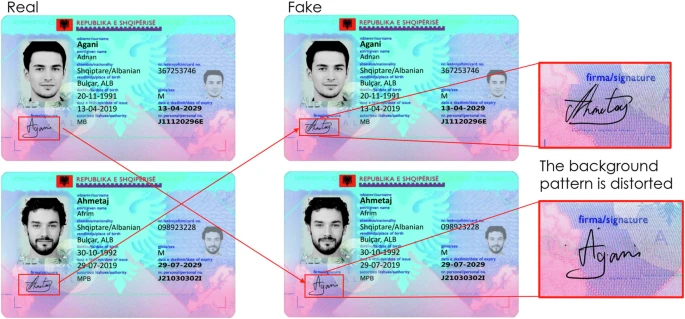
Fake identification documents can create criminal liability even when they are never used. Government-issued identification has legal significance, and laws commonly prohibit producing, possessing, altering, or using fraudulent identification for unlawful purposes.
Examples can include counterfeit driver’s licenses, fake government identification cards, fraudulent immigration documents, and altered official records. The exact offense depends on the document and jurisdiction.
A person may sometimes possess a novelty identification card without intending to use it as genuine identification, but context matters.
A counterfeit document designed to resemble an authentic government credential can raise legal concerns even when the owner claims it was intended as a joke. Laws differ regarding possession, intent, forgery, and fraudulent use. A novelty item should not be confused with a realistic counterfeit document intended to deceive authorities or businesses.
Altered genuine documents can create similar problems. Changing a birth date, photograph, name, expiration date, or other identifying information can transform a legitimate document into fraudulent identification. Keeping such an item inside a glovebox can become particularly problematic during a traffic stop because drivers are commonly expected to provide legitimate identification and vehicle documentation when legally required.
Fake vehicle documents can also create complications. Counterfeit registration cards, insurance documents, inspection certificates, license plates, and other official records may be unlawful to possess or use.
Even if the driver did not personally create the fraudulent document, knowingly possessing or presenting it can lead to legal consequences. The precise rules vary by jurisdiction and by the type of document involved.
Drivers should keep only legitimate, current documents in their vehicles. If a registration, insurance card, or license contains an error, the proper solution is to obtain a corrected document rather than altering it yourself.
If you encounter a questionable identification document belonging to someone else, do not use it or present it as your own. A glovebox is useful for legitimate paperwork, but it should not become a place for storing counterfeit government documents.

5. Prescription Medication Belonging to Someone Else
Prescription medication is not automatically illegal to possess simply because it is stored in a vehicle. The legal concern arises when a medication is prescribed to someone else, when the substance is controlled, or when state law imposes restrictions on possession.
Certain pain medications, stimulants, sedatives, and other prescription drugs are subject to controlled-substance regulations. Possessing them without lawful authorization can lead to criminal charges.
Keeping pills loose inside a glovebox can also make it difficult to establish what the medication is and who it belongs to. Original pharmacy containers provide useful information about the prescription and the person for whom it was issued.
This does not guarantee that possession is lawful in every situation, but it is generally more appropriate than carrying unidentified tablets in an unmarked bag.
Sharing prescription medication is another serious concern. A medication prescribed to a family member or friend is not automatically legal for another person to possess or use. Controlled medications are especially sensitive.
Giving someone prescription medication can create legal problems for both the person providing it and the person receiving it. A vehicle glovebox should not be used as a convenient place to transport medication for another person without understanding the applicable rules.
Travel can add complexity. State laws concerning controlled substances and prescription medication may differ, and crossing a state line does not erase those differences.
People traveling with medication should carry only what they are legally entitled to possess and should follow applicable transportation requirements. For longer trips, keeping prescriptions properly labeled can make the purpose and lawful source of the medication easier to establish.
If you need to transport medication for another person, ask a pharmacist or qualified legal professional about the rules that apply.
Do not rely on the assumption that a family relationship makes possession lawful. The glovebox is suitable for many ordinary items, but controlled medication should be handled carefully and according to applicable prescription and transportation requirements.
6. Counterfeit Money
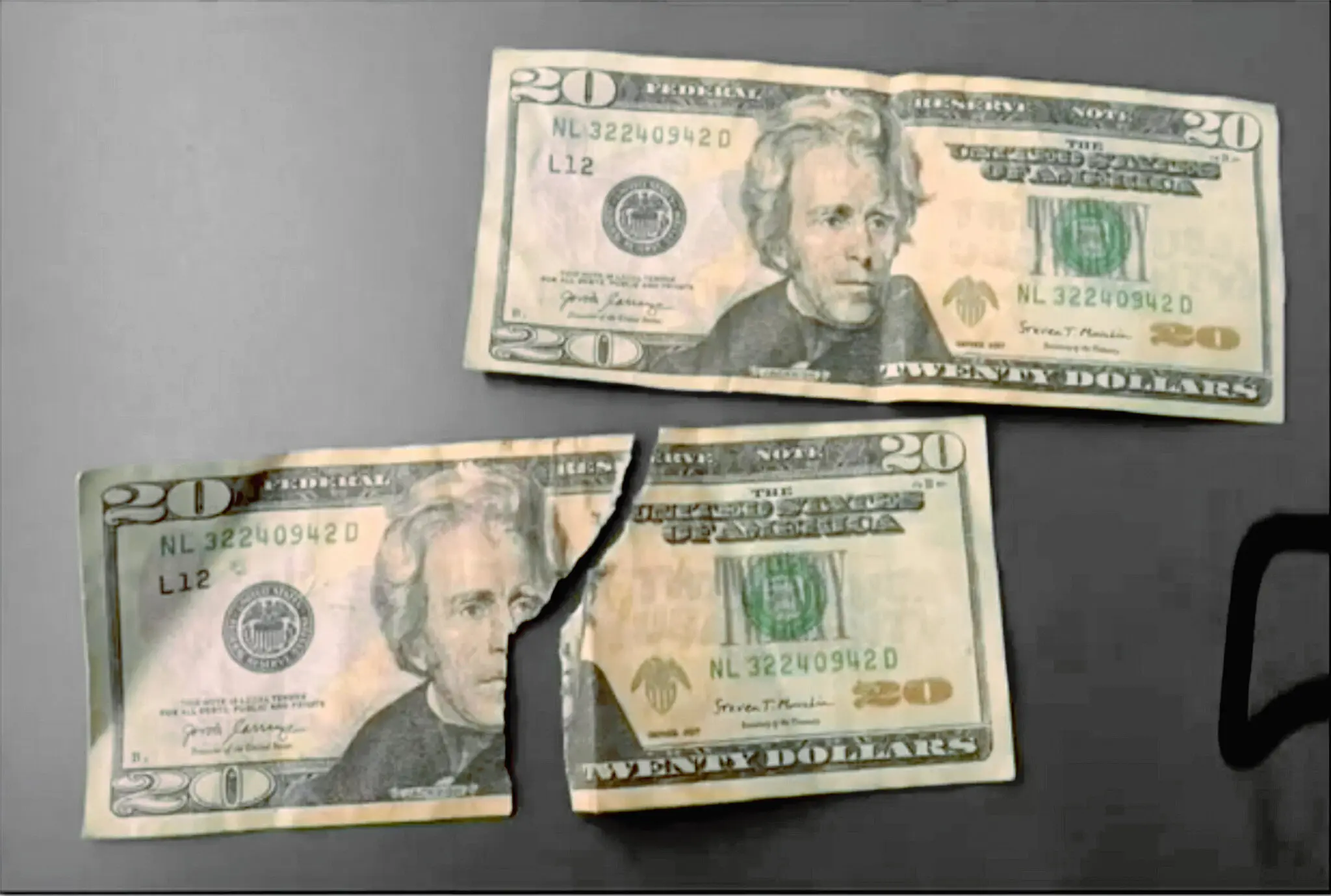
Counterfeit currency is another item that can cause serious legal trouble. Producing, passing, or knowingly possessing counterfeit money can violate federal law.
The purpose behind possessing the currency and the person’s knowledge of its fraudulent nature can be important legal factors. Simply finding a suspicious bill does not necessarily mean someone has committed a crime, but knowingly keeping counterfeit currency for later use can create substantial risk.
Counterfeit bills are sometimes received accidentally. A person may accept a fake bill at a store without realizing it is fraudulent.
The legal situation can be very different from knowingly storing counterfeit currency for the purpose of passing it to another person. If you discover that you have received a suspicious bill, attempting to spend it elsewhere can turn an accidental possession into a much more serious situation.
Keeping suspected counterfeit money inside a glovebox can also lead to complications if the vehicle becomes part of a broader investigation. The presence of several suspicious bills, counterfeit documents, or equipment associated with fraudulent activity can affect how authorities view the circumstances. The safest response to suspected counterfeit currency is to avoid using or distributing it and seek appropriate guidance on reporting or surrendering it.
People should also be cautious with novelty money. Movie props, training currency, and replica bills may be lawful when clearly designed and used for legitimate purposes, but realistic reproductions can be subject to specific restrictions.
Federal rules govern the reproduction of U.S. currency, including requirements related to size, color, and use. A realistic fake bill should not be treated casually.
For everyday drivers, the safest approach is straightforward. Use legitimate currency and never knowingly attempt to spend counterfeit bills. If you receive a banknote that appears suspicious, avoid passing it along to another person. Taking the proper steps to deal with questionable currency is much safer than leaving it in your glovebox and forgetting about it.

7. Forged or Fraudulent Checks
Fraudulent checks can create legal problems when they are knowingly possessed or used as part of a scheme to obtain money or property. A forged check may contain a false signature, altered amount, fabricated account information, or other fraudulent details.
Laws addressing forgery, fraud, and theft can apply depending on the circumstances. Keeping a fraudulent check in a vehicle may therefore become relevant if authorities are investigating financial crimes.
Not every invalid check is fraudulent. A check can be rejected because of insufficient funds, an incorrect account number, a bank error, or an expired payment period. Those situations are different from knowingly possessing a forged document. Intent and knowledge are often significant factors in determining whether conduct amounts to a criminal offense.
Altered checks can be especially problematic. Changing the payee, dollar amount, date, or signature can create a fraudulent instrument. Someone who knowingly keeps altered checks for later use may face serious consequences. A glovebox should therefore be reserved for legitimate financial documents rather than questionable checks obtained from unknown sources.
People can also become involved in fraud without personally creating a forged check. Someone may ask another person to deposit a check and send part of the money back, claiming it is an easy way to make cash.
Such arrangements can be part of fraudulent schemes. If a payment seems unusually complicated or a stranger asks you to transport or deposit questionable checks, refusing the arrangement can prevent significant legal and financial problems.
If you receive a check that appears suspicious, do not alter it, deposit it, or pass it to another person simply because you believe someone else will deal with the problem.
Contact the issuing bank or appropriate authorities for guidance. Keeping legitimate checks in a vehicle is ordinary, but storing documents connected to suspected fraud can create unnecessary legal exposure.
8. Evidence Connected to a Crime
Items connected to criminal activity can become legally significant even when the item itself is not normally illegal.
Examples may include stolen documents, tools used in a crime, fraudulent records, or physical evidence that a person knowingly possesses to conceal or interfere with an investigation. Laws concerning obstruction, evidence tampering, possession of stolen property, and related offenses vary by jurisdiction.
The key distinction is that ordinary objects are not automatically illegal because they could theoretically be used during a crime. A common household item, electronic device, piece of clothing, or tool can have completely legitimate purposes.
Legal problems arise from the circumstances surrounding possession and actions taken with the item. The mere fact that something could be evidence does not automatically make possession criminal.
Attempting to destroy or conceal evidence is much more serious. Someone who learns that an item is connected to an investigation and then hides, destroys, alters, or disposes of it may face additional charges.
Moving an item from a house to a glovebox does not erase its evidentiary significance. In some circumstances, such conduct can itself become evidence of an attempt to interfere with an investigation.
Drivers should also avoid transporting suspicious property for other people. A friend or acquaintance might ask someone to keep an item in their vehicle temporarily, claiming there is nothing to worry about. If the person knows or has strong reason to believe that the item is connected to illegal conduct, agreeing to transport it can create serious complications.
If law enforcement asks questions about an item that may be connected to an investigation, individuals should understand their legal rights and consider speaking with an attorney.
There is a significant difference between cooperating lawfully and taking independent steps to hide or destroy potential evidence. A glovebox should never be treated as a secret storage compartment for questionable items.
9. Items Prohibited by Local Vehicle or Public-Safety Laws
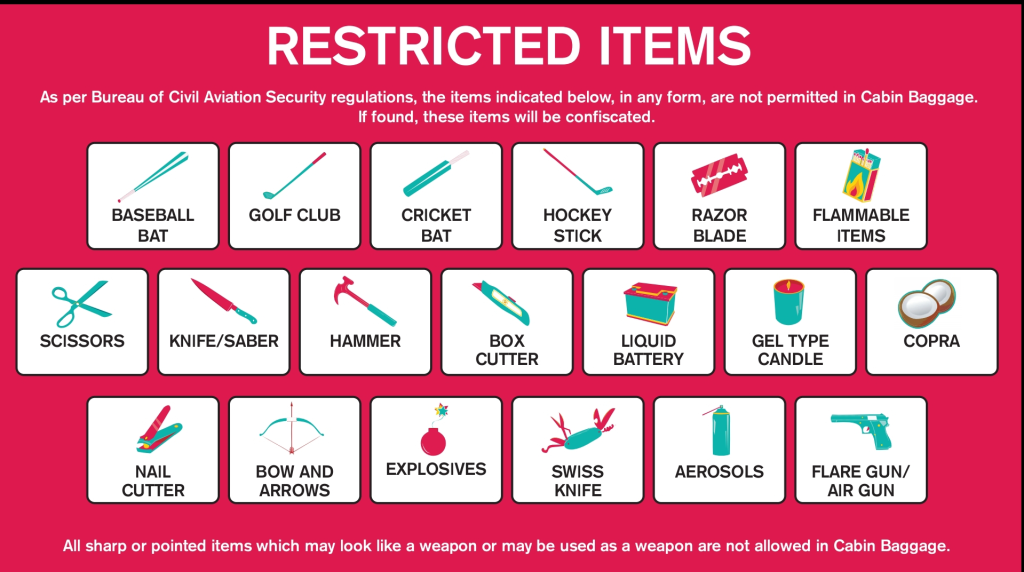
Some items may be lawful to own generally but restricted when carried inside a vehicle. Local and state laws can regulate particular weapons, hazardous materials, fireworks, certain types of knives, and other objects based on how they are transported. The rules can differ significantly between jurisdictions, which makes general assumptions unreliable.
For example, a knife that is legal to own at home may be subject to restrictions concerning concealed carry, blade length, location, or intended use. A vehicle can also be treated differently from a residence or private property.
Some jurisdictions distinguish between openly carried and concealed items, while others impose restrictions based on the type of weapon.
Fireworks and other hazardous materials can also be subject to transportation and possession rules. An item that is sold legally in one jurisdiction may be restricted in another. Storage inside a glovebox does not change the legal classification. In fact, placing a prohibited item in a concealed compartment can create additional questions depending on the applicable law.
Drivers should pay particular attention when crossing state or municipal boundaries. Laws can change shortly after entering a different jurisdiction. Travelers who regularly drive between states should not assume that a familiar rule applies everywhere along their route. This is especially important for weapons, ammunition, fireworks, and regulated materials.
10. Items You Are Legally Prohibited From Possessing
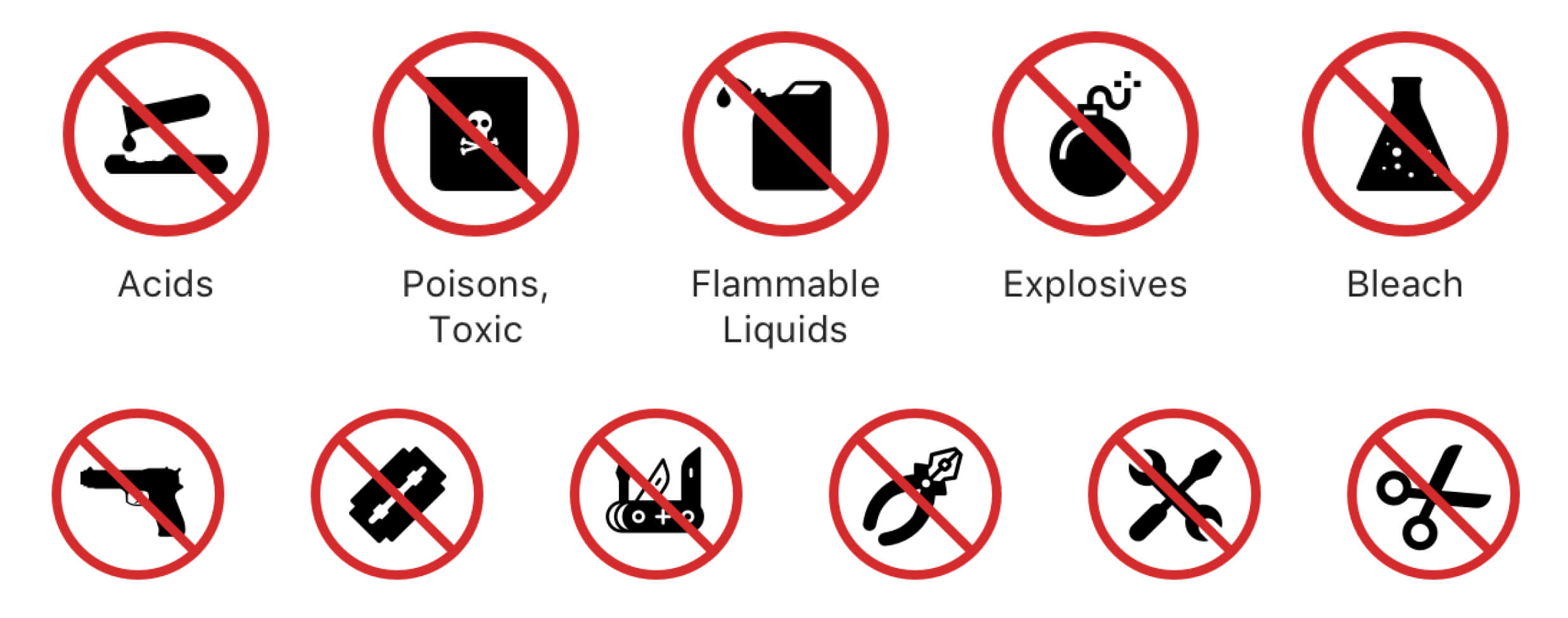
The final category covers items that may be ordinary or lawful for most people but illegal for a particular person because of a legal restriction.
This principle is important because legality can depend on both the object and the person possessing it. Firearms provide a clear example, but other regulated property can also be subject to individual restrictions.
Court orders, probation conditions, parole conditions, protective orders, and other legal requirements can limit what a person may possess or carry. A person subject to a specific restriction cannot necessarily rely on the fact that another driver could legally keep the same item in a vehicle. Personal legal circumstances can therefore affect what belongs in a glovebox.
Certain professional or regulatory restrictions may also apply to specialized equipment or materials. A person working in a regulated industry may have obligations that do not apply to the general public. Similarly, an item may be lawful when properly licensed or registered but unlawful when the required authorization is missing.
People sometimes assume that keeping a prohibited item hidden inside a glovebox reduces the risk of detection. It does not change the underlying legal restriction. If a person is legally barred from possessing an item, concealment can potentially create additional concerns depending on the circumstances. Moving the object between compartments does not make prohibited possession lawful.
