
Hybrid SUVs are moving from niche alternatives to mainstream choices as automakers rethink how their most popular models use gasoline and electric power. Several familiar SUVs are gaining hybrid power as their standard or exclusive drivetrain, while others are preparing for major lineup changes in key markets.
This shift gives buyers better fuel economy without requiring the charging routine associated with a fully electric vehicle. It also reflects changing emissions targets, rising demand for efficient family vehicles, and advances in hybrid technology. Here are ten SUVs connected with the growing move toward hybrid-only lineups, along with what buyers should know before making a decision.
1. Toyota RAV4
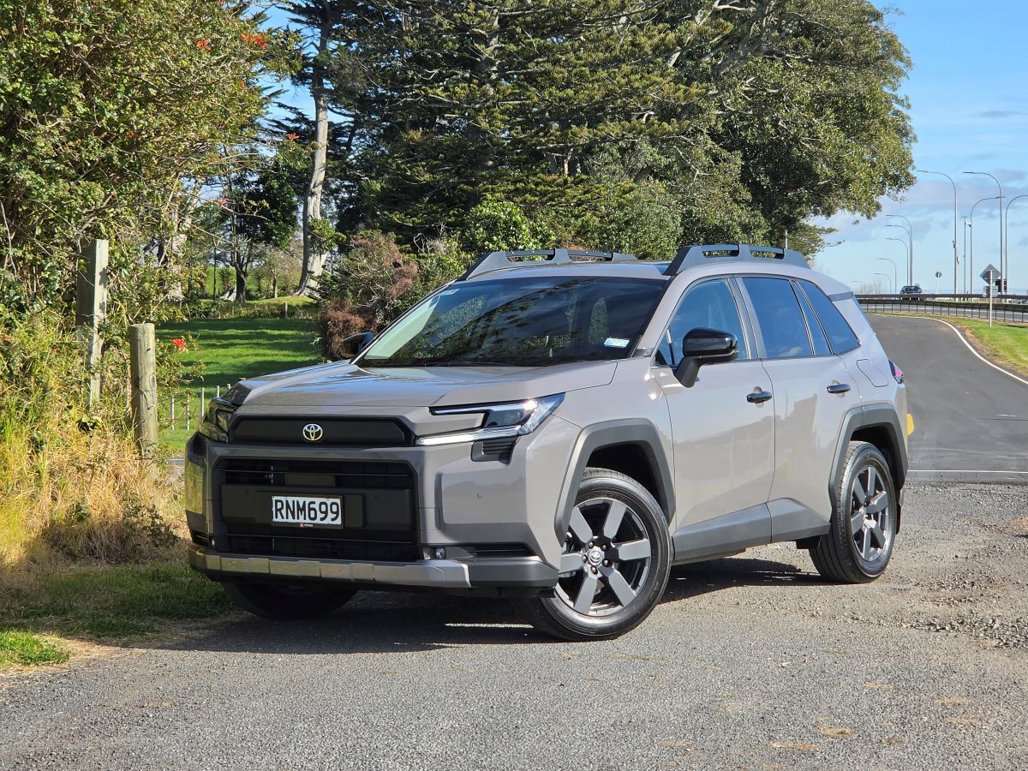
The Toyota RAV4 has become a major example of how quickly the mainstream SUV market can move toward hybrid power. For the latest generation, Toyota has repositioned the RAV4 around electrified powertrains, with hybrid and plug-in hybrid versions taking center stage.
In several markets, the newest RAV4 is offered exclusively with electrified power. The exact lineup varies by country, so buyers should check local specifications before assuming every RAV4 carries identical equipment.
The change makes sense because the RAV4 has traditionally appealed to buyers who want practicality without the size of a three-row SUV.
A hybrid drivetrain fits that mission particularly well. It can provide stronger low-speed response, reduced fuel consumption in stop-and-go traffic, and quieter operation during everyday driving. Those characteristics are particularly useful for commuters who spend significant time in urban areas.
The latest RAV4 also demonstrates that choosing a hybrid does not necessarily mean giving up versatility. Hybrid versions can still offer all-wheel drive, substantial cargo space, and the elevated driving position that attracts buyers to SUVs. Plug-in hybrid versions take the concept further by adding the ability to travel on electric power for shorter journeys before the gasoline engine becomes the primary source of propulsion.
Toyota’s approach also gives the RAV4 a useful place between conventional gasoline vehicles and fully electric SUVs.
Drivers who regularly travel long distances can still refuel at ordinary gas stations, while people with shorter commutes can make greater use of electric assistance. That flexibility remains a significant selling point for shoppers who are not ready to move completely away from gasoline.
The RAV4’s transition is particularly important because of its enormous popularity. When a high-volume family SUV becomes heavily focused on hybrid technology, it signals that electrification is no longer limited to expensive or specialized vehicles.
The RAV4 shows how hybrid power can become a default choice rather than an optional upgrade, potentially influencing how competing manufacturers design their next-generation compact SUVs.
2. Lexus NX
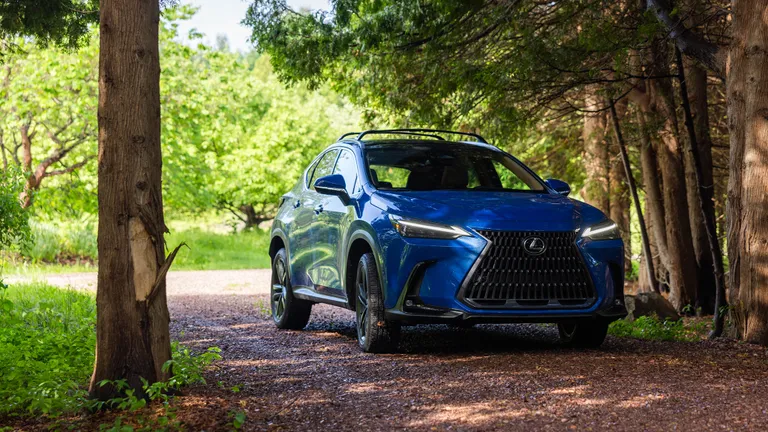
The Lexus NX is making a particularly clear move toward a hybrid-only future. For the 2027 model year, Lexus is eliminating gasoline-only NX versions in favor of hybrid and plug-in hybrid powertrains.
The updated SUV is expected to offer the NX350h and NX450h+ as its primary choices, making the nameplate an important example of a luxury SUV abandoning conventional gasoline-only propulsion.
The NX350h uses a conventional hybrid system that combines a gasoline engine with electric motors and a battery pack. The NX450h+ takes a different approach by using a larger battery that can be charged externally.
This gives customers two levels of electrification without forcing everyone into a fully electric vehicle. The strategy allows Lexus to serve drivers with different charging access and driving habits.
The plug-in version is especially interesting because the latest NX450h+ is receiving a larger battery and additional charging capability. Lexus has stated that the updated version is designed to provide more than 40 miles of estimated electric driving range, depending on market specifications and testing procedures. That makes it possible for some owners to complete daily errands primarily using electric power.
The move also reflects Lexus’s broader positioning as a luxury brand focused heavily on electrified vehicles. Hybrid technology has been part of Lexus products for years, so making the NX hybrid-only is less radical for the company than it would be for a manufacturer with little experience in this area. The NX can therefore act as a bridge between traditional luxury SUVs and future battery-electric products.
For buyers, the biggest advantage may be choice within the hybrid category. Someone who wants a simple ownership experience can select the standard hybrid, while a driver with convenient home charging can choose the plug-in model.
The disappearance of a gasoline-only NX also shows that hybrid technology is becoming mature enough for luxury manufacturers to make it the default powertrain rather than an efficiency-focused alternative.
3. Toyota Land Cruiser
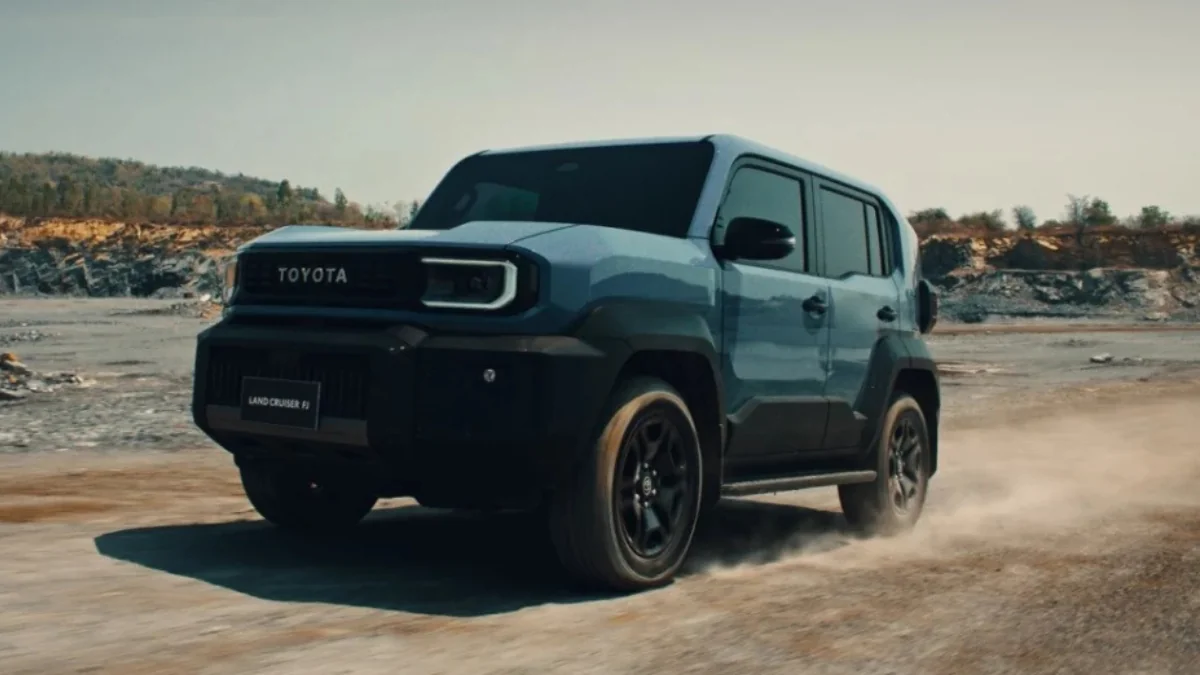
The Toyota Land Cruiser has a very different relationship with hybrid technology. Unlike a compact crossover designed mainly for commuting, the Land Cruiser carries a reputation for durability, towing, off-road ability, and long-distance travel.
Its hybrid powertrain therefore has to provide more than fuel savings. It needs to deliver usable torque and dependable performance across a wide range of conditions.
The modern Land Cruiser demonstrates how hybrid systems can be applied to a rugged SUV without turning it into a soft road vehicle. Electric assistance can provide immediate torque at low speeds, which can be useful when climbing difficult terrain or maneuvering over obstacles. The gasoline engine then supplies sustained power when higher speeds or longer journeys require it.
This combination is particularly relevant for off-road driving because smooth power delivery matters. A hybrid system can help make throttle response more controlled, which is valuable when a driver is navigating rocks, loose surfaces, steep inclines, or narrow trails. The electric motor does not replace the mechanical components that provide traction, but it can complement them.
Toyota has also used electrification across several larger SUV nameplates, showing that hybrid technology is not restricted to small vehicles. The company’s hybrid lineup includes models such as the RAV4 and Highlander alongside larger and more rugged vehicles.
For Land Cruiser buyers, the hybrid system is therefore less about turning the SUV into an economy car and more about adding another source of performance.
Fuel consumption still matters, particularly for drivers covering long distances, but torque delivery, response, and capability remain central to the vehicle’s appeal. That balance could become increasingly common as large SUVs adopt electrified drivetrains.
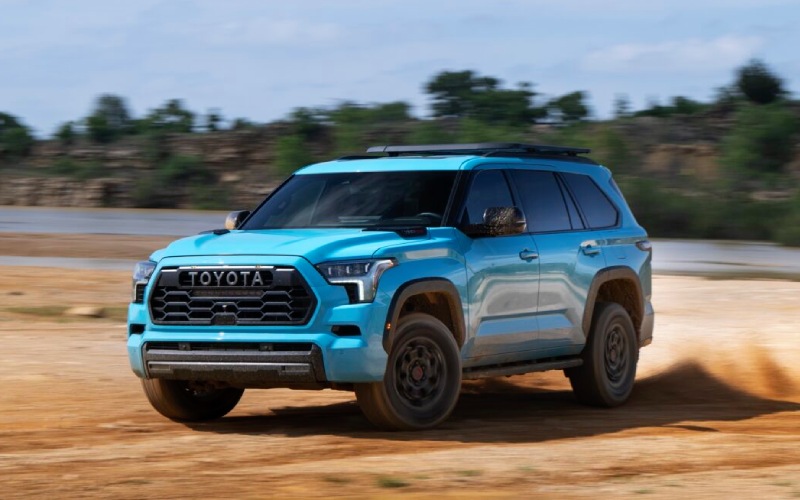
4. Toyota Sequoia
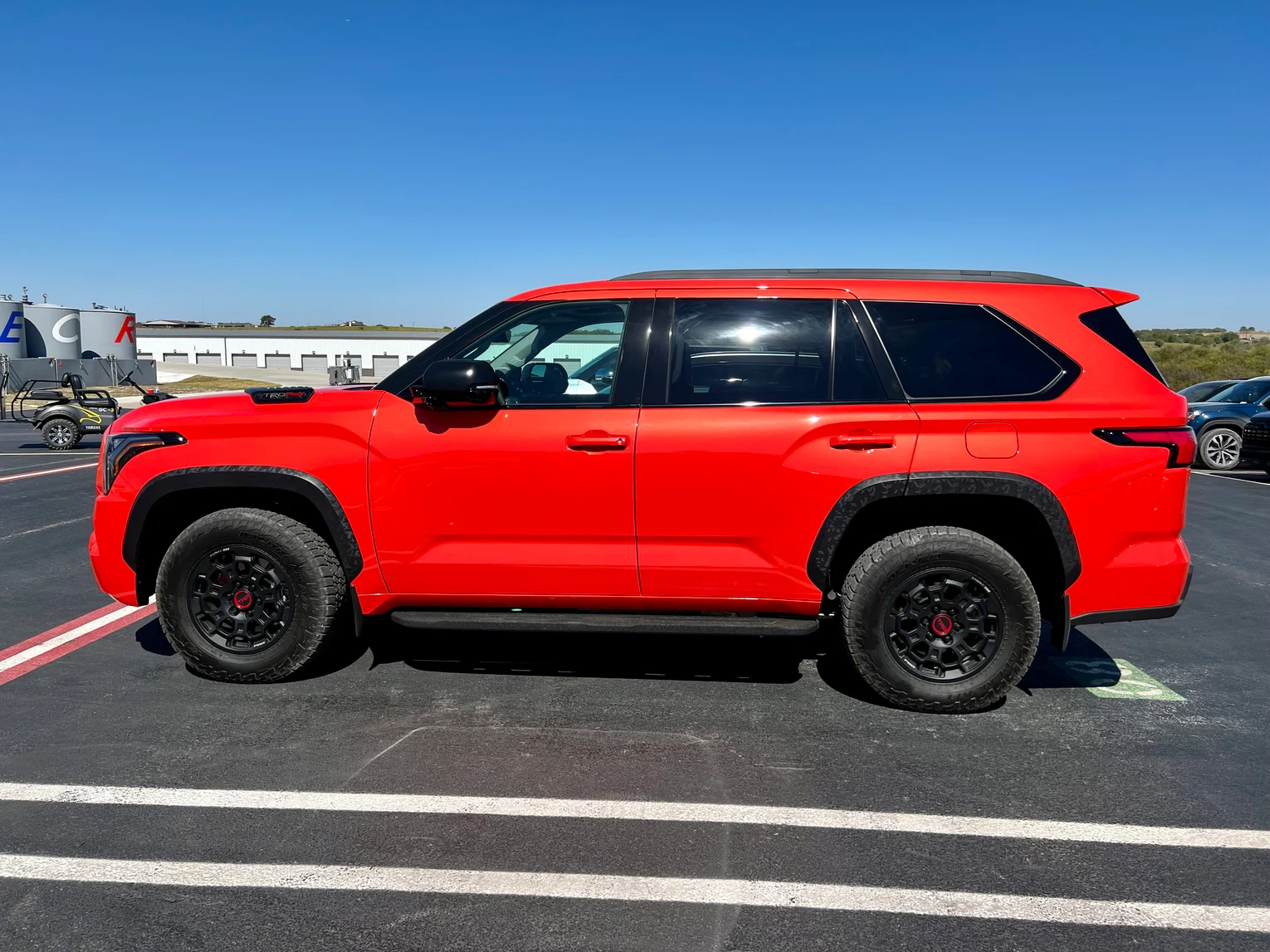
The Toyota Sequoia highlights another key stage in the shift toward hybrid SUVs. It brings hybrid technology into the large three-row family SUV segment, where vehicles have traditionally relied on powerful gasoline engines. These larger models need plenty of capability to carry passengers, tow trailers, and handle their substantial weight.
Hybrid technology offers manufacturers a way to retain those capabilities while reducing dependence on a large gasoline engine.
The Sequoia’s hybrid system pairs gasoline power with electric assistance to produce substantial output. This arrangement is useful because electric motors can generate strong torque quickly, helping a large vehicle feel responsive when pulling away from a stop. For an SUV that may carry several passengers or tow substantial loads, that extra low-speed assistance can be meaningful.
Fuel economy is another reason hybrids make sense in this segment. A large SUV can consume considerably more fuel than a compact crossover, especially in urban driving. A hybrid system can recover energy during braking and use that stored energy to assist acceleration. The result can be more efficient operation without requiring the driver to change daily habits dramatically.
The Sequoia also illustrates an important distinction between hybrid SUVs and electric SUVs. A hybrid can still travel hundreds of miles between fuel stops and can be refueled quickly. That matters to families who regularly take road trips, tow recreational equipment, or travel through regions where charging infrastructure is limited.
As manufacturers continue electrifying large SUVs, models such as the Sequoia show why hybrid power can be an attractive intermediate solution.
The technology allows automakers to retain the capability expected from a full-size SUV while improving efficiency. For customers who need space and towing ability but would rather avoid a purely gasoline-powered vehicle, that compromise can be compelling.
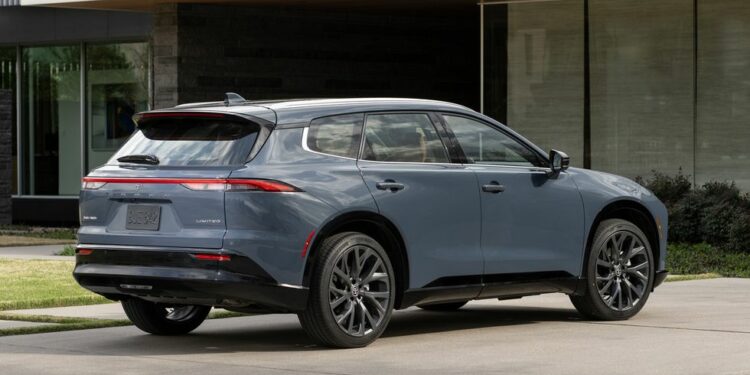
5. Toyota Crown Signia
The Toyota Crown Signia is another interesting example because it was introduced as a hybrid-focused SUV rather than following the traditional path of launching with gasoline power and adding electrification later. The vehicle combines the raised driving position and cargo flexibility associated with an SUV with a more car-like road-going character.
Its hybrid setup is well suited to drivers who spend much of their time commuting or handling routine family transportation. Hybrid systems are particularly effective in conditions where frequent braking and acceleration allow the vehicle to recover energy. That makes city streets, suburban traffic, and short trips favorable environments for hybrid technology.
The Crown Signia also highlights how manufacturers are creating new SUV categories around electrified powertrains. Rather than simply converting an existing gasoline model, Toyota designed the vehicle around a customer base that may prioritize comfort, efficiency, quietness, and all-weather traction. This approach gives hybrid technology a more central role in the vehicle’s identity.
For consumers, a hybrid-only vehicle can simplify the buying decision. There is no need to compare a gasoline engine against a hybrid version of the same model or decide whether the extra cost of electrification is justified. The powertrain is simply part of the vehicle’s standard formula.
The Crown Signia may not have the rugged reputation of a Land Cruiser or the mass-market history of a RAV4, but its importance lies in the direction it represents.
It shows that hybrid power can be treated as the foundation of an SUV rather than an optional technology package. As manufacturers introduce more electrified nameplates, that strategy is likely to become increasingly familiar.
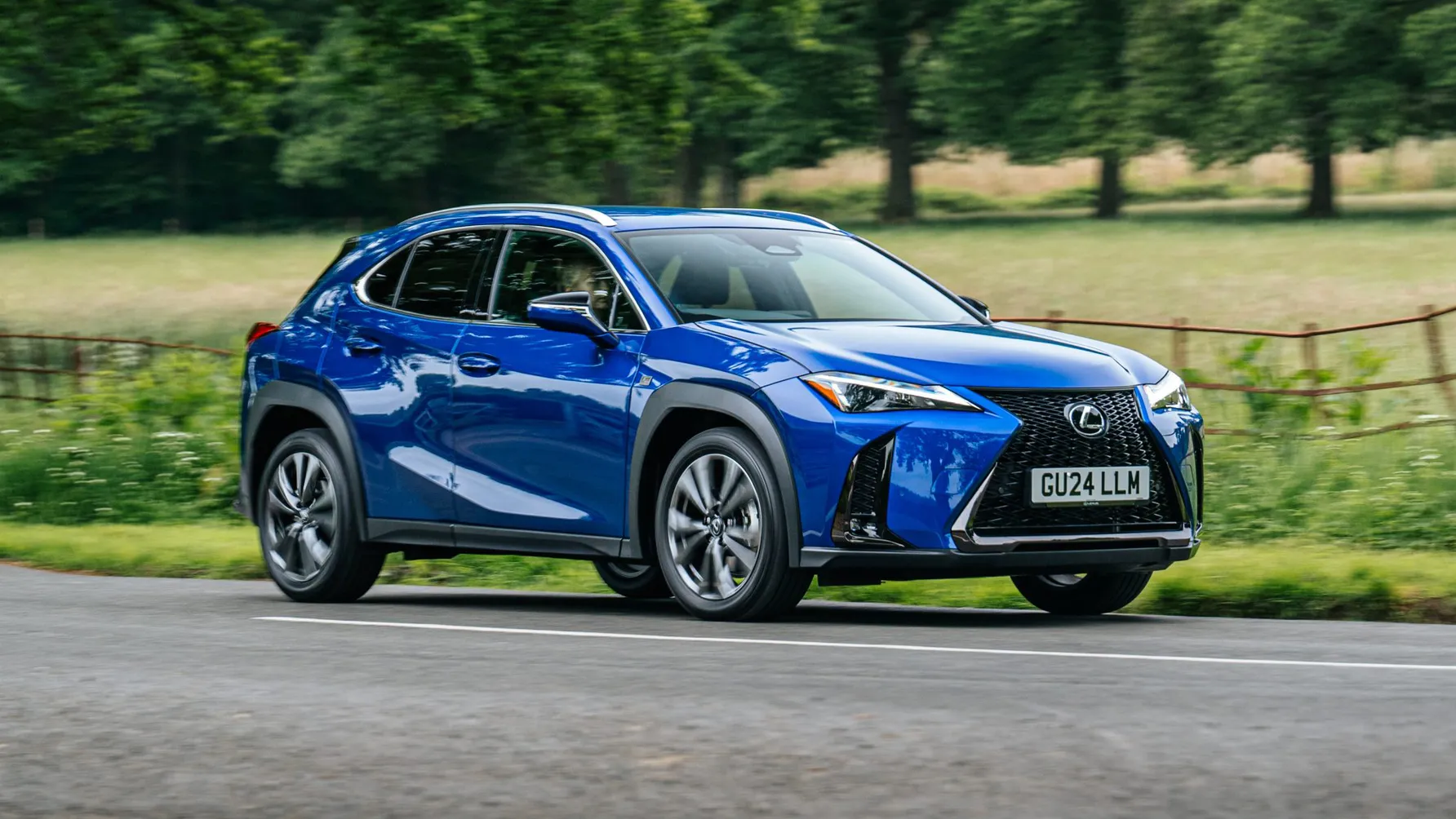
6. Lexus UX
The Lexus UX provides a smaller-scale example of Lexus’s long-standing commitment to hybrid technology. In the United States, the current UX lineup has moved to the UX 300h, making the compact luxury crossover a hybrid-focused product. The model targets buyers who want a premium interior and elevated seating position without stepping into a larger SUV.
Compact SUVs are particularly well suited to hybrid power because their owners often use them for commuting, errands, and urban driving. These conditions allow the electric motor to contribute frequently, while regenerative braking can recover energy that would otherwise be lost as heat through the brakes.
The UX also demonstrates how hybrid technology can be incorporated without changing the basic ownership experience. Drivers do not need to plug in the standard hybrid version.
The vehicle manages its battery automatically, drawing on gasoline power and regenerative braking as needed. This can make hybrid ownership feel familiar to people coming from conventional cars.
Luxury buyers can also benefit from the refinement associated with electrified propulsion. Electric motors operate quietly, especially at lower speeds, and can provide smooth acceleration. Those characteristics complement the quiet cabins and comfort-focused designs that luxury manufacturers typically emphasize.
The UX therefore fits neatly into a broader shift in the premium crossover market. Customers increasingly expect efficiency without accepting a major compromise in convenience.
A hybrid-only compact luxury crossover addresses that demand by combining familiar fueling with electric assistance, giving buyers a practical alternative to both conventional gasoline models and fully electric vehicles.
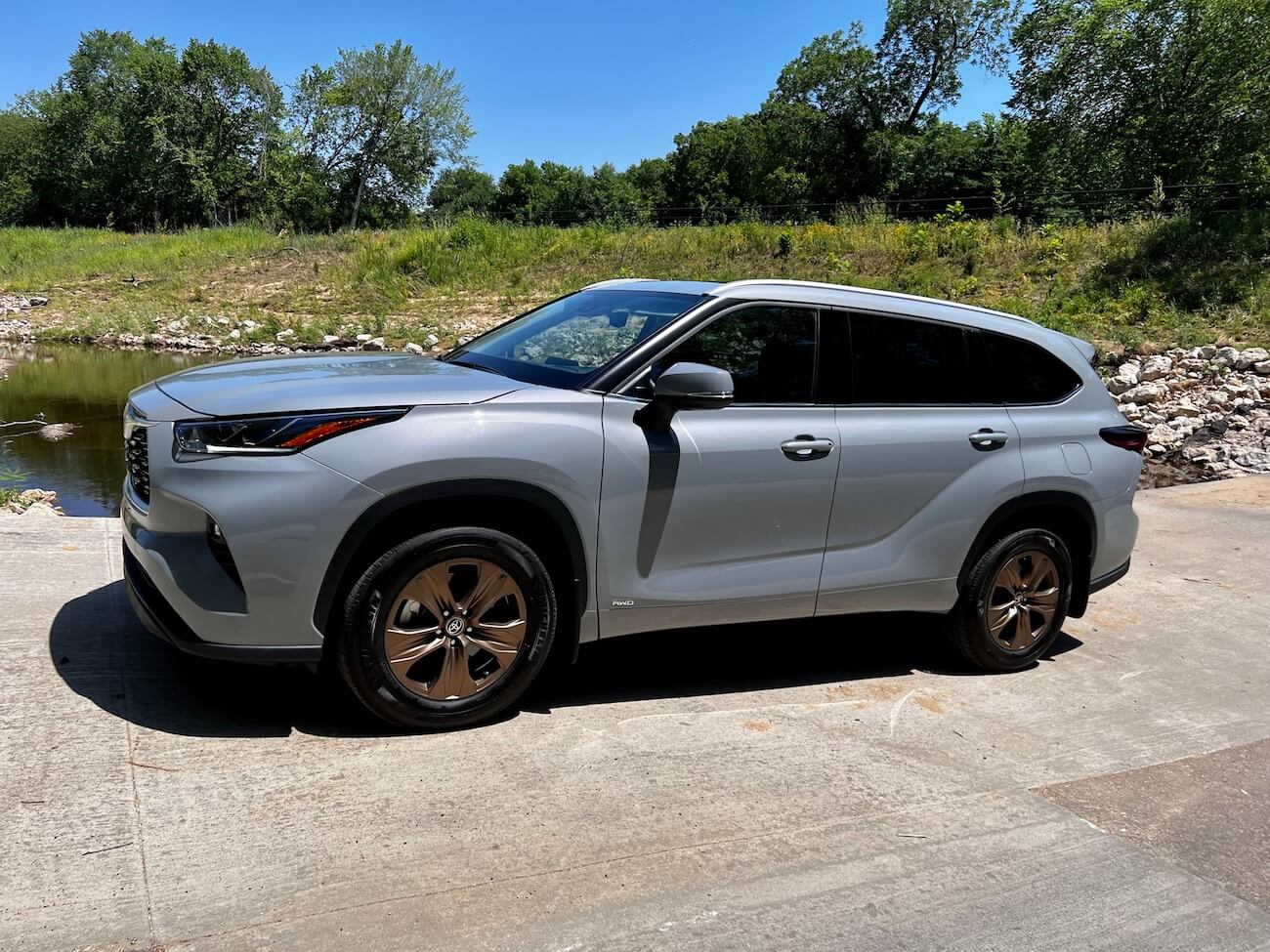
7. Toyota Highlander
The Toyota Highlander has been closely associated with hybrid technology for years, making it a natural candidate for a more extensive transition toward electrification. Toyota already markets the Highlander Hybrid alongside gasoline-powered versions in certain markets, and the model has demonstrated that three-row family transportation can benefit from a hybrid drivetrain.
The appeal is straightforward. Families often use large SUVs for a mixture of school runs, commuting, shopping, road trips, and weekend activities. Those driving conditions can include plenty of low-speed operation and repeated acceleration and braking. Hybrid technology can recover some of the energy normally lost during braking and reuse it during acceleration.
The Highlander Hybrid also shows why hybrid SUVs do not necessarily have to sacrifice everyday practicality. Buyers still receive three rows of seating, useful cargo capacity, and available all-wheel drive, depending on configuration. The hybrid system becomes part of the vehicle rather than a feature that changes its fundamental purpose.
Toyota’s wider hybrid strategy strengthens the Highlander’s position. The company describes its lineup as including hybrid SUVs such as the RAV4 and Highlander, reflecting the importance of electrification across its product range.
For families considering a future SUV purchase, the Highlander is an example of how hybrid technology can work particularly well in a larger vehicle. The benefits are not limited to fuel savings. Smooth acceleration, quiet low-speed operation, and energy recovery can make a large SUV feel more polished in everyday traffic.
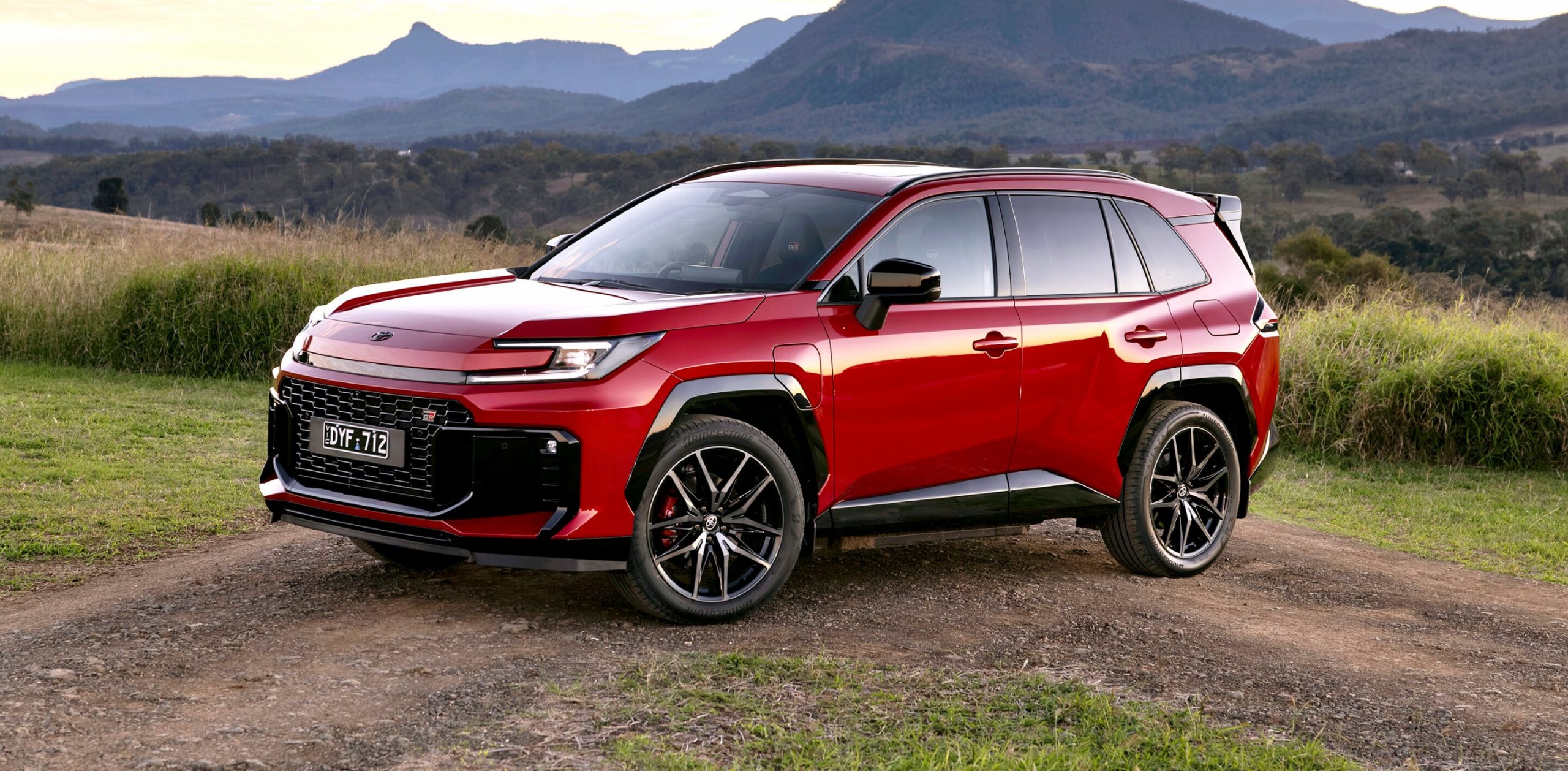
8. Toyota RAV4 Plug-In Hybrid
The plug-in hybrid version of the RAV4 deserves separate attention because it represents a more advanced form of electrification.
A conventional hybrid primarily manages its battery automatically, while a plug-in hybrid provides a much larger battery that can be charged from an external power source. This gives the driver more opportunity to complete short journeys using electricity.
The latest RAV4 Plug-in Hybrid has become particularly significant because its electric range is considerably higher than that of many earlier plug-in hybrid SUVs. Recent testing of the 2026 RAV4 Plug-in Hybrid found electric driving capability reaching up to 58 miles in testing, while fuel economy after the battery’s usable charge was depleted remained strong.
That combination can appeal to households with predictable daily driving. A person who travels a modest distance to work and can charge at home may complete much of the week without using much gasoline. When a longer trip arrives, the gasoline engine removes the range concerns associated with a battery-electric vehicle.
Plug-in hybrids also give drivers flexibility that can be valuable during transitional periods. Someone may want to reduce gasoline use but may not have access to reliable public charging on long journeys. A plug-in hybrid provides electric capability for routine trips while retaining an internal-combustion engine for extended travel.
The RAV4’s development suggests that hybrid-only lineups do not have to mean a single type of hybrid system. Manufacturers can offer conventional hybrids and plug-in hybrids under the same nameplate, allowing customers to choose how much electric driving they actually need. That flexibility could help accelerate the transition away from traditional gasoline-only SUVs.
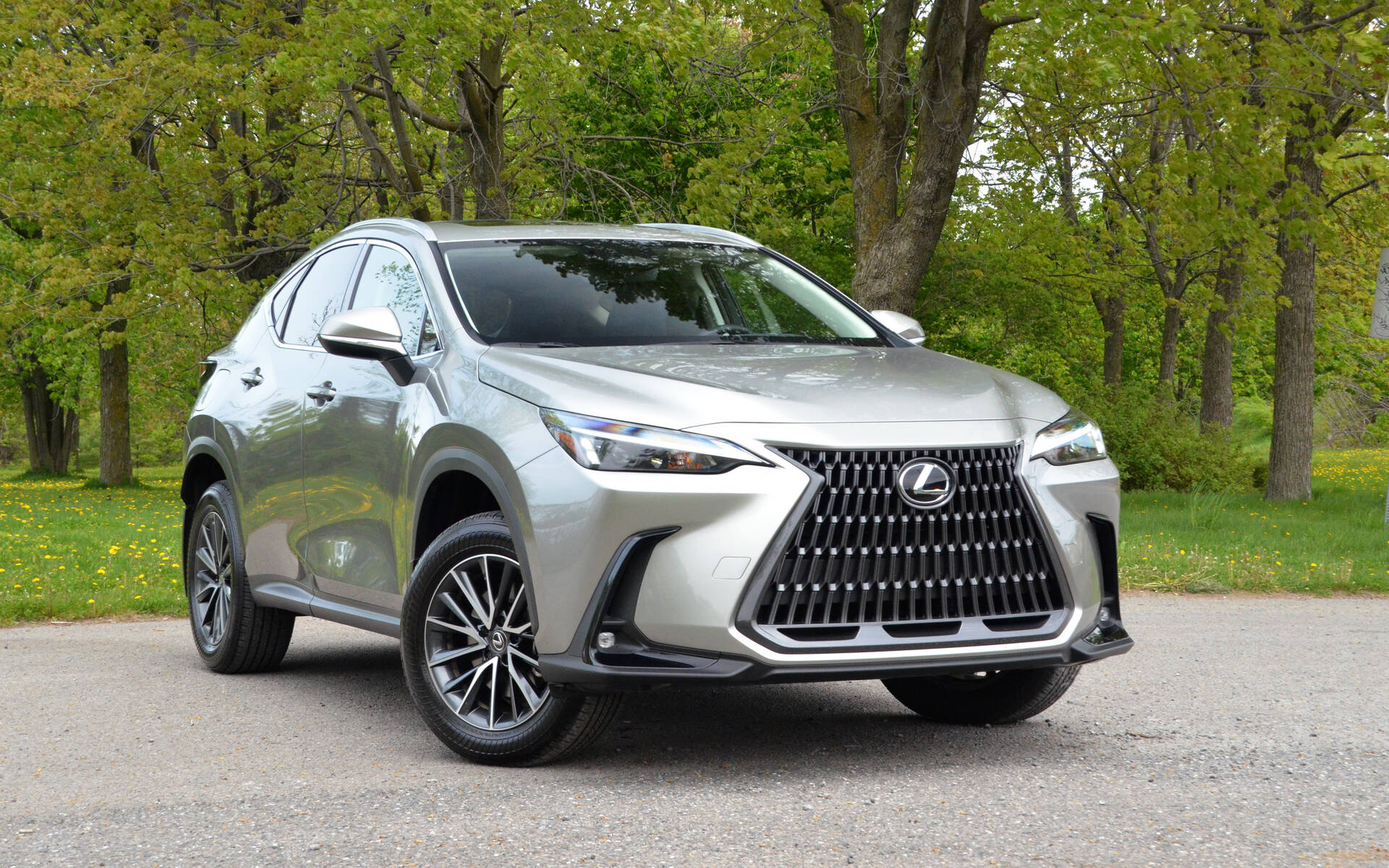
9. Lexus NX 450h+
The Lexus NX 450h+ deserves special recognition because it demonstrates how plug-in hybrid technology can move beyond efficiency and become a performance and luxury feature. The model combines a gasoline engine with electric motors and a larger battery, giving drivers the ability to travel on electric power while retaining a gasoline engine for longer journeys.
For the updated 2027 model, Lexus is increasing the plug-in hybrid’s battery capacity and adding DC fast-charging capability. The company is also targeting more than 40 miles of electric range for the revised version.
The vehicle also illustrates how hybrid systems can be used to improve acceleration and responsiveness. Electric motors deliver torque quickly, helping compensate for the characteristics of a smaller gasoline engine. This can produce strong performance while maintaining the flexibility of a conventional fuel tank.
Charging access remains important, however. The benefits of a plug-in hybrid are greatest when owners regularly recharge the battery. A driver who rarely plugs in will still have a functional hybrid vehicle, but much of the additional electric capability will go unused. Home charging can therefore play a major role in determining whether the NX450h+ is the right choice.
The NX450h+ also shows where the hybrid-only SUV market could be heading. Future models may increasingly combine substantial electric range, fast charging, strong performance, and gasoline backup. That approach gives consumers many of the advantages of an EV while retaining the convenience of liquid fuel for long-distance travel.
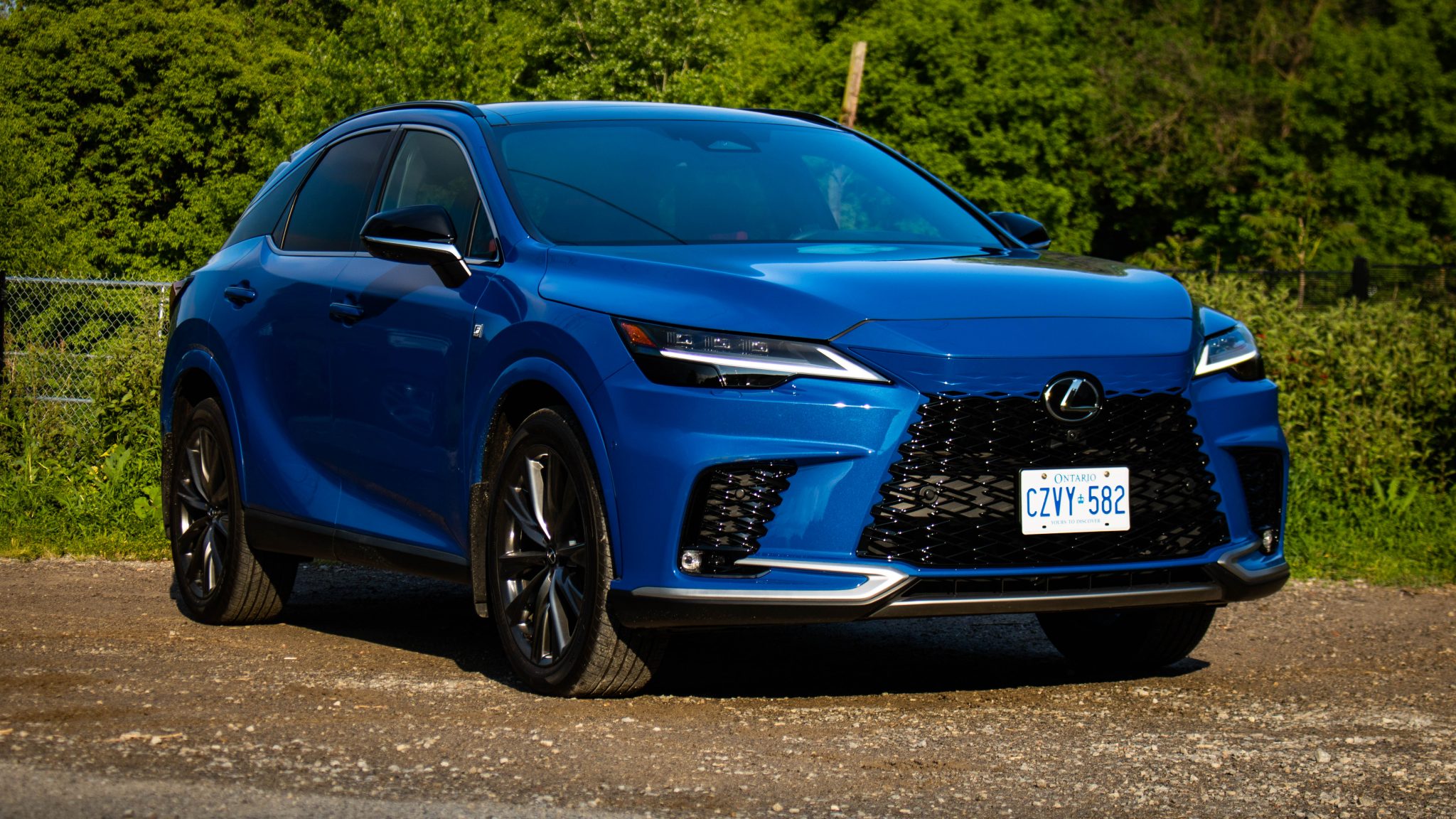
10. Lexus RX
The Lexus RX occupies a slightly different position in this discussion because its transition toward electrification is broader than a simple switch from gasoline to a single hybrid powertrain. The RX family includes several electrified choices, demonstrating how a luxury SUV can gradually increase its dependence on electric propulsion while retaining different configurations for different customers.
The RX 350h provides the conventional hybrid approach, combining a gasoline engine with electric assistance. For drivers who want better efficiency without external charging, this arrangement remains straightforward.
The vehicle automatically manages the battery, allowing the driver to concentrate on normal driving rather than charging schedules.
The RX 450h+ moves further toward electric operation with a plug-in hybrid system. It offers a larger battery and the ability to charge externally, giving drivers greater electric-only capability for shorter journeys. This makes it particularly suitable for owners who have home charging and predictable daily routes.
The RX also highlights an important point about the shift toward hybrid vehicles. Automakers are moving to this technology at different speeds, with some making the transition sooner than others.
Some SUV nameplates become hybrid-only quickly, while others retain gasoline options for a longer period. Market conditions, customer demand, regulations, manufacturing capacity, and the age of each vehicle platform can all influence the timetable.
For Lexus, the broader direction is clear even when individual nameplates follow different schedules. The 2027 NX is becoming exclusively hybrid, while other Lexus SUVs continue offering combinations of gasoline, conventional hybrid, and plug-in hybrid technology.
That makes the RX useful for understanding the larger transition rather than viewing every SUV lineup as following an identical path.
