
Some engines are known for using more oil than drivers expect between scheduled oil changes. Oil consumption can come from piston rings, valve seals, crankcase ventilation systems, turbochargers, or cylinder deactivation hardware.
A small amount of oil use can be normal in certain engines, but excessive consumption may signal wear or a design-related weakness. Understanding which engines have developed reputations for burning oil can help buyers choose used vehicles more carefully and help owners recognize warning signs early.
This article looks at eight engines associated with noticeable oil consumption, explains the common causes, and discusses what owners can do to reduce expensive engine problems.
1. Toyota 2AZ-FE 2.4-Liter Four-Cylinder
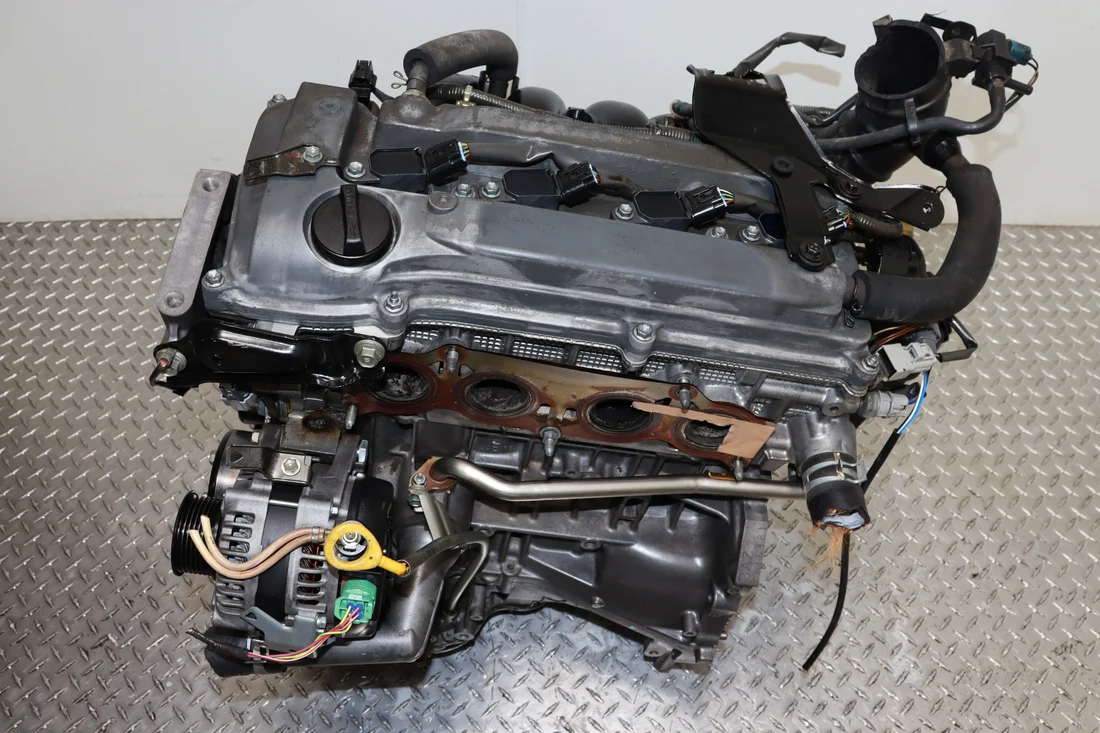
The Toyota 2AZ-FE is a 2.4-liter four-cylinder engine used in several Toyota, Scion, and related vehicles during the 2000s and early 2010s.
It earned a strong reputation for reliability in many applications, but certain versions became known for excessive oil consumption. The issue is particularly associated with engines that developed worn or oil-control rings. Once the rings fail to control oil properly, lubricant can enter the combustion chamber and burn with the fuel.
The piston rings are responsible for controlling the movement of oil along the cylinder walls. Oil-control rings are especially important because they scrape excess lubricant away from the cylinder surface and return it to the crankcase.
In affected 2AZ-FE engines, deposits and ring problems could allow more oil to remain on the cylinder walls. The engine then consumes that oil during combustion. Drivers might notice a gradually falling oil level without seeing an obvious external leak.
Oil consumption can become more noticeable as mileage increases. A vehicle may continue running smoothly while using a significant amount of oil, which makes the problem easy to miss.
Blue smoke from the exhaust is a possible warning sign, though it may not always be visible from the driver’s seat. Spark plugs can also develop deposits when oil reaches the combustion chamber. Regularly checking the dipstick is therefore particularly important for owners of higher-mileage vehicles equipped with this engine.
Toyota addressed oil consumption concerns through service procedures and updated components in affected applications. Repairs can range from monitoring oil usage to replacing pistons and rings, depending on the vehicle, engine condition, and applicable service information.
A used vehicle with this engine is not automatically a bad purchase. Maintenance history matters considerably. An engine that has received proper repairs and regular oil changes may continue to provide dependable service for many years.
For owners, the most practical step is frequent oil-level inspection. Waiting for the dashboard warning light is not a good strategy because an oil-pressure warning is different from a routine low-level indication.
Running with insufficient oil can cause severe damage to bearings, timing components, and other internal parts. If consumption is increasing, a compression test, leak-down test, inspection of the PCV system, and examination of the spark plugs can help determine whether internal wear is responsible.
2. Subaru EJ25 2.5-Liter Boxer
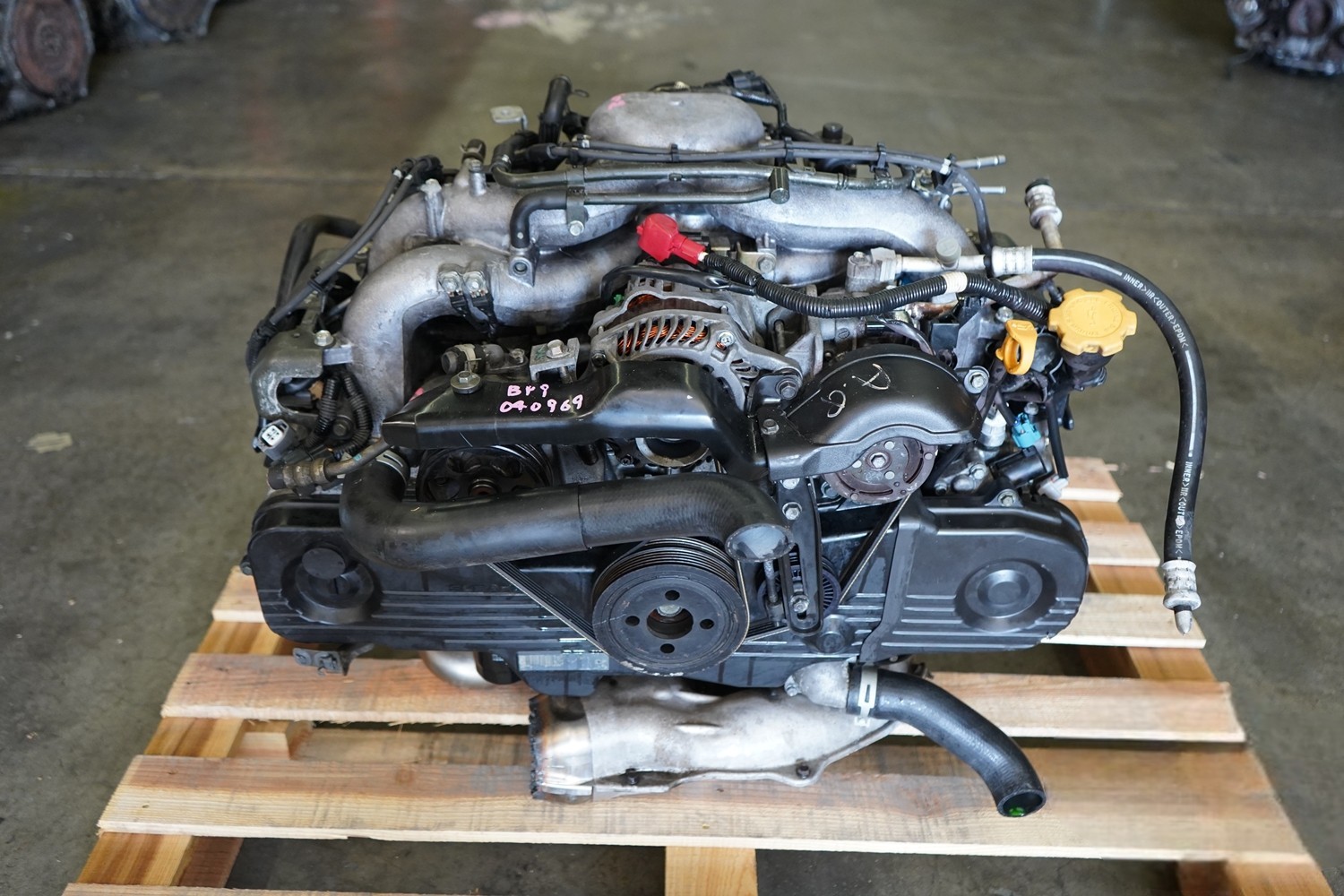
The Subaru EJ25 is a 2.5-liter horizontally opposed four-cylinder engine that powered many Subaru models for years. Different versions of the EJ25 have different characteristics, so it would be inaccurate to treat every EJ25 as having the same oil-consumption problem.
Still, certain naturally aspirated and turbocharged variants have developed reputations for using oil as mileage increases. Piston-ring wear, cylinder wear, leaking seals, and crankcase ventilation problems can all contribute.
The boxer layout places the cylinders horizontally, giving Subaru vehicles a low center of gravity. The design itself does not automatically cause an engine to burn oil.
Problems usually come from component condition, specific engine generation, maintenance, or operating conditions. Turbocharged EJ25 engines can experience additional stresses because higher cylinder pressures and temperatures place greater demands on pistons, rings, bearings, and the lubrication system.
Oil consumption can also be connected with external leaks. Subaru engines can develop leaks around valve covers, camshaft areas, seals, or other gaskets.
A driver may interpret frequent oil top-ups as an engine burning oil when some of the lubricant is actually escaping externally. Checking the underside of the engine, parking surface, exhaust area, and surrounding components can help distinguish consumption from leakage.
Turbocharged EJ25 engines deserve particular attention when investigating oil loss. A failing turbocharger seal can allow oil to enter the intake or exhaust side, producing smoke and increased consumption.
However, turbocharger symptoms can overlap with problems involving piston rings or valve seals. Proper diagnosis is therefore more useful than replacing parts based purely on the presence of smoke. A compression test, leak-down test, intake inspection, and turbocharger examination can provide valuable information.
Owners can reduce risk by maintaining the correct oil level and using the specification recommended for their particular engine. Short trips, severe driving, neglected oil changes, overheating, and modified turbocharged setups can increase mechanical stress.
A used Subaru with an EJ25 should not be judged by the engine code alone. Maintenance records, oil-consumption history, cooling-system condition, and evidence of previous repairs provide a much clearer picture of its likely future reliability.
3. BMW N63 4.4-Liter Twin-Turbo V8
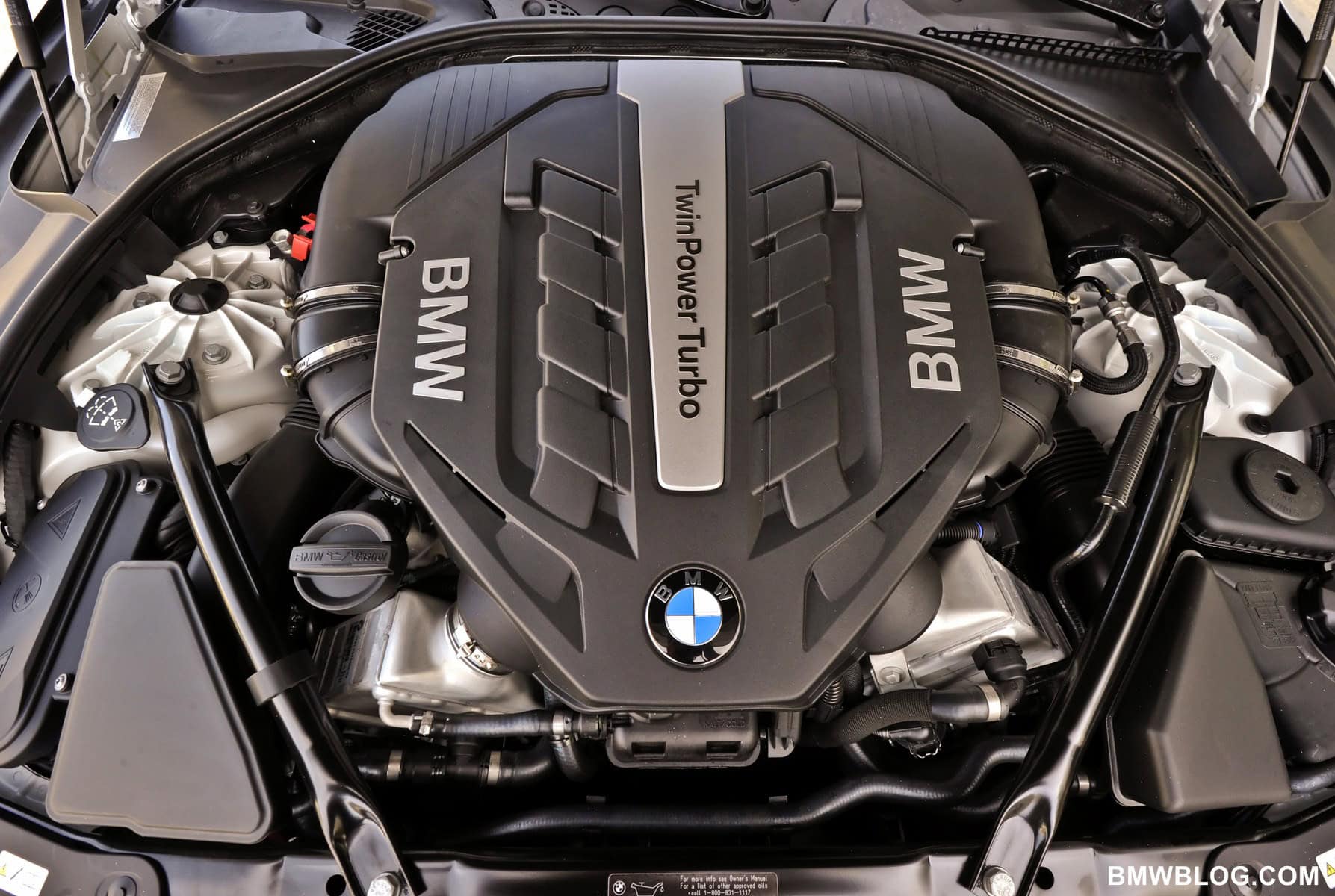
BMW’s N63 4.4-liter twin-turbocharged V8 became widely recognized for its strong performance and complex engineering. Early versions gained a reputation for high oil consumption among other mechanical concerns.
The engine’s hot-V layout places the turbochargers inside the V formed by the cylinder banks, creating a compact design but also producing substantial heat around the engine’s upper section. Heat management and component condition are important factors in long-term ownership.
Oil consumption in early N63 applications can involve several systems and components. Piston rings, valve stem seals, crankcase ventilation components, and turbocharger-related issues can contribute.
The engine’s operating temperature and performance characteristics also place significant demands on its lubrication system. A vehicle can therefore consume oil without immediately displaying a dramatic symptom. Regular oil-level checks are particularly important for owners who drive these vehicles frequently or at higher engine speeds.
BMW introduced technical updates to address various concerns associated with early N63 engines. Later versions received significant revisions, and their reliability characteristics should not automatically be compared with the earliest designs.
When buying a used BMW with an N63 engine, identifying the exact engine generation is critical. The model year alone may not provide enough information because manufacturers can introduce revisions during production.
A major concern with an oil-burning N63 is the potential cost of allowing the problem to continue. Burning oil does not necessarily mean immediate engine failure, but prolonged consumption can damage catalytic converters and contaminate oxygen sensors.
Low oil levels can create far more serious consequences, including bearing damage and accelerated wear. A high-performance V8 with twin turbochargers can become very expensive to repair if lubrication problems are ignored.
Potential buyers should request maintenance records and ask specifically about oil consumption. An inspection by a technician familiar with BMW engines can reveal leaks, smoke, crankcase pressure problems, and signs of internal wear.
Diagnostic testing should be considered if the vehicle consumes oil rapidly. Paying for a professional inspection before purchase can be far cheaper than discovering an internal engine problem after ownership begins.
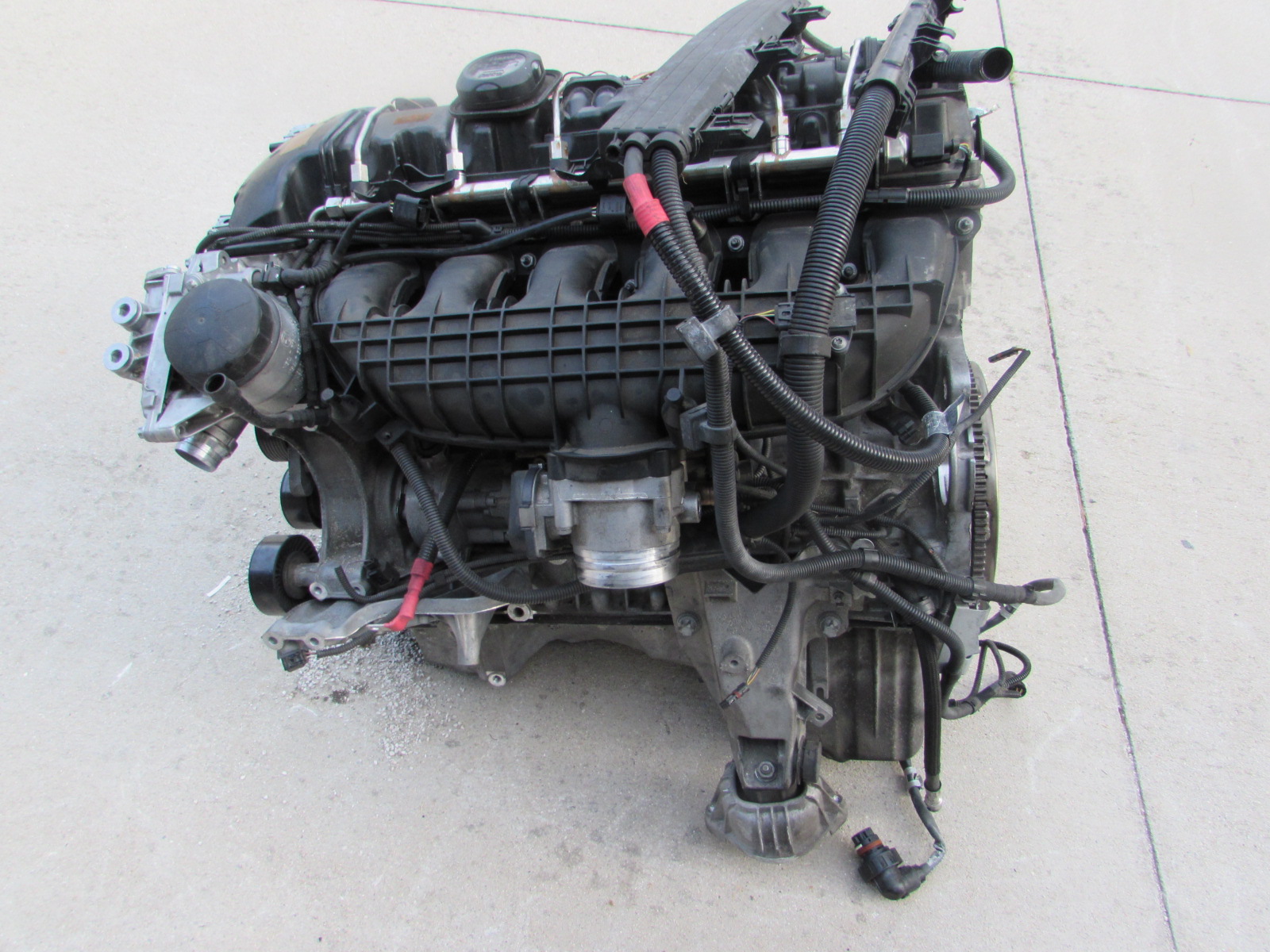
4. BMW N54 3.0-Liter Twin-Turbo Inline-Six
The BMW N54 is a 3.0-liter twin-turbocharged inline-six that became famous for its smooth power delivery and tuning potential. It also developed several well-known maintenance concerns over its production life.
Oil consumption can occur as these engines accumulate mileage, particularly when piston rings, valve seals, or crankcase ventilation components become worn. Oil leaks are also common enough to complicate diagnosis.
A key point with the N54 is that not every engine showing a low oil level is actually burning lubricant inside the cylinders. Valve cover leaks, oil filter housing gasket leaks, oil pan leaks, and other external leaks can account for substantial oil loss.
A technician should determine where the oil is going before recommending internal engine repairs. Cleaning the engine and checking for fresh leaks can be useful during diagnosis.
Internal oil consumption may become more apparent as the engine ages. Worn valve stem seals can allow oil to enter the combustion chamber, particularly under certain operating conditions. Piston-ring wear can also increase consumption.
Turbocharger condition deserves attention because the N54 uses two turbochargers, creating additional components through which oil-related problems can develop. Smoke, intake oil residue, unusual exhaust behavior, and performance changes can help guide further testing.
Driving style also influences oil consumption. A turbocharged performance engine regularly operated at high boost and high temperatures experiences greater thermal and mechanical stress than the same engine used gently.
Frequent hard acceleration does not automatically mean an engine will fail, but neglected maintenance becomes less forgiving under demanding conditions. Correct oil, appropriate service intervals, and attention to cooling and lubrication systems are important for long-term ownership.
The N54 can still be a rewarding engine when properly maintained. Its reputation for oil consumption should be viewed alongside its age and complexity.
Many examples are now well over a decade old, so age-related gasket failure and component wear are expected possibilities. Buyers should focus on the individual vehicle rather than assuming every N54 has the same condition. A detailed inspection and documented maintenance history can make a major difference.
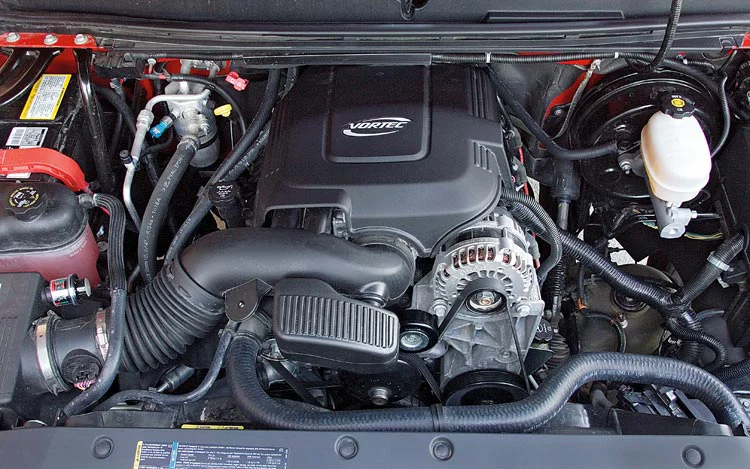
5. GM 5.3-Liter V8 With Active Fuel Management
General Motors produced several versions of its 5.3-liter V8, and certain engines equipped with Active Fuel Management, commonly called AFM, became associated with excessive oil consumption.
AFM allows the engine to deactivate cylinders under certain driving conditions to improve fuel economy. The system itself is not inherently defective, but specific generations experienced issues involving piston rings and related components that could result in significant oil use.
The oil-control rings are particularly important in these engines. When they become stuck or fail to control oil effectively, lubricant can enter the combustion chambers. Some engines may consume oil without producing obvious smoke because modern emissions systems and catalytic converters can mask visible signs.
A driver may therefore discover the problem only by checking the dipstick between service intervals or noticing that the oil level repeatedly falls.
The consequences depend heavily on how quickly the issue is identified. An engine that uses a modest amount of oil and receives frequent top-ups may continue operating for a long time.
An engine allowed to run low can experience much more serious damage. Low oil levels can increase wear on bearings, timing components, camshaft parts, and other lubricated surfaces. Oil consumption should therefore be treated as a maintenance concern rather than simply an inconvenience.
Repair strategies vary depending on the exact engine, mileage, symptoms, and condition. Some owners pursue ring-related repairs, while others address AFM components during a larger engine rebuild.
A technician may also inspect the PCV system, compression, spark plugs, and cylinders before deciding on a repair. Because GM produced multiple 5.3-liter variants, identifying the exact engine code is important before assuming that a known issue applies.
A used truck or SUV equipped with a 5.3-liter V8 can still be a practical choice. These engines are widely supported, and parts availability is generally strong.
Buyers should check oil consumption carefully during a pre-purchase inspection. Asking the seller how often oil must be added can reveal useful information. Service records that document engine repairs, oil consumption tests, or replacement components can provide additional confidence.
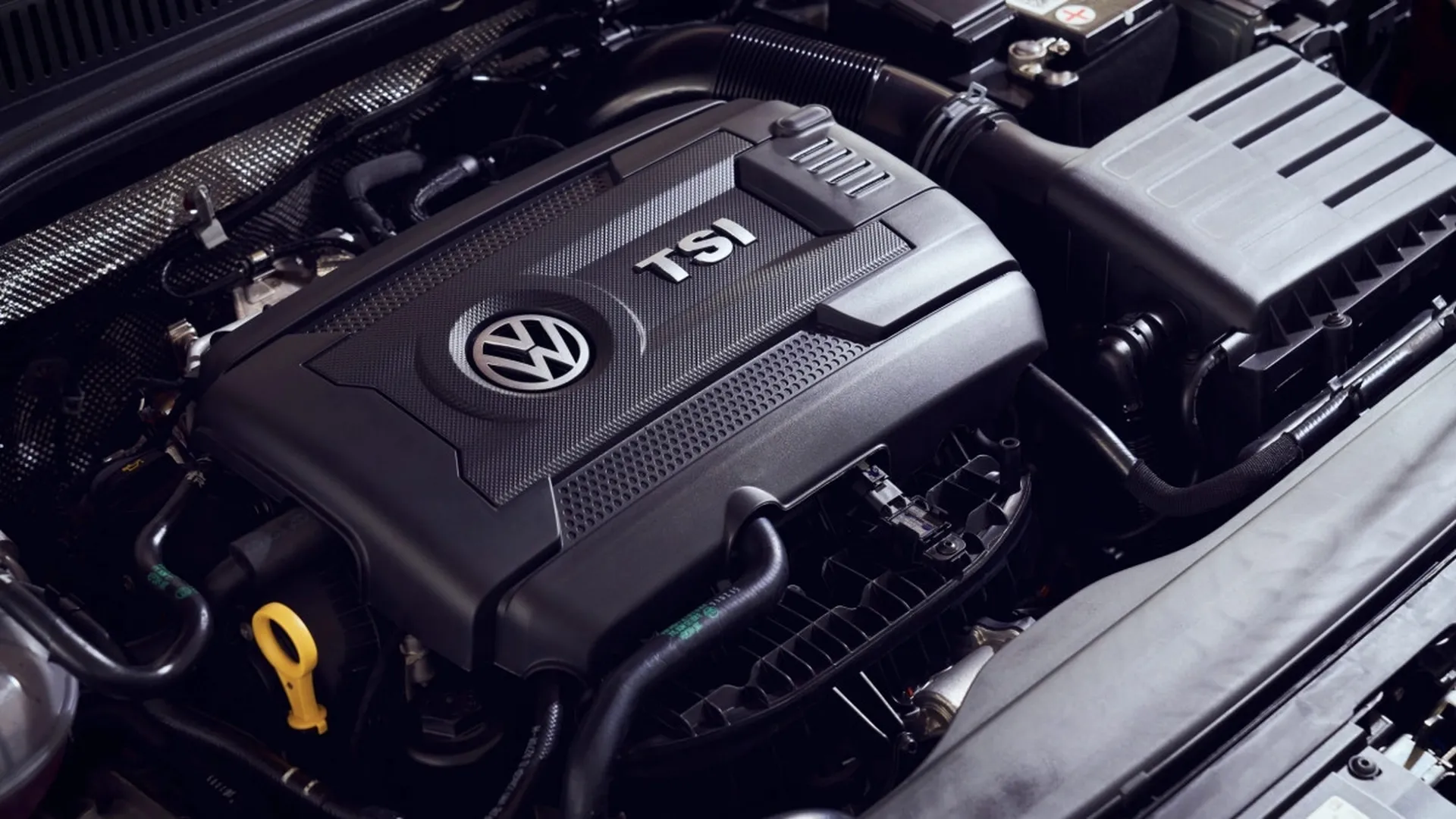
6. Audi and Volkswagen 2.0 TFSI EA888
Certain early versions of the Volkswagen Group 2.0 TFSI and TSI engines became well known for excessive oil consumption. The EA888 family covers several generations, so the reputation does not apply equally to every 2.0-liter turbocharged engine carrying that designation. Early designs in particular could suffer from piston-ring problems that allowed engine oil to enter the combustion chamber.
Oil consumption became a significant ownership concern in various Audi and Volkswagen applications. Some engines could use oil at a rate far higher than owners expected between scheduled services.
Carbon deposits and ring problems could affect the ability of the piston assembly to control oil. As with other engines on this list, an external leak can produce similar symptoms, so diagnosis should establish whether the oil is actually being burned.
Valve stem seals and crankcase ventilation components can contribute to oil consumption as well. The turbocharger introduces another potential source of oil-related problems.
A properly functioning turbocharger uses engine oil for lubrication, but damaged seals or excessive shaft play can cause oil to enter areas where it should not. Intake and exhaust inspections can help technicians determine whether the turbocharger is involved.
Later EA888 generations received substantial engineering changes, and their oil-consumption behavior is generally different from the earliest versions. Buyers should therefore avoid using a broad statement such as “all 2.0 TFSI engines burn oil.” The exact generation, engine code, production year, and maintenance record matter. Two vehicles carrying similar badges can have significantly different mechanical characteristics under the hood.
If buying a used Audi or Volkswagen equipped with an early 2.0-liter turbo engine, an oil-consumption test can be worthwhile. Compression and leak-down testing can provide additional information when internal wear is suspected.
Checking service documentation for previous piston, ring, or engine work is also useful. A well-maintained example can be enjoyable to own, but buyers should understand the potential repair costs before committing to a purchase.
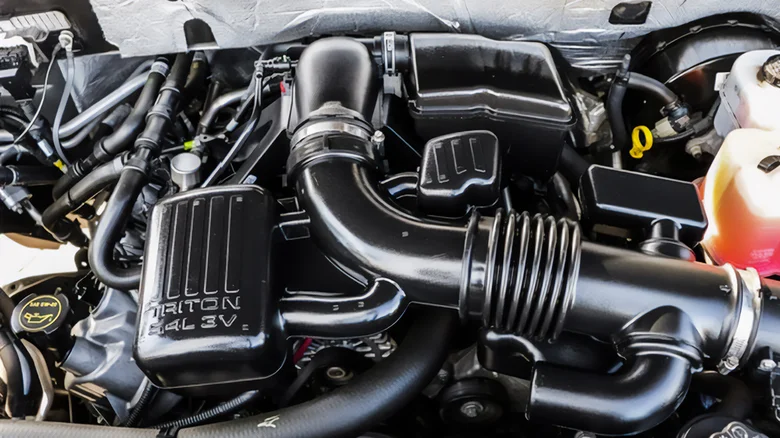
7. Ford 5.4-Liter Triton V8
Ford’s 5.4-liter Triton V8 appeared in many trucks, SUVs, and large vehicles. Different generations and versions of the engine have different problems, so oil consumption should not be confused with every issue associated with the 5.4 Triton name.
Higher-mileage engines can use oil because of worn piston rings, valve seals, cylinder wear, or crankcase ventilation issues. External leaks can also become more common as seals and gaskets age.
Some owners notice oil consumption gradually rather than suddenly. The engine may continue to produce normal power while requiring additional oil between changes. This can make the problem easy to overlook, particularly in a large truck where the engine bay contains many components and minor leaks may not be immediately obvious. Regular dipstick checks remain an important part of ownership.
The type of driving performed by a truck can influence oil consumption. Towing heavy loads, prolonged high-speed driving, frequent idling, and operation in high temperatures place greater demands on the engine.
These conditions do not guarantee oil burning, but they can expose existing wear more quickly. Correct oil viscosity and proper maintenance are particularly important when the vehicle is used for demanding work.
Diagnosing a 5.4 Triton that uses oil should begin with simple checks. Technicians can inspect for external leaks, examine the PCV system, check spark plugs, and perform compression or leak-down testing when appropriate.
Exhaust smoke and deposits may provide additional clues. If oil consumption is severe, continuing to add oil without identifying the cause may only postpone a more expensive repair.
A used Ford truck with a 5.4-liter Triton can still provide useful service when the individual engine has been maintained properly. The engine’s reputation should encourage careful inspection rather than automatic rejection.
Buyers should pay attention to service records, oil level, engine noise, exhaust behavior, and evidence of previous repairs. A pre-purchase inspection is particularly valuable for older trucks because age-related problems can extend well beyond oil consumption.
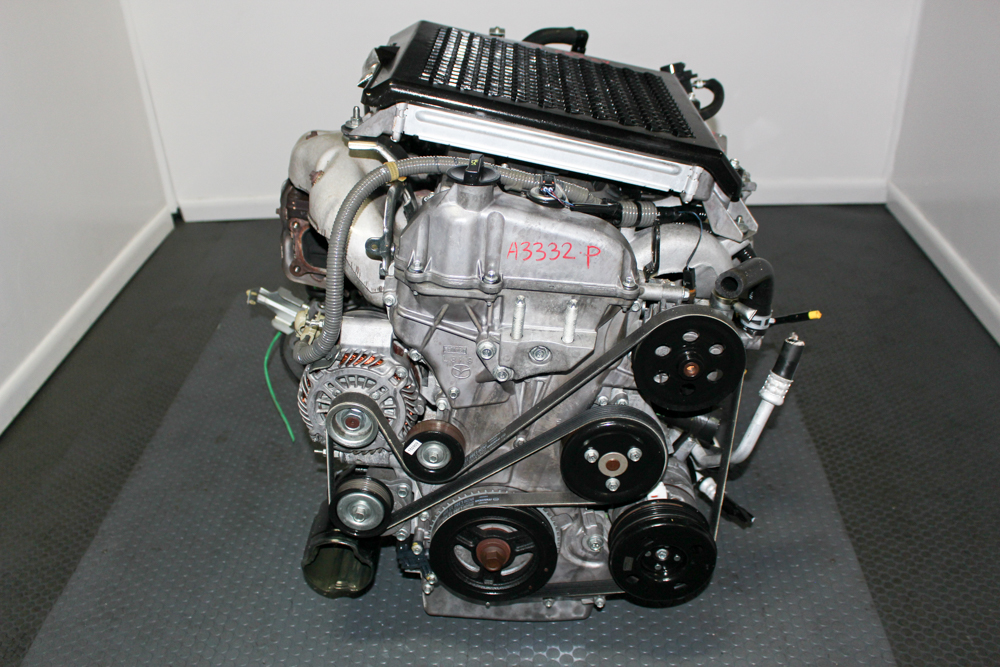
8. Mazda 2.3-Liter DISI Turbo
Mazda’s 2.3-liter DISI turbocharged four-cylinder engine was used in several performance-oriented vehicles, including the MazdaSpeed3 and MazdaSpeed6.
It produces strong power for its size, but its turbocharged direct-injection design can develop oil-consumption problems as mileage and wear increase. Turbocharger condition, piston rings, valve seals, and crankcase ventilation can all influence how much oil an engine uses.
Direct fuel injection changes how fuel enters the combustion chamber, and the engine’s turbocharger creates additional heat and cylinder pressure. These characteristics make proper lubrication particularly important.
A healthy engine should still maintain reasonable oil control, but worn components can allow lubricant to enter the combustion chamber. Oil consumption may increase gradually, giving the owner time to respond if the oil level is checked frequently.
Turbocharger condition deserves particular attention on these engines. A turbocharger operates at very high speeds and temperatures, and it depends on clean engine oil for lubrication.
If the turbocharger develops a problem, oil can enter the intake or exhaust system. This can create smoke, oil residue, reduced performance, or increased consumption. Turbocharger symptoms can overlap with internal engine problems, so replacing the turbo without proper diagnosis may not solve the issue.
Performance modifications can make the situation more complicated. Increased boost, aggressive tuning, poor-quality parts, and inadequate maintenance can raise the stress placed on the engine and turbocharger.
A modified vehicle should therefore receive closer inspection than an untouched example. Maintenance history becomes particularly important because two cars with the same engine can have very different mechanical conditions depending on how they were driven and modified.
Owners should monitor the oil level closely and respond to changes in consumption. If an engine suddenly begins using much more oil than before, that change deserves investigation. A technician can inspect for leaks, evaluate the turbocharger, test crankcase ventilation, and examine cylinder condition.
These engines can provide strong performance when maintained correctly, but ignoring oil loss can turn a manageable problem into a costly engine or turbocharger repair.
