
For years, affordable small cars gave American shoppers a simple way to buy a new vehicle without taking on a large loan. That market has changed dramatically as automakers have moved away from inexpensive sedans and hatchbacks toward SUVs, crossovers, trucks, and higher-priced vehicles.
Several familiar brands have removed their cheapest models from U.S. showrooms, leaving buyers with fewer low-cost choices. The change has affected shoppers who value low purchase prices, simple transportation, strong fuel economy, and manageable ownership costs.
Here are eight car brands that have discontinued their cheapest models in America and what those decisions mean for today’s new-car buyers.
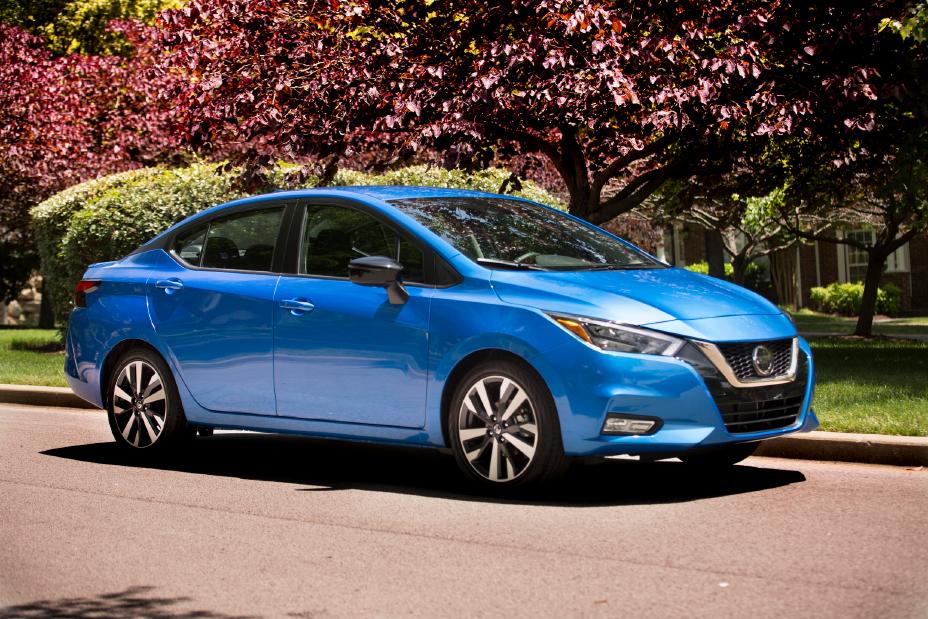
1. Nissan Removed the Versa
Nissan Versa was a long-standing choice for American shoppers who wanted a new car at a very low starting price. For years, it held a special position in the U.S. market because it remained among the few new vehicles available below the $20,000 threshold before destination charges.
The sedan offered basic transportation without requiring buyers to step into the larger financial commitment associated with many modern SUVs. Its appeal was especially strong among first-time buyers, college graduates, commuters, and customers who simply wanted inexpensive transportation.
The Versa’s affordability became even more significant as new vehicle prices continued rising. While many manufacturers moved toward larger crossovers, Nissan continued selling the Versa for buyers who preferred a traditional sedan.
Its small exterior dimensions made it relatively easy to maneuver and park, while its available safety and technology features helped it remain competitive. The model was not designed to deliver luxury or high performance. Its primary purpose was practical transportation at a comparatively low entry price.
Nissan ended production of the Versa after the 2025 model year for the U.S. market. The decision removed a major low-cost option from Nissan’s American lineup.
With the Versa gone, shoppers looking for the least expensive Nissan have to consider vehicles positioned at higher prices, including models such as the Sentra and Kicks. That change reflects a broader industry trend in which manufacturers have found more financial value in selling larger vehicles rather than inexpensive entry-level sedans.
The disappearance of the Versa matters because price-sensitive buyers do not necessarily need a larger vehicle. A person commuting alone to work may have little practical use for a three-row SUV or a large pickup.
Yet the American market increasingly pushes those customers toward bigger vehicles because automakers have reduced their presence in the cheapest segments. Nissan’s decision therefore represents more than the retirement of a single nameplate. It illustrates how difficult it has become for traditional economy cars to remain profitable.
For shoppers considering a final-year Versa, remaining inventory can still be worth investigating. Dealers may have unsold vehicles, and used examples will continue to enter the market for years.
Buyers should compare purchase price, financing, insurance, fuel costs, warranty coverage, and expected maintenance before choosing a discontinued model.
The Versa’s removal also shows why shoppers looking for an inexpensive new car should pay attention to model-year changes, because a vehicle that seems easy to find today may disappear from showrooms surprisingly quickly.
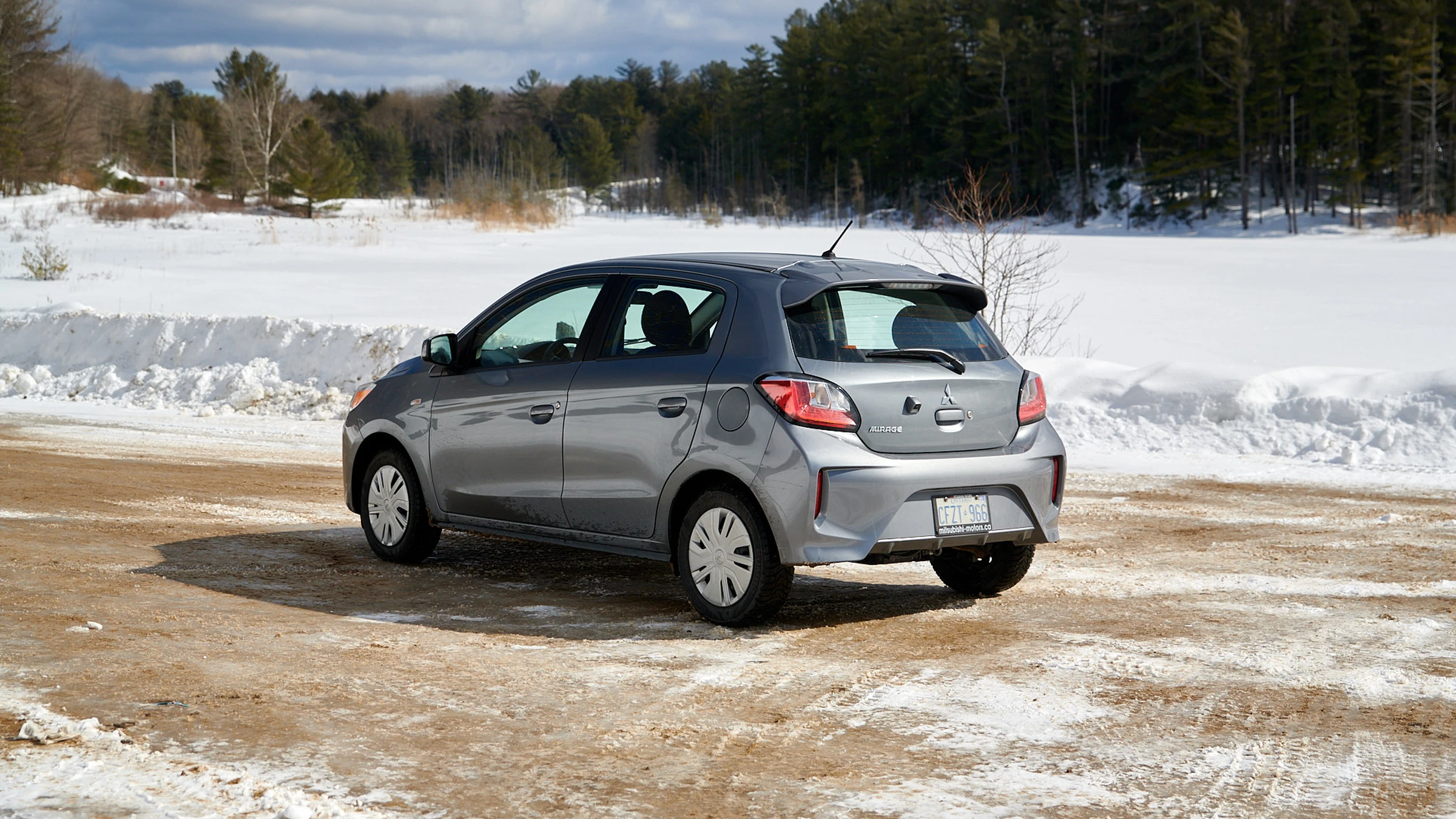
2. Mitsubishi Removed the Mirage
Mitsubishi Mirage became closely associated with low-cost motoring in the United States. Its small size, modest engine, and relatively low starting price made it attractive to buyers who prioritized affordability over acceleration, interior space, and premium equipment.
For budget-conscious consumers, the Mirage offered a way to purchase a new vehicle without reaching the price levels common among compact SUVs. Its hatchback configuration also gave it useful cargo flexibility for a small vehicle.
The Mirage occupied a segment that has steadily contracted in America. Small hatchbacks have struggled to attract the same demand as crossovers, even when they offer advantages in fuel economy and purchase price.
American consumers have increasingly favored vehicles with greater ground clearance, more interior room, and a taller driving position. Manufacturers have responded by reallocating development and production resources toward products with stronger sales and higher transaction prices.
Mitsubishi eventually ended the Mirage line in the United States. The decision removed a vehicle that had served as an entry point for shoppers seeking basic new transportation.
Its departure also left fewer choices for people who specifically wanted a tiny hatchback rather than a crossover. While some buyers may view a small SUV as a natural replacement, such vehicles generally carry higher purchase prices and can cost more to insure, finance, and operate.
The Mirage’s story also highlights an important distinction between purchase price and total ownership cost. A very inexpensive vehicle can be appealing because the initial loan amount is smaller.
However, buyers should consider fuel economy, tire costs, insurance rates, depreciation, repair expenses, and financing terms. A slightly more expensive vehicle can sometimes make sense if it provides better long-term value. At the same time, shoppers who need the lowest possible upfront cost have fewer choices than they once did.
The disappearance of the Mirage leaves Mitsubishi with a lineup that is more focused on SUVs and crossovers. That strategy follows the direction taken by much of the American automotive industry. For consumers, however, the change means that the cheapest vehicles are becoming harder to find.
Buyers who remember the era of inexpensive compact cars may be surprised by how quickly this segment has contracted. The Mirage remains an example of a vehicle whose strongest selling point was also connected to the market forces that eventually pushed it out.
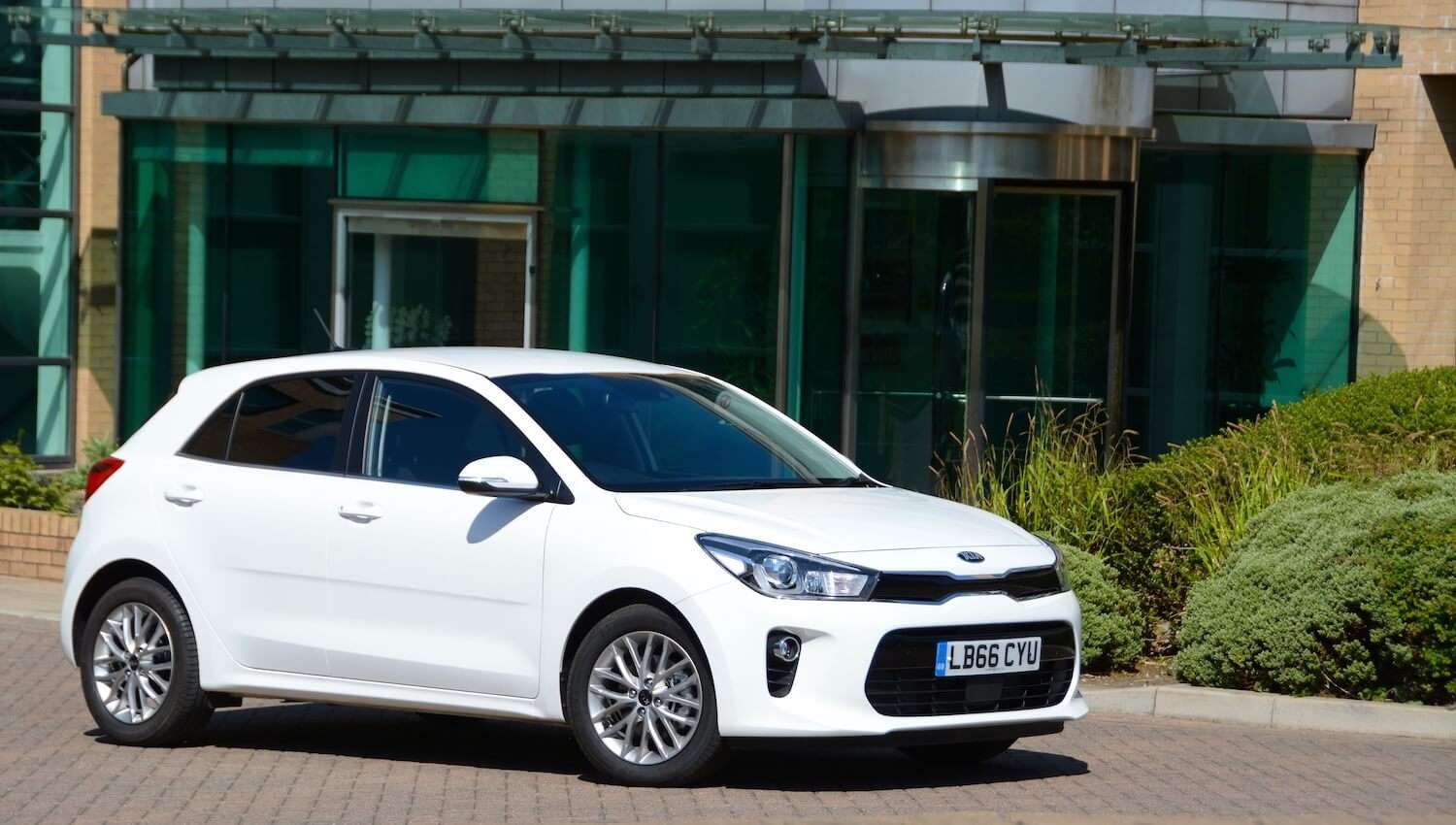
3. Kia Removed the Rio
Kia Rio represented another important entry-level vehicle in the American market. Available as a sedan and hatchback during different periods of its U.S. history, the Rio gave shoppers a relatively affordable path into a new car.
Kia used the model to attract buyers who wanted simple transportation, reasonable fuel economy, and a compact footprint. It also helped establish the brand’s presence among younger and budget-conscious customers.
The Rio’s value became harder to maintain as Kia expanded its crossover lineup. Vehicles such as the Seltos offered more space, a taller seating position, and features that appealed strongly to modern buyers.
Although a small sedan could be cheaper, the difference in monthly payment sometimes became less significant when financing was spread across several years. That made larger vehicles more attractive to both consumers and manufacturers.
Kia discontinued the Rio in the United States after the 2023 model year. The move removed the brand’s least expensive traditional passenger car from American dealerships. Rather than replacing it with another inexpensive sedan, Kia continued focusing on vehicles with stronger market demand.
The decision showed how the economics of new-car manufacturing can influence the choices available to consumers, even when a discontinued model still serves a clear practical purpose.
The Rio was particularly useful for buyers who did not need much space. A commuter driving to work every day could benefit from its compact dimensions, while a young driver could appreciate its relatively approachable purchase price.
Families with larger transportation needs naturally had different priorities. The problem for small cars is that their lower selling prices can leave manufacturers with less room to absorb rising production, shipping, technology, and compliance costs.
The retirement of the Rio has helped narrow the affordable-car market in America. Shoppers seeking a new Kia now have to move into a higher-priced model or consider used vehicles.
A used Rio can still make sense for someone seeking inexpensive transportation, provided the vehicle receives a proper inspection and its maintenance history is available.
The model’s departure is another reminder that the cheapest new vehicles are becoming less common as automakers concentrate on segments that generate stronger financial returns.
4. Hyundai Removed the Accent
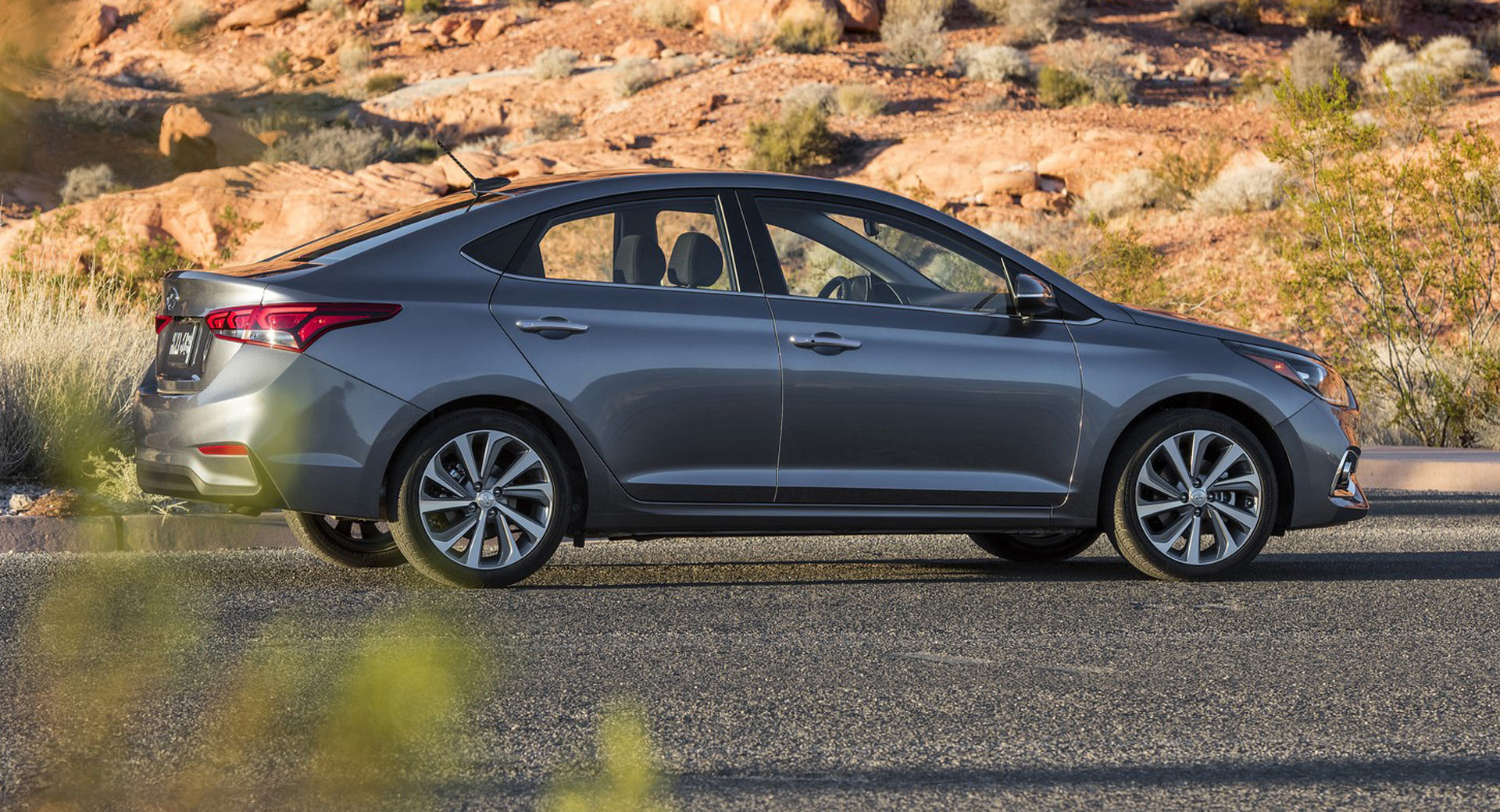
Hyundai Accent had a long history as an affordable small car in the United States. It served buyers who wanted a straightforward sedan with a low entry price and relatively economical operation.
The Accent was particularly relevant during periods when fuel prices, household budgets, and financing costs made inexpensive transportation a major concern. Its compact dimensions also suited drivers living in cities and suburban areas.
Hyundai gradually shifted its attention toward SUVs and crossovers as consumer demand changed. Models such as the Venue and Kona gave buyers the higher seating position and cargo flexibility that became increasingly popular.
From a business perspective, those vehicles also provided opportunities to sell products at higher prices. The result was less emphasis on inexpensive traditional sedans such as the Accent.
The Accent was discontinued in the U.S. after the 2022 model year. Its departure removed a familiar budget option from Hyundai’s American lineup.
The company did not replace it with a new sedan occupying exactly the same position. Instead, buyers looking for an inexpensive Hyundai were directed toward other models with different body styles and higher starting prices.
For consumers, the loss of the Accent demonstrates how changes in body style can influence affordability. A crossover may provide additional room and versatility, but it can also cost more to purchase.
Larger tires, additional weight, and different insurance considerations can affect ownership expenses as well. Someone who simply wants reliable transportation to work may not benefit enough from the extra size to justify the added cost.
Used Accents remain relevant because discontinued models do not suddenly stop being useful. A well-maintained example can continue providing economical transportation long after production ends.
Buyers should examine service records, accident history, mileage, tire condition, brakes, suspension components, and transmission performance before purchasing. The Accent’s disappearance from new-car showrooms is a clear example of how American shoppers have gradually lost access to inexpensive small sedans.
5. Toyota Removed the Yaris
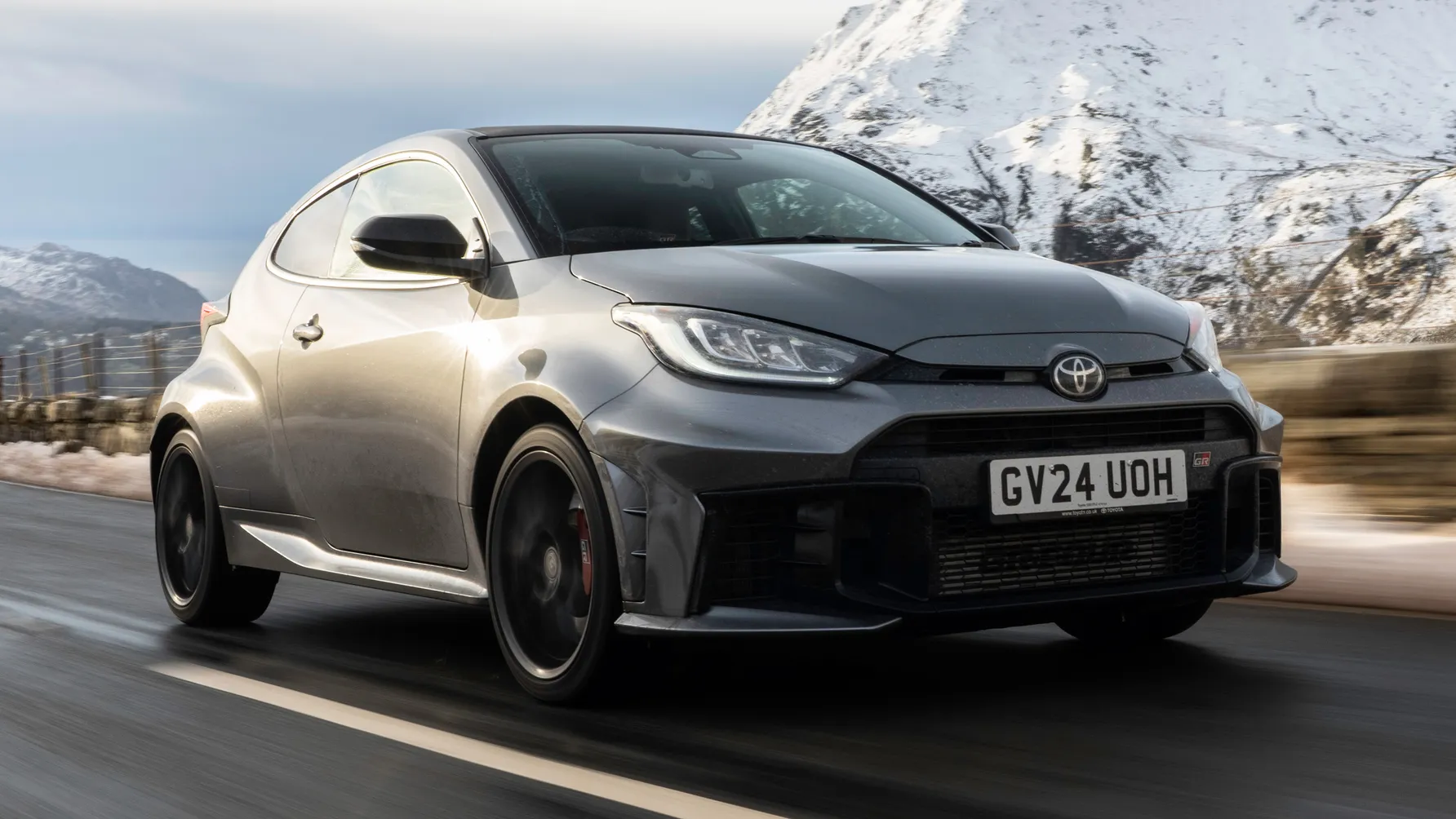
Toyota Yaris once served as the brand’s small and relatively inexpensive choice in the United States. It appealed to buyers who wanted a compact vehicle with manageable dimensions and Toyota’s reputation for long-term dependability.
The Yaris was available in different body configurations during its U.S. history, giving customers alternatives within a segment that has become much smaller.
Toyota’s broader product strategy increasingly centered on vehicles such as the Corolla, Corolla Cross, RAV4, and other crossovers.
These models offered more space and addressed consumer preferences that had shifted away from very small cars. The company also expanded its hybrid offerings, giving customers another reason to consider vehicles positioned above the traditional entry-level segment.
The Yaris was discontinued from the U.S. market after the 2020 model year. Its departure was not an isolated event. Other manufacturers were making similar decisions around the same period, and several small cars disappeared from American dealerships.
This created a gradual change rather than a single dramatic transformation. Consumers who once had many affordable compact choices increasingly found themselves comparing small crossovers instead.
The Yaris also illustrates why sales volume matters so much to manufacturers. Even a well-built and practical car can become difficult to justify if too few customers purchase it.
Automakers have enormous expenses associated with engineering, manufacturing, certification, marketing, inventory, and dealer support. A vehicle with a lower transaction price needs sufficient sales volume to justify those costs, and declining demand can make continued production difficult.
For today’s buyers, a used Yaris may still be attractive when condition and pricing are right. Its compact size can make it convenient for city driving, while its relatively simple design can appeal to owners who prefer straightforward transportation.
Buyers should remember that age matters even when mileage is low. Rubber components, batteries, fluids, tires, and other parts can deteriorate with time. The Yaris remains a useful example of how the U.S. market moved away from tiny entry-level cars.
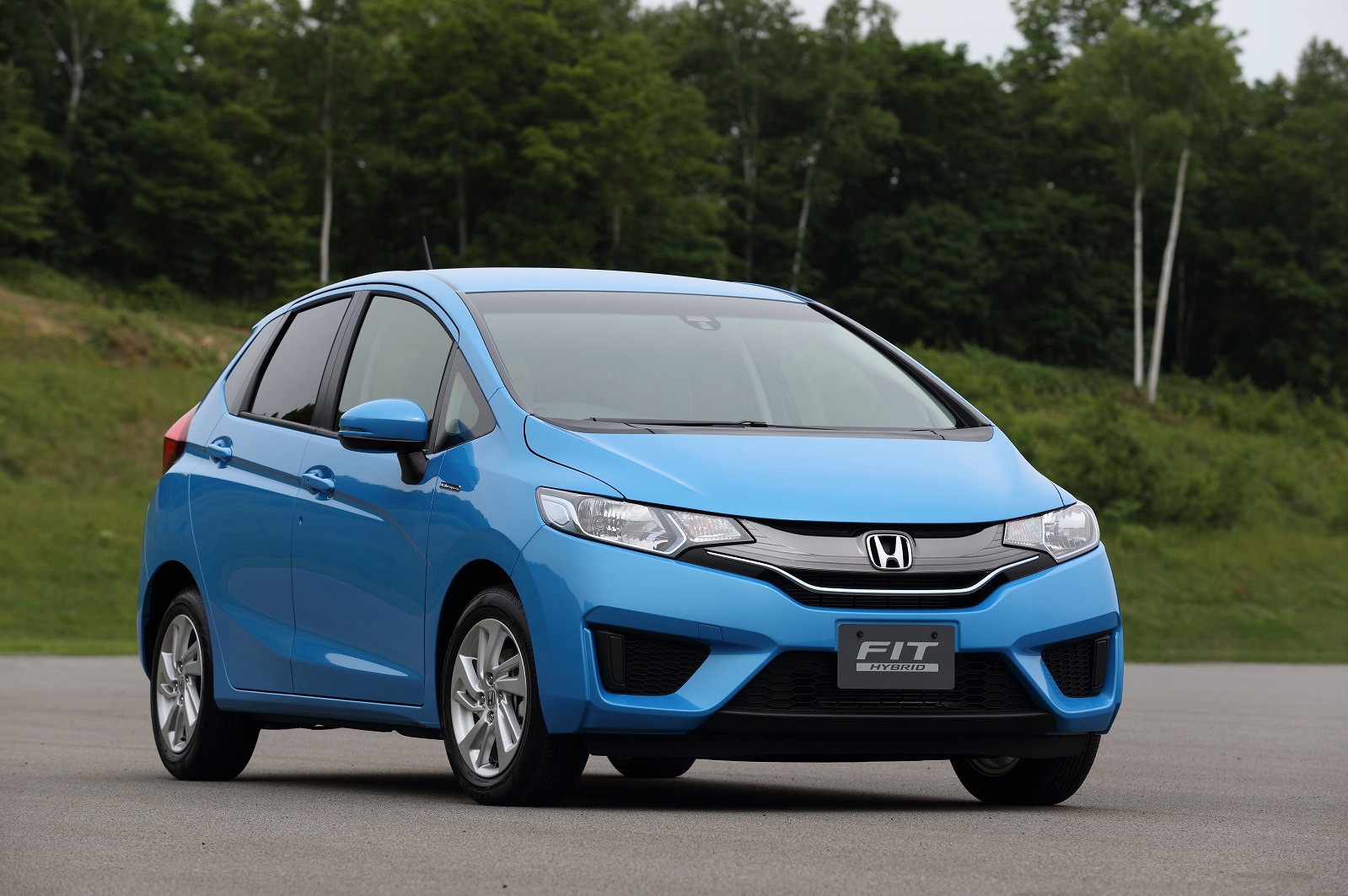
6. Honda Removed the Fit
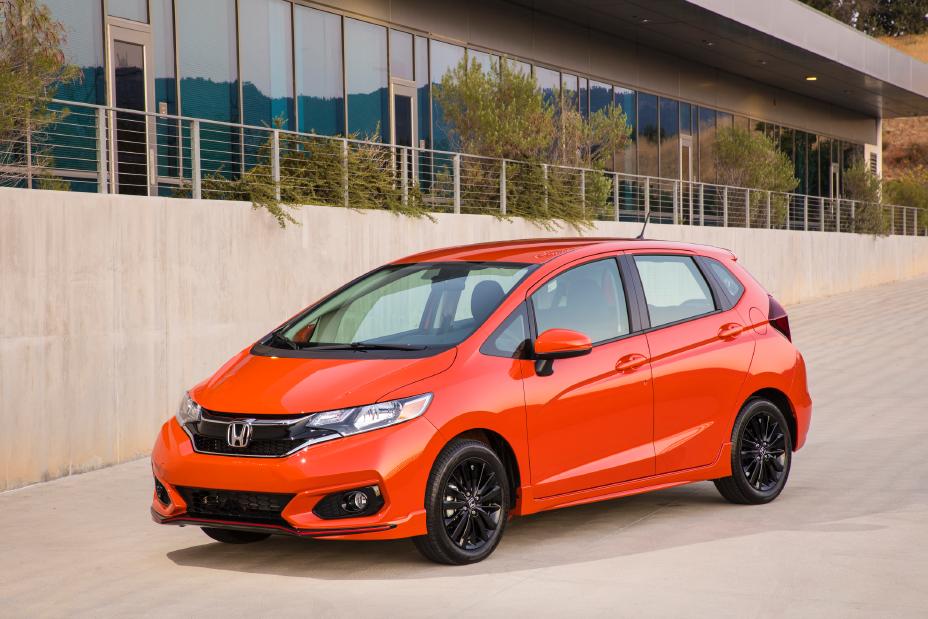
Honda Fit was a small hatchback that developed a loyal following among American drivers who appreciated its clever interior design.
Its exterior dimensions were compact, yet its cabin could accommodate passengers and cargo surprisingly well for its size. Honda’s flexible seating system made the Fit particularly useful for people who wanted the practicality of a hatchback without buying a larger vehicle.
The Fit also stood apart because it did not rely on sheer size to provide usefulness. Its upright cabin and configurable seating allowed owners to transport items that might not fit easily inside a conventional small sedan.
This made it appealing to urban drivers, young families, students, and people who wanted efficient transportation without sacrificing too much practicality.
Honda ended U.S. sales of the Fit after the 2020 model year. The company shifted attention toward products such as the HR-V, which offered a crossover shape and greater perceived versatility.
From a consumer standpoint, the change meant that buyers who specifically wanted a small hatchback had fewer options within the Honda lineup.
The Fit’s removal demonstrates how the crossover boom affected even well-regarded small cars. The HR-V provided more ground clearance and a taller seating position, features that many American consumers increasingly preferred.
Yet the change also meant a higher price point. Customers who valued the Fit’s small footprint and clever interior could not simply assume that a newer crossover would provide the same ownership experience.
A used Honda Fit can still attract buyers who appreciate compact dimensions and interior flexibility. Condition is especially important because older examples can have significant mileage.
A pre-purchase inspection can help identify suspension wear, brake issues, fluid leaks, tire problems, and other concerns. The Fit’s disappearance from Honda dealerships marked another step in the decline of affordable hatchbacks in the U.S. market.
7. Ford Removed the Fiesta
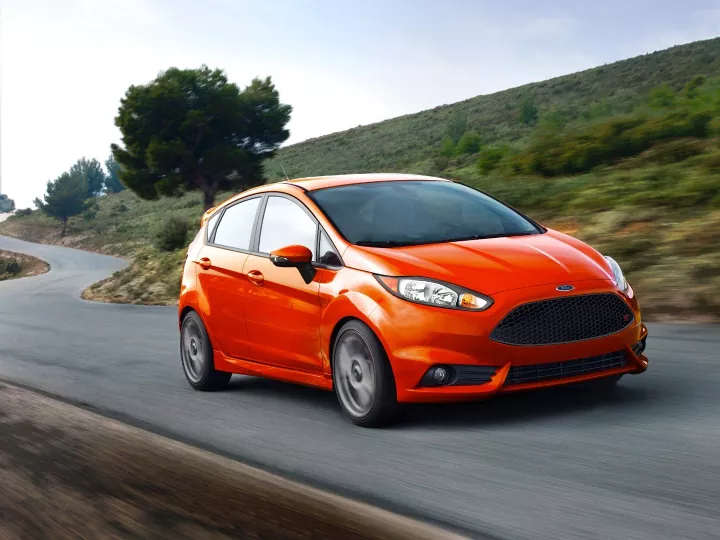
Ford Fiesta was another affordable small car that eventually disappeared from the American market. The Fiesta was sold in sedan and hatchback forms and appealed to drivers looking for a small, maneuverable vehicle.
Its compact dimensions made it suitable for crowded city streets, while certain versions provided a more engaging driving experience than their basic price might suggest.
Ford’s decision to leave the small-car segment reflected a much larger change in its U.S. strategy. The company reduced its traditional passenger-car lineup and concentrated more heavily on SUVs, crossovers, trucks, and commercial vehicles.
This shift became particularly visible when Ford discontinued models such as the Fiesta and later removed other conventional cars from its American portfolio.
The Fiesta was discontinued in the U.S. after the 2019 model year. By then, consumers were increasingly choosing crossovers over small sedans and hatchbacks.
The shift affected manufacturers across the industry. When buyers moved toward larger vehicles, automakers naturally followed the demand because higher-priced products could support stronger financial results.
For buyers, the Fiesta provided a combination that can be difficult to find in newer vehicles. Its compact dimensions made it easy to maneuver and park, while its relatively affordable price made it accessible to budget-conscious buyers. Its fuel efficiency also helped keep everyday commuting costs under control.
Certain configurations also delivered a surprisingly lively driving experience. Still, the model had trade-offs, including limited rear-seat space and differences in transmission behavior depending on the version.
Today, used Fiesta models can be found at prices that vary considerably according to year, mileage, trim, condition, and transmission. Anyone considering a used example should research the specific powertrain and model year rather than assuming every Fiesta drives or performs the same way.
Ford’s departure from the entry-level car market shows how significantly American vehicle preferences have changed within a relatively short period.
8. Chevrolet Removed the Spark
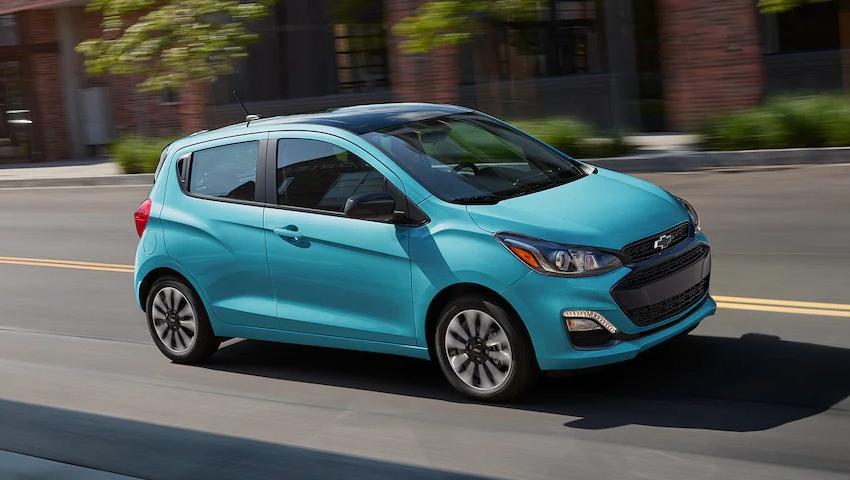
Chevrolet Spark became a familiar name among American shoppers seeking an inexpensive new car. Its tiny dimensions, hatchback body, and low price helped it attract consumers who did not need a large vehicle.
For many buyers, the Spark provided a simple alternative to used cars while still offering the benefits of purchasing new, including a factory warranty and the latest available safety equipment for its time.
The Spark’s biggest advantage was its affordability. It was designed around the idea that a new vehicle did not need to be large, powerful, or luxurious to be useful.
A driver commuting to work or attending college could choose a Spark and spend substantially less than someone buying a larger SUV. Its small size also made it easy to maneuver in tight parking spaces and dense urban environments.
Chevrolet discontinued the Spark after the 2022 model year. The move reflected the continuing decline of small, inexpensive cars in the United States.
General Motors had increasingly focused on larger vehicles, including SUVs, trucks, and electric models. With limited consumer demand for tiny hatchbacks, maintaining the Spark became less attractive compared with developing products in stronger market categories.
The Spark’s departure also shows why affordability has become a complicated issue in the modern car market. A new vehicle can include advanced driver assistance systems, larger screens, more powerful engines, additional structural requirements, and extensive connectivity technology.
These features can improve the ownership experience, but they also contribute to vehicle complexity and cost. The cheapest cars of the past were generally built around a much simpler formula.
Used Spark models can still provide inexpensive transportation for buyers who prioritize a small footprint and low purchase cost.
However, shoppers should evaluate each vehicle individually. Maintenance records, mileage, accident history, tire condition, brakes, battery health, and transmission operation can make a major difference. The Spark’s end left another gap in the U.S. market for people who want a very small new or nearly new vehicle.
