
Finding an affordable car involves more than checking its purchase price, fuel economy, and repair bills. Tire costs can also shape long-term ownership expenses, especially for drivers who cover many miles each year.
Some cars use common tire sizes that give buyers plenty of affordable choices, while certain performance and luxury models are designed around run-flat tires that can cost considerably more.
This guide compares five cars known for relatively accessible tire choices with five models commonly associated with factory run-flat setups. Tire sizes and factory specifications vary by model year and trim, so always verify the exact fitment before buying.
5 Cars With Cheap Tires
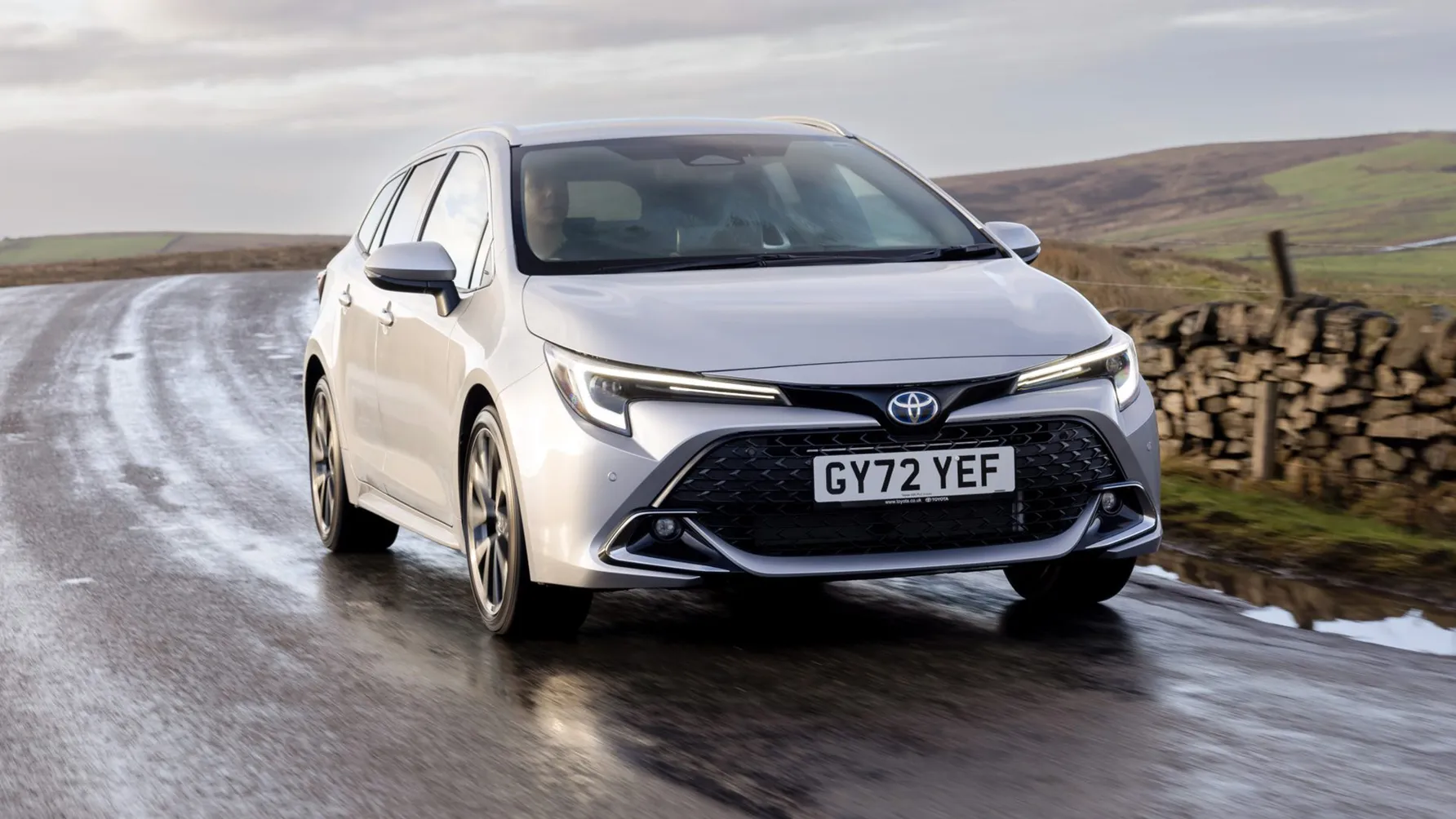
1. Toyota Corolla
The Toyota Corolla is a strong example of a car that can be inexpensive to keep on the road when tire costs are considered. Many Corolla configurations use relatively common tire dimensions, creating a large market for replacement tires.
That competition gives owners choices across budget, mid-range, touring, and premium categories. A driver who mainly uses the Corolla for commuting does not necessarily need an expensive performance tire.
A reputable economy tire can provide adequate everyday traction, predictable handling, and reasonable tread life when properly maintained. Exact tire availability depends on the model year, wheel size, and trim, so owners should check the size printed on the vehicle placard before shopping.
Another advantage is the Corolla’s widespread popularity. Tire manufacturers produce products for common passenger-car applications in large quantities, which means drivers can usually find several brands rather than being locked into a narrow selection.
This matters when replacing a single damaged tire or a complete set. A common tire size can also make it easier to compare prices between local tire shops and online retailers.
Buyers should avoid choosing purely on the lowest advertised price, because wet braking, tread life, warranty coverage, and road noise can vary substantially between products. A slightly more expensive tire may provide better value if it lasts significantly longer.
The Corolla also tends to suit drivers who do not demand aggressive handling from their tires. Its basic transportation mission means there is little reason for most owners to purchase an expensive ultra-high-performance tire. For someone commuting through a city, traveling on highways, or running regular errands, a conventional all-season passenger tire can make more financial sense.
The key is matching the tire to the vehicle’s intended use. Installing a tire with a much higher performance rating than necessary can increase the purchase price without delivering a meaningful benefit during ordinary driving.
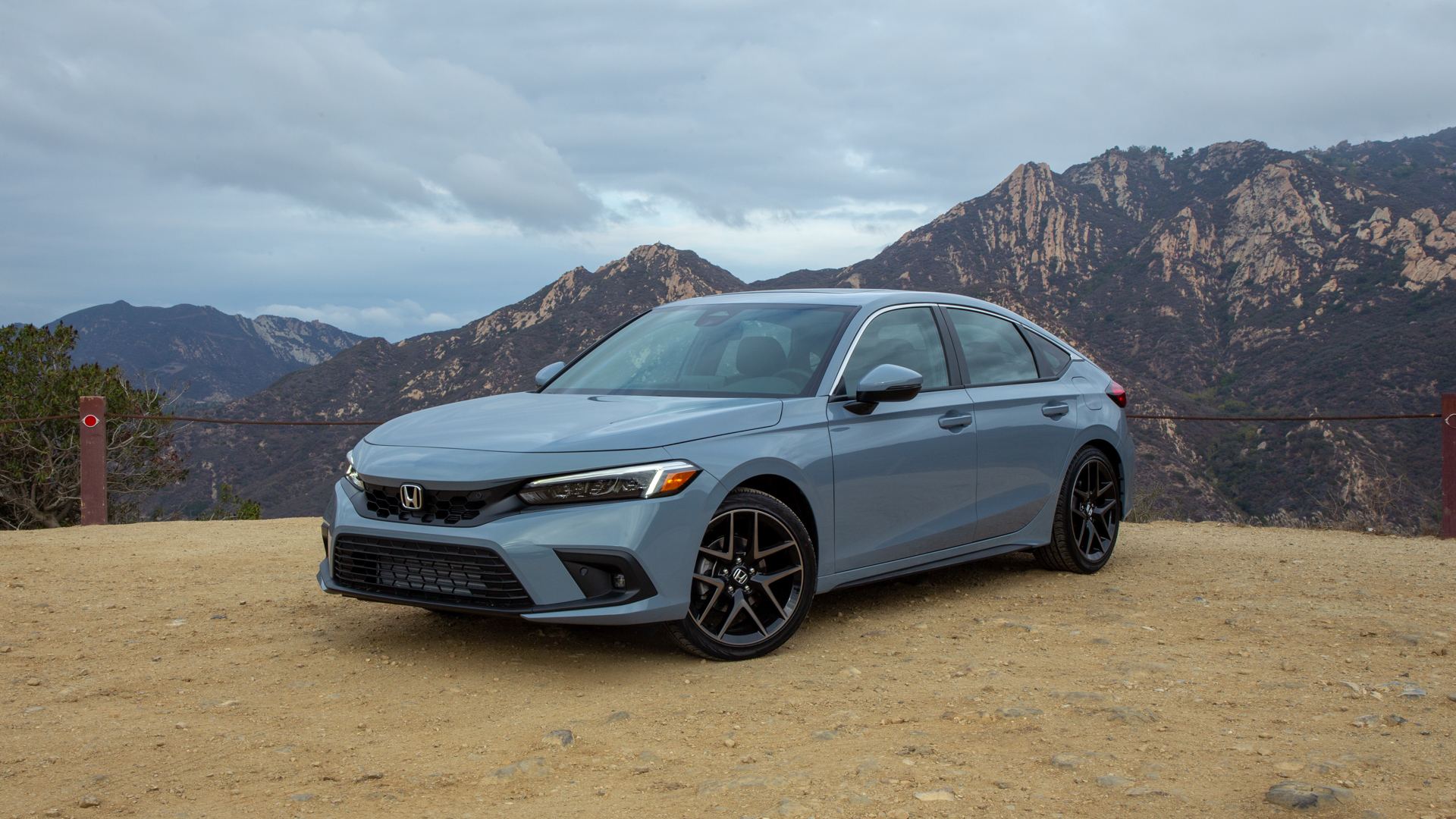
2. Honda Civic
The Honda Civic is another vehicle that can be relatively easy on the wallet when replacement tires are due. Civic models have traditionally been sold with a range of wheel and tire combinations, and many versions use sizes that are widely available from tire manufacturers.
That gives owners plenty of opportunities to compare products instead of purchasing whatever happens to be in stock. The final price depends heavily on the generation, trim, wheel diameter, and tire specification, but mainstream Civic configurations generally offer more tire-shopping flexibility than vehicles requiring specialized equipment.
For daily driving, a Civic owner usually has access to conventional all-season tires from numerous manufacturers. This is important because tire cost is not determined solely by the rubber itself.
Availability, competition, shipping, installation, and regional inventory all influence what a customer eventually pays. When several suitable products are available, shoppers can decide whether they prefer a cheaper tire, longer tread warranty, better wet-weather performance, or reduced road noise. A narrow selection removes much of that choice and can make replacement more expensive.
The Civic’s popularity also helps from a practical standpoint. Tire shops regularly encounter the model, and technicians are familiar with its common wheel and tire combinations. That does not mean every Civic can use every tire marketed for compact cars.
Load ratings, speed ratings, dimensions, and manufacturer requirements still matter. A tire that physically fits the wheel may not necessarily be the correct specification for the vehicle. Checking the owner’s manual and door-jamb tire information remains the safest way to identify the required size and ratings.
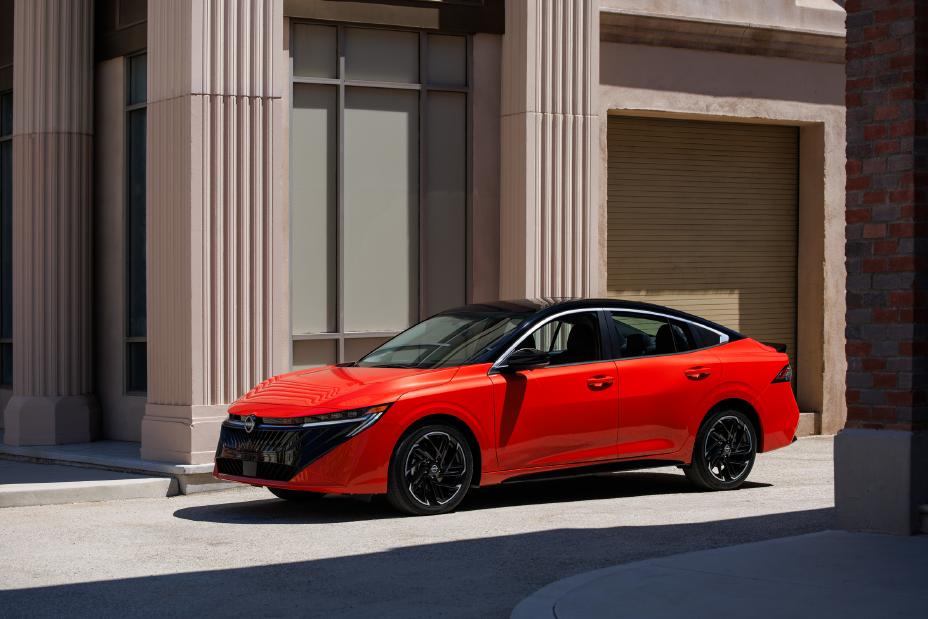
3. Nissan Sentra
The Nissan Sentra fits the same general category of vehicles where replacement tire shopping can be relatively straightforward. Its mainstream compact-sedan design means many configurations use conventional passenger tires rather than specialized run-flat equipment.
That opens the door to a broad selection of products from different manufacturers. For drivers whose priority is affordable transportation, this can be an important advantage because tires are consumable parts rather than a one-time purchase.
A Sentra owner can typically compare tires based on several factors, including tread warranty, wet-weather performance, ride comfort, fuel efficiency, and price. This is preferable to a situation where a vehicle requires a highly specialized tire with limited availability.
A wider market also makes it easier to find deals during seasonal promotions. Still, buyers should not assume that a discounted tire is automatically a good bargain. The correct size and load and speed ratings should come first, followed by a comparison of independent test information and manufacturer specifications.
Wheel size plays a major role in the final cost. A Sentra fitted with a smaller wheel may have less expensive replacement options than a version with larger wheels and lower-profile tires. Lower-profile rubber can cost more and may also be more vulnerable to damage from potholes and sharp road edges.
For that reason, two Sentra owners can have noticeably different tire bills even when both drive the same basic model. When purchasing a used car, checking the current tire size can therefore be worthwhile.
Tire longevity also depends heavily on driving conditions. Frequent hard acceleration, emergency braking, aggressive cornering, poor alignment, and neglected tire pressure can accelerate wear.
4. Hyundai Elantra
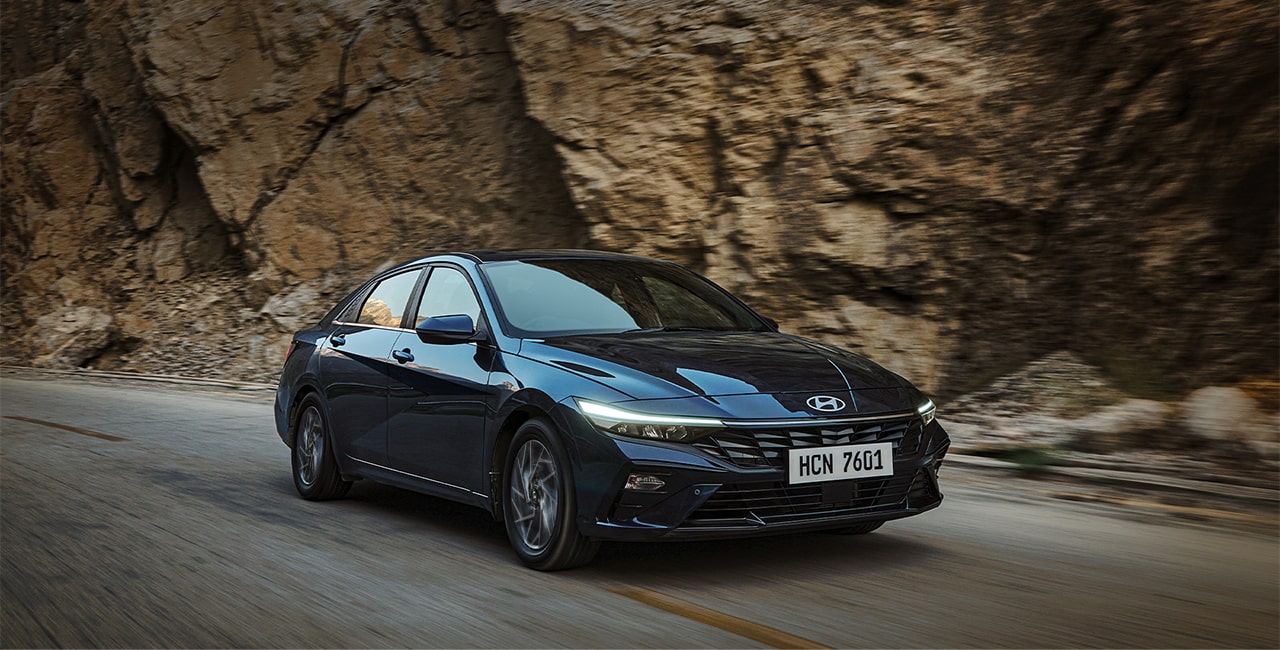
The Hyundai Elantra is another mainstream sedan that can offer relatively reasonable tire replacement costs. Many Elantra configurations use conventional tires with widespread availability, giving owners several options at different price points.
The model’s popularity means tire manufacturers have strong incentives to support its common applications. This makes shopping easier for people who want to control routine maintenance expenses without resorting to unusual or hard-to-find equipment.
The best tire choice for an Elantra depends on the driver’s priorities. Someone driving mainly around town may prefer a comfortable touring tire with good tread life, while a highway driver may care more about wet handling, stability, and noise.
A budget tire can be perfectly serviceable when it meets the vehicle’s specifications and comes from a reputable manufacturer. The important distinction is between an affordable tire and an unsuitable tire. Saving money is useful only when the tire still provides appropriate safety and performance.
Another cost advantage comes from the ability to compare brands. When a vehicle has a common tire size, a customer can request multiple quotes and decide whether the difference between products justifies the additional expense.
Local shops may also carry several compatible models, reducing the risk of waiting for a special order. Availability matters when a tire suffers sudden damage because getting back on the road quickly can be just as important as the eventual price.
Elantra owners should also pay attention to wheel configuration. Larger wheels can change both the price and availability of tires. A low-profile tire may have less sidewall protection and can be more expensive than a conventional tire designed for a smaller wheel.
5. Mazda3
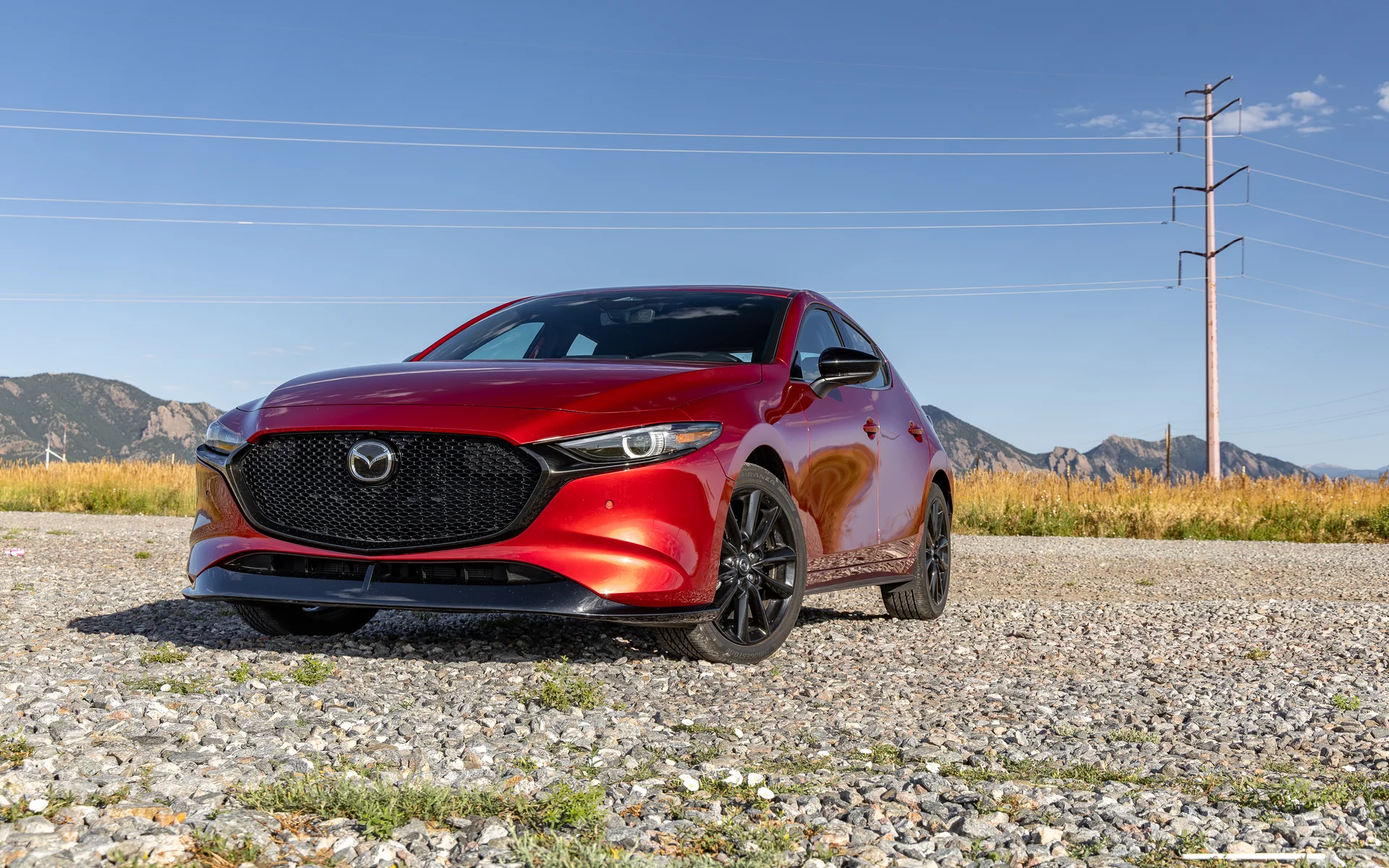
The Mazda3 takes a slightly different approach from the basic economy-car formula because some versions place greater emphasis on driving response. Even so, many Mazda3 configurations use conventional tires rather than requiring run-flat technology.
This leaves owners with a broad replacement market. Depending on the trim and wheel size, tire costs can range from relatively affordable to considerably higher, but the availability of conventional options remains an advantage.
Mazda3 buyers should pay particular attention to the difference between ordinary and sport-oriented tire choices. A driver who enjoys responsive steering may be willing to pay more for a tire with stronger cornering performance.
Someone using the car mainly for commuting may prefer a quieter tire with longer expected tread life. Neither choice is inherently better. The appropriate tire is the one that matches the driver’s needs while meeting the vehicle’s specifications.
The Mazda3 also illustrates why wheel size matters when comparing cars. Larger wheels usually mean shorter tire sidewalls, and the resulting tire can cost more than a smaller-diameter alternative. Replacement availability can also differ.
If minimizing long-term tire costs is a priority, prospective buyers should look at the actual tire size fitted to the car rather than relying solely on the model name. Two Mazda3 trims can have noticeably different replacement costs.
Drivers can keep expenses under control by monitoring tread depth and tire condition. Uneven wear can indicate alignment or suspension issues, while repeated pressure loss may point to a puncture, damaged wheel, or valve problem.
Addressing these issues early can prevent premature tire replacement. Rotating tires where permitted by the vehicle and tire configuration can also promote more even wear.
5 Cars Commonly Associated With Run-Flat Tires
1. BMW 3 Series
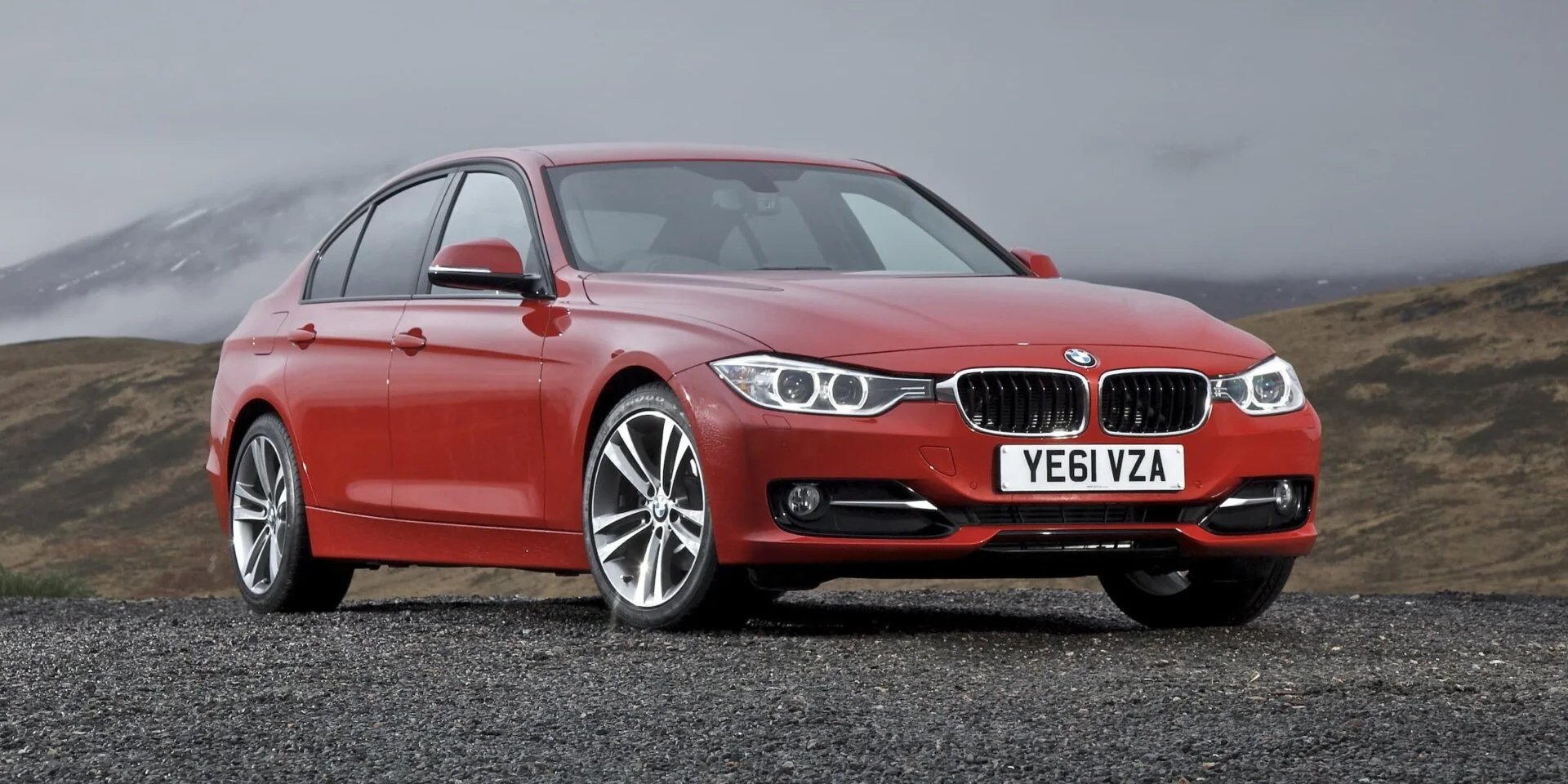
The BMW 3 Series has been offered with run-flat tires on numerous generations and configurations, particularly in markets and trims where BMW equipped the vehicle with a tire-pressure monitoring system and no conventional spare.
Run-flat construction uses reinforced sidewalls that can support the vehicle for a limited distance after a significant loss of air pressure. BMW documentation for run-flat-equipped vehicles specifies restricted driving after pressure loss, and particular vehicles can have requirements concerning replacement tires and wheels
The benefit is obvious during a puncture. Instead of immediately stopping on the roadside to install a spare, a driver may be able to continue to a safe location or tire shop, subject to the vehicle’s instructions, tire condition, speed limit, and remaining driving range.
BMW owner information commonly warns that handling changes after pressure loss and instructs drivers to reduce speed. The run-flat system is therefore designed around convenience and mobility rather than simply lowering maintenance costs. That convenience has a price, because run-flat tires often cost more than comparable conventional tires.
A 3 Series owner should not assume that any tire with the correct dimensions is automatically an appropriate replacement. Run-flat designation, load capacity, speed rating, wheel compatibility, and the vehicle’s specific tire specification all need to be considered.
Some BMWs have staggered front and rear tire sizes, further limiting the ability to rotate tires. Performance-oriented configurations can also use wide, low-profile tires that naturally cost more than ordinary passenger-car rubber.
The ride quality question is worth considering too. Reinforced sidewalls are necessary for run-flat functionality, but they can influence how a vehicle responds to bumps and broken pavement. BMW has developed its suspension systems around specific tire and wheel combinations, so changing tire construction can affect handling and ride characteristics.
Owners considering conventional tires should consult the exact vehicle documentation and a qualified tire professional rather than assuming that a simple swap is harmless
2. MINI Cooper
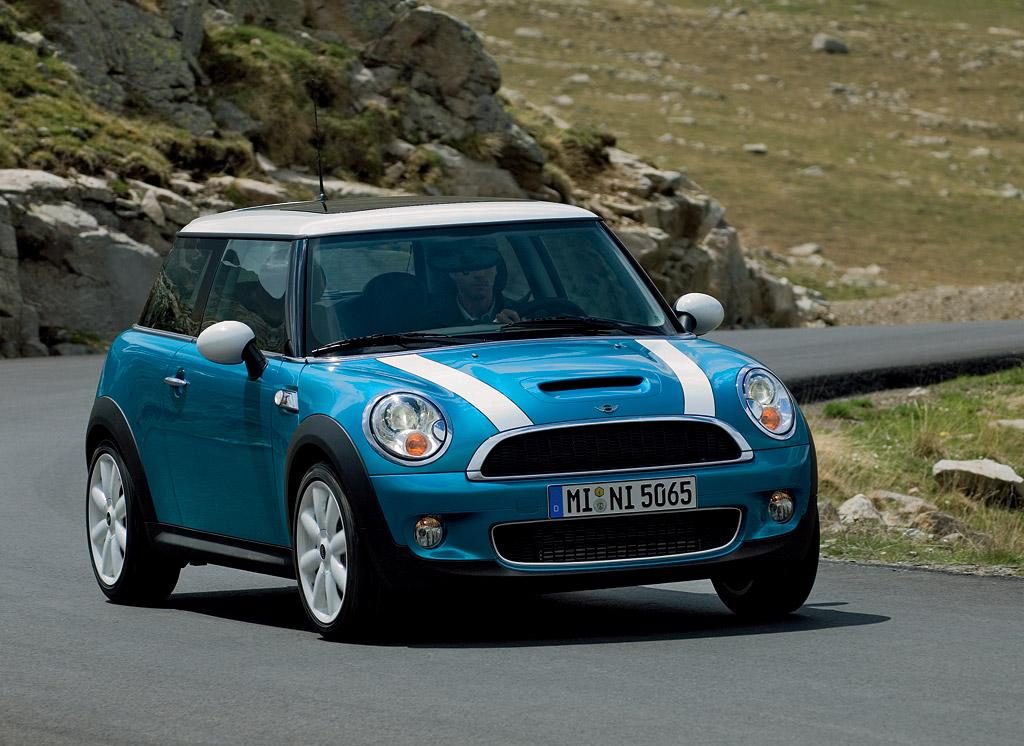
The MINI Cooper has a long history of being offered with run-flat tires on certain configurations. MINI owner documentation identifies run-flat tires through markings such as RSC and provides specific instructions for continuing to drive after pressure loss.
Recent MINI documentation also warns that the vehicle’s handling changes when a run-flat tire has low or no inflation pressure and limits continued driving to a specified speed.
This setup suits the MINI’s compact design because eliminating a traditional spare can preserve useful cargo space.
A puncture can also be less disruptive when the driver can cautiously reach a tire shop instead of stopping immediately. That does not mean a damaged run-flat can be driven indefinitely. The reinforced construction has limits, and the driver’s responsibility is to follow the vehicle’s instructions after a pressure-loss warning.
Tire costs are where the difference becomes noticeable. Run-flat tires generally require additional construction to support the vehicle after pressure loss. That can increase purchase prices compared with ordinary tires of similar dimensions.
MINI owners may also encounter higher prices because many versions use relatively small but sporty tire sizes, with some trims featuring larger wheels and lower-profile rubber. Exact prices vary by tire brand, size, location, and availability.
Owners also need to understand that run-flat tires are not simply a luxury upgrade that can be ignored when replacement time arrives.
MINI manuals have specified run-flat replacement requirements for particular vehicles, including guidance to use run-flat tires for safety. The exact requirement depends on the model and model year, so owners should check their documentation rather than applying a general rule to every MINI.
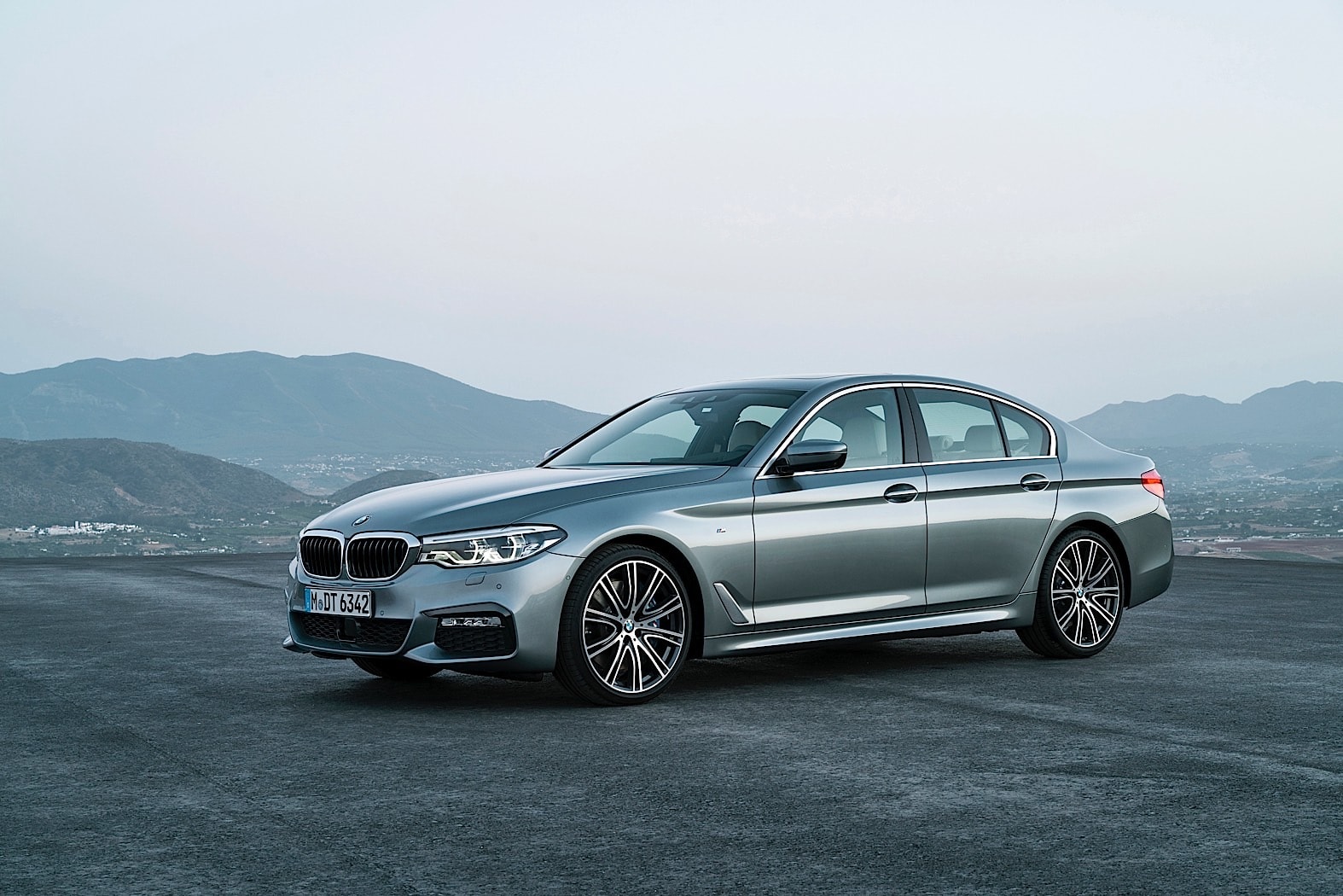
3. BMW 5 Series
The BMW 5 Series has also been offered with run-flat tires across various generations and configurations. Like the 3 Series, the exact equipment depends on model year, trim, wheel package, market, and factory specification.
This is important because not every 5 Series should automatically be described as requiring the same type of tire. Buyers should verify the tire information on the specific car before purchasing replacements.
The reason for using run-flats is largely practical. A conventional tire becomes unusable when it loses all or most of its air pressure, while a suitable run-flat can retain enough structural support to allow controlled travel for a limited distance.
BMW manuals describe the changed handling characteristics after pressure loss and provide specific speed guidance.
Replacement costs can become substantial on higher-specification 5 Series models. Large wheels, wide tires, low-profile sidewalls, and performance-oriented compounds can all raise the price before the run-flat construction is even considered.
A full set can therefore represent a significant maintenance expense. Buyers evaluating a used 5 Series should include tire replacement in their ownership budget rather than focusing only on fuel and routine servicing.
The advantage is most noticeable for drivers who regularly travel long distances. A puncture on a remote highway can be stressful, particularly at night or in poor weather.
Having a run-flat-equipped vehicle can reduce the urgency of finding a safe place to change a wheel. The driver still needs to slow down and follow the manufacturer’s instructions, because the vehicle can handle differently with a deflated run-flat.
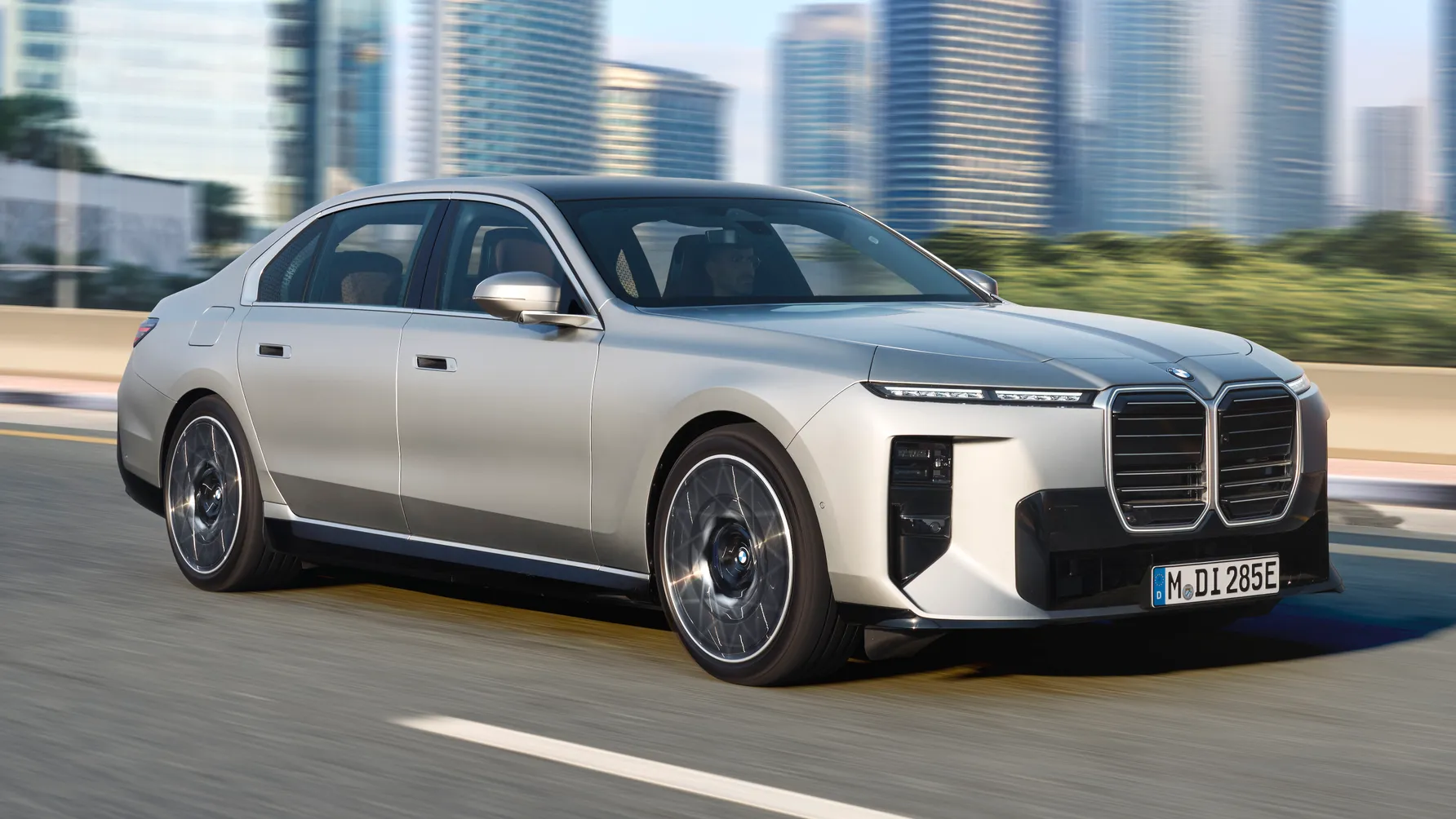
4. BMW 7 Series
The BMW 7 Series represents the more expensive end of this comparison. Various 7 Series configurations have used run-flat tires, and luxury trims can combine that construction with large wheels and performance-oriented tire specifications.
This combination can make replacement considerably more expensive than tires for an ordinary compact sedan.
The benefit remains emergency mobility. A run-flat can allow the driver to proceed for a limited distance after a loss of pressure, provided the tire has not suffered damage that makes continued travel unsafe, and the vehicle’s instructions permit it.
BMW documentation emphasizes that handling can change when tire pressure is lost. Drivers should therefore treat run-flat capability as a way to reach a safe location or service facility, not as permission to continue driving normally.
The 7 Series also demonstrates how vehicle weight and performance influence tire design. A large luxury sedan needs tires capable of carrying substantial loads while providing stable handling. Larger wheels and wider tires can add further expense.
Even before considering whether a tire is run-flat, the dimensions alone can make replacement rubber significantly more expensive than the tires fitted to a compact family car.
For prospective used-car buyers, tire inspection should be part of the purchase process. Uneven tread wear can signal alignment problems, while mismatched tires can affect handling and safety.
A buyer should also confirm that the vehicle has the correct run-flat specification when applicable. Tire sidewall markings can provide useful information, but the owner’s manual and vehicle placard remain important references for the correct specification.
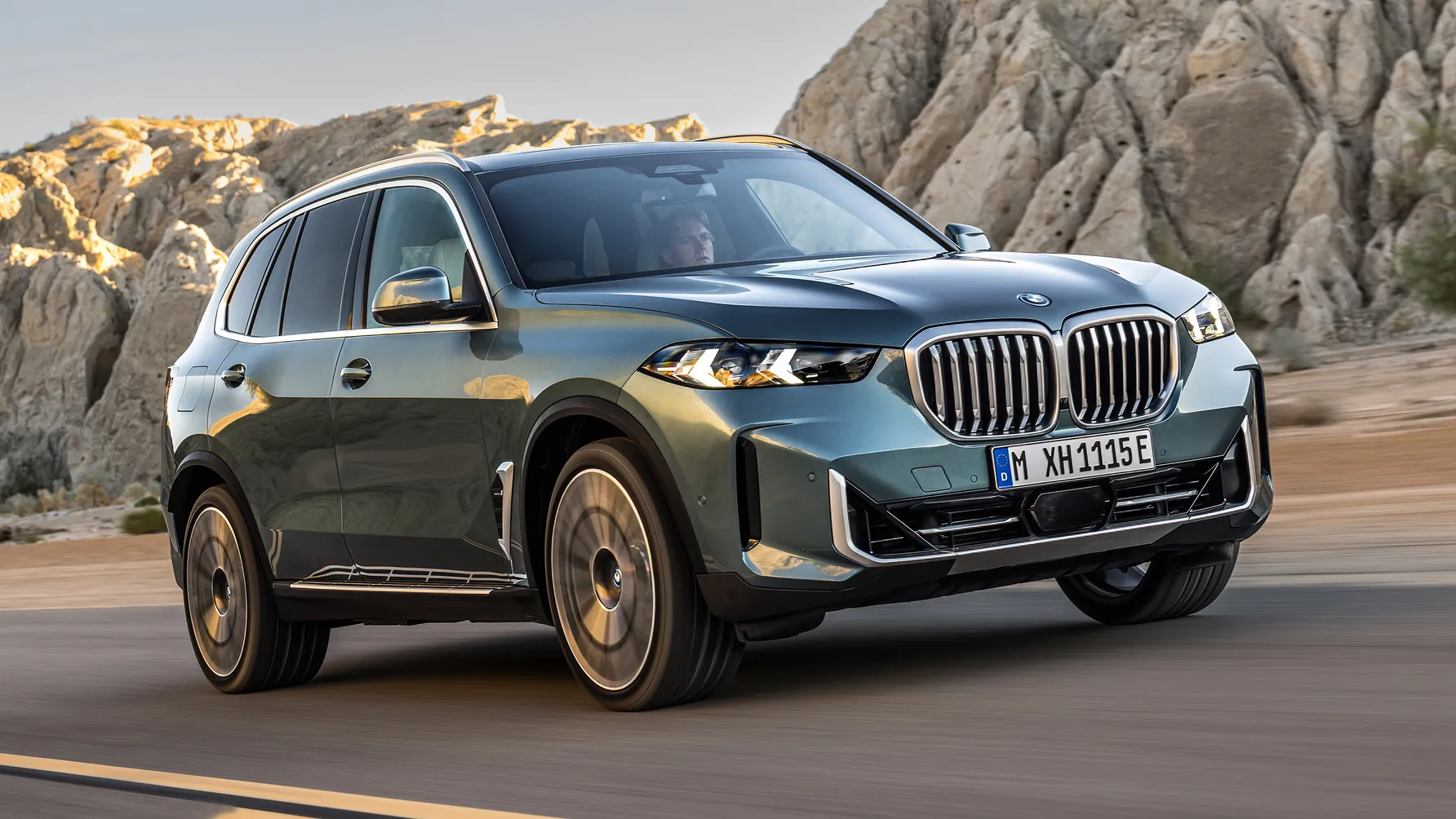
5. BMW X5
The BMW X5 has also been available with run-flat tires on certain configurations. The SUV format introduces additional variables because tire sizes can vary substantially between trims and wheel packages.
Some versions are designed with large wheels and performance-focused tires, while others use configurations intended for a broader balance of comfort and capability.
For an X5 owner, run-flat technology can be especially useful during long-distance travel. A heavy SUV with passengers and luggage is not an ideal vehicle to stop beside a busy road and perform a wheel change.
The ability to continue cautiously after a pressure loss can reduce that inconvenience. BMW documentation for run-flat-equipped vehicles places clear limits on speed and emphasizes that handling changes after pressure loss.
The downside is the cost of replacement. SUV tires can already be expensive because of their size and load requirements. Add run-flat construction, wide dimensions, or large wheels, and the total can climb further.
A driver replacing all four tires may face a considerably larger bill than someone operating a compact sedan on conventional tires. Tire prices also vary widely between brands, so shopping around remains important.
The X5 also highlights the importance of matching tires across the vehicle. Some configurations may use different sizes front and rear, which limits rotation and can increase the cost of keeping wear balanced.
Performance tires can also have shorter tread life than conventional touring products. Drivers who prioritize low operating costs should understand these characteristics before selecting a particular trim or used vehicle.
