
SUVs are often chosen by families because they offer space, practicality, and a higher driving position, yet rear-seat safety can vary significantly between models. Crash testing has shown that some SUVs provide strong protection for drivers while leaving rear passengers exposed to greater injury risks during a frontal collision.
The Insurance Institute for Highway Safety updated its moderate overlap front test to include a second-row dummy, creating a clearer picture of how well vehicles protect people sitting behind the driver. Here are eight SUVs that received poor ratings in this important back-seat safety evaluation, along with what the results mean for buyers and families.
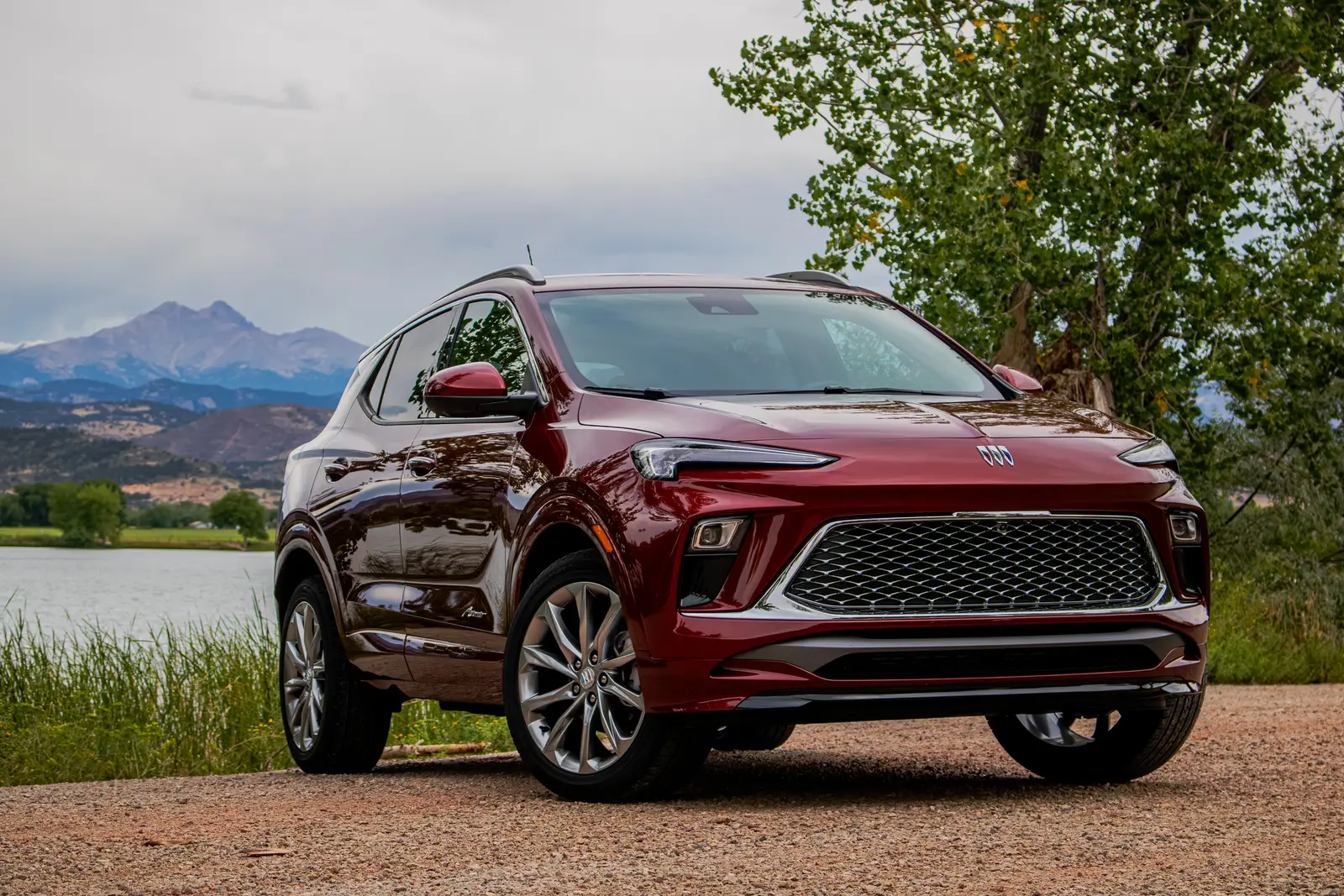
1. Buick Encore
The Buick Encore was among the small SUVs that received a poor rating in the IIHS updated moderate overlap front crash test. The result was significant because the vehicle performed much better in areas concerning the driver than it did for the simulated rear passenger.
The test demonstrated that strong protection in the front seating position does not automatically mean that occupants in the second row receive the same level of protection.
During the crash evaluation, the rear dummy in the Encore experienced concerning head movement. Its head came close to the front seatback, which raised concerns about potential head injury during a serious frontal collision.
The updated IIHS test pays particular attention to rear passenger head, neck, chest, and restraint performance because these areas can reveal weaknesses that traditional crash tests may not expose.
The Encore’s result also highlights why shoppers should not rely solely on a vehicle’s reputation, size, or general crash rating. A vehicle can have a solid passenger compartment and still receive a weak result for rear occupant protection. Families often place children, teenagers, or adult passengers in the second row, making this part of a crash evaluation especially important.
The IIHS testing used a second-row dummy representing a smaller adult occupant. This is important because restraint systems can behave differently for smaller passengers.
A belt that appears effective for a larger occupant may not keep a smaller person properly positioned throughout a collision. The Encore’s test performance showed why rear restraint design deserves close attention when comparing family-oriented SUVs.
Buyers considering a used Buick Encore should therefore check the exact model year and production details rather than assuming every Encore has identical crash performance.
Vehicle safety technology can change during a model cycle, and later versions may have different equipment or structural improvements. The poor rating applies to the specific vehicles evaluated by IIHS, so shoppers should verify the latest available rating for the exact vehicle they intend to purchase.
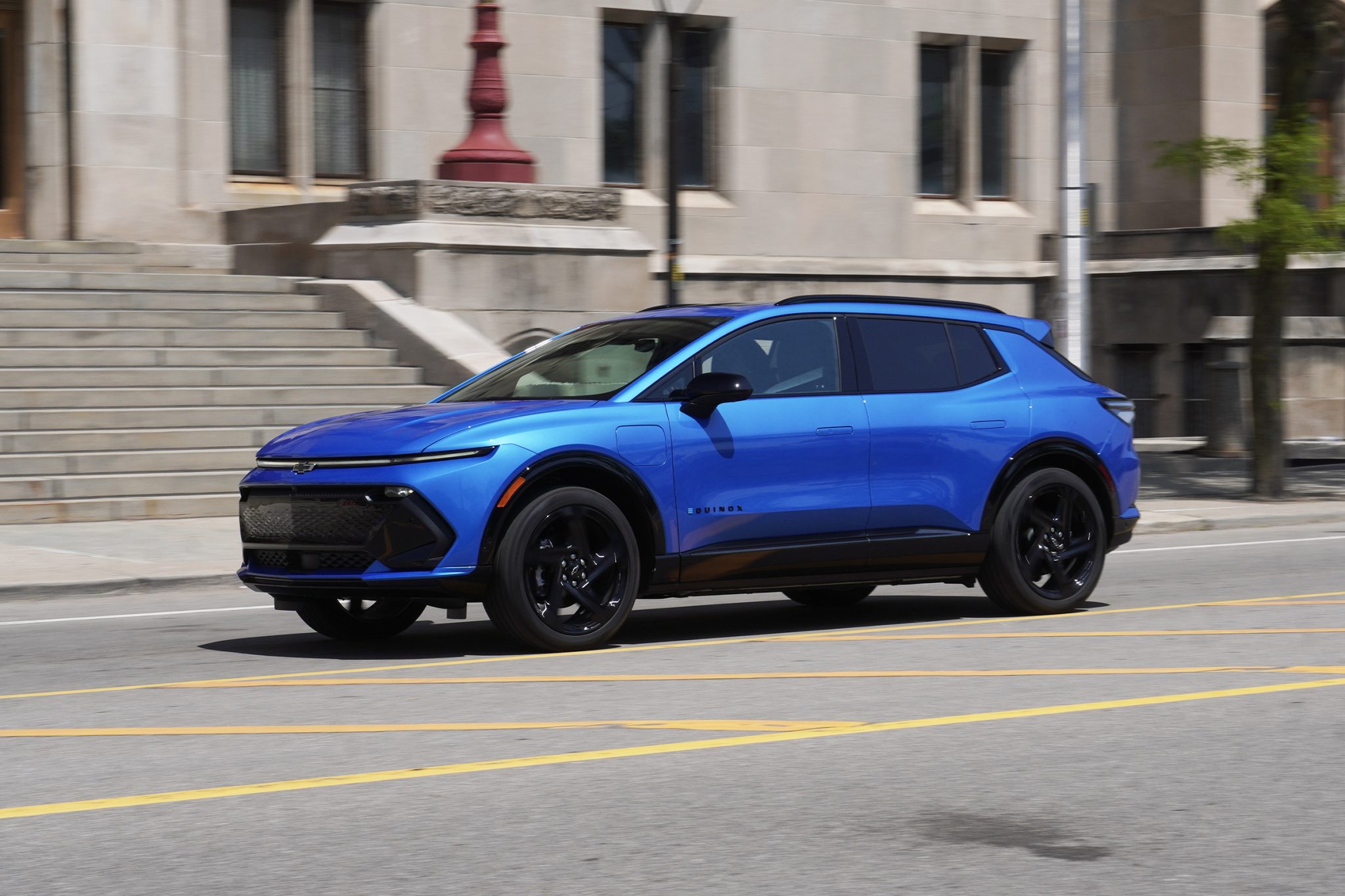
2. Chevrolet Equinox
The Chevrolet Equinox also received a poor rating in the IIHS updated moderate overlap front test for the tested model years. The result was particularly notable because the structure of the vehicle performed well in several areas.
The driver compartment remained strong, but the measurements recorded for the rear passenger showed weaknesses that affected the evaluation.
The rear passenger dummy recorded poor results for head and neck injury measures, while the chest measurement also received a poor rating. These results highlight a key challenge in rear-seat crash protection. Strengthening the vehicle’s structure is only one part of the equation. The restraint system must also effectively manage the occupant’s movement during a collision.
For a vehicle carrying families, this distinction matters. A strong safety cage can reduce the amount of intrusion into the passenger compartment, but occupants can still suffer serious injuries if the seat belt does not maintain an effective position or if the dummy moves excessively.
The Equinox test demonstrated that occupant kinematics and restraint performance are critical parts of crash protection.
The Equinox also had a slightly elevated risk for injury to the driver’s right foot, according to the IIHS evaluation. That result was separate from the rear passenger findings, but it shows how a complete crash assessment considers several areas at the same time. A vehicle’s final rating reflects the combined results rather than a single measurement.
The Equinox has changed over time, so this result should not be interpreted as a statement about every Equinox ever built. Used-car shoppers should identify the model year and check the relevant IIHS test.
Newer vehicles can receive different results after changes to seat belts, airbags, structures, or other safety equipment. This is particularly important when a vehicle has been redesigned or modified during its production run.
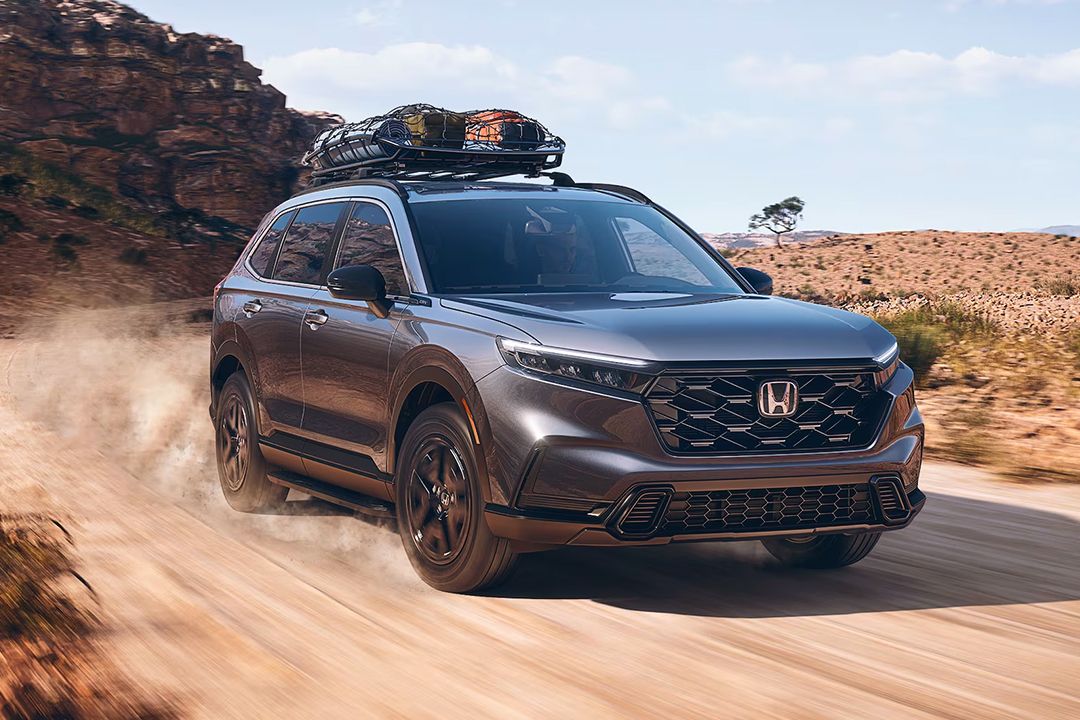
3. Honda CR-V
The Honda CR-V is widely recognized as a practical compact SUV, but certain earlier CR-V models received a poor rating in the IIHS updated moderate overlap test focused on rear occupant protection.
The result surprised many people because the CR-V had performed well in the original version of the moderate overlap evaluation. The newer test exposed weaknesses that were not fully captured by the earlier procedure.
The rear passenger dummy in the tested CR-V showed poor results in several injury measurements. The evaluation found concerns involving the head and neck as well as the chest. These findings demonstrate how safety testing has become more demanding as researchers have learned more about injuries suffered by people seated in the second row.
A particularly important issue was occupant movement during the collision. The test was designed to determine whether the rear restraint system could keep the dummy in a controlled position.
A passenger who moves too far forward or changes position significantly during a crash can face increased exposure to interior surfaces and potentially harmful forces.
The CR-V example also demonstrates why consumers should look at the year of a crash test. A poor result from an earlier generation does not automatically describe a current model. Honda has made changes to CR-V safety equipment over time, and newer generations can perform differently under newer testing procedures.
People shopping for a used CR-V should therefore avoid treating a single safety rating as a universal label for the entire nameplate. The exact model year, build period, and safety equipment matter.
Anyone buying a vehicle primarily for family transportation should review current crash-test information for the specific CR-V under consideration rather than relying on an older reputation or a general assumption about Honda safety.
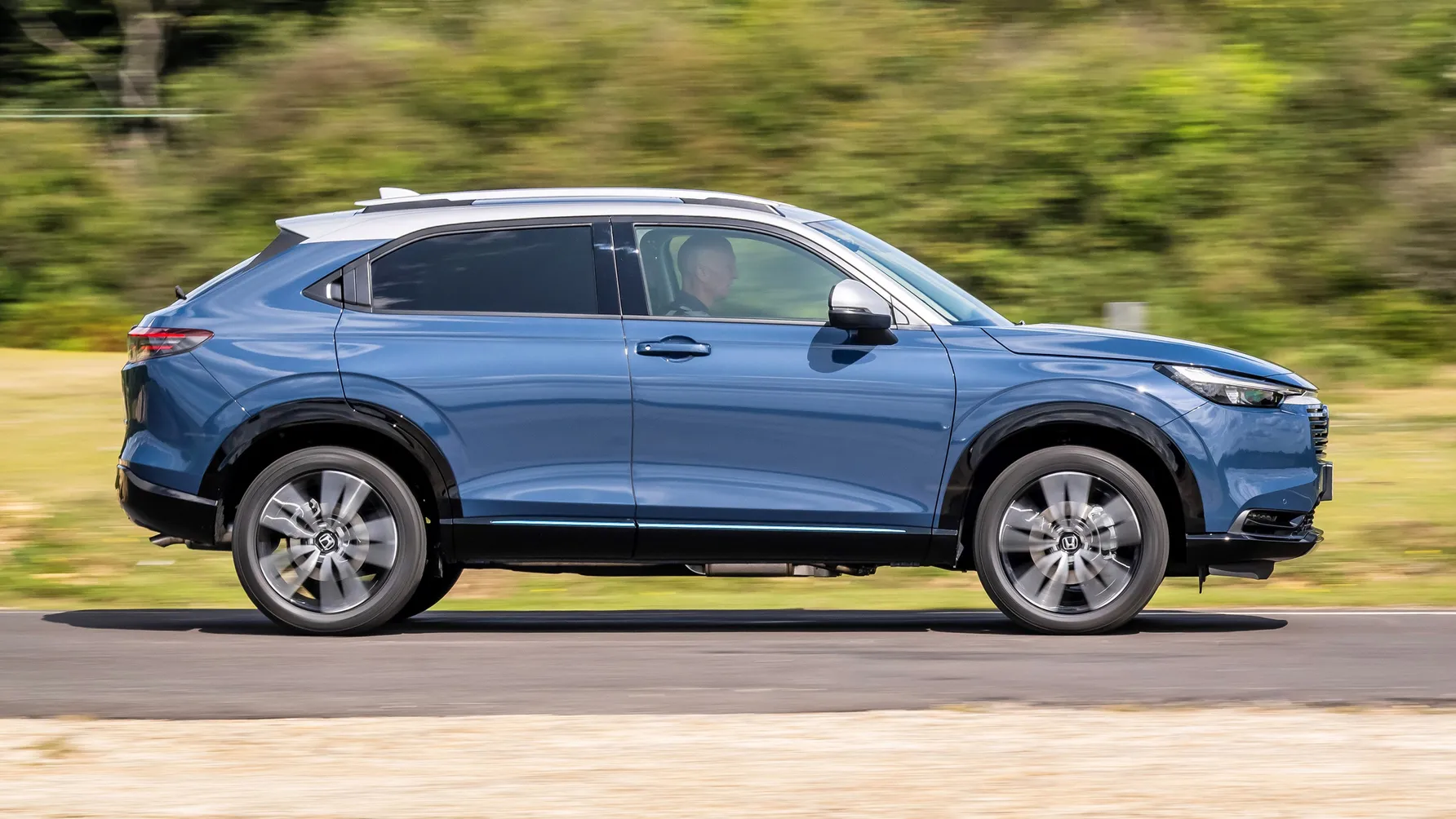
4. Honda HR-V
The Honda HR-V was also rated poor in the IIHS updated moderate overlap front crash test for the tested version. The evaluation found serious shortcomings in rear passenger protection even though the vehicle’s basic structure performed well.
This contrast is useful because it shows that structural strength alone cannot guarantee excellent protection for someone sitting behind the driver.
The rear passenger measurements showed poor performance for head and neck protection. The chest result was rated marginal rather than good. The test also identified a problem with the lap belt moving away from its preferred position on the pelvis. When the belt moves toward the abdomen during a crash, the risk of abdominal injury can increase.
This belt movement is an important detail for anyone trying to understand crash-test results. Seat belts are designed to spread crash forces across stronger parts of the body.
A lap belt that stays low on the pelvis can help manage those forces more effectively. If it shifts upward, the abdomen can become more exposed to concentrated loading.
The HR-V result also demonstrates why rear-seat safety cannot be judged simply by looking at the number of airbags or the vehicle’s reputation. Airbags, belts, seats, head restraints, and vehicle structure all work together. A weakness in one part of the system can affect the outcome even when other components perform well.
As with the other SUVs on this list, the HR-V’s poor result applies to the tested model years and configuration. Later vehicles can receive different evaluations after design changes. Consumers should check the current IIHS rating before purchasing a used or new HR-V, particularly when rear passengers will regularly use the vehicle.
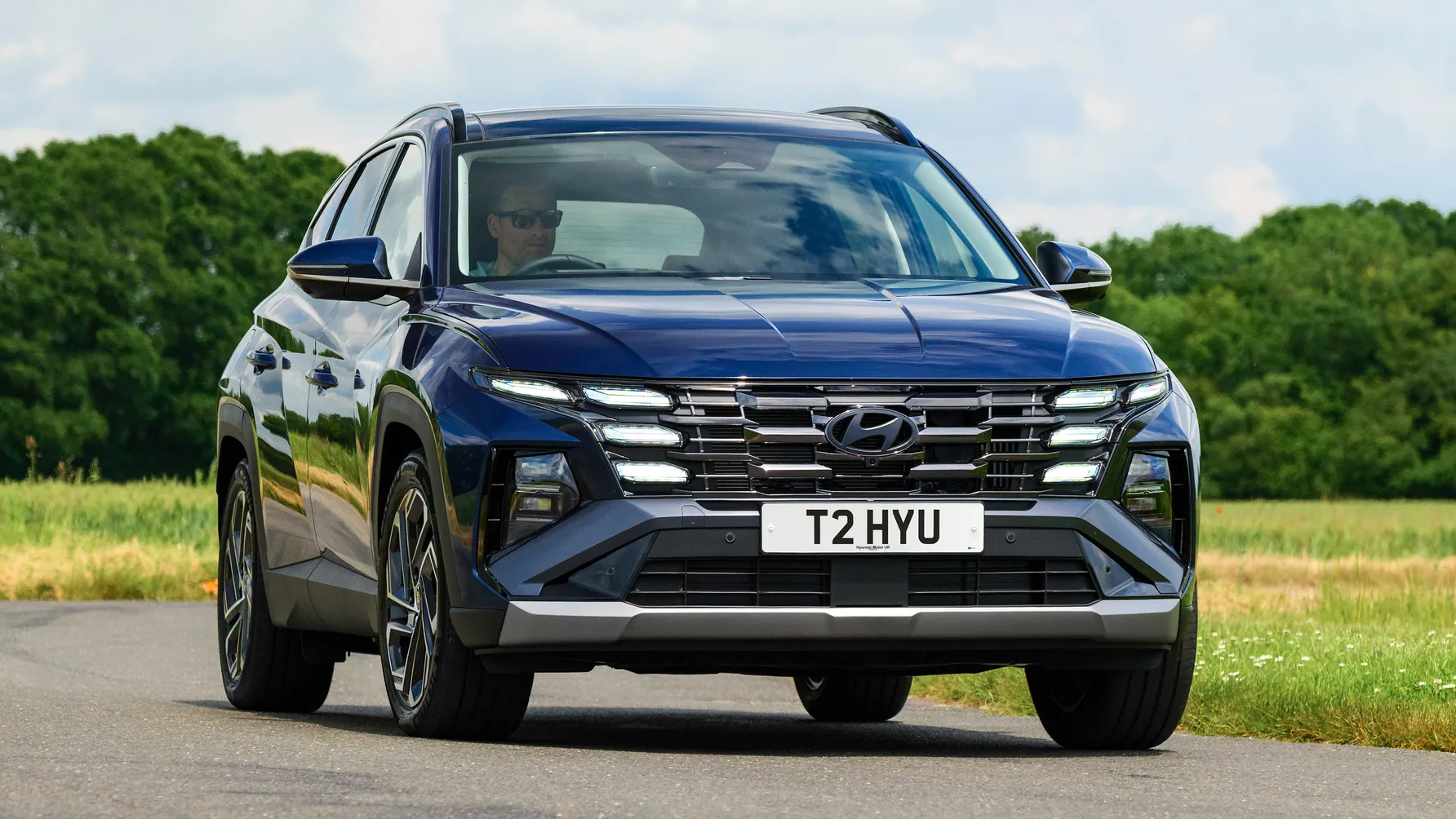
5. Hyundai Tucson
The Hyundai Tucson has also appeared among SUVs receiving poor rear passenger protection results in the IIHS updated moderate overlap test.
The tested Tucson showed a substantial gap between the protection offered to the driver and the protection measured for the simulated rear passenger. This difference is precisely why IIHS added the second-row dummy to its testing procedure.
The rear passenger dummy recorded poor head and neck measurements, along with a poor chest result. The restraint and dummy movement assessment received an acceptable rating. These findings show that a vehicle can have a relatively strong result in one part of the rear passenger evaluation while still receiving a poor assessment.
The Tucson’s results are particularly useful for explaining the purpose of the updated test. Traditional crash evaluations concentrated heavily on the driver and front passenger.
Modern safety engineering has improved protection in those positions considerably, but similar improvements did not always reach the second row at the same pace.
A family buying an SUV may assume that a newer-looking cabin or a long list of driver-assistance features means the vehicle has excellent protection everywhere. Crash testing tells a more detailed story. Features such as automatic emergency braking can help prevent some crashes, but they do not replace strong occupant protection when a collision actually occurs.
The Tucson has since undergone changes, and newer model years have achieved substantially different IIHS results. In fact, later Tucson models have qualified for major IIHS safety recognition under updated testing conditions.
This makes it especially important to distinguish older poor-rated versions from newer vehicles. A buyer should never assume that a rating for a 2021 model automatically applies to a current Tucson.
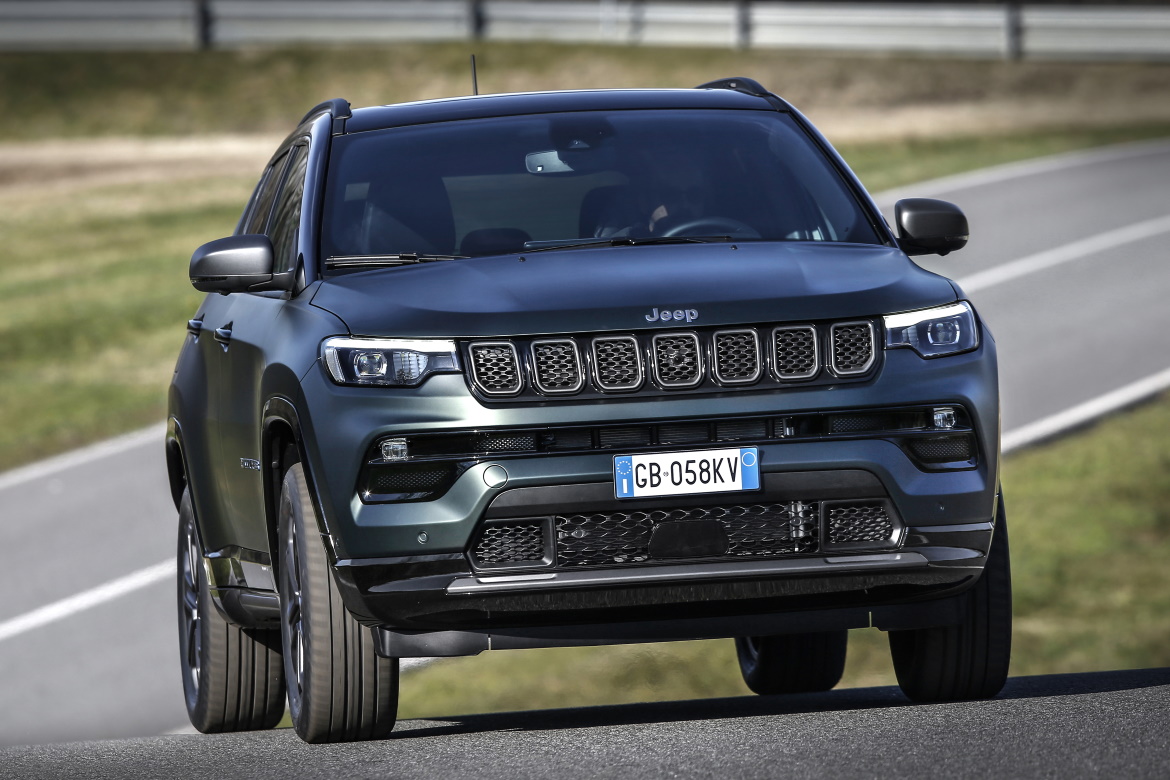
6. Jeep Compass
The Jeep Compass was another small SUV that received a poor rating in the IIHS updated moderate overlap front evaluation. Its result showed that the rear occupant could face considerably more risk than the driver during the simulated collision.
This finding reinforced a broader trend identified by IIHS, where many SUVs performed well for the driver but struggled to provide the same protection behind the driver.
The rear dummy recorded poor results for head and neck protection as well as chest protection. The structure itself performed well, which again shows that the problem was not simply a weak passenger compartment. Instead, the way the rear occupant moved and interacted with the restraint system was a major factor.
Rear-seat restraint performance is particularly important because occupants can be positioned differently based on their size, seating posture, and proximity to the front seat.
Children also have different restraint requirements than adults. For that reason, parents should use the correct child restraint and follow the manufacturer’s instructions regardless of how well an SUV performs in a crash test.
The Compass result also illustrates why a vehicle’s off-road capability should not be confused with passenger crash protection. Rugged styling, ground clearance, four-wheel-drive systems, and towing ability address different needs. None of these characteristics directly guarantees effective occupant protection in a frontal collision.
People shopping for a used Compass should check the exact model year and IIHS results before making a decision. Safety technology and crash performance can change when manufacturers update restraints or redesign a vehicle.
The poor result discussed here belongs to the tested versions, not necessarily every Compass produced throughout its history.
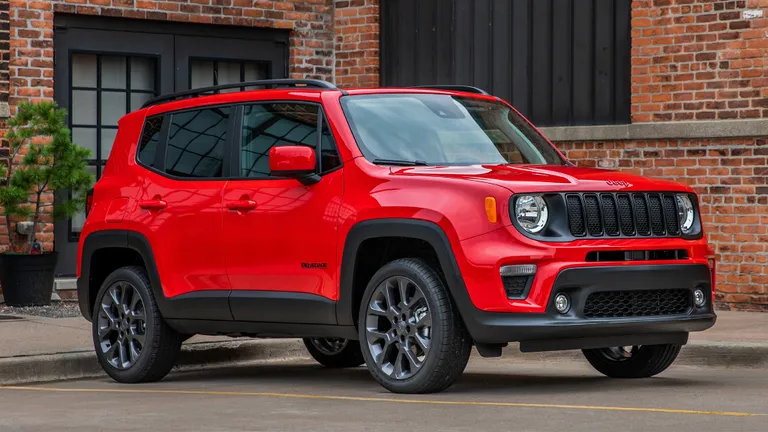
7. Jeep Renegade
The Jeep Renegade received a poor rating in the updated moderate overlap front test, and its rear passenger performance included a particularly concerning finding.
During the test, the rear dummy moved enough during rebound for its head to leave the protection provided by the side curtain airbag and strike the C-pillar.
This type of movement matters because airbags are positioned to protect occupants within a specific area of the cabin. If the occupant moves beyond the intended coverage zone, the protection offered by the airbag can be reduced. Contact with a hard structural component can create a serious injury risk during a high-energy collision.
The Renegade’s result therefore demonstrates that airbags cannot be evaluated independently from seat belts and occupant movement. A curtain airbag may deploy correctly, yet the passenger can still experience dangerous forces if the restraint system does not keep the body within the intended protective zone.
The test also showed poor results for the rear passenger’s head and neck and chest measurements. These results contributed to the vehicle’s poor rating. The findings were not simply about cosmetic damage or how the vehicle looked after the crash. They were based on measurements intended to estimate injury risks for occupants.
The Renegade is another example where buyers should check model-year-specific information. Automotive manufacturers frequently make changes to restraints, airbags, software, and structural components. A used Renegade should therefore be evaluated using the crash results for its specific year rather than a generic statement about the entire model line.
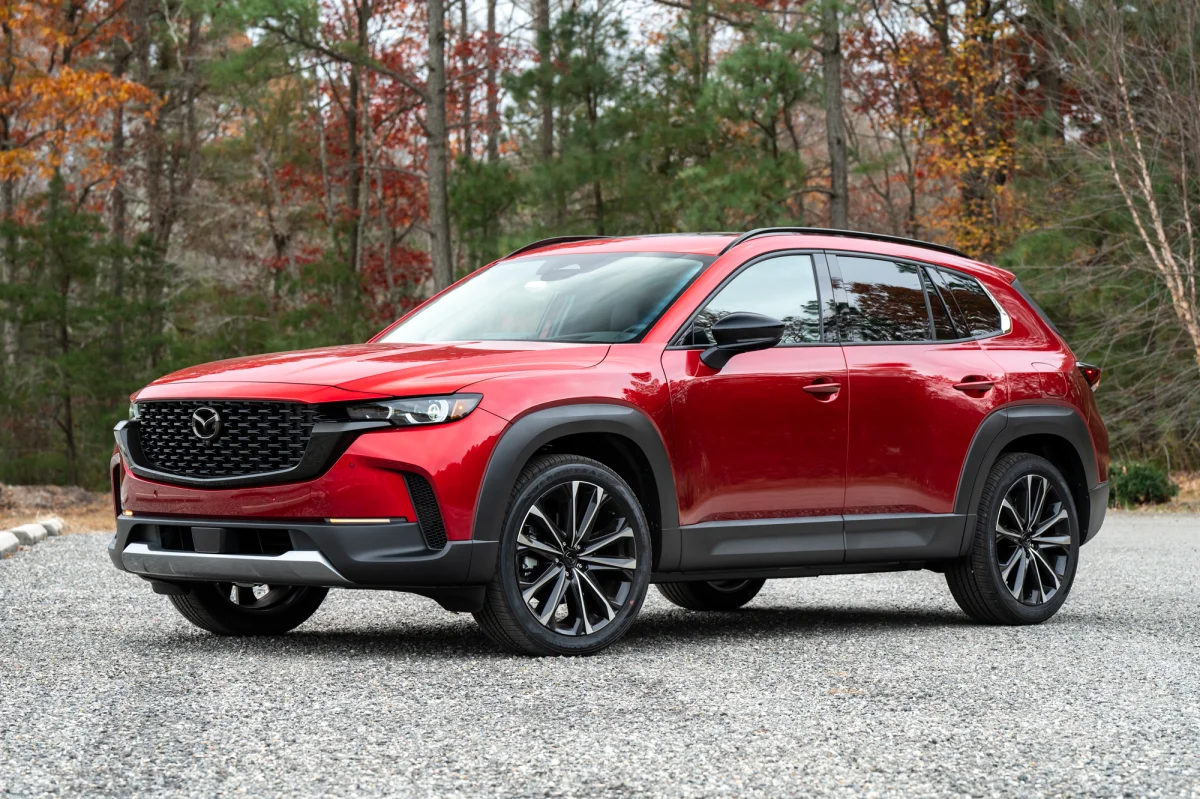
8. Mazda CX-5
The Mazda CX-5 was another compact SUV that received a poor rating in the earlier IIHS updated moderate overlap test. Its result was notable because the vehicle performed well in several structural areas while the rear passenger evaluation identified significant concerns. This illustrates how modern crash testing looks beyond the survival space around the occupants.
The rear dummy experienced poor head, neck, and chest injury measurements. The evaluation also identified submarining, a situation in which the occupant slides forward underneath the lap belt. This movement can allow the belt to shift away from the pelvis and toward the abdomen, increasing the potential for abdominal injuries.
Submarining is a serious restraint concern because the lap belt is intended to sit low across the pelvis. If the body slides beneath it during a collision, the belt may not control the occupant as intended. The Mazda CX-5 test showed why restraint geometry and occupant positioning are just as important as the strength of the vehicle’s structure.
The CX-5’s result should not be interpreted as evidence that every CX-5 has poor crash protection. Mazda has continued to update the vehicle, and crash-test procedures have also changed. Later model years may have different equipment and ratings. This distinction is essential when using historical crash-test data to make a current buying decision.
For used-car shoppers, the takeaway is simple. Check the model year, test date, and specific IIHS evaluation before drawing conclusions. A vehicle that performed poorly in an earlier test may have been updated since then. It is also worth comparing those results with newer competing SUVs, especially if the vehicle will regularly carry passengers in the rear seats.
