
Electric vehicles are becoming more common across the United States, but public charging access remains uneven from state to state. Some areas have thousands of charging stations, while others have only a small number spread across large distances.
This difference can affect daily commuting, road trips, fleet operations, and EV ownership decisions. The 10 states discussed below have historically ranked among those with the fewest public EV charging stations. A smaller network does not mean EV adoption is impossible, but it can require more planning.
Charging growth, federal funding, utility investment, and private development may gradually narrow these gaps as demand for electric transportation continues to increase.
1. Alaska
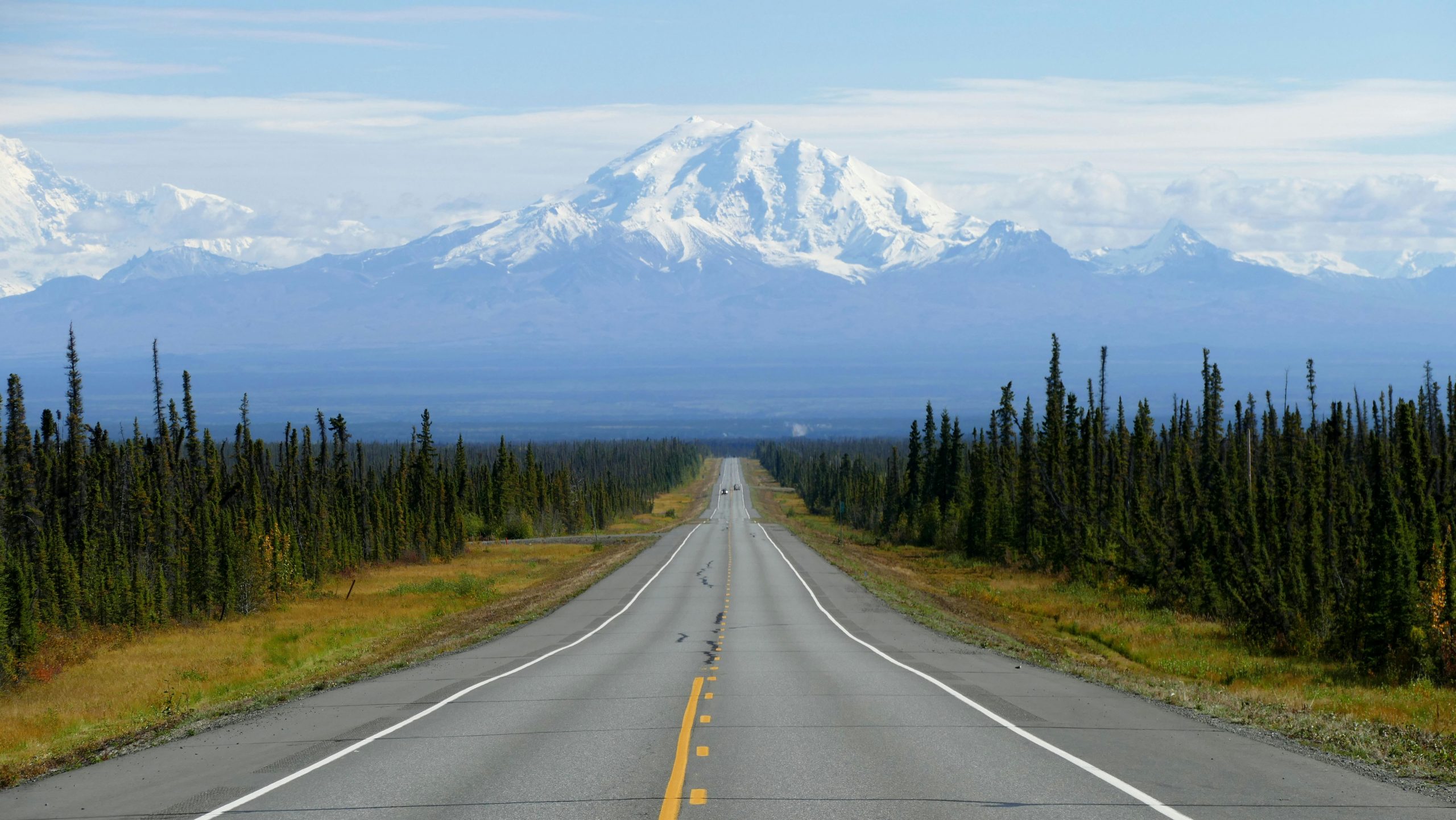
Alaska has a uniquely challenging environment for electric vehicle charging infrastructure. Its communities are widely separated, its road network is limited compared with the Lower 48, and many areas experience severe winter conditions.
These factors make building and maintaining public charging stations more complicated. Alaska has historically recorded the fewest public EV charging stations among U.S. states, with a previous Energy Department snapshot listing about 65 public stations.
Distance plays a major role in Alaska’s charging challenge. A driver traveling between communities may encounter long stretches without a convenient public charger. In states with dense highway networks, an EV driver can often select from several charging locations within a relatively short distance.
Alaska provides fewer alternatives, making route planning much more important for people traveling outside major population centers.
Cold weather also matters. Low temperatures can reduce battery efficiency and increase energy consumption during winter driving.
Heating the cabin requires additional energy, while charging performance can also be affected when a battery is extremely cold. Modern EVs use battery management systems and thermal controls to reduce these effects, but drivers in Alaska still need to consider seasonal conditions when planning longer journeys.
The state’s smaller population reduces the immediate commercial incentive for companies to install large numbers of charging sites. A charging company needs sufficient usage to justify equipment, electrical connections, land, maintenance, and operating expenses.
In sparsely populated communities, a station may serve fewer customers each day. This can make investment decisions more difficult, particularly along roads with limited traffic.
Alaska’s charging network can still grow as electric vehicles become more practical and public funding supports infrastructure projects. Government programs, utilities, tourism businesses, municipalities, and private charging companies can all contribute to expansion.
For Alaska EV owners, home charging can remain particularly valuable because it reduces dependence on the limited public network. The state’s situation shows why raw station numbers need to be considered alongside geography, climate, population distribution, and travel patterns.

2. North Dakota
North Dakota has also had a relatively small public EV charging network compared with most U.S. states. A previous ranking based on Energy Department data placed the state at roughly 95 public charging stations. The state’s modest population and large geographic area create a different infrastructure challenge from densely populated coastal states.
Long travel distances are an important consideration for North Dakota EV drivers. The state has broad rural areas where communities can be separated by significant distances.
A driver who depends entirely on public charging needs to identify charging points before beginning a longer trip. DC fast charging along major routes can be particularly valuable because it allows drivers to add substantial range without spending as much time at a station.
Weather adds another factor. North Dakota experiences cold winters, and freezing temperatures can increase the energy required to operate an EV. Battery performance can also change when temperatures fall substantially.
Drivers can reduce some of these effects by preconditioning their vehicles while they are still connected to a charger, keeping the battery within an efficient temperature range before departure.
The economics of charging development can also be challenging in rural communities. A station must have a suitable electrical connection, available land, equipment, maintenance support, and enough expected usage to make the investment practical.
Population centers can provide a stronger customer base, while rural corridors may need public incentives to encourage private companies to build infrastructure.
North Dakota’s charging network can benefit from strategic placement rather than simply adding large numbers of stations. Chargers located along major travel corridors, near population centers, and at important regional destinations can make a relatively small network more useful.
As EV ownership increases, additional investment could improve long-distance travel options and give residents greater confidence in switching from gasoline-powered vehicles.
3. South Dakota
South Dakota has a relatively small number of public EV charging stations, with earlier federal data placing the state at about 99 stations. The state’s large land area and relatively low population density mean that charging infrastructure must cover substantial distances without a large urban customer base.
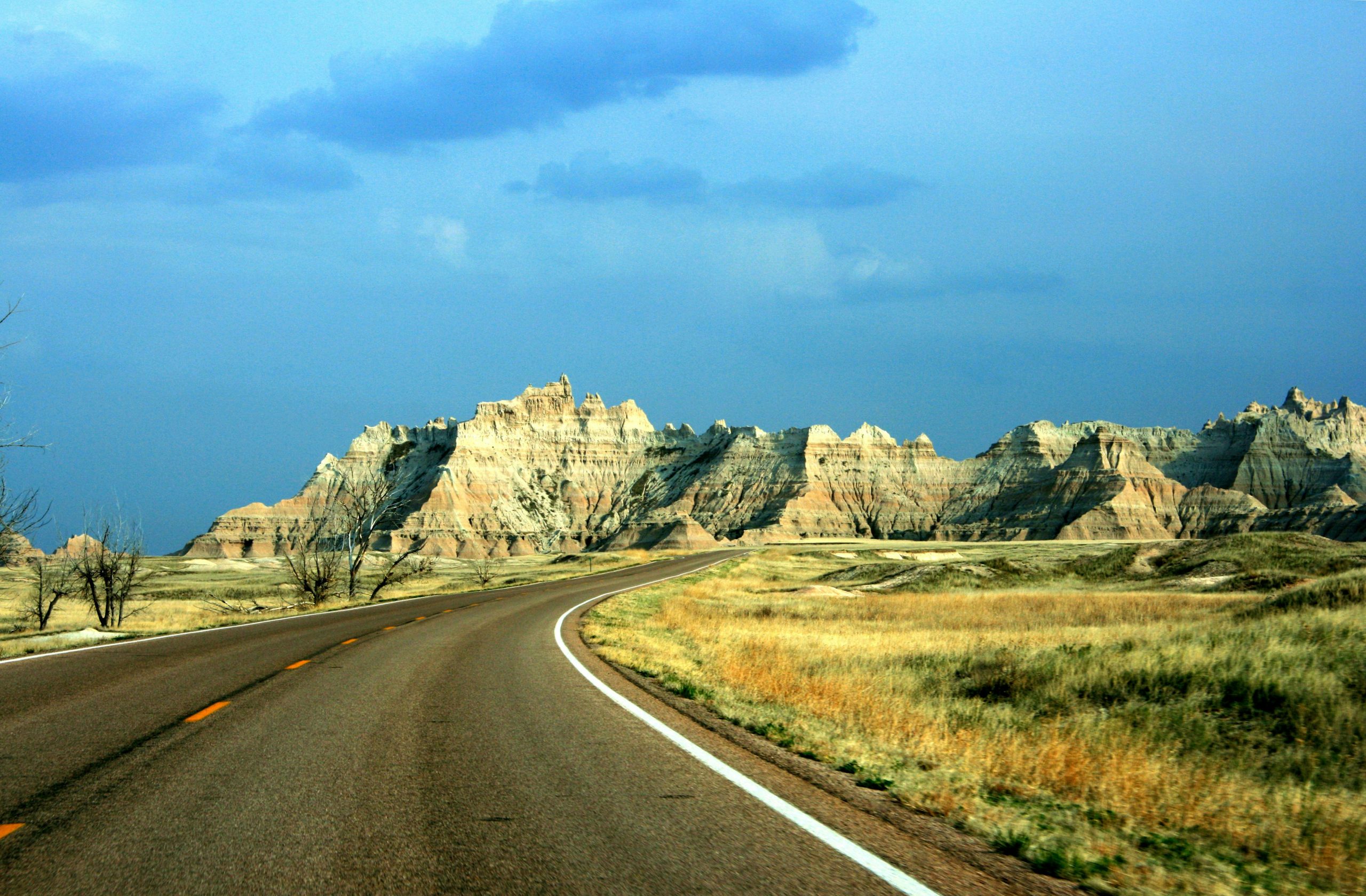
Tourism makes charging availability particularly relevant in South Dakota. Destinations such as the Black Hills, Mount Rushmore, Badlands National Park, and other attractions attract visitors traveling from different states.
EV drivers visiting these locations need reliable charging options along major routes and near destinations. Tourism can therefore provide an important reason for businesses to consider installing chargers.
Rural travel remains a concern. A gasoline vehicle can often be refueled quickly at many small fuel stations, while EV charging requires suitable electrical infrastructure and equipment.
Fast charging can improve the experience considerably, but the number of fast chargers must be sufficient to support drivers traveling across the state. A single charging site may also become a bottleneck during periods of high travel demand.
Seasonal conditions influence charging needs as well. South Dakota experiences cold winters, and drivers may see reduced range during periods of low temperatures.
Strong winds can also increase energy consumption during highway travel. These conditions make dependable access to charging more important than simply having a charger somewhere within the state.
Expansion in South Dakota can focus on highway corridors, tourism areas, commercial centers, and community charging hubs. A balanced network can serve residents who charge regularly at home while also supporting visitors who need fast public charging.
As more electric models enter the market, broader vehicle availability could gradually increase demand and encourage additional infrastructure investment.
4. Wyoming
Wyoming has a small public EV charging network relative to its size. Earlier rankings placed the state at approximately 105 public charging stations. Current federal data also shows that Wyoming remains among the states with relatively few public electric charging ports.
Geography is a major issue for Wyoming. The state covers a large area, yet its population is comparatively small and concentrated in limited communities.
Drivers traveling between cities can face long distances between convenient charging locations. This creates a stronger need for dependable corridor infrastructure than in compact states where multiple charging sites may be available within a short drive.
Interstate travel makes charging placement particularly important. Wyoming sits along routes used by travelers moving between major population centers in the Mountain West.
A reliable fast-charging network can support both residents and interstate travelers. Strategic stations at highway exits can make a smaller number of charging sites much more useful than poorly positioned chargers.
Winter conditions add further considerations. Snow, ice, cold temperatures, and strong winds can affect driving conditions and energy consumption. EV drivers may need to allow additional range for weather-related factors. Charging providers also need equipment capable of operating reliably under demanding environmental conditions.
Wyoming’s charging future will likely depend on coordinated investment from federal programs, state agencies, utilities, local governments, and private operators.
The state does not necessarily need the same number of chargers as a densely populated state. It needs chargers positioned where drivers actually travel. A carefully planned network can provide meaningful coverage while accounting for the state’s distinctive geography and population patterns.
5. Montana
Montana has historically ranked near the bottom of U.S. states for public EV charging station counts, with an earlier Energy Department-based ranking listing approximately 129 stations. Its enormous land area makes infrastructure coverage particularly difficult because relatively few communities are spread across a large territory.
For Montana drivers, distance between charging points can influence vehicle selection and travel planning. An EV with a larger usable battery may provide additional flexibility on longer routes, while access to fast chargers can reduce the amount of time spent waiting during road trips. Drivers also need to account for terrain, weather, traffic, and seasonal road conditions.
Montana’s tourism economy provides an important opportunity for charging expansion. Visitors travel to locations such as Glacier National Park, Yellowstone-area destinations, mountain communities, and outdoor recreation sites. Hotels, restaurants, shopping centers, and tourist facilities can support EV adoption by providing charging as part of their services.
The rural nature of much of Montana makes private investment more difficult in some locations. A charging station with low daily utilization may take longer to recover its installation and operating costs.
Public funding can help bridge that gap, particularly along transportation corridors where chargers provide regional connectivity rather than serving a large local population.
Building a dependable Montana network requires attention to both highway travel and community access. Fast chargers can support long-distance drivers, while Level 2 equipment can serve workplaces, hotels, apartments, and commercial areas. A combination of charging types can make the network more practical for different groups of EV users.
6. West Virginia
West Virginia has historically had a relatively limited public EV charging network, with earlier data placing it at about 144 public charging stations. The state has a different infrastructure profile from the western states on this list because its population is more concentrated in smaller towns and its terrain is heavily influenced by the Appalachian Mountains.
Mountainous roads can affect EV energy consumption. Driving uphill generally requires more energy, while regenerative braking can recover some energy during descents.
Highway speeds, elevation changes, temperatures, and road conditions all influence how much range a vehicle can deliver between charging sessions.
West Virginia’s location gives charging infrastructure a regional role. The state connects several major population centers in the eastern United States, meaning chargers can serve residents as well as drivers passing through. Interstate and highway charging can therefore provide value beyond the immediate local market.
Economic development can also benefit from additional charging infrastructure. Charging stations can encourage EV drivers to stop at nearby restaurants, stores, hotels, and other businesses. Communities that position chargers near commercial areas may gain additional economic activity from drivers who spend time waiting for their vehicles to charge.
Future expansion can focus on practical gaps rather than simply increasing the statewide total. Chargers near interstate exits, regional centers, workplaces, lodging facilities, and major attractions can provide strong coverage.
With suitable planning, West Virginia can build a network that reflects its mountainous geography while improving travel confidence for residents and visitors.
7. Mississippi
Mississippi has also appeared among states with relatively few public EV charging stations. Earlier Energy Department data placed the state at roughly 145 public stations. A limited network can influence where residents feel comfortable driving an EV, particularly when they regularly travel outside larger cities.
A strong charging network needs to support both urban and rural drivers. Larger cities can sustain more charging locations because there are more potential users, while rural communities may need strategically located stations along major highways.
Mississippi’s transportation network creates opportunities for chargers at travel centers, shopping areas, hotels, and other destinations.
Climate conditions present a different challenge from northern states. Hot weather can affect battery thermal management and vehicle energy use, particularly when air conditioning is used heavily.
Modern EVs are designed to operate in hot conditions, but charging equipment and electrical systems still need appropriate maintenance and reliable power.
Charging infrastructure can also support tourism and interstate travel. Drivers crossing Mississippi may need dependable charging points along major routes. Stations near popular destinations can serve visitors while also giving local residents additional options when home charging is unavailable.
Growth in Mississippi’s charging network can create benefits beyond EV convenience. New infrastructure can support cleaner transportation, attract businesses serving EV drivers, and prepare communities for increasing electric vehicle ownership.
A measured approach that combines fast highway charging with slower destination charging can provide useful coverage without requiring every location to have expensive high-power equipment.
8. Idaho
Idaho has historically recorded a relatively small public EV charging network, with earlier data showing approximately 187 public charging stations. The state has a growing population and a large geographic area, making charging availability increasingly relevant as more residents consider electric vehicles.
Idaho’s mountainous terrain can influence driving range. Elevation changes, winter temperatures, highway speeds, and heating requirements can increase energy consumption. EV drivers traveling through mountain regions may therefore prefer to have more charging options rather than relying on the vehicle’s maximum advertised range.
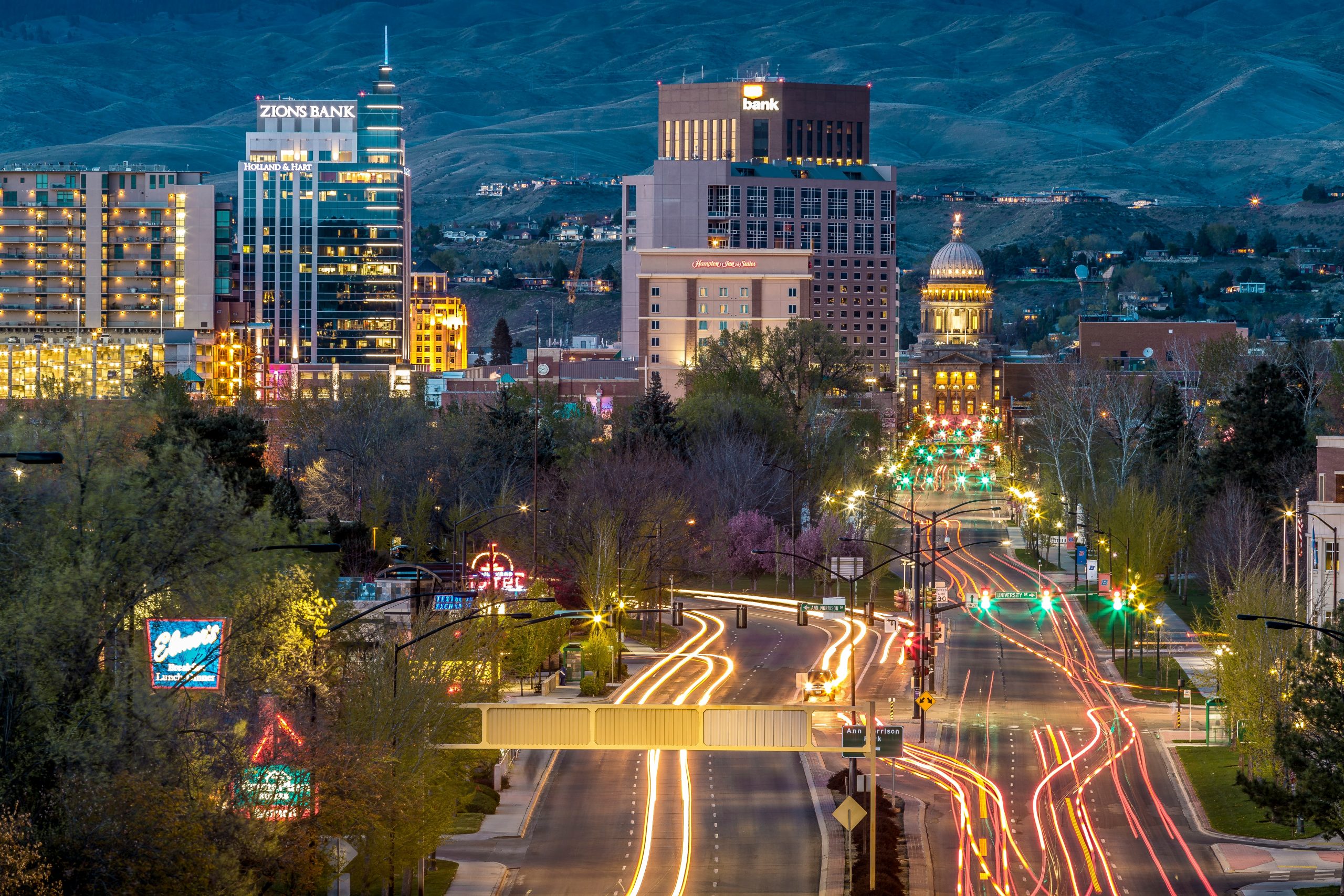
Boise and other population centers can support higher charging demand because they contain more residents, businesses, workplaces, and parking facilities. Rural communities have different needs.
Chargers placed along important highways can help connect smaller towns to larger cities and make cross-state travel more practical.
Outdoor recreation and tourism provide additional opportunities for charging infrastructure. Hotels, resorts, campgrounds, restaurants, and visitor facilities can offer Level 2 charging for customers who remain at a destination for several hours. This approach can complement fast chargers located along major highways.
Idaho’s network can become more useful as infrastructure expands in strategic locations. The goal should not simply be a higher station count.
Drivers need reliable equipment, reasonable spacing, clear availability information, and charging speeds appropriate to the location. These factors can make the difference between a network that exists on a map and one that genuinely supports daily EV use.

9. Delaware
Delaware has historically had a relatively small number of public EV charging stations, with an earlier ranking placing the state at around 208 stations. Its situation is different from states such as Alaska, Wyoming, and Montana because Delaware is geographically small and densely connected to neighboring states.
A low statewide station count does not necessarily mean poor access for every driver. Delaware’s compact geography allows drivers to reach neighboring states relatively easily, and regional travel can expand the number of charging options available. Pennsylvania, Maryland, and New Jersey all contribute to the broader charging environment around Delaware.
Even so, local availability matters. Residents who cannot install home chargers may depend on public infrastructure at workplaces, shopping centers, apartment communities, parking facilities, and other locations.
Level 2 chargers can be especially useful for people who leave their vehicles parked for several hours.
Delaware’s position along the East Coast also makes it relevant to long-distance EV travel. Highways connecting major metropolitan areas carry substantial traffic, creating opportunities for fast-charging facilities. Well-positioned charging locations can serve both Delaware residents and travelers passing through the state.
The state’s compact size gives infrastructure planners an advantage. Chargers do not need to be separated by enormous distances, and regional coordination can help avoid isolated gaps. Continued investment can strengthen local charging access while connecting Delaware more effectively to the broader Mid-Atlantic EV network.
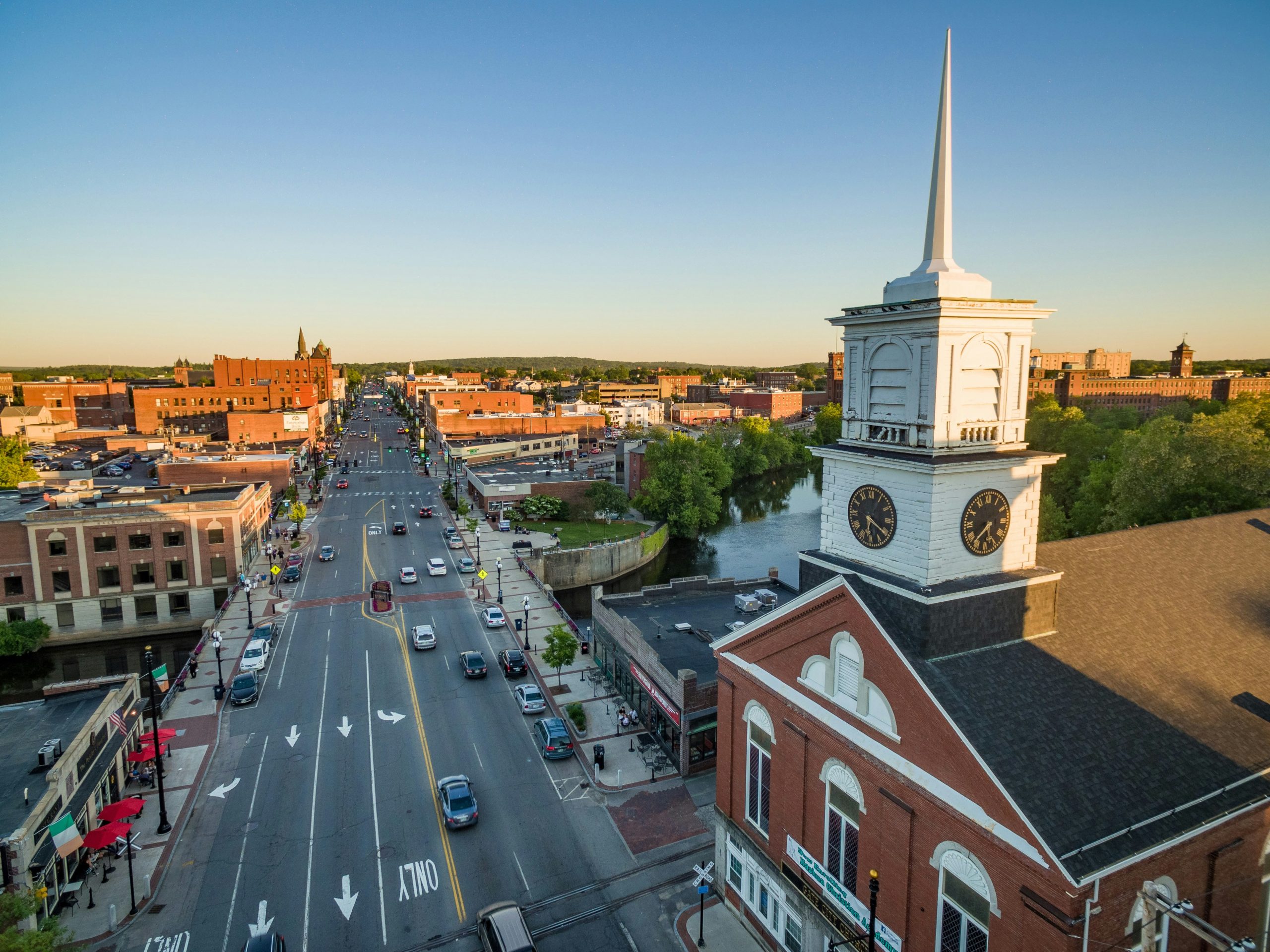
10. New Hampshire
New Hampshire has historically had a relatively small public EV charging network, with earlier Energy Department data placing it at about 252 public charging stations. Its ranking highlights the importance of looking at both station counts and geographic context when evaluating charging access.
New Hampshire is smaller than many states on this list, so the effect of a low station count differs from the situation in western states. A driver may be able to reach a charger without crossing huge distances, but the number of available sites can still matter during busy travel periods or in rural areas.
Tourism creates significant charging opportunities in New Hampshire. The White Mountains, Lakes Region, ski destinations, and seasonal attractions bring visitors throughout the year.
Hotels, resorts, restaurants, and retail centers can provide useful destination charging for visitors who leave their vehicles parked for extended periods.
Winter conditions are also important. Cold temperatures can increase EV energy consumption and affect charging behavior. Drivers heading toward mountain areas may want additional range before beginning their journey. Fast-charging stations positioned along major routes can provide an important safety margin for longer trips.
New Hampshire can strengthen its charging network through a combination of public and private investment. Highway fast chargers can support regional travel, while Level 2 chargers at lodging facilities, workplaces, shopping areas, and residential developments can address longer parking periods.
A diversified network can make EV ownership easier without requiring every charging location to operate at high power.
