
Choosing the right all-season tire can affect braking, handling, ride comfort, fuel economy, and confidence in changing weather. American drivers face very different road conditions, from heavy rain and hot pavement to light snow and freezing temperatures.
This guide ranks 10 of the best all-season tire brands available in America based on performance, durability, comfort, technology, value, and suitability for everyday driving.
The ranking considers the reputation of each manufacturer as well as the strength of its all-season tire range. Whether you drive a sedan, crossover, SUV, or pickup truck, these brands offer dependable choices for year-round road use across the country.
1. Michelin
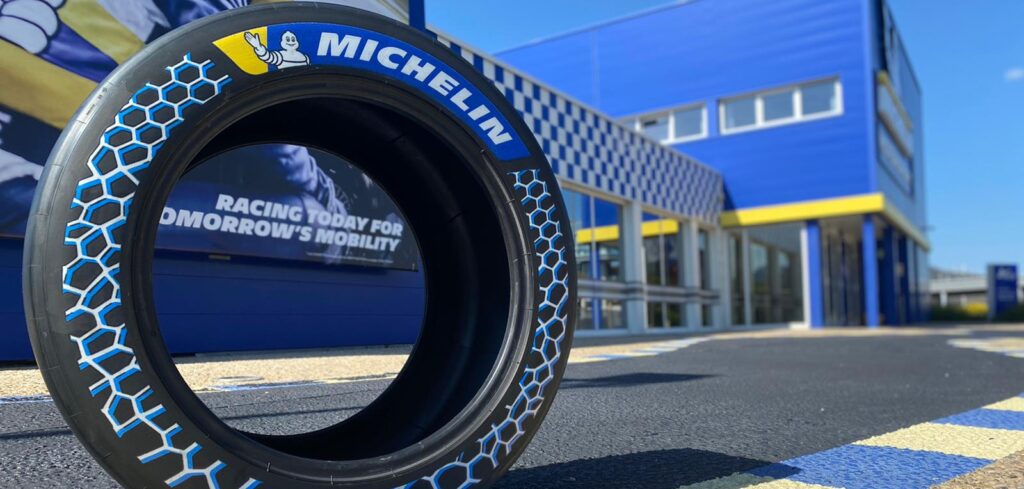
Michelin takes the top position because its all-season tire lineup consistently combines strong road grip, long tread life, comfortable driving characteristics, and dependable performance in changing conditions.
The company has built a strong reputation among drivers who want a tire that performs well without making everyday driving feel harsh or noisy. Michelin’s product range includes options designed for family sedans, crossovers, SUVs, performance vehicles, and electric cars.
Its engineering approach places significant attention on braking, wet-road traction, tread wear, and ride quality. Independent tire testing also regularly places Michelin models among strong performers across several categories, supporting its reputation for premium tire engineering.
The Michelin CrossClimate family is particularly notable for drivers who experience changing weather throughout the year. CrossClimate tires use tread designs intended to provide stronger traction in wet and light snowy conditions than traditional touring all-season tires.
The newer CrossClimate 3 has shown particularly strong results in independent testing, including impressive snow braking and snow handling performance. This makes Michelin attractive to drivers who want year-round versatility without moving to a dedicated winter tire in areas where severe winter conditions are uncommon.
Drivers in regions with frequent deep snow should still consider a proper winter tire when conditions demand it.
Michelin also has strong choices for drivers who prioritize highway comfort and long-distance travel. Touring-oriented products are designed to produce a smooth ride while maintaining predictable steering and dependable wet traction.
That balance can be useful for commuters who spend many hours on highways or families that frequently take road trips. Michelin’s premium pricing can be higher than several competing brands, but buyers often choose the brand because they want refined performance and a strong expected service life.
Tire selection still matters, since not every Michelin model is designed for the same driving conditions or vehicle type.

2. Continental
Continental ranks second because it has developed a strong reputation for producing tires that balance handling, wet-weather grip, comfort, and highway stability. The brand is particularly respected among drivers who want a more responsive driving experience without giving up everyday usability.
Continental offers several tire families for passenger cars, crossovers, SUVs, and performance-oriented vehicles. Its products are widely used as original equipment on new vehicles, which gives the company extensive experience designing tires around modern suspension systems and vehicle characteristics.
Independent testing also gives Continental strong representation among high-performing tire brands, with numerous models evaluated across different conditions.
The ExtremeContact DWS06 Plus is a popular example of Continental’s approach to all-season performance. The tire is aimed at drivers who want stronger dry and wet handling than they may expect from a conventional touring tire. Its tread design is built to provide traction across changing road conditions while maintaining responsive steering.
This makes it appealing for owners of sport sedans, coupes, and crossovers that are driven enthusiastically from time to time. It is not designed to replace a dedicated winter tire in severe snow, but it can provide useful cold-weather versatility for drivers who mainly encounter rain, cool pavement, and occasional light snow.
Continental also pays attention to wet-road performance, which is especially important in parts of the United States that experience frequent rainfall. Hydroplaning can reduce tire contact with the pavement, so tread design and water evacuation are important factors in wet-weather safety.
Consumer Reports includes hydroplaning resistance, braking, handling, and comfort in its tire evaluation process, making these characteristics important when assessing a brand’s all-season offerings.
Ride quality is another area where Continental performs well. Many of its touring and grand-touring products are designed to reduce road noise while maintaining stable handling at highway speeds. That can make a meaningful difference for people who use their vehicles for daily commuting or long trips.
Tire construction also influences how a vehicle responds to potholes, expansion joints, and rough pavement, so buyers should select a model that matches the vehicle’s suspension and intended use. A tire that performs brilliantly on a sporty sedan may not be the ideal option for a heavy SUV or a vehicle used primarily on poorly maintained roads.
3. Goodyear
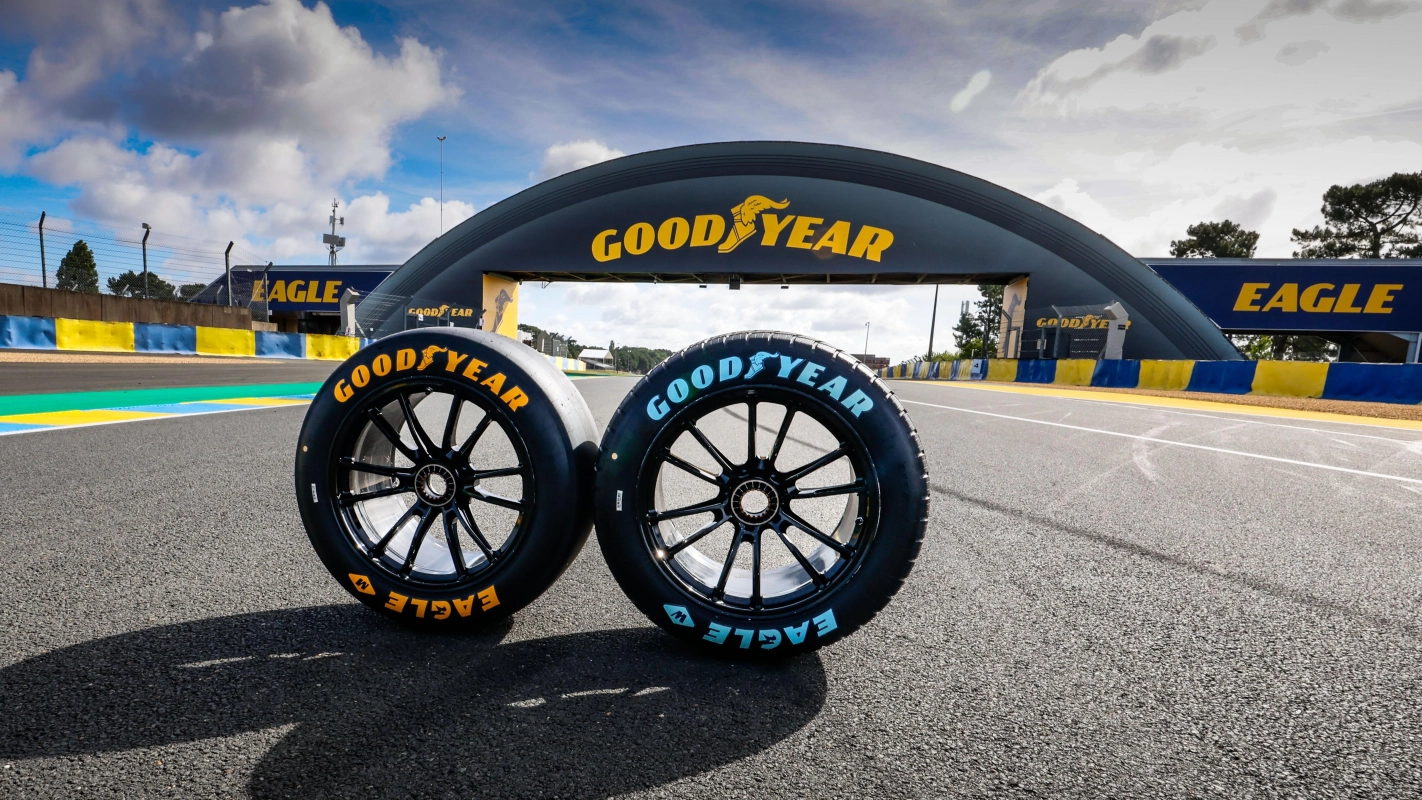
Goodyear earns the third position because of its extensive presence in the American market, broad tire selection, and long-standing reputation for producing tires for a wide range of vehicles.
The company offers products for passenger cars, SUVs, trucks, crossovers, performance vehicles, and commercial applications. That range gives drivers considerable flexibility when choosing a tire based on vehicle type and driving habits.
Goodyear also performs well in customer satisfaction research. In the 2026 J.D. Power U.S. Original Equipment Tire Customer Satisfaction Study, Goodyear scored 798 points in the passenger car segment, placing it behind Michelin and tied with Toyo.
Goodyear’s all-season selection includes products aimed at drivers who prioritize comfort and dependable everyday traction. Touring tires are generally designed around quiet operation, stable highway behavior, and predictable handling. Other products provide a stronger focus on all-weather capability, including models designed to perform in snowier conditions.
The Assurance WeatherReady line is a notable example for drivers who want more winter capability from a year-round tire. Car and Driver’s 2026 all-weather testing placed the Goodyear Assurance WeatherReady fourth among the five products tested, showing that it remains a competitive option for drivers looking for additional cold-weather performance.
Goodyear is also a practical choice for American drivers because its products are widely available. Availability matters when replacing tires, especially if a driver needs service quickly or wants to maintain the same tire model across multiple vehicles.
A tire brand with a large dealer network can make replacement, rotation, balancing, and warranty service easier to arrange. This accessibility also gives consumers more opportunities to compare prices between retailers. For drivers who do not want to spend significant time searching for a specialized tire, Goodyear’s broad market presence can be a useful advantage.
4. Bridgestone
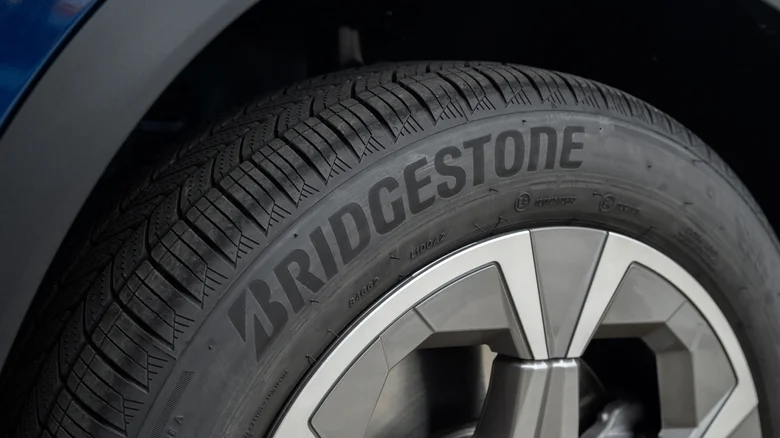
Bridgestone takes fourth place because it combines advanced tire engineering with a broad selection of products designed for different vehicles and driving conditions. The company has a substantial presence in the American replacement tire market and offers products ranging from comfortable touring tires to performance-focused and all-weather designs.
Its Turanza family is particularly relevant for drivers who want quiet highway travel and comfortable handling. Bridgestone also produces tires for SUVs, crossovers, performance cars, and other vehicle categories, giving consumers considerable choice within the brand.
For year-round driving, Bridgestone’s WeatherPeak is particularly interesting. The tire is designed with changing weather in mind and provides stronger winter capability than a conventional all-season tire. It carries the Three-Peak Mountain Snowflake certification in applicable sizes, indicating that it meets a defined severe-snow traction standard.
This distinction is important because the terms all-season and all-weather are sometimes used interchangeably by consumers even though tire designs can differ substantially. Drivers should check the markings on the exact tire rather than assuming every product from a particular brand has the same winter capability.
Bridgestone also has a strong reputation for wet-weather control. Good wet traction depends on the tire’s compound, tread pattern, construction, and ability to move water away from the contact patch. This becomes increasingly important during heavy rain, when even a good tire cannot overcome unsafe speed or standing water.
Drivers should therefore treat tire performance as part of a larger safety system that includes proper inflation, good tread depth, reasonable speeds, and vehicle maintenance. Bridgestone’s product range gives consumers several options depending on how much wet and winter performance they need.
Comfort is another area where Bridgestone performs well. Touring-focused products are often designed to minimize road noise and reduce harshness over ordinary pavement imperfections. This can be especially useful for family sedans and luxury-oriented vehicles where ride quality matters.
At the same time, drivers who prefer stronger steering response can choose products engineered with different performance priorities. That range makes Bridgestone a flexible brand rather than a manufacturer aimed at only one type of driver.
5. BFGoodrich
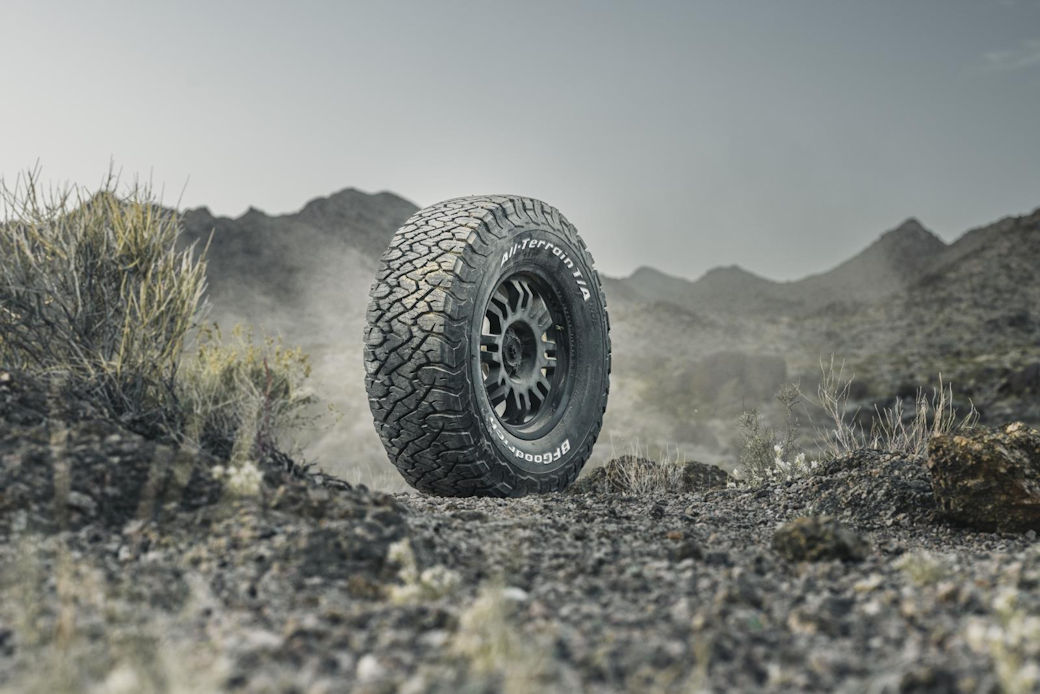
BFGoodrich takes fifth place and is particularly appealing to American drivers who own SUVs, trucks, and vehicles used beyond smooth city pavement. The brand has a strong reputation for rugged tire construction and dependable traction, making it especially popular among drivers who want more versatility from their vehicles.
Its passenger and crossover products also provide practical choices for daily use. BFGoodrich is part of the Michelin family, giving it access to extensive tire development expertise while maintaining a distinct product identity focused heavily on durability and traction.
The Advantage Control is a relevant all-season option for drivers seeking balanced everyday performance. It is designed for passenger cars and crossovers and focuses on dependable handling, wet traction, and comfortable road manners.
The model is better suited to normal paved-road driving than BFGoodrich’s more aggressive truck and off-road products. This distinction matters because a tire designed for rugged terrain may not deliver the quietest or most efficient ride on a commuter vehicle. Buyers should select a product based on how the vehicle is actually used.
BFGoodrich also stands out when drivers need stronger traction from an SUV or pickup. Some vehicles spend time on gravel, dirt, construction roads, or poorly maintained rural routes where a conventional touring tire may not be ideal.
The brand’s broader product lineup allows drivers to move toward more aggressive tread patterns when necessary. However, aggressive tires can produce additional road noise and may influence fuel economy, so there is a tradeoff between rugged capability and highway refinement. A tire should therefore match the owner’s real driving environment.
Independent testing also gives BFGoodrich products a respectable position among all-season choices. In a 2026 all-season test dataset, the BFGoodrich Advantage All Season showed strong snow traction and snow braking results compared with many competing models in the tested size.
6. Pirelli
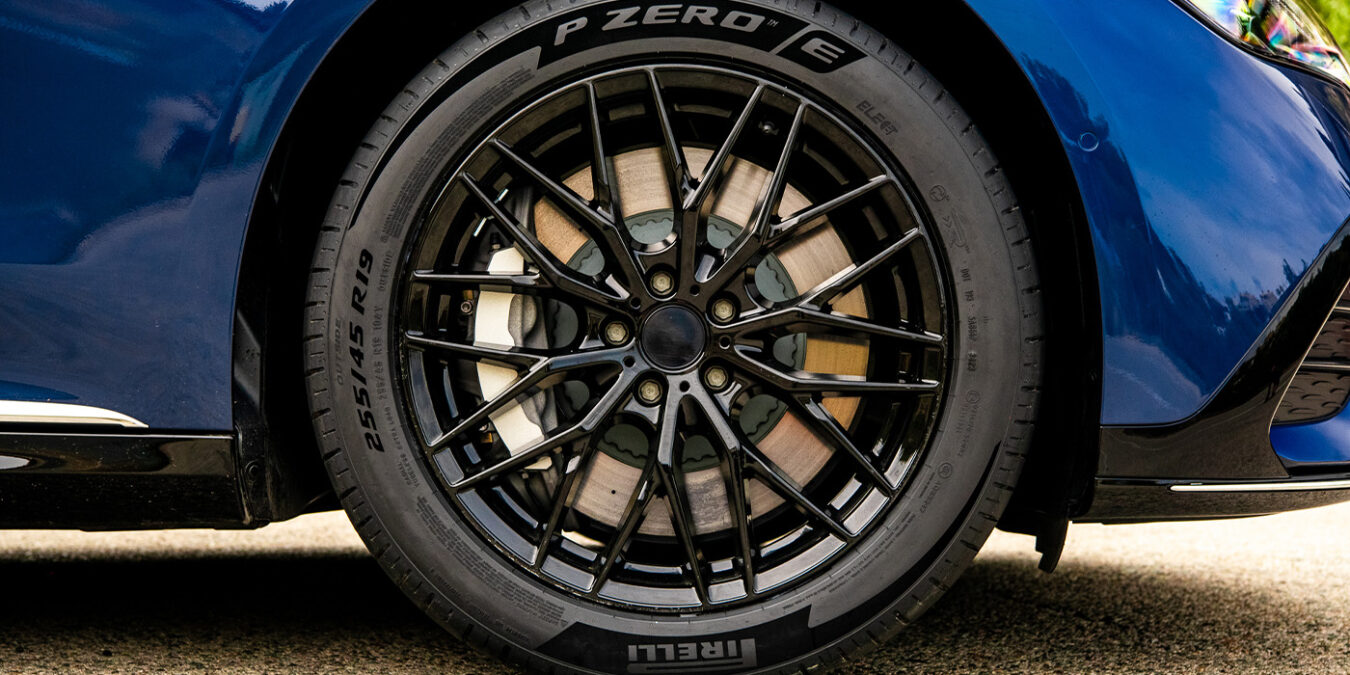
Pirelli takes sixth place and is especially attractive to drivers who care about responsive handling, steering feel, and performance. The company has a strong presence in the premium and performance tire market and supplies tires for many high-end vehicles.
Its products often focus on a blend of grip, stability, and driving response rather than simply maximizing tread life or minimizing purchase price. For drivers with sporty sedans, luxury cars, and premium crossovers, Pirelli can offer an appealing combination of everyday usability and sharper road behavior.
Pirelli’s Cinturato range provides a more practical approach to year-round driving. These tires are aimed at drivers who want a comfortable and efficient product without moving into an aggressive performance tire category.
The Cinturato All Season family has also appeared in independent testing against several established competitors. In a 2026 all-season test, the Pirelli Cinturato All Season SF3 recorded competitive snow traction and handling results, though its performance varied across specific snow tests.
Pirelli is also known for developing tires around specific vehicle characteristics. Modern cars often have sophisticated suspension systems, advanced stability control, and precise steering systems, and tire construction can influence how those systems feel on the road.
A performance-oriented Pirelli can provide crisp steering response and stable cornering at highway speeds. For an enthusiastic driver, those characteristics can make ordinary commuting more enjoyable. For someone who simply wants a quiet, long-lasting commuter tire, a different Pirelli product or another brand may make more sense.
Price is an important consideration with Pirelli. Premium performance tires can cost more than mainstream touring products, and replacement costs can become significant for vehicles with larger wheels.
7. Falken
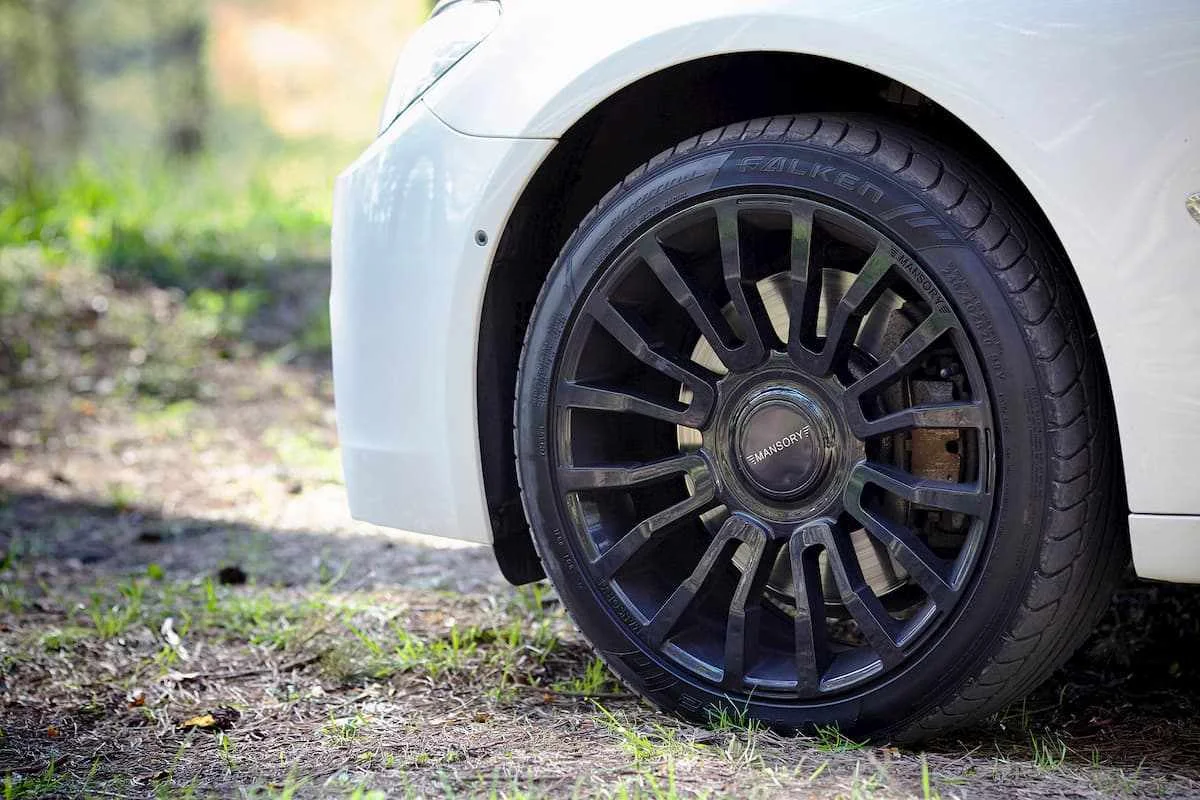
Falken ranks seventh because it provides a strong balance between performance and value. The brand has become increasingly visible among American drivers looking for tires that deliver useful grip without reaching the pricing levels of some premium manufacturers.
Falken offers products for cars, crossovers, SUVs, trucks, and performance vehicles. Its catalog includes touring, all-season, all-terrain, and other specialized designs, allowing buyers to select a tire according to their specific driving environment.
Falken’s strength is particularly noticeable among drivers who want a tire with a sportier feel at a reasonable price. Certain Falken products emphasize steering response and cornering stability, making them appealing for drivers who do more than simply travel from home to work.
At the same time, the company offers more comfort-oriented products for everyday vehicles. This range means buyers can choose a tire that fits their priorities rather than accepting the same driving character across the entire brand.
Value is another important reason Falken appears on this list. Tire prices can vary significantly depending on size, vehicle, retailer, and seasonal promotions. Falken frequently competes in the middle of the market, giving drivers access to modern tread designs and respectable performance without always paying premium-brand prices.
Independent test aggregation also places Falken near the upper portion of several brand rankings, supporting its reputation for producing competitive products.
Falken is also well known among truck and SUV owners. Its Wildpeak family has become particularly recognizable among drivers seeking stronger all-terrain capability. These tires are not the same as traditional highway all-season products, so consumers should understand the differences before buying.
All-terrain tires can provide additional traction on loose surfaces but may produce more noise or reduce fuel efficiency compared with a highway tire. The correct choice depends on whether off-pavement use is occasional or a regular part of the vehicle’s routine.
8. Hankook
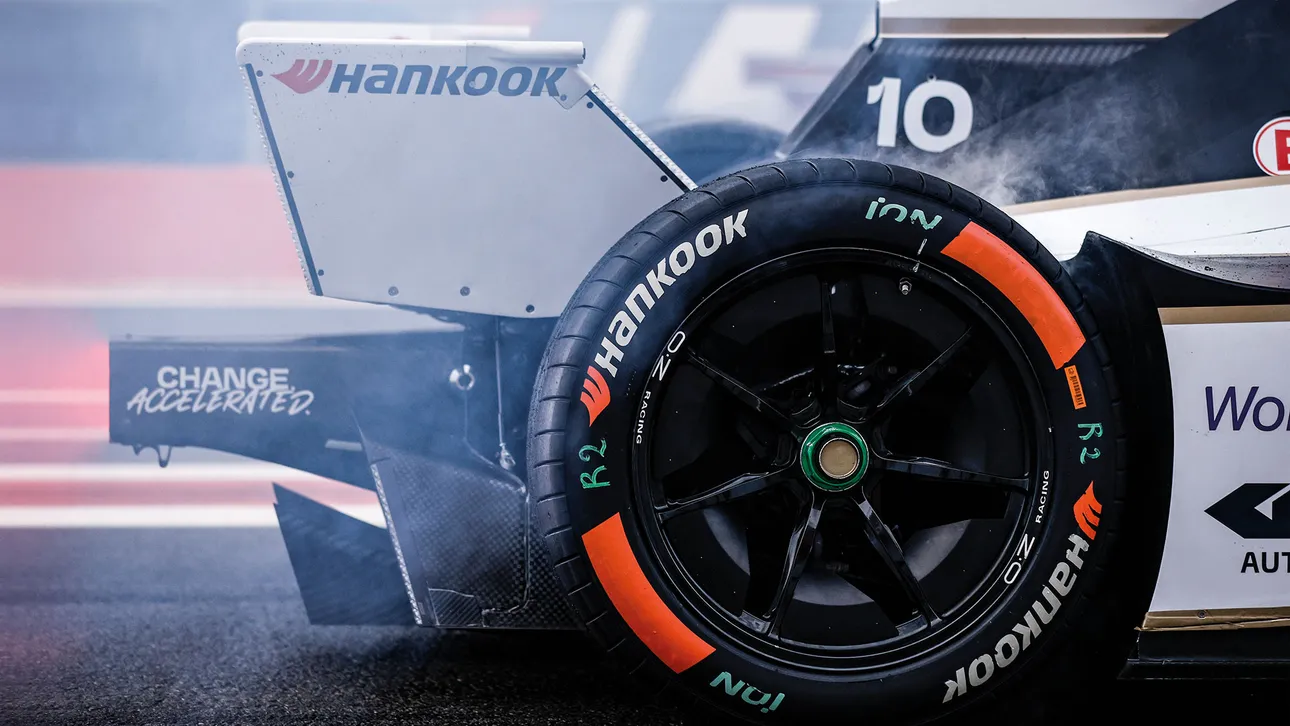
Hankook takes eighth place as a strong mid-range option for drivers who want modern tire technology without automatically moving into the highest price category.
The South Korean manufacturer has expanded its presence in the American market and supplies tires for passenger cars, SUVs, trucks, and performance vehicles. Its product lineup includes touring and all-season tires aimed at everyday motorists. The brand has also built relationships with automakers, helping it gain experience with original-equipment tire development.
Hankook’s all-season products are generally focused on balancing wet traction, dry handling, comfort, and tread life. That balance makes the brand suitable for drivers who want a practical tire rather than an extreme performance product.
A good all-season tire should remain predictable across changing conditions, and Hankook’s passenger-car range is designed around that kind of versatility. Drivers should still check the exact model because touring tires and performance-oriented tires can behave quite differently.
The brand also performs competitively in independent testing. In a 2026 all-season test, the Hankook Kinergy 4S2 H750 produced strong snow braking and handling results relative to many models included in the same test.
This is useful for drivers who experience occasional winter weather but do not need a dedicated winter tire. However, severe snow and ice can require a specialized winter setup, particularly in northern states and mountain regions.
Hankook can also make financial sense for drivers who want to replace all four tires without spending premium-brand prices. Tire costs become especially important for SUVs and vehicles using larger wheel sizes, where the price difference between brands can multiply across a full set.
A mid-range tire that performs well can therefore provide attractive value. Buyers should compare warranties, treadwear ratings, installation costs, and current promotions before deciding because the best-priced option can change from retailer to retailer.
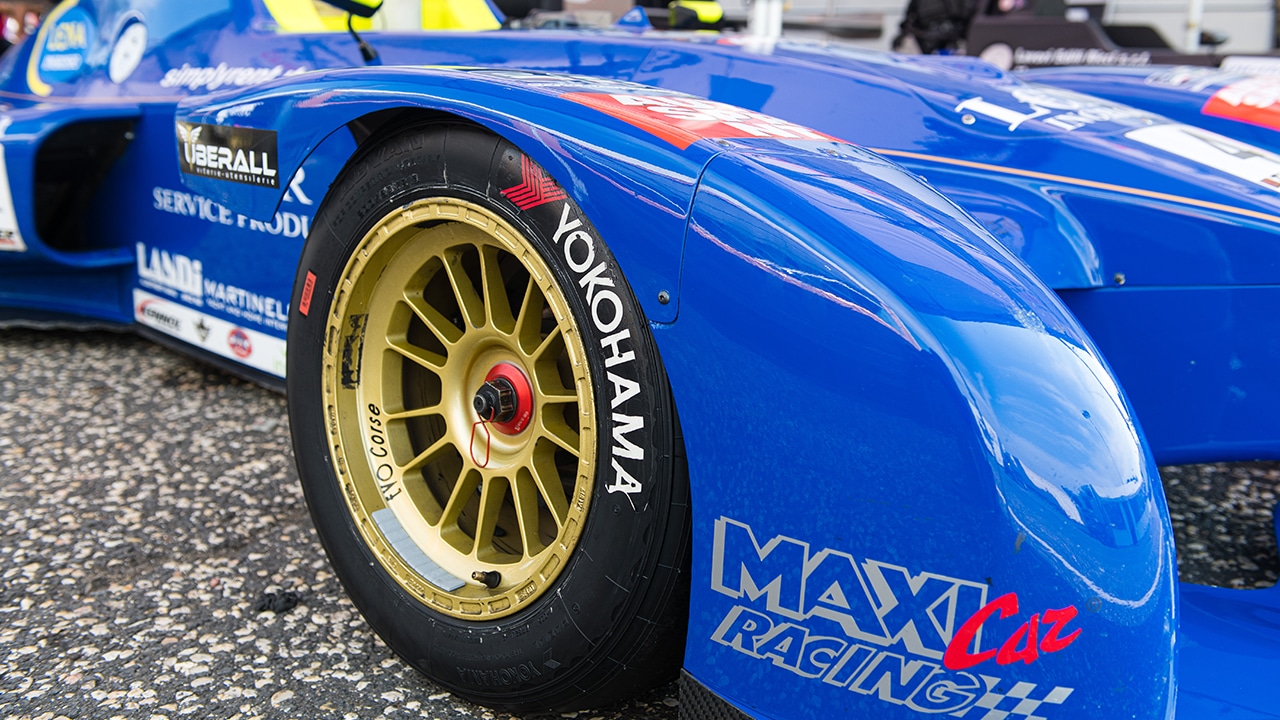
9. Yokohama
Yokohama earns ninth place because of its strong engineering reputation and diverse range of passenger, SUV, and performance tires. The Japanese manufacturer has a long presence in the American tire market and produces products designed for different road conditions and vehicle types.
Yokohama is particularly recognized among drivers who want a balance between responsive handling and everyday comfort. Its lineup also includes tires for SUVs and trucks, giving the brand broader coverage than a purely passenger-focused manufacturer.
The company offers several products suitable for year-round driving, including touring tires designed for commuters and crossover owners. These tires generally focus on stable highway behavior, predictable wet traction, and comfortable ride quality.
Yokohama also develops products with stronger performance characteristics for drivers who prefer sharper steering response. That range gives consumers flexibility, but it also means buyers need to pay attention to the specific tire model rather than relying on the brand reputation alone.
Yokohama has shown particularly interesting results in independent all-season testing. The BluEarth-4S AW21 performed extremely well in snow traction and snow braking within a 2026 test dataset, while its ranking in other areas varied.
Testing results can differ according to tire size, surface, temperature, and evaluation method, so they should be used as part of a broader buying decision. Still, strong winter-related results demonstrate that some Yokohama products can provide useful capability in changing climates.
Yokohama also appeals to drivers who want something between a soft touring tire and an aggressive performance tire. Steering response can influence how confidently a driver controls a vehicle during lane changes, curves, and emergency maneuvers.
At the same time, a tire intended for everyday use needs to maintain reasonable comfort and noise levels. Yokohama’s broad portfolio allows drivers to prioritize these characteristics according to their vehicle and driving habits.
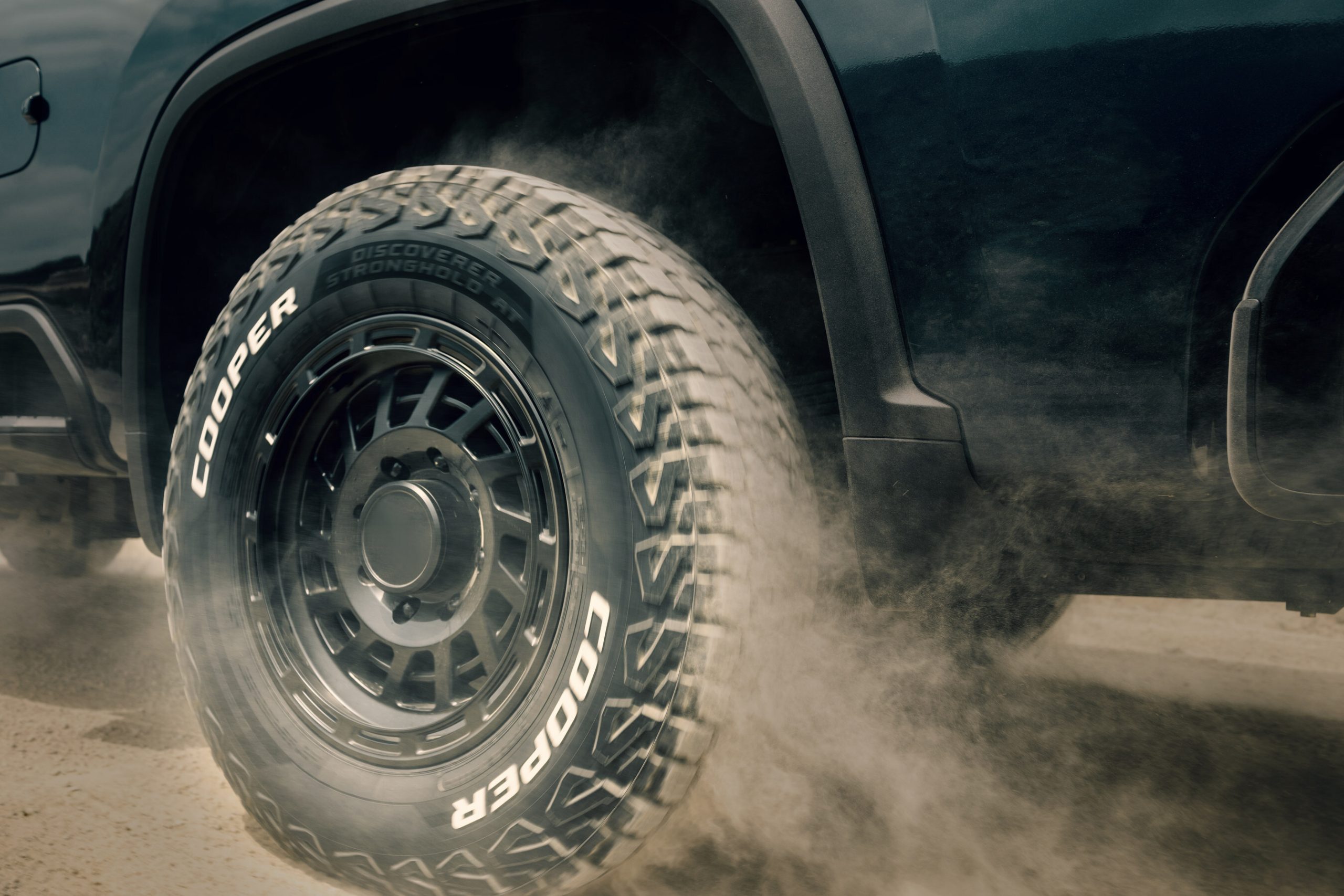
10. Cooper
Cooper rounds out the top 10 because it offers practical tire choices for drivers who are conscious of price but still want a recognized manufacturer. Cooper has long been associated with the American replacement tire market and provides products for passenger cars, SUVs, crossovers, and trucks.
The brand’s appeal comes largely from its ability to offer useful performance at competitive prices. This makes Cooper especially interesting for families, commuters, and owners who need to replace a complete set of tires without moving into premium pricing.
Cooper’s all-season selection covers several different driving requirements. Some products are designed for everyday passenger vehicles, while others are aimed at SUVs and light trucks.
This allows drivers to choose between comfort, traction, durability, and utility based on how their vehicle is used. A commuter who spends nearly every mile on pavement should look for a different Cooper product than someone who regularly travels on gravel roads. Matching the tire to the vehicle’s actual use is essential for getting good performance.
Price is a major strength for Cooper. Replacing four tires can be a significant expense, particularly for larger SUVs and trucks. A lower purchase price can make a noticeable difference for consumers working with a fixed maintenance budget.
However, buyers should avoid selecting a tire based solely on its initial cost. Tread life, wet braking, road noise, fuel economy, warranty coverage, and installation expenses all contribute to the real cost of ownership.
