
Buying a truck in Texas is about more than towing, hauling, or getting through a long workday. Resale value matters because the truck you choose today can affect how much money you recover when it is time to sell or trade.
Some pickups have strong demand in the used market, while others lose value faster because of depreciation, high ownership costs, limited demand, or expensive configurations.
Toyota, Ford, Chevrolet, GMC, Ram, Nissan, and other brands compete heavily across Texas, but their resale performance is not equal. This guide looks at five trucks that tend to hold value well and five that can depreciate faster, helping Texas buyers make a smarter purchase.
1. Toyota Tacoma
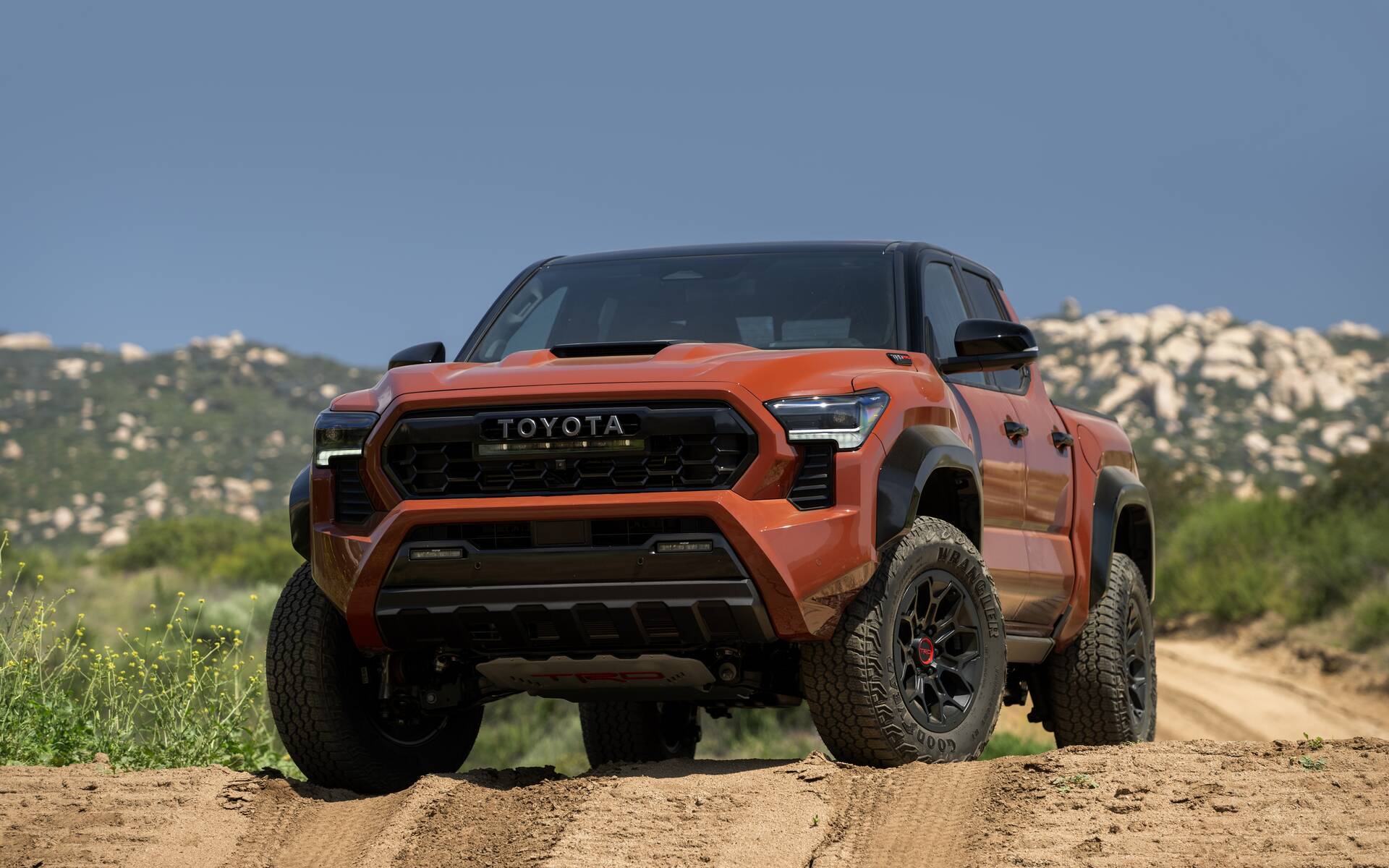
The Toyota Tacoma has built a strong reputation among truck buyers who care about long-term ownership and resale value. Current resale data supports that reputation, with the Tacoma retaining about 80.1 percent of its value after five years, giving it the strongest five-year retained value among midsize trucks in the current iSeeCars analysis.
That figure matters because depreciation can represent a major portion of the cost of owning a vehicle. A buyer who spends more upfront on a truck that remains desirable several years later may recover more of that investment when selling it.
In Texas, where midsize pickups can serve commuters, contractors, outdoor enthusiasts, and daily drivers, the Tacoma has a broad audience.
The Tacoma also benefits from a useful balance between size and capability. Texas has plenty of situations where a full-size pickup is not necessary, particularly for drivers who spend much of their time commuting or navigating crowded urban areas.
Cities such as Houston, Dallas, Austin, and San Antonio have substantial traffic, and a midsize pickup can be easier to maneuver and park than a large heavy-duty model.
At the same time, the Tacoma offers a truck bed, available four-wheel drive, and configurations suited to recreational and work-related use. That combination gives used buyers several reasons to consider an older Tacoma.
Condition has a major influence on the actual selling price, even when the model itself has strong resale performance. A Tacoma with excessive mileage, accident history, neglected maintenance, worn suspension components, or significant cosmetic damage will not necessarily command a premium simply because it carries a Toyota badge.
Texas buyers should pay close attention to service records and the truck’s previous use. A pickup that has spent years towing heavy loads or working on construction sites may have considerably more wear than a similar truck used mainly for commuting.
Configuration also matters. A clean, well-maintained Tacoma with desirable equipment, sensible mileage, and a popular cab and drivetrain combination can attract more shoppers than an unusual specification.
Four-wheel-drive models can be particularly appealing to buyers who want additional capability for ranch roads, hunting trips, camping, or recreational driving.
However, buyers should avoid assuming that every expensive option increases resale value by the same amount. A costly package can increase the original purchase price without returning the full amount at resale.
2. Toyota Tundra
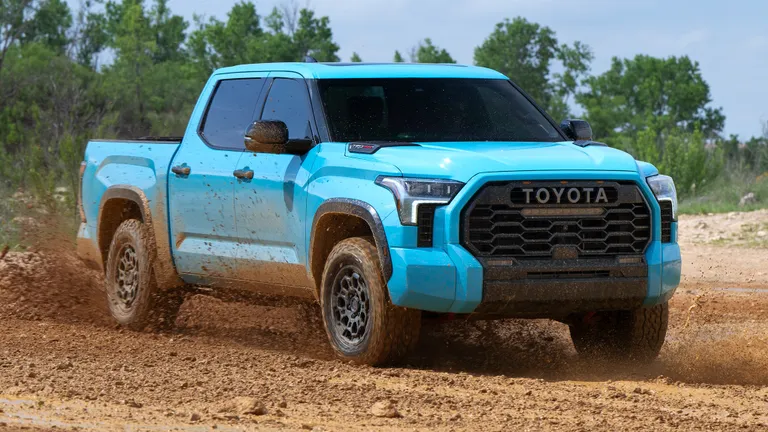
The Toyota Tundra stands out among full-size pickups for its ability to retain value. Current iSeeCars data places the Tundra at the top of the full-size truck resale rankings, with approximately 78.6 percent of its value retained after five years.
That is a result in a segment filled with highly competitive trucks from Ford, Chevrolet, GMC, and Ram. The Tundra’s combination of full-size capability, strong brand recognition, and used-market demand helps explain why it continues to attract buyers who are thinking beyond the first few years of ownership.
Texas is a natural market for a truck such as the Tundra because full-size pickups are widely used for work, recreation, towing, and everyday transportation. Buyers may need a truck for everything from hauling equipment to pulling a trailer on weekends.
A full-size pickup also provides a higher seating position, substantial interior space, and a larger bed than most midsize trucks. Those characteristics give the Tundra a wide potential audience when it eventually enters the used market.
Reliability perceptions can also influence resale demand. Used truck shoppers often look beyond the sticker price and consider whether a vehicle has a reasonable chance of providing years of useful service. Current iSeeCars data gives the Tundra a reliability rating of 8.4 out of 10 and estimates an average life expectancy of 15.4 years in its analysis.
Such figures do not guarantee reliability for an individual truck, but they help explain why buyers may be willing to pay more for a well-maintained used example.
Texas buyers should still think carefully about configuration and operating costs. A full-size pickup can consume considerably more fuel than a smaller truck, especially when equipped for heavy towing or loaded frequently.
Tires, brakes, suspension components, insurance, and routine service can also cost more than they would on a compact or midsize vehicle. A truck that retains a high percentage of its value can still be expensive to own if the original purchase price and operating expenses are unusually high.
3. Ford F-150
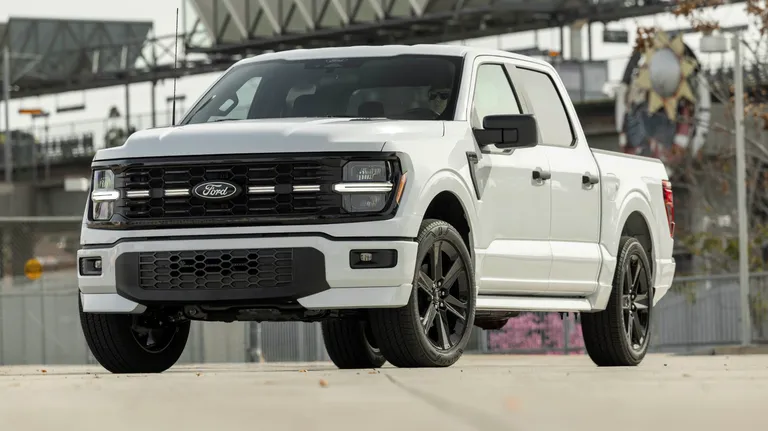
The Ford F-150 has been a major presence in the American pickup market for decades, and its popularity gives it an important advantage when it comes time to sell. Current iSeeCars data places the F-150 third among full-size trucks for five-year retained value, at approximately 62.1 percent.
Its resale performance is not as strong as the Toyota Tundra, but the F-150 remains a practical choice because there is a large pool of buyers familiar with the model. A broad used-market audience can make a popular truck easier to advertise and sell.
The F-150’s range of configurations is another important strength. Buyers can choose among different cab styles, bed lengths, engines, drivetrains, and equipment levels.
That variety allows the truck to serve many purposes. A basic work-oriented model can appeal to contractors and businesses, while a well-equipped crew cab can attract families and personal-use buyers. Off-road-oriented versions can appeal to recreational shoppers, while models configured for towing can attract customers who regularly pull trailers.
Still, buyers should not confuse popularity with guaranteed value retention. iSeeCars estimates that a new F-150 depreciates by about 37.9 percent after five years in its current analysis.
Mileage, condition, equipment, drivetrain, accident history, and local demand can cause actual resale prices to differ substantially. A heavily optioned truck purchased at a high price may experience a larger dollar loss than a simpler model even when both retain a similar percentage of their original value.
4. GMC Sierra 1500
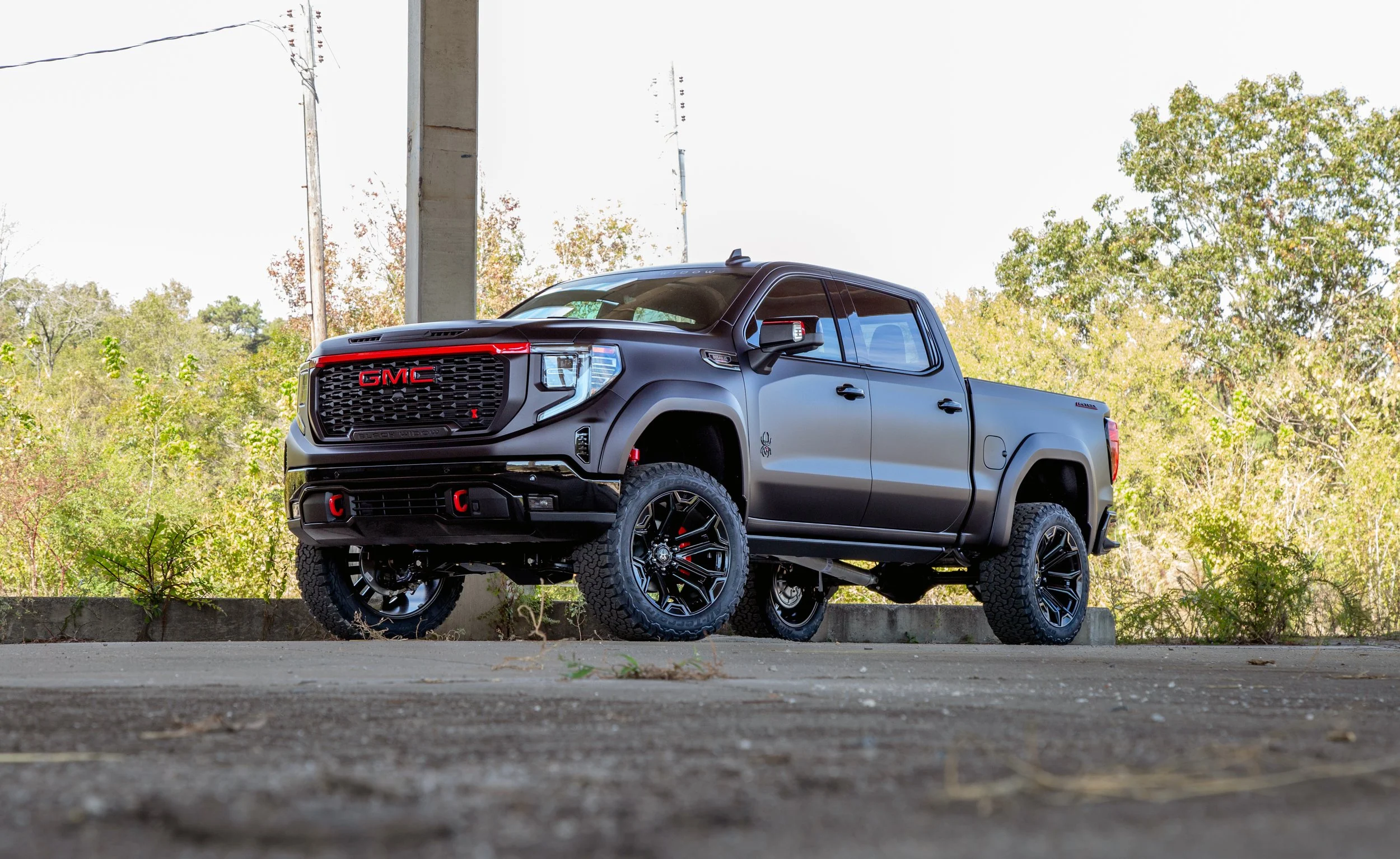
The GMC Sierra 1500 occupies a strong position among full-size pickups and has a loyal customer base. Current iSeeCars data gives the Sierra 1500 a five-year retained-value figure of approximately 61.8 percent, placing it close to the Ford F-150 and Chevrolet Silverado 1500 in the current rankings.
The Sierra benefits from the popularity of full-size pickups and from its connection to the broader General Motors truck family. Used buyers have plenty of reasons to consider it, especially when they want a substantial pickup with a well-known nameplate.
A major advantage is the Sierra’s range of configurations. Buyers can find trucks designed for basic work duties as well as models with premium interiors, advanced technology, four-wheel drive, and substantial towing equipment.
This gives the used market a broad selection and helps the Sierra appeal to different types of Texas drivers. Someone looking for a work truck has different priorities from someone who wants a comfortable pickup for family transportation, yet both can find versions of the Sierra suited to their needs.
The Texas market also supports the Sierra’s practical strengths. Ranch owners, contractors, tradespeople, outdoor enthusiasts, and commuters all have potential uses for a full-size pickup.
A properly equipped Sierra can handle demanding towing and hauling tasks, while a comfortable crew-cab version can function as a daily vehicle. This flexibility contributes to demand when clean used examples become available.
Resale performance still depends heavily on how the truck was purchased and used. Luxury-oriented trim levels can carry high original prices, and expensive options may not return their full cost at resale.
Buyers should therefore consider the difference between paying for useful equipment and paying for features that have limited value to future shoppers. A well-equipped truck can be attractive, but the best financial decision is rarely based simply on adding every available option.
5. Ram 3500
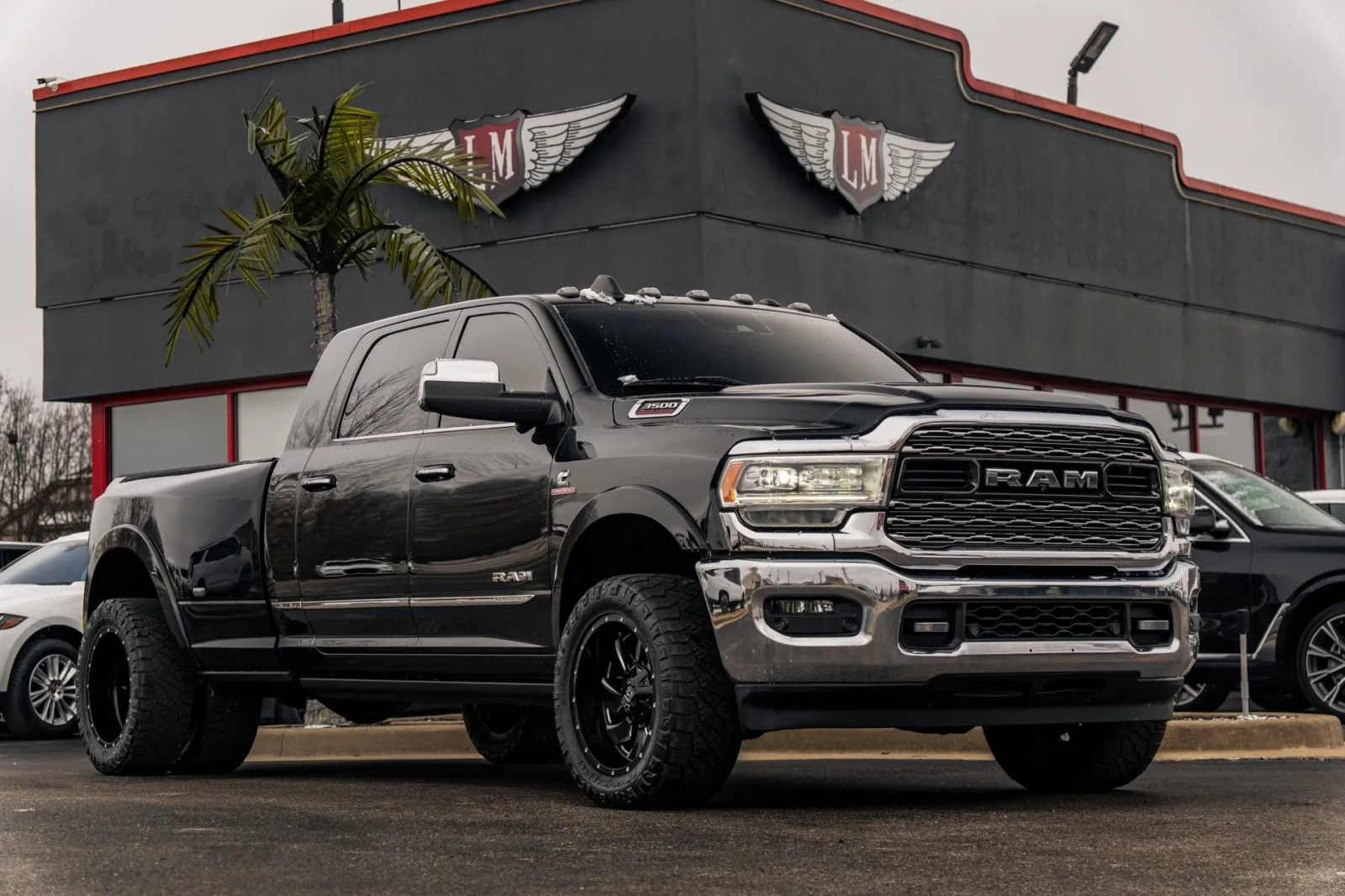
Heavy-duty pickups operate in a different segment from everyday half-ton trucks, and the Ram 3500 currently shows particularly strong value retention. iSeeCars ranks the Ram 3500 first among heavy-duty trucks for five-year resale value, with about 82.6 percent of its value retained.
That is an impressive figure and illustrates how demand for serious towing and hauling capability can support resale prices. For buyers who genuinely need a heavy-duty truck, the Ram 3500 can make financial sense when resale value is part of the equation.
Texas has a large market for heavy-duty pickups because many drivers use trucks for demanding work rather than simply for transportation. Trailers, livestock equipment, construction machinery, recreational vehicles, and other heavy loads can require more capability than a half-ton pickup provides.
When buyers enter the used market, they may specifically search for a truck with the powertrain and towing equipment required for their work. This targeted demand can help capable heavy-duty models maintain strong values.
The Ram 3500 also benefits from being a dedicated heavy-duty product rather than simply a larger-looking version of a light-duty pickup. Buyers shopping in this category often have specific requirements, and a properly equipped truck can be highly valuable to them.
A diesel powertrain, suitable axle configuration, four-wheel drive, appropriate cab style, and factory towing equipment can all influence the truck’s appeal. However, equipment preferences vary, so buyers should research the needs of their intended market before spending heavily on options.
Maintenance becomes particularly important with heavy-duty trucks. A pickup used for frequent towing can experience substantial stress on the engine, transmission, suspension, brakes, cooling system, and tires.
Buyers should inspect a used heavy-duty truck carefully and review service records before purchasing. A truck with a strong resale reputation can still lose considerable value if its condition suggests expensive repairs are approaching.
6. Nissan Titan
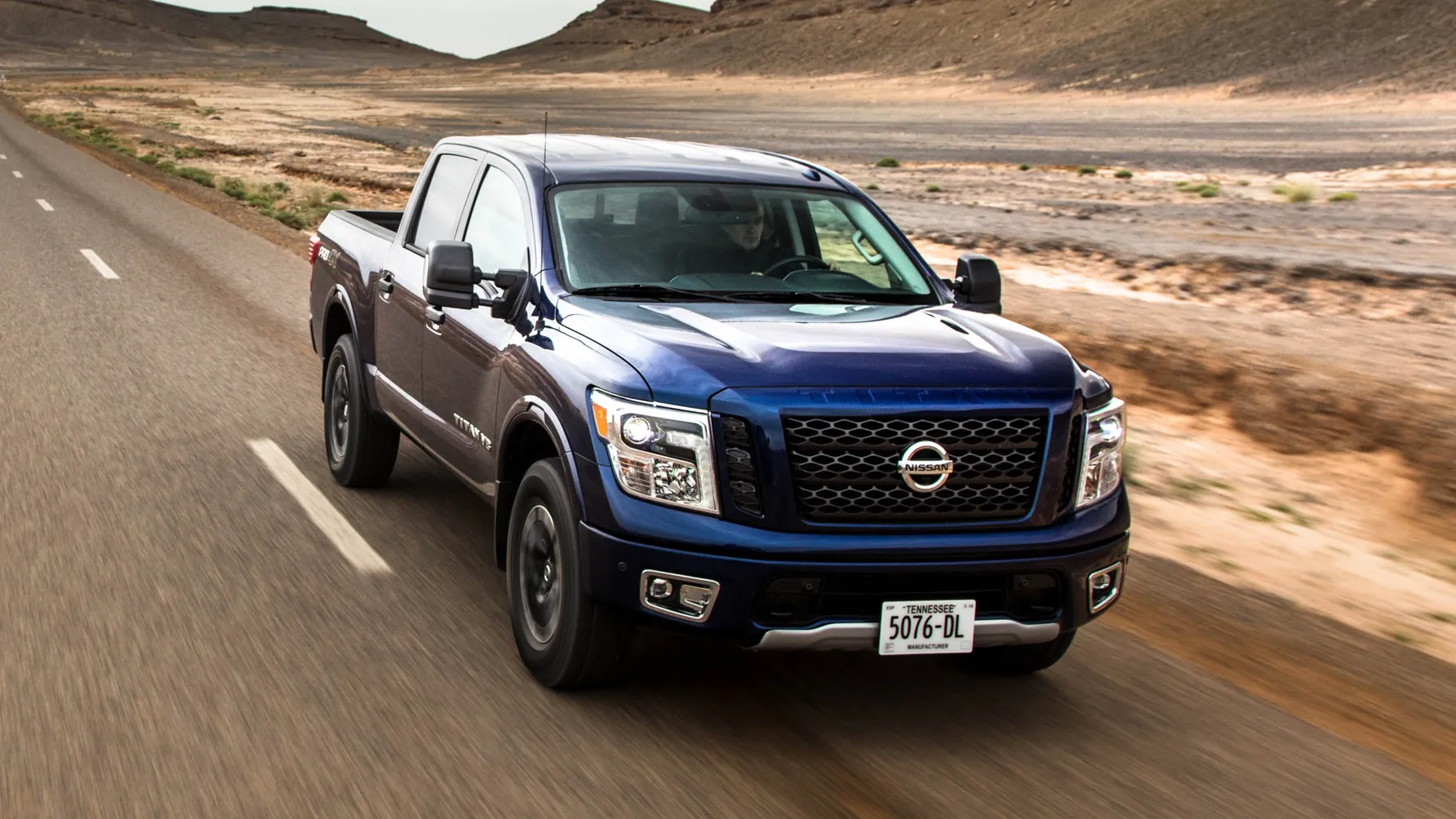
The Nissan Titan is a pickup that can be attractive to used buyers because it often competes on price, but its resale position is less impressive than the leading trucks discussed above.
Earlier iSeeCars depreciation data showed the Titan XD losing about 38.8 percent of its value over five years, while the standard Titan also appeared near the weaker end of the full-size truck rankings.
The issue is not that the Titan is incapable of being a good truck. It offers the basic qualities buyers expect from a full-size pickup, including useful towing capacity, available four-wheel drive, and a roomy cabin in appropriate configurations.
The challenge is that resale value depends on how many people want the vehicle after it has already spent several years on the road. A truck can perform well mechanically and still depreciate more rapidly if fewer used buyers are actively searching for it.
Texas buyers should be particularly careful when purchasing a Titan primarily because the initial deal looks attractive. A lower purchase price can make the truck appealing, but buyers should compare the expected future selling price as well.
If two trucks cost similar amounts to operate but one has significantly stronger used-market demand, the cheaper purchase may not necessarily produce the lower long-term ownership cost.
Condition and equipment can further influence the Titan’s resale prospects. A clean truck with reasonable mileage, four-wheel drive, useful towing equipment, and complete service records may still attract a motivated buyer.
A poorly maintained example with high mileage can become difficult to sell, particularly if comparable Ford, Chevrolet, GMC, Toyota, and Ram trucks are available nearby.
The Titan can therefore make sense for a buyer who gets a favorable purchase price and intends to keep the truck for many years.
7. Chevrolet Silverado 1500
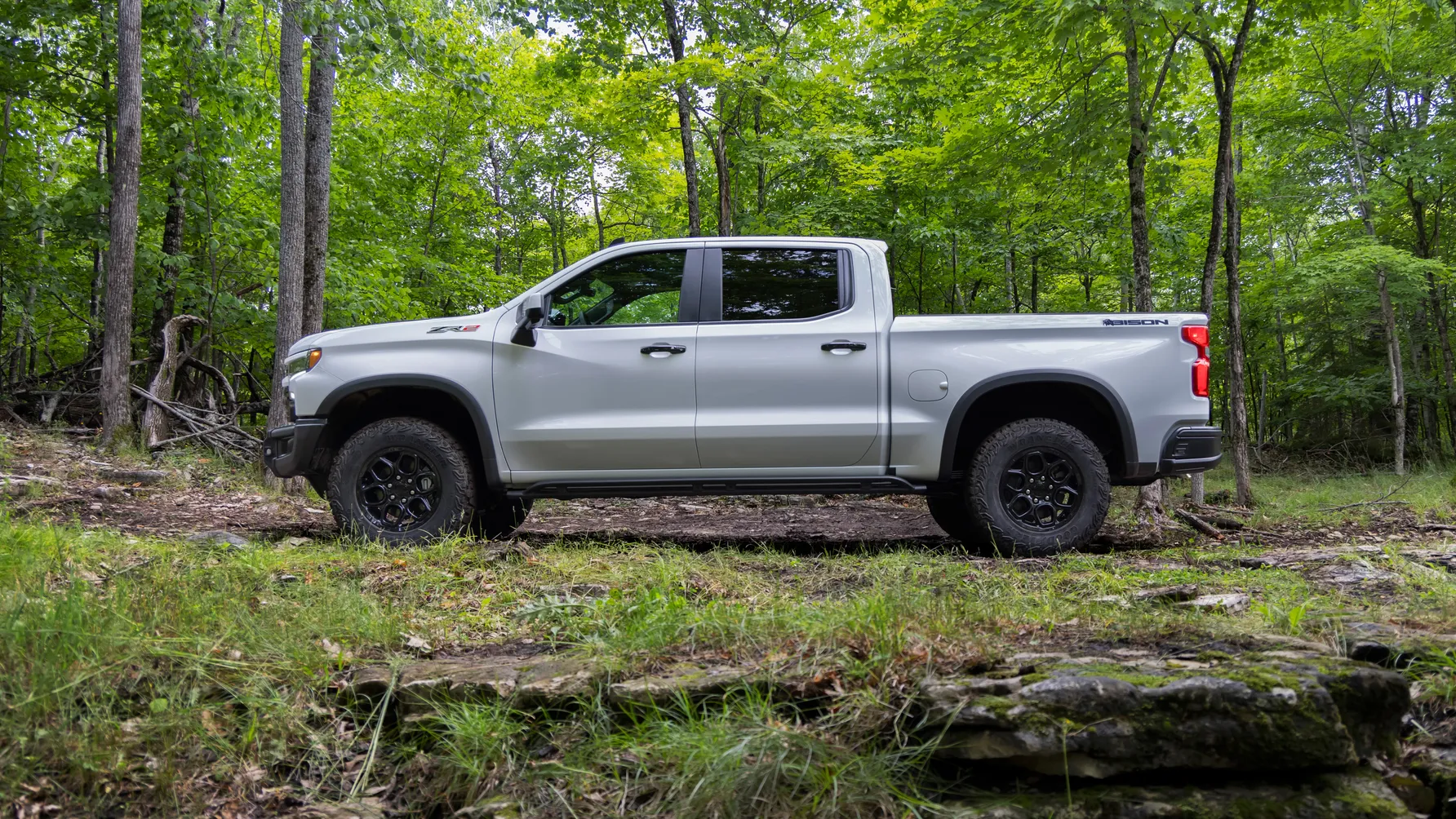
The Chevrolet Silverado 1500 itself is not a poor-resale truck. In fact, current iSeeCars data places the Silverado 1500 among the better-performing full-size pickups, with a five-year retained value around 60 percent based on the current rankings.
The problem arises when buyers pay a substantial premium for luxury features and options that do not provide equivalent value on the used market.
A heavily equipped truck can cost far more new than a simpler version, while future buyers may focus more on mileage, condition, drivetrain, and practical equipment.
This issue can be especially important in Texas because truck buyers have many choices. A used shopper may compare several Silverado models with different trim levels and prices. If a high-end version costs considerably more than a lower trim but does not provide a proportionate increase in resale value, the original owner absorbs much of that difference through depreciation.
Luxury features can still make sense for someone who plans to keep the truck for a long time. Heated and ventilated seats, advanced driver assistance technology, premium audio, upgraded towing equipment, and comfort features can make daily ownership more enjoyable.
The financial concern appears when buyers select options primarily because they assume every dollar spent at the dealership will return at resale.
The safest approach is to distinguish between features that improve a truck’s usefulness and features that primarily increase its purchase price.
Four-wheel drive, a desirable cab, a practical bed length, and factory towing equipment may have stronger relevance to used truck shoppers than certain cosmetic upgrades. Buyers should also consider whether a feature will remain desirable several years later.
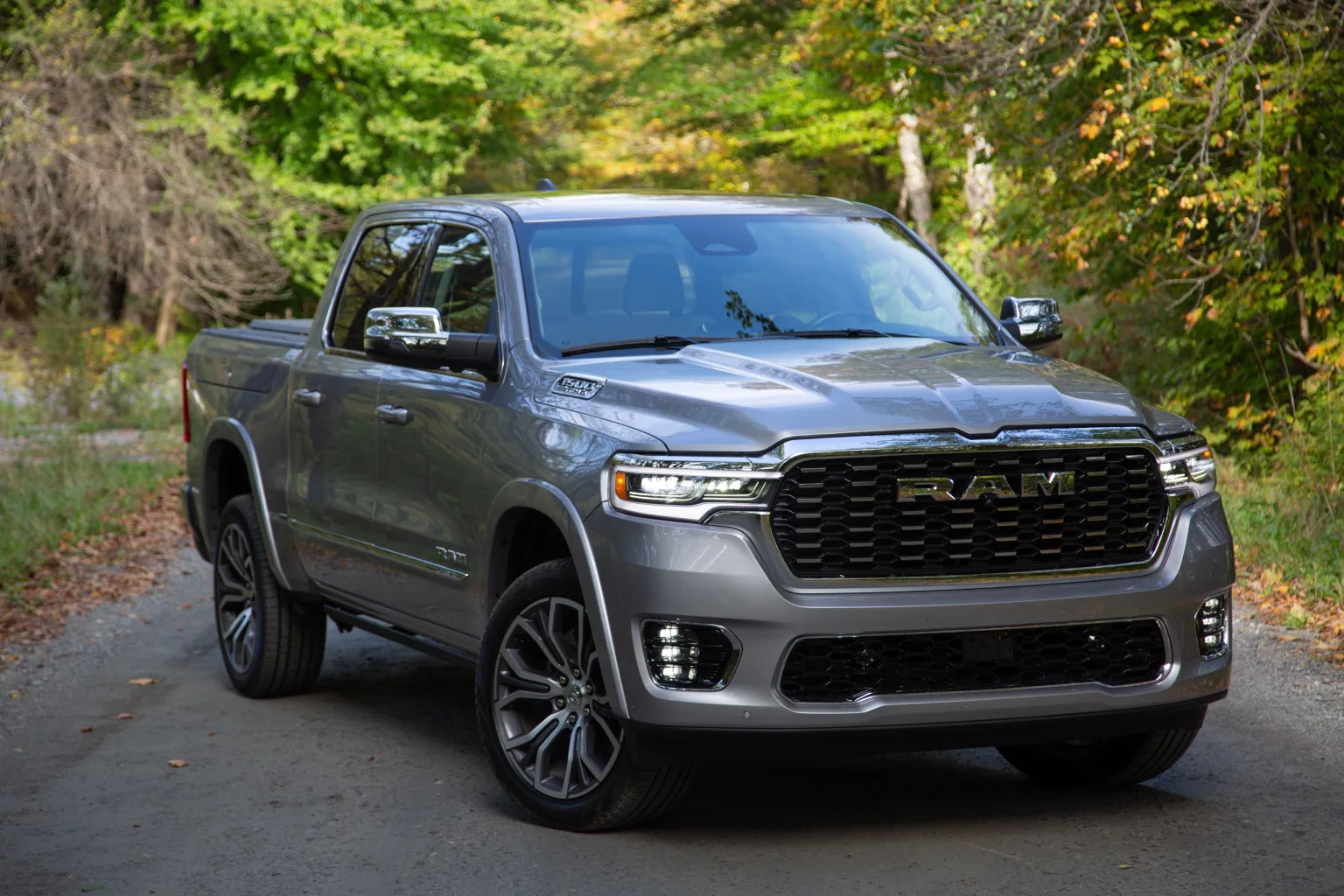
8. Ram 1500
The Ram 1500 currently ranks second among full-size trucks for five-year retained value in the iSeeCars analysis, retaining about 62.2 percent of its value.
That makes the model itself a respectable resale performer. However, a Ram 1500 with very high mileage can depreciate substantially faster than a comparable low-mileage example.
Used buyers naturally consider how much life remains in a truck and whether major maintenance could soon become necessary.
Mileage matters even more when the truck has been used for demanding work. A pickup that has spent years towing trailers, carrying heavy loads, or traveling on rough roads may have experienced significantly more mechanical stress than the odometer alone suggests.
A high-mileage work truck can require suspension repairs, brake work, tire replacement, transmission service, cooling-system repairs, or other maintenance.
Texas buyers should also consider how the truck was used before purchasing it. A high-mileage truck with detailed maintenance records and mostly highway miles may be a better proposition than a lower-mileage pickup that was repeatedly overloaded or poorly maintained. Service history gives buyers important context that the odometer cannot provide by itself.
The key problem with high mileage is that depreciation can accelerate when a vehicle crosses thresholds that make shoppers uncomfortable.
A truck with 80,000 miles may attract a much larger audience than a similar truck with 180,000 miles, even if both have been maintained carefully. Buyers who intend to resell should think about where the odometer will be when they eventually put the truck on the market.
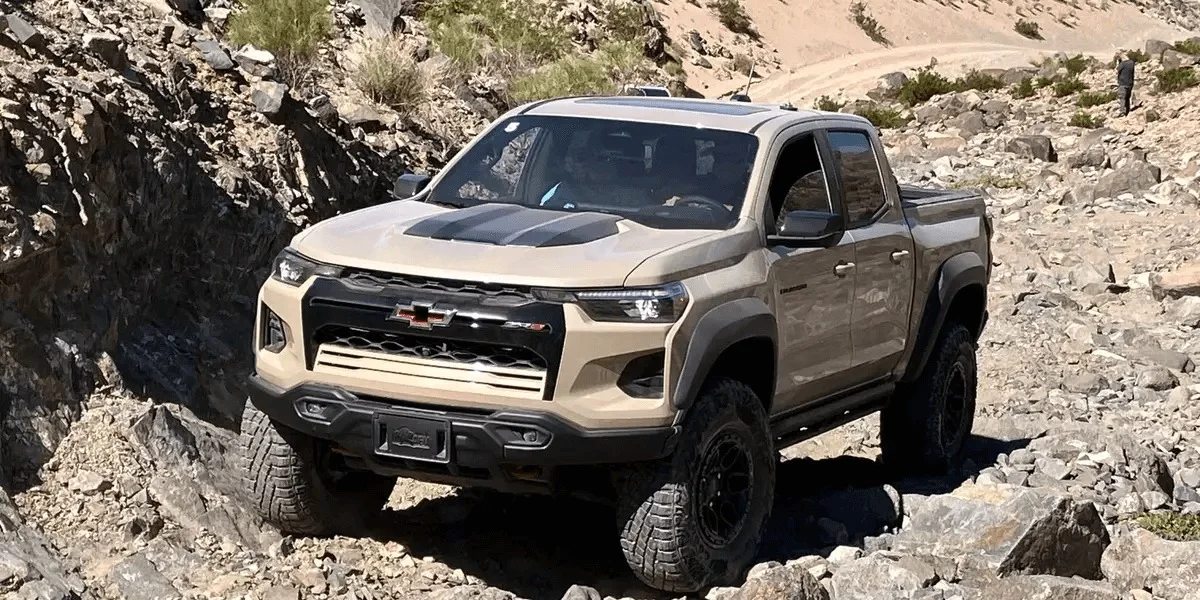
9. Chevrolet Colorado
The Chevrolet Colorado competes in the midsize truck market, where resale performance varies significantly by model and configuration.
Current iSeeCars data places the Colorado near the lower end of the midsize segment, with a five-year retained value below the Toyota Tacoma, Ford Ranger, Jeep Gladiator, GMC Canyon, and Nissan Frontier.
Configuration can make a significant difference. Used truck shoppers often have specific preferences for cab style, drivetrain, bed length, engine, and equipment.
A configuration that is difficult to find may be attractive to a particular buyer but less appealing to the broader market. When the time comes to sell, a truck with limited demand can require a larger price adjustment to generate interest.
Texas buyers should also think about whether a midsize truck provides enough capability for their intended use. Some customers need a compact footprint and efficient daily transportation, while others regularly tow heavy trailers or haul substantial loads.
If the Colorado is purchased for work that really requires a full-size truck, its resale prospects may be secondary to whether the vehicle satisfies the owner’s needs.
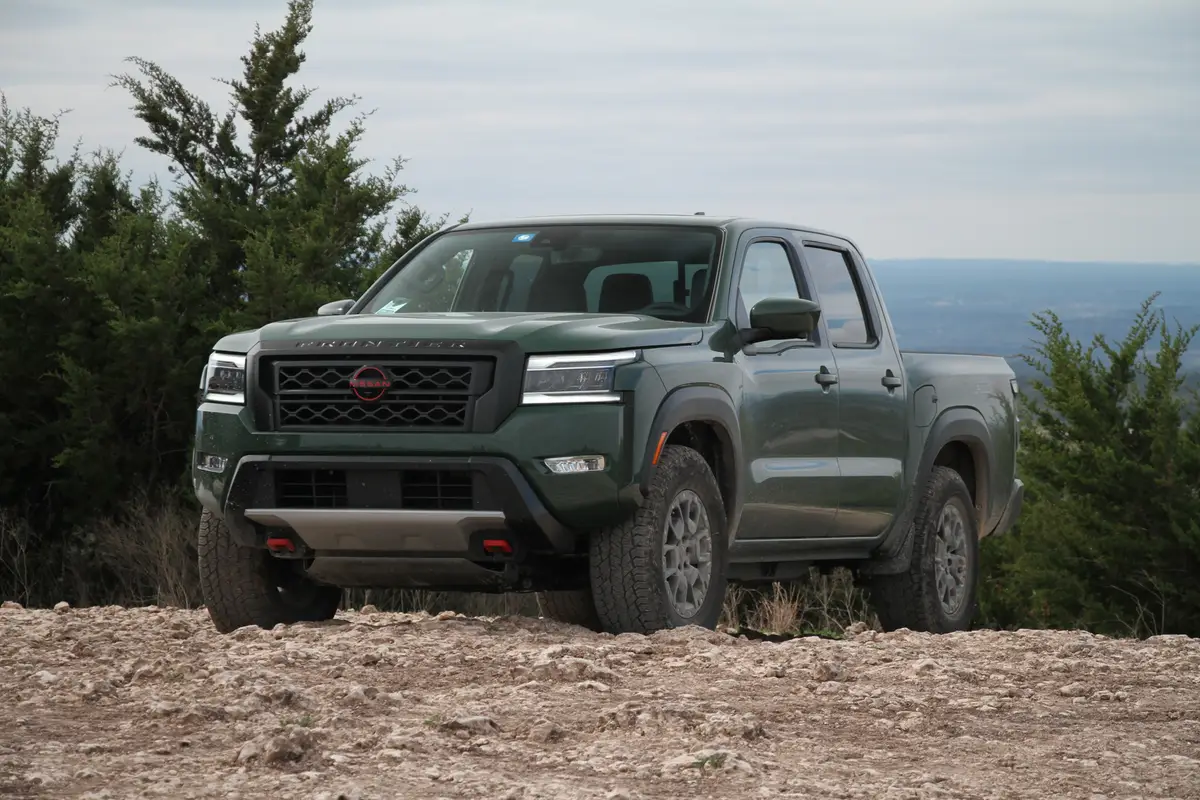
10. Nissan Frontier
The Nissan Frontier has respectable characteristics as a midsize pickup, and current iSeeCars data gives it a five-year retained value of about 64.7 percent, putting it below the Tacoma and several other midsize competitors.
The truck can be a good value for someone who purchases it at the right price, but a high-mileage or poorly maintained Frontier can be considerably harder to resell. Used truck buyers often have many alternatives, so condition becomes especially important when a model does not command the strongest resale premium.
A Frontier with a clean history and consistent maintenance can still attract buyers. A neglected example is a different story. Buyers may notice worn seats, damaged interiors, faded paint, uneven tire wear, suspension problems, rust, warning lights, or evidence of neglected service. These issues can reduce the vehicle’s value much faster than the owner expects.
Texas conditions can also influence truck wear. High temperatures, intense sun, dust, long highway distances, and heavy usage can all affect a vehicle over time.
Interior materials may show significant wear, while tires, batteries, cooling systems, and air-conditioning components face demanding conditions. A well-maintained truck is better positioned to handle those challenges and preserve its value.
Mileage becomes particularly important when selling a midsize truck because buyers may compare several similar vehicles. If one Frontier has substantially fewer miles and better service records at a similar price, shoppers have little incentive to choose the higher-mileage example.
Owners planning to resell should therefore keep maintenance documentation and address minor problems before they become major defects.
