
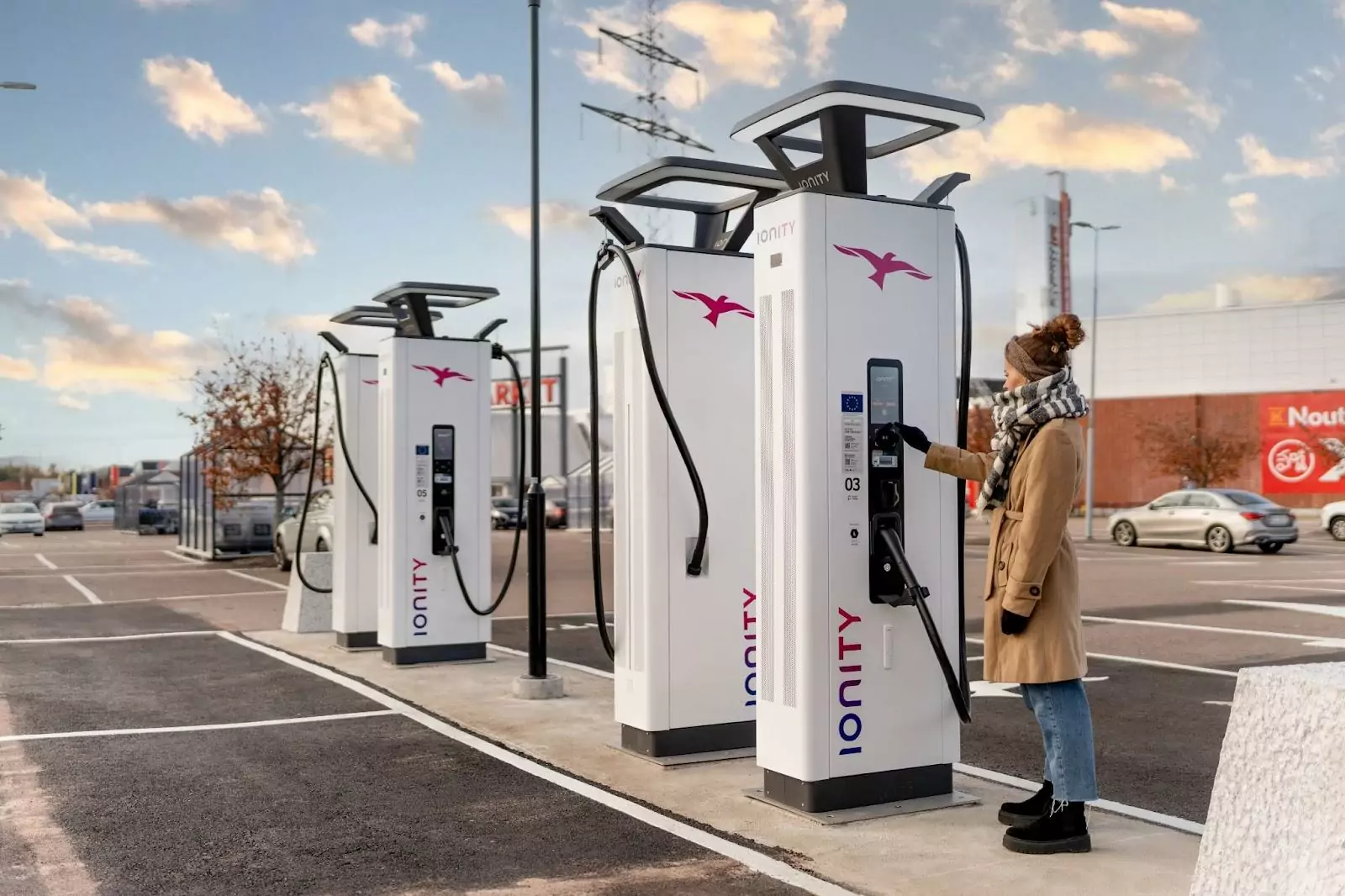
Electric vehicle batteries are built to last for many years, but everyday driving habits can affect how quickly they lose capacity. Frequent fast charging, allowing the battery to reach extreme charge levels, driving aggressively, and exposing the vehicle to intense heat can all increase battery stress.
While modern EV battery management systems provide strong protection, they cannot completely eliminate the effects of poor charging and driving practices.
Understanding which habits damage an EV battery can help owners preserve usable range, reduce long-term degradation, and get more value from their vehicle. Small changes in charging, parking, and driving routines can make a meaningful difference over time.
1. Frequently Using DC Fast Charging
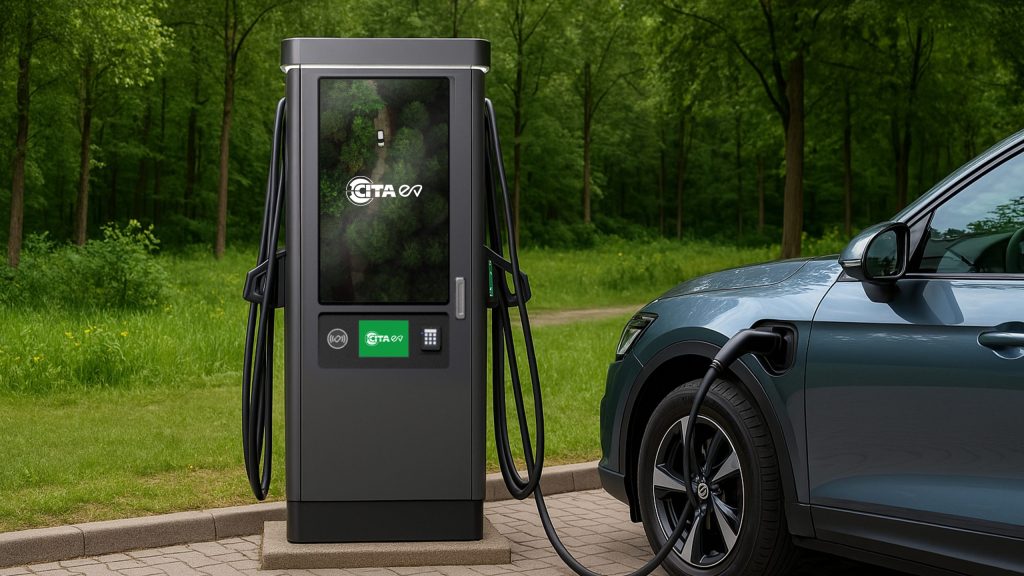
DC fast charging is among the most convenient features available in modern electric vehicles. It allows drivers to add a substantial amount of range within a relatively short period, making long-distance travel much easier.
However, relying on high-power charging for most charging sessions can create additional thermal and electrical stress compared with slower AC charging. Battery cells generate heat during charging, and higher charging rates generally produce more heat. The vehicle’s cooling system manages this temperature, but repeated high-power sessions can still contribute to faster degradation over a long period.
Using a fast charger occasionally is not something EV owners need to fear. Electric vehicles are specifically designed to accept DC fast charging, and their battery management systems regulate charging power according to temperature, state of charge, and other conditions.
The concern comes when fast charging becomes the default method for everyday charging when slower charging is readily available. For a daily commute, charging at home using an AC charger is usually more appropriate because the vehicle can receive energy gradually over several hours.
Charging speed also tends to decrease as the battery approaches a high state of charge. This is why fast charging is generally most useful when the battery has a lower charge level, and the driver needs additional range quickly. Pushing a battery toward a very high percentage at a fast charger can take considerably longer than expected.
It can also expose the cells to higher temperatures for a longer period. Drivers who regularly travel long distances can use fast charging without concern, but they should allow the vehicle’s battery management system to control the charging process rather than repeatedly forcing unnecessary high-power sessions.
Temperature plays an important role during DC charging. If the battery is already very hot because of high-speed driving or hot weather, the vehicle may reduce charging power to protect the cells.
This is normal behavior rather than a fault. Some EVs use battery preconditioning before reaching a fast charger, which brings the battery into a more suitable temperature range.
Following the manufacturer’s charging recommendations and using home AC charging for routine needs can reduce unnecessary stress while preserving the convenience of rapid charging when it is genuinely needed.
The key lesson is not to avoid fast charging completely. It is to use it for situations where speed matters. For daily use, slower charging is generally gentler and more practical.
If a driver needs fast charging several times during a road trip, the battery management system is designed to handle those sessions. The bigger concern is making high-power DC charging the routine choice when a lower-power option is available.
2. Keeping the Battery at 100% for Long Periods
Many EV owners feel comfortable seeing a fully charged battery before every trip. However, keeping certain lithium-ion battery packs at or near 100% for extended periods can increase chemical stress inside the cells.
Battery degradation is influenced by factors such as temperature, charge level, charging rate, and time. A battery sitting at a very high state of charge for hours or days can experience more stress than a battery maintained within a moderate range.
This does not mean charging an EV to 100% is harmful every time. Full charging is useful when you need the maximum available range, particularly before a long journey. Some vehicles and battery chemistries are also designed with different charging recommendations.
For example, certain lithium iron phosphate batteries may have manufacturer guidance that recommends regular charging to 100% for accurate state-of-charge calibration. Owners should therefore follow the instructions provided for their specific vehicle rather than applying a single rule to every EV.
For everyday driving, many manufacturers recommend using a lower charging limit when maximum range is unnecessary. If your commute requires only a portion of the battery, there may be little practical benefit in charging completely every night.
Setting a suitable charging limit can reduce the amount of time the battery spends at a high state of charge. The exact recommended range varies by vehicle and battery chemistry, so checking the owner’s manual is the safest approach.
Timing can also make a difference. If you need 100% charge for a morning trip, scheduling the vehicle to finish charging close to departure is preferable to charging it fully and leaving it parked for many hours.
Modern EVs commonly provide scheduled charging features through the vehicle interface or smartphone application. These settings allow drivers to make charging more convenient while limiting unnecessary time spent at a very high state of charge.
The practical approach is simple. Charge to 100% when you need the extra range, but avoid treating a fully charged battery as the ideal level for long periods of parking.
If your vehicle is going to sit unused for an extended period, following the manufacturer’s recommended storage charge is generally better than leaving it completely full. A thoughtful charging routine can reduce unnecessary battery stress without making everyday EV ownership complicated.
3. Regularly Letting the Battery Reach 0%
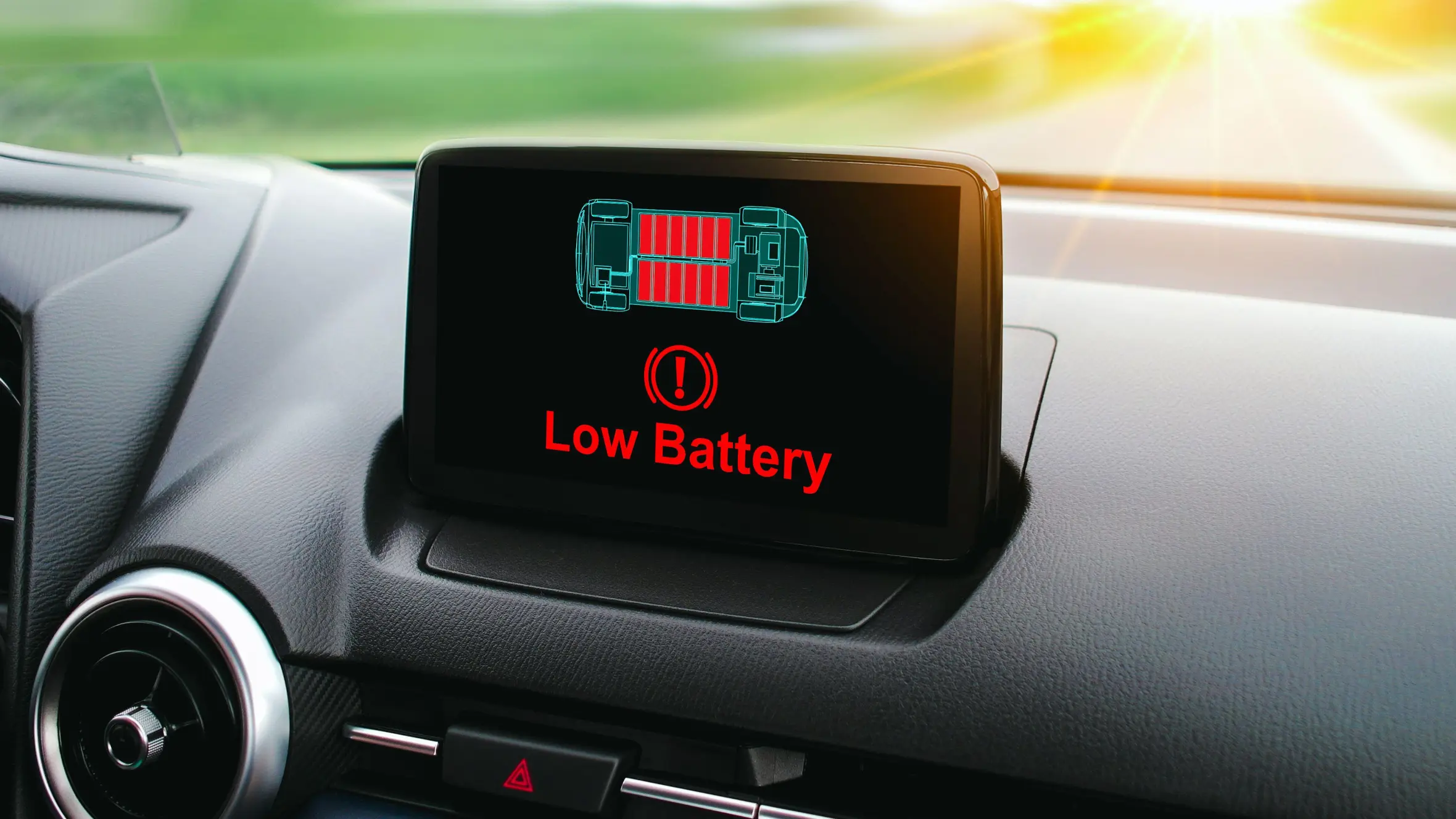
Running an EV battery down to an extremely low charge level on a regular basis can also increase battery stress. Electric vehicles have sophisticated battery management systems that prevent the cells from literally reaching an unsafe zero-energy condition.
The percentage displayed on the dashboard does not necessarily represent the entire physical capacity of the battery. There is usually a protected buffer that helps prevent damaging operating conditions.
Even with those protections, repeatedly driving until the vehicle reaches a very low state of charge is not a good everyday habit. Deep discharge cycles can contribute to greater battery wear than shallower cycling.
Drivers who frequently ignore low-battery warnings may also place themselves in inconvenient situations where the vehicle enters reduced-power operation or eventually stops. This can be particularly problematic in cold weather, where available range may temporarily decrease.
Planning charging before the battery becomes critically low is a better strategy. For daily driving, plugging in when the battery reaches a moderate level gives the vehicle plenty of operating flexibility.
There is no requirement to wait until the battery is nearly empty before charging it. Lithium-ion batteries generally work well with partial charging, so adding energy whenever convenient is perfectly normal.
Low battery levels become more important when combined with harsh conditions. High temperatures, very cold weather, steep climbs, heavy loads, and high-speed driving can all increase energy consumption. A vehicle showing a small remaining percentage may lose usable range faster under demanding conditions. Keeping a reasonable reserve can therefore improve both convenience and battery management.
Occasional deep discharge is not something that should cause panic. Modern EVs are engineered for real-world use, and their battery systems include multiple protective measures.
The concern is repetition. If you regularly wait until the battery is nearly empty before charging, changing that habit can be beneficial. Charging earlier and maintaining a sensible operating range is easier on the battery and gives you a useful safety margin.
4. Exposing the EV to Extreme Heat
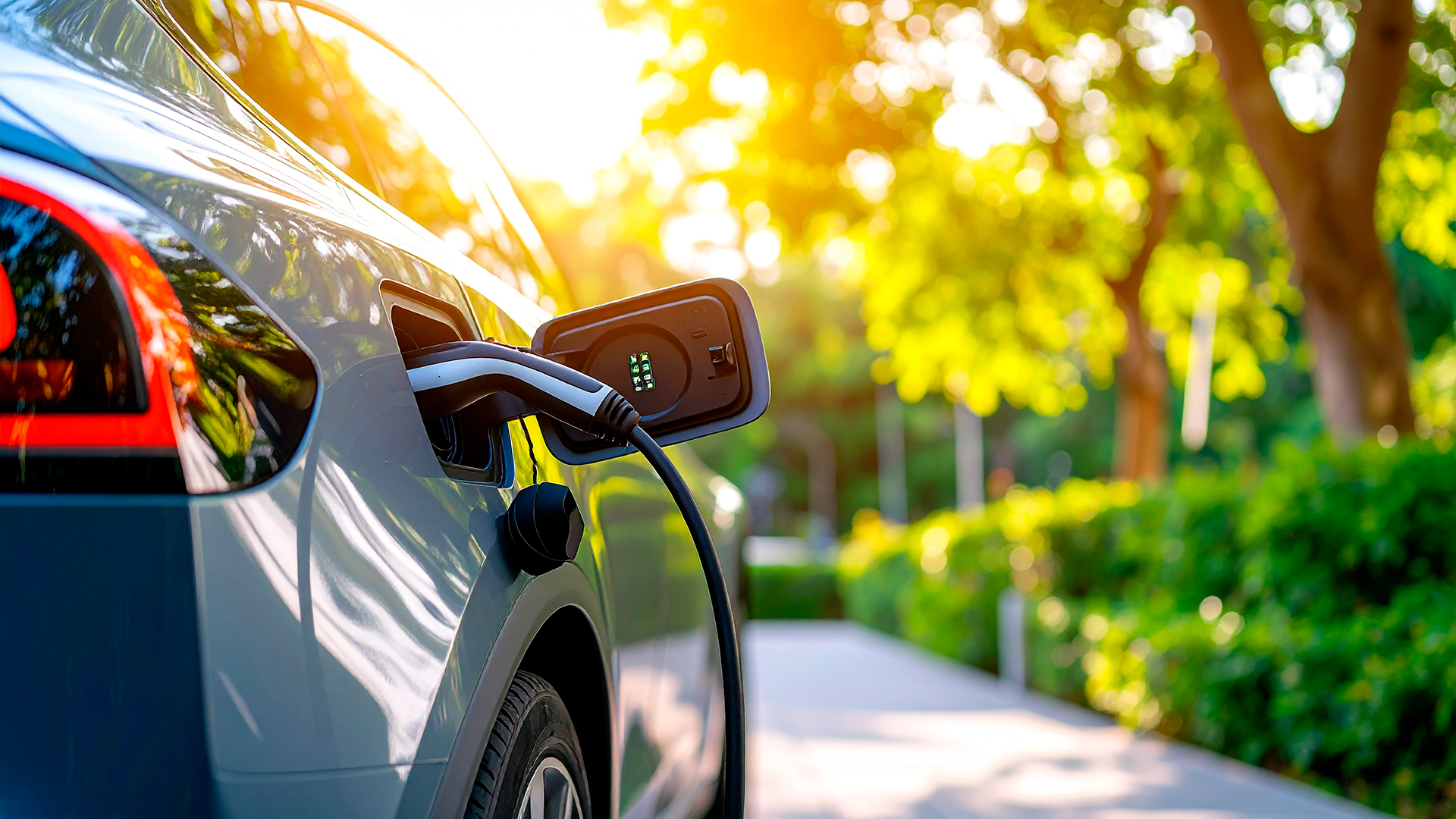
High temperatures are particularly important for lithium-ion battery health. Heat accelerates chemical reactions inside battery cells, and prolonged exposure to high temperatures can contribute to faster aging.
EV manufacturers install sophisticated thermal management systems to control battery temperature during driving and charging, but parking an EV in intense heat for long periods can still place additional thermal demands on the vehicle.
Hot weather does not automatically mean an EV battery will suffer serious damage. Modern electric cars are built to operate across a broad temperature range.
Many use liquid cooling or heating systems to keep the battery within a suitable temperature window. When the vehicle is parked, however, the battery may still experience environmental heat. A car sitting under direct sunlight on a very hot day can become significantly warmer than the surrounding air.
Parking in shade or in a covered area can reduce unnecessary heat exposure. When possible, a garage or shaded parking space is preferable during extremely hot conditions.
This is particularly useful when the vehicle will remain parked for several hours. The benefit is not limited to the battery because the cabin, dashboard, electronics, and interior materials also experience less thermal stress.
Charging in extreme heat requires additional consideration. The vehicle may automatically reduce charging power when temperatures become excessive. This protective behavior helps keep the battery within a safer operating range.
Drivers should not attempt to override protective charging limits or repeatedly charge a very hot battery simply to save a few minutes. Allowing the vehicle’s thermal management system to do its job is generally the better approach.
Climate control can also consume energy when an EV is parked. Preconditioning the cabin while the vehicle is connected to a charger can be more efficient than cooling the interior using battery energy immediately before departure.
This does not directly eliminate battery aging, but it can reduce unnecessary energy consumption. In hot regions, sensible parking and charging habits can help an EV battery remain healthier over the long term.

5. Driving Aggressively All the Time
Hard acceleration is a major attraction of many electric vehicles. Instant electric motor torque makes rapid acceleration smooth and remarkably quick. Enjoying that performance occasionally is unlikely to create a serious battery problem.
However, repeatedly launching the vehicle aggressively, maintaining high speeds, and demanding maximum power for long periods can increase battery temperature and energy consumption.
When an EV accelerates aggressively, the battery must deliver a large amount of electrical power in a short period. High power output generates heat within the battery and electrical components.
The thermal management system works to control that heat, but repeated high-load driving can create greater thermal stress than calm, steady driving. The impact depends on the vehicle, battery chemistry, ambient temperature, driving conditions, and how often the behavior occurs.
High-speed highway driving can also consume energy rapidly. Air resistance increases significantly as speed rises, so driving considerably faster can reduce range even when the battery is functioning perfectly. Drivers may then need to charge more frequently, which can indirectly increase the number of charging cycles over the vehicle’s lifetime.
Smooth acceleration is generally better for efficiency. It does not mean EV owners need to drive slowly or avoid using their vehicle’s performance.
Rather, maintaining consistent speeds and accelerating progressively for normal journeys reduces unnecessary energy consumption and heat production. Regenerative braking can also recover some energy during deceleration, though it cannot return all of the energy used for acceleration.
Performance driving is best treated as an occasional activity rather than the default driving style. EVs are engineered to handle demanding conditions, and their electronic systems can limit power when temperatures become excessive.
Still, reducing unnecessary high-power demand is a sensible way to support long-term efficiency. A smoother driving style can also increase range, reduce tire wear, and make charging stops less frequent.
6. Leaving the EV Sitting for Weeks With a Very High or Low Charge
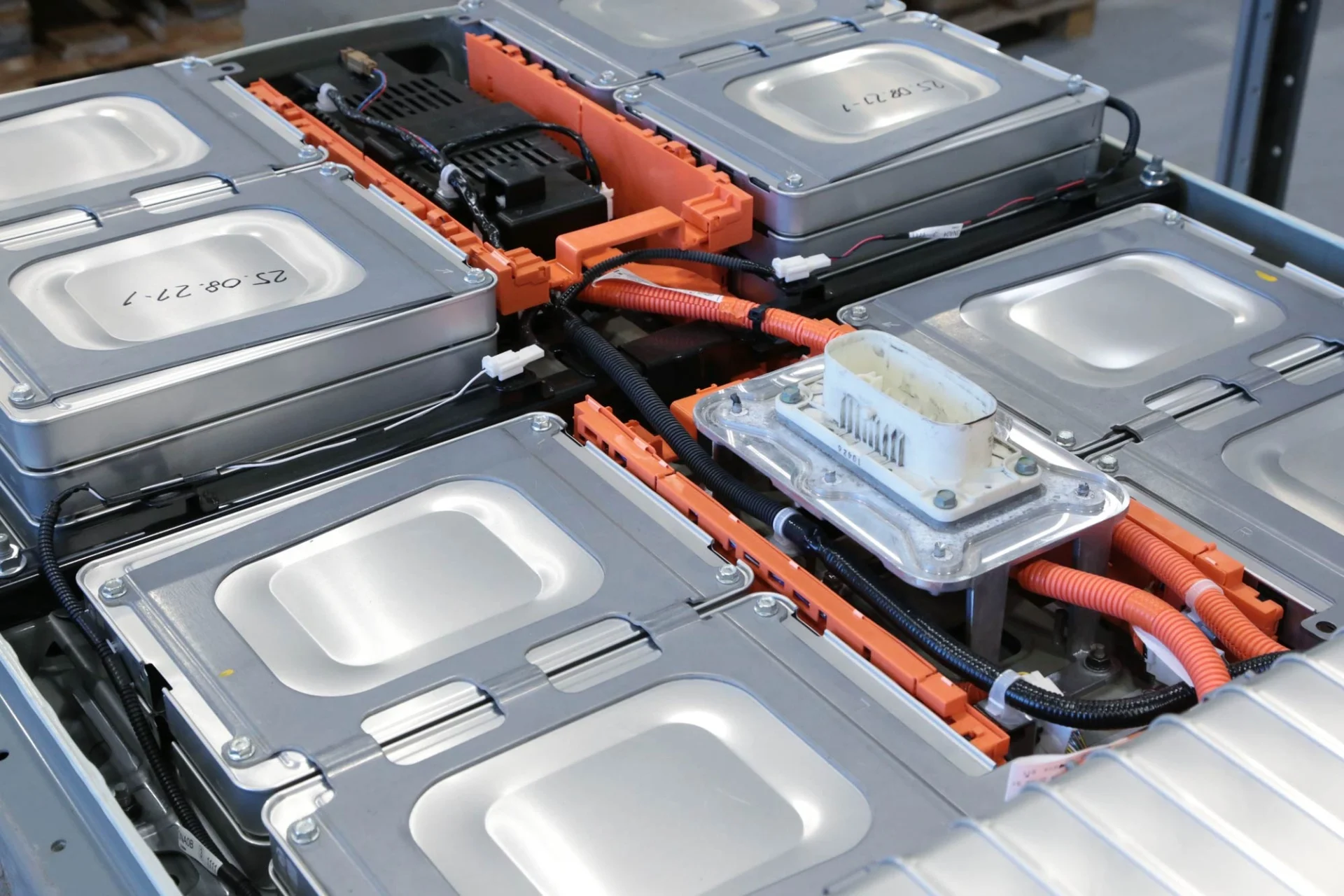
An EV battery does not stop aging simply because the vehicle is parked. Battery degradation occurs through both cycling and calendar aging. Calendar aging refers to capacity loss that happens over time even when the vehicle is not being driven. Temperature and state of charge can influence this process, which makes storage habits relevant for EV owners.
Leaving a vehicle parked at a very high state of charge for several weeks is generally less desirable than storing it at the level recommended by the manufacturer.
The same principle applies to leaving it almost empty. If the battery slowly loses charge while parked and reaches a critically low level, the vehicle’s systems may eventually face problems. Maintaining an appropriate storage charge provides a better balance.
The correct storage level depends on the vehicle and battery design. Some manufacturers provide specific instructions for long-term parking, while others recommend a moderate state of charge.
Drivers should consult the owner’s manual before leaving an EV unused for an extended period. The recommended procedure may also differ depending on whether the vehicle has lithium iron phosphate or another battery chemistry.
Temperature matters during storage as well. A cool, sheltered parking location can reduce thermal stress. If the vehicle is being stored during a period of extreme weather, choosing a protected location can be helpful. Some EVs allow owners to monitor the vehicle remotely, making it easier to check charge levels and climate conditions while away.
For normal ownership, there is no need to worry about leaving an EV parked overnight or for a few days. The concern is extended storage combined with an unsuitable charge level or extreme temperatures.
If you are going away for several weeks, prepare the vehicle before leaving rather than simply parking it with whatever charge happens to be available.
7. Charging Immediately After Very Hard Driving Without Considering Temperature
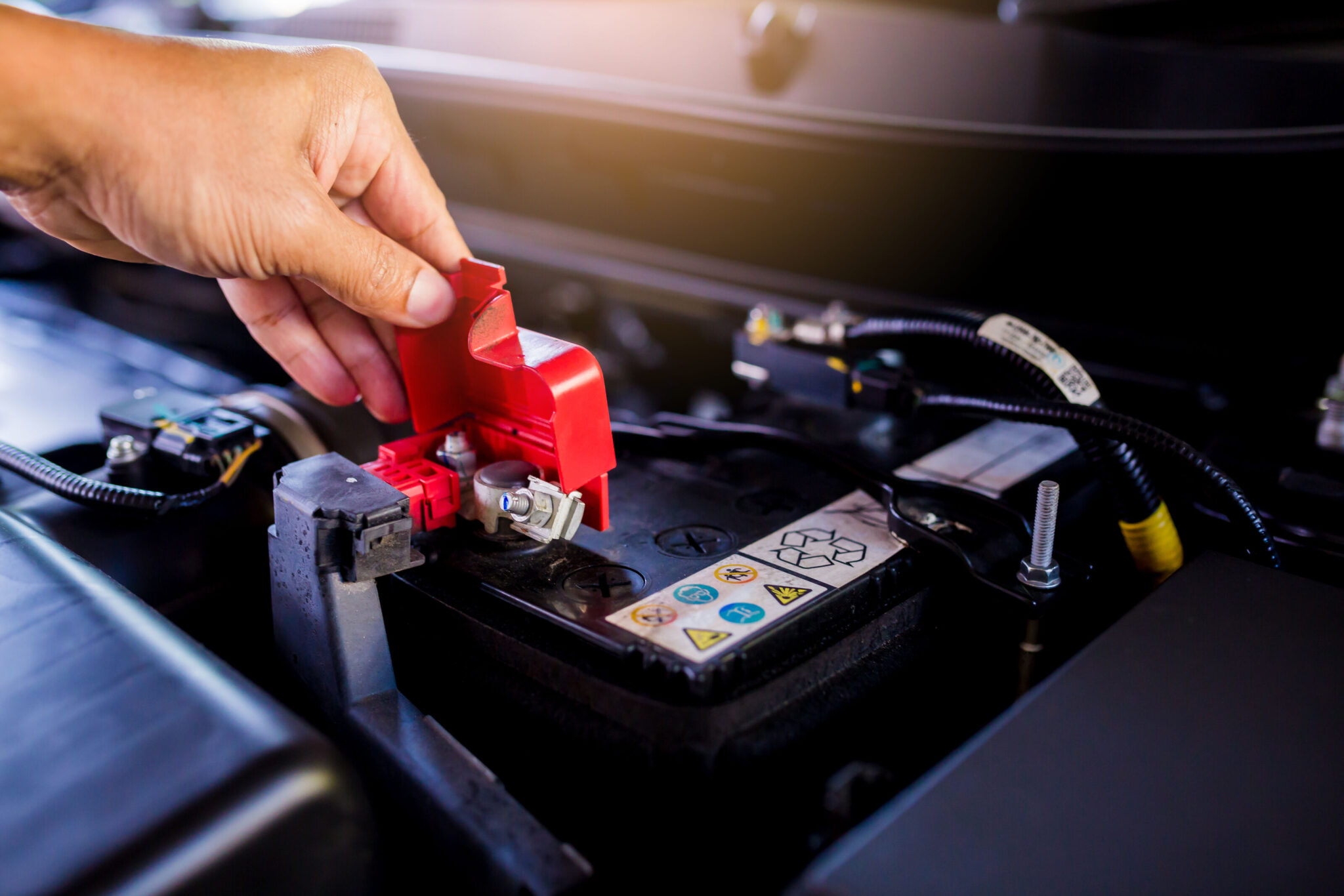
After a long high-speed journey, towing session, mountain drive, or repeated acceleration, an EV battery may be significantly warmer than it was at the beginning of the trip.
Modern EVs are designed to manage this situation. Their thermal management systems can cool the battery and regulate charging power as needed. Still, immediately demanding maximum charging power after heavy use can add another high-load event while the battery is already warm.
Drivers do not necessarily need to wait a specific amount of time before charging after hard driving. The vehicle’s battery management system is responsible for determining whether the battery can safely accept a particular charging rate. If the car reduces charging power, that is usually a protective measure rather than evidence of a problem.
The bigger issue is repeatedly creating extreme conditions. Hard driving followed immediately by high-power DC charging, particularly in hot weather, can cause substantial thermal demand.
The vehicle may respond by reducing charging speed or activating its cooling system. Allowing the car to manage these conditions is important because modern EVs have been designed around such scenarios.
Many newer vehicles can also prepare the battery for fast charging automatically. Battery preconditioning adjusts temperature before the vehicle reaches a compatible charger.
This feature is especially useful in cold weather because lithium-ion batteries generally cannot accept high charging power as readily when they are very cold. The same principle applies to heat. Charging after a normal drive is perfectly acceptable because the vehicle’s thermal management system helps keep the battery within an appropriate temperature range.
8. Ignoring Battery Temperature
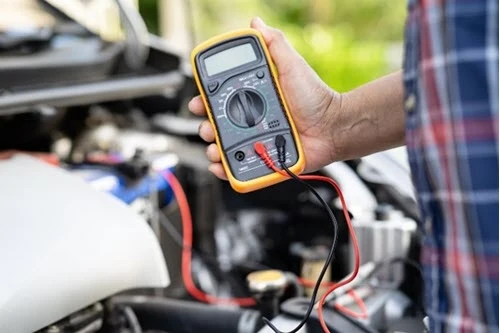
Cold temperatures affect EV batteries differently from heat. When a lithium-ion battery becomes very cold, its ability to deliver and accept power can temporarily decrease.
This can result in reduced regenerative braking, slower charging, lower available power, and reduced driving range. These effects are often temporary and improve as the battery warms.
Charging a very cold battery at high power can create conditions that are less favorable for battery health. Modern EVs are aware of battery temperature and can reduce charging power or activate battery heating when necessary. Some models provide battery preconditioning so the pack can reach a suitable temperature before fast charging.
Cold-weather range loss does not necessarily mean the battery has permanently degraded. Low temperatures change the electrochemical behavior of the cells, reducing the amount of energy that can be accessed efficiently.
Once the battery reaches a more suitable temperature, much of the lost performance returns. This distinction is important because drivers may otherwise assume that winter range loss indicates permanent battery damage.
9. Using Cheap or Incorrect Charging Equipment
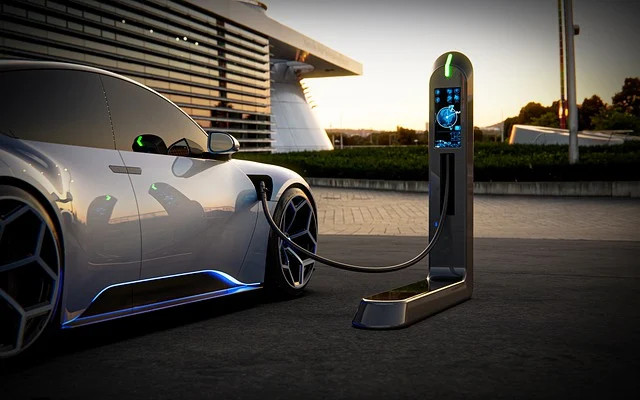
Charging equipment plays an important role in safe EV operation. Not every cable, adapter, extension lead, or electrical installation is suitable for EV charging. Electric vehicles can draw substantial electrical power for extended periods, so the charging equipment needs to be correctly rated and installed.
Using an unsuitable extension cable or poorly maintained electrical connection can create excessive resistance and heat.
This is more of an electrical safety concern than a direct battery-aging issue, but unsafe charging conditions can also cause charging interruptions and abnormal operation. Properly installed home charging equipment is generally the better choice for regular use.
Drivers should use charging equipment that meets the vehicle manufacturer’s specifications and applicable electrical standards. A qualified electrician should assess the home’s electrical system when installing a dedicated charger. This helps ensure that wiring, breakers, grounding, and other components can safely handle the expected load.
Cheap equipment is not automatically bad, and expensive equipment is not automatically better. What matters is certification, compatibility, appropriate electrical ratings, construction quality, and proper installation.
Drivers should be cautious about unknown products that lack clear safety information or claim charging capabilities beyond their documented specifications.
10. Ignoring the Vehicle’s Battery Management Warnings
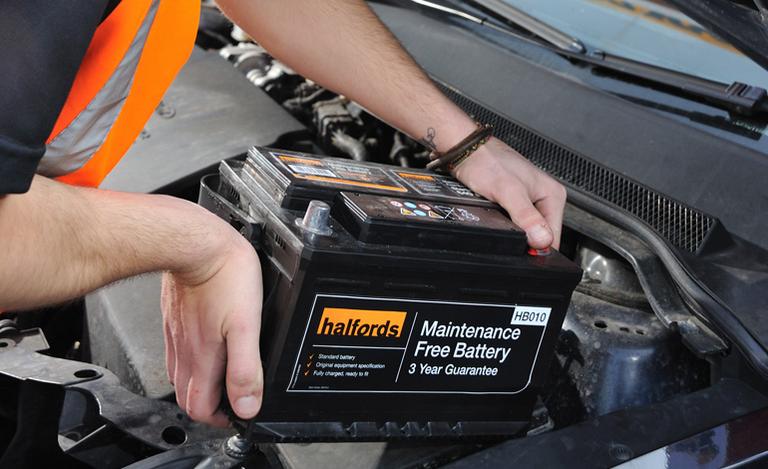
Modern EVs continuously monitor battery temperature, voltage, current, charge level, and other operating conditions. The battery management system uses this information to protect the cells and maintain safe operation. Warning messages, charging restrictions, and temporary power reductions are often deliberate protective responses.
Ignoring these warnings can turn a manageable situation into a more serious problem. For example, a vehicle may reduce charging speed because the battery is too hot or too cold. Attempting to repeatedly restart charging or searching for ways to bypass a limitation is not advisable. The restriction exists because the vehicle has detected conditions that require caution.
Software updates are also important. Manufacturers can improve battery management strategies through updates that modify charging behavior, thermal control, energy estimation, and other functions. Keeping the vehicle’s software current can help ensure that the battery management system operates with the latest manufacturer-supported improvements.
