
Buying a new car is usually expected to be a straightforward transaction, but limited supply and intense demand can turn certain models into expensive purchases. Dealer markups can push a vehicle far above its advertised MSRP, particularly when production is restricted, allocations are small, or buyers compete for a highly desirable model.
Some cars have become notorious for carrying huge premiums, with buyers sometimes paying tens or even hundreds of thousands of dollars above sticker price.
This ranking examines 12 vehicles associated with significant dealer markups, explaining why dealers can command such premiums and what buyers should consider before paying far above MSRP for a new car.
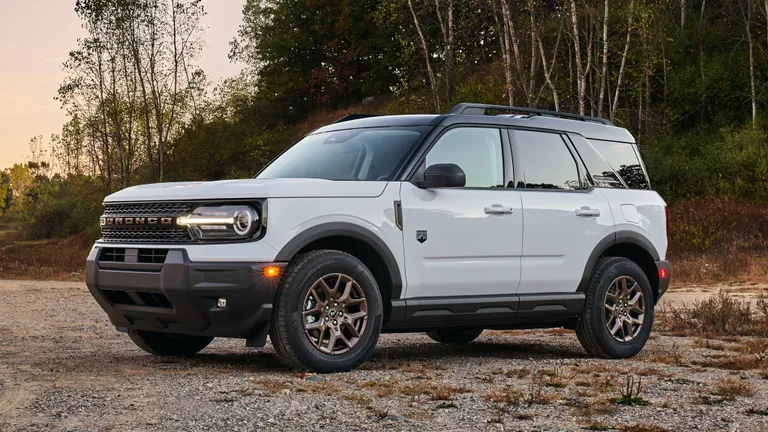
12. Ford Bronco
The Ford Bronco became a major automotive sensation when the nameplate returned for the 2021 model year. Its combination of retro styling, removable roof panels, off-road ability, and strong brand recognition created enormous demand.
Ford also had to manage production challenges during the early years of the modern Bronco, making certain configurations difficult to obtain. That combination gave dealers plenty of leverage when negotiating with customers who wanted a particular trim or package.
The strongest premiums were generally associated with highly desirable versions rather than every Bronco sitting on a dealership lot. Models such as the Bronco Wildtrak, Badlands, and especially the high-performance Bronco Raptor attracted considerable attention.
Buyers who wanted specific colors, equipment packages, or limited allocations could find themselves with fewer alternatives. When inventory was scarce, some dealerships added market adjustments that could push transaction prices well above MSRP.
The Bronco Raptor deserves special attention because its performance hardware separates it from regular Bronco models. Its wider body, upgraded suspension, larger tires, and powerful twin-turbocharged engine made it particularly attractive to enthusiasts.
A dealer with a desirable Raptor allocation could therefore charge a substantial premium to buyers who did not want to wait for another allocation or order cycle.
Another factor behind Bronco markups was the emotional appeal of the vehicle. Buyers were not simply looking for transportation.
Many wanted a modern interpretation of an iconic off-road vehicle, and that enthusiasm can create a willingness to pay more. The same effect appeared with other highly anticipated vehicles, where customers accepted higher prices to get the model immediately rather than waiting for production or ordering.
The Bronco ranks 12th because its markups could be significant, but the situation was highly dependent on trim, timing, dealership, and local inventory. The typical Bronco did not automatically command an extreme premium. The biggest numbers were concentrated around particularly desirable configurations and periods when demand substantially exceeded supply.
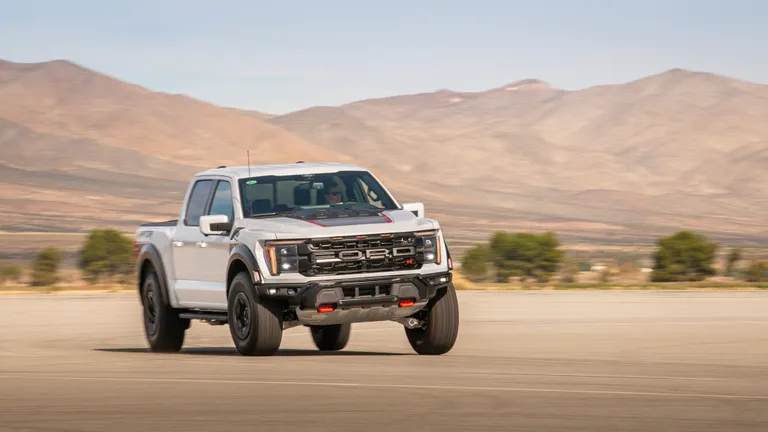
11. Ford F-150 Raptor
The Ford F-150 Raptor has long occupied a special position in the performance pickup market. It takes the familiar F-150 formula and adds serious off-road hardware, high-output engines, specialized suspension components, wider bodywork, and aggressive styling.
Buyers who wanted a factory-built desert truck had limited alternatives, giving Ford dealers considerable pricing power when Raptor availability was tight.
Raptor markups became especially noticeable when production constraints affected the broader automotive industry. Dealers sometimes received only a small number of desirable trucks, while customer demand remained strong. A buyer walking into a dealership looking for an available Raptor could discover that the advertised MSRP was not necessarily the final transaction price.
The Raptor also benefits from a loyal enthusiast following. Buyers understand the differences between the Raptor and an ordinary F-150, and many specifically want the factory performance package rather than modifying a standard truck themselves. That willingness to pay for factory engineering can support premiums when supply is limited.
The Raptor R created an even more extreme situation. Its supercharged V8, specialized drivetrain, and high-performance positioning gave it much greater enthusiast appeal. Limited availability combined with the return of a V8-powered performance pickup created circumstances where certain dealers could ask for substantial additional money.
Still, Raptor pricing varies greatly between dealerships. Some dealers sell desirable vehicles close to MSRP, while others use market adjustments when they know customers are willing to pay more.
That makes the Raptor a good example of why a dealer markup is not a fixed feature of a vehicle. It is a pricing decision influenced by supply, demand, allocation, location, and negotiation.
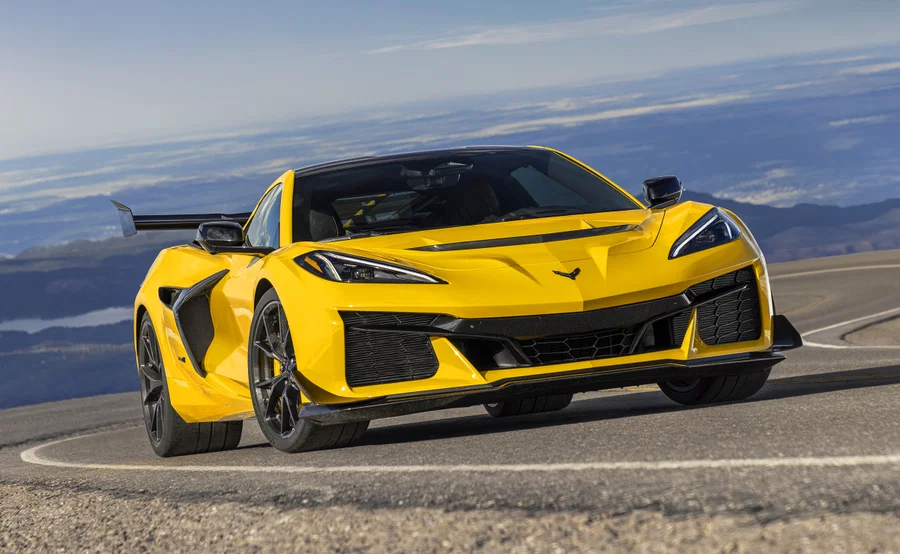
10. Chevrolet Corvette
The Chevrolet Corvette has traditionally delivered sports-car performance at a price far below many European rivals. When the C8 Corvette arrived with a mid-engine layout, interest increased dramatically. The change represented a major transformation for America’s most famous sports car, and demand quickly exceeded the available supply in many markets.
The Corvette’s relatively accessible starting price created an interesting pricing problem. A buyer might see a new Corvette advertised at a reasonable MSRP, only to discover that a particular dealership wanted considerably more for an available example.
Customers seeking immediate delivery were particularly vulnerable because waiting lists and allocation systems could make factory orders difficult.
Certain versions became much more valuable to enthusiasts. The Z06, with its naturally aspirated flat-plane-crank V8 and track-focused engineering, attracted extraordinary attention. The ZR1 pushed the formula further with even greater performance. Special editions and highly specified examples could also command large premiums when demand was strong.
Dealer markups on Corvettes have historically varied substantially. Some dealerships adopted large market adjustments, while others built their reputation around selling at MSRP or using transparent pricing. Buyers who researched dealers before placing an order could potentially save a significant amount of money.
The Corvette therefore earns a place on this list because of the combination of performance, prestige, limited allocation, and relatively strong consumer demand.
ts markup story also highlights an important point. A high MSRP does not necessarily mean a dealer will add a large markup. A dealer markup refers to the extra amount charged above the manufacturer’s suggested retail price.
9. Toyota GR Supra
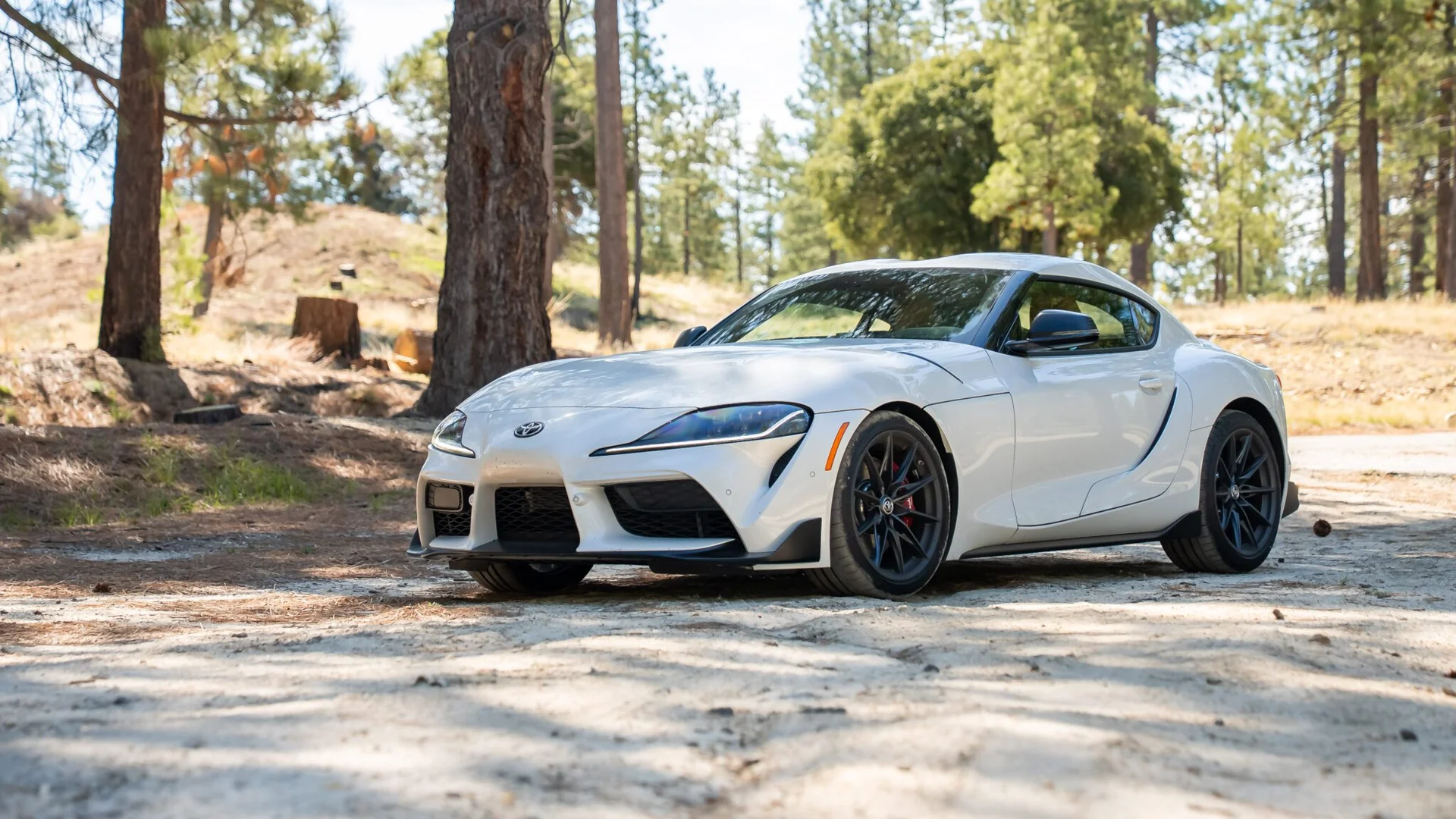
The Toyota GR Supra occupies an unusual position because Toyota does not produce it in enormous numbers, while its reputation among performance enthusiasts remains strong. The modern Supra revived a famous nameplate and created considerable excitement among drivers who wanted a relatively compact rear-wheel-drive sports car.
Demand for certain Supra configurations was particularly strong when inventory was limited. Dealers could take advantage of buyers who wanted a car immediately instead of waiting for a future allocation. The situation became more pronounced when specific trims or special editions were available in small quantities.
The Supra also carries considerable cultural value. The name became famous through motorsport, tuning culture, movies, video games, and previous generations of the car. That history can make a buyer emotionally attached to the idea of owning a Supra, which can influence willingness to pay.
Special versions can produce even greater premiums. Limited-production colors, anniversary models, and enthusiast-focused variants can attract buyers who are willing to pay extra for exclusivity. When supply is measured in small numbers, dealers have more flexibility to test higher prices.
The GR Supra does not normally produce the gigantic premiums associated with rare supercars, which is why it sits ninth. Still, its relatively limited production, enthusiast demand, and strong cultural identity make it a vehicle that can experience meaningful dealer markups under the right market conditions.
8. Chevrolet Camaro ZL1
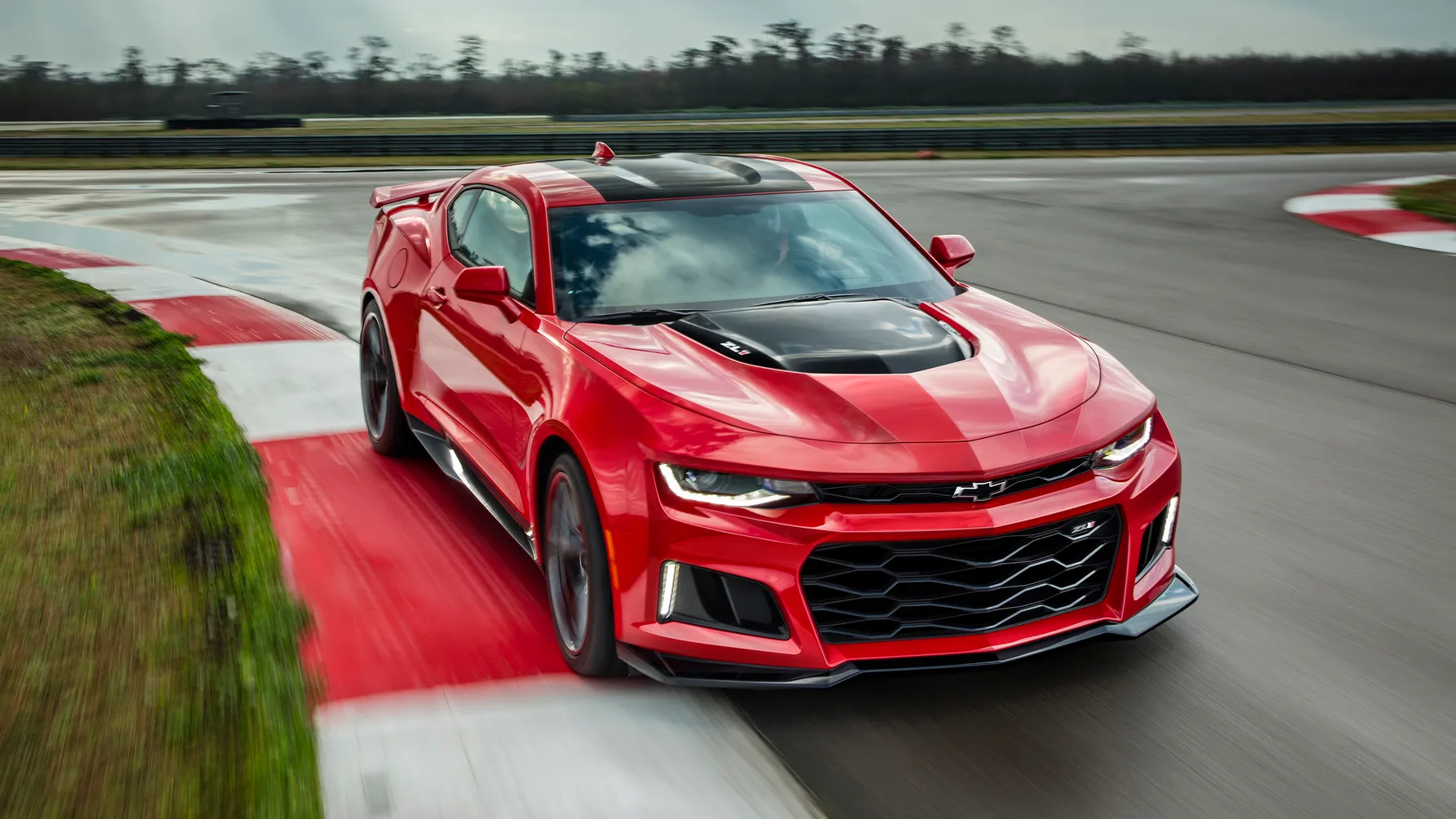
The Chevrolet Camaro ZL1 developed a strong reputation as a high-performance muscle car capable of competing with much more expensive sports cars. Its supercharged V8, aggressive chassis tuning, powerful brakes, and track-focused engineering made it attractive to performance enthusiasts.
Availability played a major role in its pricing. High-performance Camaros were not produced in the same quantities as ordinary family vehicles. A dealership holding a desirable ZL1 could therefore have a product that appealed to a very specific but highly motivated group of buyers.
The end of Camaro production added another layer of interest. Once Chevrolet announced that the sixth-generation Camaro would leave production, enthusiasts began paying greater attention to remaining inventory. The prospect of owning a new example of a discontinued performance model can create additional demand.
Manual-transmission examples could be particularly appealing to traditional performance-car buyers. A rare combination of trim, transmission, color, and options can become much harder to find than a generic version of the same model. Dealers know that customers searching for a very specific configuration may have few alternatives.
The ZL1 ranks eighth because its markups were more dependent on circumstances than those of extremely limited-production supercars. Still, the combination of a large-displacement engine, serious performance capability, limited supply, and the end of production created conditions that could support substantial premiums.
7. Dodge Challenger SRT Demon
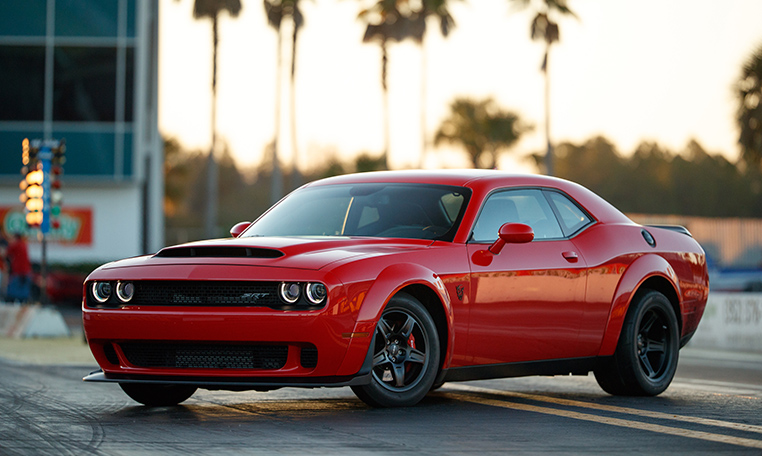
The Dodge Challenger SRT Demon became famous for turning straight-line acceleration into a central part of its identity. With enormous power, specialized drag-racing technology, and an intentionally outrageous personality, the Demon attracted collectors and performance enthusiasts from the moment it was announced.
The original Demon was produced in limited numbers, giving dealers an unusually powerful pricing position. When a vehicle is scarce, and customers know that production is capped, the normal relationship between MSRP and market price can change rapidly.
The later Demon 170 created similar excitement on an even more extreme level. Its staggering performance figures and final-edition positioning made it highly desirable among collectors. Buyers were not simply purchasing a powerful Dodge. They were buying a piece of the final chapter of a famous muscle-car era.
Dealer markups became especially controversial because the difference between MSRP and asking price could be enormous. Some buyers were willing to spend far more than the factory price to secure a car without waiting, searching for an allocation, or competing with other customers.
The Demon ranks seventh because its limited production and extraordinary reputation make it highly susceptible to dealer premiums. Its pricing story also shows how quickly scarcity can change the economics of a new car. When supply is fixed, but enthusiasm remains high, dealers may have significant room to charge more.
6. Ford Mustang Shelby GT500
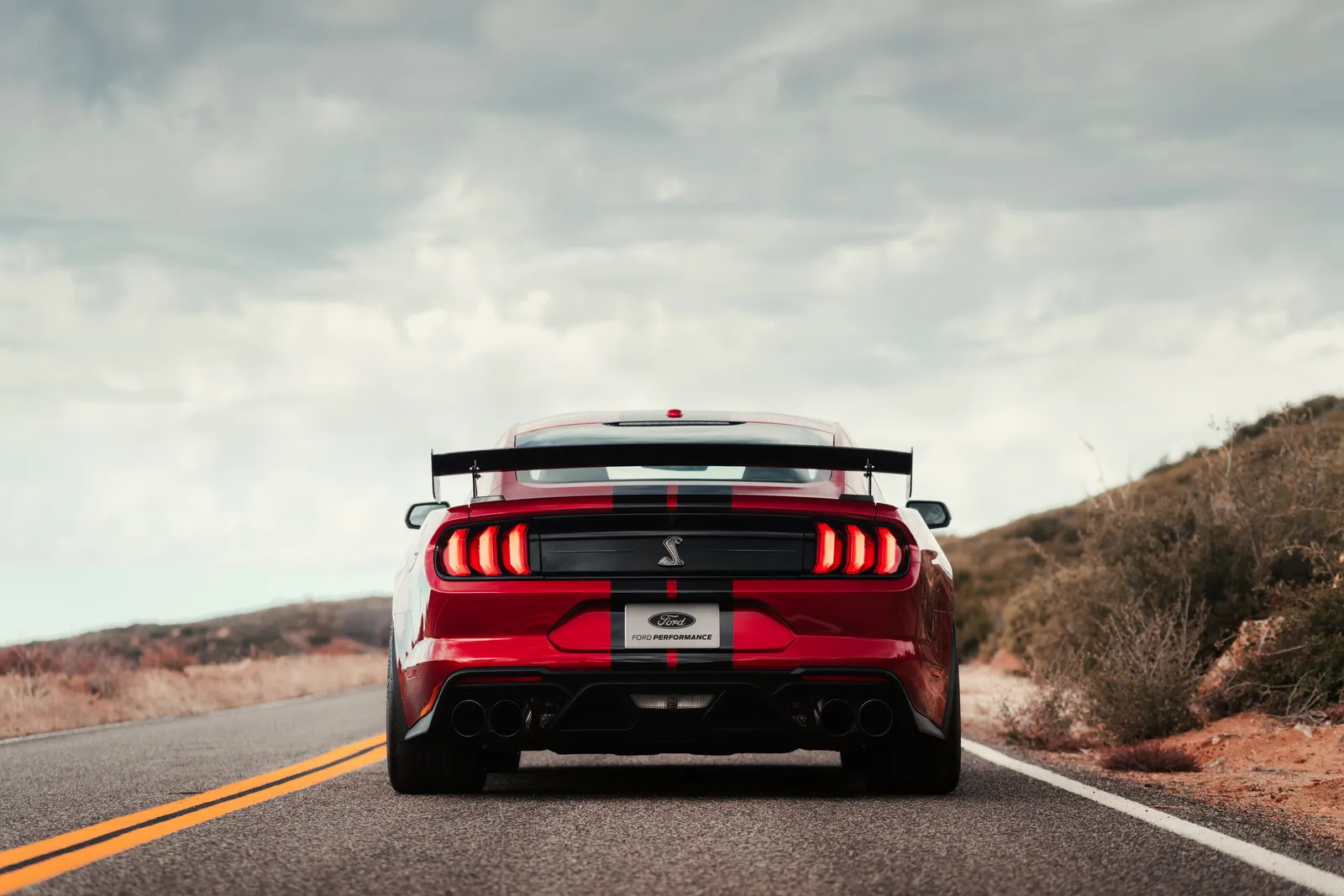
The Ford Mustang Shelby GT500 represented the peak of the traditional supercharged Mustang formula. With a powerful V8, sophisticated chassis technology, large brakes, and serious straight-line performance, it appealed to customers who wanted a muscle car capable of functioning as a genuine high-performance machine.
The GT500 was never an ordinary Mustang. Its performance positioning and relatively limited availability made it much easier for dealers to justify a premium than with a standard Mustang. Buyers looking for a specific combination could find themselves searching across several states for a suitable vehicle.
Dealership markups became particularly visible during periods when new performance cars were difficult to obtain. Customers who had already sold their previous vehicles or wanted an immediate replacement were often willing to pay more rather than remain on a waiting list.
Certain versions could command even greater attention. Special packages designed for track performance increased the car’s appeal among enthusiasts, while distinctive colors and factory options could make particular examples easier for dealers to market as special vehicles.
The GT500 earns sixth place because its combination of horsepower, heritage, scarcity, and demand can create significant pricing power. It also demonstrates why shoppers should separate the vehicle’s factory MSRP from a dealer’s asking price. Paying a market adjustment does not mean Ford increased the MSRP. It means the individual dealership has chosen to charge more.
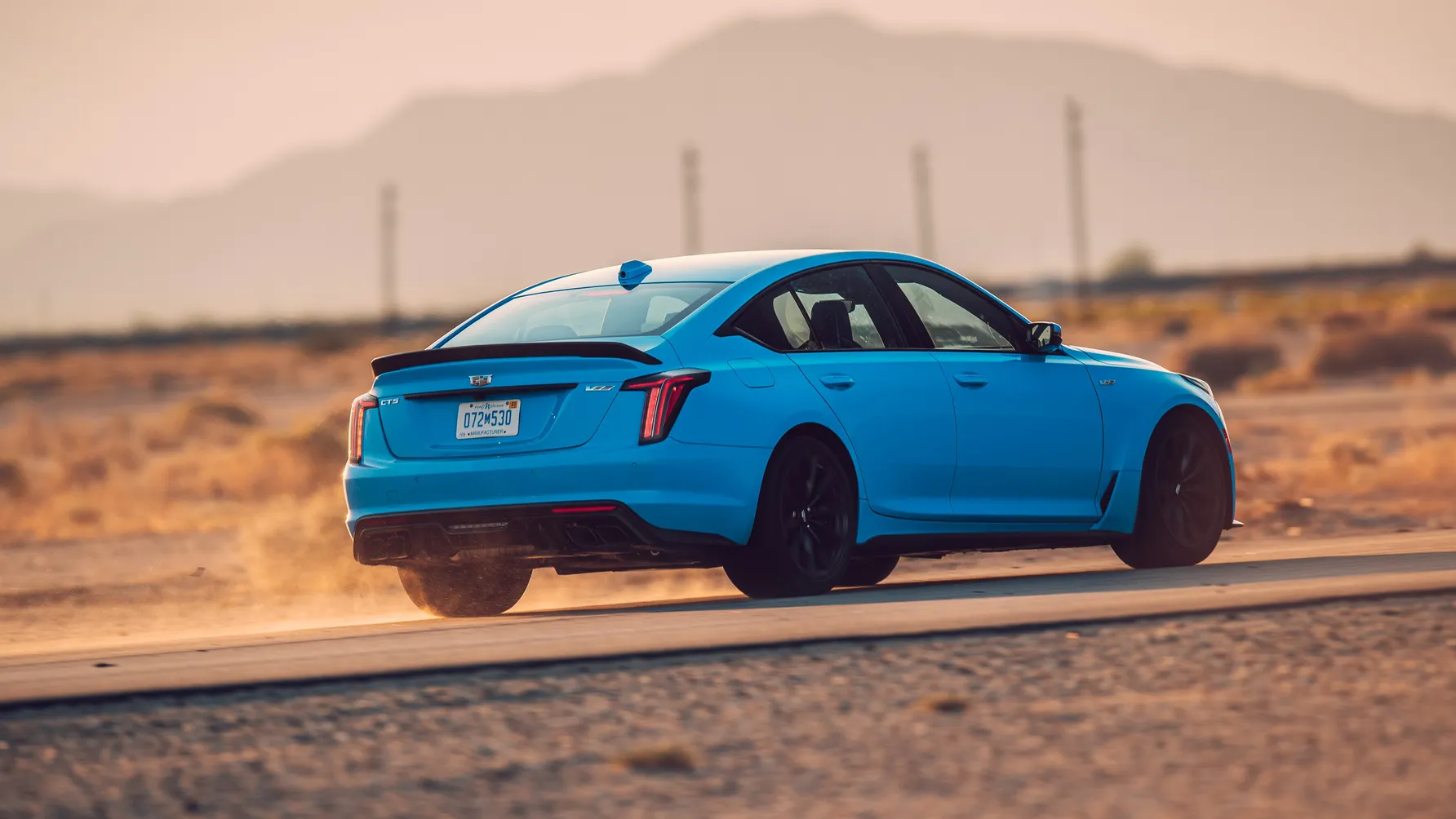
5. Cadillac CT5-V Blackwing
The Cadillac CT5-V Blackwing is a particularly interesting case because it combines luxury-car comfort with traditional American performance. Its supercharged V8 and available manual transmission give it a character that has become increasingly rare in the modern automotive market.
The Blackwing’s limited availability makes it attractive to collectors and enthusiasts who appreciate high-performance sedans. Customers looking for a manual transmission have an even smaller pool of choices, making a well-equipped example particularly desirable.
Dealer markups can become significant when a vehicle has a small production run and a dedicated enthusiast audience. The Blackwing appeals to buyers who may already understand its rarity and technical specifications, which can make them more willing to pay a premium for immediate access.
The model also benefits from timing. High-performance internal-combustion sedans are becoming harder to find as manufacturers shift resources toward electrification, efficiency, and SUVs. That transition can increase interest in cars that represent the final generation of a particular type of performance vehicle.
The CT5-V Blackwing ranks fifth because its scarcity and enthusiast appeal can create substantial premiums. It is not merely about horsepower. The manual gearbox, supercharged engine, luxury interior, and limited production combine to create a product with a very specific audience.
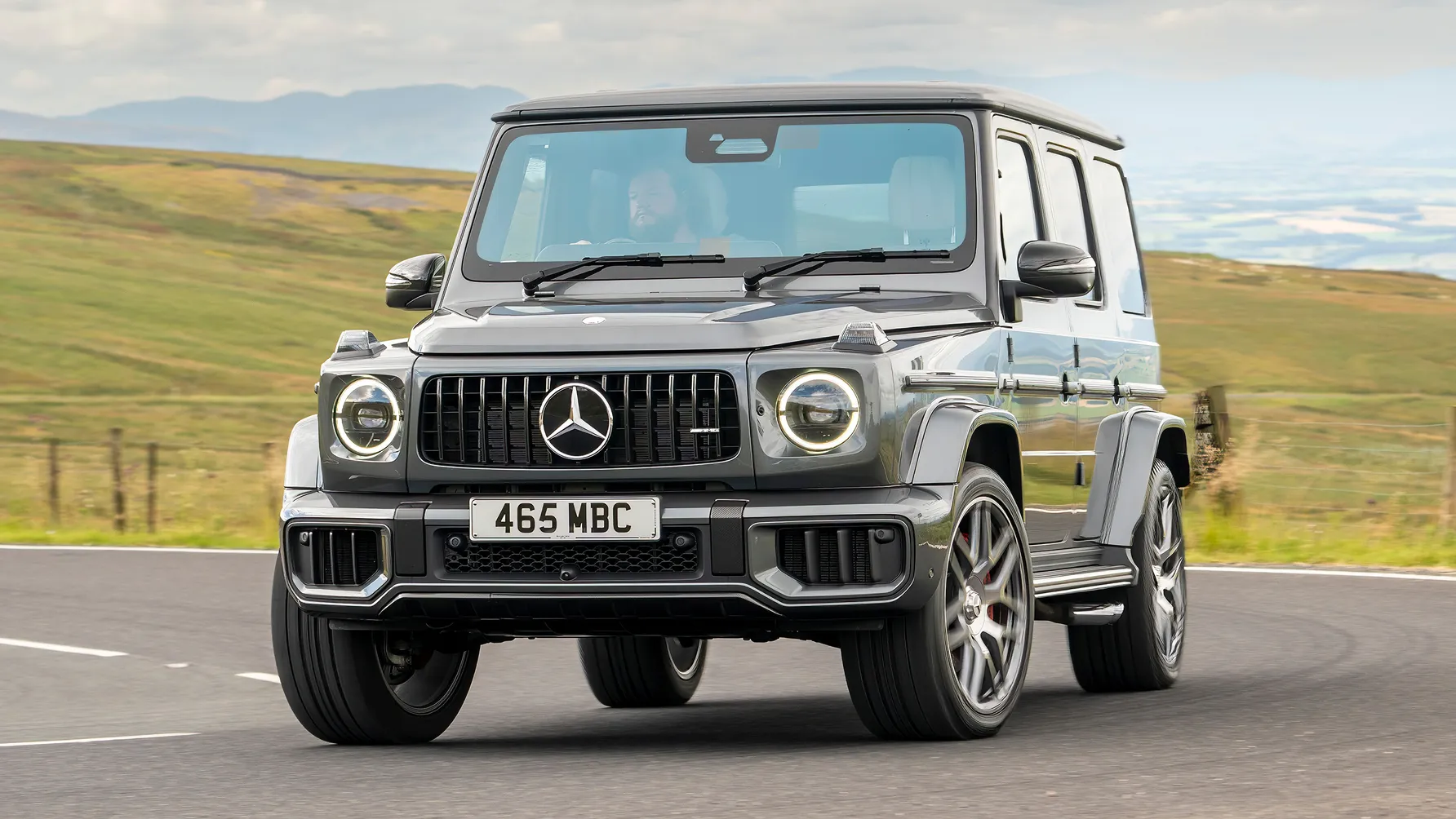
4. Mercedes-AMG G 63
The Mercedes-AMG G 63 is a luxury SUV with a remarkably strong identity. Its boxy design has remained recognizable for decades, while the AMG version combines that iconic shape with serious power, luxury equipment, and high-end branding.
The G 63 can command a premium because customers are often buying more than utility. The vehicle has become a status symbol, a collector-friendly luxury product, and a recognizable design statement. That emotional component can make buyers less sensitive to price.
Production constraints can increase dealer leverage. When a dealership receives a highly desirable G 63 allocation, the salesperson knows that another interested customer may be willing to pay more. This can encourage market adjustments above MSRP.
Options can further complicate pricing. A highly specified G 63 with desirable paint, interior finishes, wheels, and equipment can carry a substantially higher transaction price than a minimally equipped example. Dealers may also market rare specifications toward customers seeking something distinctive.
The G 63 ranks fourth because its pricing power is driven by brand prestige, scarcity, strong demand, and an unusually recognizable design. Buyers should pay close attention to the actual transaction price rather than assuming that every G 63 carries the same premium.
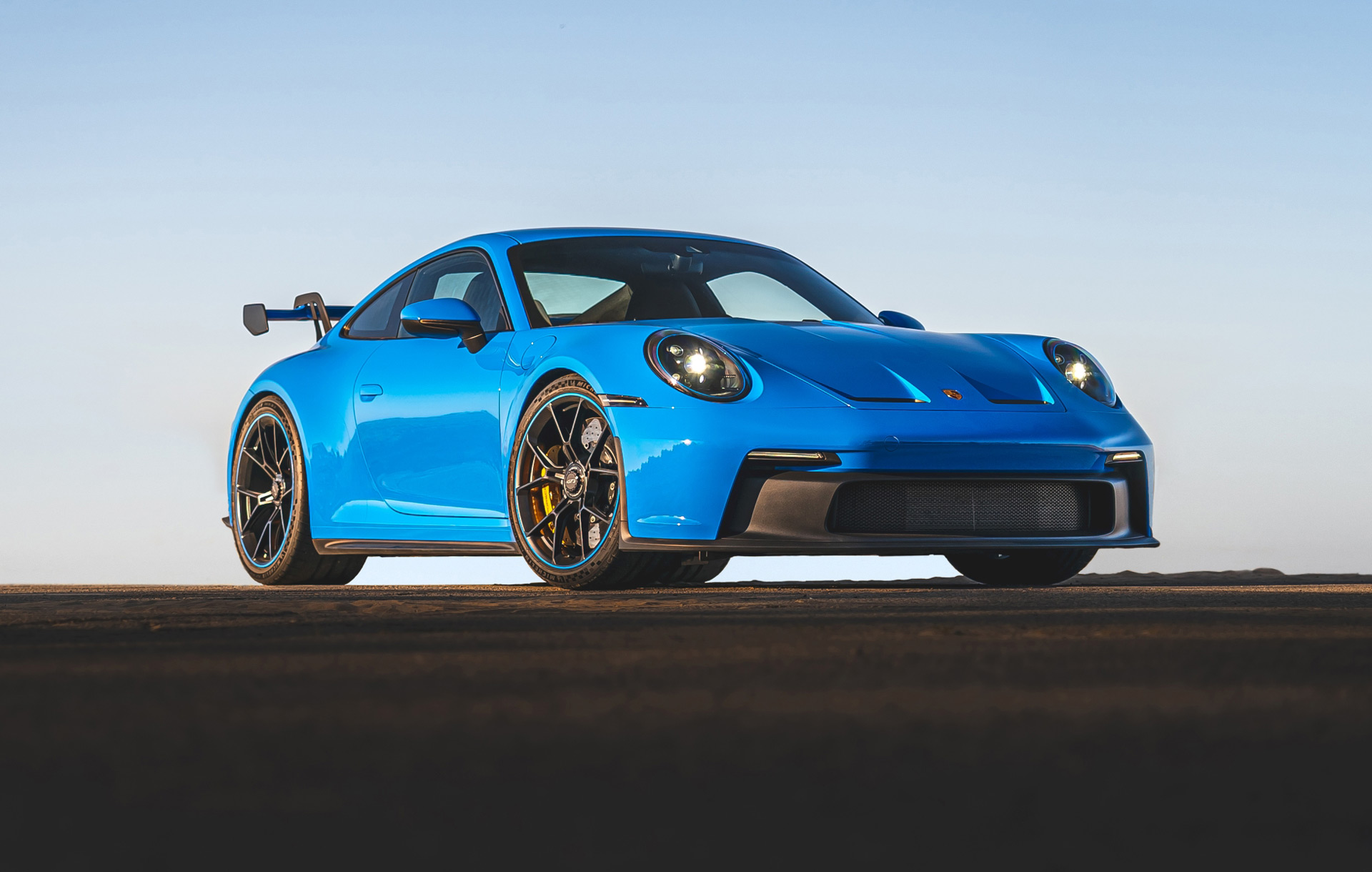
3. Porsche 911 GT3
The Porsche 911 GT3 has become a benchmark for naturally aspirated sports-car performance. Its motorsport-inspired engineering, high-revving engine, precision chassis, and strong reputation among enthusiasts have created extraordinary demand.
Porsche’s allocation system also plays a major role. Customers cannot always walk into a dealership and simply purchase a new GT3 at the factory price. Allocation availability, dealer relationships, previous purchase history, and local demand can influence access to the car.
That scarcity creates conditions where buyers may pay substantially above MSRP. A customer who does not want to wait for an allocation may look at an immediately available car and accept a premium simply to secure it.
The GT3 is also highly desirable on the used market. That matters because strong resale values can make the economics of paying a premium appear more acceptable to some buyers. If a car holds its value unusually well, a buyer may perceive the additional upfront cost as less painful.
The GT3 ranks third because it combines scarcity, motorsport credibility, exceptional driving dynamics, and a dedicated global following. It is a strong example of a car where MSRP can become less relevant when supply is extremely limited.
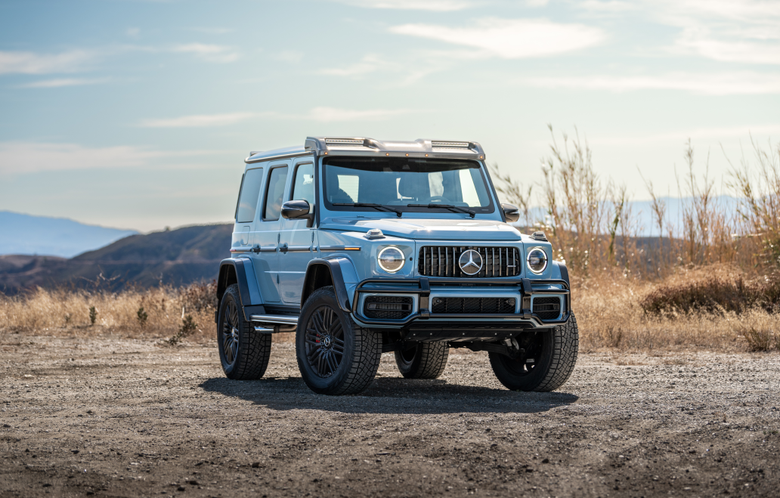
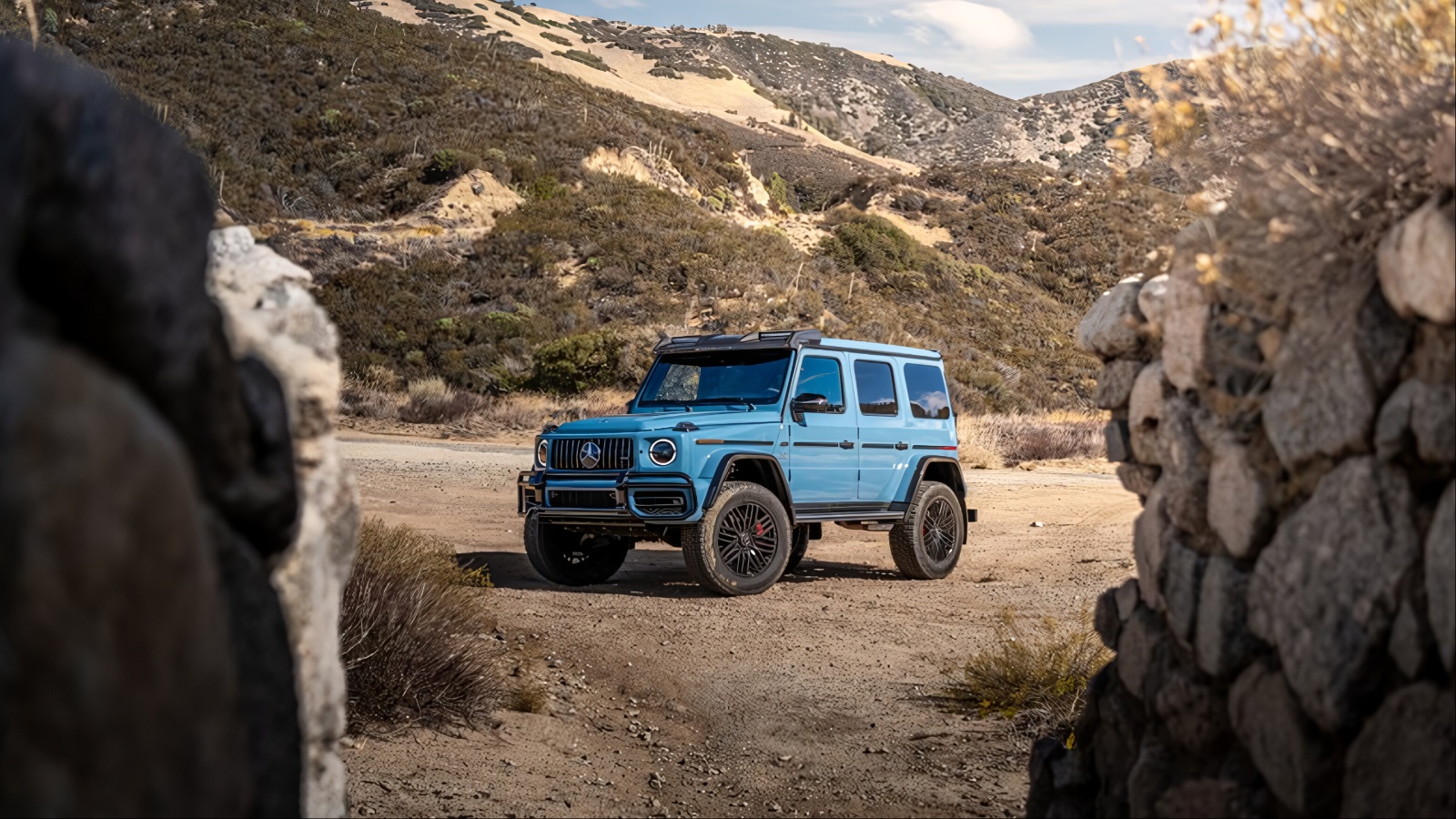
2. Mercedes-AMG G 63 4×4 Squared
The Mercedes-AMG G 63 4×4 Squared takes the already extravagant G-Class formula and pushes it into a much more specialized category. Its elevated stance, portal axles, enormous ground clearance, distinctive appearance, and powerful engine make it immediately recognizable.
Limited production is central to its pricing. A vehicle produced in small quantities can create a situation where demand greatly exceeds available inventory. Dealers with access to such an unusual model can therefore have considerable leverage.
The 4×4 Squared also has a strong visual advantage. It looks dramatically different from ordinary SUVs, which makes it attractive to buyers who want exclusivity that can be recognized immediately. That appeal is difficult to replicate through a conventional aftermarket modification.
Prices can rise dramatically when customers compete for scarce examples. A dealer holding an available vehicle may know that finding a second example could take considerable time. That gives the dealership an incentive to test a higher asking price.
The 4×4 Squared ranks second because it combines extreme design, limited availability, Mercedes-AMG branding, and substantial enthusiast and collector interest.
It is precisely the kind of vehicle where The Ford GT stands at the top of this ranking because it represents an unusually extreme case of scarcity, performance, heritage, and collector demand. Unlike mass-produced Ford models, the GT was built in very limited the gap between MSRP and actual market pricing can become very large.
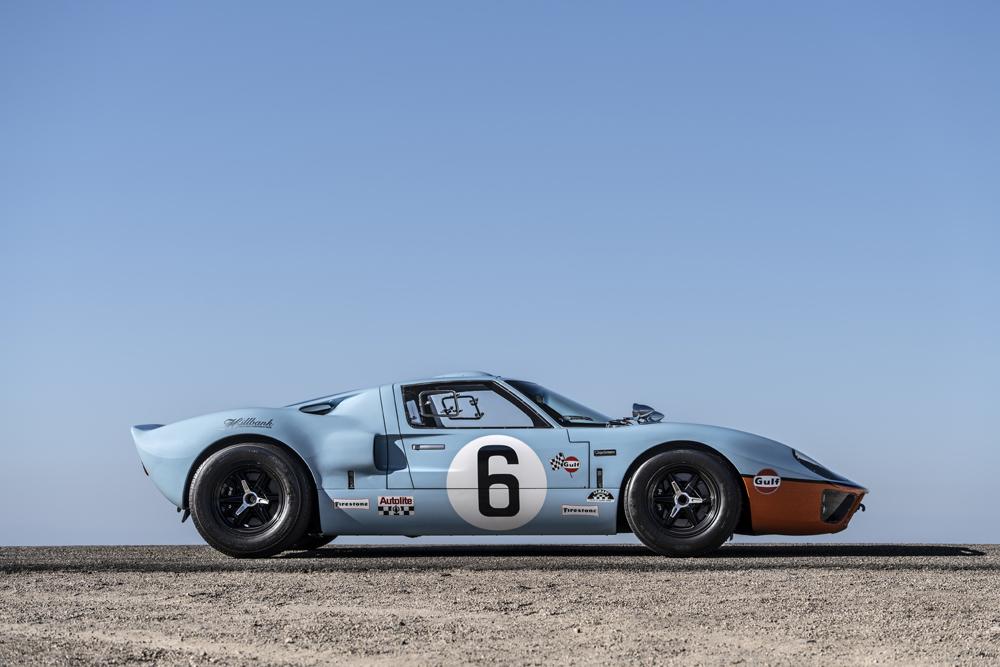
1. Ford GT
The Ford GT stands at the top of this ranking because it represents an unusually extreme case of scarcity, performance, heritage, and collector demand. Unlike mass-produced Ford models, the GT was built in very limited numbers, making each example considerably more exclusive.
The modern Ford GT was inspired by Ford’s racing heritage and its historic success at Le Mans. Its carbon-fiber construction, twin-turbocharged V6, advanced aerodynamics, and exotic design placed it firmly in supercar territory.
Ford’s original allocation process also made obtaining a GT far different from purchasing an ordinary new vehicle. Buyers were selected through a highly controlled process, and ownership restrictions were associated with the car. That exclusivity contributed to its exceptional market position.
Dealer markups and secondary-market prices could move dramatically beyond the original MSRP. With such limited production and enormous collector interest, the factory price represented only part of the vehicle’s economic story. Cars that changed hands later could trade for much more, depending on specification, mileage, history, and market conditions.
The Ford GT takes the number-one position because few modern American cars combine such restricted production, racing heritage, exotic engineering, and collector demand.
