
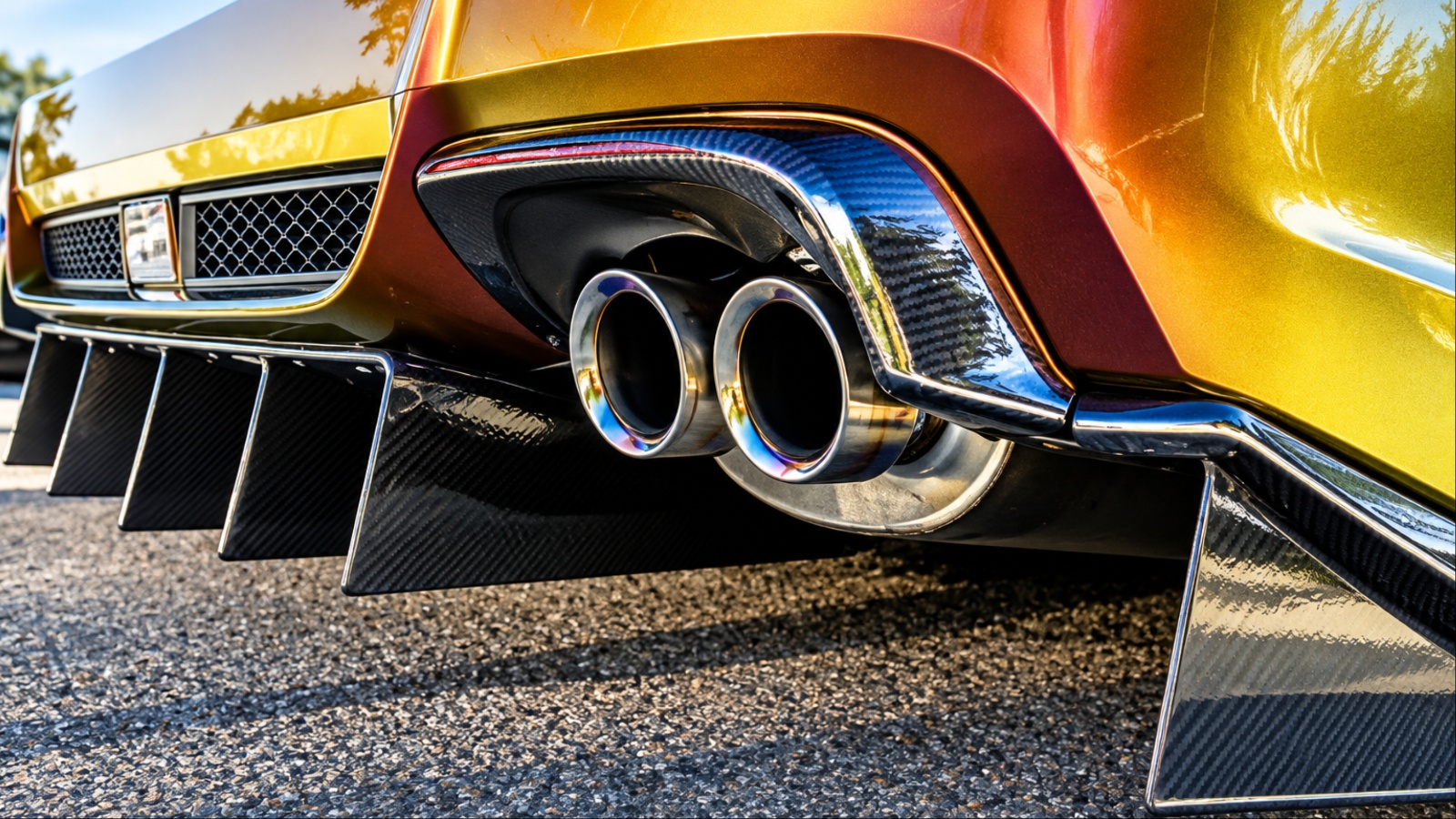
Hybrid cars are known for combining fuel efficiency, smooth performance, and lower emissions with dependable daily transportation. Many hybrid vehicles can cover well over 150,000 miles when properly maintained, but age and mileage eventually affect components that are less noticeable during routine servicing.
Some parts can remain trouble-free for years before showing symptoms at high mileage. Understanding these potential failures can help owners plan repairs, recognize warning signs, and avoid expensive breakdowns.
From battery cooling systems and inverter components to suspension parts and engine seals, high-mileage hybrids have several areas that deserve careful attention as the vehicle gets older.
1. Hybrid Battery Pack
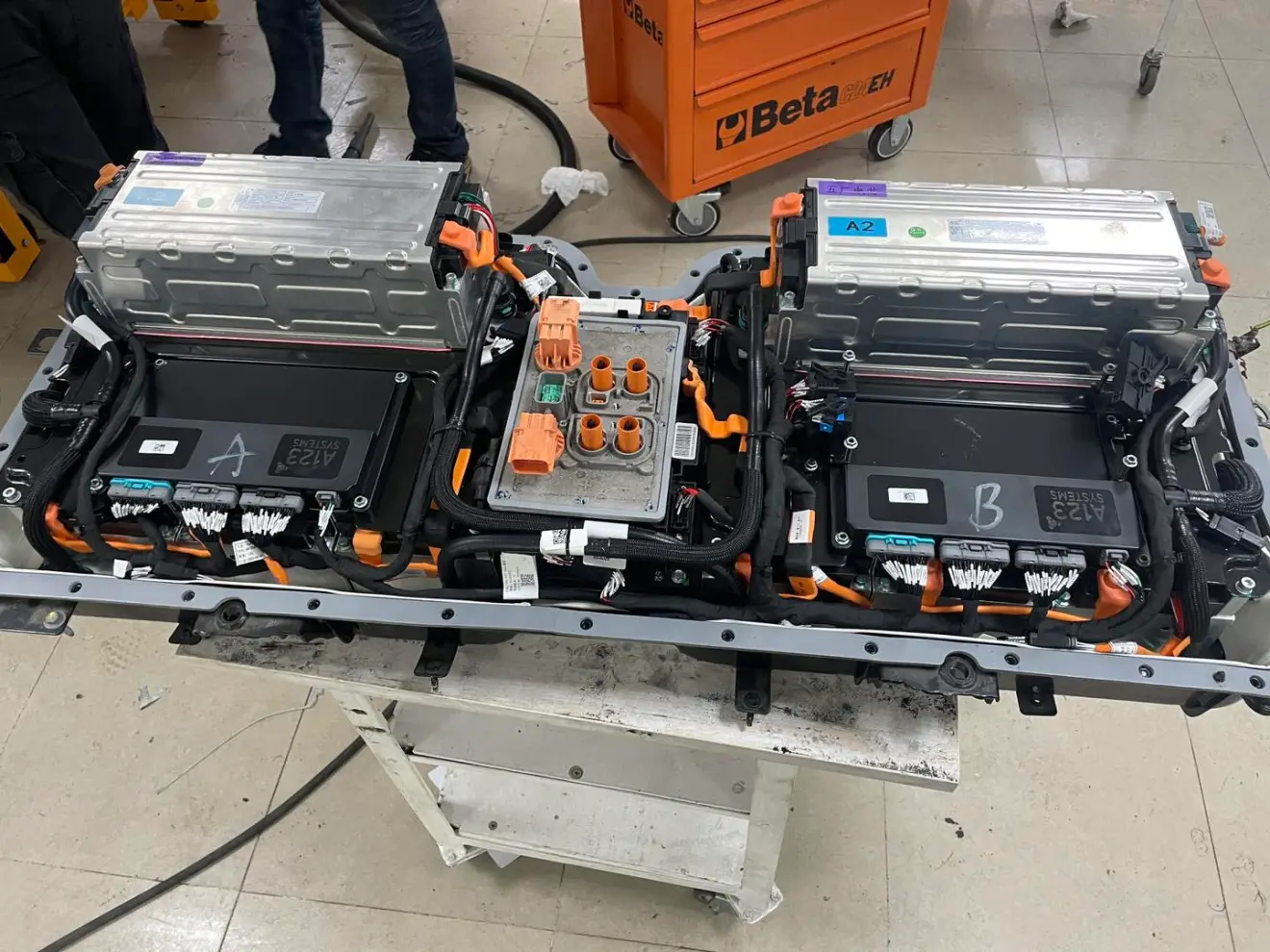
The hybrid battery pack is usually the first component people think about when discussing high-mileage hybrid repairs. Modern hybrid batteries are designed to withstand repeated charging and discharging cycles, and many last for well over 100,000 miles.
Their lifespan depends on battery chemistry, climate, driving habits, cooling performance, and the design of the particular vehicle. A battery that works perfectly at 80,000 miles can gradually lose capacity as it approaches much higher mileage.
Battery degradation normally happens gradually rather than through an instant failure. As individual cells age, their ability to hold and deliver energy can become less consistent.
The hybrid control system monitors voltage and performance across the battery pack and can detect differences between cell groups. When those differences become significant, the vehicle may display a warning light, reduce electric assistance, or limit hybrid operation. Fuel economy can also decline before a serious fault becomes obvious.
Heat has a major effect on battery longevity. Hybrids use cooling systems to keep battery temperatures within a suitable range, but constant exposure to high temperatures can accelerate aging.
A blocked battery air intake, dirty filter, restricted ventilation path, or failed cooling fan can allow temperatures to rise. Owners who regularly drive in very hot conditions should pay attention to battery cooling maintenance, particularly when the vehicle has accumulated substantial mileage.
A failing battery can produce several different symptoms. The engine may run more frequently, fuel consumption can increase, the battery charge indicator may move rapidly between levels, and acceleration assistance can feel weaker.
Some vehicles may also enter a reduced-power operating mode. Diagnostic equipment can provide more useful information than the dashboard display because technicians can examine individual battery block voltages, temperature readings, and other hybrid system data.
Replacement cost varies greatly according to the vehicle, battery design, labor rates, and whether a new, remanufactured, or used battery is installed. A high-mileage owner should not automatically assume that every hybrid warning means the entire battery needs replacement.
Cooling problems, wiring faults, sensor issues, and electrical connections can sometimes create similar symptoms. Proper diagnosis is important before approving an expensive battery repair.
2. Inverter and Power Electronics
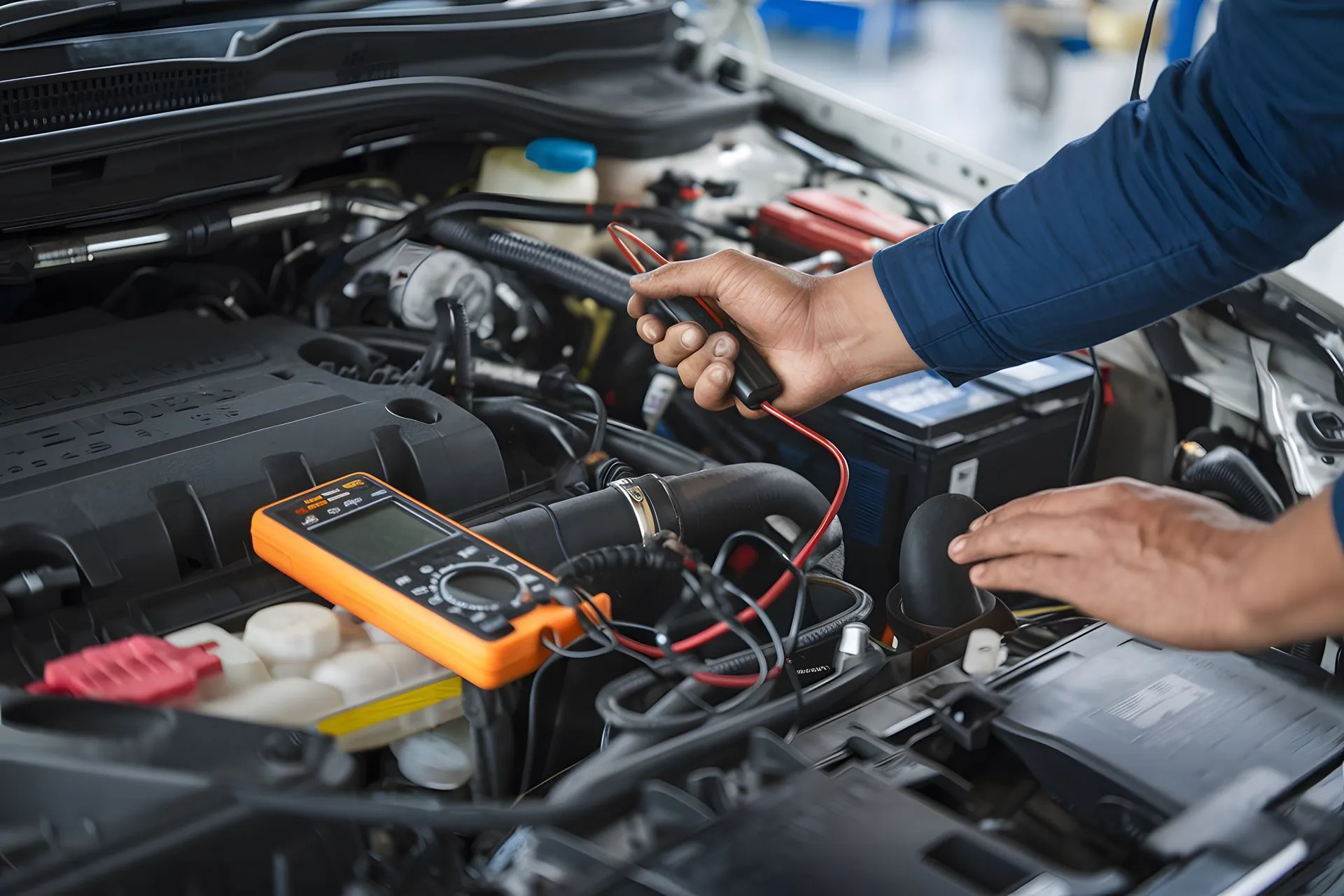
The inverter is a critical part of a hybrid drivetrain because it manages electrical energy between the battery, electric motor-generators, and other high-voltage components.
It converts electrical current into forms required by different parts of the system and helps control motor operation. Since it handles significant electrical loads and generates heat, the inverter can become a concern as a hybrid vehicle accumulates very high mileage.
Many hybrid vehicles use a dedicated cooling circuit for the inverter and related power electronics. Coolant flow helps control temperatures during acceleration, regeneration, and extended driving.
A weak pump, restricted passage, low coolant level, or neglected cooling system can increase operating temperatures. Heat stress can eventually affect electronic components, power transistors, circuit boards, and electrical connections.
Inverter problems may appear through warning lights, reduced acceleration, unusual hybrid system behavior, or an inability to operate normally under electric power. Some vehicles may continue driving using the gasoline engine while limiting hybrid functions.
The exact symptoms vary by manufacturer and system design. Because hybrid electronics operate at high voltage, diagnosis and repair should be performed by a technician trained to work with high-voltage vehicle systems.
Cooling pump failure can sometimes occur before the inverter itself suffers permanent damage. That makes cooling system inspection particularly valuable on older hybrids. A technician can check coolant circulation, inspect relevant components, and review diagnostic codes. Catching a cooling problem early may prevent secondary damage to expensive electronics.
Inverter replacement can be costly because the component is complex and specialized.
Some manufacturers have issued service campaigns, extended warranties, or technical service information for specific hybrid systems, so owners should check the vehicle’s service history and manufacturer support before paying for major repairs. A high-mileage hybrid deserves careful electrical diagnosis rather than parts replacement based solely on a warning light.
3. Battery Cooling Fan
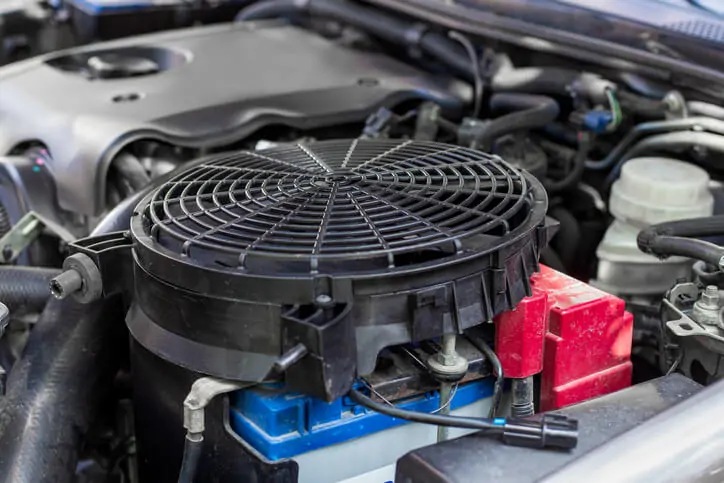
The battery cooling fan receives far less attention than the battery pack itself, yet it plays an important role in battery longevity. The fan moves air through the battery compartment to control temperature during normal hybrid operation. Dust, hair, lint, and other debris can gradually collect around the intake and fan assembly, reducing airflow as the vehicle becomes older.
A restricted cooling system forces the battery to operate at higher temperatures. The battery management system may respond by reducing charging or electric assistance to protect the cells.
Drivers can notice weaker hybrid performance or reduced fuel economy during hot weather. In severe cases, repeated overheating can accelerate battery degradation and contribute to premature battery problems.
Passenger compartment conditions can affect the cooling fan because many systems draw air from inside the vehicle. Pets, smoking, dusty environments, and poor interior cleanliness can increase contamination.
Some vehicles have removable filters or accessible intake grilles that require periodic cleaning. Others have more complex fan assemblies that need professional inspection.
A noisy fan can provide an early warning. Owners may hear a whirring, rattling, or unusually loud airflow sound from the rear seating area or another location near the battery. A fan that struggles to operate can also trigger a diagnostic code. Ignoring these signs may allow temperatures to rise repeatedly during normal driving.
Maintenance requirements differ by vehicle, so the correct procedure should be based on the manufacturer’s service information. Cleaning an accessible intake may be simple, but reaching internal components can require disassembly.
High-mileage hybrid owners should treat battery cooling as part of routine vehicle care because keeping temperatures controlled can help protect a much more expensive battery pack.
4. Engine Water Pump
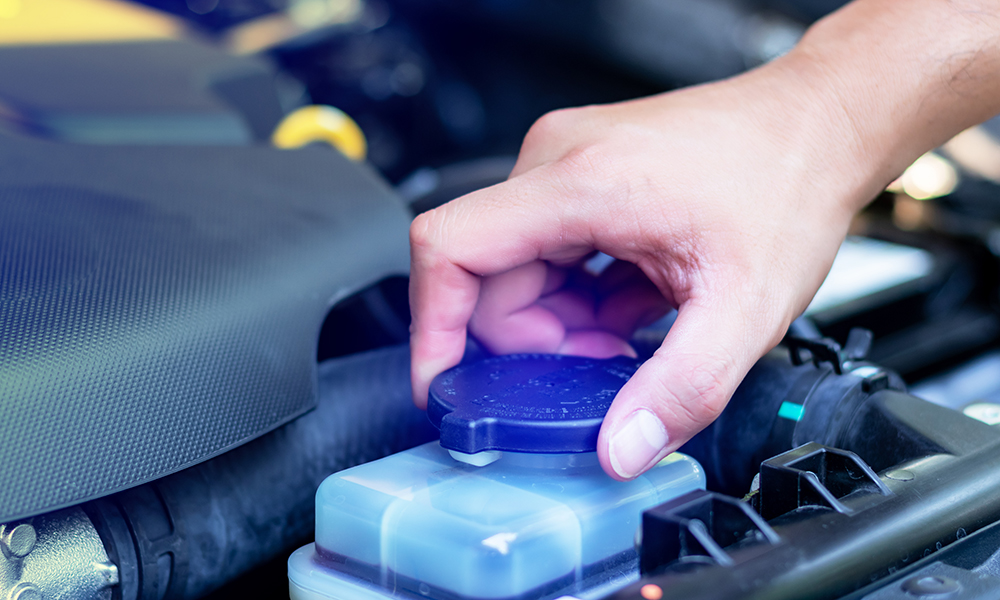
Hybrid powertrains still contain gasoline engines, and those engines rely on cooling systems just like conventional vehicles. Depending on the design, a hybrid may use electrically driven coolant pumps rather than traditional belt-driven pumps.
These pumps can operate independently of engine speed, allowing the hybrid control system to manage engine temperature more precisely.
At high mileage, an electric water pump can develop worn bearings, electrical faults, or reduced pumping performance. A failing pump may cause coolant temperatures to rise, trigger warning messages, or create unusual noises. Some failures are gradual, giving drivers time to notice changes before the engine experiences severe overheating.
Hybrid operating patterns can also make cooling behavior less familiar to drivers accustomed to conventional vehicles. The gasoline engine may shut off frequently and restart repeatedly, while coolant circulation can continue according to the control system’s requirements. This means a problem may not always present itself through the same symptoms seen in a conventional car.
Ignoring a cooling system problem can create much larger repair bills. Engine overheating can damage gaskets, cylinder heads, seals, and other components. Some hybrid engines are particularly sensitive to repeated overheating because their cooling systems are integrated with sophisticated emission and efficiency controls.
Regular coolant inspections and attention to temperature-related warning signs are valuable as mileage increases. If coolant levels repeatedly fall, the vehicle should be inspected for leaks rather than simply topped up.
A high-mileage hybrid with unexplained temperature changes deserves prompt diagnosis because a relatively small pump or cooling problem can eventually become an engine repair.
5. Brake Actuator and Regenerative Braking Components
Hybrid braking systems combine conventional friction brakes with regenerative braking. During deceleration, the electric motor can operate as a generator and recover some kinetic energy, sending electrical energy back to the battery.
This reduces reliance on friction brakes, which can help brake pads and rotors last longer than expected in certain driving conditions.
The reduced use of friction brakes does not mean the entire braking system remains maintenance-free. Brake actuators, pumps, valves, sensors, and electronic control components can age with time and mileage.
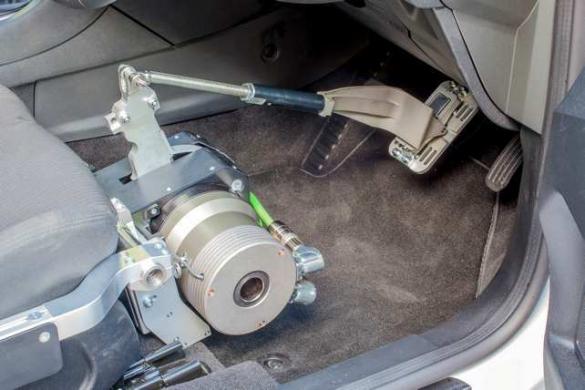
A brake actuator is responsible for controlling hydraulic pressure and coordinating braking behavior. A failure can trigger warning lights and alter pedal feel or braking performance.
Some high-mileage hybrid owners notice changes in brake operation before a major failure occurs. The brake pedal may feel different, the system can make unusual pump noises, or warning lights may appear. Certain vehicles may display multiple brake-related messages simultaneously because several systems communicate electronically.
Brake fluid also deserves attention. Fluid absorbs moisture over time, which can contribute to corrosion and reduce braking system performance. Following the manufacturer’s maintenance recommendations is especially important on hybrids because the braking system contains electronic and hydraulic components that work together.
Any warning involving the braking system should receive immediate attention. A hybrid may continue operating when an electrical or regenerative component has a problem, but safe braking cannot be treated as an optional feature.
High-mileage owners should have unusual brake noises, warning messages, pedal changes, and repeated pump activity diagnosed promptly.
6. Suspension Bushings and Control Arms
Hybrid vehicles carry additional equipment compared with many conventional gasoline cars, including a high-voltage battery and electric drive components.
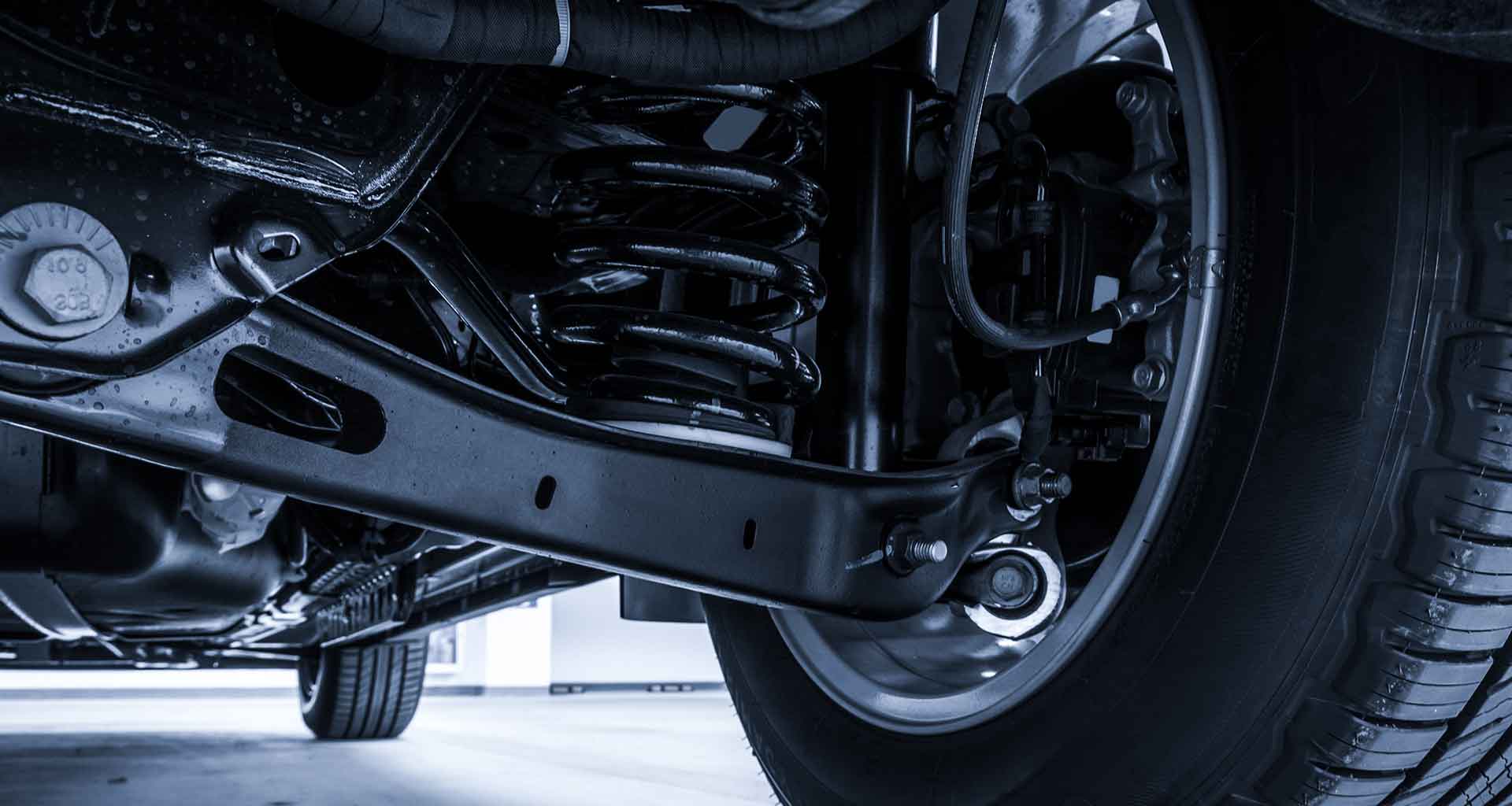
Suspension systems must support this weight while handling years of potholes, speed bumps, uneven roads, and changing road conditions. At high mileage, rubber bushings can harden, crack, or separate from their mounting points.
Control arm bushings are particularly important because they allow controlled suspension movement while reducing vibration and noise.
When they deteriorate, the vehicle can develop clunks, steering changes, uneven tire wear, or a less stable feeling over rough roads. These symptoms can sometimes be mistaken for alignment problems or worn tires.
Ball joints and other suspension joints can also develop play with age. Excessive movement can affect steering precision and tire contact with the road. A vehicle may still feel reasonably normal during gentle city driving while becoming noticeably less stable at highway speeds or during emergency maneuvers.
Road quality has a strong influence on suspension life. Vehicles regularly driven over rough surfaces can experience faster wear than cars used primarily on smooth roads. High mileage adds repeated movement to every joint and bushing, so inspection becomes increasingly important as the odometer climbs.
Suspension repairs are usually less expensive than major hybrid electrical repairs, but several worn components can add up quickly. Replacing only a visibly damaged part may not solve the problem if neighboring components have similar wear. A complete suspension inspection can help owners prioritize repairs based on safety, handling, tire wear, and budget.
7. Wheel Bearings
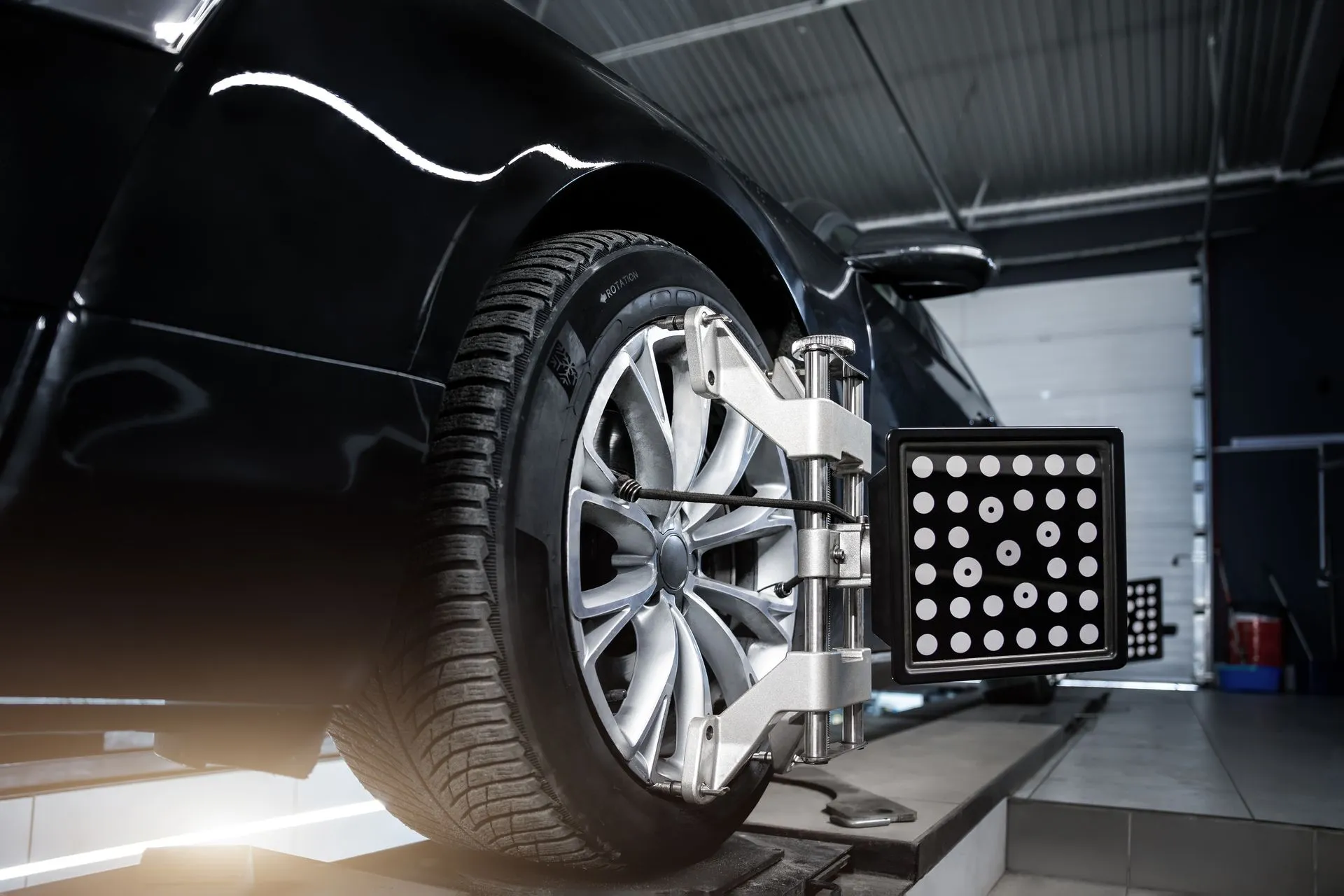
Wheel bearings allow the wheels to rotate smoothly while supporting the weight of the vehicle. They experience continuous loads from acceleration, braking, cornering, road impacts, and vehicle weight. At very high mileage, bearing wear can become more common, even when the vehicle has otherwise received excellent maintenance.
A worn wheel bearing often produces a humming, growling, or rumbling sound that changes with vehicle speed. The noise may become louder during a turn as the load shifts from one side of the vehicle to another.
Unlike engine noises, bearing sounds generally follow road speed rather than engine RPM.
Hybrid vehicles can make diagnosis slightly more complicated because their electric motors operate quietly. A conventional gasoline vehicle may have engine or exhaust noise that masks a developing wheel bearing sound. In a quieter hybrid cabin, a bearing problem can become more noticeable once the vehicle reaches highway speeds.
Wheel bearing wear should not be ignored. Severe deterioration can affect wheel movement and, in extreme situations, compromise vehicle control. Modern vehicles may also integrate wheel speed sensors with wheel hub assemblies, meaning a damaged bearing or hub can sometimes create an anti-lock braking or stability-control warning.
A technician can confirm bearing condition through inspection, road testing, and appropriate diagnostic procedures. Replacing a defective bearing can restore quiet operation and maintain proper wheel control. If a high-mileage hybrid develops a speed-related humming sound, wheel bearings should be considered along with tires, alignment, and drivetrain components.
8. Engine and Transmission Mounts
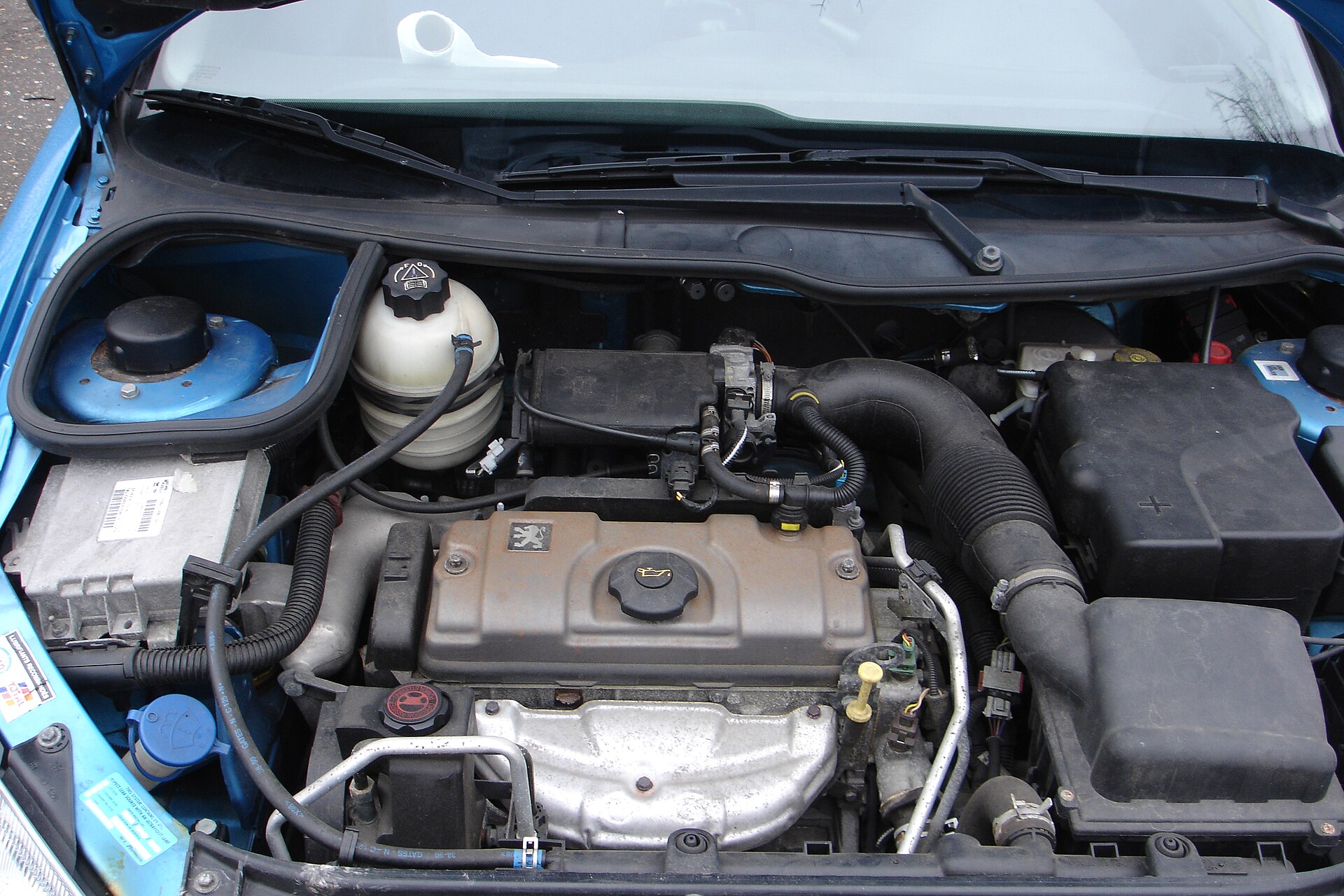
Hybrid powertrains experience frequent transitions between electric operation and gasoline engine operation. The gasoline engine can start and stop many times during ordinary driving, creating repeated changes in vibration and torque.
Engine and transmission mounts are designed to absorb these movements, but their rubber or fluid-filled components can deteriorate over time.
Worn mounts may cause excessive vibration when the engine starts, stops, or changes load. Drivers may feel a noticeable shudder through the steering wheel, seat, floor, or pedals. A clunk during acceleration or deceleration can also point toward a deteriorated mount, though suspension and drivetrain components can produce similar noises.
High mileage increases the number of engine cycles and physical movements experienced by the mounts. Age matters too. Rubber can become harder and less flexible as it gets older, even if the vehicle has accumulated relatively few miles. A hybrid that is many years old may therefore require mount inspection even when the mileage is moderate.
Ignoring damaged mounts can allow excessive movement to affect nearby components. Hoses, wiring, exhaust parts, brackets, and other connections can experience additional stress when the powertrain moves farther than intended. A small vibration problem can therefore develop into several separate noises or mechanical issues.
Mount replacement generally costs less than major hybrid drivetrain repairs, but the correct diagnosis matters. Replacing a mount will not fix a problem caused by an engine misfire, damaged axle, worn suspension part, or other source of vibration.
High-mileage hybrid owners should pay attention to changes that occur specifically during engine start and stop events.
9. Air Conditioning Compressor
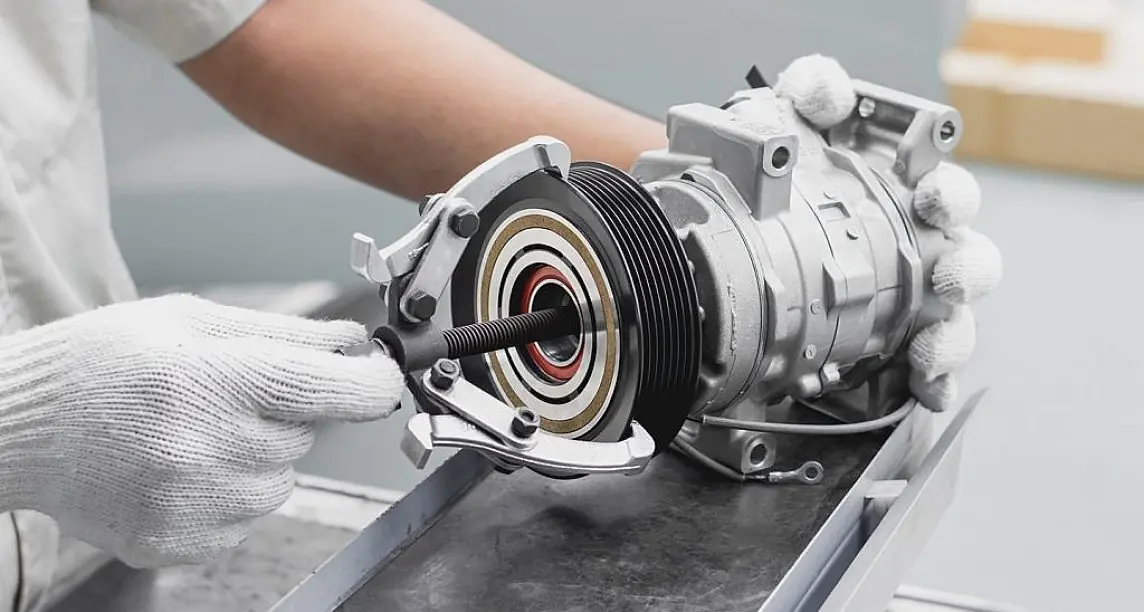
Hybrid air conditioning systems can use electrically driven compressors rather than compressors powered directly by an engine belt. This allows the air conditioner to continue operating even when the gasoline engine shuts off.
The arrangement improves comfort and efficiency, but it also introduces specialized high-voltage electrical components.
The electric compressor can experience wear, electrical faults, refrigerant problems, or internal mechanical damage as the vehicle ages.
Because it can operate independently of engine speed, symptoms may appear differently from those in a conventional vehicle. Weak cooling, unusual compressor sounds, warning messages, or system shutdowns can indicate a problem.
Refrigerant level is also important. A system with low refrigerant may provide poor cooling and cause the compressor to operate under unfavorable conditions. Leaks should be located and repaired rather than repeatedly adding refrigerant. Using the correct refrigerant and service equipment is particularly important for hybrid systems.
High-voltage air conditioning components require appropriate safety procedures. A conventional air conditioning shop may not have the training or equipment required for every hybrid system.
Technicians need to understand the electrical architecture and manufacturer’s procedures before working on the compressor or related wiring.
Air conditioning maintenance can therefore become more significant as a hybrid reaches high mileage. A compressor problem can be expensive, but early diagnosis of refrigerant leaks, electrical faults, and cooling performance issues can prevent unnecessary component replacement. Owners should investigate weak cooling promptly, especially before hot-weather driving.
10. Exhaust and Emissions Components
Hybrid vehicles may place less operating time on their gasoline engines because electric motors can handle some acceleration and low-speed driving. This can reduce engine workload, but it does not eliminate emissions-system wear.
Catalytic converters, oxygen sensors, exhaust valves, exhaust pipes, and related components can still age as the vehicle accumulates mileage.
Short trips can create additional challenges for gasoline engines. If the engine frequently starts and shuts down before reaching full operating temperature, moisture and combustion byproducts can accumulate under certain conditions. Hybrid control systems are designed to manage engine operation, but driving patterns still influence maintenance needs.
Oxygen sensors can become less responsive with age. These sensors help the engine computer manage air-fuel mixture and monitor emissions performance.
A degraded sensor may trigger a check engine light, affect fuel economy, or contribute to emissions-related diagnostic codes. Catalytic converters can also deteriorate after years of exposure to high exhaust temperatures and contaminants.
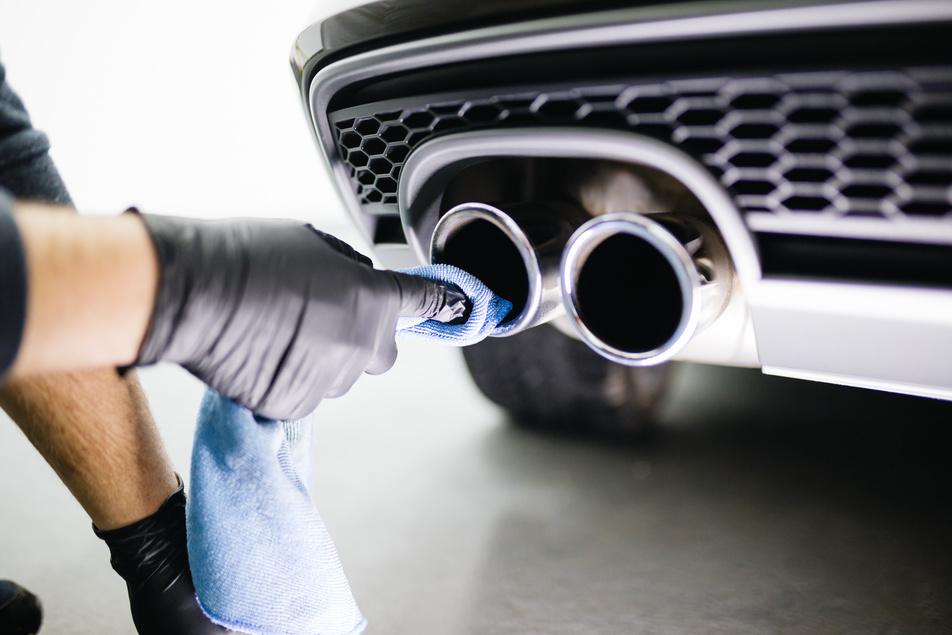
Exhaust leaks are another concern for older vehicles. Corrosion can affect pipes, joints, mufflers, heat shields, and mounting points. A leak may produce a louder exhaust note, rattling sound, or unusual smell. Any suspected exhaust leak should be inspected because exhaust gases can contain harmful substances.
High-mileage hybrid owners should not assume that low fuel consumption means the emissions system requires little attention. A properly maintained gasoline engine remains important to the vehicle’s operation.
Addressing warning lights, rough engine behavior, unusual smells, and declining fuel economy can help prevent minor emissions problems from becoming larger repairs.
