
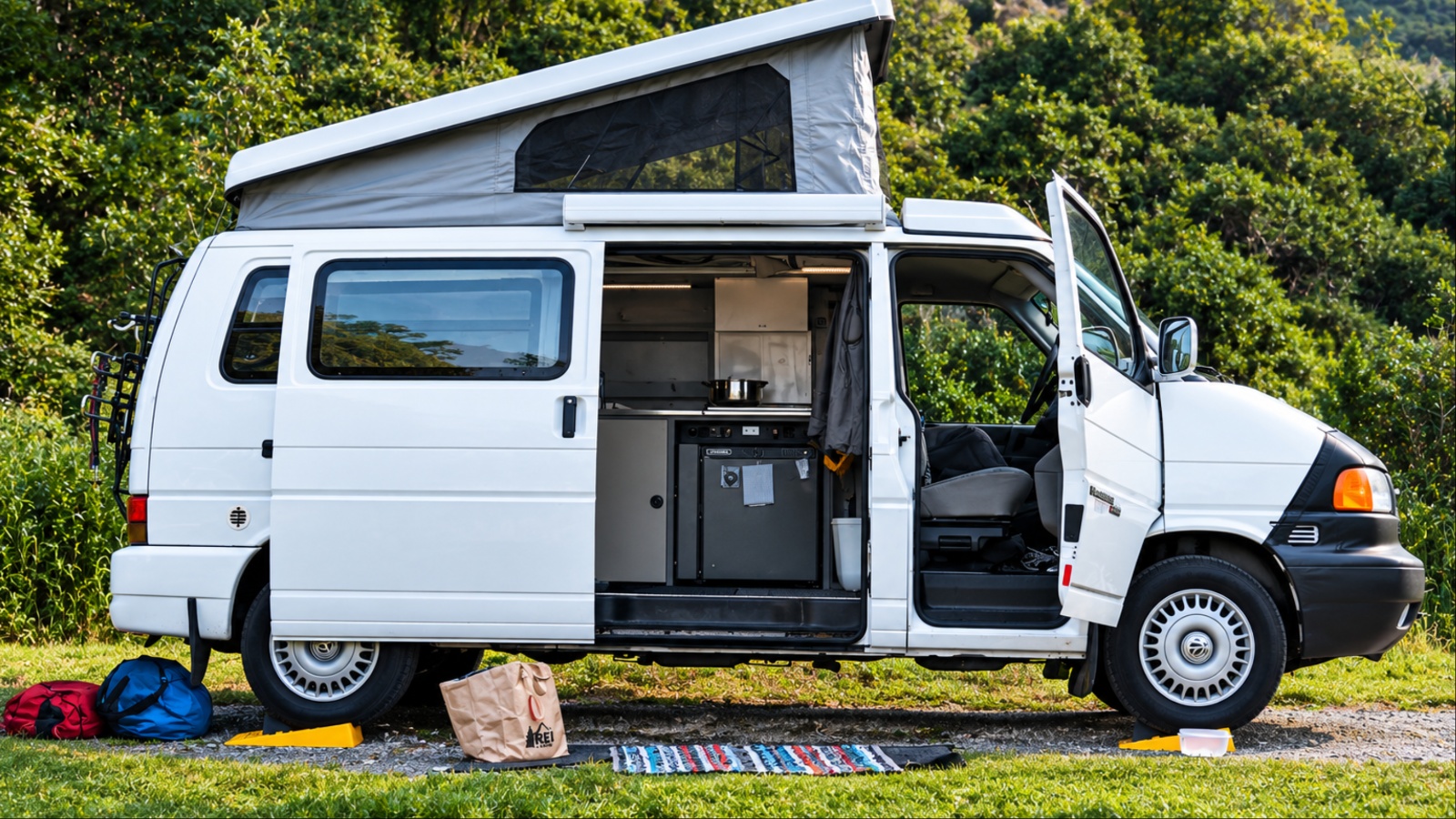
Converting a van for camping can cost anywhere from a few thousand dollars to well over $50,000, depending on the vehicle, materials, layout, equipment, and amount of professional work involved. A simple weekend camper may need little more than a bed, storage, basic lighting, and a portable cooking setup.
A full-time campervan with insulation, electrical power, plumbing, heating, ventilation, and a custom interior requires a much larger budget. Understanding where the money goes makes it easier to plan a practical build without wasting cash. This guide breaks down the major expenses involved in converting a van for camping and explains how to control costs.
How Much Does a Van Conversion Cost?
The total cost of a camper van conversion varies considerably because there is no single standard specification. A basic DIY conversion can sometimes be completed for around $3,000 to $7,000 if you already own a suitable van and use affordable materials.
A more comfortable DIY build with electrical systems, insulation, cabinetry, a kitchen, and better sleeping arrangements can reach $10,000 to $20,000.
Professional conversions commonly begin around $20,000 and can rise beyond $50,000 when the design includes premium materials, advanced electrical equipment, a bathroom, extensive plumbing, or custom furniture. These figures generally exclude the cost of buying the van itself.
The van is frequently the largest expense in the entire project. Used cargo vans can provide a cheaper starting point, while newer models with lower mileage can require a much higher initial investment.
The size of the vehicle also matters. A compact van may be easier to purchase, insure, park, and maintain, but it provides less room for furniture and equipment. Larger vans offer more interior space but can cost more to buy and convert. Before choosing a vehicle, it is important to inspect its mechanical condition, service history, mileage, rust, tires, brakes, suspension, and electrical system.
DIY labor can dramatically reduce conversion expenses. When you build the interior yourself, you mainly pay for materials, tools, components, and your own time. This approach can make a high-quality conversion much more affordable, particularly for people who already have woodworking, electrical, or mechanical skills.
It also allows you to make changes as the project develops. However, labor savings do not mean the work is free. A conversion can take dozens or hundreds of hours, depending on its complexity. Mistakes can also increase costs when materials need to be replaced, or systems need to be rebuilt.
Professional labor can add thousands of dollars to a conversion. Builders may charge for design, carpentry, electrical installation, plumbing, insulation, metalwork, upholstery, painting, and system testing. Professional work can be valuable when a project involves complicated electrical systems, structural modifications, or equipment that requires specialist knowledge.
Labor rates vary by location and builder experience. A custom conversion designed around a specific lifestyle will usually cost more than a basic standardized build. Getting several detailed quotes can help you understand whether the price reflects materials, labor, design work, installation, and additional services.
A sensible budget should also include money for unexpected expenses. Older vans can reveal mechanical problems after the purchase, while conversion projects frequently require extra screws, wiring, brackets, adhesives, sealants, replacement panels, and tools.
It is wise to keep around 10% to 20% of the planned conversion budget available as a contingency fund. This does not mean the extra money will necessarily be spent. It simply protects the project from being stopped by small surprises. Careful planning before construction begins can reduce unnecessary purchases and keep the final cost closer to the original estimate.
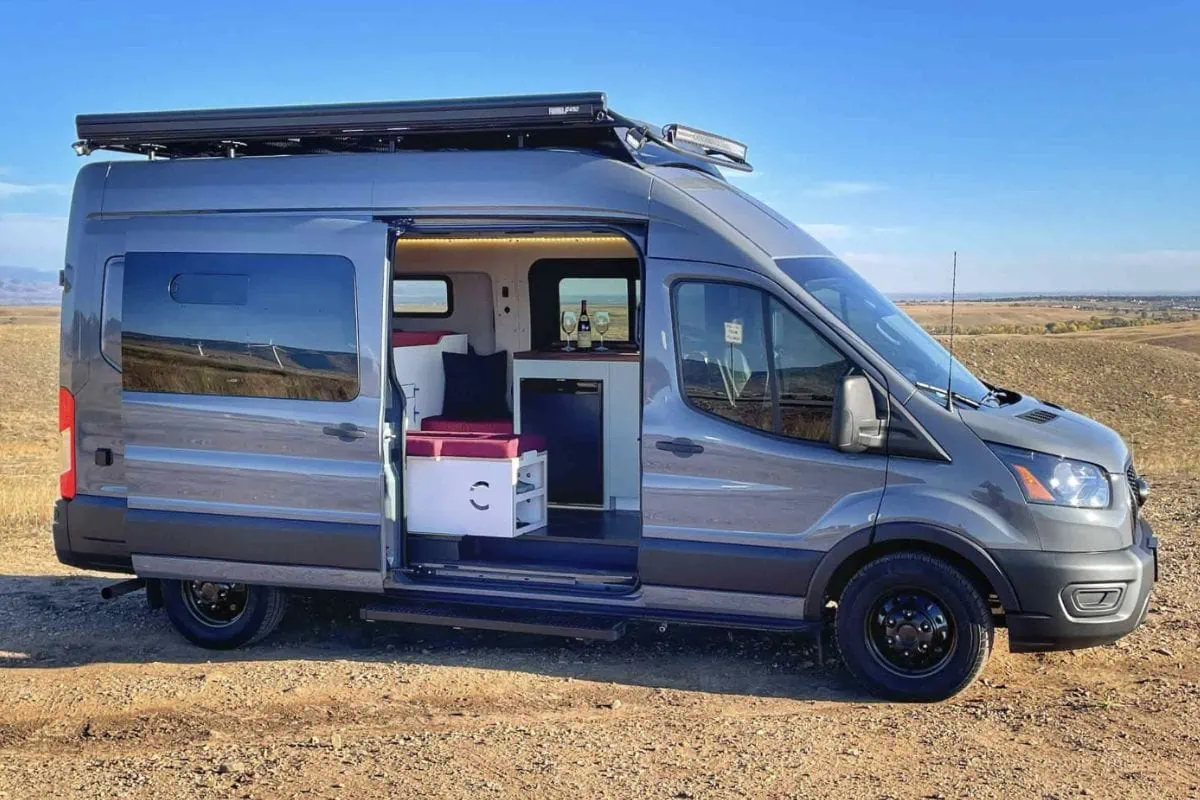
Major Costs in a Camper Van Conversion
The interior structure usually represents a significant portion of the conversion budget. Insulation, wall panels, flooring, ceiling panels, framing, and finishing materials create the foundation for the living space. Basic insulation materials can be relatively inexpensive, while specialized products designed for vehicle interiors can cost more.
Flooring might include vinyl, laminate, rubber, or other durable surfaces. Wall and ceiling finishes range from simple plywood panels to decorative wood or composite materials. For a DIY build, these materials might cost roughly $1,000 to $3,000, depending on the van size and finish level.
The bed is another essential expense because it takes up a large amount of interior space. A simple fixed platform can be built with plywood and timber for a modest price. Folding beds, sliding platforms, benches that transform into beds, and custom storage beds require more planning and hardware.
A quality mattress can cost several hundred dollars, particularly if it is custom cut to fit an unusual space. A well-designed bed can also provide storage underneath, helping the van serve several purposes without requiring additional cabinets.
Electrical systems can range from very basic to highly sophisticated. A simple setup may use a portable power station, USB outlets, LED lights, and a small solar panel. More advanced installations can include a leisure battery, solar panels, a charge controller, inverter, battery monitor, DC distribution, shore power, and multiple outlets.
A basic electrical setup might cost $500 to $1,500, while a larger system can cost $2,000 to $5,000 or more. Electrical work requires careful planning because incorrect wiring, poor connections, unsuitable components, or inadequate protection can create serious safety risks.
Cooking equipment adds another layer of expense. A portable camping stove and compact cooler can keep the kitchen budget low. A more permanent setup may include a refrigerator, sink, water tanks, countertop, cabinets, cooking appliances, and ventilation.
Refrigerators can be particularly expensive, especially efficient 12-volt compressor models designed for mobile use. Plumbing can also increase costs because tanks, pumps, faucets, hoses, drains, filters, and fittings all add up. A simple water system may cost a few hundred dollars, while a more sophisticated kitchen and plumbing installation can cost several thousand.
Heating, ventilation, and climate control can have a major effect on comfort and cost. Roof vents are popular because they improve airflow, reduce condensation, and help control interior temperatures. A basic vent may cost a few hundred dollars once installation materials are included.
Heating systems vary widely, with some compact solutions costing several hundred dollars and more advanced systems reaching well above $1,000. Air conditioning can require substantial electrical capacity, which means the cost is not limited to the cooling unit itself.
If the van will be used during hot summers or cold winters, these systems deserve careful consideration during the planning stage.
Ways to Reduce Your Van Conversion Budget
The easiest way to control costs is to decide what you genuinely need before purchasing equipment. A camper van does not need to contain every feature found in a luxury motorhome. If you mainly plan to sleep, cook simple meals, and spend most of your time outdoors, a bed, basic storage, ventilation, lighting, and portable cooking equipment may be sufficient.
Starting with essential features prevents money from being spent on systems that add complexity without providing much practical value. You can always upgrade the van later as your camping habits become clearer.
Buying used equipment can also reduce the budget. Campers frequently sell refrigerators, roof vents, solar panels, cabinets, mattresses, and other equipment after changing their own layouts. Second-hand marketplaces can provide useful components at significantly lower prices. However, used electrical and gas equipment deserves extra caution.
Batteries have a limited lifespan, while damaged wiring or poorly maintained equipment can present safety problems. Before buying used components, check their condition, specifications, compatibility, and expected remaining service life.
Saving money is useful only when the equipment remains reliable and appropriate for the application.
Choosing practical materials can make a large difference. Expensive hardwood may look attractive, but quality plywood with a durable finish can provide a strong and lighter alternative. Heavy furniture can also reduce fuel efficiency and make the van harder to drive. Lightweight construction is valuable because every additional kilogram contributes to the vehicle’s load.
Hardware, hinges, drawer slides, water tanks, batteries, appliances, and personal belongings all contribute to the final weight. Keeping the interior simple can reduce both construction costs and the long-term strain placed on the vehicle.
Doing some tasks yourself while hiring specialists for others can offer a useful middle ground. You might handle demolition, insulation, flooring, painting, cabinetry, and basic interior finishing while hiring a qualified professional for complex electrical or gas work.

Is a Camper Van Conversion Worth the Cost?
Whether a conversion is financially worthwhile depends on how frequently the van will be used. Someone who takes several camping trips each year may value the convenience of having a dedicated mobile sleeping space.
A person who travels for weeks or months at a time may gain even more value from a well-designed conversion. The ability to sleep, cook, store equipment, and carry personal belongings in a single vehicle can make road trips more flexible. However, the financial return should not be judged only by the number of nights spent inside the van.
Maintenance should also be included when calculating the true cost of ownership. Tires, brakes, oil changes, batteries, suspension components, insurance, registration, repairs, and fuel can become significant expenses over several years. Conversion equipment can also require maintenance or replacement.
Solar systems may need occasional inspection, plumbing components can leak, refrigerators can fail, and mattresses eventually wear out. A realistic ownership budget should consider these costs rather than focusing solely on the initial build price.
Resale value is another consideration. A carefully designed conversion using durable materials and reputable equipment may appeal to future buyers. However, the money spent on a conversion does not always translate directly into a higher selling price.
Personal design choices may suit your needs perfectly while being less attractive to someone else. Documentation can help, particularly for major electrical or structural work. Keeping records of components, installation details, maintenance, and receipts can give prospective buyers more confidence in the vehicle.
