
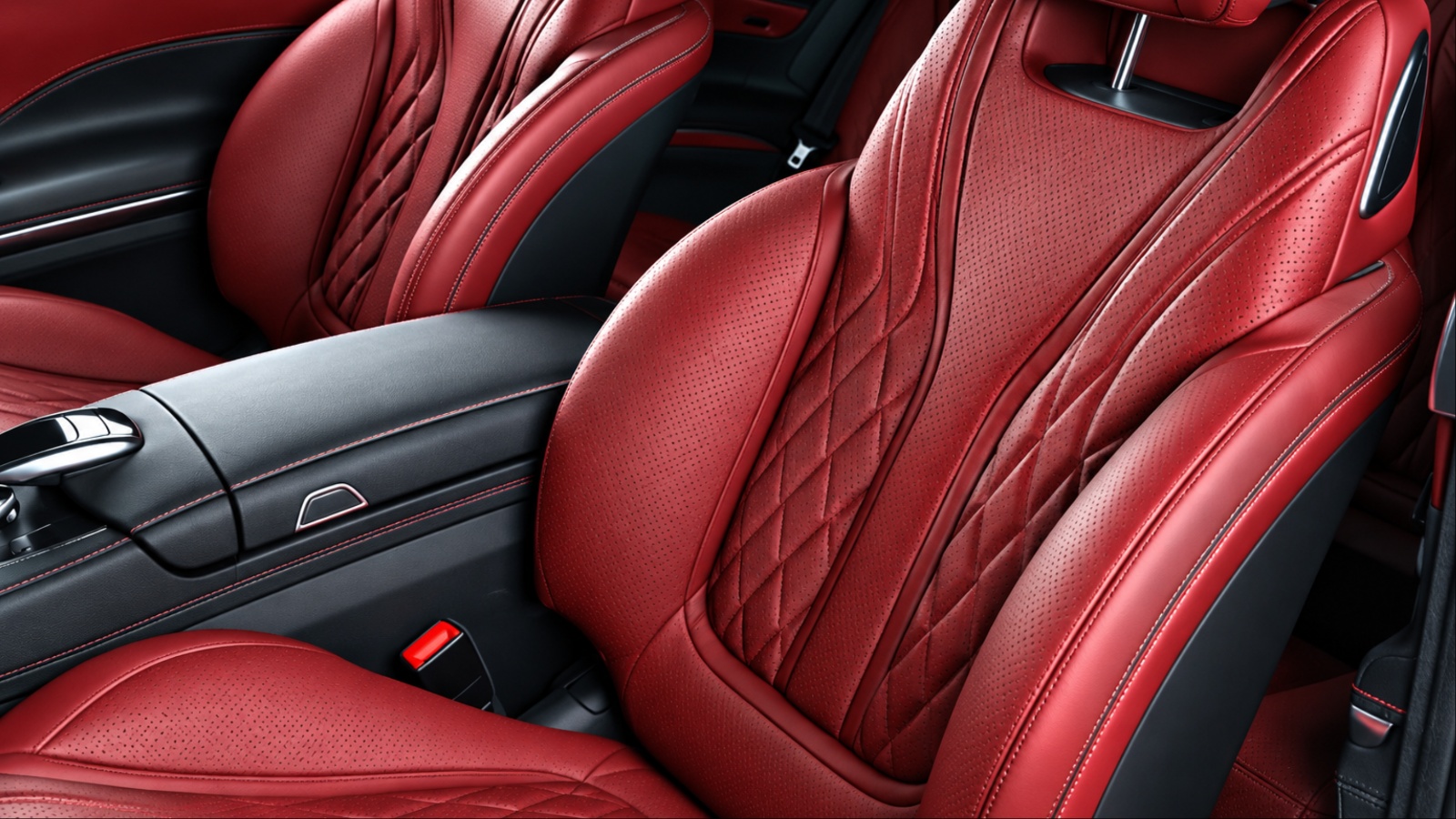
Leather car seats add comfort, style, and a refined appearance to a vehicle, but they require consistent care to remain in good condition. Many drivers unknowingly develop habits that cause fading, cracking, stains, dryness, and premature wear.
Small actions, such as leaving the car in direct sunlight, using unsuitable cleaning products, or carrying sharp objects in pockets, can gradually damage leather upholstery. Understanding these habits makes it easier to protect your seats and extend their useful life.
With simple changes to your daily routine and proper maintenance, you can keep leather car seats soft, clean, comfortable, and attractive for years with less costly repair work.

1. Leaving the Car in Direct Sunlight
Parking a car under direct sunlight for long periods can take a serious toll on leather seats. Ultraviolet radiation can gradually fade the surface and weaken certain finishes applied to automotive leather. Heat also builds up inside the cabin, causing the seats to become extremely hot.
Repeated exposure can contribute to dryness, discoloration, and surface deterioration. Dark-colored leather can absorb substantial heat, making the problem more noticeable during warm weather. Parking in a garage, covered area, or shaded location whenever practical can reduce the amount of heat and sunlight reaching the upholstery.
Sun exposure becomes more harmful when it happens repeatedly over months and years. A single afternoon in strong sunlight is unlikely to destroy a healthy leather interior, but daily exposure creates cumulative stress.
The protective coating on the leather can gradually lose its original appearance, while pigments may become less vibrant. Areas that receive direct light through the windshield or side windows may change color faster than shaded portions. This can result in uneven coloring across the seats and make the interior appear older than its actual age.
Using a quality windshield sunshade can provide additional protection when covered parking is unavailable. A sunshade reduces the amount of sunlight and radiant heat entering through the windshield. Window tint that complies with local regulations can also help limit ultraviolet exposure and cabin temperatures.
Rear seats may benefit from appropriate shades as well, particularly in vehicles that spend many hours parked outdoors. These measures are simple, inexpensive compared with upholstery repairs, and useful for protecting the dashboard and other interior surfaces too.
Leather conditioning can also support the condition of the upholstery, but it should not be treated as a substitute for protection from sunlight. A suitable leather product may help maintain the desired feel and appearance of compatible automotive leather.
2. Using Household Cleaners on Leather
Many household cleaning products are designed for surfaces such as glass, tile, countertops, or fabric. They are not necessarily suitable for automotive leather.
Using an unsuitable cleaner can affect the protective coating, alter the finish, leave residue, or make the surface look uneven. Products containing strong solvents, harsh chemicals, or excessive alcohol may be particularly unsuitable for certain leather finishes.
A seat may look cleaner immediately after treatment while suffering gradual surface damage from repeated use. Selecting a cleaner specifically intended for automotive leather is a safer approach.
A common mistake is assuming that a product is safe simply because it removes dirt effectively. Leather upholstery has a surface finish that needs to remain intact. Aggressive cleaning can strip away protective layers or change the texture of the material.
This is particularly important with modern automotive seats, since manufacturers use different finishes and materials. Some seats may contain genuine leather in selected areas while other sections use synthetic materials. Reading the vehicle owner’s manual can help identify recommended cleaning methods.
Another problem comes from applying too much cleaner. More product does not automatically mean better cleaning. Excess liquid can collect around seams, perforations, controls, and stitching. In seats with ventilation or heating features, unnecessary moisture should be avoided around openings.
Spraying cleaner directly onto the seat can also make it harder to control how much liquid reaches the surface. Applying a modest amount to a suitable microfiber cloth generally provides better control than soaking the upholstery.
Household disinfectants deserve particular caution. Drivers may want to sanitize frequently touched surfaces, especially after eating in the vehicle or transporting several passengers. However, disinfectants formulated for hard surfaces may not be suitable for leather.
If sanitizing is necessary, use a product approved for the specific upholstery material and follow the manufacturer’s instructions. Testing any unfamiliar product on a small, hidden area first can help identify unwanted changes before treating a visible section.
3. Eating and Drinking Inside the Car
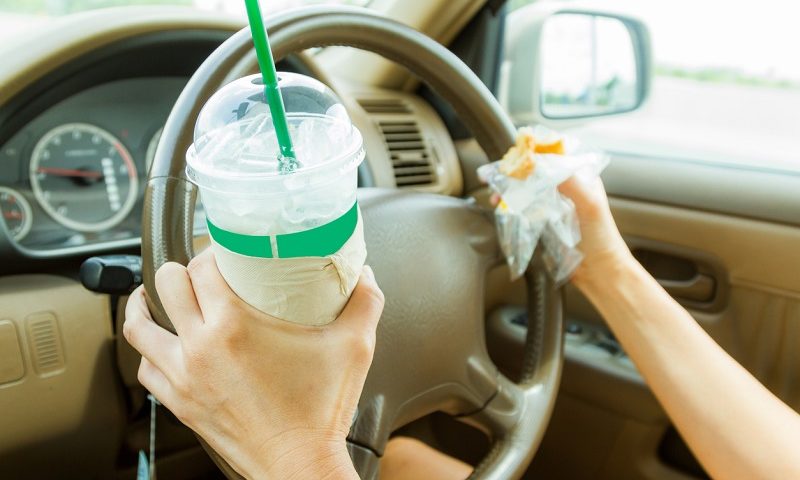
Eating inside a vehicle creates a constant risk for leather upholstery. Crumbs can settle into seams, gaps, and perforations, while sauces, oils, and sugary ingredients can leave sticky residues.
Drinks create a separate problem because spills can spread quickly across smooth surfaces. Coffee, soft drinks, juices, and colored beverages may leave visible marks if they are not cleaned promptly. Repeated exposure to food residue can make seats look dirty and may create unpleasant odors inside the cabin.
Greasy foods can be particularly troublesome because oils can transfer from hands and clothing onto the seat surface. Even when a spill is not obvious, repeated contact can create a dull or grimy appearance.
Grease may also attract dust, making affected areas look darker than surrounding sections. If food contains strong pigments, such as sauces or spices, staining can become harder to remove when it is allowed to remain on the upholstery for an extended period.
Drinks create an additional concern when they reach seams or perforated sections. Liquid can move beyond the visible spill and remain in areas that are difficult to reach. This can create lingering moisture and increase the difficulty of cleaning.
Spilled water is less concerning than sugary or colored beverages, but it should still be wiped up promptly. Fast action gives you a better chance of preventing residue and reducing the amount of liquid that reaches deeper areas.
If eating in the car is unavoidable, simple precautions can reduce the risk. Use containers with secure lids and avoid placing open drinks near the seats. Keep napkins or clean microfiber cloths available for accidental spills.

4. Wearing Sharp or Rough Clothing
Clothing can gradually affect leather seats more than many drivers realize. Jeans with metal studs, decorative buttons, exposed zippers, belts, and rough accessories can rub against the upholstery whenever you enter, leave, or move in the seat.
Repeated friction can create small scratches and scuff marks. These marks may begin as minor imperfections but become more noticeable with continued use. Drivers who regularly wear work clothing or clothing with hard components should pay extra attention to areas that receive frequent contact.
The outer side of the driver’s seat often experiences considerable friction. Every time a person enters and exits, clothing can drag across the seat bolster. Over hundreds or thousands of trips, this repeated movement can contribute to wear.
The effect may be more noticeable on vehicles with heavily contoured seats because certain sections experience concentrated pressure. A smooth seating motion and avoiding unnecessary sliding across the bolster can reduce this stress.
Objects attached to clothing can cause similar problems. Keys, tools, buckles, clips, and other hard items can scratch the surface when they come into contact with the upholstery.
The risk increases when drivers place objects in back pockets and then sit directly on them. A wallet, phone, or key ring can create pressure against a small area of leather. This may leave impressions or accelerate wear over time.
The best solution is to pay attention to what comes into contact with the seats. Remove sharp objects from pockets before sitting down, particularly when carrying tools or equipment.
Avoid dragging yourself across the seat when entering or leaving. If your clothing contains exposed metal parts, adjust your movement to minimize friction against the upholstery. These changes require very little effort but can reduce unnecessary surface damage.

5. Sitting on the Bolsters or Edge of the Seat
The side bolsters of a car seat provide support, but they are not designed to carry concentrated body weight repeatedly. Some drivers sit on the outer edge while entering the vehicle and then slide across into position.
This movement places pressure and friction on the same area every time. Over time, the bolster may show wrinkles, flattening, scuffs, or cracking. Vehicles with supportive sport-style seats can be particularly vulnerable because their bolsters are more pronounced.
The driver’s seat generally experiences the greatest amount of this wear because it is used more frequently. Passengers may enter and exit less often, but the same issue can occur on frequently occupied seats.
Repeated compression can change the shape of the foam beneath the leather or other upholstery. When the supporting material loses some of its original structure, the leather may develop additional folds and stress points.
Weight distribution also matters. Sitting directly on a narrow edge creates greater pressure than sitting properly in the center of the seat. If a person repeatedly places their full weight on a bolster while entering the car, the material experiences unnecessary strain. The movement may seem harmless because no immediate damage is visible, but upholstery wear tends to develop gradually.
Changing the way you enter and exit can reduce this problem. Sit down more centrally on the seat before turning your legs into the vehicle. When leaving, avoid pushing heavily against the side bolster.
This is particularly useful for drivers who have noticed early wrinkles or scuffing along the outer edge. Small adjustments in movement can reduce repeated stress without affecting comfort.
6. Neglecting Dust, Sweat, and Body Oils
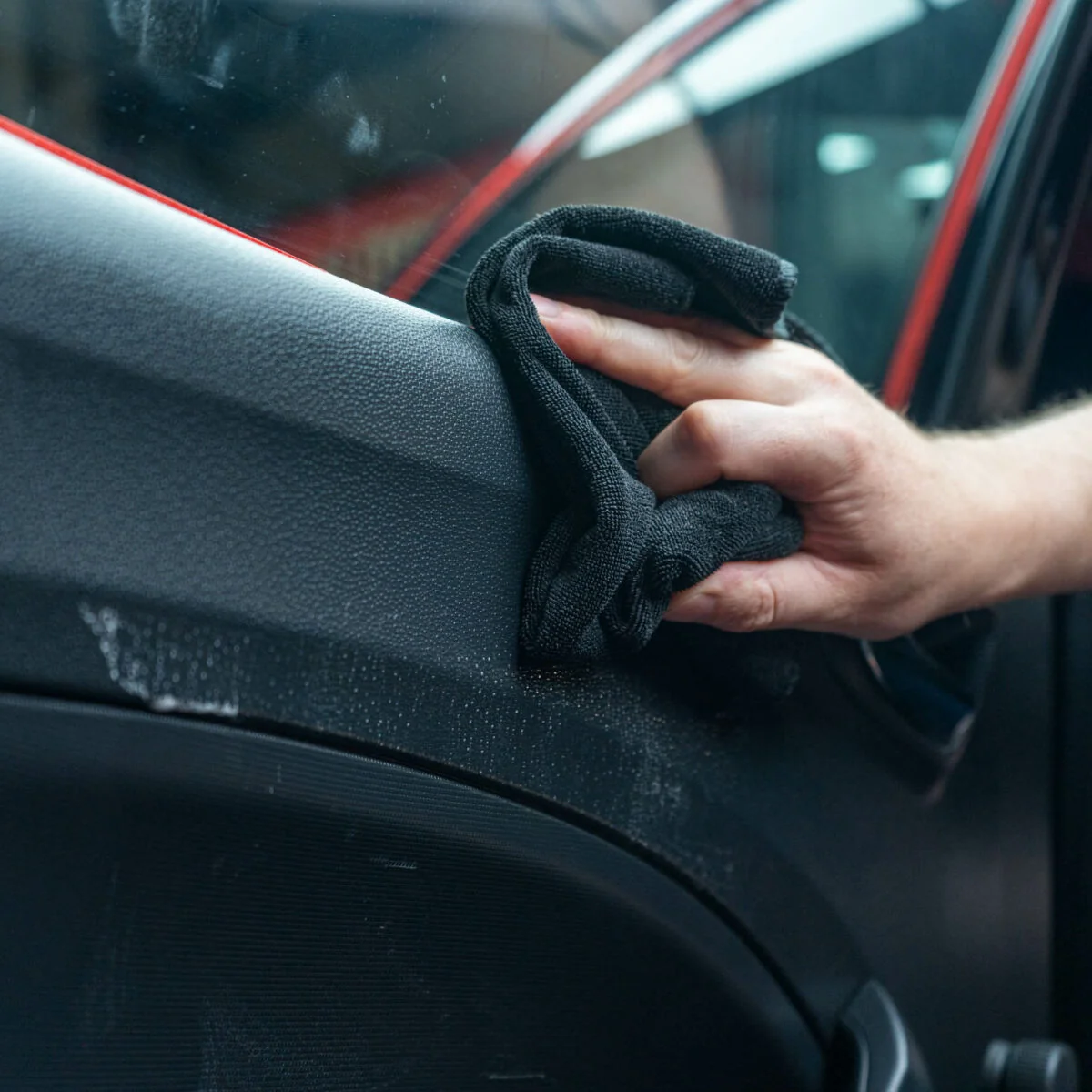
Leather seats collect more than visible dirt. Sweat, skin oils, sunscreen, lotions, and dust can accumulate gradually through normal use. Drivers may not notice the buildup because it develops slowly.
Areas such as the steering-side bolster, headrest, armrest, and upper seatback can receive frequent contact. When residue remains on the surface, it can contribute to a dull appearance and make the leather feel different from less-used sections.
Hot weather can increase the amount of sweat and body oil transferred to the seats. Long drives can create even more contact, particularly when the driver spends several hours in the vehicle.
Dust can combine with moisture and oils to create a thin layer of grime. If this buildup is ignored for extended periods, cleaning may require more effort. Regular maintenance is easier than trying to remove years of accumulated residue.
Sunscreen and skincare products can also transfer onto leather upholstery. Products applied to the arms, hands, neck, or legs may come into contact with the seat.
Some formulations contain oils or ingredients that may leave a film. This does not mean drivers need to avoid these products, but it is sensible to wipe frequently touched leather surfaces when residue becomes noticeable. Regular light cleaning can prevent buildup.
7. Ignoring Spills and Stains
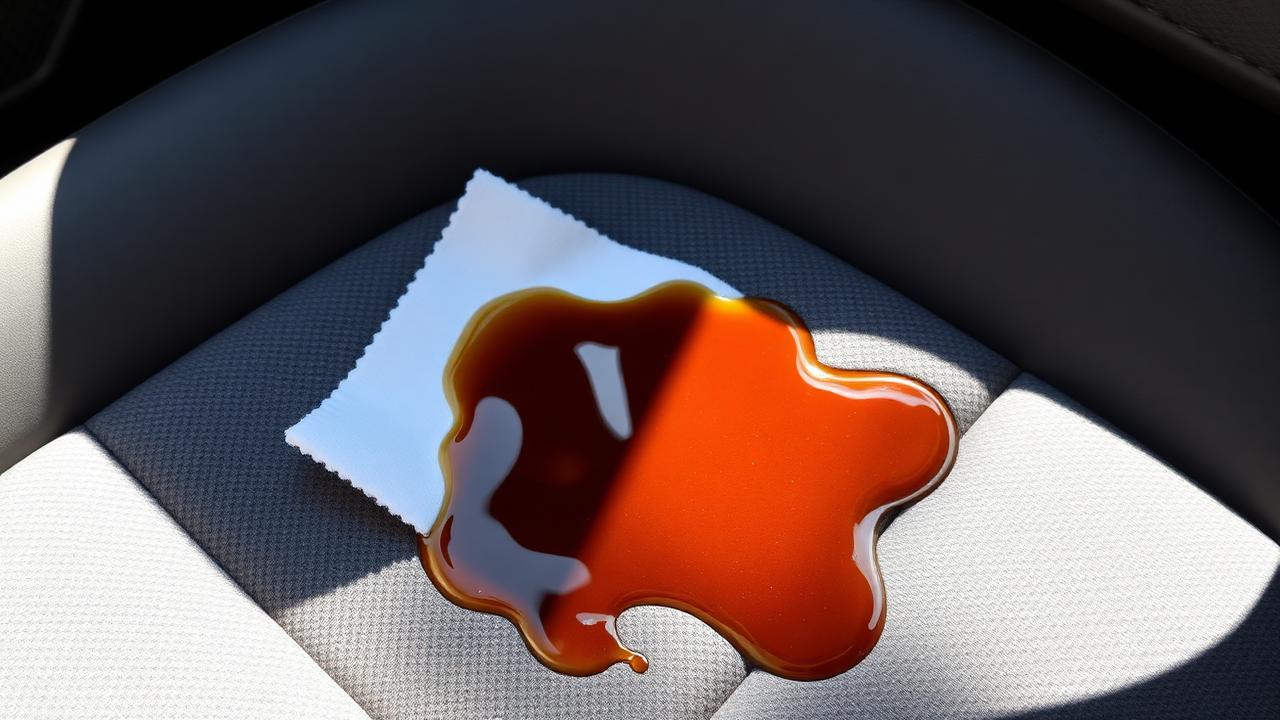
Ignoring a spill is a common habit that can turn a small cleaning task into a more difficult problem. Fresh spills are generally easier to address than old, dried residue. Liquids can spread across the seat and settle into seams or textured areas.
Sugary beverages can become sticky after drying, while colored drinks may leave visible marks. Acting promptly gives you a better chance of removing the substance before it becomes more difficult to clean.
The first step after a spill is to avoid aggressive rubbing. Vigorous scrubbing can spread the liquid over a larger area and may push residue further into textured sections. Blotting with a clean, absorbent cloth is usually a better starting point. The goal is to lift as much of the spilled material as possible without approaches.
Water is generally simpler to handle than oil, ink, food coloring, or chemical products. Trying random cleaning solutions can make the situation worse, particularly when a stain requires specialized treatment.
If you are unsure about the appropriate method, consult creating additional friction. Once the excess liquid has been removed, the affected area can be cleaned according to the upholstery manufacturer’s recommendations.
Different substances require different approaches. Water is generally simpler to handle than oil, ink, food coloring, or chemical products.
Trying random cleaning solutions can make the situation worse, particularly when a stain requires specialized treatment. If you are unsure about the appropriate method, consult the vehicle manufacturer’s care information or seek professional automotive upholstery advice.
Stains also become more difficult to hide when the leather has a light color. Beige, cream, gray, and other lighter interiors can show discoloration clearly.
Dark leather may hide certain marks, but that does not mean residue should be ignored. Oils and dirt can still affect the finish and texture. Regular inspection helps identify small problems before they become noticeable across a larger section.
8. Using Too Much Leather Conditioner
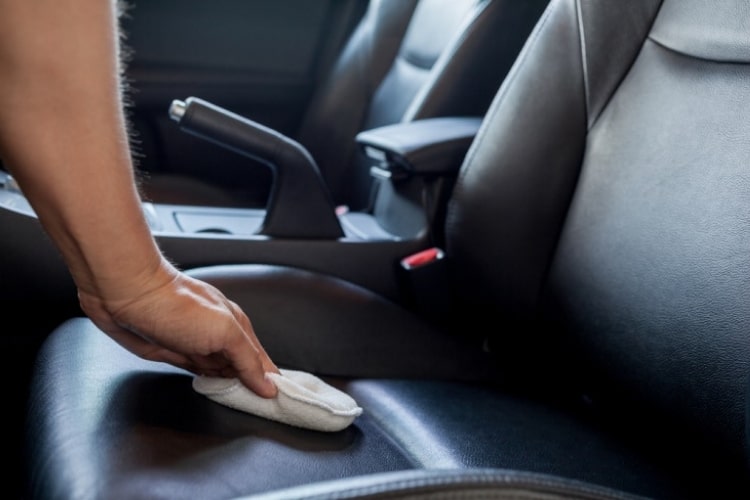
Leather conditioner can be useful when it is appropriate for the specific upholstery, but excessive application can create problems.
Some modern automotive leather is finished with protective coatings that do not require heavy conditioning. Applying large amounts of product may leave the surface greasy, slippery, or shiny. Excess residue can also attract dust and make the seats feel different from their original texture.
The correct amount depends on the product and the material. Following the instructions on the conditioner is more reliable than assuming that additional product provides additional protection.
Some products are designed for specific leather types, while others are intended for broader applications. Automotive upholstery should be treated according to its material and finish rather than using a universal approach.
Over-conditioning can also make cleaning more difficult. A thick layer of residue can combine with dust, skin oils, and other contaminants. This may produce a greasy film that requires additional cleaning. In some cases, repeated application can alter the appearance of the surface. A clean, natural finish is generally preferable to a heavily coated appearance.
Before using any conditioner, inspect the seats and determine whether conditioning is actually recommended. Check the owner’s manual and product instructions.
If the seats are coated leather, synthetic leather, or a material that requires specialized treatment, a traditional conditioner may not be appropriate. A small hidden test area can help identify potential discoloration or changes in texture before wider application.
9. Allowing Pets to Sit Without Protection
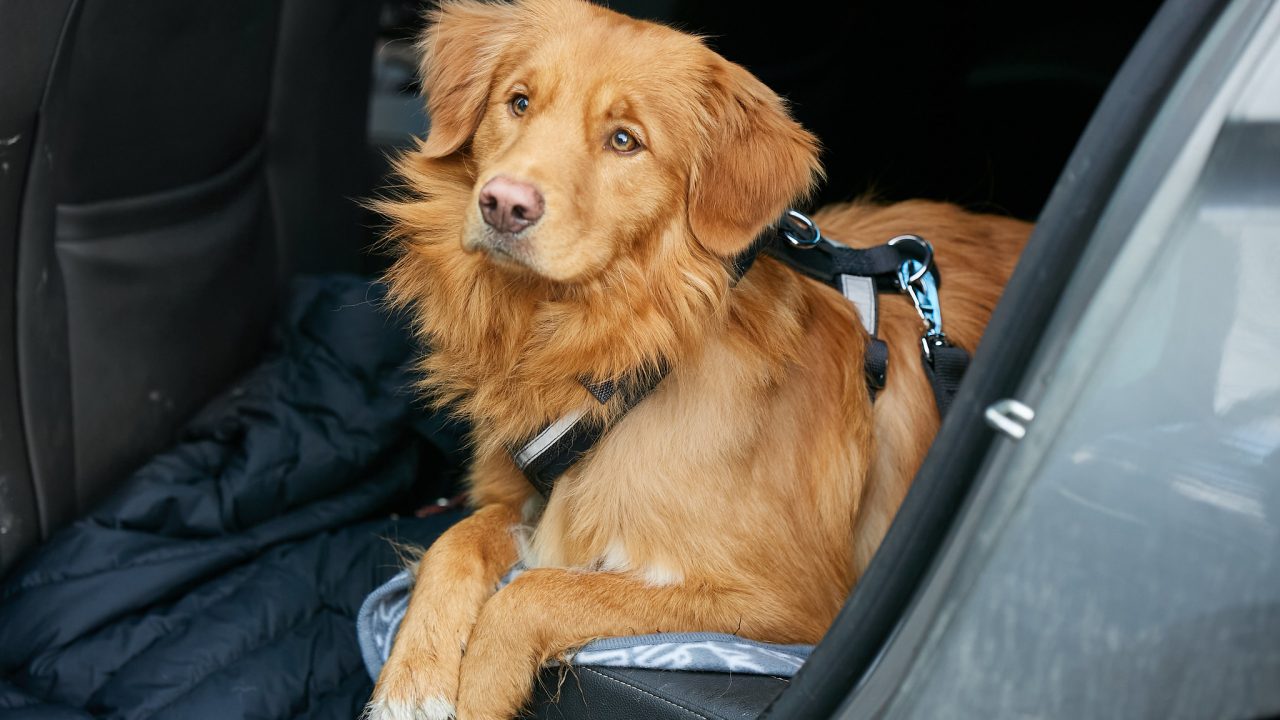
Pets can make road trips more enjoyable, but their claws, hair, saliva, and dirt can create additional challenges for leather seats. A dog’s claws, for example, can scratch the surface while the animal moves or tries to maintain balance.
Even short trips can create repeated contact between claws and upholstery. Larger animals may place more pressure on the seat and cause greater movement during acceleration, braking, or turning.
Pet hair is another maintenance issue. Loose hair can collect in seams and textured areas, making routine cleaning more time-consuming.
Dirt from paws can also transfer directly onto the seats. If the animal has been outside in wet or muddy conditions, the amount of debris brought into the cabin can increase considerably. Regular cleaning can manage this buildup, but preventive protection is usually easier.
A properly designed pet seat cover can create a barrier between the animal and the leather. The cover should fit securely and be suitable for the vehicle’s seat design. Covers should not interfere with seat belts, side airbags, or other safety equipment.
For larger pets, a secure travel setup is important for both animal safety and interior protection. Following appropriate vehicle and pet restraint guidance can reduce movement inside the cabin.
Cleaning after pet travel should focus on removing hair, dirt, and moisture without scratching the leather. Use suitable soft tools and avoid aggressive brushes that may damage the finish.
If mud is present, allow it to dry when appropriate and remove loose material carefully before cleaning. Trying to scrub wet dirt into the leather can spread the mess and increase the required cleaning effort.
10. Placing Heavy or Sharp Objects on the Seats
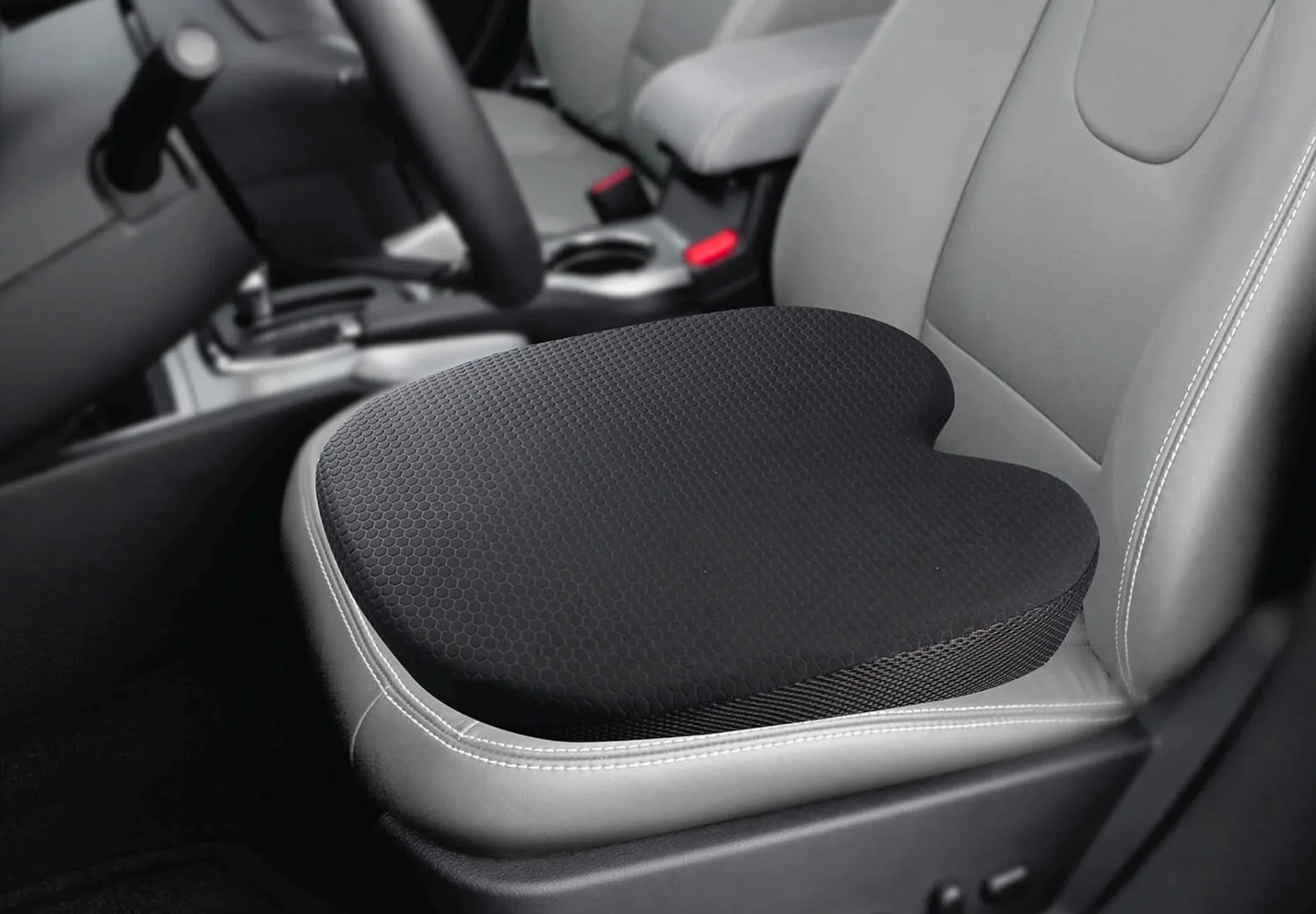
Car seats are sometimes used as convenient storage areas for bags, tools, boxes, groceries, and other objects. This habit can cause unexpected upholstery damage. Heavy items create concentrated pressure, while sharp edges can scratch or puncture the surface.
When the vehicle moves, unsecured objects may slide across the leather and create additional friction. Repeatedly using the seats as a storage platform can therefore accelerate wear.
Hard objects can create pressure marks when left on the seat for long periods. The effect may be temporary with lightweight items, but heavier objects can compress the seat material. Items with corners or rigid edges can create localized stress.
If an object moves during driving, it can also rub against the upholstery repeatedly. This is particularly problematic when the seat is used frequently, and the same type of object is placed there every day.
Tools deserve special attention because many have exposed metal edges or hard components. Placing a toolbox directly on a leather seat may seem harmless if it is only for a short trip, but sudden movement can cause the box to slide or tip.
Groceries can also create problems when containers leak or hard packaging presses against the upholstery. The trunk or cargo area is generally a better storage location when it is safe and practical to use.
If the rear seats need to carry objects, protective coverings can provide an additional layer of defense. A clean, appropriately fitted blanket or purpose-designed cover can reduce direct contact between cargo and the upholstery.
However, loose coverings should not create a safety hazard or interfere with passengers. Heavy cargo should also be secured properly so it cannot move during braking or a collision.
