
Stained cloth seats can make a clean car interior look old, but professional detailing is not always necessary. Many common seat stains can be treated at home with inexpensive household supplies.
With the right cleaning method, a little patience, and gentle handling, you can remove dirt, food marks, drink spills, grease, and everyday grime without spending much money.
Most basic cleaning solutions cost less than $15, especially when you already have items such as dish soap, baking soda, vinegar, or a soft brush. This guide covers ten affordable ways to clean stained cloth seats safely while helping maintain their color, texture, comfort, and appearance.
1. Clean Cloth Seats With Dish Soap and Warm Water
Dish soap is a simple option for treating many fresh and lightly set stains on cloth car seats. A small bottle is inexpensive, and you only need a few drops for each cleaning session. Mix a small amount of mild dish soap with warm water in a bowl or spray bottle.
Avoid making the solution excessively soapy because too much detergent can leave residue behind. Residue may attract more dirt after the seat dries. This method works particularly well on general dirt, food marks, light drink spills, and oily fingerprints that have not deeply penetrated the upholstery.
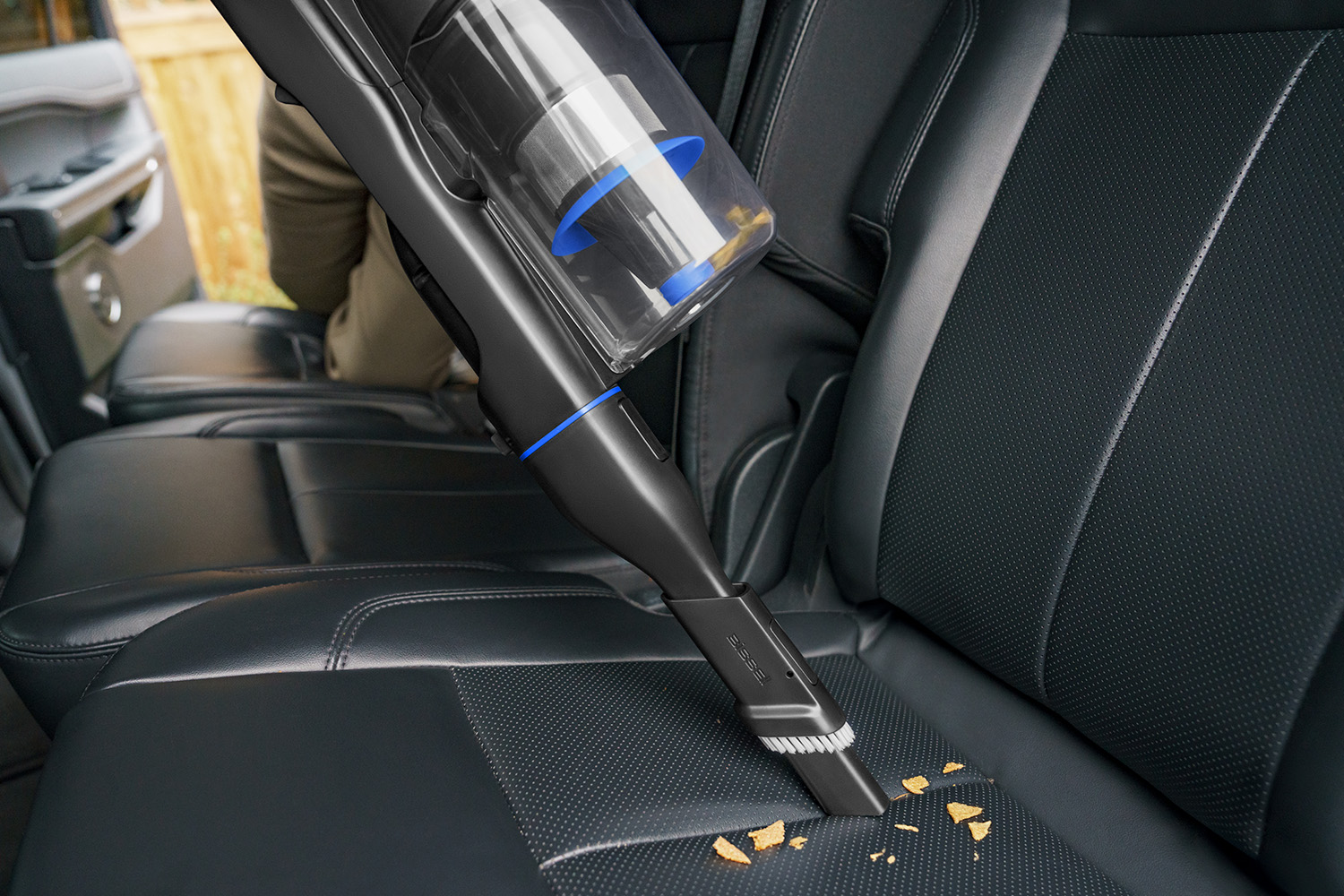
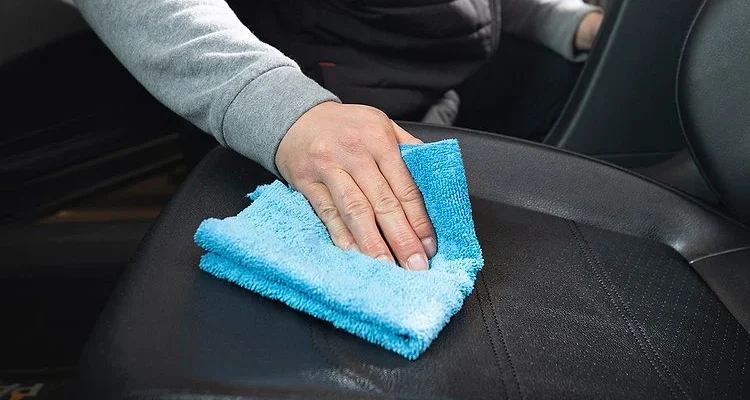
Before applying the solution, vacuum the seat thoroughly. Loose sand, dust, crumbs, and hair can become trapped in wet fabric and make the cleaning process harder. Once the surface is free of loose debris, dip a microfiber cloth into the diluted soap solution and wring it out well.
The cloth should be damp rather than dripping wet. Gently blot or rub the stained area using small circular motions. Working slowly helps prevent the stain from spreading beyond its original location.
For stubborn marks, use a soft upholstery brush instead of a rough household scrubber. Apply light pressure and work from the outside of the stain toward its center. This approach can help keep the affected area contained.
Avoid aggressively scrubbing the fabric because excessive friction can disturb the fibers or create a noticeably different texture. If the stain begins to transfer onto the cloth, switch to a clean section of the microfiber towel and continue working gently.
After cleaning, remove soap residue with a separate damp cloth containing plain water. Wring the cloth thoroughly before wiping the seat. Repeat this step until there is little or no visible soap remaining.
Leaving detergent in the upholstery can result in a sticky surface that collects dust. Good rinsing is particularly important when cleaning darker seats because dried residue may become visible as pale or cloudy patches.
Allow the seat to dry completely before using the car for an extended period. Open the doors or windows when conditions are suitable to improve ventilation. A fan can also help speed up drying.
Never soak a cloth seat simply because it appears dirty. Excess moisture can penetrate deeper into the seat cushion and create unpleasant odors. For many everyday stains, diluted dish soap provides an effective cleaning solution while keeping the total cost comfortably below $15.
2. Use Baking Soda for Odors and Surface Stains
Baking soda is a useful low-cost household cleaner that can help with unpleasant odors and some surface-level stains. It is especially helpful when a cloth seat has absorbed smells from food, spilled beverages, pets, or regular use.
A small box generally provides enough material for multiple cleaning sessions. Since baking soda is a powder, it should be used carefully on fabric and removed thoroughly afterward.
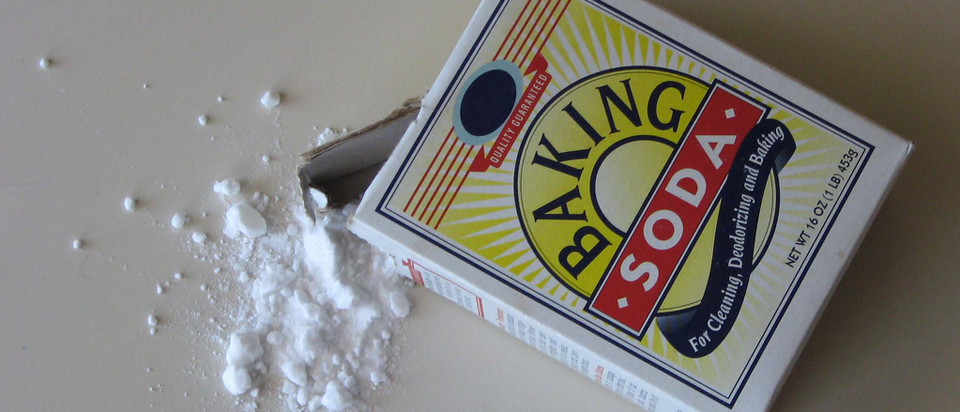
Start by vacuuming the seat to remove loose dirt. Sprinkle a thin layer of baking soda over the affected area rather than covering the entire seat with a thick coating. Let it sit for several hours. For stronger odors, leaving it overnight can give the powder more time to interact with odor-causing moisture and residue. Keep the vehicle ventilated when possible, particularly if you are treating a large area.
Once the waiting period is complete, vacuum the baking soda carefully. Use several slow passes rather than quickly running the vacuum across the fabric once.
Fine powder can settle between upholstery fibers, so thorough vacuuming matters. A crevice attachment can help around seams and edges. If your vacuum has a brush attachment, use it gently to loosen powder caught near the surface.
Baking soda is more useful for odor control than for removing deeply embedded grease or colored stains. If you are dealing with coffee, juice, ink, or another strongly colored substance, you may need a separate stain treatment.
You can use baking soda as an initial step before applying a suitable cleaning solution. Avoid mixing baking soda with multiple other household chemicals simply because each product is inexpensive. Combining cleaners can produce unwanted reactions or reduce their effectiveness.
For a simple maintenance routine, baking soda can be used periodically when cloth seats begin to smell stale. It is inexpensive, easy to store, and does not require specialized equipment.
Keep the application light and vacuum the seat completely afterward. If the upholstery has a manufacturer’s care label, follow those instructions before using any household cleaning product. A careful approach helps you refresh the seat without unnecessarily wetting the fabric.
3. Try White Vinegar for Water-Based Stains
White vinegar diluted with water can help address certain water-based stains and unpleasant smells on cloth upholstery. It is inexpensive and commonly available in grocery stores.
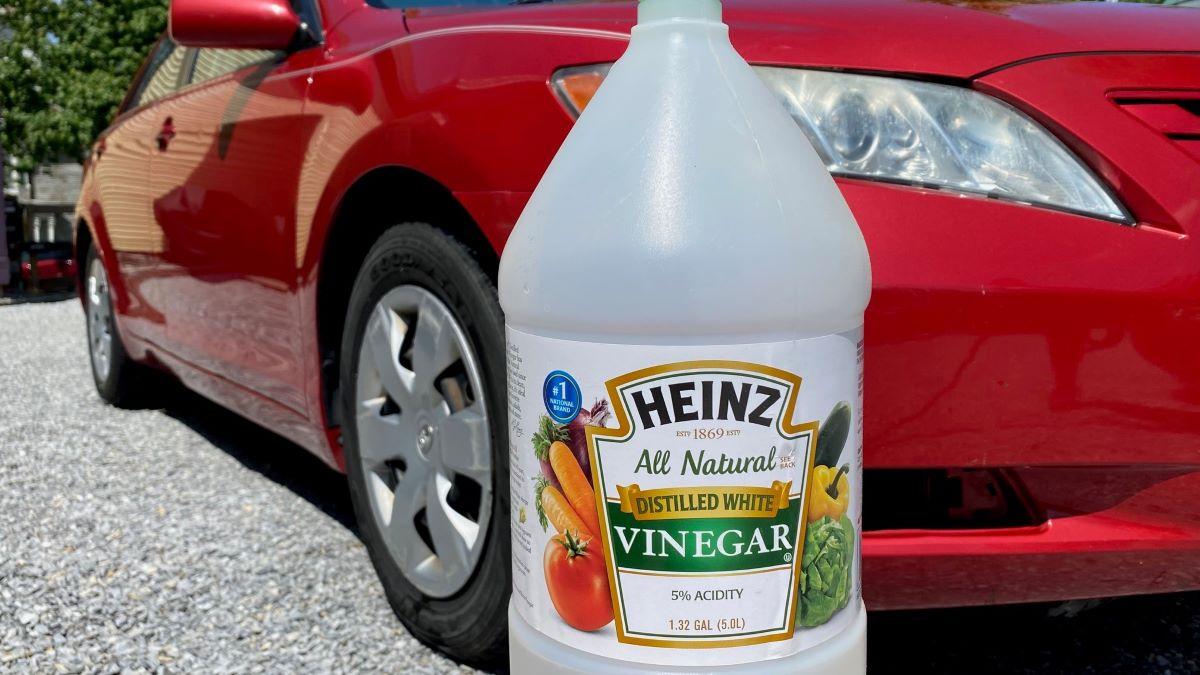
A basic mixture can be made by combining equal amounts of white vinegar and water. If you are concerned about the acidity affecting the fabric, use a weaker mixture and test it first on an inconspicuous section of the seat.
Vacuum the upholstery before applying the solution. Spray a small amount onto a microfiber cloth rather than heavily spraying the seat. This gives you better control over the amount of moisture used. Blot the stain gently, starting around the outside and moving toward the center. Avoid soaking the fabric because moisture can travel into the cushion beneath the upholstery.
Vinegar can be useful for some beverage spills and odors, but it is not a universal stain remover. It may not remove every type of grease, ink, dye, or protein-based stain. If the stain contains milk or other dairy products, for example, simply masking the smell with vinegar may not address the underlying residue. Proper cleaning and drying remain important.
After treating the area, use a clean cloth dampened with plain water to remove leftover vinegar solution. The vinegar smell should fade as the upholstery dries. Provide plenty of ventilation while the seat is drying.
Do not combine vinegar with chlorine bleach or other incompatible cleaning chemicals. Household products should generally be used separately unless their labels specifically indicate that mixing is safe.
Always test vinegar on a hidden part of the upholstery first. Different fabrics and dyes can react differently to cleaning solutions. If the test area shows discoloration, texture changes, or other damage, stop using the solution.
When used carefully and in a diluted form, white vinegar can be a budget-friendly option for selected cloth seat stains and odors.
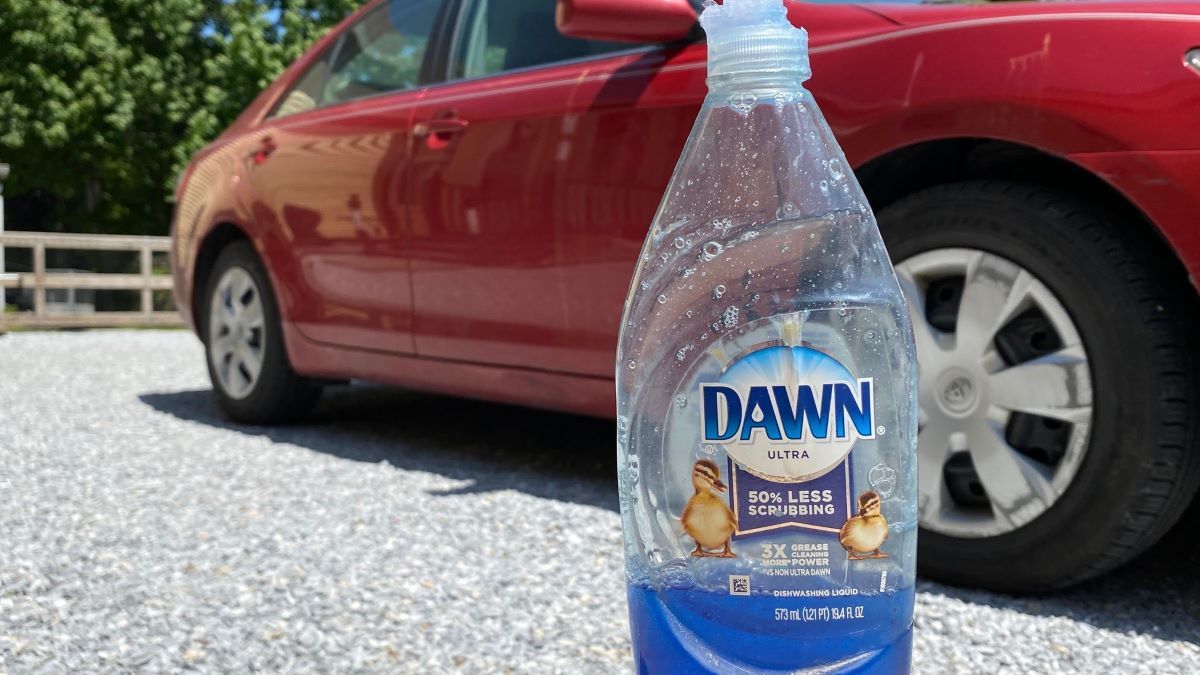
4. Remove Grease With a Small Amount of Dish Detergent
Greasy stains can be particularly noticeable on cloth seats because they may leave dark patches even after ordinary dirt has been removed. Food, oily hands, cosmetics, and spilled sauces are common sources. Dish detergent is designed to break down grease, making a diluted solution useful for treating certain oily upholstery stains.
Begin by removing solid material with a spoon or blunt edge if necessary. Do not push the substance deeper into the fabric. Vacuum the area after removing loose material. Mix a few drops of mild dish detergent into warm water. You want a lightly sudsy solution rather than a concentrated detergent mixture.
Apply the solution with a microfiber cloth or soft upholstery brush. Work gently and use short strokes. Allow the cleaner to sit briefly if the product instructions permit it, but do not let the upholstery become saturated.
Blot the area with a clean towel to lift loosened grease. Several gentle applications are usually safer than one aggressive scrubbing session.
Rinse the cleaning area with a separate cloth dampened with clean water. This removes detergent and loosened residue from the surface. Keep changing to clean sections of the towel as you work. If the towel becomes heavily soiled, continuing to use it can simply redistribute grease around the seat.
Once the stain is reduced, allow the upholstery to dry completely. Some grease marks may require repeated treatment, particularly if the spill has been present for a long time.
Avoid using excessive detergent in an attempt to speed up the process. A controlled amount of mild soap, careful blotting, and thorough drying can provide a surprisingly effective result without requiring expensive upholstery equipment.
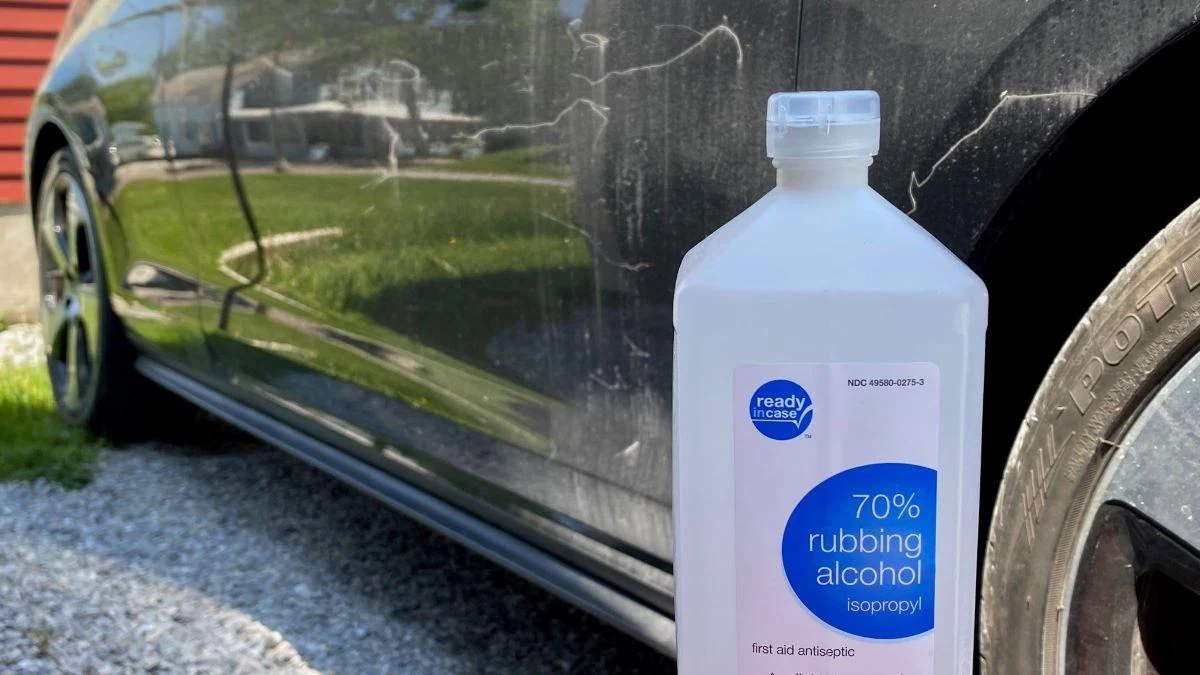
5. Use Rubbing Alcohol for Certain Ink Stains
Ink stains require a different approach from ordinary dirt because many inks contain dyes or pigments that can spread when exposed to moisture.
Rubbing alcohol can sometimes help loosen ink from fabric upholstery. Before using it, check the seat manufacturer’s cleaning instructions and perform a spot test in a hidden location.
Start by placing a clean absorbent cloth beneath or around the affected area if accessible. Apply a small amount of rubbing alcohol to a cotton swab or clean cloth. Do not pour alcohol directly onto the seat. Gently dab the stain instead of rubbing it aggressively. The goal is to transfer ink from the upholstery onto the cleaning material.
As ink lifts, use a fresh section of the cloth. This prevents the removed ink from being transferred back onto the seat. Work slowly and monitor the fabric’s color.
If the upholstery begins to lose color or change texture, stop immediately. Fabric dyes vary, so a technique that works on one seat may not be suitable for another.
Once the ink has been treated, wipe the area lightly with a cloth dampened with clean water. This helps remove remaining residue. Avoid excessive moisture. Keep the vehicle well ventilated while the seat dries, since rubbing alcohol evaporates readily and produces vapors that should not be deliberately inhaled.
Rubbing alcohol should be treated as a targeted stain treatment rather than a general upholstery cleaner. It is most appropriate when you have a specific ink mark to address. Never use it near flames or other ignition sources, and follow the product’s safety instructions. A small bottle can cost only a few dollars, making this method affordable when ink is the problem.
6. Clean Coffee and Tea Stains With Cold or Lukewarm Water
Coffee and tea spills are common cloth seat problems, particularly in vehicles used for commuting. If the spill is fresh, quick action can prevent the liquid from penetrating deeply into the upholstery.
Start by blotting the area with paper towels or a clean absorbent cloth. Press down gently and lift the towel rather than rubbing the stain from side to side.
Once excess liquid has been absorbed, use a cloth dampened with cold or lukewarm water. Blot repeatedly to dilute the remaining coffee or tea.
Hot water is not always the best first choice for unknown upholstery stains because excessive heat can affect some materials or make certain residues harder to manage. A controlled amount of cool moisture is usually sufficient for an initial response.
If water alone does not remove the mark, add a tiny amount of mild dish detergent to the damp cloth. Gently work the affected area, keeping the cleaning zone as small as practical. Blot frequently with a dry towel. This process gradually transfers the stain from the upholstery into the towel instead of pushing it deeper into the seat.
After treatment, rinse with a clean, damp cloth. Do not skip this step because detergent left in the fabric can attract dirt. Press a dry towel against the seat to absorb as much remaining moisture as possible. Good ventilation will help the upholstery dry more quickly.
Older coffee and tea stains may require several treatments. If the drink contained milk, sugar, syrup, or cream, the residue may be more difficult to remove and may produce an odor if it remains in the cushion.
In those situations, careful cleaning is more effective than simply spraying fragrance over the seat. Quick blotting is the key advantage of this method, and it costs very little.
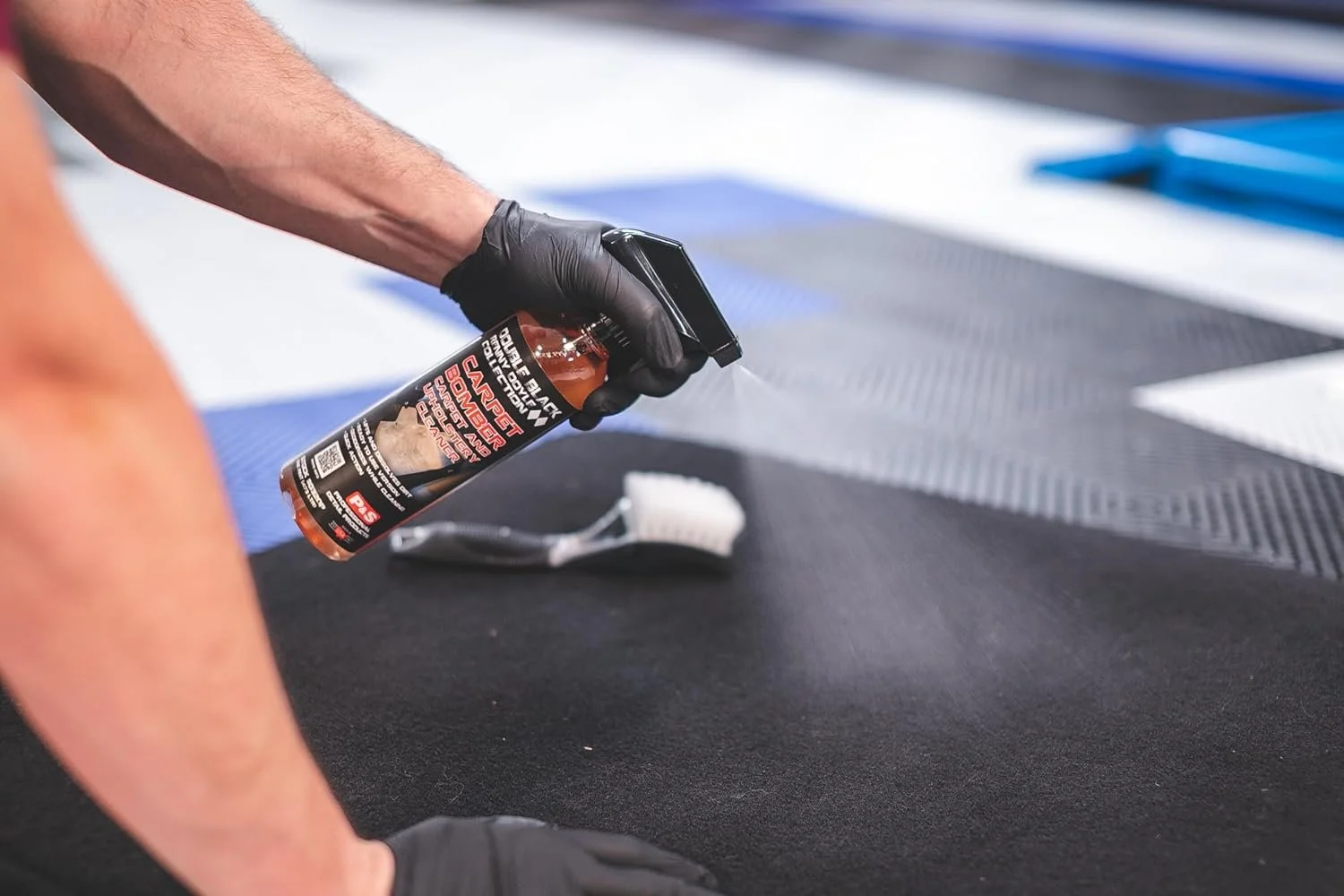
7. Treat Pet and Food Stains With Enzyme Cleaner
Pet accidents and food spills can leave organic residue behind even when the visible stain appears to be gone. An enzyme-based upholstery cleaner can be useful for breaking down certain organic materials. Many products are available in small bottles that can fit within a $15 cleaning budget.
First, remove solid residue using paper towels or a disposable scraper. Vacuum the area after the loose material has been removed. Follow the enzyme cleaner’s label instructions carefully because application methods and recommended contact times vary between products. Do not assume that using a larger amount will produce better results.
Apply enough product to treat the affected fabric without unnecessarily flooding the seat. Enzyme cleaners generally need adequate contact time to work. Keep the treated area away from unnecessary traffic while the product is working. If possible, improve ventilation by opening doors or windows safely.
After the recommended treatment time, blot away excess moisture using clean towels. Some products may require rinsing, while others are designed to remain on the surface and dry. Follow the label rather than applying a separate chemical automatically. Mixing several cleaning products can make the process less predictable.
Pet stains can be difficult because odor may remain below the visible surface. If a strong smell returns after drying, the contamination may have reached deeper into the cushion.
Repeated surface cleaning may not solve a deeply saturated problem. For moderate stains, though, an enzyme cleaner can be a practical and affordable choice when used according to its instructions.
8. Use a Soft Brush for Deep Dirt
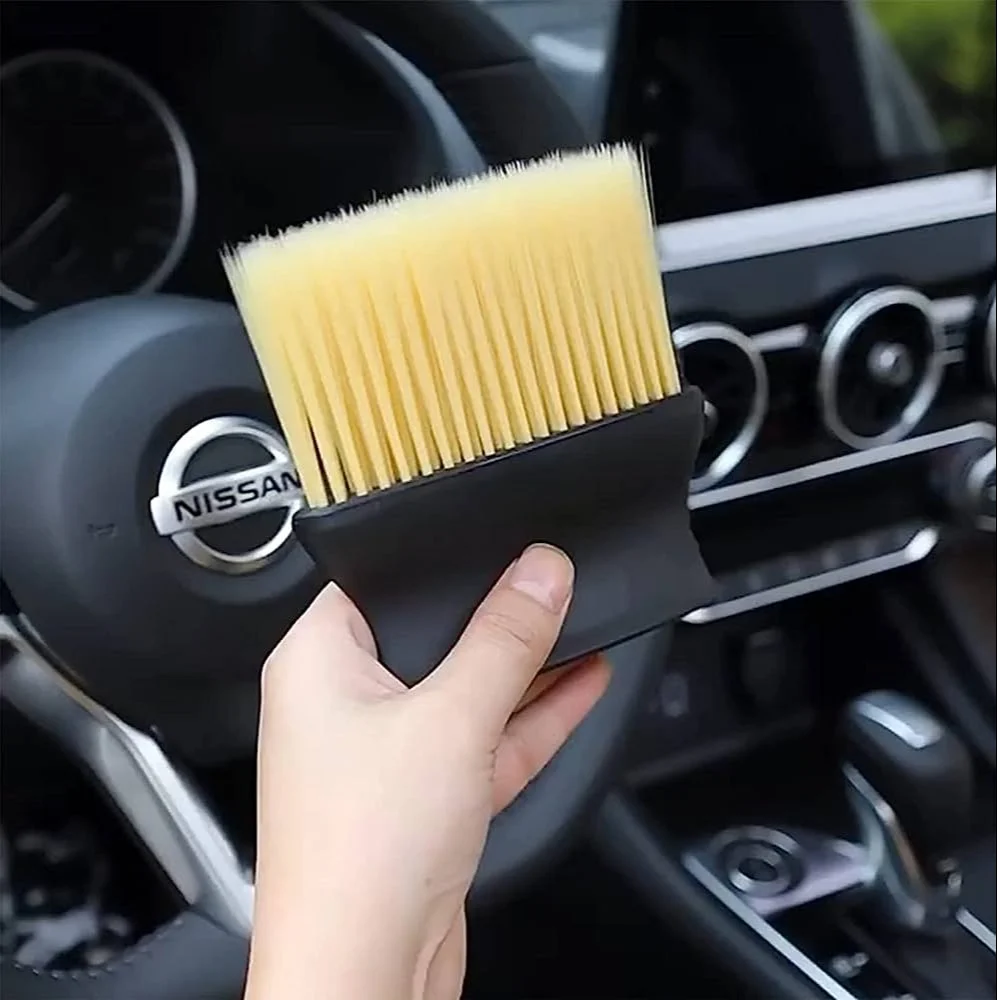
Sometimes a cloth seat looks stained because dirt has become embedded in the upholstery rather than because there is a single obvious spill. A soft upholstery brush can loosen this buildup. You can often purchase a suitable brush for a few dollars, making it a useful addition to an inexpensive car cleaning kit.
Begin with thorough vacuuming. Pay attention to seams, stitching, seat edges, and areas where crumbs commonly collect. Once loose debris has been removed, apply a small amount of an appropriate upholstery cleaning solution. A mild dish soap mixture can work for general dirt if the fabric allows it.
Use the brush with gentle, overlapping strokes. Avoid pressing hard. The purpose of brushing is to agitate the fibers enough to release dirt, not to grind the dirt deeper into the material. Work on a small section at a time so you can see how the fabric responds.
After brushing, blot the section with a clean microfiber towel. If the towel picks up visible dirt, continue with clean areas of the towel until the transfer decreases. A second damp cloth can be used to remove cleaning residue. Keep moisture controlled throughout the process.
Brushing can make a significant visual difference when the seat has accumulated months of dust and grime. It is also helpful around textured fabric where a cloth alone cannot reach between the fibers.
Choose a brush with soft or medium-soft bristles and avoid stiff brushes intended for outdoor surfaces. Gentle agitation combined with controlled moisture is usually safer for automotive upholstery.
9. Use a Homemade Baking Soda and Soap Paste for Tough Spots
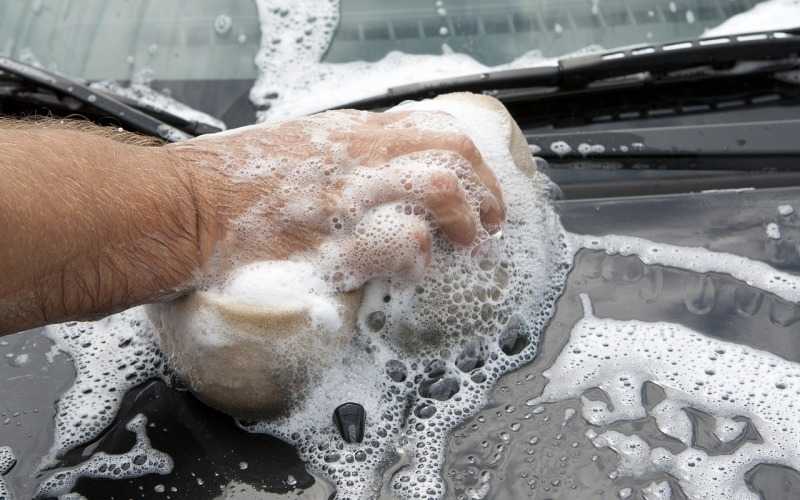
For isolated stains, a small cleaning paste can provide more targeted action than a watery solution. A simple mixture can be made with a small amount of baking soda, a few drops of mild dish soap, and enough water to create a thin paste. The mixture should be easy to spread and should not contain large dry clumps.
Vacuum the seat before applying the paste. Put a small amount directly onto the stained section using a clean cloth or soft brush. Do not cover the entire seat unless the upholstery care instructions specifically support that type of treatment. A localized application makes it easier to control moisture and cleaning intensity.
Gently work the paste into the surface with a soft brush. Do not aggressively scrub. Let the mixture sit for a short period, then remove it with a clean, damp microfiber cloth. You may need several passes to eliminate the baking soda and soap residue. Patience is more useful than heavy pressure.
After removing the paste, blot the area with a dry towel. Check the seat under good lighting once it has dried. Some stains become less visible while wet and may appear again after drying. If the stain remains, repeat the treatment carefully rather than immediately switching to a stronger chemical.
10. Finish With a Budget Upholstery Cleaner
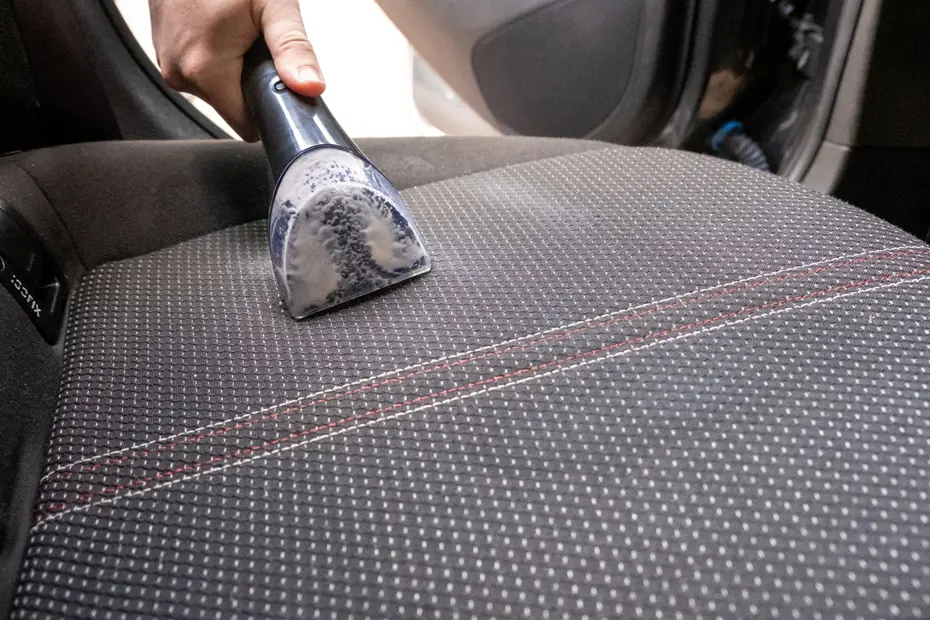
A commercial upholstery cleaner can be worthwhile when household solutions have not produced the desired result. Many basic fabric-safe cleaners are available for less than $15. Look for a product specifically labeled for upholstery or automotive fabric rather than choosing a random household surface cleaner.
Read the label before applying the product. Pay attention to directions concerning dilution, ventilation, contact time, rinsing, and fabric compatibility.
Test the cleaner in a hidden area first. This is especially important for dark, brightly colored, older, or delicate upholstery because cleaning products can sometimes affect dyes.
Vacuum the seat thoroughly before cleaning. Apply the recommended amount of product to a manageable section. Avoid saturating the seat. Work with a microfiber towel or soft upholstery brush according to the product’s instructions. Blotting is often preferable to aggressive rubbing when dealing with a visible stain.
After treatment, remove excess moisture and cleaner according to the label. Some products require a damp-cloth rinse, while others may be designed to dry without rinsing. Keep the vehicle ventilated until the seat is completely dry. Do not sit on a heavily damp seat simply to check whether the stain has disappeared.
