
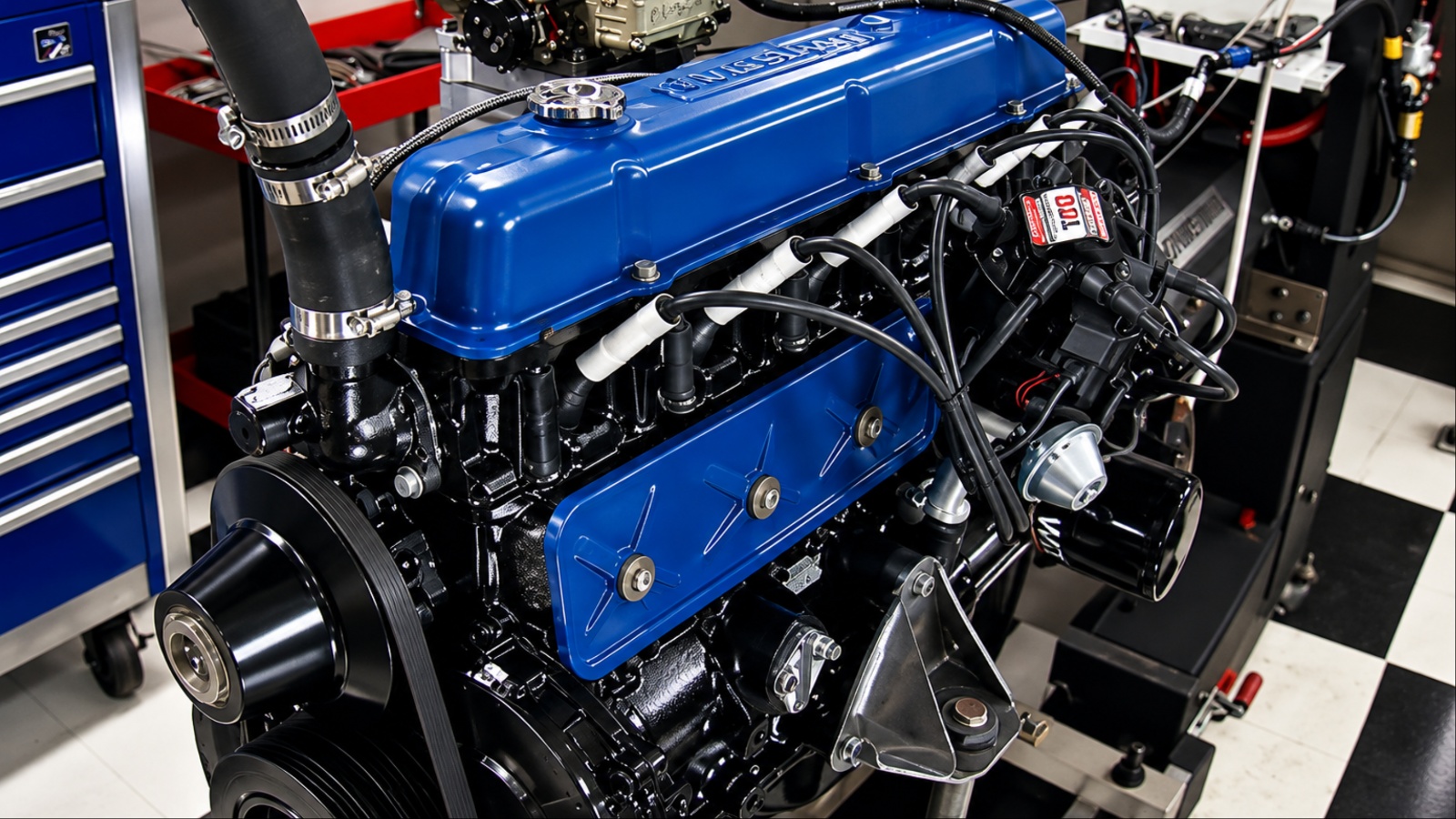
Some engines earn respect through horsepower, while others become legends by simply refusing to quit. Over the decades, American drivers have bought vehicles powered by engines capable of reaching extraordinary mileage with sensible maintenance and regular servicing.
From hardworking pickup trucks to family sedans and luxury cars, certain powerplants have developed reputations for lasting hundreds of thousands of miles. This list examines ten engines that became famous for durability, mechanical strength, repairability, and long service lives in vehicles sold in America.
These engines were not perfect, but their combination of conservative engineering, strong components, and proven designs helped them remain dependable for generations of drivers.
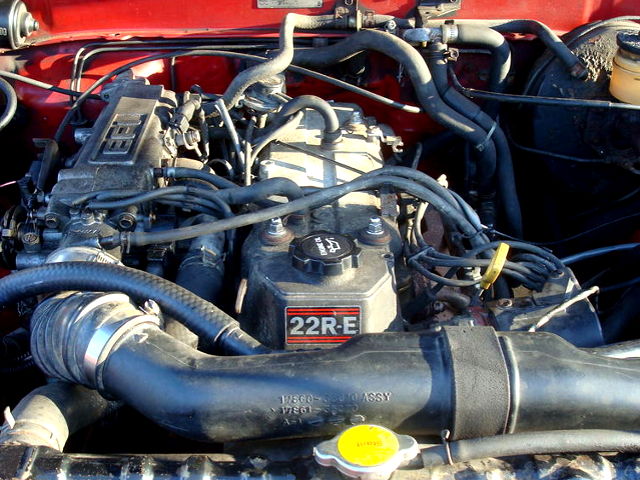
1. Toyota 22R and 22RE
The Toyota 22R and fuel-injected 22RE have earned a special place among the longest-running engines sold in America. The 2.4-liter four-cylinder was widely used in Toyota pickups, 4Runners, and other vehicles during the 1980s and 1990s. Its reputation came from a straightforward design, relatively low power output, and durable construction.
The 22R relied on a cast-iron block and was not highly stressed in normal operation. That combination gave the engine a remarkable ability to tolerate years of daily driving. Enthusiasts still regard properly maintained examples as engines capable of reaching 300,000 miles or more.
The 22RE brought electronic fuel injection to the basic 22R architecture while preserving much of its mechanical character. Fuel injection improved starting, drivability, and emissions performance without turning the engine into an excessively complicated powerplant.
Toyota also designed the engine for applications that could experience considerable workload, particularly in pickup trucks. Owners frequently used these trucks for towing, hauling, off-road driving, and long-distance transportation. The engine was not designed to produce sports-car levels of power, which helped keep internal stresses relatively modest. Its focus was dependable transportation rather than impressive performance figures.
Maintenance played a major role in the longevity of the 22R family. Regular oil changes, a healthy cooling system, proper ignition maintenance, and attention to timing-chain components could keep these engines operating for many years. A neglected engine could still develop problems, so the 22R should not be treated as indestructible.
Timing-chain wear became a known concern on higher-mileage examples, particularly when maintenance had been ignored. Still, the basic engine architecture was simple enough that many repairs were straightforward compared with more sophisticated engines from later generations.
The 22R also benefited from Toyota’s reputation for building durable trucks. The engine was frequently installed in vehicles that themselves became famous for surviving harsh conditions. A pickup with a worn interior, faded paint, or tired suspension could still have a healthy 22R under the hood.
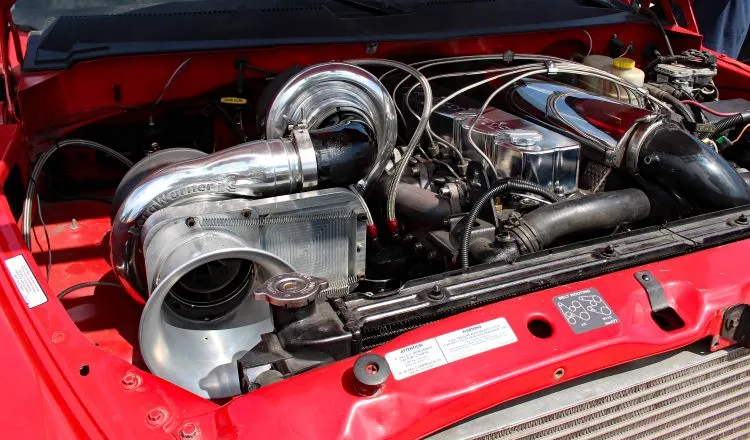
2. Cummins 5.9L 12-Valve 6BT
The Cummins 5.9-liter 12-valve diesel became legendary after entering the Dodge Ram pickup lineup in the 1990s. The engine was based on Cummins’ B-Series diesel architecture and was built with commercial-duty applications in mind. Its inline-six layout provided excellent balance, while the heavy-duty construction gave it a substantial durability advantage.
The 1994 to 1998 version used a Bosch P7100 mechanical injection pump, eliminating many electronic controls found in later diesel engines. Cast-iron construction and robust internal components helped make the 5.9L 12-valve famous for high-mileage service.
The engine’s popularity grew because it could combine substantial torque with relatively simple mechanical operation. Pickup owners used these trucks for towing trailers, hauling equipment, transporting recreational vehicles, and working long hours.
The Cummins did not need to operate at extremely high engine speeds to produce useful pulling power. Its inline-six configuration and long-stroke design suited heavy-duty applications particularly well. With appropriate maintenance, many engines accumulated hundreds of thousands of miles. Documented examples have gone far beyond that figure, contributing greatly to the engine’s legendary status.
The mechanical fuel system is a major part of the 12-valve Cummins story. Modern diesel engines depend heavily on electronic controls, sensors, emissions equipment, and computer-managed fuel systems. The early 5.9L design had far fewer electronic dependencies.
This made diagnosis easier and allowed the engine to continue operating in situations where an electronic component might stop a modern powertrain. Its mechanical injection system also became popular with owners seeking additional performance, though increasing power beyond factory specifications can place extra stress on the engine and supporting components.
Longevity still depended on maintenance. Clean oil, proper filtration, good cooling-system condition, and regular servicing remained essential. A neglected Cummins could suffer expensive damage, particularly when cooling problems or lubrication issues were ignored.
The engine’s heavy-duty construction gave it a large durability margin, but no diesel can survive indefinitely without proper care. Owners who maintained their trucks and avoided abusive modifications frequently reported exceptionally high mileage.
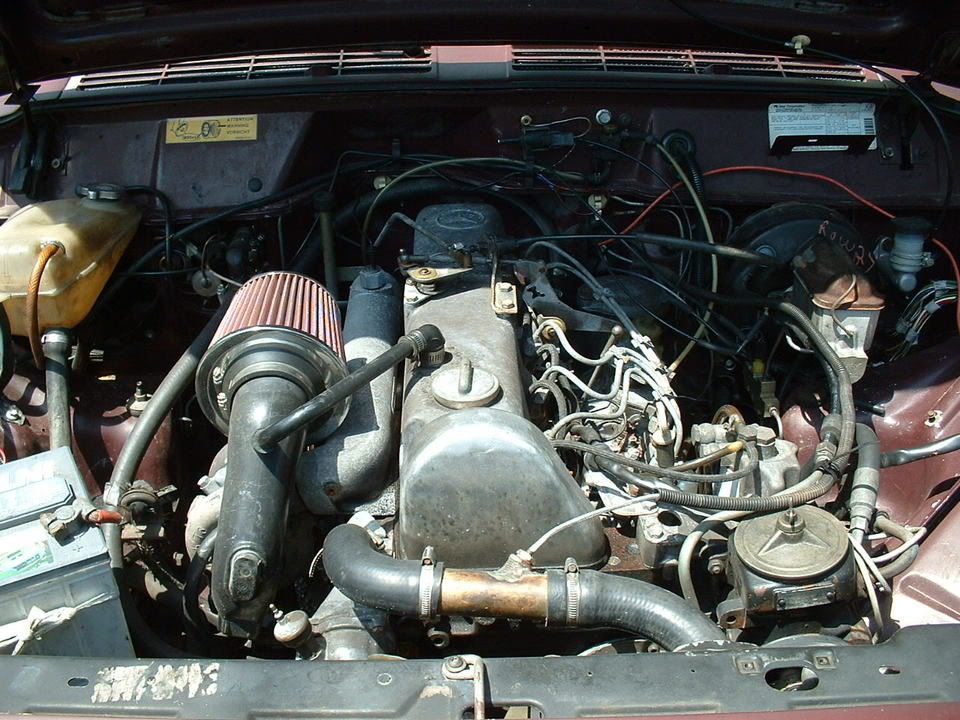
3. Mercedes-Benz OM617
The Mercedes-Benz OM617 diesel is famous for surviving extraordinary mileage in passenger cars sold in America. Produced from the 1970s through the early 1990s, the five-cylinder diesel powered vehicles such as the Mercedes-Benz 300D, 300TD, and 300SD.
The engine used a cast-iron block and cylinder head, a mechanical fuel-injection system, and a chain-driven single overhead camshaft. Its design emphasized durability and continuous operation rather than high horsepower. The OM617 is frequently associated with vehicles that accumulated several hundred thousand miles, with exceptional examples reaching much higher figures.
The OM617 became particularly famous because Mercedes-Benz designed it for long-distance use. Diesel engines of this era were not known for quick acceleration, but they offered excellent low-speed torque and fuel economy. The engine could operate for long periods at highway speeds while maintaining relatively modest mechanical stress.
Taxi fleets provided particularly demanding environments, giving durable Mercedes diesels an opportunity to prove themselves under constant use. High-mileage stories involving these cars helped establish the OM617 as a symbol of diesel longevity.
The mechanical injection system is another important part of its reputation. The engine did not depend on the extensive electronic controls found in contemporary diesel powerplants. Fuel delivery was managed mechanically, allowing trained mechanics to diagnose and repair many problems without specialized electronic equipment.
This simplicity did not make the engine maintenance-free, but it made long-term ownership more manageable. Owners still needed to monitor oil consumption, cooling, injectors, vacuum systems, timing components, and other supporting systems.
Turbocharged versions gave the OM617 additional performance while retaining its basic durability-focused architecture. The turbocharged engine appeared in several American-market Mercedes models, including the 300SD.
It still was not a performance engine by modern standards, but it provided enough power for large luxury sedans. Its relatively low specific output helped keep mechanical loads under control. That conservative approach contributed to the engine’s ability to remain functional after hundreds of thousands of miles.
4. Ford 300 Inline-Six
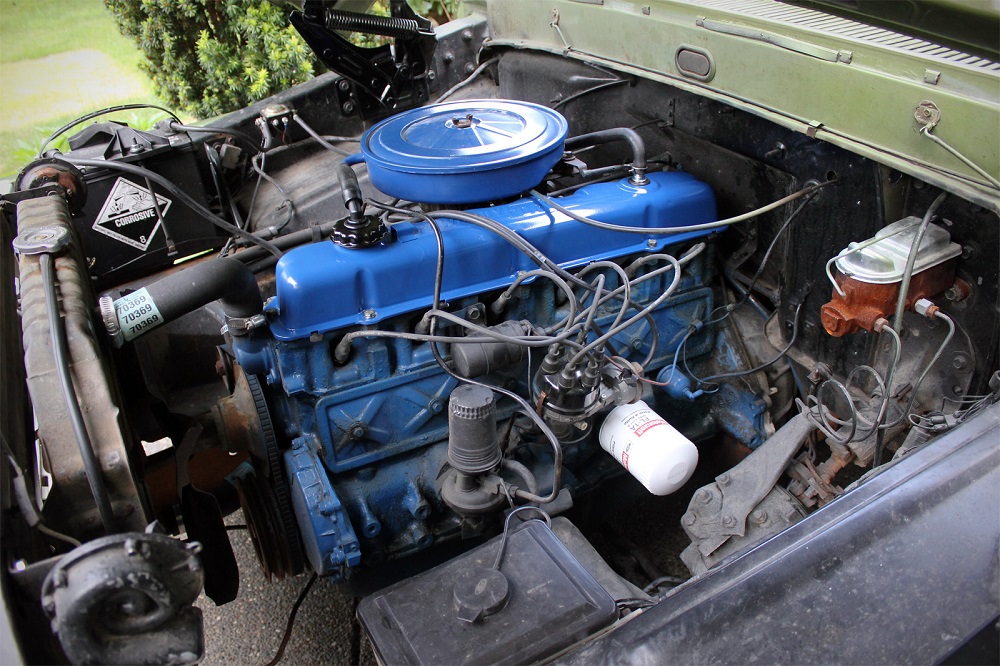
Ford’s 300-cubic-inch inline-six, commonly called the Ford 300, became famous for its toughness in pickup trucks and commercial vehicles. Produced for decades, the 4.9-liter engine developed a reputation for producing useful torque while tolerating hard work.
Its straightforward inline-six layout reduced complexity, while its conservative output allowed the engine to operate without extreme internal stress.
Ford used the engine extensively in trucks, where reliability mattered more than high-revving performance. Generations of owners came to associate the 300 with work trucks that could remain operational for remarkably long periods.
The Ford 300 was never intended to compete with powerful V8 engines for acceleration. Its appeal came from low-end torque and predictable operation. Farmers, contractors, tradespeople, and fleet operators could use these trucks for hauling and towing without needing a highly sophisticated powerplant.
The engine’s strong crankshaft, sturdy block, and simple valvetrain contributed to its reputation. A well-maintained example could accumulate very high mileage while continuing to perform basic transportation and work duties.
Ease of repair also helped the Ford 300 survive. The engine bay of an older Ford truck generally provided reasonable access to mechanical components, while the engine itself used familiar technology.
Mechanics could diagnose many problems with standard tools and conventional procedures. Parts availability remained strong because Ford produced huge numbers of these engines. That widespread use created a large pool of technical knowledge, which remains valuable for owners maintaining older trucks.
Cooling and lubrication were still critical. Any engine can suffer serious damage when oil pressure disappears or temperatures rise excessively. The Ford 300 earned its reputation through durability, not magical immunity to neglect.
Owners who maintained fluids, belts, cooling components, and ignition systems gave the engine the best chance of reaching extreme mileage. Its heavy-duty reputation was supported by real-world commercial use rather than simply enthusiast claims.
5. Chevrolet Small-Block 350
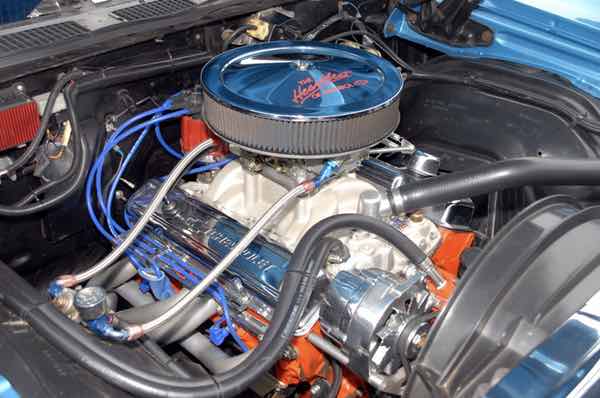
The Chevrolet small-block 350 became famous for far more than longevity, but its durability helped make it a cornerstone of American automotive history. Introduced in the late 1960s, the 350-cubic-inch V8 appeared in an enormous range of Chevrolet and other General Motors vehicles.
It powered passenger cars, pickups, vans, performance models, and utility vehicles. The engine’s compact dimensions, simple architecture, strong aftermarket support, and broad production history made it remarkably adaptable. Millions of engines were produced, giving mechanics decades of experience with the platform.
The 350’s pushrod design was comparatively simple. A single camshaft located inside the engine operated the valves through lifters, pushrods, and rocker arms. That arrangement was not technologically advanced, but it was relatively easy to service and understand.
The engine could also be built in numerous configurations, from mild passenger-car versions to high-performance applications. Its widespread use meant that replacement components were easy to obtain, and rebuilding a worn engine was often practical.
Durability depended heavily on the specific version and application. Not every 350 engine will reach extraordinary mileage without internal repairs. Cooling systems, oil maintenance, valve-train condition, and operating conditions all influence service life.
Fleet vehicles that received regular maintenance could accumulate significant mileage, while modified performance engines could experience very different wear patterns. The strength of the 350 was its broad engineering margin and enormous repair ecosystem.
The engine’s repairability became almost as important as its original durability. A worn 350 did not necessarily mean the end of the vehicle. Machine shops and mechanics could rebuild these engines using widely available components.
Owners could replace bearings, rings, pistons, timing components, gaskets, and other parts while keeping the basic block in service. That rebuild-friendly design helped many 350-powered vehicles remain on American roads for decades.
6. GM 3800 V6
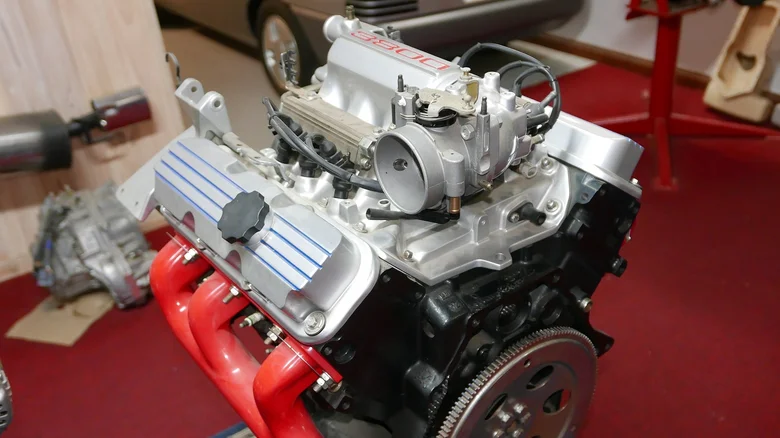
The General Motors 3800 V6 developed a strong reputation for reliability in American passenger cars. The engine evolved from Buick’s V6 family and eventually became widely known as the 3800. It powered vehicles from Buick, Chevrolet, Pontiac, Oldsmobile, and other GM brands.
The engine was not designed as a high-performance exotic powerplant. Instead, it offered useful torque, reasonable fuel economy, and dependable operation for everyday drivers. Many examples accumulated substantial mileage while serving as commuter cars and family vehicles.
The 3800’s longevity came from several design characteristics. Its basic architecture was well developed through years of production, and later versions incorporated improvements in fuel delivery, ignition, and engine management.
The engine’s relatively conservative operating characteristics helped it handle daily driving without excessive stress. Supercharged versions added performance while retaining much of the basic engine architecture. This gave the 3800 an unusual combination of durability and performance potential.
Cooling-system maintenance was particularly important for long-term ownership. Like many engines, the 3800 could develop problems when cooling components aged or maintenance was ignored.
Intake manifold gasket issues affected certain generations, and the plastic components used in some applications became known maintenance concerns. These issues do not erase the engine’s durability record, but they show why reputation should never replace inspection when buying a high-mileage vehicle.
7. Jeep 4.0L Inline-Six
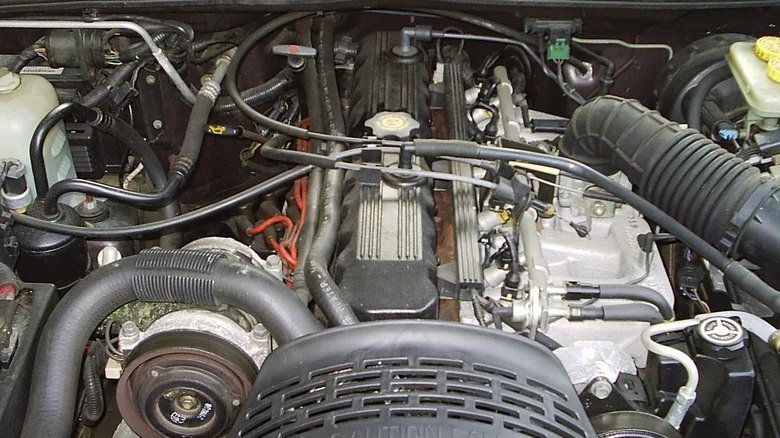
The Jeep 4.0-liter inline-six became closely associated with the Cherokee, Wrangler, and other Jeep vehicles. Introduced in the late 1980s, the engine was based on American Motors’ inline-six architecture and became famous for its torque and durability.
It was especially well suited to off-road vehicles because its power delivery was predictable and its mechanical design was relatively straightforward. Jeep owners often subjected these engines to difficult conditions, including steep trails, mud, dust, heat, and frequent low-speed operation.
The inline-six configuration provided inherent mechanical balance and allowed Jeep to create a strong engine without excessive complexity. The 4.0 used a cast-iron block and cylinder head, contributing significant weight but also providing substantial durability.
Power output was modest by modern standards, yet that conservative approach helped the engine survive years of hard use. Many owners continued driving their Jeeps long after other components, including transmissions, axles, and suspension parts, required repair or replacement.
The 4.0 also became famous for its ability to tolerate high mileage when properly maintained. Oil changes, cooling-system care, ignition maintenance, and attention to leaks were still necessary.
High-mileage engines could develop oil consumption, rear main seal leaks, valve-cover leaks, and other age-related issues. These problems were generally manageable compared with catastrophic internal failures, particularly when owners addressed them early.
Off-road use presented unique challenges. A Jeep could spend hours operating at low speed with limited airflow, climb steep grades, or encounter significant dust and water exposure.
The engine’s durability made it well suited to these conditions, but owners still needed to protect the cooling and intake systems. The best examples survived because their owners understood that rugged construction does not eliminate the need for maintenance.
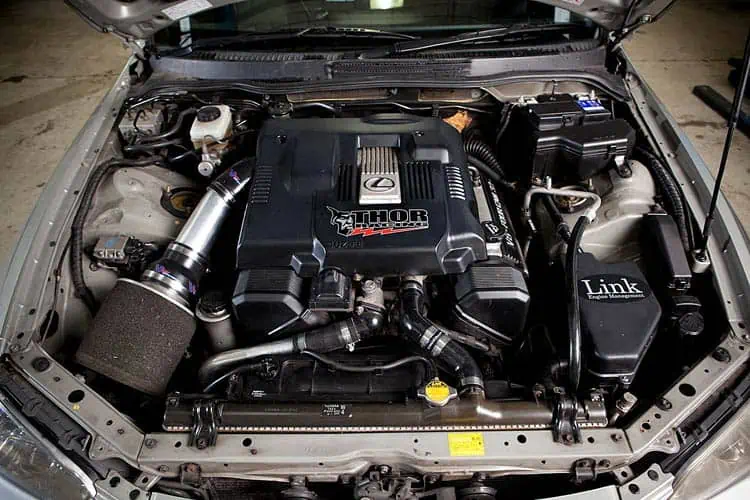
8. Toyota 1UZ-FE V8
The Toyota 1UZ-FE introduced a different approach to long-term engine durability. Rather than powering a basic pickup or work truck, this 4.0-liter V8 was developed for Toyota and Lexus luxury vehicles.
It appeared in models such as the Lexus LS 400 and Toyota Celsior, with the American-market LS 400 becoming particularly important to Lexus’s early reputation. The engine combined smooth operation with strong construction, demonstrating that longevity did not have to come at the expense of refinement.
The 1UZ-FE used an aluminum block and heads, four camshafts, and sophisticated engineering for its era. Its design incorporated strong internal components and a robust bottom end. Toyota engineered the engine to deliver smooth, quiet performance rather than simply maximum horsepower.
That conservative approach helped create a powerplant that could provide dependable service over many years. High-mileage examples remain common among enthusiasts who maintain these cars carefully.
The engine did require more maintenance than a basic four-cylinder. Timing-belt replacement was particularly important because the camshafts depended on the belt system. Ignoring scheduled belt service could result in serious damage.
This is an important distinction when discussing long-running engines. Longevity depends not only on strong materials but also on the owner’s willingness to follow maintenance schedules. The 1UZ could be remarkably durable when its service requirements were respected.
The engine’s smoothness also reduced the impression of mechanical strain. It delivered power with little vibration and worked well with automatic transmissions.
This made it particularly suitable for luxury sedans, where quiet operation was essential. The 1UZ demonstrated that an engine could combine durability with sophistication, a combination that helped distinguish early Lexus vehicles from many competitors.
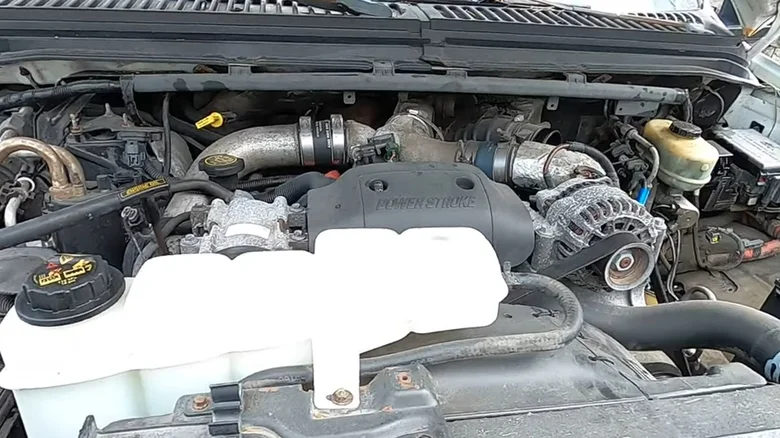
9. Ford 7.3L Power Stroke
The 7.3L Power Stroke diesel became a major part of Ford’s heavy-duty pickup reputation during the late 1990s and early 2000s. Developed by Navistar and used by Ford, the engine powered Super Duty pickups and commercial-oriented vehicles.
Its turbocharged diesel design delivered substantial torque for towing and hauling. Compared with later diesel engines, the 7.3L had a relatively straightforward reputation and became highly respected among truck owners who needed long-term durability.
The engine used a cast-iron block and heads and was designed for demanding truck applications. Its electronically controlled fuel system was more advanced than the mechanical systems found in older diesels, yet the engine remained relatively conservative compared with modern diesel designs.
This helped create a balance between useful performance and durability. Properly maintained examples frequently accumulated hundreds of thousands of miles, particularly when used for highway towing and commercial work.
The 7.3L was not free from problems. High-mileage examples can experience issues involving sensors, injectors, wiring, turbocharger components, and other systems. Maintenance history therefore matters greatly when buying a used truck.
An engine with 300,000 miles and detailed service records can be a more attractive proposition than a neglected truck showing half that mileage. The engine’s reputation comes from its ability to survive long service when maintained correctly, not from immunity to wear.
Heavy-duty trucks often operate under demanding loads, meaning the entire drivetrain experiences considerable stress. The 7.3L’s ability to continue delivering strong torque after years of work helped create a loyal following among Ford truck owners.
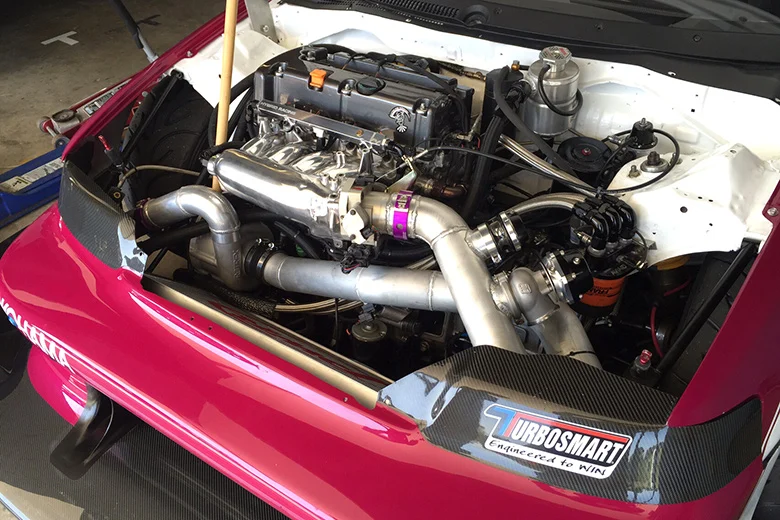
10. Honda K24
The Honda K24 represents a newer generation of long-running gasoline engines that demonstrated remarkable durability without relying on old-fashioned mechanical simplicity. Introduced during the early 2000s, the 2.4-liter four-cylinder became widely used in Honda and Acura vehicles sold in America.
It powered models including the Accord, CR-V, Element, and other applications. The K24 offered a useful balance of fuel economy, performance, and reliability, helping it become a popular engine for daily transportation.
The K24 was designed with modern technology, including variable valve timing and electronic engine management. Its aluminum construction kept weight reasonable, while its four-cylinder architecture remained compact and efficient.
Compared with older engines on this list, the K24 operated in a more sophisticated environment. Yet careful engineering allowed it to deliver high mileage without requiring excessive maintenance beyond normal service. That made the K24 particularly appealing to drivers who wanted modern convenience without sacrificing durability.
Routine maintenance remains essential. Oil changes are particularly important for any high-mileage engine, while cooling-system service, spark plugs, belts, fluids, and other scheduled items should not be ignored.
Some K24 applications have specific maintenance considerations related to timing chains, oil consumption, or valve adjustment. The exact requirements vary by model year and application, so owners should follow the service schedule for their particular vehicle.
