
Car fluids rarely receive the attention they deserve, yet they play a major role in keeping an engine, transmission, braking system, and cooling system working properly. Many drivers choose fluids based mainly on price, but the cheapest option is not always the smartest choice.
Certain fluids are formulated around specific materials, temperatures, seals, friction characteristics, and manufacturer requirements. Paying dealer prices can make sense when the fluid has a specialized specification or when using the wrong product could cause expensive damage.
From engine oil and coolant to transmission fluid and brake fluid, these are eight car fluids worth considering from a dealer when the correct specification matters.
1. Genuine Engine Oil
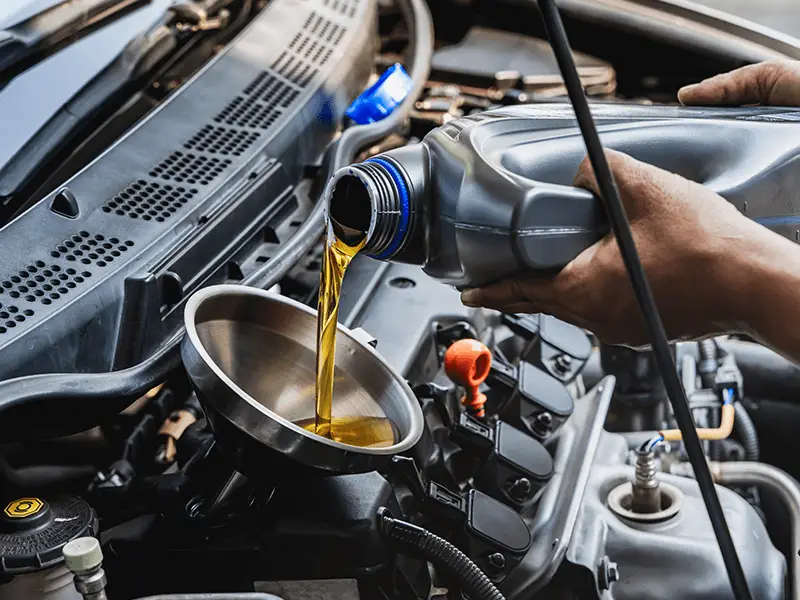
Engine oil is usually the first fluid that comes to mind when discussing vehicle maintenance, and for good reason. It circulates through the engine to reduce friction between moving components while helping control heat and carry contaminants toward the oil filter.
Modern engines can have tight internal tolerances, turbochargers, variable valve timing systems, and emissions equipment that place specific demands on lubricants. Hyundai, for example, lists different oil grades and specifications for different engines, while Kia manuals also provide precise viscosity and performance classifications.
Buying engine oil from a dealer can be worthwhile when the manufacturer requires a particular formulation. A bottle marked with a familiar viscosity, such as 0W-20 or 5W-30, does not automatically mean it is suitable for every engine. Viscosity is only part of the requirement.
API, ILSAC, ACEA, manufacturer approvals, low-ash requirements, and other specifications can also matter. A diesel engine fitted with a particulate filter may require a different oil formulation from a petrol engine, even when their viscosity recommendations appear similar.
Dealer oil becomes particularly attractive when your car is relatively new or still covered by a manufacturer warranty. Using the recommended specification provides a clear maintenance trail and reduces uncertainty about whether the lubricant meets the required standard.
This does not mean every independent oil brand is inferior. Many aftermarket lubricants are excellent products and may meet the required specifications. The important point is to match the exact requirement in the owner’s manual rather than choosing based solely on brand recognition or price.
There is also a practical benefit to buying the manufacturer’s recommended oil when topping up between services. If the vehicle requires a particular low-viscosity synthetic oil, keeping a sealed bottle of the correct product in the garage or boot can prevent an emergency purchase of an unsuitable lubricant.
This becomes more useful for vehicles that consume a small amount of oil between service intervals. Always check the oil level correctly and avoid filling beyond the recommended maximum mark.
Engine oil should never be selected simply because it is expensive. A premium product that does not meet your vehicle’s specification is a poor choice compared with a reasonably priced lubricant that does.
Dealer pricing makes the most sense when it provides certainty about compatibility, specification, and authenticity. For an expensive engine, that extra confidence can be worth paying for, particularly when the manufacturer’s recommendation is highly specific.
2. Genuine Coolant
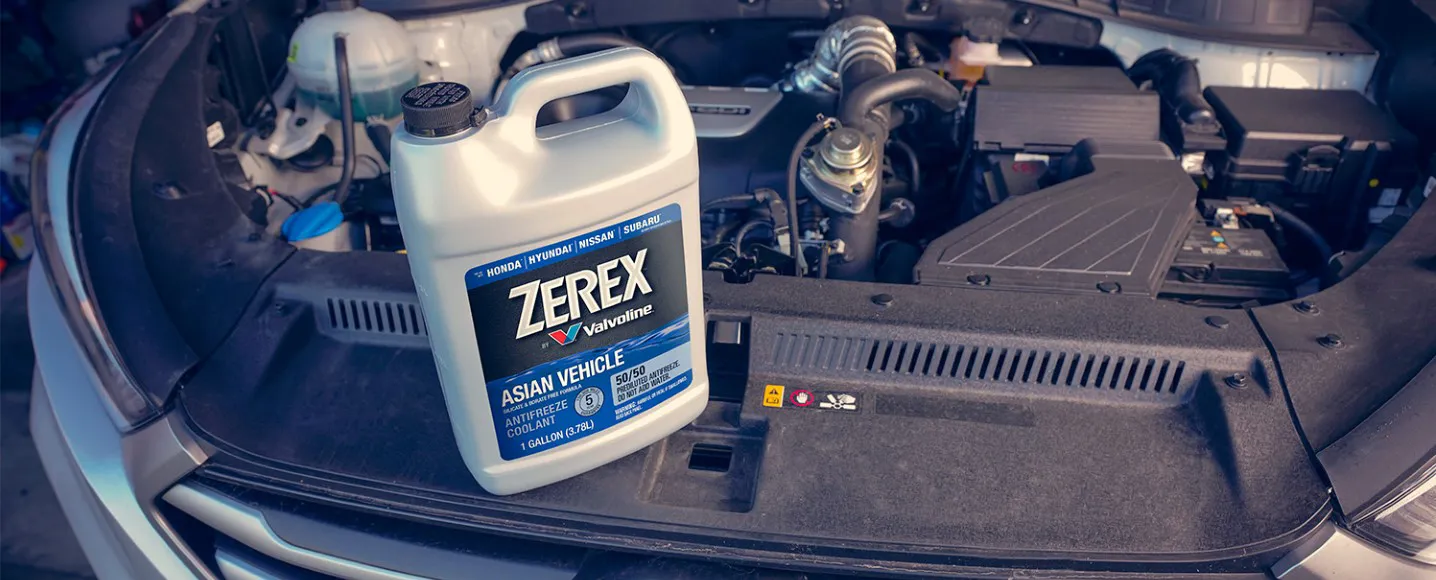
Coolant protects the engine from excessive temperatures while also providing protection against freezing and corrosion. Modern cooling systems contain aluminium components, plastics, rubber seals, water pumps, radiators, and various metals that must operate together for years.
The correct coolant is formulated to protect these materials and maintain suitable heat transfer. Manufacturer manuals can specify a particular coolant chemistry, concentration, or type, meaning a random universal product should not automatically be treated as an equivalent replacement.
Dealer coolant can be especially useful when the vehicle uses a proprietary or carefully specified formulation. Some manufacturers use long-life coolant designed for extended service intervals, while others specify particular additive technologies.
Colour is not a reliable way to identify coolant chemistry because different manufacturers can use similar colours for different formulations. The label, specification, and vehicle manual provide much better information than appearance.
Mixing incompatible coolants can create problems. Different additive packages may not work well together, and some manufacturers specifically warn against using different coolant types or plain water for routine filling.
Kia documentation, for example, specifies particular coolant characteristics for its vehicles and warns that unsuitable coolant or water can damage certain components.
A dealer purchase can also make sense before a long trip if your vehicle has a manufacturer-specific coolant requirement. Carrying a small sealed container of the correct premixed coolant can be useful for emergencies, particularly if the vehicle is driven in a hot climate or over long distances.
It should not replace proper diagnosis if the coolant level repeatedly falls. Frequent coolant loss can indicate a leak, damaged hose, radiator problem, water pump issue, or internal engine problem.
Never open a hot cooling system simply to check the coolant level. Pressurized coolant can cause serious burns. Check the reservoir when the engine is cold and follow the manufacturer’s instructions for checking and filling it.
If the temperature warning appears or the engine begins overheating, stop safely and investigate the cause rather than continuing to drive. Dealer coolant is worth considering because its value comes from compatibility and specification, not merely the logo printed on the container.
3. Automatic Transmission, CVT or DCT Fluid
Transmission fluid deserves careful attention because modern transmissions can be extremely sensitive to fluid characteristics. Automatic transmissions, continuously variable transmissions, and dual-clutch transmissions do not necessarily use the same type of lubricant.
Even transmissions that look similar externally can require different fluids because their clutches, hydraulic systems, gears, friction materials, and control systems operate differently. Hyundai and Kia documentation provides different specifications for automatic, manual, CVT, and DCT applications.
This is an area where dealer fluid can be particularly valuable. A generic transmission fluid may claim broad compatibility, but the correct question is whether it meets the exact specification required by your transmission.
Using an unsuitable fluid can affect shift quality, clutch engagement, lubrication, temperature control, and long-term durability. Some transmissions are especially sensitive to friction characteristics, making the manufacturer’s specification more important than simply choosing a fluid with a similar viscosity.
CVT fluid deserves separate attention because a continuously variable transmission operates differently from a conventional automatic transmission. Its belt or chain and pulley system relies on carefully controlled friction characteristics.
A fluid designed for a conventional automatic transmission should not automatically be poured into a CVT. The same principle applies to dual-clutch transmissions, which can have different wet-clutch or dry-clutch designs and may require specific fluids.
Transmission fluid is also expensive to get wrong. An engine oil mistake may sometimes be corrected relatively easily, but an unsuitable transmission fluid can contribute to shifting problems or expensive internal wear.
That is why paying dealer prices for the exact approved fluid can be a sensible decision. The additional cost of the fluid is small compared with the potential cost of repairing a transmission that has been damaged by incorrect lubrication.
When purchasing transmission fluid, check the owner’s manual, service documentation, and fluid label carefully. Do not rely solely on statements such as “suitable for automatic transmissions.”
Look for the exact manufacturer specification or approval required by your vehicle. If the transmission uses a specialized fluid, the dealer’s product can provide useful assurance that you are buying the intended formulation rather than relying on a broad compatibility claim.
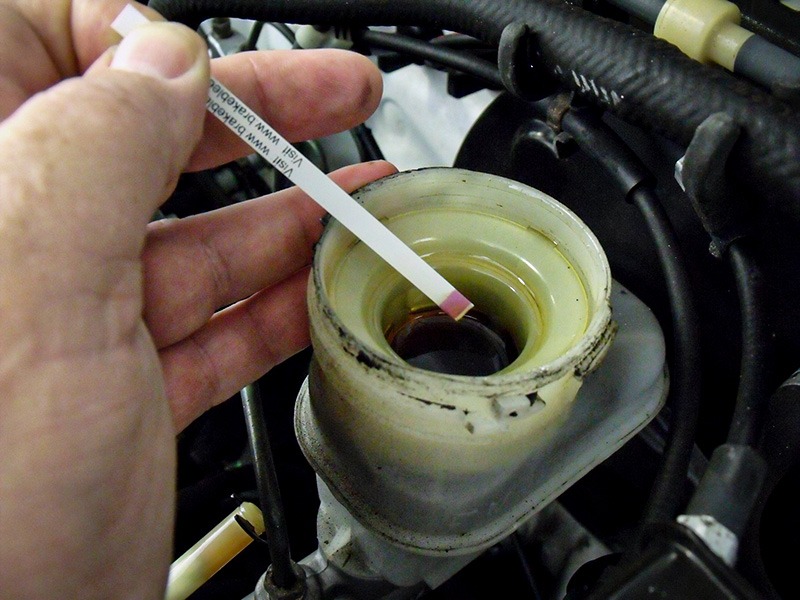
4. Brake Fluid
Brake fluid has a direct connection with vehicle safety because it transfers hydraulic pressure from the brake system to the components that apply the brakes.
Unlike engine oil, brake fluid is not something that should be selected casually. Vehicles can require DOT 3, DOT 4, DOT 4 LV, or another specified type, depending on their braking system. Hyundai documentation, for example, lists DOT 4 requirements for various models and provides specific maintenance information.
Moisture is a major concern with brake fluid. Over time, brake fluid can absorb water from the atmosphere, which can lower its boiling performance.
Under heavy braking, contaminated fluid may become more vulnerable to vapor formation. That can affect brake pedal feel and braking performance. This is why brake fluid replacement intervals matter even when the fluid reservoir still appears full, and the vehicle seems to brake normally.
Dealer brake fluid can be worth buying because the cost of the fluid itself is generally small compared with the consequences of using the wrong specification. A sealed bottle of the correct fluid also gives you confidence that the product is fresh. Once opened, brake fluid can absorb moisture from the air, so keeping partially used containers for long periods is not ideal.
Drivers should also avoid treating DOT ratings as interchangeable simply because they have similar names. Your vehicle’s manual should determine the required type. Hyundai specifically advises against mixing certain DOT 3 and DOT 4 brake or clutch fluids and identifies the recommended standard for particular vehicles.
Brake fluid is not a good area for experimentation. If the brake pedal feels unusually soft, the fluid level is falling, a warning light appears, or braking performance changes, the vehicle needs inspection rather than simply receiving a fluid top-up. A low level can indicate worn brake components or a leak.
Buying the correct dealer-supplied brake fluid makes sense when you need the precise specification and want to avoid uncertainty in a safety-critical system.
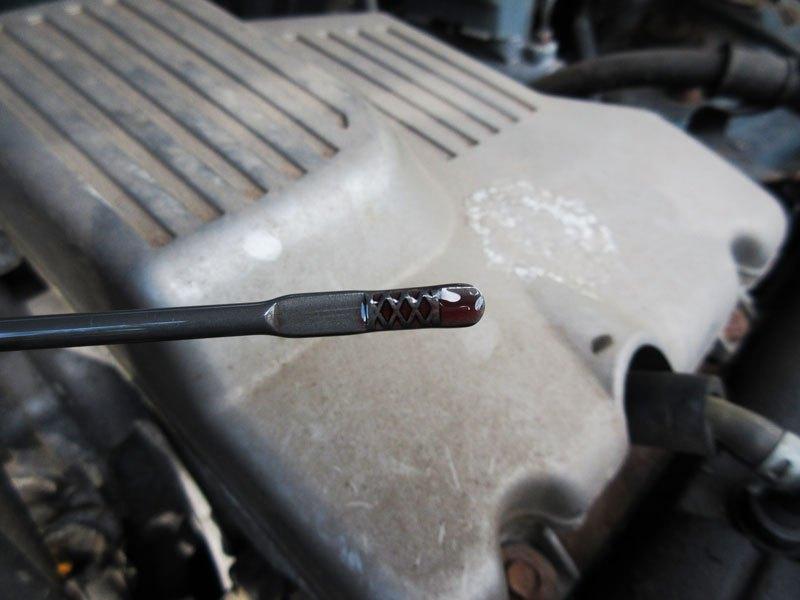
5. Manual Transmission Fluid
Manual transmission fluid is often forgotten because many drivers assume any gear oil will work. That assumption can be costly.
Manual gearboxes can require specific viscosity and API classifications, and some use fluids that are considerably lighter than traditional gear oils. Modern manuals may also contain synchronizers made from materials that require carefully selected friction characteristics. Kia, for example, lists API GL-4 and specific SAE grades for several manual transmission applications.
Dealer fluid can be a sensible purchase when the transmission has a narrow specification. A common mistake is selecting a gear oil based only on the number printed on the bottle.
Two fluids can have similar viscosity ratings while having different additive packages and suitability for synchronizers. The API classification also matters. A fluid intended for a different application should not be substituted simply because it appears thicker or more robust.
Dealer fluid is particularly attractive when the manufacturer lists a genuine transmission fluid by name or provides a narrow list of approved alternatives. Kia manuals sometimes identify both genuine fluid and specific equivalent products, showing that the goal is compliance with the required specification rather than blind loyalty to a brand.
Before buying, verify the transmission type, model year, engine, and exact fluid specification. Some vehicles have different gearboxes within the same model range, so advice from another owner may not apply to your car.
If the manual calls for a specialized fluid, paying the dealer price can into the transmission. Performance vehicles, SUVs, and off-road vehicles can place substantial loads on these gears. The correct fluid depends on the differential design, gear type, manufacturer specification, and be reasonable.
The fluid quantity is usually modest, meaning the price difference may be much smaller than the potential cost of correcting a transmission problem.
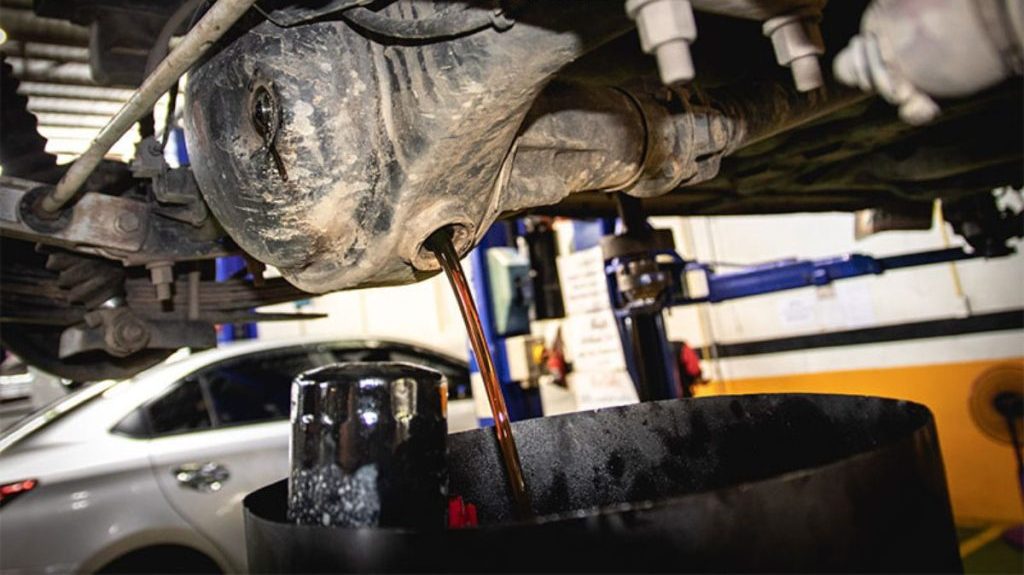
6. Differential Fluid
Differential fluid protects the gears inside a differential from friction, heat, and wear. Rear-wheel-drive and four-wheel-drive vehicles commonly require it, while some front-wheel-drive vehicles have differential components integrated into the transmission.
Performance vehicles, SUVs, and off-road vehicles can place substantial loads on these gears. The correct fluid depends on the differential design, gear type, manufacturer specification, and whether a limited-slip system is fitted.
Differential oil may look like a simple product because many applications use familiar viscosity grades. However, that does not mean every gear oil is appropriate. Some differentials require limited-slip additives, while others do not.
Choosing the wrong fluid can lead to unwanted noise, poor clutch operation in limited-slip differentials, or insufficient protection for the gears. Saving a little money on an unverified substitute may not be worth the potential damage. Check the vehicle’s exact differential type and manufacturer-recommended fluid before making a purchase.
A specialist mechanic can also confirm whether the vehicle uses a limited-slip system or another engine torque between axles and may contain gears, chains, clutches, or electronically controlled mechanisms. Because designs differ considerably, transfer case fluid should never be chosen simply because.
Dealer differential fluid can be worth the extra money when the vehicle has a specialized axle design. This is especially relevant for four-wheel-drive vehicles with multiple differentials or transfer systems.
Each component may require its own fluid. Pouring the same gear oil into every housing can be a serious mistake because the transfer case, front differential, rear differential, and manual transmission may have different requirements.
Changing differential fluid is also a maintenance task that is easy to overlook. Drivers may focus on engine oil while ignoring lubricants that protect driveline components.
Heavy towing, frequent off-road use, high temperatures, and long periods of demanding driving can increase the workload placed on differential gears. The recommended service interval should come from the vehicle manufacturer, with severe-use conditions considered where applicable.
When the manufacturer specifies a genuine axle lubricant, dealer pricing can provide useful assurance. The actual quantity required may be relatively small, so the difference between a dealer fluid and a questionable substitute may not justify taking a risk.
Always identify the correct differential before buying the fluid. A specialist mechanic can also confirm whether the vehicle uses a limited-slip system or another design requiring additional additive requirements.
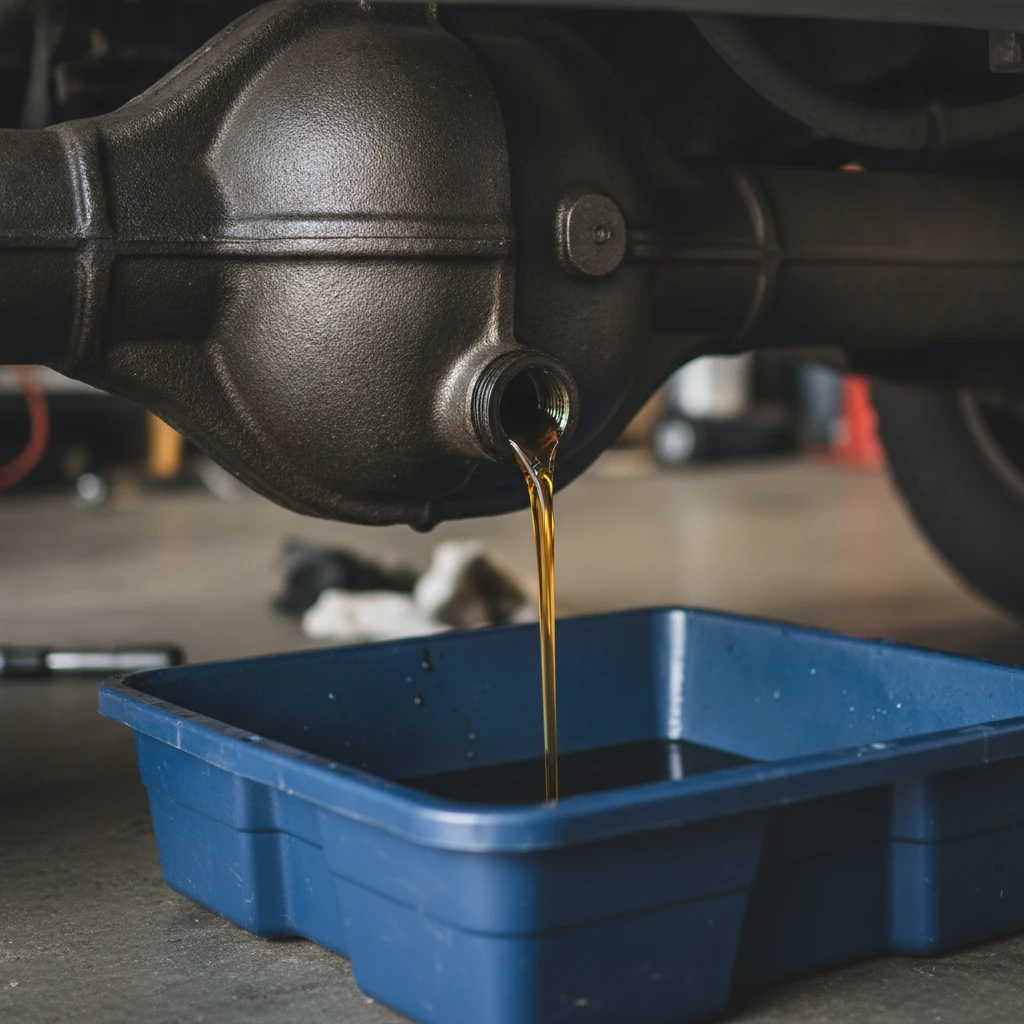
7. Transfer Case Fluid
Transfer case fluid is relevant mainly to four-wheel-drive and all-wheel-drive vehicles that use a separate transfer case. This component distributes engine torque between axles and may contain gears, chains, clutches, or electronically controlled mechanisms.
Because designs differ considerably, transfer case fluid should never be chosen simply because another vehicle uses a similar product. The manufacturer’s specification is the safest starting point.
Some transfer cases use a specialized fluid that looks very different from conventional gear oil. A transfer case containing a clutch pack may require a fluid with specific friction characteristics, while a gear-driven design may have different lubrication requirements.
Using ordinary gear oil in a system designed for specialized transfer fluid can create operational problems and premature wear.
Dealer pricing makes sense when the transfer case requires a proprietary fluid. The total quantity is often relatively small, which reduces the financial impact of choosing the correct product. Spending extra on a known compatible fluid can be preferable to saving a small amount while introducing uncertainty into a complex four-wheel-drive system.
Drivers who regularly tow, travel on rough roads, or use four-wheel drive extensively should pay attention to the manufacturer’s service schedule. Severe operating conditions can place additional stress on driveline components.
Even when the vehicle does not show obvious symptoms, fluid degradation can occur over time. A service inspection can identify leaks, contamination, or unusual wear before a larger mechanical problem develops.
8. Genuine Power Steering and Washer Fluid
Power steering fluid remains relevant for vehicles equipped with hydraulic or electro-hydraulic steering systems. Not every modern car uses conventional hydraulic power steering, so the first step is confirming what system your vehicle has.
Where hydraulic fluid is required, the manufacturer may specify a particular power steering fluid or an approved automatic transmission fluid. Mahindra documentation, for example, lists specific products for power steering applications.
Using the wrong steering fluid can affect seals, hoses, pumps, and steering operation. This is particularly important with older vehicles because their hydraulic systems may have been designed around a particular fluid formulation.
A dealer-supplied product can therefore be worthwhile when the manufacturer’s specification is unusual or difficult to identify from generic aftermarket labels.
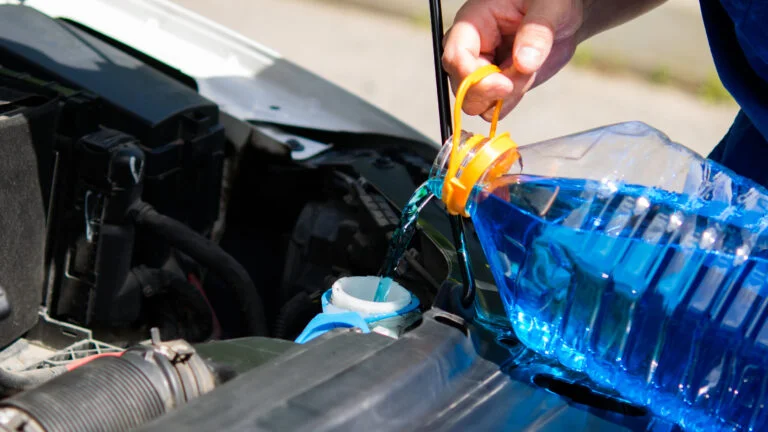
Windshield washer fluid is much less technically demanding, but there are still situations where a quality product is useful. Washer fluid helps remove dust, insects, oil film, and road grime from the windshield. A suitable product can also provide better cleaning performance than plain water. Toyota’s genuine parts catalog, for example, lists dedicated windshield washer fluid among its vehicle-related lubricants and consumables.
