
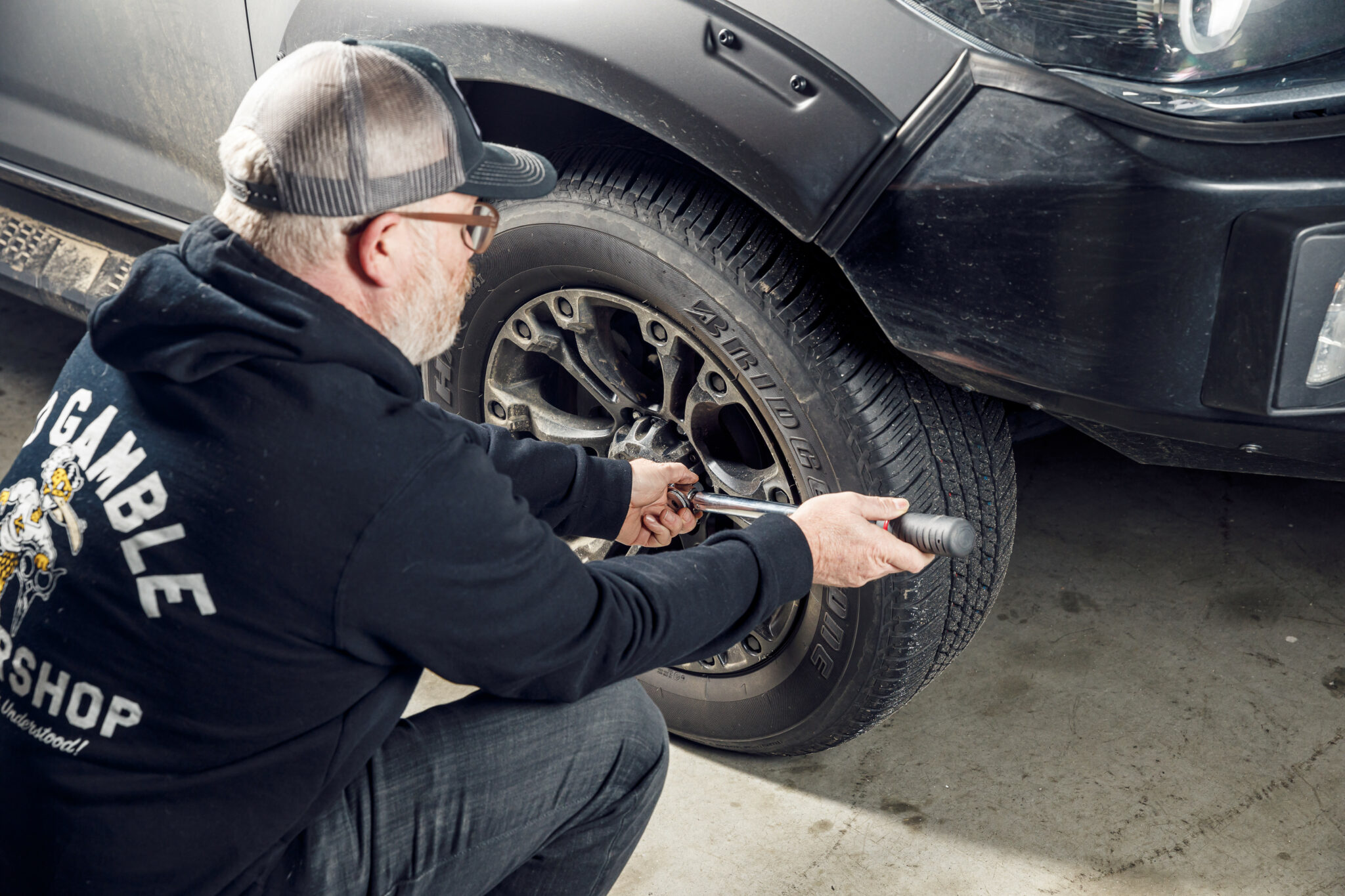
Car repairs can become expensive quickly, especially when labor charges are added to the cost of parts. A few useful automotive tools can help drivers handle common maintenance jobs at home and reduce workshop bills. The right tools can also make repairs faster, safer, and easier to understand.
You do not need a professional garage filled with expensive equipment to save money. Several affordable car tools can recover their purchase price after a single repair. From diagnostic scanners to battery testers and brake tools, these products can turn routine vehicle maintenance into a practical way to control repair costs.
1. OBD2 Scanner
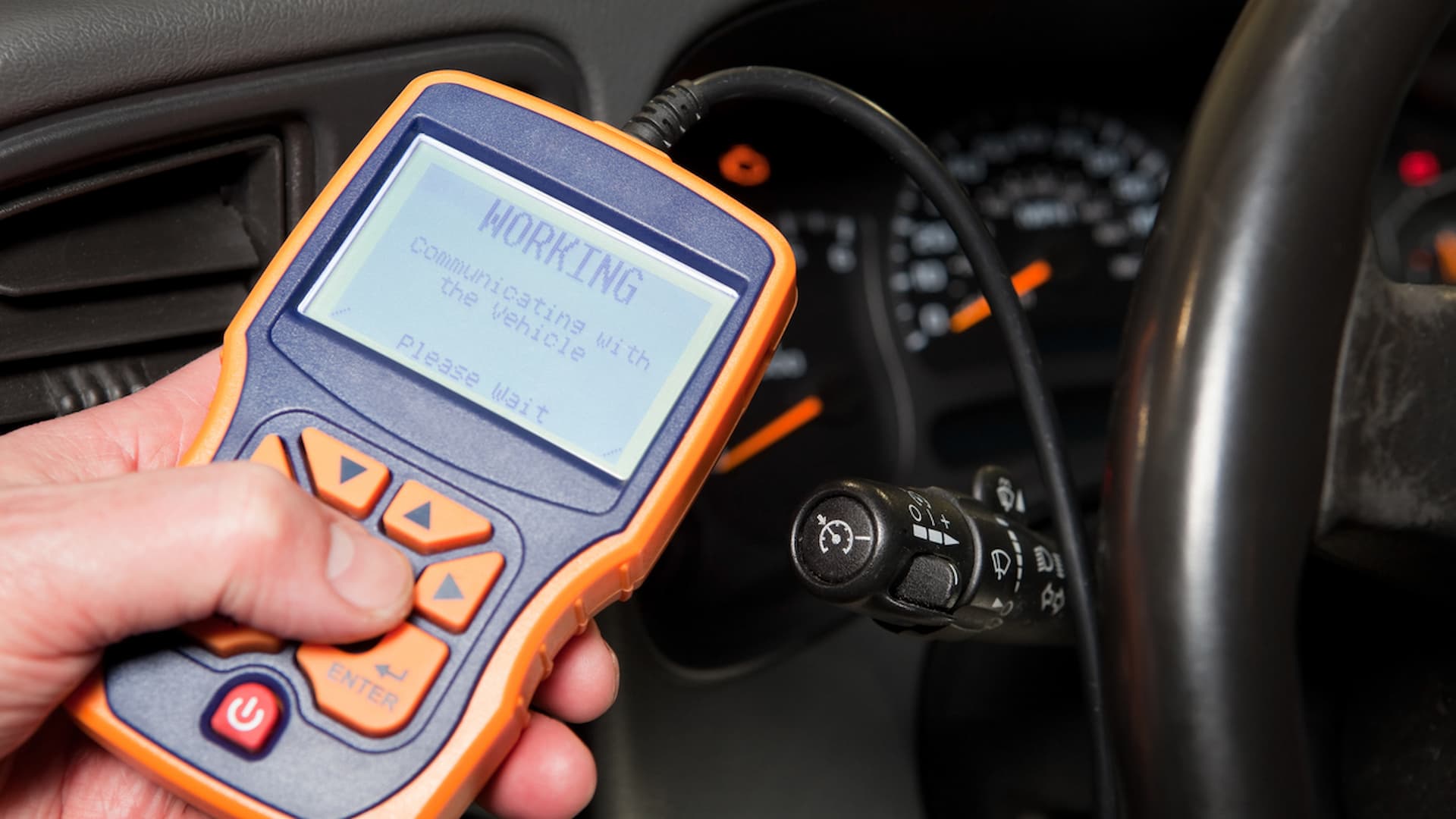
An OBD2 scanner is a valuable tool for diagnosing modern cars. Most vehicles sold in markets where OBD2 is required have a diagnostic port that allows a scanner to communicate with the vehicle’s computer.
When the check engine light appears, a scanner can read stored diagnostic trouble codes and provide a starting point for finding the problem. Basic scanners are relatively affordable, making them attractive for drivers who want more information before visiting a mechanic.
A workshop may charge a diagnostic fee simply to connect a professional scanner and identify a fault code. If you already own an OBD2 scanner, you can perform the initial check yourself.
The scanner does not automatically tell you which component needs replacement, but the code can narrow the search considerably. This can prevent unnecessary parts purchases and give you useful information when discussing a repair with a professional.
For example, a check engine light may produce a code related to an oxygen sensor, ignition misfire, or emissions system. The code should be treated as a diagnostic clue rather than a final diagnosis.
Checking wiring, connectors, vacuum lines, sensors, and other related components is still important. Even with that limitation, the scanner can save money by reducing guesswork and helping you understand what your vehicle is reporting.
An OBD2 scanner can also be useful when purchasing a used car. A quick scan may reveal current or stored fault codes that are not obvious during a short test drive.
Some advanced scanners can display live data, allowing you to monitor engine readings while the vehicle operates. This information can help identify problems that might otherwise remain hidden until after the purchase.
The tool can pay for itself after a single diagnostic visit that you avoid or replace with a basic self-check. It is especially useful for households with multiple vehicles because the same scanner can often be used across different compatible cars.
Keeping an OBD2 scanner in your garage gives you an inexpensive way to investigate warning lights before deciding whether professional service is necessary.
2. Battery Tester
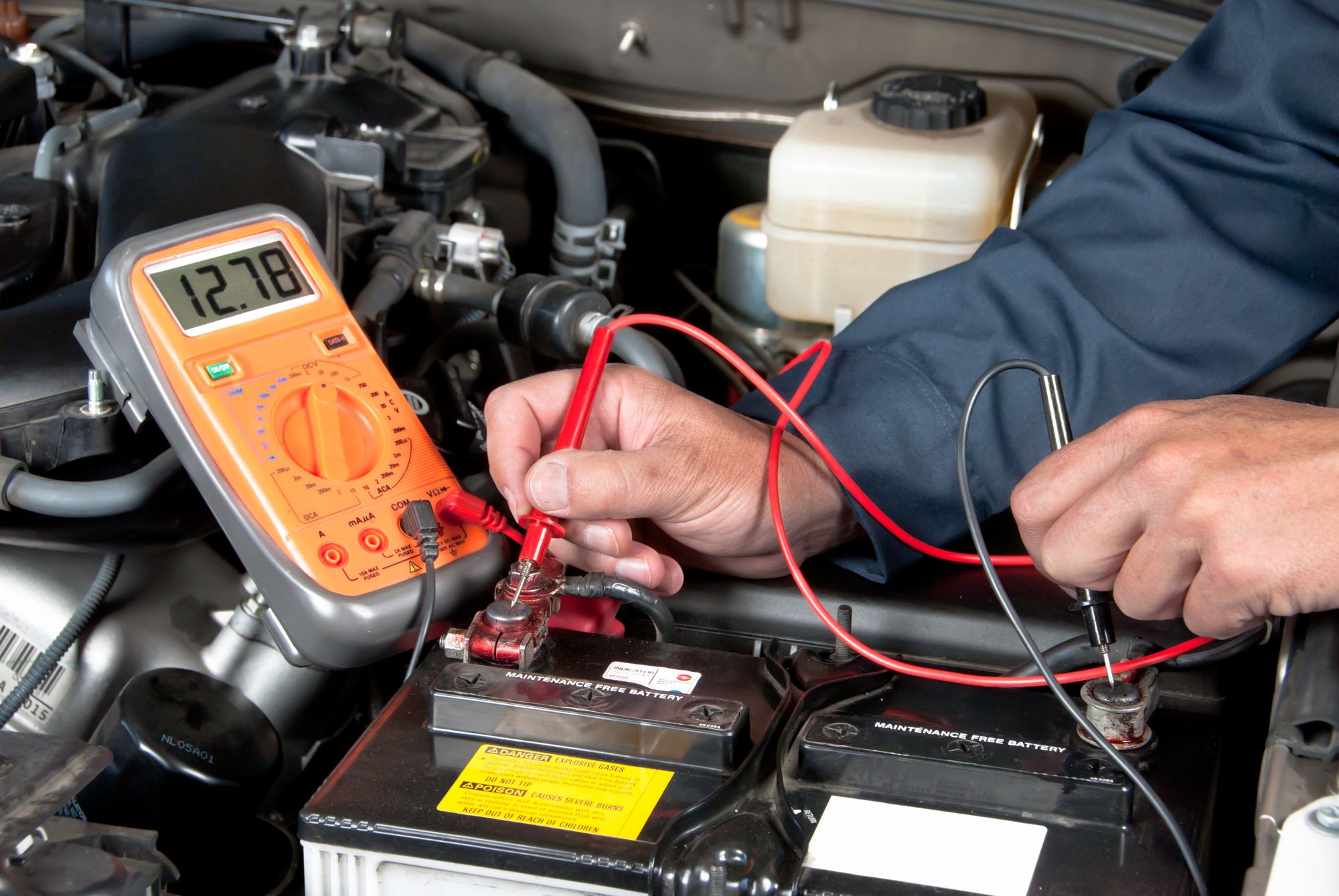
A digital battery tester can quickly tell you more about your car battery than a simple visual inspection. Many testers measure voltage and estimate the battery’s starting performance based on the condition of the battery. This information can be useful when a vehicle begins cranking slowly, struggles to start in cold weather, or shows signs of electrical weakness.
Replacing a battery before it completely fails can prevent an inconvenient roadside situation. A tester allows you to check battery health periodically instead of waiting for symptoms to become severe.
Testing is particularly useful before long trips or during seasons when batteries face greater stress. A healthy battery should still be checked when unusual starting behavior appears.
Battery problems can sometimes be confused with alternator or starter issues. A tester cannot diagnose every part of the starting and charging system, but it can provide useful evidence. If the battery is weak, replacement may solve the starting problem. If battery condition appears acceptable, further testing of the charging system or starter may be appropriate.
A battery tester is inexpensive compared with the cost of repeated diagnostic visits or emergency assistance. It can also help you avoid replacing a battery unnecessarily. Before buying a replacement, checking the existing battery can give you more confidence that the purchase is actually needed.
For drivers who maintain their own vehicles, a battery tester can recover its cost after preventing a single unnecessary service call or helping identify a failing battery early.
It is small, easy to store, and simple to operate. Used correctly, it becomes a practical addition to any basic automotive tool collection.
3. Digital Tire Pressure Gauge
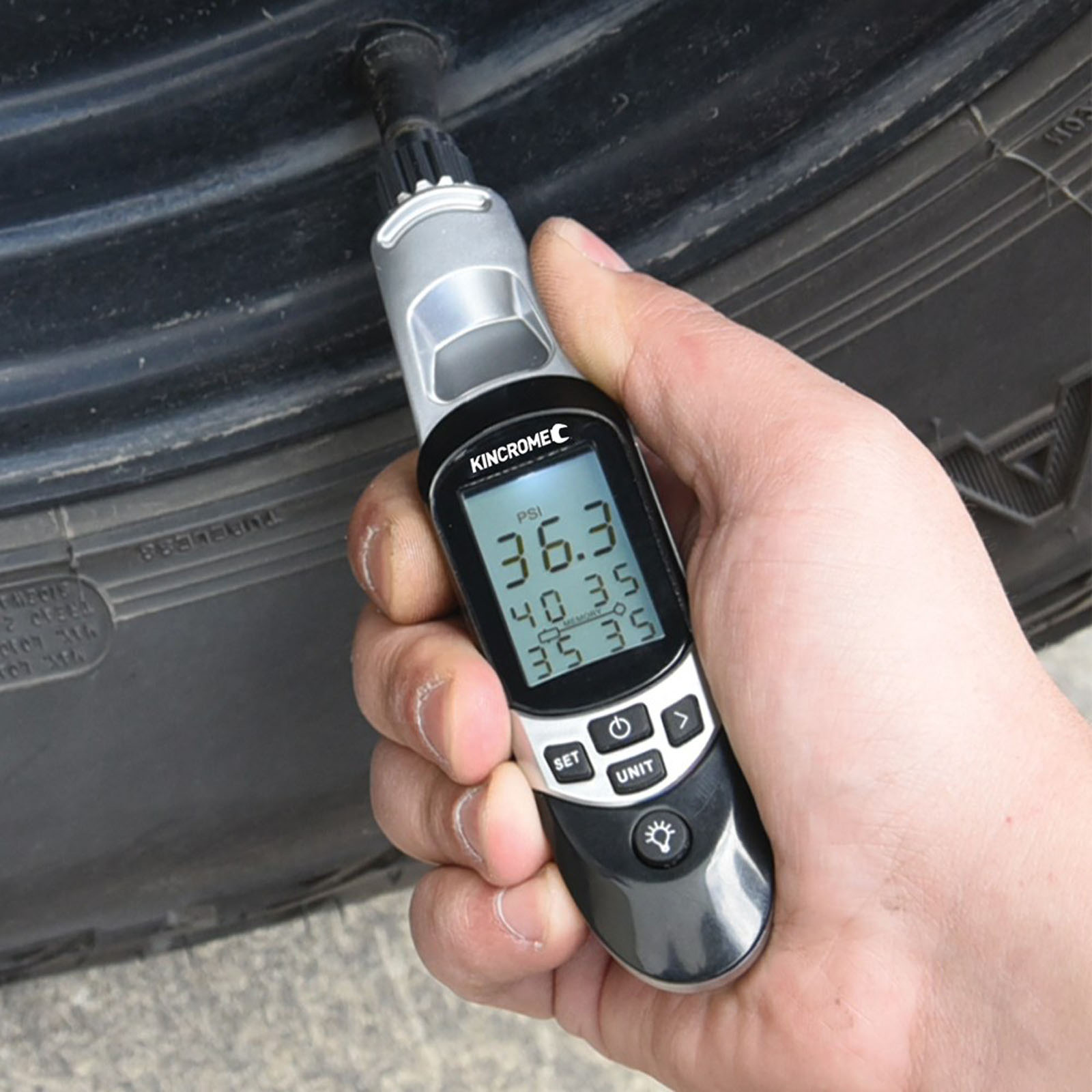
Correct tire pressure affects handling, braking, tire wear, and fuel efficiency. A digital tire pressure gauge provides a quick and accurate way to check pressure at home. Gas stations may have pressure gauges, but their accuracy and condition can vary. Having your own gauge means you can check your tires whenever needed.
Many drivers wait until a tire looks visibly low before checking it. That approach is unreliable because modern tires can lose pressure without looking significantly different from properly inflated tires. A pressure gauge gives you an actual measurement that can be compared with the vehicle manufacturer’s recommended pressure.
Underinflated tires can wear unevenly and create additional rolling resistance. Overinflation can also affect ride comfort, handling, and tire wear.
Checking pressure regularly helps keep the tires within the recommended range. It is important to use the pressure specification provided by the vehicle manufacturer rather than relying on the maximum pressure printed on the tire sidewall.
A quality digital gauge is inexpensive and can remain useful for years. It can also be kept in the glove compartment or emergency kit. Checking pressure before a long highway trip takes only a few minutes and can help identify a slow leak before it becomes a larger problem.
The tool can effectively pay for itself by helping extend tire life and preventing unnecessary visits to a service station. A single avoided tire problem can justify the purchase.
Since tire pressure should be checked regularly, this is also a tool that provides value repeatedly after its initial cost has been recovered.
4. Portable Jump Starter
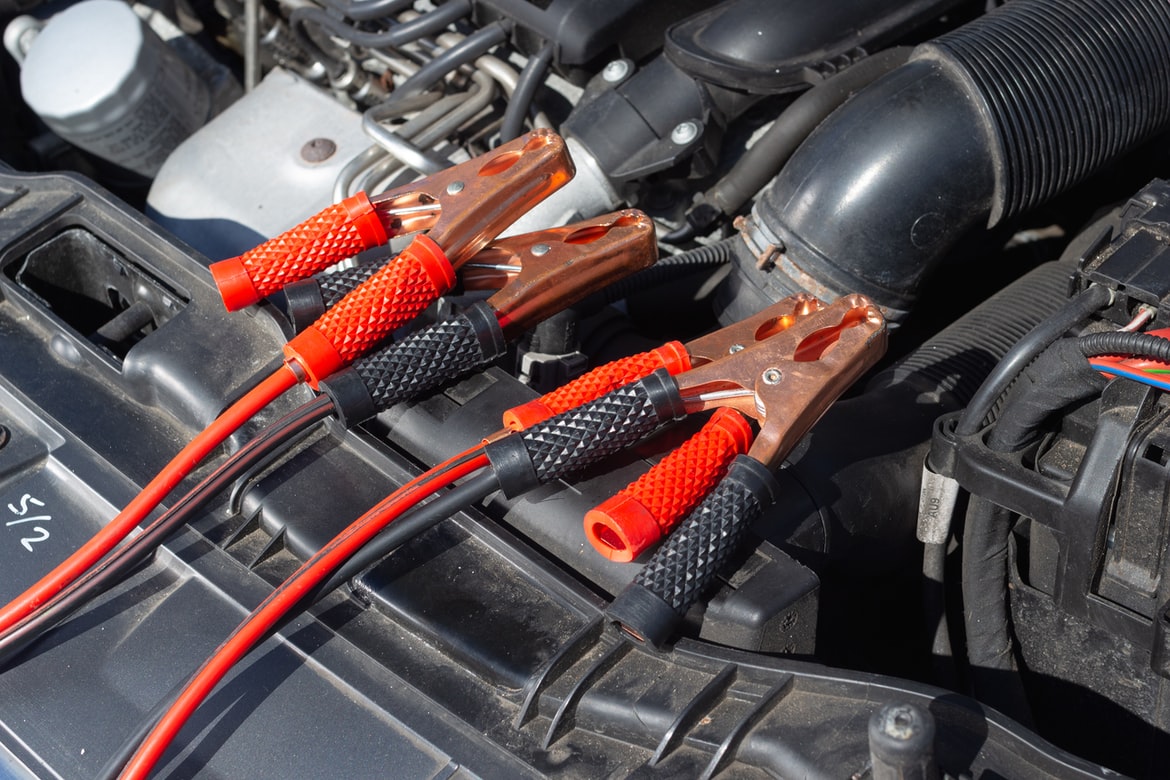
A portable jump starter can be extremely useful when a vehicle battery becomes too weak to start the engine. Traditional jumper cables require another vehicle to provide power, which means you need another driver nearby and a safe place to position both cars. A jump starter removes much of that dependence.
Modern portable jump starters are compact compared with older emergency equipment. Many models contain lithium batteries and include clamps designed to connect to a vehicle battery.
Some also provide USB charging ports, flashlights, and other emergency features. The exact capabilities vary by model, so choosing a unit suitable for your vehicle’s engine size is important.
The financial benefit becomes obvious when you consider the cost of roadside assistance. A single service call for a dead battery can cost more than a basic jump starter. Having your own unit allows you to restart the vehicle without waiting for assistance, provided the battery problem is suitable for a jump start and the equipment is used correctly.
A jump starter should be charged periodically and stored according to the manufacturer’s instructions. It should also be inspected for damaged cables, swelling, corrosion, or other signs of a problem. Proper storage matters because an emergency device is only useful if it has enough charge when you need it.
For people who travel frequently, commute long distances, or drive older vehicles, a portable jump starter can be especially worthwhile. Its purchase price can be recovered during a single roadside incident. The added convenience and independence make it a strong emergency tool for a basic car kit.
5. Torque Wrench
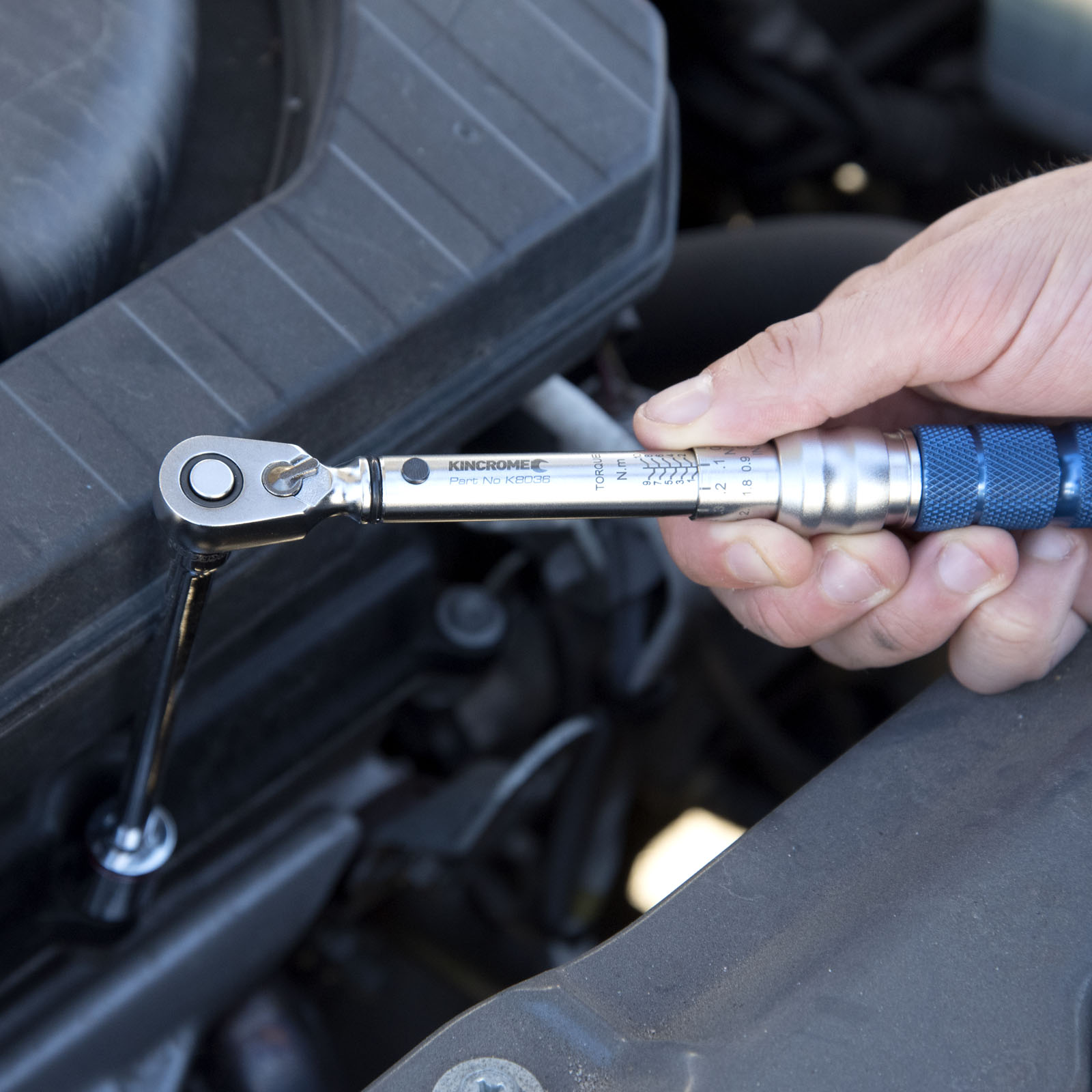
A torque wrench allows you to tighten fasteners to a specified torque value. This matters because automotive bolts and nuts are designed to be tightened within particular ranges. Too little torque can allow a fastener to loosen, while excessive torque can damage threads, distort components, or create other mechanical problems.
Wheel-related work is a common reason to own a torque wrench. When installing wheels, lug nuts should be tightened according to the vehicle manufacturer’s specification. Correct tightening helps ensure the wheel is properly secured and reduces the risk associated with uneven or excessive tightening.
A torque wrench can also be useful for jobs involving brake components, suspension parts, engine components, and other fasteners where a specified torque value is provided. The correct specification should always come from a reliable service manual or manufacturer documentation rather than guesswork.
Professional labor charges can make simple maintenance jobs surprisingly expensive. If you perform suitable work yourself, a torque wrench can help you complete the job more accurately. It is particularly valuable when you regularly work on your own vehicles or maintain several cars in a household.
The tool may recover its cost after a single wheel or maintenance job performed at home. More importantly, it adds a layer of control and precision that ordinary hand tools cannot provide. A torque wrench is not a substitute for proper repair knowledge, but it is a smart investment for anyone performing mechanical work.
6. Brake Bleeder Kit
A brake bleeder kit can help vehicle owners replace old brake fluid and remove air from hydraulic brake systems when the repair procedure permits home servicing.
Brake work requires care because braking performance is directly related to safety. Anyone using such a tool should understand the vehicle’s specific bleeding procedure before beginning.
Air inside a hydraulic brake system can create a soft or spongy pedal. Brake fluid can also absorb moisture over time, which is why manufacturers often specify inspection or replacement intervals. A proper bleeding process helps replace contaminated fluid and remove unwanted air from the system.
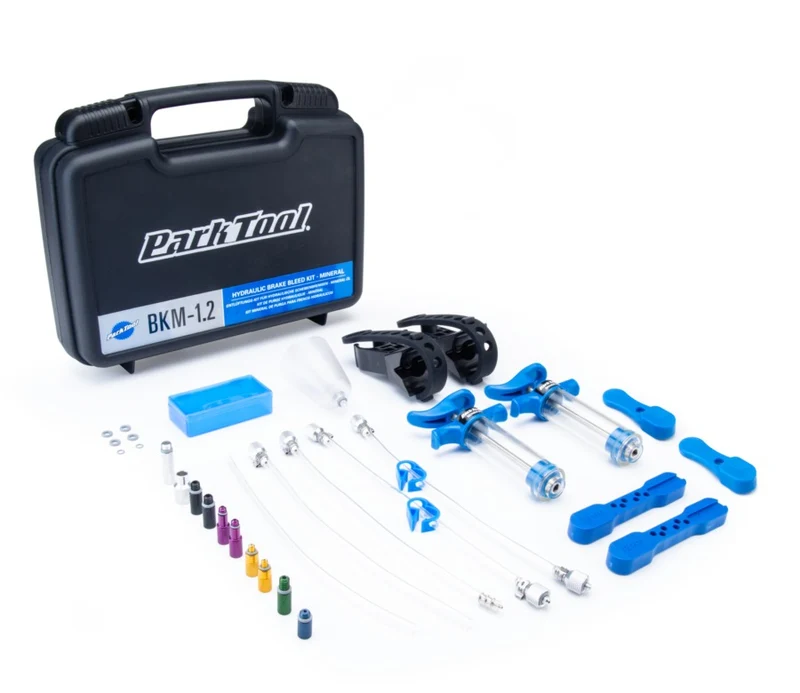
A basic brake bleeding kit may include tubing, a collection container, fittings, or a hand-operated vacuum pump depending on the design. More advanced pressure bleeders can make the procedure faster. The appropriate equipment depends on the vehicle and the type of brake service being performed.
A professional brake fluid service can cost considerably more than the fluid and basic equipment required for a suitable home job. If you already have the necessary mechanical knowledge, the tool can therefore recover its purchase price quickly. However, brake repairs should never be rushed simply to save money.
After bleeding the brakes, the pedal should feel firm, and the system should be inspected carefully for leaks. Brake fluid should be kept away from painted surfaces because it can damage automotive paint. Used fluid must also be disposed of responsibly according to local requirements.
7. Serpentine Belt Tool
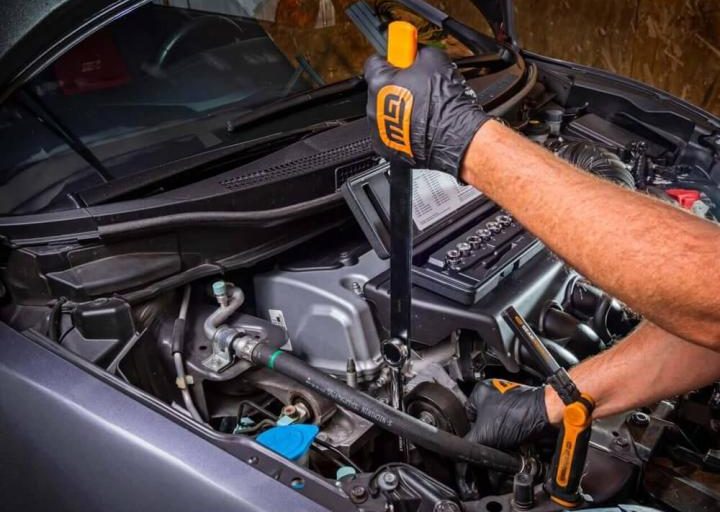
A serpentine belt tool is designed to make removal and installation of certain engine accessory belts easier. The belt powers components such as the alternator, air conditioning compressor, power steering system on applicable vehicles, and other accessories. Belt routing and tensioner design vary by vehicle.
Removing a serpentine belt can be difficult when the tensioner is located in a tight space. A dedicated tool can provide better leverage and reach than a conventional wrench. This can reduce the amount of time required for a job and make it easier to control the tensioner safely.
Serpentine belts are wear items. Cracks, glazing, fraying, or unusual noise can indicate that inspection or replacement is needed. A worn belt should not simply be ignored because failure can stop important engine accessories from operating.
Replacing a belt at home can save labor costs when the job is within your mechanical ability. The belt itself is usually much cheaper than the combined cost of parts and workshop labor. A specialized belt tool can make sense for people who expect to perform this repair more than once.
The tool may pay for itself during the first belt replacement if it prevents a difficult job from requiring professional labor. It also reduces frustration compared with trying to force the tensioner with an unsuitable tool. As with any engine repair, the engine should be switched off and allowed to cool as appropriate before work begins.
8. Oil Filter Wrench
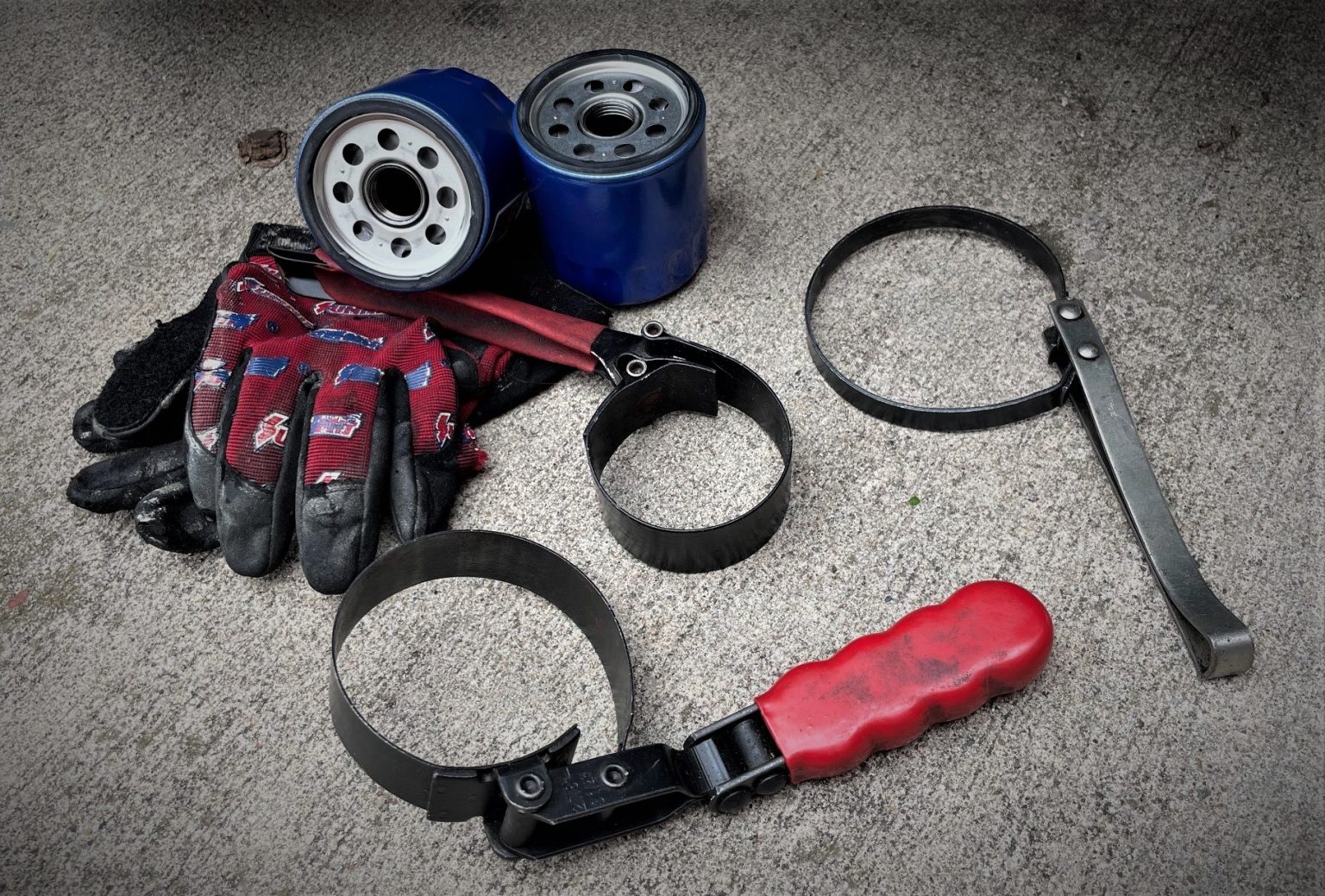
An oil filter wrench can make engine oil changes significantly easier, especially when an old filter has been installed too tightly. Oil filters should generally be tightened according to the filter manufacturer’s instructions, but removing a stubborn filter can still require additional grip.
Several styles of oil filter wrenches exist, including strap, cup, plier, and adjustable designs. The correct choice depends on the filter size and the available working space. A cup-style wrench that fits a specific filter can provide a secure grip with minimal slipping.
Regular oil changes are among the most common forms of vehicle maintenance. Many drivers choose to have them performed at service centers because of convenience. However, people who prefer home maintenance can reduce labor costs by doing the work themselves when they have suitable equipment and a safe working area.
An oil filter wrench is inexpensive compared with repeated oil change labor charges. After a few maintenance sessions, it can save substantially more than its purchase price. The savings increase when the tool is used for multiple vehicles.
Used engine oil should be collected in a suitable container and taken to an appropriate recycling or disposal facility. It should never be poured onto the ground or into household drains. A simple oil filter wrench can therefore support both affordable maintenance and responsible vehicle care.
9. Trim Removal Tool Set
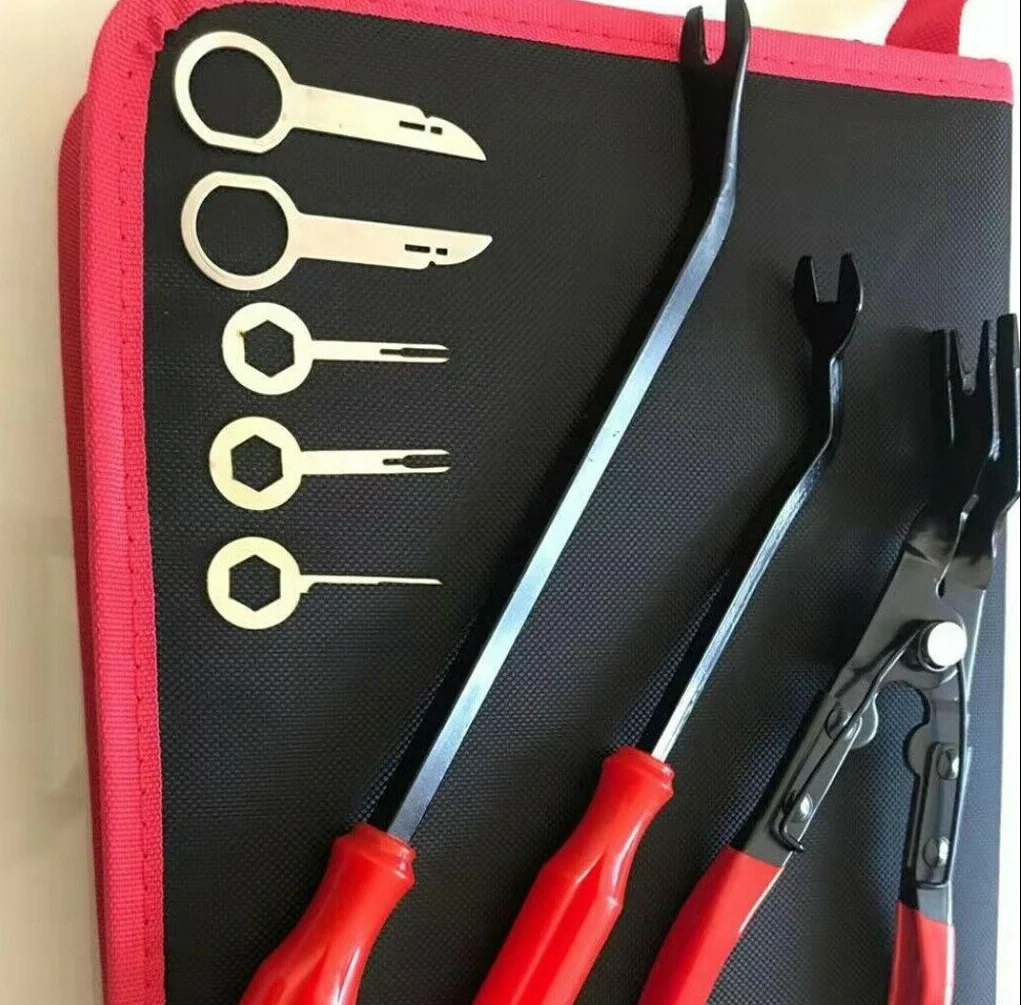
A trim removal tool set is useful for interior and exterior automotive work involving plastic clips and panels. Trying to remove trim with a screwdriver can scratch surfaces, damage clips, or leave visible marks. Plastic trim tools are designed to provide leverage while reducing the chance of damaging delicate surfaces.
Modern vehicles contain many clips holding door panels, dashboard sections, trunk liners, pillars, and other pieces in place. These clips can become brittle with age. Using the correct tool helps distribute force across the panel rather than concentrating pressure at a small point.
A trim tool set can be particularly useful when installing a dash camera, replacing speakers, changing interior bulbs, repairing door components, or routing wiring. Many of these jobs are mechanically simple but can become frustrating when panels are difficult to remove.
Professional installation charges can exceed the cost of a trim tool set by a considerable margin. If you perform even a single suitable interior installation yourself, the tools may recover their purchase price. They can then be reused for future electrical and cosmetic projects.
The best sets contain several shapes and sizes because automotive trim varies widely. Before removing a panel, it is important to check for hidden screws, electrical connectors, or clips. Using excessive force can still cause damage even when the correct tool is being used.
10. Floor Jack and Jack Stands
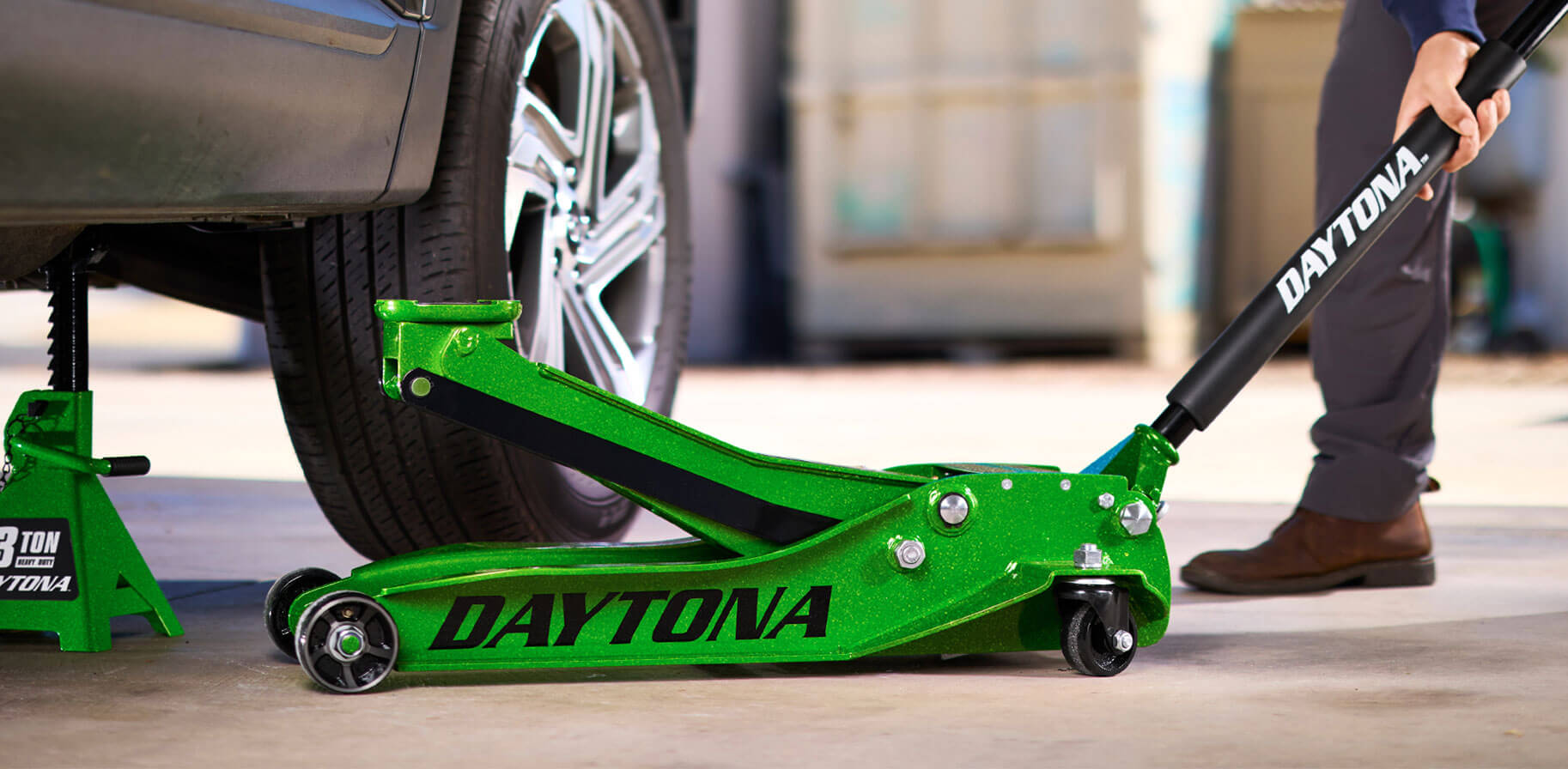
A quality floor jack paired with properly rated jack stands can save substantial money for people who perform routine work at home. Jobs such as wheel removal, brake inspection, tire rotation, and certain suspension repairs often require lifting part of the vehicle. A suitable lifting setup makes these tasks possible in a home garage.
A floor jack is designed to raise the vehicle, while jack stands are used to support it once it has been lifted. A hydraulic floor jack should never be treated as the sole support for a vehicle while someone is working underneath it.
The vehicle must be positioned on suitable stands at approved support points.
Safety is more important than speed when using lifting equipment. The vehicle should be parked on a stable, level surface where appropriate, the parking brake should be applied, and wheels should be secured against movement as required. Always follow the vehicle and equipment manufacturer’s instructions.
The financial savings can be significant because many basic repairs include a labor charge simply because the vehicle needs to be lifted. If you can safely perform wheel rotations, brake inspections, or other suitable maintenance at home, the equipment can recover its cost through avoided labor charges.
